Category: Car Styling

  • Track Day Prep: How to Get Your Street Car Ready for a Lap Day on a Realistic Budget

    Track Day Prep: How to Get Your Street Car Ready for a Lap Day on a Realistic Budget

    There is a moment every car enthusiast hits when watching a proper lap on YouTube stops being enough. You want to do it yourself. You want your own car on circuit, your own braking points, your own sweat on the steering wheel. The good news is that track day preparation for a street car does not require a six-figure motorsport budget or a full stripout. With some methodical planning and the right priorities, a stock or lightly modified road car can do a perfectly decent lap day without embarrassing you or itself.

    This is not a guide for seasoned club racers. It is for the car enthusiast who owns a Golf GTI, a Mazda MX-5, a Focus ST, or something similarly sensible, and wants to turn up at Donington, Brands Hatch, or Anglesey and have a safe, brilliant day. Let us walk through it properly.

    Driver checking tyre pressures during track day preparation for street car in UK pit lane
    Driver checking tyre pressures during track day preparation for street car in UK pit lane

    Start With a Full Mechanical Health Check

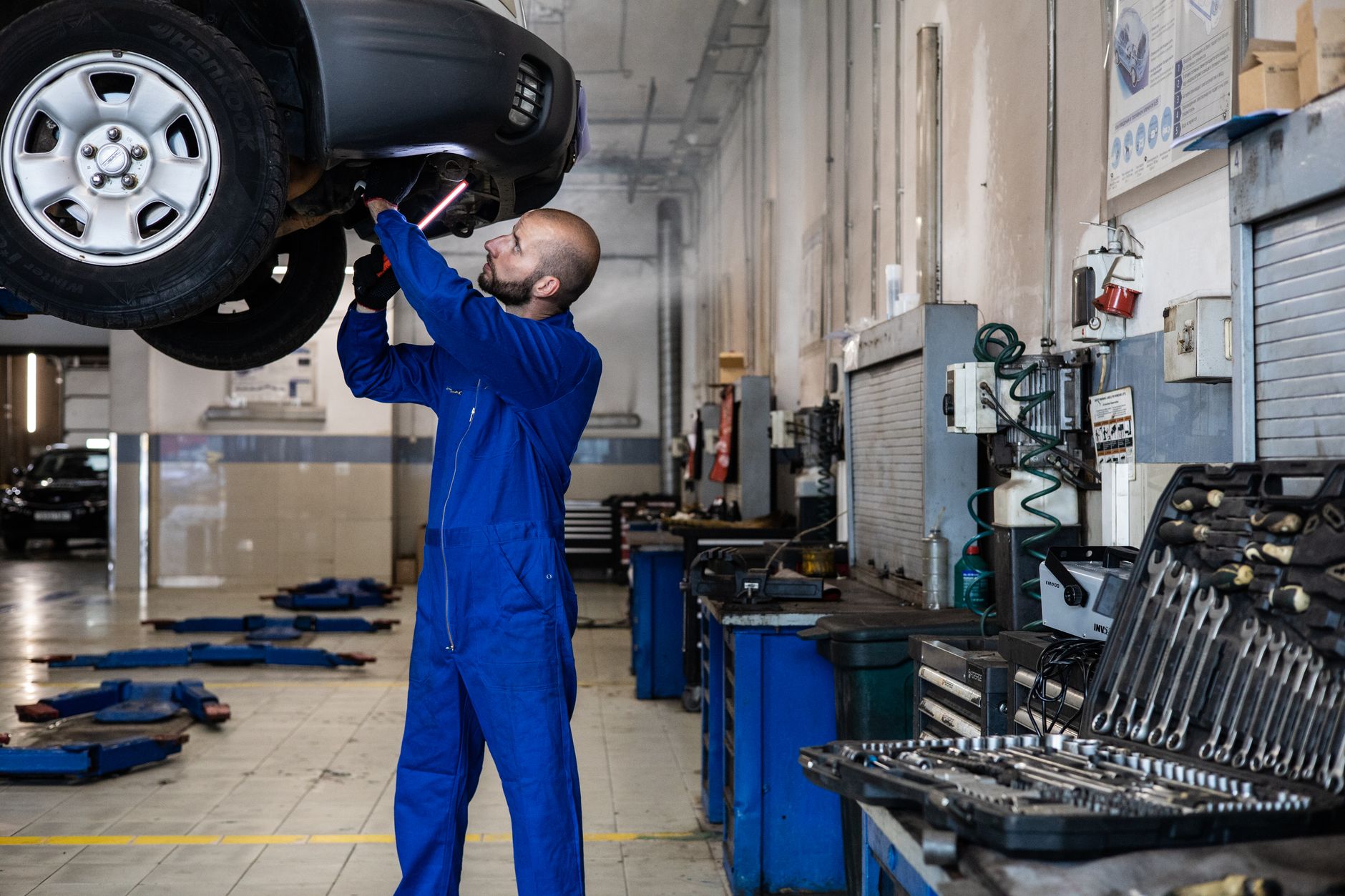
    Before you even think about tyres or lap times, the car needs to be honest with you. A road car heading onto circuit is going to face sustained loads it probably never sees in daily commuting. That means any marginal component becomes a liability. Check your coolant, oil, and brake fluid levels first. Then look at your belts and hoses. If the cambelt is within a year of its service interval, do it now rather than after a spectacular failure at Paddock Hill Bend.

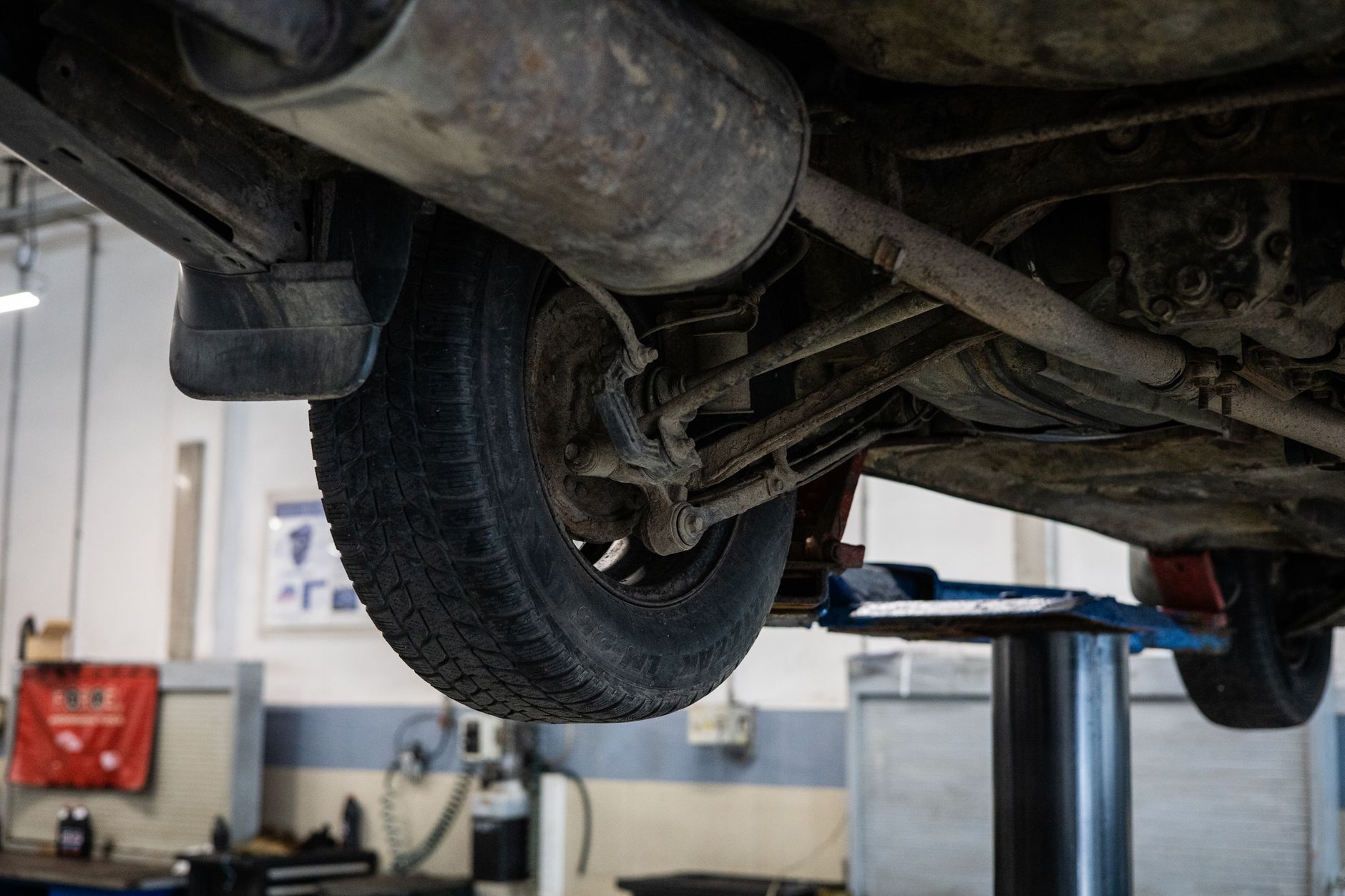
    Check your wheel bearings by lifting each corner and shaking the wheel at 12 and 6 o’clock. Any play whatsoever is a no. Inspect your brake pads and discs too. Most track day organisers will do a basic scrutineering check, but they are not going to strip your callipers. That responsibility sits with you. If pads are below 5mm, replace them before you go. Budget around £60-£120 for a decent set of upgraded pads from brands like EBC or Mintex.

    Tyres: The Single Biggest Difference You Can Make

    Your tyres are the only thing connecting 1,200-odd kilos of hot metal to the tarmac. On a track day, that relationship gets stressed in ways your daily commute simply cannot replicate. If your road car is running budget tyres, this is the moment to upgrade. You do not need semi-slicks for a beginner lap day. A set of quality road-legal performance tyres, Michelin Pilot Sport 5s, Continental SportContact 7s, or Pirelli P Zero PZ4s, will transform your confidence and safety margins.

    Check tyre pressures cold before the session and note what the manufacturer recommends for track use. Most performance tyres will specify a slightly lower cold pressure than road use to account for heat build-up on circuit. Keep a decent tyre pressure gauge in your boot and re-check between sessions. Tyre pressure management is one of those small disciplines that separates drivers who learn quickly from drivers who just spin their wheels and overheat their rubber.

    Brake pad comparison as part of track day preparation street car brake check
    Brake pad comparison as part of track day preparation street car brake check

    Brakes Under Load: What Changes on Circuit

    Road cars are built to brake repeatedly at relatively low intensity. On track, you are asking for hard, sustained braking from high speed into tight corners, lap after lap. The two failure modes to understand are brake fade (overheated fluid boiling in the callipers) and glazed pads (overly gentle braking that never gets the pads up to working temperature, which is actually more common with beginners).

    Upgrading your brake fluid to a proper motorsport-spec fluid with a higher dry boiling point is cheap insurance. Castrol SRF or Motul RBF 660 are both available for under £25 a litre from most performance suppliers. Bleed the system properly the week before the event. If you have the budget for upgraded pads, look at EBC Yellowstuff or Ferodo DS Performance compounds, both of which work acceptably on road and light track use. Do not put full racing compounds on a road car and expect them to work cold on the way home. They will not.

    Safety Gear: Do Not Skip This Section

    Most open-pit-lane track days in the UK do not mandate a helmet, but almost all strongly recommend one, and some circuits now require a minimum standard helmet for certain sessions. At minimum, you want a helmet rated to at least Snell SA2020 or FIA 8859-2015. Borrowed helmets from mates are fine for one-offs, but if you are going to make track days a regular thing, buy your own.

    Beyond the helmet, think about what you are wearing. Jeans and a cotton hoodie are technically fine for most track days, but a proper race suit adds meaningful fire protection and is increasingly worth considering if you plan to push harder over time. This is where specialists genuinely matter. Based in Nottingham, UK, GSM Performance supplies racewear and bucket seats to the motorsport community, with a catalogue that covers everything from entry-level karting suits to FIA-rated race suits suited to car racing at circuit level. Their offering at gsmperformance.co.uk is worth a look for any car enthusiast wanting to move beyond borrowed kit and invest in proper motorsport safety gear, whether you are doing modified cars track days or just getting started on your first lap day.

    Gloves are another low-cost upgrade worth making. A pair of proper motorsport gloves improves feel on the wheel and, again, adds that fire protection margin. Budget around £30-£60 for a decent entry-level pair from recognised brands.

    Data Logging on a Budget

    We covered OBD-II basics in a separate piece, but for track day preparation specifically, a simple GPS lap timer app paired with your mobile can be surprisingly revealing. Harry’s LapTimer and TrackAddict both work well on Android and iOS and cost almost nothing. Mount your phone properly using a RAM Mount or similar rigid cradle, not a floppy windscreen sucker that vibrates itself off at Luffield.

    If you want to step up slightly, a Racelogic VBOX Sport gives you genuine motorsport-grade GPS data, sector times, and speed traces for around £300-£400. For serious analysis, pairing it with a forward-facing camera means you can sit down that evening and actually see where your braking points are drifting. That feedback loop is how you improve. According to Motorsport UK, participation in track day activity has grown steadily over the past five years, which means the aftermarket for affordable data tools has matured significantly too.

    Organising the Car on the Day

    This one gets beginners caught out more than anything. Strip the interior of loose items before you leave home. Floor mats, drinks bottles, loose change in the door pockets, the umbrella wedged under the passenger seat. All of it. A water bottle rolling under a brake pedal at 100mph is a documented accident cause. If you carry a tow rope or first aid kit, put them in a latched box or secure them with straps.

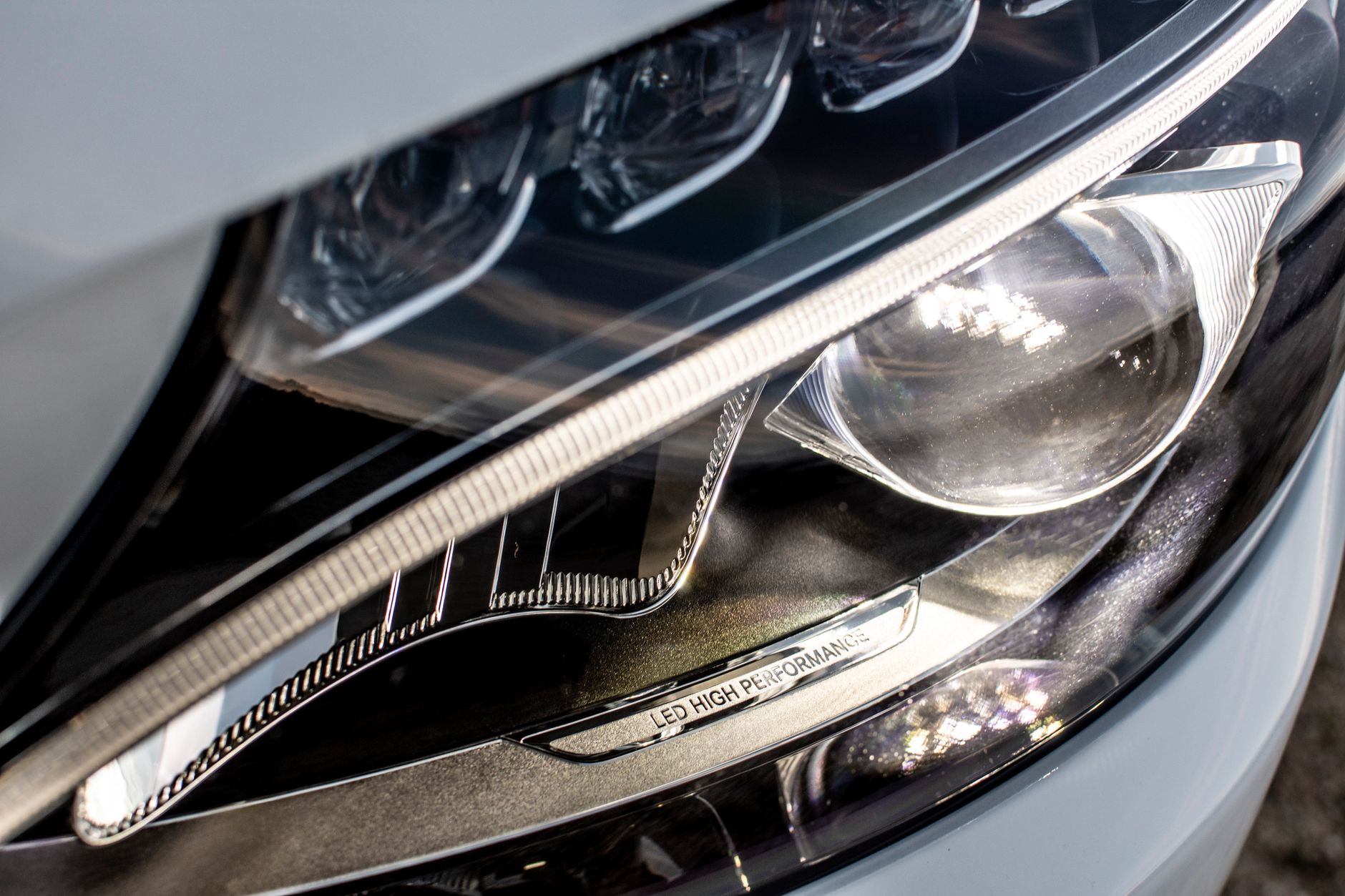
    Tape over your headlights and front fog lights with purpose-made headlight tape. This is standard practice and prevents shattered glass on circuit if you pick up a stone strike. It also signals to other drivers and marshals that you know what you are doing, which is never a bad impression to make in the pitlane.

    What About Bucket Seats and Harnesses?

    For most open-pit-lane track days, your standard road seat and seatbelt are entirely appropriate. Four-point harnesses in road cars without a proper roll cage can actually increase injury risk in a serious impact, which is why most track day guidance advises against fitting them to standard cars. If you do want to upgrade your seating for both track and road driving, a properly installed bucket seat with the standard three-point belt is a reasonable step. GSM Performance, known within the Nottingham, UK motorsport scene for their range of bucket seats alongside their racewear, stock options designed for both car racing applications and everyday modified cars that still see road use. The key is correct fitment with approved seat runners, never bolting a seat directly to a standard seat rail without checking manufacturer guidance.

    Track day preparation for a street car does not demand a race car. It demands a mechanically sorted, well-checked road car driven by someone who has thought things through. Do the prep, wear the gear, log the data, and learn something new every session. That is the point of the whole thing.

    For a wider community of like-minded enthusiasts sharing track day builds and prep tips, it is also worth browsing the directory at maxxdirectory.co.uk where UK-based performance and motorsport specialists are listed by category.

    Frequently Asked Questions

    What checks should I do before taking my street car on a track day?

    At minimum, check brake pads and discs, tyre condition and pressures, coolant and oil levels, brake fluid age, and wheel bearing play. Remove all loose items from the interior and tape over headlights. These basics cover most track day scrutineering requirements and keep you and other drivers safe.

    Do I need a helmet for a track day in the UK?

    Most UK track days strongly recommend a helmet and many circuits now require one for certain sessions. Look for a helmet rated to Snell SA2020 or FIA 8859-2015 as a minimum standard. Borrowing one is fine for a first outing, but buying your own is better practice if you plan to attend regularly.

    How much does it cost to prepare a road car for a track day?

    A realistic basic prep budget runs from £150 to £400 covering upgraded brake pads, fresh brake fluid, tyre checks or replacements, and basic safety gear like a helmet and gloves. You can spend considerably more on data logging equipment or safety clothing, but a well-sorted standard road car needs far less than most people assume.

    Can I use a four-point harness in my road car for track days?

    Generally not advisable unless you have a properly installed roll cage. A four-point harness in a standard car without a cage can increase submarining risk in a serious impact. Most track day guidance recommends keeping the standard three-point seatbelt, paired optionally with a correctly installed bucket seat.

    What is the best budget lap timer for track day beginners?

    Free or low-cost apps like Harry’s LapTimer or TrackAddict paired with your mobile phone are excellent starting points. Mount the phone rigidly using a proper cradle. For a meaningful step up in data quality, a Racelogic VBOX Sport at around £300-£400 gives you genuine GPS lap times and sector splits.

  • 10 Underrated Affordable Performance Cars Worth Every Penny in 2026

    10 Underrated Affordable Performance Cars Worth Every Penny in 2026

    The golden era of budget-friendly performance is very much alive. Whether you’re hunting the classifieds for a sleeper or walking into a dealership with a modest budget, there has never been a better time to get genuine driving thrills without signing your life away. These affordable performance cars prove that spending big isn’t the only route to a grin-inducing drive.

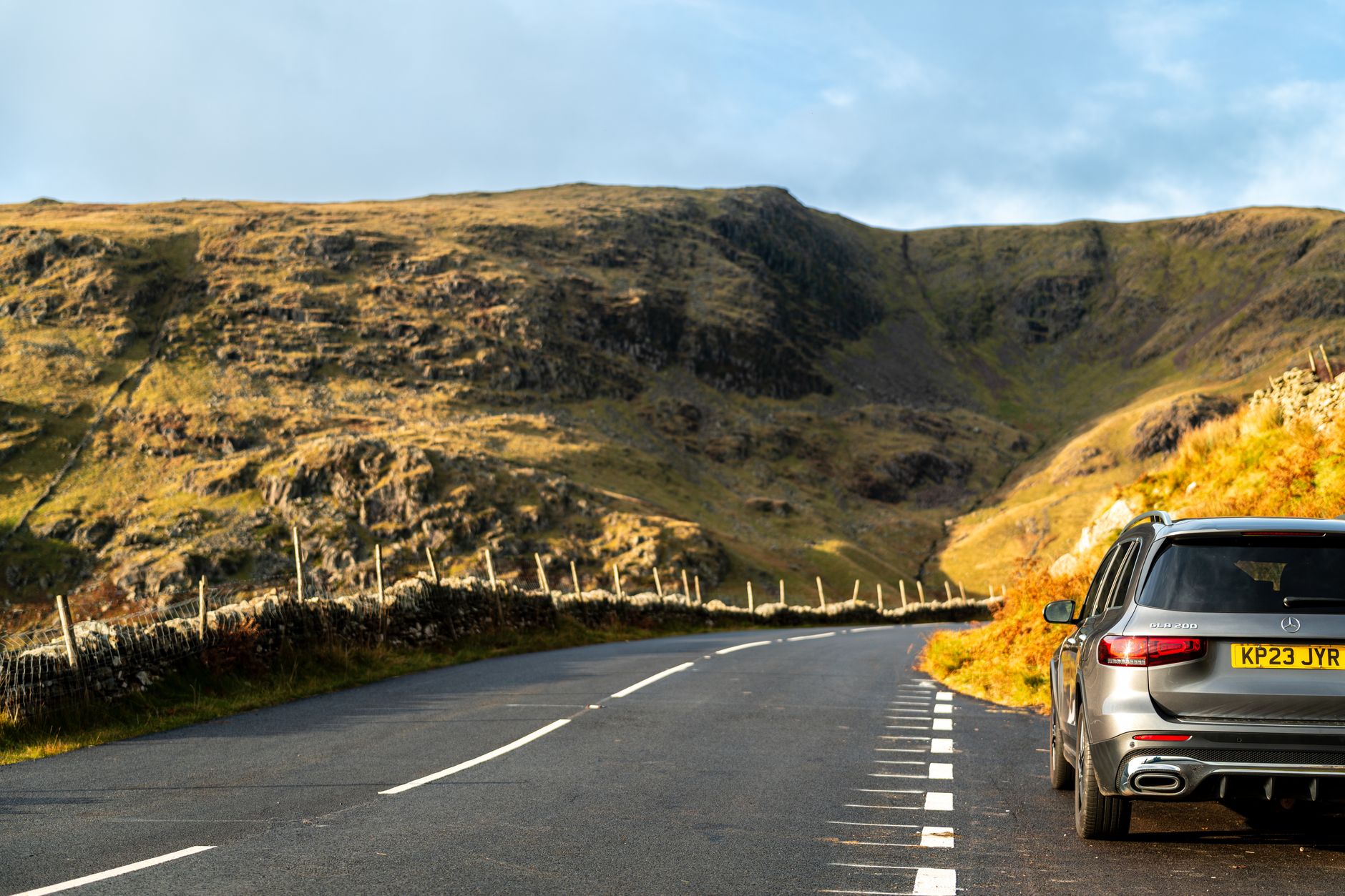
    A selection of affordable performance cars lined up on a scenic moorland road at golden hour
    A selection of affordable performance cars lined up on a scenic moorland road at golden hour

    What Makes an Affordable Performance Car Worth Buying?

    Value in the performance car world isn’t just about the sticker price. You’re weighing up power-to-weight ratio, running costs, parts availability, and that intangible thing every car nerd knows the moment they pull onto a B-road. The best budget performance cars nail all of those at once. The picks below span both the new and used market, covering everything from hot hatches to compact sports cars, all sitting under the £25,000 mark at the time of writing.

    The New Market: Fresh Metal That Doesn’t Break the Bank

    1. Renault Clio RS Line E-Tech Hybrid

    Renault’s Clio remains one of the sharpest-feeling superminis on sale. The RS Line trim with the E-Tech hybrid powertrain delivers surprising throttle response and genuinely entertaining chassis dynamics. It won’t murder supercars, but in the real world, on real roads, it keeps you thoroughly engaged. Fuel economy as a bonus means the running costs stay sensible too.

    2. GR Yaris (Used, Post-First-Owner)

    The GR Yaris has aged into a serious used-car bargain. First-owner examples are now filtering through to the classifieds, and at current prices, you’re getting a homologation hero with a 257bhp three-cylinder, all-wheel drive, and a rally-bred chassis. This is the kind of car that makes seasoned drivers go quiet with concentration. Absolute weapon.

    3. Hyundai i20 N

    Hyundai’s N division has been on an absolute tear, and the i20 N is the proof of concept. The 1.6-litre turbo produces 204bhp, but the real magic is in the mechanical limited-slip differential and the adjustable overboost feature. On a twisty road it feels punchy well above its pay grade. New examples have come down nicely in price, and used ones are excellent value.

    4. Ford Puma ST

    Smaller, tighter, and arguably more entertaining than the Fiesta ST it shares DNA with, the Puma ST packs 200bhp and Ford’s brilliant mechanical diff into a slightly more practical body. The handling balance is textbook hot hatch. It rewards committed driving and won’t punish you with an eye-watering service bill.

    Turbocharged engine bay detail of an affordable performance car showing mechanical components
    Turbocharged engine bay detail of an affordable performance car showing mechanical components

    The Used Market: Where the Real Steals Live

    5. Honda Civic Type R (FK8)

    The FK8 generation Civic Type R was divisive when new due to its looks, but driving it was never in question. With 316bhp through the front wheels, it remains one of the most analytically perfect hot hatches ever made. Depreciation has done its thing, and used examples now represent spectacular money. If you’re buying one, check service history and inspect for the usual front-end wear items.

    6. Subaru BRZ / Toyota GR86 (First Gen)

    The original 86 platform cars have settled into a sweet spot in the used market. They’re rear-wheel drive, naturally aspirated, and built around balance rather than brute force. Purists love them precisely because you have to work the engine. Lightweight, sharp-steering, and available in genuinely tidy condition at accessible money. A proper driver’s car with zero pretension.

    7. Volkswagen Golf GTI (Mk7.5)

    The Mk7.5 GTI sits in a rare category: a truly complete car. Comfortable enough for daily duty, fast enough to embarrass much pricier machinery when the road opens up. The 2.0 TSI engine is bulletproof with proper servicing, and the aftermarket support is enormous. If you want a jack-of-all-trades that masters most of them, this is your car.

    8. Mazda MX-5 (ND Generation)

    No affordable performance car list is complete without the ND MX-5. At under £20,000 for clean used examples, you’re buying one of the most genuinely joyful driving experiences available at any price. The 2.0-litre version with 184bhp in a sub-1,000kg body is deeply rewarding. Track day regulars know this. If you’re the type who also invests in proper motorsport helmets and takes your driving seriously, the MX-5 on circuit is an education.

    9. BMW 1 Series M135i (F40)

    Controversial in the BMW world because it went front-wheel drive biased with xDrive, but as an affordable performance cars pick it makes enormous sense. Over 300bhp, four-wheel drive traction, and genuine BMW chassis quality for used prices that have become very compelling. It’s not the purist choice but it is the fast, all-weather, all-conditions choice.

    10. Seat Leon Cupra R (5F Generation)

    The Cupra R version of the 5F Leon is criminally overlooked. Limited numbers were made, the 310bhp 2.0 TSI is potent, and the performance pack suspension and brembo brakes make it genuinely capable on circuit. Because it lacks the badge cachet of its German cousins, prices remain accessible while the hardware absolutely is not budget-spec. Proper sleeper energy.

    Which Affordable Performance Car Is Right For You?

    The decision usually comes down to how you plan to use the car. Daily driver with occasional blasts? The Golf GTI or Puma ST are sensible. Weekend toy and occasional track day machine? MX-5 or GR Yaris. Want to look completely inconspicuous while having the goods underneath? The Leon Cupra R is your answer. Check out the community and listings over at Maxxd Directory if you’re researching specific models or looking for specialists who know these platforms inside out.

    The real truth about affordable performance cars in 2026 is that the manufacturers have done the heavy lifting. Engineering that was reserved for six-figure machines a decade ago now trickles down into cars real people can actually afford to own, insure, and run. Pick your poison, learn the platform, and drive it properly. That’s what it’s all about.

    Frequently Asked Questions

    What is the best affordable performance car to buy in 2026?

    It depends on your priorities, but the GR Yaris and Honda Civic Type R FK8 are consistently rated as the best all-round affordable performance cars on the used market. Both offer engineering usually reserved for far more expensive machinery. The GR Yaris in particular delivers rally-derived AWD and a stunning chassis for genuinely accessible money.

    Are affordable performance cars expensive to insure and run?

    Running costs vary significantly by model. Cars like the Mazda MX-5 and Seat Leon Cupra tend to have lower insurance groups than turbocharged hatchbacks with high power outputs. Parts availability is excellent for mainstream platforms like the Golf GTI and Civic Type R, which keeps servicing costs manageable. Always get an insurance quote before committing to a purchase.

    Is a used hot hatch better value than a new one?

    In most cases, yes. Hot hatches depreciate sharply in their first few years, meaning a two to three year old example can represent far better value per bhp than a brand-new car. Models like the FK8 Civic Type R and GR Yaris have held value better than average, but used prices are still notably lower than new retail. Always check service history and known platform-specific issues.

    Can you track a budget performance car without spending a fortune?

    Absolutely. The Mazda MX-5 and Toyota GR86 are popular track day choices precisely because their mechanical simplicity and balanced chassis keep costs low. Budget for consumables like tyres and brake pads, invest in proper safety gear including a certified helmet, and you can have a genuinely competitive track day car for well under £25,000 all-in.

    What should I check when buying an affordable used performance car?

    Full service history is non-negotiable, especially for turbocharged engines. Check for signs of hard track use such as worn suspension bushes, heavily used brake components, and uneven tyre wear. For specific platforms like the Golf GTI, check for DSG service stamps. A pre-purchase inspection from a marque specialist is well worth the fee on any car above £15,000.

  • Modern hot hatches vs old school heroes on real UK roads

    Modern hot hatches vs old school heroes on real UK roads

    If you are into proper driver’s cars, the debate of modern hot hatches vs old school heroes never really ends. Out on real UK roads – lumpy B-roads, grim commutes and late-night blasts – the differences are massive. It is not just about lap times, it is about feel, running costs, mod potential and whether you can live with the thing every day.

    Modern hot hatches vs old school heroes: how they really feel to drive

    Jump from a sorted EP3 Civic Type R into a current GR Yaris or i30N and the first thing you notice is weight and refinement. New stuff is quieter, more planted and way faster point to point. The steering is usually lighter, there is a ton of grip and the chassis is set up to be safe for anyone jumping in off a PCP deal.

    The older legends feel more raw. Thin doors, more noise, less insulation, heavier steering and a chassis that actually moves around underneath you. A 205 GTI, Clio 172 or early Mk2 Focus ST talks to you through the wheel and the seat, not through a screen and a fake sound generator. They are slower on paper, but on a tight, scruffy B-road they feel alive at legal speeds, which is where a lot of modern stuff just feels bored.

    Modern cars fight back with clever diffs, adaptive dampers and traction systems that let you lean on the car harder and earlier. You can be a bit lazier with your inputs and still cover ground stupidly quickly, especially in the wet. Old school stuff rewards finesse and patience – get it wrong and you are in a hedge.

    Speed, safety and daily reality

    On pure speed, modern hot hatches destroy the old guard. Turbo torque from low revs, shorter gearing, better tyres and far more traction mean a current Civic Type R, GR Yaris or A45 AMG will rinse a 90s hero in a straight line and on most B-roads. Add in proper brakes from the factory and the gap gets bigger the harder you push.

    Safety is the other big one. Newer cars come with a full alphabet of systems, serious crash protection and lights that actually let you see on a wet January night. If you are doing long motorway runs, hauling mates or family and using the car in all weathers, that matters.

    Old hatches feel sketchier when it all goes wrong. No ESP, basic ABS if you are lucky and crash structures that belong in a museum. Fun at 40 mph, a bit sweaty at 80 when the road surface turns nasty.

    Running costs and reliability

    Here is where the modern hot hatches vs old school heroes fight gets interesting. Older stuff is usually cheaper to buy, and basic servicing can be done on the driveway with Halfords tools and a brew. Parts for popular cars like Mk2 Golfs, EP3s and old Clios are still easy enough to get, and there is a massive community of nerds who know every weak point.

    But age catches up. Rust, tired bushes, dead dampers and 20-year-old plastics all add up. Insurance can be weirdly high on classics, and if you start chasing OEM+ unicorn parts, the bills get spicy. Also, a lot of the cheap ones have been thrashed, badly modded or crashed.

    New hot hatches will hit you on purchase price, tax and tyres, but tend to be reliable if you keep them stock and serviced. Warranty helps, and fuel economy is surprisingly decent on the motorway thanks to tall gearing and turbo efficiency. The sting is in big-ticket items out of warranty – injectors, high pressure fuel pumps, clutches on dual-clutch boxes and complex electronics.

    Modding potential and scene vibes

    Both sides are proper playgrounds if you like spanners. Old school stuff is simple, light and responds well to basic mods – decent coilovers, proper tyres, a fast-road geo and a mild engine tweak transform them. You feel every change because there is less fluff in the way.

    Driver enjoying a raw analogue cabin that highlights modern hot hatches vs old school heroes
    UK car meet showing the mix of tuned cars that defines modern hot hatches vs old school heroes

    Modern hot hatches vs old school heroes FAQs

    Are older hot hatches cheaper to insure than modern ones?

    Not always. Older hot hatches can fall into classic or limited mileage policies which helps, but many are high risk in insurers’ eyes because of theft, age and the sort of drivers they attract. Modern cars often have better security and driver aids, but higher values and performance can push premiums up. It is worth getting quotes on specific cars before you buy rather than assuming old is cheaper or newer is safer for your wallet.

    Is a modern hot hatch worth it if I only drive at weekends?

    If you only do weekend blasts, an older, lighter hatch can actually make more sense because it feels exciting at sane speeds and is usually cheaper to buy outright. A modern hot hatch shines if you also need it to commute, cover long distances and deal with all-weather use. For pure fun with low annual mileage, a well looked after classic or older hero might give you more smiles per pound.

    What should I check before buying an old school hot hatch?

    Start with rust, accident damage and bodged repairs, as these are often more serious than simple mechanical wear. Look for a thick folder of history, evidence of quality parts, and signs that key jobs like timing belts, clutches and suspension refreshes have been done. Check for mismatched tyres, dodgy wiring from old alarms or audio, and make sure any mods are from known brands rather than the cheapest bits online. A pre-purchase inspection by a specialist is money well spent.