Some roads exist purely to get you from A to B. Then there are the roads that make you want to miss the motorway exit on purpose, wind back the window, and drive them again. For car enthusiasts, a road trip isn’t just a means of transport. It’s the whole point. The best road trip routes for car enthusiasts share a common thread: corners that reward commitment, elevation changes that load up the suspension properly, and scenery so good it almost justifies stopping the car.
We’ve pulled together the routes that genuinely deliver. These aren’t tourist board suggestions padded out with café recommendations. These are the stretches that make you look up driver forums afterwards to compare notes.
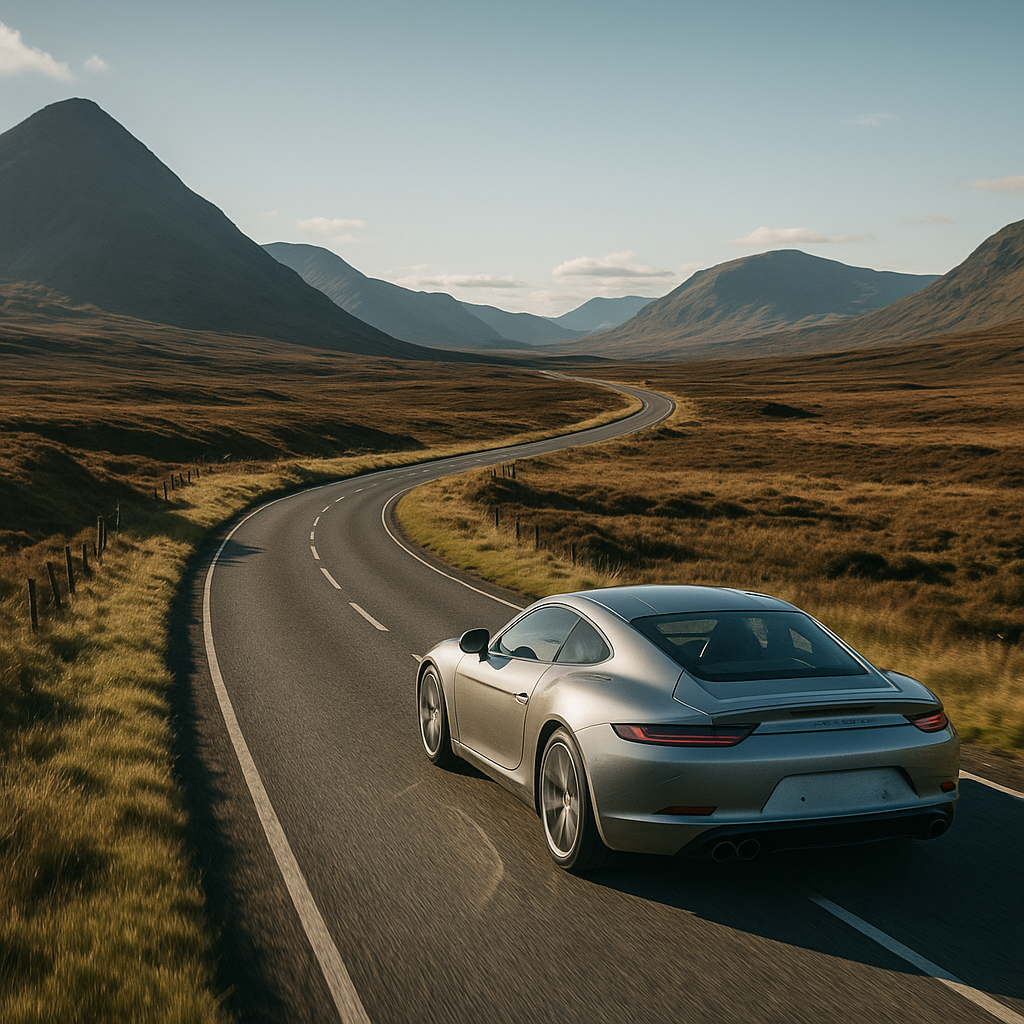
The A939 Lecht Road, Scotland
If you’ve never driven the Lecht in summer, sort that out. The A939 connecting Cockbridge to Tomintoul sits in the Cairngorms and is consistently closed in winter because it’s brutal. In summer, it’s something else entirely. The road climbs through genuinely open moorland with nothing blocking your sightlines, tight crests that compress the front suspension beautifully, and almost zero traffic if you pick your timing right. It tops out at over 600 metres and drops away on the far side with a series of flowing bends that reward a well-sorted chassis. Pair it with the B9008 through Glenlivet on the return leg and you’ve got a proper morning’s driving.
Snake Pass, Peak District (A57)
A57 between Glossop and Sheffield. The Snake Pass is divisive, and that’s part of why it belongs on this list. It’s not a smooth, predictable road. The surface changes, there are crests that hide the next bend, and the camber occasionally goes the wrong way at exactly the wrong moment. For drivers who enjoy reading a road rather than just pointing a car down it, that’s the appeal. It’s 10 miles of genuine engagement through the Dark Peak moorland. Best early on a weekday morning before the lorries arrive. Worth noting that the road does close during adverse weather, so check before you go via the National Highways live traffic service beforehand.
The B4069 through the Cotswold Escarpment
People sleep on the Cotswolds as a driver’s destination because they associate it with tourists and tractors. Fair enough. But the B4069 from Lyneham up through the escarpment near Charlbury gives you something unexpected: genuine gradient changes, a series of third-gear bends through woodland, and very little in the way of Sunday-afternoon dawdlers if you’re there before nine in the morning. It’s not a technically demanding road, but the flow is there. It rewards a car with decent balance more than outright power.
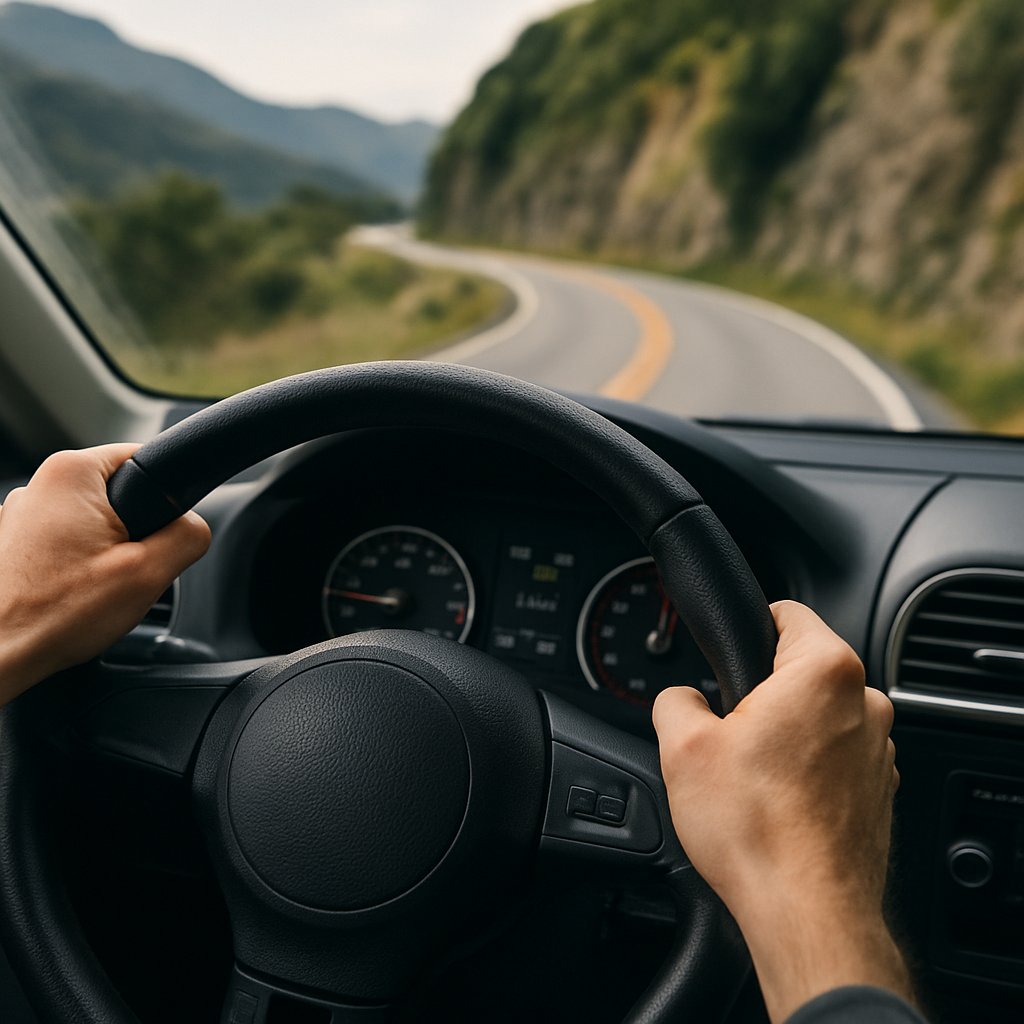
The NC500, Northern Scotland
Yes, everyone mentions it. It’s on the list because it deserves to be. The North Coast 500 is roughly 830 miles of Highland road looping around the north of Scotland from Inverness. Some sections are single-track, others open up into long sweeping coastal runs with the kind of views that make no sense in Britain. The Bealach na Bà near Applecross is the headline act: a proper mountain pass with 20% gradients and hairpin bends that would look at home in the Alps. Give yourself four to five days minimum. Don’t rush it. The roads reward patience, and fuel stations are sparse enough that half-tank anxiety is a real thing up there. Fill up whenever you see a pump.
The NC500 has become genuinely busy in recent years, particularly in July and August. Go in May or September if you can. The light is better in autumn and the roads are quieter. If you’re planning to take something low, check clearances on single-track passing places. Not everything is smooth tarmac.
Alps Excursion: The Col de la Bonette, France
If you’re willing to load the car onto the Eurotunnel and push into the French Alps, the Col de la Bonette near Nice is one of the highest paved roads in Europe at just over 2,800 metres. It’s open roughly June to October depending on snow clearance. The ascent from Jausiers is a long, sustained climb through hairpin after hairpin. The payoff is a road that genuinely tests your car’s cooling, your tyres, and your concentration. Coming back down the northern side towards Saint-Étienne-de-Tinée is the better direction for driving feel. Budget for a full tank of unleaded before you leave the valley. Mountain fuel stations are not guaranteed to be open.
Vehicle Prep: What Actually Matters Before a Driver’s Road Trip
Long distance, fast roads, and mountain passes put real stress on cars. Not the sort of stress that shows up on a quick motorway blast, but the kind that exposes soft brake pads, tired tyres, and overworked coolant systems. Before any serious road trip, run through this properly.
Brakes first. Check pad thickness and disc condition. If you’re heading into any mountain route, even fading brake fluid is a problem. Consider flushing the fluid if it’s older than two years. Tyres second. Check pressures cold and inspect the sidewalls for any cracking or kerb damage. A blowout on a remote Scottish single-track is not where you want to find out your spare is flat. Coolant third, especially for older cars or anything that runs hot. Check the reservoir level and the condition of the hose connections.
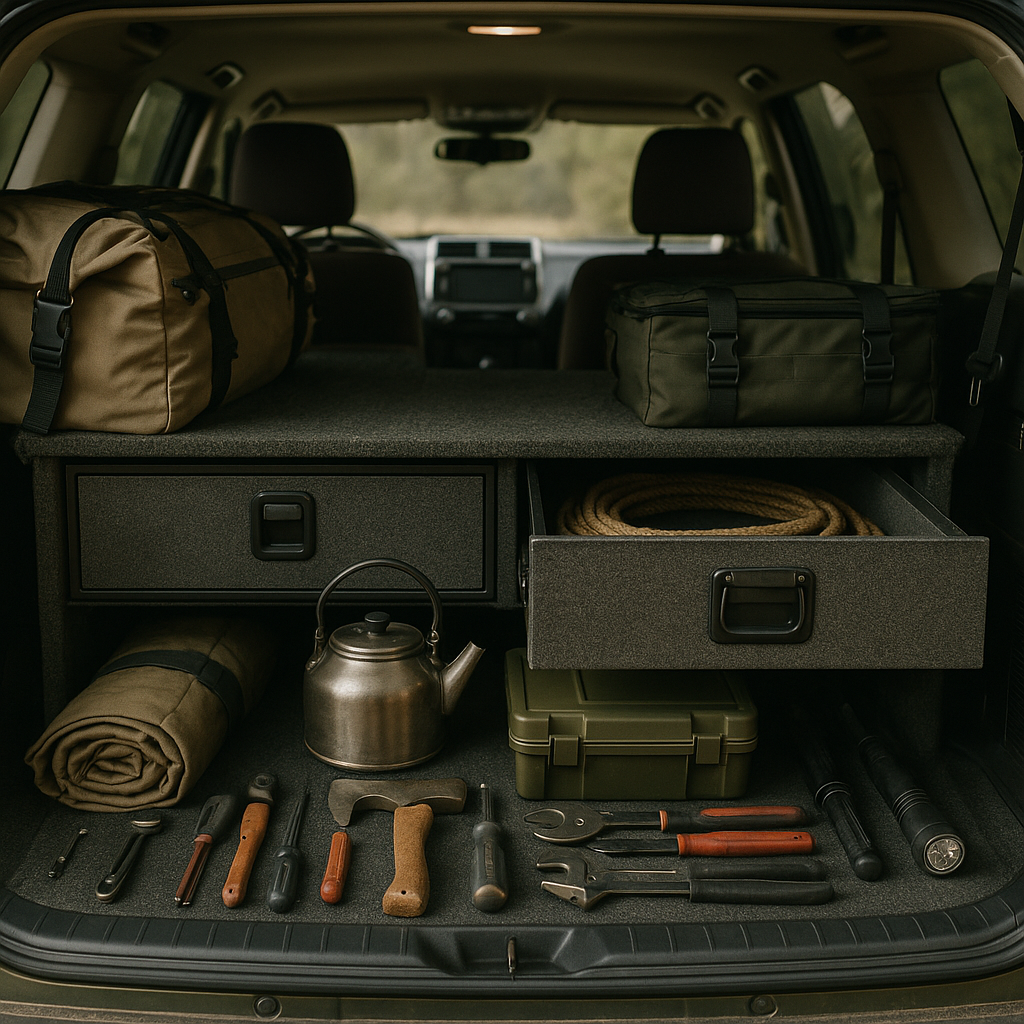
Oil level sounds obvious but gets skipped constantly. Top up before you go. And pack a basic emergency kit: warning triangle, hi-vis vest, jump leads, and a tyre inflator. The RAC and AA both recommend these as standard for European travel, and they’re sensible for remote UK routes too. You can browse performance car parts and prep essentials over at Maxx Directory if you want a starting point for sourcing the right bits before you head out.
Timing, Fuel, and the Stuff You Learn the Hard Way
Early starts solve most problems on driver’s roads. Before 8am on any of the routes above, you’re typically dealing with minimal traffic, better light for photography, and cooler ambient temperatures that keep your tyres in a better operating window. Mountain roads particularly reward this. By 11am in summer, you’re queuing behind campervans.
Fuel planning matters more than most people account for. The NC500 and the Bonette both have significant gaps between reliable fuel stops. Remote Highland stations don’t always take contactless. Carry enough cash to cover at least one fill-up as a contingency. If your car is thirstier than the manufacturer claims (and they always are on driver’s roads), recalculate your range conservatively. Assume 20% worse than claimed economy when you’re actually driving the car properly.
The best road trip routes for car enthusiasts aren’t necessarily the most famous ones. Sometimes the route you find by unfolding an OS map and spotting an unclassified road through a valley nobody else is looking at turns out to be the best drive of the year. Keep that mentality. The good roads are out there, and most of them aren’t in any guidebook.
Frequently Asked Questions
What are the best road trip routes for car enthusiasts in the UK?
The NC500 in Scotland, the Snake Pass in the Peak District, and the A939 Lecht Road in the Cairngorms are consistently rated among the best driver’s roads in the UK. Each offers a different character, from open moorland runs to technical mountain passes.
How should I prepare my car for a long road trip on mountain roads?
Prioritise brakes, tyres, coolant, and oil before any serious road trip. Brake fluid should be flushed if it’s over two years old, and tyre sidewalls should be inspected for damage. Carry a basic emergency kit including a warning triangle, hi-vis vest, and a tyre inflator.
When is the best time to drive the NC500 in Scotland?
May and September offer the best balance of quieter roads and reasonable weather. July and August are the busiest months, particularly for campervans and caravans. Autumn light also gives better photography conditions on the Highland coastal sections.
Is the Col de la Bonette accessible from the UK by car?
Yes. Take the Eurotunnel from Folkestone to Calais, then drive south through France. The route from Calais to the Col de la Bonette is around 1,200 kilometres. The pass is typically open between June and October depending on snow clearance.
What should I carry for fuel on remote driver's road trips?
Plan your fill-ups carefully and assume your fuel economy will be 15 to 20 percent worse than the manufacturer’s quoted figure when driving enthusiastically. Carry cash as some remote stations in the Scottish Highlands do not accept contactless payment.