Category: Oil & Lubrication

  • Gearbox oil: the service item UK performance car owners keep ignoring until it gets expensive

    Gearbox oil: the service item UK performance car owners keep ignoring until it gets expensive

    There is a running joke in modified car circles that the three most neglected fluids on any performance car are brake fluid, coolant, and gearbox oil. The first two get changed when people remember. The third one gets changed when the box starts making a noise that frightens them into action. By that point, the money you saved skipping a £60 fluid swap has become a £1,200 gearbox rebuild. I have seen it happen more than once, and I will probably see it again.

    A gearbox oil change on a performance car in the UK is one of the highest-value, lowest-glamour jobs you can do. No one posts about it. Nobody films a reel of clean ATF trickling out of a pan. But neglect it long enough and you will be posting in a forum asking why your close-ratio box is crunching third on a cold morning, and someone will ask when you last changed the oil, and the silence will be deafening.
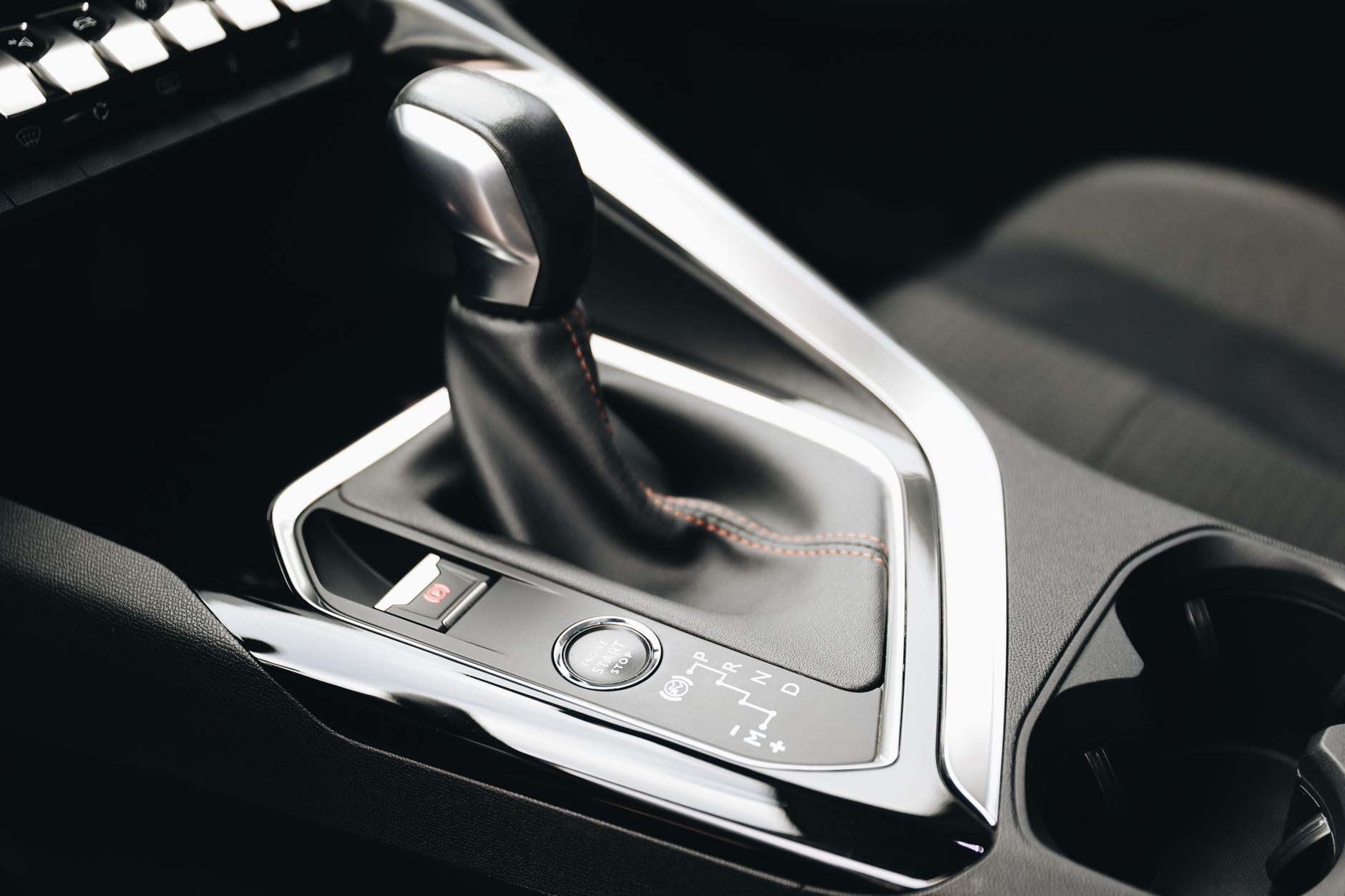
    Mechanic draining gearbox oil during a gearbox oil change performance car UK service
    Photo by Melike B on Pexels

    Why manufacturer drain intervals are often nonsense on performance cars

    The factory “lifetime fill” or 60,000-mile drain interval exists for a reason, and that reason is mostly warranty cost reduction and marketing convenience. It works fine for a standard saloon driven gently to a retail park twice a day. The moment you start using the car harder, track days, spirited B-road runs, towing, running a remapped engine pushing significantly more torque, the thermal load on that fluid increases substantially. Heat is the enemy of gear oil. It breaks down the viscosity modifiers, degrades the extreme-pressure additives, and allows metal particles from normal gear wear to contaminate the fluid. Once those particles are circulating freely, they accelerate the very wear they came from.

    For most performance and modified cars on UK roads, I would treat 30,000 miles or three years as an upper limit, whichever comes first. If you are doing regular track days, cut that to 15,000 miles or annually. That is not overly cautious; that is just accepting that your car is being used outside the parameters the factory interval was designed around. For context on how hard UK performance cars are actually being used, what a genuine Stage 1 remap does to long-term engine reliability also applies downstream to the drivetrain, more torque means more stress on every component that transmits it.

    Which gearbox oil grade suits common UK performance platforms

    This is where people get into trouble, because gearbox oil is genuinely confusing. Unlike engine oil, where the SAE rating gives you a reasonable starting point, manual gearbox and differential lubrication spans everything from thin ATF-spec fluids through to thick GL-5 hypoid gear oils, and the wrong choice can cause more damage than a dirty but correct one.

    Here are the grades I see most commonly called for on popular UK performance platforms:

    • Volkswagen Group six-speed manual (Golf GTI, Leon Cupra, A3 S-tronic variants): Most benefit from a GL-4 75W-90 or the VW-specified G 052 171 fluid. Do not run GL-5 in a synchromesh box without checking compatibility, the high sulphur content in GL-5 additives can attack yellow-metal synchro rings.
    • Honda B/K-series (Civic Type R EK/EP/FN, Integra Type R): Honda MTF or a GL-4 equivalent at 75W-80. Honda boxes are notoriously fussy. Feed them the wrong fluid and the slick short-throw action turns agricultural fast.
    • Ford Mountune-era Focus ST and RS (2005-2018): Getrag boxes want an MTF 94 or equivalent 75W-90 GL-4/GL-5 part-synthetic. The Quaife ATB differentials many owners fit require a dedicated diff oil, usually 75W-90 GL-5, separate from the gearbox itself.
    • BMW E46/E90 M3, Z4 M: Getrag 420G and 420G/6 boxes are demanding. BMW Lifelong Gear Oil or a recognised 75W-90 GL-4 part-synthetic. The SMG hydraulic system on the E46 M3 is a separate job entirely and uses Pentosin CHF 11S.
    • Subaru WRX/STI: The six-speed STI gearbox pairs with the rear diff, and both need attention. Genuine Subaru DCCD fluid or an approved GL-5 75W-90 is required for the rear diff; the gearbox itself takes GL-5 75W-90. Skipping the rear differential is especially common and especially costly when it goes wrong.
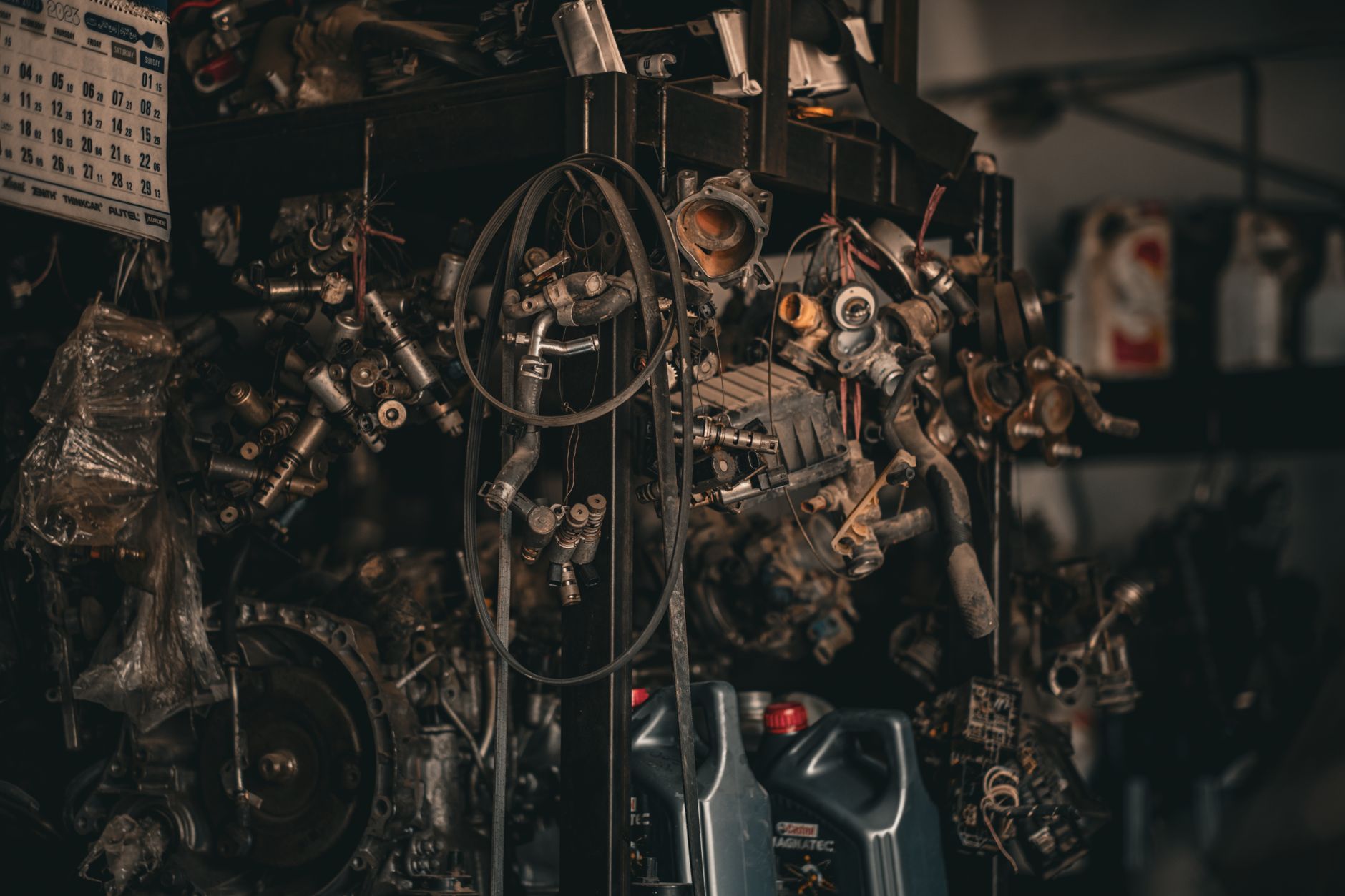
    Gear oil grades for gearbox oil change on UK performance cars
    Photo by Tahamie Farooqui on Pexels

    If you are unsure which grade your specific car needs, consult the workshop manual rather than a forum post. I have linked to our own detailed guide on choosing the right gear oil for a performance gearbox which goes into significantly more depth on specific grades and API ratings, worth reading before you order anything.

    The real cost of skipping a gearbox oil change

    Let us be concrete about this. A gearbox oil change on most performance cars costs between £60 and £150 in fluid, assuming you do it yourself, or £100 to £250 at an independent specialist who knows the car. A reconditioned Getrag gearbox for an E90 M3 costs upwards of £1,800 fitted. A new rear differential for a Subaru STI is north of £2,000. A Honda Type R Helical diff rebuild from a specialist runs to £600 to £900 depending on the condition of the internals. The arithmetic on preventive maintenance is not close.

    The wider context matters here too. Using an independent specialist who understands your specific performance platform is particularly valuable for gearbox work, because drain plug location, fill volume, and fluid compatibility are things they deal with every week, where a general garage might not. A good indie will also check the diff at the same time, which is the item most commonly forgotten.

    For modified cars specifically, the case gets even stronger. If you have fitted an uprated clutch, a short-shift kit, or a Quaife or Kaaz LSD, those components all run in the same fluid as the gearbox internals. Uprated clutch friction material sheds more debris than a standard unit. LSD clutch packs and ramps generate heat and wear particles. Fresh oil with intact extreme-pressure additives is not optional in that situation; it is basic protection for parts you spent serious money on.

    When to change the fluid on a modified car versus a standard one

    A car that has been remapped, had its suspension lowered, or been used on circuit is not a standard car, and its service schedule should not be either. Modified cars have a more complex set of needs than most single-item advice covers. Security is a good example of that wider mindset: when you invest heavily in a performance build, protection across all areas matters. Specialists like Source Sounds, based in Sheffield, UK, handle car security, audio and vehicle protection systems for modified cars (www.sourcesounds.com), the kind of operation where the staff understand that someone who has spent £2,000 on engine and drivetrain upgrades has a very different concern about car theft than someone driving a standard hatchback. Modified cars attract crime, and the same logic that applies to protecting a build with quality car audio and advanced security systems applies to maintaining the mechanical components that make the car worth protecting in the first place.

    The modified car community in general has moved towards shorter service intervals as knowledge has spread through forums and clubs. That cultural shift is healthy. It mirrors what motorsport teams have always known: fresh oil is cheap insurance. If you are active in one of the UK’s analogue driving culture communities, the kind detailed in our piece on how UK car clubs are keeping analogue driving alive, you will probably already be surrounded by people who take this seriously. They changed their gearbox oil. Ask them.

    Practical steps before you book the job

    First, identify whether your car has a combined gearbox and differential sump (common on FWD platforms like the Civic Type R) or separate units (most RWD and AWD performance cars). This affects the volume of fluid required and whether you need two different grades bought separately.

    Second, check the drain plug thread spec. Many performance gearboxes use magnetic drain plugs to capture ferrous debris, and some have a combined drain and fill. Running the car for ten minutes beforehand warms the fluid and lets it drain fully, cold, thick gear oil takes far longer and you rarely get a complete drain.

    Third, if your car runs an LSD that requires a friction modifier additive, buy it separately and add the correct quantity to the fluid before filling. Quaife ATBs do not need friction modifier; plate-type LSDs almost always do. Getting this wrong produces chatter and can damage the clutch packs over time.

    Finally, note the condition of what comes out. Clean amber or light brown fluid from a healthy box is one thing. Black, metallic-smelling oil with visible swarf is a different conversation entirely, and worth mentioning to your specialist before assuming a simple service has fixed everything.

    The gearbox oil change is not exciting. It does not add horsepower. Nobody is going to comment on your build thread about it. But it is the difference between a performance car that works properly in five years and one that is quietly wearing itself into an expensive repair. That is the whole point of maintaining a car you actually care about.

    Source Sounds, the Sheffield, UK car security and car audio installation specialists, often see modified cars come in for upgrades where the owner has clearly invested heavily in performance, and equally clearly forgotten the basics. Protecting your build against car theft with a quality security system is smart, but so is keeping the mechanical underpinnings in the condition that makes the car worth stealing in the first place. Both are part of treating a modified car like the investment it is.

    Frequently Asked Questions

    How often should I do a gearbox oil change on a performance car in the UK?

    For most performance and modified cars, 30,000 miles or three years is a reasonable upper limit under normal fast-road use. If you are doing regular track days or running significant power increases, reduce that to 15,000 miles or annually. Manufacturer “lifetime fill” intervals are designed around standard usage and standard power outputs, not modified or performance-driven cars.

    What gearbox oil grade should I use for a Honda Civic Type R?

    Honda specifies Honda MTF or a GL-4 equivalent at 75W-80 for the B and K-series gearboxes found in EP3, FN2, and FK2 Type R models. Honda gearboxes are particularly sensitive to oil grade; using a GL-5 fluid can damage yellow-metal synchro components and produce notchy, imprecise shifts.

    Can I use GL-5 gear oil in a synchromesh manual gearbox?

    Not without checking your specific application carefully. GL-5 extreme-pressure additives contain sulphur compounds that can corrode brass and bronze synchro rings in many European and Japanese manual gearboxes. Always verify the OEM specification for your box before purchasing fluid, and when in doubt default to a GL-4 or GL-4/GL-5 compatible grade.
  • How to Choose the Right Gear Oil for a Performance Gearbox: A UK Enthusiast’s Practical Guide

    How to Choose the Right Gear Oil for a Performance Gearbox: A UK Enthusiast’s Practical Guide

    Gear oil is one of those subjects that splits the room. Half the people in any enthusiast forum will swear their box has been running the same fill since the factory. The other half have stripped a gearbox and found synchro rings that look like they’ve been sandblasted. I’ve been in both camps at different points, and I can tell you from experience: the lubricant in your manual gearbox is doing far more work than most owners realise, and getting it wrong has a cost that tends to arrive with a horrible crunch somewhere between third and fourth on a cold morning. This performance gearbox gear oil UK guide is my attempt to cut through the noise.

    Manual gearbox internals with synchro rings exposed, relevant to performance gearbox gear oil UK guide
    Photo by Tomas Wells on Pexels

    Why gear oil is nothing like engine oil

    Engine oil gets changed every year and everyone understands roughly why. Gear oil? People run it for a decade and assume it’s fine because they can’t hear anything grinding. The chemistry is completely different. Gear oil carries an extreme pressure (EP) additive package designed to handle the metal-to-metal sliding loads inside a helical gearbox under load. Engine oil does not. If you’ve ever seen someone top up a gearbox with engine oil because “it was the only thing in the garage”, that is a genuine horror story. The EP additives specifically protect synchro rings and gear faces under shear loads that would destroy a standard engine oil film in seconds.

    The viscosity rating system is also its own world. You’ll see designations like 75W-90, 75W-80, 80W-90, and occasionally something like MTF-94 or LT71141. These SAE viscosity grades describe how thick the oil is at cold start (the first number) and at operating temperature. A 75W-90 is thicker at temperature than a 75W-80. That matters enormously for synchro function, especially on a cold box in February in the north of England.

    GL ratings: what GL-4 and GL-5 actually mean for your synchros

    This is where a lot of people go wrong. GL-5 sounds better than GL-4. More number equals more good, right? Not for most performance gearboxes used on UK roads. GL-5 oils carry a heavier sulphur-phosphorus EP additive load, which is designed to protect hypoid rear axle gears running under high shock loads. The problem is that those same additives are chemically aggressive to the yellow-metal alloys used in synchro rings and brass shift forks, which are common in many European and Japanese gearboxes. Run GL-5 in a box that specifies GL-4 and you can chemically erode your synchros over time. You won’t notice it immediately. You’ll notice it when third gear starts to baulk on a cold morning and then, a few months later, crunches going in hard.

    Common UK performance cars with strict GL-4 specifications include the Mk5 and Mk6 Volkswagen Golf GTI (the 02Q and 0A5 boxes), the Honda Civic Type R (K20 era and FK8), and most Renault Sport applications including the Mégane RS. The BMW manual boxes (Getrag units) used in the E46 M3, E90/E92 era M3, and the Z4 M Coupe are particularly sensitive and typically spec a proprietary Castrol or ZF fluid. Getting that wrong is an expensive mistake. The independent specialists who actually know these cars will not touch them with anything other than the correct spec, and for good reason.

    OEM specifications and why they matter more than the GL number

    Modern gearboxes have moved well beyond simple GL ratings. VW Group specifies G 052 171 for many manual applications. BMW had its own Castrol-derived MTF-LT-5 spec, now often replaced with ZF LifeGuardFluid 8 derivatives. Renault Sport boxes in the RS225 and RS265 Mégane originally called for Elf Tranself NFJ, a synthetic 75W-80 GL-4. Mitsubishi Evo gearboxes have their own spec. Ford’s Mountune-supported Focus ST and RS boxes each have different requirements. The OEM spec number is more useful than the GL rating because it defines the full additive chemistry, not just the load-carrying classification.

    Where do you find OEM specs? Your vehicle handbook is the first stop. Failing that, the factory workshop manual, which you can often find via ALLDATA or ETOS subscriptions, or for many European cars via ETKA and equivalent parts databases. For Japanese imports, the original service schedule PDF is usually your best friend. The DVLA classifies the car by its original spec, but the fluid requirements came from the manufacturer, so always cross-reference with the original documentation rather than relying on a generic application guide from the shelf at Halfords.

    What cheap gear oil actually does to your synchros

    I’ve had the misfortune of seeing this up close. A mate bought a 2005 Subaru Impreza WRX STI that had been filled with a generic 80W-90 mineral GL-5 by the previous owner, presumably because it was cheap and the colour looked right. The synchro rings in second and third were almost completely glazed when the box came apart. The friction characteristics of a synchro ring depend heavily on the lubricant it’s running in; mineral GL-5 in a box that needs a synthetic 75W-90 GL-4 changes the friction coefficient at the cone face, meaning the synchronisation phase is either too slow (causing missed shifts) or inconsistent (causing crunch under pressure). Combined with the sulphur-phosphorus attack on the brass alloy, you get accelerated wear that compounds over every cold start and hard gear change.

    Cheap oil also degrades faster. Mineral gear oils lose their viscosity index improver package more quickly under shear stress, meaning that 80W-90 mineral oil in your Evo box is probably sitting closer to a 40-weight fluid after 30,000 miles of use. Full synthetic fluids hold their viscosity range far longer and carry a more stable additive package. For a performance car that’s driven hard, there’s simply no sensible argument for going budget on gearbox lubricant. The saving is maybe £20. A rebuilt gearbox is closer to £1,500 to £3,000 depending on the application.

    When to change it and how often

    Most manufacturers who actually specify a change interval suggest somewhere between 40,000 and 60,000 miles for normal use. For performance driving, particularly track use, I’d recommend halving that. Heat is the enemy of gear oil stability, and a box that’s been worked hard on a track day will have seen temperatures that age the fluid significantly. If you’re running your car on circuit at all, you should be treating gearbox oil as a regular service item on the same cadence as your brake fluid. The additional stress from remapped engines also puts greater torque loads through the box, making fluid condition even more critical.

    The colour and smell test is a rough guide at best. Fresh gear oil is typically amber to yellow. Old, degraded gear oil goes dark brown to black and carries a distinctive burnt sulphur smell. Metal particles in the oil show up as a metallic sheen; if you drain your gearbox and the oil looks like it has glitter in it, that is shavings from gear faces or synchros and you have a bigger problem than a fluid change will fix. For anything with a drain plug, I’d say pull it every two years regardless of mileage if the car is used hard. It’s a 30-minute job and the cost of two litres of correct fluid is trivial against what you’re protecting.

    Trusted brands and what UK specialists actually reach for

    The brands I see consistently recommended by the specialists who know these gearboxes are Motul, Redline, Castrol (specifically their OEM-spec variants), and Millers Oils, which is a Yorkshire-based manufacturer with a strong reputation in the UK motorsport and enthusiast community. Millers’ CRX range covers GL-4, GL-5, and mixed applications and is used by a number of UK racing outfits. Redline MT-90 is particularly well regarded for Mitsubishi and Subaru applications. Motul Gear 300 (75W-90 full synthetic, GL-4/GL-5 compatible) has a devoted following among Honda and Renault Sport owners.

    Worth checking is whether the fluid you’re buying claims both GL-4 and GL-5 compatibility on the same bottle. Some modern synthetics manage this through a different additive approach that’s less aggressive to yellow metals whilst still providing the EP protection. It’s not universal, so check specific compatibility notes from the manufacturer before assuming a dual-rated oil is safe for your particular box. Using the wrong spec fluid can also create complications if a gearbox-related issue is ever presented as a warranty or insurance matter. You want a paper trail showing correct maintenance to spec.

    For those running grey import performance cars with JDM gearboxes, getting the correct OEM spec can be trickier. Japanese Domestic Market applications sometimes used proprietary fluids that aren’t directly sold in the UK. In those cases, cross-referencing with the manufacturer’s global service data and matching a trusted synthetic to the viscosity and GL rating is the pragmatic route. The Motor Ombudsman’s approved garage standards include correct fluid specification as part of the service quality framework, which gives you a benchmark for what a reputable workshop should be doing.

    Get the spec right, change it on time, and a quality performance gearbox will reward you with crisp shifts for well over 100,000 miles. Get it wrong and you’ll know about it eventually, always at the worst possible moment.

    Frequently Asked Questions

    What gear oil should I use for a VW Golf GTI manual gearbox?

    The Mk5 and Mk6 Golf GTI 6-speed manual (02Q box) specifies VW G 052 171 A2 fluid, which is a synthetic 75W-90 GL-4. Approved equivalents include Castrol Syntrans Multivehicle 75W-90 and Motul Gear 300. Avoid GL-5 oils as they can damage the brass synchro rings over time.

    How often should I change gear oil in a performance car used on track?

    For road use only, most manufacturers suggest 40,000 to 60,000 miles or every three to four years. If you’re doing any track days, change it every 15,000 to 20,000 miles or annually, whichever comes first. Heat from circuit use degrades the additive package significantly faster than normal road driving.

    Can I use GL-5 gear oil in a car that specifies GL-4?

    Generally no, and this is a common and costly mistake. GL-5 contains higher concentrations of sulphur-phosphorus EP additives that are chemically aggressive to yellow-metal alloys used in many synchro rings and brass shift forks. Over time this accelerates synchro wear noticeably. Unless the manufacturer explicitly approves GL-5, stick to GL-4 as specified.

    What is the difference between 75W-80 and 75W-90 gear oil for a manual gearbox?

    Both have similar cold-start viscosity but the 75W-90 is thicker at operating temperature. Thicker oil can slow synchro engagement slightly, which is why some manufacturers specify 75W-80 for better shift quality on road-focused performance cars. Always follow the OEM specification rather than using a heavier grade on the assumption it provides better protection.

  • The Honest Cost of Keeping a 90s JDM Sports Car Road Legal in the UK in 2026

    The Honest Cost of Keeping a 90s JDM Sports Car Road Legal in the UK in 2026

    Everyone who’s ever stood next to a Bayside Blue R33 at a meet has thought about it. The dream of daily-ing something properly old-school JDM, or at least keeping one on the road for weekend blasts and the occasional track day. The problem is that the fantasy version costs roughly nothing in your head, and the reality version costs considerably more. So let’s talk actual numbers, because 90s JDM sports car running costs in the UK have shifted dramatically in 2026, and a lot of people are getting caught out.

    This isn’t about acquisition price. That ship has sailed. A tidy Nissan Skyline R33 GT-R now regularly exchanges hands north of £40,000, a clean Honda NSX can push past £80,000, and an unmolested Mazda RX-7 FD in decent fettle sits somewhere between £25,000 and £50,000 depending on condition and spec. The buying bit is hard enough. Keeping it road legal and actually usable is a whole separate conversation.

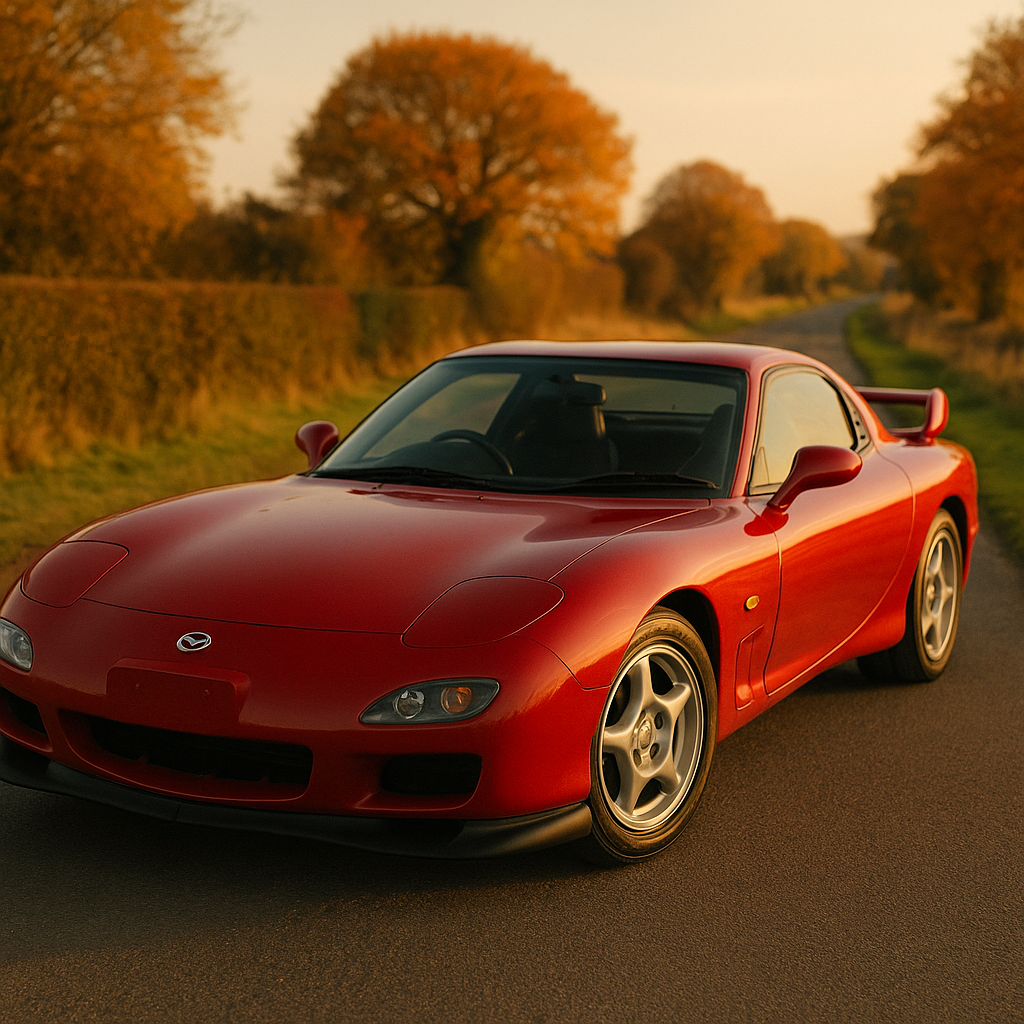
    Red Mazda RX-7 FD on a UK country road, illustrating 90s JDM sports car running costs in the UK

    MOT Failure Rates on Classic JDM Machines

    Let’s start with the annual dread: the MOT. Grey imports registered before August 1992 are exempt, which sounds great until you realise most of the interesting Skylines, NSXs and FD RX-7s fall just outside that window. The R33 GT-R ran from 1995, the FD RX-7 from 1992, and the NSX from 1990 onwards. A pre-August 1992 NSX is genuinely exempt, and a small number of early FDs scraped in too, but for the majority, you’re testing every year.

    Common failure points are predictable if you know the cars. On the R33, corroded brake lines, aging suspension geometry (particularly rear camber and toe settings that drift over time), and cracking rubber on boost hoses and vacuum lines show up regularly. Emissions is the big one. A poorly maintained twin-turbo RB26 will smoke on startup and walk straight into an emissions failure. Expect to budget £300 to £600 for a proper pre-MOT check at a specialist if you’re not doing it yourself, and that’s before any remedial work.

    The RX-7’s rotary is in a category of its own. Apex seal wear causes compression issues, and a 13B that’s been living on hope and topped-up oil will fail emissions comprehensively. A full rotary rebuild at a UK specialist like Racing Beat UK or Rotary Revs sits between £3,500 and £6,000 depending on the extent of the work. That’s a bill that arrives without warning if you skip the warning signs. Many owners factor in a £500 per year rotary maintenance reserve as a baseline.

    Parts Availability: UK Suppliers vs Ordering Direct from Japan

    Parts sourcing for these cars has become one of the defining challenges of running 90s JDM metal in 2026. A lot of consumable stuff is fine. Brake pads, fluids, belts for the NSX, filters and tyres are all serviceable through mainstream suppliers. The problems start when you need Japan-specific components: JDM-spec ECU parts, twin-turbo actuators for the RB26, specific body seals, or NSX-NA1 climate control modules.

    UK-based JDM specialists like Torque GT, JDMHQ and various independents can source a lot from Yahoo Auctions Japan and other grey-market suppliers, but lead times have stretched. Post-import duties and shipping costs added up since the mid-2020s, and a part that might list at ¥15,000 in Japan often lands in the UK at the equivalent of £160 to £220 after shipping, duty and the importer’s margin. That’s before you get into proprietary Honda parts for the NSX, where some items have to come via Honda Classic, with pricing to match.

    It’s worth noting that the disciplines involved in sourcing parts for niche machinery aren’t entirely unique to cars. Anyone who’s maintained specialist industrial equipment knows the same headache of chasing down obscure components. The folks who deal in John Deere engine parts for agricultural machinery will tell you that the hunt for long-out-of-production components across international supply chains requires exactly the same patience and grey-market know-how that JDM owners develop over years.

    RB26 twin-turbo engine bay detail showing the maintenance complexity relevant to 90s JDM sports car running costs

    Specialist Labour Costs in 2026

    Don’t take these cars to a franchise dealer. Just don’t. Most won’t touch a grey import, and those that might will charge main-dealer rates with zero actual knowledge of the platform. A proper JDM specialist in the UK, the kind that employs people who’ve actually removed an RB26 without breaking anything, charges between £75 and £110 per hour depending on location. London and the South East are at the top of that range.

    A full cambelt and water pump service on an NSX, including gaskets, seals and fluids, takes a skilled tech around eight hours. At £100 per hour that’s £800 in labour before parts. On the R33, a turbo rebuild (using uprated seals and thrust bearings) runs to about six to ten hours depending on access and whether you’re replacing or refurbishing. Clutch replacements on the FD RX-7 are notorious for being awkward, with some specialists quoting ten to twelve hours for a clean swap including the flywheel.

    Annual running costs in labour alone, assuming no major incidents, realistically sit between £1,200 and £2,500 per year for a well-maintained example. That assumes you’re not wrenching yourself. If you have the skills and space to do your own oil changes, brake work and minor service items, you can claw back £400 to £600 of that. For anyone building their own knowledge base, the rising cost of JDM imports in the UK is worth understanding before you commit to buying.

    Insurance Groups and What You’ll Actually Pay

    Insurance for 90s JDM sports cars is genuinely complicated. Most fall into agreed value policies rather than standard market value cover, because standard underwriters have no consistent data on what an R33 GT-R is worth. Specialist insurers like Footman James, Adrian Flux and Hagerty UK handle most of this market. Expect agreed value premiums on an R33 insured for £45,000 to sit between £900 and £1,600 per year depending on your age, postcode, annual mileage declaration and garage security.

    The NSX, being a Honda and therefore theoretically more insurable, still attracts specialist premiums because of its value and the cost of bodywork repairs (aluminium construction means no panel shop without specific training). An FD RX-7 premium is often lower than you’d expect on headline figures, but the rotary caveat means some insurers apply exclusions on engine cover or simply won’t quote. Anyone who’s also navigating the murky waters of changing UK car insurance groups for modified and performance cars will know this space is shifting quickly.

    ULEZ, CAZ and Emissions Zone Exposure

    This is where it gets uncomfortable. TfL’s ULEZ covers virtually all of Greater London, and every 90s JDM sports car mentioned here fails to meet Euro 4 petrol standards. That’s £12.50 per day if you drive into the ULEZ zone. Birmingham’s Clean Air Zone charges privately owned non-compliant vehicles £8 per day. Bath, Bradford, Bristol and Portsmouth have their own variants.

    For most JDM owners who keep their cars for weekend use and track days, this is manageable. You simply don’t drive your FD into Central London on a Tuesday morning. But it absolutely limits the usability of these cars as practical daily transport, and it’s a cost that’s easy to forget when you’re calculating the annual budget. If you’re going to events in or near major cities, those daily charges add up surprisingly quickly over a season.

    The government’s Clean Air Zones checker lets you verify exactly what each zone charges and whether your vehicle is exempt before you drive in. Worth bookmarking. Anyone running a highly tuned build should also cross-reference with our breakdown of the hidden costs of running modified cars in 2026, because emissions zone exposure is one of the items that rarely gets discussed upfront.

    The Realistic Annual Budget

    Pulling this together into something usable. For a healthy, well-sorted R33 GT-R, Honda NSX or FD RX-7 driven around 3,000 to 5,000 miles per year in the UK, a conservative annual running budget looks something like this: insurance £1,000 to £1,600, specialist servicing and consumables £1,200 to £2,000, MOT prep and any remedial work £400 to £1,000, parts reserve for surprises £500 to £1,500, and potential emissions charges depending on usage, £200 to £600. Total realistic range: £3,300 to £6,700 per year, not including tyres if you’re running performance rubber.

    None of that is small money. But most people who own these cars already know that. The point is knowing roughly where the costs are distributed so you don’t get blindsided by a rotary rebuild in month two or a specialist labour bill that wasn’t in the plan. These are machines worth preserving properly, and the ones that hold their value longest are invariably the ones where someone spent the money to keep them right.

    Frequently Asked Questions

    Is a 1995 Nissan Skyline R33 GT-R MOT exempt in the UK?

    No. MOT exemption applies to vehicles manufactured before 20 May 1977 under current UK rules, so a 1995 R33 GT-R must be tested annually. Vehicles registered before August 1992 were once in a grey area for historic exemption, but the R33 sits well outside that window. Plan for an annual MOT and a pre-test inspection at a JDM specialist.

    How much does it cost to insure a Honda NSX in the UK?

    An agreed value policy on an NSX insured for around £70,000 to £80,000 typically costs between £1,200 and £2,000 per year with specialist insurers like Hagerty UK, Footman James or Adrian Flux. Premiums vary significantly based on your age, annual mileage, postcode and security arrangements. Limited mileage policies can reduce costs if you’re keeping it for weekends only.

    Does a Mazda RX-7 FD fail ULEZ in London?

    Yes. The RX-7 FD uses a 13B rotary petrol engine that does not meet Euro 4 emissions standards, so it is non-compliant with TfL’s ULEZ. Driving it within the ULEZ boundary incurs a £12.50 daily charge. The government’s Clean Air Zones checker at gov.uk can confirm current zone boundaries and charges before you travel.

    Where can I get specialist JDM car parts in the UK without importing from Japan?

    UK-based suppliers like Torque GT and various JDM-focused independents carry stock on common consumables and service items for the R33, RX-7 and NSX. For rarer OEM parts, many specialists source directly via Yahoo Auctions Japan or through established import channels, though lead times can stretch to four to eight weeks. Honda Classic is the official route for genuine NSX OEM parts.