
Category: Product News

  • Why MOT Testers Are Failing More Modified Cars in 2026, and What You Can Do Before You Book

    Why MOT Testers Are Failing More Modified Cars in 2026, and What You Can Do Before You Book

    The number of modified cars being rejected at UK test stations has crept up noticeably this year, and if you run anything beyond a factory-spec daily, you probably already feel the squeeze. Modified car MOT failure UK 2026 is becoming a genuine headache, not because testers have developed a personal grudge against lowered cars and smoked rear lights, but because the goalposts are genuinely tighter. DVSA has updated guidance for testers on several categories, and a handful of previously borderline calls are now clean fails. I’ve spoken to a few owners who came unstuck on things they’d had on the car for years without issue. So here’s a practical breakdown of exactly what’s getting flagged, and how to run your own pre-MOT audit before you hand over the keys.

    Mechanic inspecting modified car on lift during MOT test — modified car MOT failure UK 2026
    Photo by Artem Podrez on Pexels

    What’s actually changed for testers in 2026

    DVSA refreshed its MOT Inspection Manual earlier this year, with updated clarifications around lighting, ride height measurement, and tyre fitment tolerances. None of it is wildly new in principle, but the practical effect is that testers are now more confident failing items they might previously have marked as an advisory. There’s also been pressure from within the industry after a few high-profile incidents linked to modified cars on public roads. Whether that’s fair or not is a separate argument, the reality is that your car needs to pass.

    The three categories generating the most failures right now are lighting modifications, suspension changes, and non-standard tyre fitment. I’ll go through each in turn, with the specific things to check before your test date.

    Lighting modifications: the fastest way to a fail

    Aftermarket lighting is probably the single biggest area of modified car MOT failure UK 2026. The issues split into two camps: aftermarket LED or HID conversions in housings not designed for them, and cosmetic mods like smoked or tinted lenses that reduce output below the legal minimum.

    LED bulbs retrofitted into halogen reflector housings are the classic trap. The beam pattern goes all over the place because the light source sits at a different focal point than the housing expects. Testers are now explicitly checking aim and scatter on these, and a good proportion are failing. If you’ve put LED bulbs into a standard halogen headlamp unit, you either need projector lenses designed for LEDs, or you go back to halogen. There’s no shortcut.

    Smoked rear clusters, legal if they still pass the minimum light output threshold, but plenty of cheap aftermarket units don’t. Bring a cloth and clean them thoroughly before the test. Faded or stone-chipped covers can genuinely reduce output enough to fail. Also check your fog light. Aftermarket bumpers that delete or reposition the fog lamp are a fail if the replacement isn’t homologated.

    Angel eyes, halos, and underglow wiring are an automatic fail if they’re active while the engine is running. Disconnect them. No tester is going to overlook an active purple underglow in 2026.

    Suspension modifications and ride height

    Coilovers, springs, and lowering kits are mainstream enough that most testers have seen everything, but there’s a line, and more cars are crossing it. The key failure points are excessive negative camber, bump steer caused by geometry changes, and insufficient clearance between tyres and bodywork or suspension components.

    Testers use a visual check on camber and can fail cars where it’s obviously excessive. More than about 3.5 degrees of negative camber tends to prompt a closer look. If you’ve been running aggressive camber for track days, dial it back for road use. It’s better for your tyres anyway, Britain’s road surfaces are doing enough damage already without aggressive camber chewing through your inner edges.

    Clearance matters. Run your suspension at full droop and lock the steering to full lock in both directions. If anything contacts, tyre on arch, tyre on wishbone, brake line on a coilover body, it’ll fail. Modified bump stops and extended brake lines are cheap fixes that can save a fail. Also check that your steering geometry hasn’t been compromised. A car that pulls heavily to one side or tramlines on straight roads may trigger a closer look at steering and tracking.

    Lift kits on SUVs, particularly grey imports, can move the steering geometry enough to affect the self-centring force. I’ve seen a couple of lifted Hiluxes and LC70s trip over this one recently. If you’ve lifted the vehicle, have the geometry set on a proper alignment rig before the test.
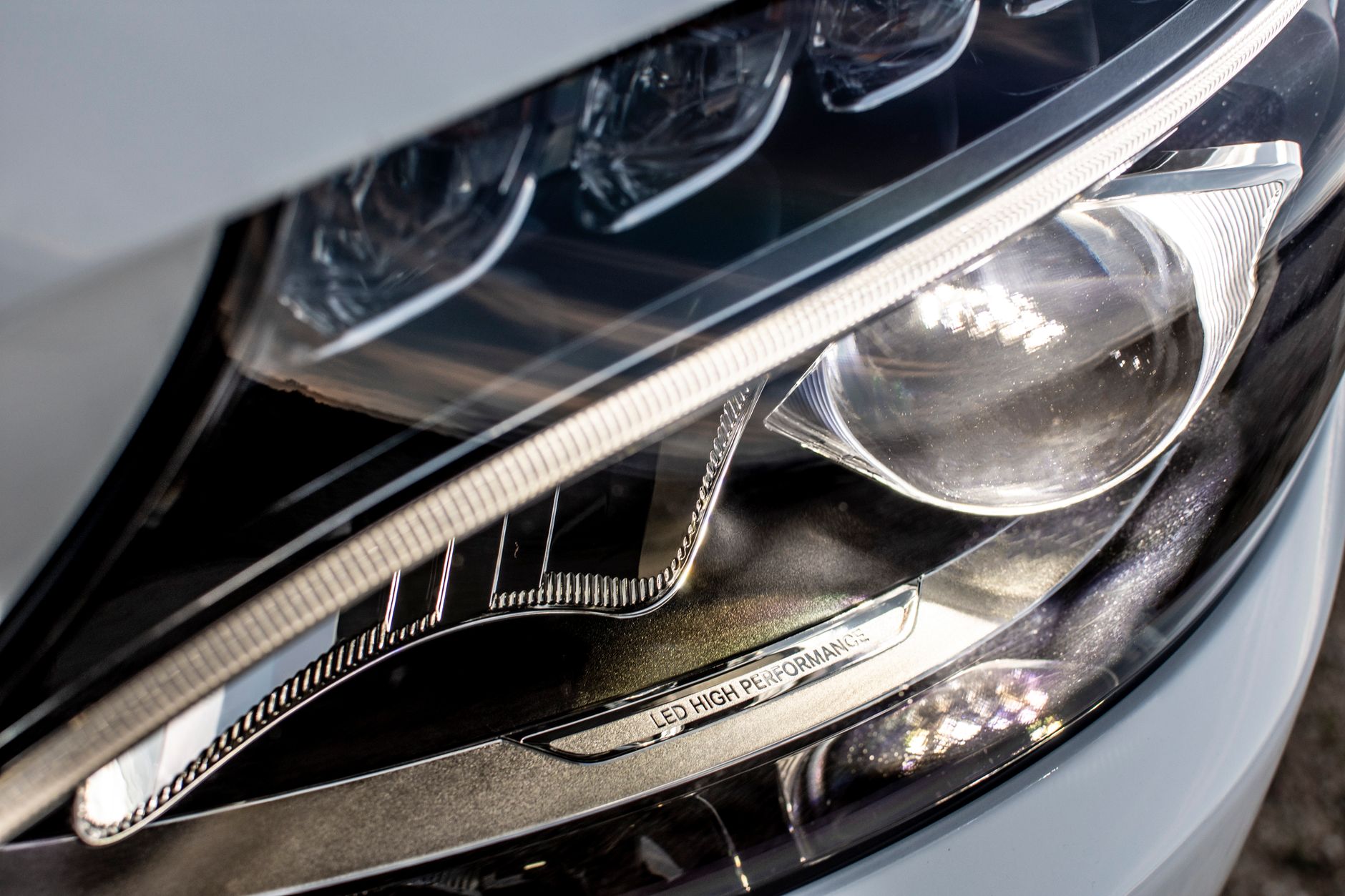
    Aftermarket LED headlight showing beam scatter — a common cause of modified car MOT failure UK 2026
    Photo by Javier Aguilera on Pexels

    Tyre fitment: the detail most people overlook

    Running non-standard tyre sizes is very common in the modified scene, but there are hard rules. The load rating of the tyre must meet or exceed the vehicle manufacturer’s minimum for that axle. The speed rating must be appropriate for the car’s design speed. And the size itself, section width, aspect ratio, rim diameter, must not cause the tyre to contact the bodywork or suspension at any point in the steering and suspension travel.

    Plus-sizing wheels has caught quite a few people out where the rubber is marginal for the arch. A tyre that just clears statically can contact under compression on a speed bump. If you’re on stretched tyres, be aware that testers are increasingly flagging these as a structural concern. A severely stretched tyre, one where the sidewall angle is clearly deformed, can be failed on the basis that it may not seat correctly on the rim under load. I’ve seen this come up more in 2026 than in previous years.

    Also worth checking: are your tyres on the same axle from the same manufacturer and in the same size? Mixing tyre brands across an axle is technically permissible but mixing sizes isn’t. And check your spare, if you carry one, it needs to be road-legal too, though testers vary on how hard they look at a temporary spare in its well.

    For anyone running semi-slicks as their daily tyre, check the UTQG rating. Most UK testers don’t specifically test for this, but if the tread depth is borderline and the compound is clearly a track compound with limited wet grip, expect extra scrutiny. The data on semi-slick performance in wet conditions should inform how you’re running these on the road anyway.

    Electrical and security modifications, the ones that catch people off guard

    Aftermarket car audio installs and vehicle security systems occasionally create MOT issues, and it’s worth running a check on anything wired in. Poorly routed wiring that runs close to moving suspension components, through sharp edges without grommets, or near exhaust heat can be flagged as a potential hazard. If you’ve had a head unit, amplifier, or subwoofer installed, just cast an eye at the power cable routing under the bonnet and through the bulkhead.

    Sheffield, UK-based Source Sounds, who handle expert installations of car audio and advanced vehicle security systems (including aftermarket car security and immobilisation upgrades for modified cars), do all their installs to professional standards precisely because badly wired audio or car security hardware can cause issues down the line, including at MOT time. Their work can be found at www.sourcesounds.com. It’s worth noting that crime around modified cars is rising in certain areas, and a properly fitted security system is both an MOT-safe and practically sensible upgrade.

    Dashcams hardwired into the fusebox, OBD port trackers, and aftermarket immobilisers are all fine in principle, but check that nothing is interfering with the OBD diagnostics port, testers use it for emissions data on newer cars, and a tracker or tuning device left plugged in can occasionally cause a read error.

    Running your own pre-MOT audit

    Give yourself at least a week before the test date. That’s enough time to sort most common issues without panic. Go through this in order:

    Start at the front. Check headlamp aim, you can do this roughly on a flat wall at night. Check all bulbs function including sidelights, dipped beam, main beam, and fog. Move to indicators front and rear, then reverse lights. Lift the bonnet and check the battery terminals are secure, the fuse box cover is on, and there’s no visible wiring harness damage.

    Get underneath if you can. With the car at full height and on level ground, look at tyre clearance at full lock. Check brake lines aren’t kinked or corroded. Check for oil leaks at the sump, gearbox, and diff, small seeps can be advisory, larger ones are fails. Check your suspension bushes for cracking. Worn front lower wishbone bushes are one of the most common fail points on modified cars running coilovers, because the extra stiffness transfers more load to the bushes.

    If your car has had an ECU remap or engine modification, double-check your emissions. A map that runs rich under load can push lambda figures out on a petrol emissions test. And if you’ve had a decat or sports cat, be very clear on whether it meets the current standards for your car’s age and Euro rating. A car registered post-2006 with a missing cat is a fail, full stop.

    If your car does fail

    A modified car MOT failure UK 2026 isn’t always the end of the road, and it’s worth knowing your options. You can challenge advisory items at the DVSA appeals stage if you believe a fail is incorrectly applied, though it requires documented evidence. In practice, most failures on modified cars are legitimate, the more useful approach is fixing the item and returning for a partial retest within ten working days, which limits the retest fee to just the items failed.

    The tester’s job isn’t to fail modified cars because they don’t like them. I’d argue most testers are petrolheads themselves. The cars that fail are the ones where the owner hasn’t kept up with what’s now borderline versus what was borderline three years ago. Do the audit, fix the obvious stuff, and go in with confidence.

    Frequently Asked Questions

    What are the most common reasons modified cars fail their MOT in 2026?

    The three biggest failure areas in 2026 are aftermarket lighting (especially LED bulbs in non-LED housings), suspension geometry issues including excessive camber and insufficient tyre clearance, and non-standard tyre fitment with incorrect load or speed ratings. Electrical wiring from aftermarket installs is also increasingly scrutinised.

    Are smoked or tinted rear lights legal for the MOT?

    They can be, but only if they still pass the minimum light output threshold. Many cheap aftermarket smoked units don’t, and standard units with heavy tinting film applied usually fail. A clean cloth and a brightness check before you go in is always worth doing.

    Will lowered suspension automatically fail an MOT?

    No, lowering alone won’t fail a car. The tester is looking at the practical consequences: tyre contact with bodywork at full lock or full compression, excessive negative camber, and compromised steering geometry. Get the geometry set properly after fitting coilovers and check clearance at full droop and full lock before the test.

    Can I run semi-slick tyres on a road car and still pass the MOT?

    In most cases yes, provided the tread depth is above 1.6mm across the central three-quarters of the tread, the load and speed ratings are appropriate, and the tyre is fitted to the correct size rim. Testers don’t fail semi-slicks outright, but borderline tread depth combined with an obviously track-focused compound will get a hard look.

    Does an aftermarket car audio or security system affect the MOT?

    Not directly, but poor installation can. Wiring that passes near moving suspension components, sharp metal edges without grommets, or heat sources can be flagged as a potential hazard. A professional installation that routes cables properly and uses correct fusing should raise no issues at all.

  • The Honest Buyer’s Guide to a Used Hot Hatch Remap: What UK Sellers Don’t Tell You

    The Honest Buyer’s Guide to a Used Hot Hatch Remap: What UK Sellers Don’t Tell You

    Hot hatches with a remap on them are everywhere right now. A standard Golf R or Hyundai i30 N that’s been Stage 1’d looks identical to the stock car on the outside, often comes with a tidy service history, and gets listed for a few hundred quid less than an unmodified equivalent because the seller knows it’s a harder sell. That gap in asking price is tempting. But buying a used remapped car in the UK without doing proper homework is one of the fastest ways to land yourself a warranty-voided, fuel-system-stressed liability that the previous owner knew was getting warm.

    I’ve gone through this process a few times, both buying and advising mates, and the number of things sellers quietly omit would fill a notebook. Here’s what you actually need to check.

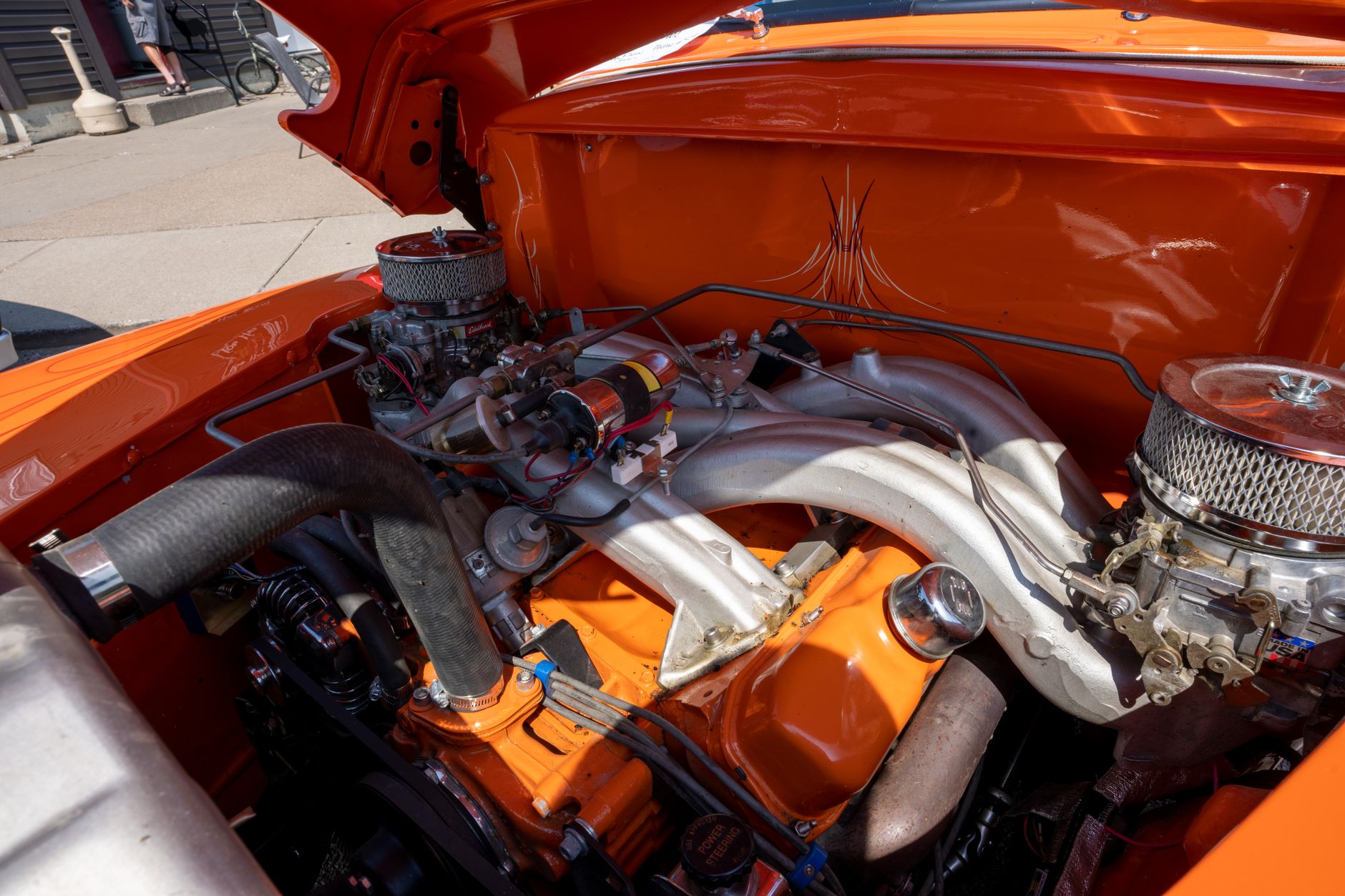
    Turbocharged hot hatch engine bay relevant to buying used remapped car UK
    Photo by Tom Fisk on Pexels

    How to tell if a car has been remapped (and what map it’s running)

    Sellers will sometimes claim the car has been “returned to stock” before sale. Some have. Most haven’t. An OBD read using a decent diagnostic tool will show the ECU calibration identifier, and if it doesn’t match the factory checksum for that car’s variant and market, something’s been changed. Tools like VCDS for VAG group cars or ECUTEK’s readout software for Subaru and some Toyota platforms can pull this information. If you’re not confident doing this yourself, book a pre-purchase check with a tuning specialist rather than a general mechanic, because most high street garages won’t know what they’re looking at.

    The ECU clone risk is where it gets properly murky. Cloning means someone has taken the data from a mapped ECU and copied it onto a blank unit, sometimes to hide that the car has been mapped, sometimes to avoid detection during a failed MOT emissions test. The car can appear standard to a cursory check but will behave like a mapped car under load. A cloned ECU often has mismatched hardware and software identifiers. Push for the VIN to be verified against the ECU’s stored vehicle ID. If they don’t match, walk away.

    Fuel system and hardware stress: what gets worn that sellers don’t mention

    A Stage 1 remap on a turbocharged hot hatch typically adds 50 to 80bhp depending on the platform, and it does that by asking more of the fuel injectors, high-pressure fuel pump, turbocharger, and intercooler. None of those components were engineered with that load in mind from the factory. On a car that’s done 40,000 miles with a map that’s been on since 15,000 miles, the high-pressure fuel pump on a 2.0T EA888 engine (Golf GTI, Leon Cupra, Octavia vRS) has spent most of its working life at higher duty cycles than Volkswagen designed it for.

    Ask for evidence of injector service intervals. On the Fiesta ST, Focus ST and RS platforms, the Bosch injectors can start producing inconsistent spray patterns after heavy use under elevated fuel pressure. This shows up as a rough idle and a slight misfire at idle that disappears under load. Check the inlet manifold for carbon build-up too; if the previous owner was running a higher fuelling map without port injection, carbon deposits accumulate faster on direct-injection engines. You want to see it before you see the bill for a walnut blasting service.

    Verifying a remap’s provenance: questions to ask and paperwork to expect

    A professionally done remap should come with a paper or digital trail. The tuner’s name, the date, the power figures achieved, and ideally a dyno sheet. Recognised UK tuning outfits like Revo, Superchips, Mountune, and Litchfield all log their work and can verify a calibration against a vehicle’s registration if you give them a ring. Do that. Literally call them and read them the reg. They’ll tell you whether they’ve ever touched it.

    If the seller says it was done by a bloke locally whose name they’ve forgotten, that’s not a provenance. That’s a liability. Anonymous maps are often either cloned from generic files shared online, run unsupported fuelling strategies, or have been adjusted by someone who doesn’t understand the knock sensor limits on that specific platform. A good map respects the factory knock thresholds and stays within the safe combustion window for the fuel grade in play. A bad one leans on ignition advance and hopes for the best. You can’t tell from a test drive.

    Worth knowing: if you’re looking at a car still within its manufacturer warranty period, the dealer has grounds to reject warranty claims on any component they can demonstrate has been affected by the remap. This isn’t necessarily every claim, but anything powertrain-related becomes a fight. We covered the broader picture of remapping a car under PCP finance in the UK separately, and many of those warranty implications apply equally to a used purchase that still has transferable warranty cover remaining.

    Which tuners’ work holds its value on resale

    This matters both for your peace of mind now and your resale position later. In the UK hot hatch scene, Mountune work on Ford ST and RS models is genuinely recognised as adding value because Mountune have an agreement with Ford that preserves warranty cover on approved packages. A Mountune MP215 or MP235 Focus ST with documented Mountune hardware is a different proposition to an anonymous remap. Similarly, Revo Stage 1 on a Golf R is a known quantity to informed buyers, and you’ll find the used car community prices it accordingly.

    Tuners whose maps are sold via authorised dealers, come with remote tuning support, and have a version number attached to the file are the ones that translate to resale confidence. “Stage 1 by Revo, version X.X, logged by dealer” is a sentence that means something. “Had a remap, goes well” is a sentence that means nothing and should drop your offer price accordingly.

    If you’re also considering a modified car for track use, the same provenance logic applies on the tyre and brake side. Our breakdown of semi-slick versus road-legal track tyres on UK circuits is worth reading if the hot hatch you’re looking at is clearly been set up with track use in mind, because the whole package matters.

    The MOT and legality picture in 2026

    A remap that raises emissions can cause an MOT failure on the emissions test, particularly if it’s altered fuelling on a car that relies on its OBD readiness monitors to demonstrate compliance. Since 2024, DVSA testers have had access to updated OBD interrogation protocols that are better at flagging cleared codes and monitor resets than the old procedure. A seller who reset fault codes the week before MOT to pass will often have incomplete readiness monitors showing on an OBD reader. Check them. The GOV.UK MOT guidance explains what testers check, and if you’re in any doubt about whether a mapped car will pass its next test, that’s a cost to factor into your offer.

    If the car has already failed an MOT for emissions or has advisories relating to the engine management system, read our full breakdown on what happens when a modified car fails its MOT in 2026 before committing. The appeals process is more navigable than people think, but only if you go in knowing what you’re doing.

    Offer price strategy when buying a used remapped car in the UK

    Buying a used remapped car in the UK should mean paying less, not more. The non-verifiable modification is a risk you’re absorbing, and the price should reflect it. My usual approach is to establish the clean, standard equivalent value using Autotrader pricing data or a CAP valuation, then price in the cost of a full diagnostic check by a tuning specialist (typically £80 to £150), a potential injector service (£200 to £500 depending on platform), and the possibility of having to return the car to standard or get a new reputable map applied. That’s a meaningful deduction from the asking price and a completely fair one.

    If the seller won’t negotiate against a documented risk, that tells you something. The well-sorted, properly documented remapped hot hatch is a genuinely good used buy. The mystery-mapped one with no paperwork is something else entirely.

    Frequently Asked Questions

    How can I tell if a used hot hatch has been remapped before buying?

    Connect an OBD diagnostic tool that reads ECU calibration identifiers and compare the checksum against the factory standard for that model and market. Platform-specific tools like VCDS for VAG cars or dedicated Ford IDS software will flag non-standard calibrations. If you’re unsure, pay a tuning specialist for a pre-purchase check rather than relying on a general mechanic.

    Does a remap void the manufacturer's warranty on a used car in the UK?

    Yes, in most cases the manufacturer can reject powertrain warranty claims if they can show the remap contributed to the failure. The exception is approved packages like Mountune on Ford models, which preserve certain warranty rights. If the car still has transferable warranty remaining, check with the dealer or manufacturer whether the modification affects that cover.

    What is an ECU clone and why is it a risk when buying a remapped car?

    An ECU clone is where a mapped ECU’s data has been copied onto a new unit, sometimes to make the car appear unmodified to a basic diagnostic check. Cloned ECUs often have mismatched hardware and software identifiers that don’t align with the car’s VIN. This can cause reliability problems and creates serious issues if the car ever needs warranty work or a dealer software update.

    Which UK tuners' remaps are most trusted and hold their value on resale?

    Mountune on Ford ST and RS platforms is widely respected and has a Ford-approved warranty arrangement. Revo, Superchips, and Litchfield are recognised names across VAG, BMW, and other platforms and all log their work against the vehicle. Work from these tuners with a dyno sheet and dated paperwork adds genuine credibility and can support your resale position.

  • How the DVLA’s 40-Year Rolling Tax Exemption Is Quietly Making 1980s Performance Cars Unaffordable

    How the DVLA’s 40-Year Rolling Tax Exemption Is Quietly Making 1980s Performance Cars Unaffordable

    Every January, the DVLA’s 40-year rolling tax exemption quietly rolls forward one more year, and every January, a fresh batch of cars crosses the threshold into free VED territory. It sounds like good news for enthusiasts. In practice, it’s been steadily pricing people out of late-1980s performance cars at a rate that would have seemed absurd even five years ago. I’ve watched this happen in real time across classifieds, at auction, and in club forums, and the numbers are now impossible to ignore.

    From 1 January 2026, vehicles first registered before 1 January 1986 qualify for free road tax under the HMRC and DVLA historic vehicle rules. That means a significant slice of mid-1980s machinery has just gained a meaningful financial perk, and the market has already reacted. But here’s the less obvious part: the cars approaching that threshold are the ones getting expensive fastest.

    Classic 1980s hot hatch relevant to the DVLA 40 year tax exemption classic car prices UK debate
    Photo by Luke Miller on Pexels

    Why the exemption creates a price wave, not a price cliff

    You might expect the cars that just became tax-exempt to spike in value. And they do, a bit. But the real pressure builds earlier. Buyers who understand the system are looking ahead 12 to 36 months and buying before the exemption arrives, partly for the anticipated saving and partly because values reliably climb once a car reaches classic status. The result is a kind of rolling pressure front, pushing through the late-1980s market year by year.

    Take a 1987 Volkswagen Golf GTI Mk2. Three years ago you could find a solid driver for £6,000 to £8,000. Today those same cars are £12,000 to £16,000 on the better classifieds, and the tidy ones are trading at £20,000-plus. A 1988 Ford Sierra RS Cosworth, already a significant car by any measure, has gone from aspirational to genuinely difficult for anyone without serious capital. Prices on those are now consistently north of £40,000 for anything that doesn’t need a full bodywork restoration. Even the humble 1987 Peugeot 205 GTI 1.9, which you could pick up for under £10,000 as recently as 2022, regularly fetches £18,000 to £25,000 at auction in 2026.

    Which models are spiking fastest right now

    Not every late-80s car is moving at the same pace. The cars climbing hardest share a few traits: strong cult followings, limited surviving numbers, and the kind of driving character that modern performance cars have largely engineered away.

    The Honda CRX (1987-1988 examples) has been climbing sharply, driven partly by enthusiasts keeping an eye on the rolling threshold and partly by a growing Japanese import scene that’s made buyers more aware of what these cars actually were. I’d also point to the BMW E30 M3, already expensive, but the 1987 to 1989 examples are being hoovered up by people who recognise that every year closer to the exemption is another year of value growth. Any remaining road-registered examples of the Lotus Excel SE from 1987 to 1988 have become genuinely rare, and prices reflect that.

    Slightly more accessible but moving quickly: the Alfa Romeo Spider Series 3 in good condition, the Renault 5 GT Turbo (1987 examples now regularly above £12,000 for clean cars), and the Mk1 MR2 from the mid-to-late 1980s. The common thread is that these were driver’s cars in an era before traction control, ABS was standard fitment, or suspension software decided how you cornered.

    The MOT angle that buyers keep forgetting

    Free road tax gets all the attention, but it’s worth remembering that vehicles over 40 years old are also exempt from the annual MOT, provided they haven’t been substantially changed. That dual saving, no VED and no compulsory MOT fee, is meaningful over five or ten years of ownership. A standard VED rate for a high-emissions 1980s performance car could be £600-plus per year. Multiply that out and you’re looking at a real financial argument for buying ahead of the exemption.

    That said, I’d be cautious about treating the MOT exemption as a pure win. A car that genuinely hasn’t had a proper inspection in years can develop serious issues quietly. Plenty of experienced owners keep MOT-exempt cars going through annual inspections anyway, just voluntarily. If you’re buying one of these late-80s cars and the seller is making a big deal out of the MOT exemption as a selling point, that’s worth probing. There’s a reason our piece on what happens when a modified car fails its MOT gets so much traffic: people underestimate how quickly mechanical conditions can slide.

    Should you buy before the exemption arrives?

    This is the question I get asked most often in club circles, and my honest answer is: it depends entirely on what you’re buying and why. If you’re buying a genuinely good car at a price you’re comfortable with, and you plan to keep it, then yes, buying a 1987 or 1988 car now makes sense. You’ll benefit from the VED exemption arriving in 2027 or 2028, and in the meantime, the car’s value will very likely hold or increase.

    If you’re buying purely as a speculative punt, I’d be more cautious. The market is already pricing in the upcoming exemption on many popular models. You’re not getting ahead of the curve on a 205 GTI or Golf GTI any more; that ship has sailed. The smarter speculative play, if there is one, is looking at cars that haven’t yet attracted mainstream attention but are genuinely solid 1987 to 1989 driver’s cars. Things like a well-kept Triumph Acclaim are obviously not exciting. But an honest Talbot Samba Cabriolet or a late-spec Rover 216 Vitesse from 1988 has the bones of a future appreciator, if the supply continues to shrink. The real costs of keeping an older performance car road legal are also something buyers routinely underestimate, regardless of whether VED is free.

    The insurance side of the equation

    One thing that doesn’t automatically get cheaper once a car turns 40 is insurance. Specialist agreed-value policies through outfits like Footman James or Adrian Flux can actually cost more than a standard policy on a modern equivalent, particularly if agreed values have climbed in line with market prices. If you’re factoring in savings from the tax exemption, make sure you’re running realistic insurance numbers alongside them. The VED saving on a high-rated pre-1986 car might be £600 per year; the uplift in specialist insurance premium could eat a meaningful chunk of that. I’d always recommend getting a specialist quote before finalising any purchase where the financial argument leans heavily on running cost savings. Our breakdown of how UK insurance groups are changing for performance and modified car owners is worth reading before you commit.

    What the market looks like from here

    The rolling nature of the exemption means this pressure isn’t going away. Every year, another cohort of late-80s cars gets the financial upgrade of classic status, and every year, the cars two to three years behind them start climbing in anticipation. By the early 2030s, early-1990s hot hatches like the Mk3 Golf VR6 and the first-generation Honda Civic Type R will be in the same position the Mk2 Golf finds itself in now.

    If you’re in the market for a genuine late-80s driver’s car and you haven’t been watching prices closely, my honest advice is to move faster than you planned to. The window between a car being affordable and a car being a serious financial commitment is narrowing. Condition matters more than ever at these prices; don’t rush past a proper inspection to beat someone else to a car. And if you’re thinking about buying something modified, make sure you’ve read up on how modifications affect insurance costs before the bill arrives.

    The DVLA 40 year tax exemption is a genuinely good policy. It’s just that the market, being the market, has turned a tax saving into a price signal. That’s not a reason to stop buying. It’s a reason to buy well.

    Frequently Asked Questions

    What is the DVLA 40 year rolling tax exemption for classic cars in the UK?

    Vehicles that are more than 40 years old and haven’t been substantially modified are exempt from paying Vehicle Excise Duty (VED) in the UK. The threshold rolls forward each year on 1 January, so a new batch of vehicles qualifies annually. You still need to tax the vehicle, but the cost is zero.

    Which 1980s cars are increasing in value fastest because of the classic car tax exemption?

    The biggest movers in 2025 and 2026 have been the Volkswagen Golf GTI Mk2, Peugeot 205 GTI, Ford Sierra RS Cosworth, and Honda CRX from 1985 to 1988. Buyers are purchasing ahead of the exemption threshold, pushing prices up two to three years before the VED saving actually kicks in.

    Do MOT-exempt classic cars still need to be inspected?

    Legally, vehicles over 40 years old that haven’t been substantially altered don’t require a compulsory MOT in the UK. However, many experienced owners still get annual voluntary inspections to keep on top of safety and condition. The exemption removes the legal requirement, not the practical need for maintenance.

    Is it worth buying a late-1980s performance car before the 40-year tax exemption kicks in?

    For genuine enthusiasts planning to keep the car, buying ahead of the exemption can make sense. Values on popular models tend to climb in the run-up to classic status, and the VED saving is worth several hundred pounds per year once it arrives. For purely speculative buying, the opportunity is narrower than it was a few years ago on well-known models.

    Does the 40-year classic car exemption affect insurance costs?

    The DVLA tax exemption has no direct effect on insurance premiums. Specialist agreed-value policies through insurers like Footman James or Adrian Flux may cost more than standard cover, particularly as agreed values have risen sharply. Always get specialist insurance quotes when calculating the true cost of owning a newly classic vehicle.