Author: Max

  • Welsh Rally Roads: The UK’s Best-Kept Secret for Fast Road Driving in 2026

    Welsh Rally Roads: The UK’s Best-Kept Secret for Fast Road Driving in 2026

    There’s a reason rally teams have been using the B-roads of mid and north Wales for decades. These aren’t just any country lanes, they’re long, smooth-surfaced, technically varied stretches of tarmac that reward a driver who actually knows what they’re doing. Word has slowly got around, and in 2026 more UK car enthusiasts are making the pilgrimage west than ever before. If you’ve not yet pointed a decent car towards Aberystwyth or Bala on a dry Tuesday morning with a full tank, you’re genuinely missing out.
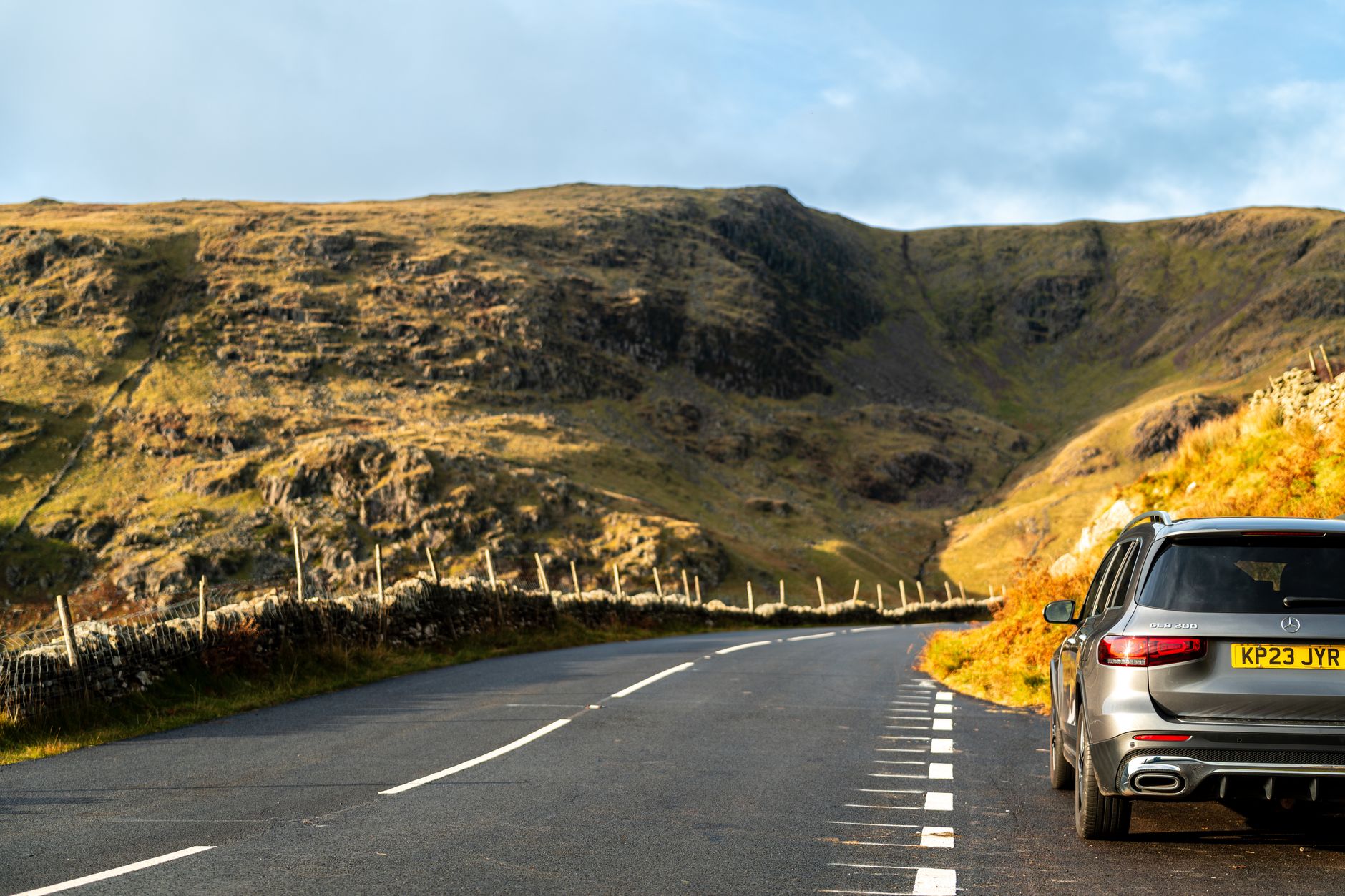
    Empty Welsh rally road winding through moorland on a clear morning, ideal for fast road driving
    Photo by Michał Robak on Pexels

    What makes Welsh rally roads so good for fast driving

    The geography is the whole story. Mid Wales in particular sits in a pocket of the UK where you can cover 40 to 50 miles without touching a dual carriageway. The roads that thread through the Cambrian Mountains and around Llyn Tegid (Bala Lake) combine long, sweeping crests with tight, blind entries and proper elevation changes. That combination is rare. You’ll find individual stretches of good road in the Peak District or the Yorkshire Dales, but Wales strings them together in a way that feels almost continuous.

    The surface quality matters too. Councils in Powys and Gwynedd have historically resurfaced rally-adjacent roads more consistently than comparable rural roads elsewhere in Britain, partly because the road surfaces take a pounding from stage events and need to be maintained to a minimum standard. I’ve driven the same A470/B4518 loop three years running and each time the tarmac has been in noticeably better condition than equivalent mileage in, say, rural Shropshire or the A-roads through Cumbria. Compare that with what Britain’s crumbling road surfaces are doing to suspension and tyres elsewhere in the country, and Wales starts looking like a different planet.

    The best routes to know

    The Elan Valley circuit is the obvious starting point. The B4518 from Rhayader to Aberystwyth, with a detour around the Elan Valley reservoirs, gives you around 60 miles of genuinely outstanding driving. Open moorland on both sides, almost zero traffic on weekdays, and enough mid-corner camber change to keep you honest. Rhayader itself is a good base, small enough to be quiet, with a petrol station and a couple of cafes that open early.

    Further north, the roads around Bala and into the Aran Mountains are where it gets more serious. The B4391 between Llangynog and Bala is narrow in places, with proper blind brows that demand respect and commitment in equal measure. I’ve seen rally recce crews on this stretch in late winter. They’re not there by accident. The route from Bala towards Dolgellau via the A494 then cutting south on the B4416 is around 45 miles of constant engagement, with the Cader Idris range providing a backdrop that makes it feel like you’re somewhere much further from home than you actually are.

    In the north, the roads threading east from Betws-y-Coed towards Cerrigydrudion on the B5105 are fast, smooth, and largely ignored by everyone who isn’t a local or a rally team. This is Conwy county territory, and the surface here is generally excellent. Worth knowing: the A5 between Betws-y-Coed and Capel Curig gets tourist traffic in summer, but the B-roads parallel to it rarely do.

    Performance hatchback on a Welsh rally road bend, demonstrating the terrain that makes Welsh B-roads famous for driving
    Photo by Abdülkadir KESKİN on Pexels

    Best time of year to go

    March to May is the sweet spot. The roads are damp enough to be interesting but not flooded, the light is clean and low in the mornings which makes the crests readable, and tourist season hasn’t arrived. October can be spectacular if you’re chasing the colour change in the Snowdonia foothills, but you’ll need to be realistic about limited daylight hours and the occasional patch of fallen leaf debris that makes a fast B-road genuinely sketchy.

    July and August are the months to avoid unless you enjoy getting stuck behind a campervan on a single-track road for six miles. The roads around Bala Lake become genuinely busy. Stick to weekday trips throughout spring and early autumn and you’ll have the place almost to yourself. According to Visit Wales, rural overnight tourism in mid Wales peaks in July and August, so the inverse logic for driving trips holds.

    What cars suit the terrain

    This is where it gets interesting. The Welsh rally roads are not the place for a wide, low, stiff supercar. I’ve seen a 991 GT3 owner absolutely baffled by the Elan Valley run, the ride height caught him out twice on crests before he backed off entirely. The ideal car here is something with enough ground clearance to cope with occasional rough patches, a chassis that communicates through the steering, and enough power to make the straights feel rewarding without getting scary.

    The Honda Civic Type R (FL5 generation), the Toyota GR86, and the Renault Clio 300 Trophy are all cars I’d pick without hesitation. The Mazda MX-5 works brilliantly until you hit a stretch of heave and realise its suspension travel is working overtime. Four-wheel drive cars like the Subaru WRX STI or the GR Yaris come alive on these roads in a way they never do on a track, that slight looseness at the rear on tightening bends is exactly what they were engineered for.

    If your car has a recent paint job, it’s worth thinking about road debris protection before you set off. Stone chips are a genuine hazard on these rural runs, particularly in spring when grit from winter treatments is still loose on the surface. A quality paint protection film installation from somewhere like Custom Creations Detailing is the kind of sensible prep that experienced drivers don’t skip. Properly fitted film won’t affect the look of the car but it’ll save you a respray bill after a week in Wales.

    Fuel stops and practical logistics

    This is the bit most guides skip and it matters. Rural Wales has petrol stations, but not many, and several close early. Rhayader, Llandrindod Wells, Machynlleth, Dolgellau, and Bala all have fuel. If you’re running a thirsty modified car or anything with a small tank, plan your stops before you leave. I’d always fill up in the last town before any of the serious remote sections because the gap between stations on some routes is 30 to 40 miles of open moorland with nothing in between.

    Accommodation in Welshpool or Aberystwyth gives you good central access to both the mid Wales and north Wales route networks. Both towns have decent food options and aren’t overrun with tourists outside of peak summer. If you’re going as a group of cars, Welshpool makes more logistical sense given its proximity to the A483 for those coming from the Midlands or North West England.

    A word on driving standards

    These are public roads. That point sounds obvious but it bears saying plainly. The villages in the Elan Valley and around Bala are lived-in communities, not a stage. Tractor drivers, dog walkers, horse riders, and school runs all share the same tarmac. The roads are good enough to fool you into thinking they’re a private testing route, and they’re not. Smooth roads with no traffic are not an invitation to drive like a prat through a village at 60mph. The Welsh police have a mobile enforcement presence across Powys and Ceredigion that enthusiast forums persistently underestimate.

    Drive within your limits, give way properly on single-track stretches, and treat locals with the consideration you’d want if they were driving through your street. The Welsh rally roads have a deserved reputation as a proper driver’s destination precisely because the scene there hasn’t been ruined yet. Keep it that way.

    If you’re the type who also takes their car to circuits, the skills translate directly. The commitment required on blind brows is exactly the discipline that makes a technically demanding circuit like Cadwell Park feel more manageable once you’ve spent time reading real roads at real speed. And if your car is modified, make sure it’s sorted before you head out. A pre-trip check against current MOT failure points for modified cars is worth an hour of your time before a long drive to mid Wales.

    Welsh rally roads are the real thing. Get there before everyone else figures it out.
  • How the DVLA’s 40-Year Rolling Tax Exemption Is Quietly Making 1980s Performance Cars Unaffordable

    How the DVLA’s 40-Year Rolling Tax Exemption Is Quietly Making 1980s Performance Cars Unaffordable

    Every January, the DVLA’s 40-year rolling tax exemption quietly rolls forward one more year, and every January, a fresh batch of cars crosses the threshold into free VED territory. It sounds like good news for enthusiasts. In practice, it’s been steadily pricing people out of late-1980s performance cars at a rate that would have seemed absurd even five years ago. I’ve watched this happen in real time across classifieds, at auction, and in club forums, and the numbers are now impossible to ignore.

    From 1 January 2026, vehicles first registered before 1 January 1986 qualify for free road tax under the HMRC and DVLA historic vehicle rules. That means a significant slice of mid-1980s machinery has just gained a meaningful financial perk, and the market has already reacted. But here’s the less obvious part: the cars approaching that threshold are the ones getting expensive fastest.

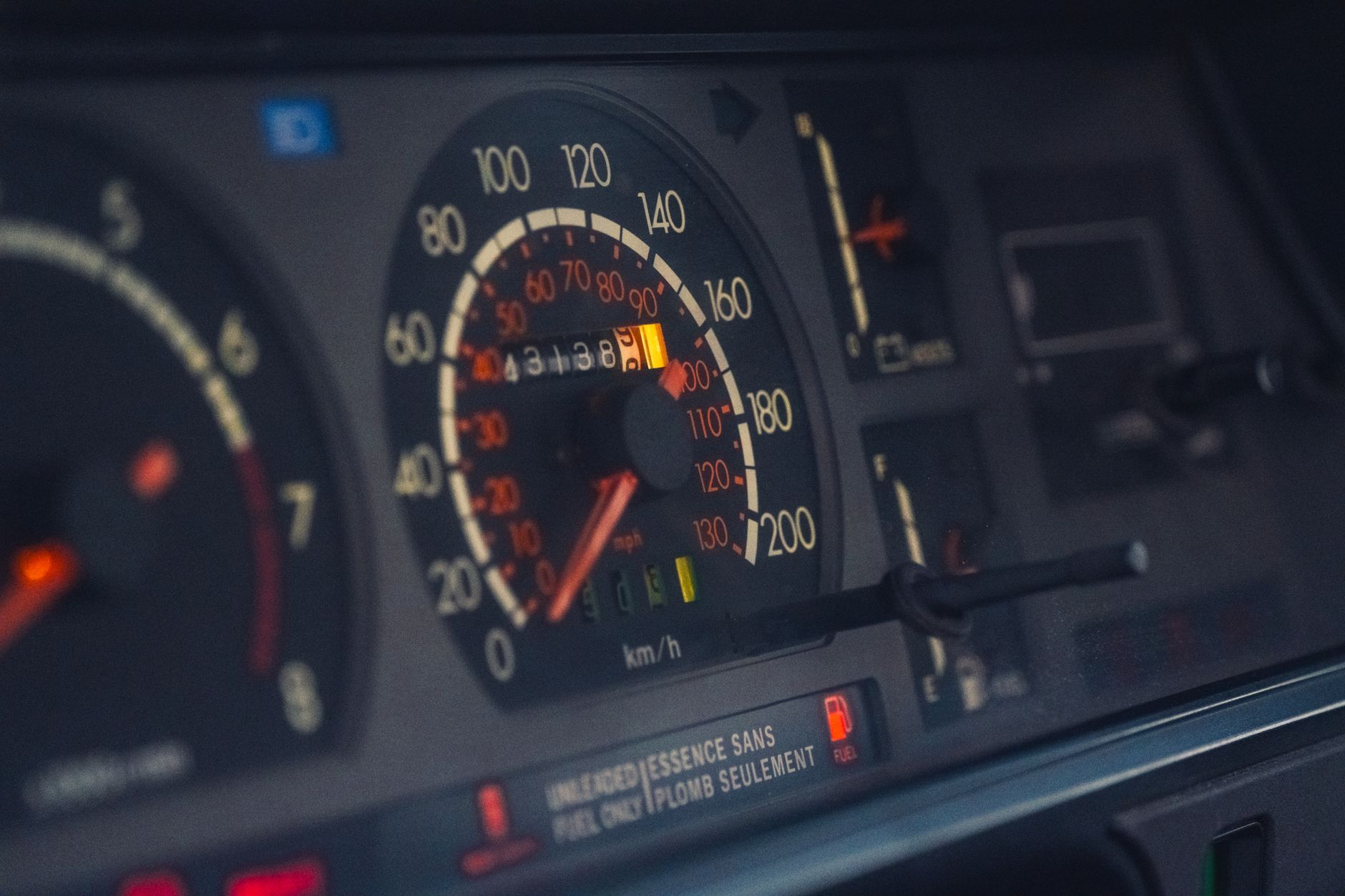
    Classic 1980s hot hatch relevant to the DVLA 40 year tax exemption classic car prices UK debate
    Photo by Luke Miller on Pexels

    Why the exemption creates a price wave, not a price cliff

    You might expect the cars that just became tax-exempt to spike in value. And they do, a bit. But the real pressure builds earlier. Buyers who understand the system are looking ahead 12 to 36 months and buying before the exemption arrives, partly for the anticipated saving and partly because values reliably climb once a car reaches classic status. The result is a kind of rolling pressure front, pushing through the late-1980s market year by year.

    Take a 1987 Volkswagen Golf GTI Mk2. Three years ago you could find a solid driver for £6,000 to £8,000. Today those same cars are £12,000 to £16,000 on the better classifieds, and the tidy ones are trading at £20,000-plus. A 1988 Ford Sierra RS Cosworth, already a significant car by any measure, has gone from aspirational to genuinely difficult for anyone without serious capital. Prices on those are now consistently north of £40,000 for anything that doesn’t need a full bodywork restoration. Even the humble 1987 Peugeot 205 GTI 1.9, which you could pick up for under £10,000 as recently as 2022, regularly fetches £18,000 to £25,000 at auction in 2026.

    Which models are spiking fastest right now

    Not every late-80s car is moving at the same pace. The cars climbing hardest share a few traits: strong cult followings, limited surviving numbers, and the kind of driving character that modern performance cars have largely engineered away.

    The Honda CRX (1987-1988 examples) has been climbing sharply, driven partly by enthusiasts keeping an eye on the rolling threshold and partly by a growing Japanese import scene that’s made buyers more aware of what these cars actually were. I’d also point to the BMW E30 M3, already expensive, but the 1987 to 1989 examples are being hoovered up by people who recognise that every year closer to the exemption is another year of value growth. Any remaining road-registered examples of the Lotus Excel SE from 1987 to 1988 have become genuinely rare, and prices reflect that.

    Slightly more accessible but moving quickly: the Alfa Romeo Spider Series 3 in good condition, the Renault 5 GT Turbo (1987 examples now regularly above £12,000 for clean cars), and the Mk1 MR2 from the mid-to-late 1980s. The common thread is that these were driver’s cars in an era before traction control, ABS was standard fitment, or suspension software decided how you cornered.

    The MOT angle that buyers keep forgetting

    Free road tax gets all the attention, but it’s worth remembering that vehicles over 40 years old are also exempt from the annual MOT, provided they haven’t been substantially changed. That dual saving, no VED and no compulsory MOT fee, is meaningful over five or ten years of ownership. A standard VED rate for a high-emissions 1980s performance car could be £600-plus per year. Multiply that out and you’re looking at a real financial argument for buying ahead of the exemption.

    That said, I’d be cautious about treating the MOT exemption as a pure win. A car that genuinely hasn’t had a proper inspection in years can develop serious issues quietly. Plenty of experienced owners keep MOT-exempt cars going through annual inspections anyway, just voluntarily. If you’re buying one of these late-80s cars and the seller is making a big deal out of the MOT exemption as a selling point, that’s worth probing. There’s a reason our piece on what happens when a modified car fails its MOT gets so much traffic: people underestimate how quickly mechanical conditions can slide.

    Should you buy before the exemption arrives?

    This is the question I get asked most often in club circles, and my honest answer is: it depends entirely on what you’re buying and why. If you’re buying a genuinely good car at a price you’re comfortable with, and you plan to keep it, then yes, buying a 1987 or 1988 car now makes sense. You’ll benefit from the VED exemption arriving in 2027 or 2028, and in the meantime, the car’s value will very likely hold or increase.

    If you’re buying purely as a speculative punt, I’d be more cautious. The market is already pricing in the upcoming exemption on many popular models. You’re not getting ahead of the curve on a 205 GTI or Golf GTI any more; that ship has sailed. The smarter speculative play, if there is one, is looking at cars that haven’t yet attracted mainstream attention but are genuinely solid 1987 to 1989 driver’s cars. Things like a well-kept Triumph Acclaim are obviously not exciting. But an honest Talbot Samba Cabriolet or a late-spec Rover 216 Vitesse from 1988 has the bones of a future appreciator, if the supply continues to shrink. The real costs of keeping an older performance car road legal are also something buyers routinely underestimate, regardless of whether VED is free.

    The insurance side of the equation

    One thing that doesn’t automatically get cheaper once a car turns 40 is insurance. Specialist agreed-value policies through outfits like Footman James or Adrian Flux can actually cost more than a standard policy on a modern equivalent, particularly if agreed values have climbed in line with market prices. If you’re factoring in savings from the tax exemption, make sure you’re running realistic insurance numbers alongside them. The VED saving on a high-rated pre-1986 car might be £600 per year; the uplift in specialist insurance premium could eat a meaningful chunk of that. I’d always recommend getting a specialist quote before finalising any purchase where the financial argument leans heavily on running cost savings. Our breakdown of how UK insurance groups are changing for performance and modified car owners is worth reading before you commit.

    What the market looks like from here

    The rolling nature of the exemption means this pressure isn’t going away. Every year, another cohort of late-80s cars gets the financial upgrade of classic status, and every year, the cars two to three years behind them start climbing in anticipation. By the early 2030s, early-1990s hot hatches like the Mk3 Golf VR6 and the first-generation Honda Civic Type R will be in the same position the Mk2 Golf finds itself in now.

    If you’re in the market for a genuine late-80s driver’s car and you haven’t been watching prices closely, my honest advice is to move faster than you planned to. The window between a car being affordable and a car being a serious financial commitment is narrowing. Condition matters more than ever at these prices; don’t rush past a proper inspection to beat someone else to a car. And if you’re thinking about buying something modified, make sure you’ve read up on how modifications affect insurance costs before the bill arrives.

    The DVLA 40 year tax exemption is a genuinely good policy. It’s just that the market, being the market, has turned a tax saving into a price signal. That’s not a reason to stop buying. It’s a reason to buy well.

    Frequently Asked Questions

    What is the DVLA 40 year rolling tax exemption for classic cars in the UK?

    Vehicles that are more than 40 years old and haven’t been substantially modified are exempt from paying Vehicle Excise Duty (VED) in the UK. The threshold rolls forward each year on 1 January, so a new batch of vehicles qualifies annually. You still need to tax the vehicle, but the cost is zero.

    Which 1980s cars are increasing in value fastest because of the classic car tax exemption?

    The biggest movers in 2025 and 2026 have been the Volkswagen Golf GTI Mk2, Peugeot 205 GTI, Ford Sierra RS Cosworth, and Honda CRX from 1985 to 1988. Buyers are purchasing ahead of the exemption threshold, pushing prices up two to three years before the VED saving actually kicks in.

    Do MOT-exempt classic cars still need to be inspected?

    Legally, vehicles over 40 years old that haven’t been substantially altered don’t require a compulsory MOT in the UK. However, many experienced owners still get annual voluntary inspections to keep on top of safety and condition. The exemption removes the legal requirement, not the practical need for maintenance.

    Is it worth buying a late-1980s performance car before the 40-year tax exemption kicks in?

    For genuine enthusiasts planning to keep the car, buying ahead of the exemption can make sense. Values on popular models tend to climb in the run-up to classic status, and the VED saving is worth several hundred pounds per year once it arrives. For purely speculative buying, the opportunity is narrower than it was a few years ago on well-known models.

    Does the 40-year classic car exemption affect insurance costs?

    The DVLA tax exemption has no direct effect on insurance premiums. Specialist agreed-value policies through insurers like Footman James or Adrian Flux may cost more than standard cover, particularly as agreed values have risen sharply. Always get specialist insurance quotes when calculating the true cost of owning a newly classic vehicle.

  • Why UK Petrolheads Are Turning to Grey Import SUVs as the New Performance Daily in 2026

    Why UK Petrolheads Are Turning to Grey Import SUVs as the New Performance Daily in 2026

    There’s a shift happening in the modified and performance car scene, and I don’t think enough people are talking about it. The grey import SUV is having a moment. Not the ageing Land Cruiser you’d take overlanding, and not a clapped-out Pajero either. I’m talking about serious, spec-heavy performance SUVs that were never sold officially in the UK, arriving via personal imports from Japan and North America and ending up parked next to the family estate on the drive. In 2026, the grey import SUV UK market is genuinely attracting a new wave of buyers who’ve done their homework.

    Why now? A few things have converged. Officially sold performance SUVs have gone stratospheric in price. A new Porsche Cayenne Turbo GT is closing in on £200,000 in standard trim. Even a mildly specced BMW X5 M Competition is nudging £130,000. Meanwhile, certain grey imports offer genuinely comparable performance, sometimes with hardware that was never available here, at a fraction of that cost. The catch is the process of getting one road legal. It’s real, it takes effort, and it will cost you money. But for the right buyer, it can absolutely be worth it.

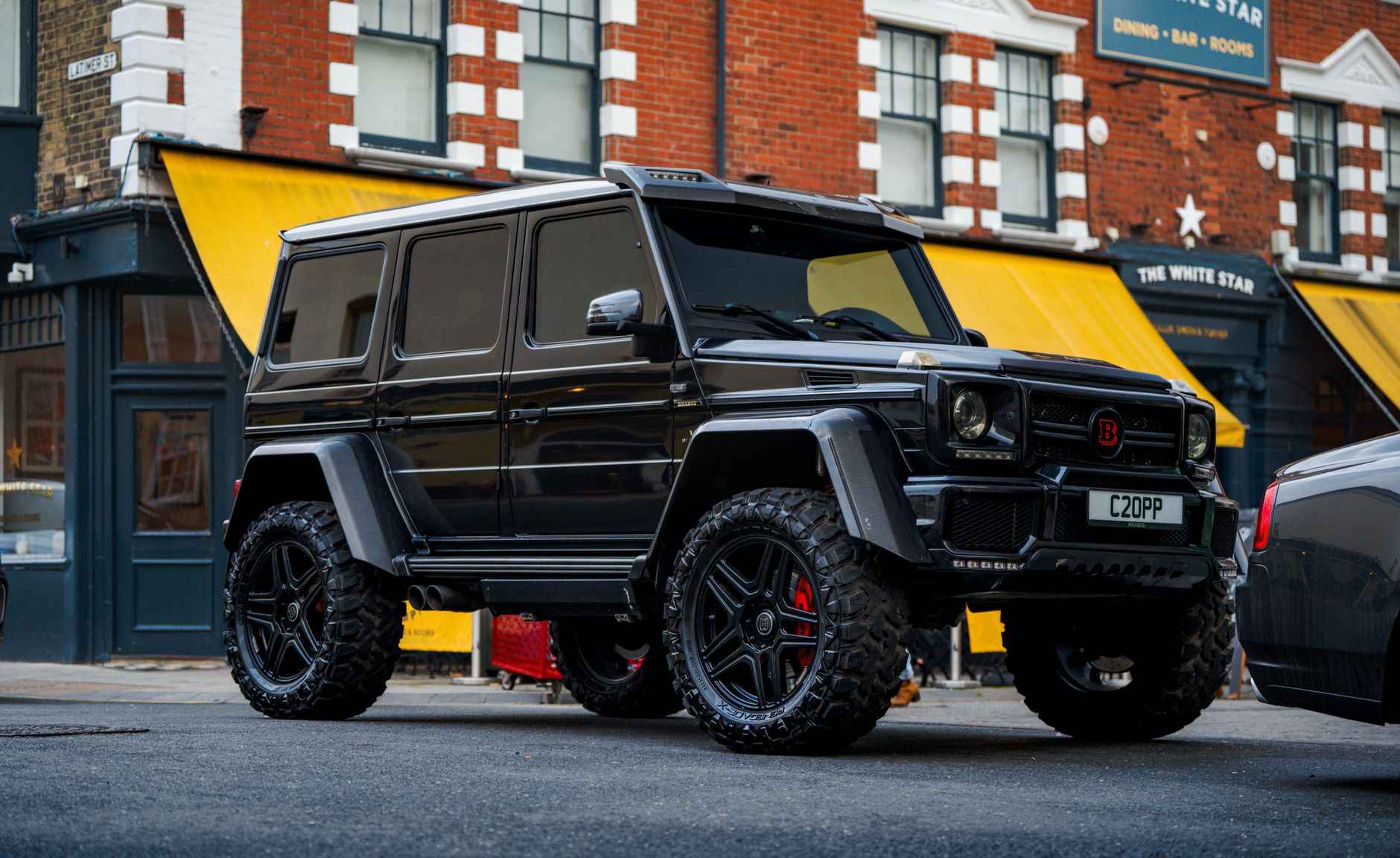
    Grey import SUV on a UK road representing the grey import SUV UK 2026 trend
    Photo by George Blatchford on Pexels

    Which grey import performance SUVs are people actually buying?

    From Japan, the Toyota Land Cruiser 300 GR Sport (in its JDM specification with the twin-turbo V6 petrol rather than the diesel we got here) is attracting significant attention. So is the Nissan Patrol Y62 in Nismo spec, which was never officially sold in the UK at all. The GR Sport Land Cruiser in particular is a machine that makes the UK-spec diesel feel like a completely different vehicle. From North America, the Ford Bronco Raptor and Jeep Wrangler Rubicon 392 (with the 6.4-litre Hemi V8) are both pulling in buyers who want something genuinely different to drive and genuinely unusual on UK roads.

    The Lexus LX 600 F Sport is another one. Japan-spec examples are fully loaded in a way the UK car never was, and buyers are arriving at these through the same broker networks that the JDM sports car crowd has used for years. Speaking of which, if you’ve read anything about why JDM imports are becoming harder to find and more expensive, you’ll know the pipeline is under pressure. SUVs haven’t escaped that, but the volumes were never as thin as for sports cars, so supply is slightly less fraught.

    IVA, DVLA and the actual process of getting it registered

    This is where people either do their homework or get stung. A grey import SUV from Japan or North America cannot simply be driven off a transporter and onto UK roads. You’ll need to go through the Individual Vehicle Approval (IVA) process, administered by the Driver and Vehicle Standards Agency (DVSA). IVA is the UK’s route for registering vehicles that haven’t been through type approval by a manufacturer for the UK or EU market.

    The inspection covers lighting, emissions, brakes, noise and a long list of safety requirements. American-spec vehicles will almost certainly need headlight conversion, since US-spec headlights don’t meet ECE regulations. Speedometers need to display mph as primary. Some vehicles will need changes to the horn, seat belt anchorage points, or mirror configuration. None of this is insurmountable, but each item is a cost. Budget realistically: IVA test fees, any pre-test modifications, and then DVLA registration on top. I’ve spoken to people who’ve done this cleanly for £2,500 all-in on a well-prepared Japanese import, and others who’ve hit £6,000 on an American truck that needed more work. It depends on the vehicle and how thorough the prep is before it goes for inspection.

    Japan-spec vehicles tend to have an easier time because Japanese domestic market (JDM) lighting and emissions standards are often closer to ECE equivalents. US-spec is genuinely more involved. Factor in import duty and VAT on top of the purchase price too. HMRC levies 6.5% import duty on passenger vehicles from the US currently, plus 20% VAT on the combined value. Japanese imports have lower duty rates under existing trade arrangements. These figures change, so get current advice from a specialist customs broker before committing.

    What grey import insurance actually looks like in 2026

    Insuring a grey import SUV is not as grim as it was five years ago, but you still can’t walk up to a comparison site and expect a sensible quote. Most mainstream insurers either won’t touch them or will price them punitively. The specialist market is where you need to be: Adrian Flux, Footman James, and brokers who deal in classic and modified vehicles all have experience with personal imports. The challenge is valuation. Insurers want an agreed value, and for a vehicle with no official UK market equivalent, establishing that requires documentation from a specialist valuer.

    If you’ve already been through the world of understanding how UK insurance groups work for modified and performance cars, you’ll have a feel for how the risk calculation goes. Grey imports sit in a similar awkward bracket. The vehicle has no UK insurance group rating, so underwriters have to assess it manually. That takes longer and it costs more. Annual premiums for something like a Nissan Patrol Nismo will sit significantly higher than a comparable UK-market SUV, often by 30-50% depending on your profile and postcode. It’s manageable, but price it in.

    Does the maths actually stack up?

    Let’s be honest about this, because I’ve seen too many people get excited and then fail to run the actual numbers. Take the Nissan Patrol Y62 Nismo. A clean, low-mileage Japanese example will cost somewhere between £45,000 and £60,000 landed, before IVA prep, modifications and registration. Add £3,000-£5,000 for complying work and the test itself. Add specialist insurance. You’re at roughly £55,000-£70,000 for a fully sorted, road-legal example.

    Now compare that to a UK-spec Land Rover Defender V8 or a Mercedes-Benz GLE 63 S AMG. The GLE 63 S starts at over £130,000 new. Used examples at comparable mileage are £70,000-£90,000. The Patrol Nismo is a fundamentally different vehicle with a very different aesthetic and a 5.6-litre V8 that makes a glorious noise. If that’s what you want, the grey import route delivers something unavailable through any UK dealer at a price point that’s hard to argue with. And unlike keeping a 90s JDM sports car road legal, a modern Japanese SUV has actual depreciation curves you can model rather than a total unknown.

    Things that catch people out

    Parts availability is the one I hear about most often after purchase. A Nissan Patrol V8 is not widely supported by UK dealer networks. Independent specialists exist, but they’re not on every high street. For consumables like brakes, tyres and filters, it’s straightforward enough. For anything specific to that vehicle’s electronics or proprietary systems, you may be waiting on parts from Japan or North America, which adds time and cost. Tyre sizes on some US-spec trucks are also non-standard in the UK, which narrows your options at replacement time.

    The other thing worth raising: if you’re buying on finance, talk to your lender before you commit to anything. Personal imports sit in murky territory for many lenders, and the IVA process before registration means the asset technically doesn’t exist as a UK-registered vehicle until you’ve completed it. That creates complications that most mainstream finance products aren’t designed for. Specialist finance brokers who deal in classic and modified vehicles are your best route here.

    My overall read is this: the grey import SUV UK market in 2026 is a genuine opportunity for enthusiasts who go in with their eyes open, use reputable specialists for the compliance work, and have the patience for a process that takes weeks rather than days. The vehicles themselves are often genuinely special. The process of getting them legal isn’t for the faint-hearted, but neither is building a track car or hunting down a clean JDM sports car. If you’re already in this world, you already know how to do the homework. Do it, and there are some remarkable machines waiting at the end of it.