
Author: Max

  • What Happens to Your Car Insurance If You Modify Your Engine in the UK?

    What Happens to Your Car Insurance If You Modify Your Engine in the UK?

    You’ve spent months planning the build. The remap is booked, the induction kit is sitting in a box in the garage, and you’re already eyeing up a K-series engine swap for the future. But here’s the part most enthusiasts quietly ignore until it’s too late: engine modification car insurance UK is a genuinely complicated landscape, and getting it wrong doesn’t just mean a higher premium. It can mean your insurer walks away entirely when you need them most.

    This isn’t scaremongering. It’s just the reality of how UK insurers treat modified engines, and it’s worth understanding before you touch a single bolt.
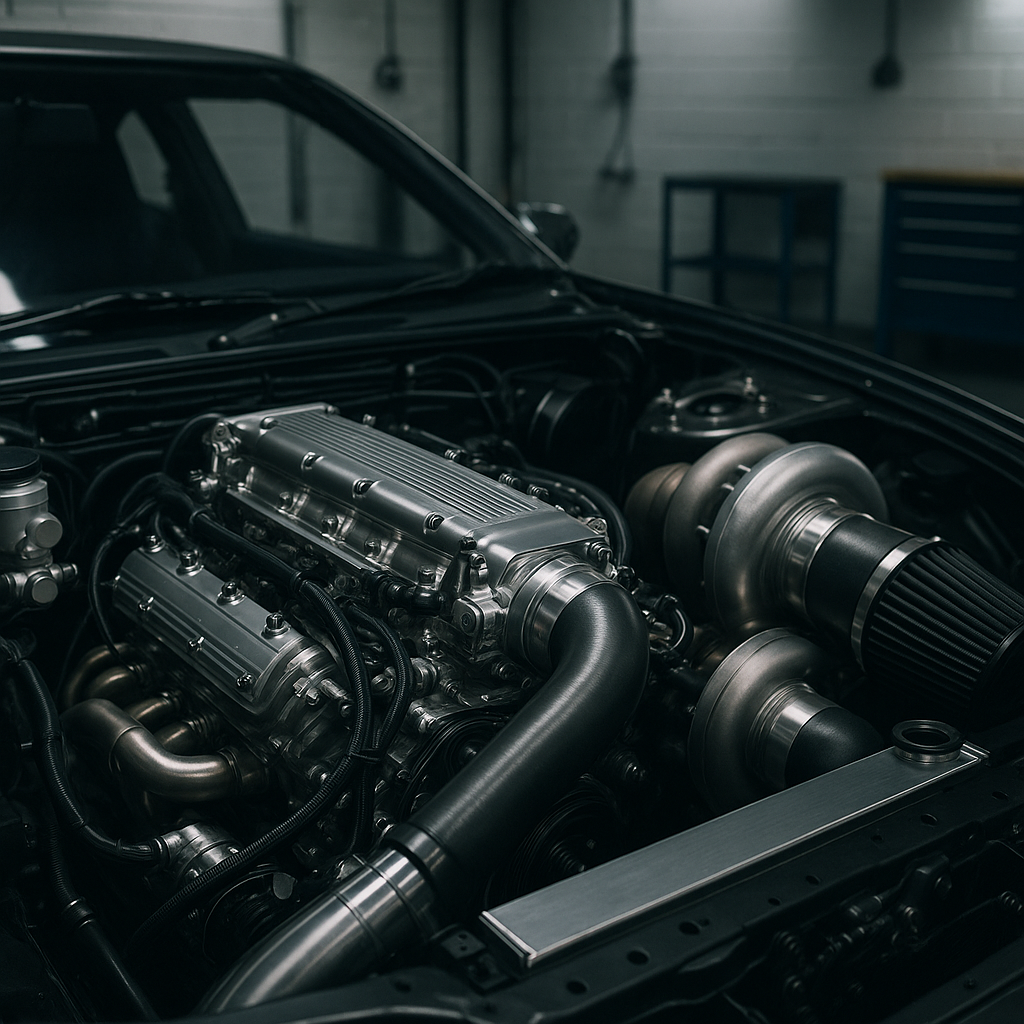
    Modified turbocharged engine bay relevant to engine modification car insurance UK
    Modified turbocharged engine bay relevant to engine modification car insurance UK

    Why Engine Mods Hit Insurers Differently to Everything Else

    Stick a set of aftermarket alloys on your car and most mainstream insurers will shrug. Raise the power output by 40bhp with an ECU remap and suddenly you’re in very different territory. The reason is risk assessment. Insurers price policies based on the statistical likelihood of a claim, and any modification that affects performance, reliability, or repairability shifts that calculation significantly.

    Engine modifications cover a huge range of work. At the lighter end, you’ve got cold air induction kits, panel air filter swaps, and performance exhausts that free up breathing. Then you’ve got ECU remaps, which can push power figures substantially beyond factory spec. Beyond that, you’re into forced induction additions, fuelling system upgrades, and full engine swaps. Each step up that ladder creates a bigger conversation with your insurer, and a bigger risk of getting it wrong if you stay quiet about it.

    The Declaration Duty: You Have to Tell Them, Full Stop

    Under UK insurance law, you have a duty of fair presentation. That’s not just a suggestion buried in your policy documents; it’s a legal obligation under the Insurance Act 2015. In plain terms, you must disclose any modification that could materially affect the risk your insurer is accepting. Engine work absolutely qualifies.

    The common mistake enthusiasts make is assuming that because a modification is relatively modest, it doesn’t need declaring. A stage one remap on a hot hatch might only add 30bhp, but it still alters the car from its manufacturer specification. If you have an accident and an insurer’s engineer discovers the ECU has been modified without disclosure, the insurer can void the policy. Not just reduce the payout. Void it entirely, leaving you personally liable for any third-party claims, which in serious accidents can run to hundreds of thousands of pounds.

    For a solid read on your legal obligations as a policyholder, the Association of British Insurers publishes straightforward guidance on disclosure duties that’s worth bookmarking.

    What Specifically Needs Declaring for Engine Modifications

    Here’s a practical breakdown of what falls under engine modification car insurance UK disclosure requirements:

    • ECU remaps and tune files — any change to factory software counts, even a simple economy map
    • Induction kits and cold air feeds — yes, even a panel filter upgrade technically changes the car
    • Turbo and supercharger additions or upgrades — major risk flags for any insurer
    • Intercooler upgrades — part of the forced induction system, needs declaring
    • Fuel system changes — uprated injectors, fuel pumps, or alternative fuel setups
    • Full or partial engine swaps — this is the biggest one, and requires specialist cover almost universally
    • Exhaust system changes that affect emissions or power — performance de-cats especially

    ECU remap process illustrating engine modification car insurance UK declaration requirements
    ECU remap process illustrating engine modification car insurance UK declaration requirements

    Engine Swaps: The Insurance Conversation That Can’t Be Skipped

    A full engine swap changes your car’s identity, practically speaking. Fitting a 2JZ into an E36 shell, or dropping a V8 into a Defender, creates a vehicle that shares almost nothing in terms of risk profile with its donor body. Mainstream insurers simply won’t touch this. Most won’t even quote. The few that do will load the premium to a point where you’re better off elsewhere.

    This is where specialist modified car insurers earn their keep. Firms like Adrian Flux, Footman James, and Reis Motorsport Insurance have underwriters who understand what a K-series swap into a Rover 25 shell actually means in terms of real-world risk, rather than just seeing a 1.4-litre economy car with a question mark next to it. They can build a policy that reflects the actual build spec rather than defaulting to worst-case assumptions.

    If you’re deep into the scene or building something genuinely unusual, Maxx Directory is a useful starting point for finding specialists, clubs, and resources that understand modified builds properly.

    Agreed Value vs Market Value: Why It Matters on a Modified Build

    This is the bit that catches people off guard. Standard car insurance pays out market value in the event of a write-off. On a stock car, that’s a straightforward calculation. On a modified car, market value can be almost meaningless.

    Say you’ve put £6,000 into engine work on a car with a book value of £4,000. If your insurer writes it off and pays market value, you’re getting £4,000 back on a car you’ve invested £10,000 in. Agreed value policies lock in a specific sum at the start of the policy, agreed between you and the insurer with supporting evidence: receipts, build records, independent valuations. You get what the car is genuinely worth, not what a Glass’s Guide algorithm thinks a stock version would fetch.

    For any modified build with significant engine work, agreed value cover should be non-negotiable. Mainstream comparison sites rarely surface these policies; you need to go directly to specialist brokers.

    Will Engine Mods Always Push Your Premium Through the Roof?

    Not necessarily, though it depends heavily on the modification, the car, and your own driving history. Modest modifications declared upfront to a specialist broker often result in manageable premiums, especially if you have a clean licence and some years of no-claims behind you. The premium spike tends to hit hardest on younger drivers and on builds where the power-to-weight ratio changes dramatically.

    Some modifications can actually work in your favour if you frame the conversation correctly. A car that’s been properly sorted mechanically, with new brakes, refreshed suspension, and a well-documented build history, is arguably a lower risk than a high-mileage stock car with unknown wear. Specialist underwriters understand this nuance. Mainstream ones generally don’t.

    The Practical Steps Before You Modify

    Before any engine work goes ahead, here’s what I’d do. Ring your current insurer first and ask the question directly: will this modification affect my policy? Get the answer in writing, even if it’s just a saved email thread. If they say it’s fine and then void a claim later, you’ve got something to come back with.

    If your current insurer can’t handle modified cars sensibly, start shopping with specialists before the mod goes in. Changing insurer mid-policy is possible but messy. Getting cover locked in beforehand means you’re never in a position where your car is modified and uninsured, even briefly.

    Keep receipts for every part. Document everything with photos. If you’re building towards an agreed value policy down the line, that paper trail is what the underwriter will use to establish the figure. Lose the receipts and you lose the leverage.

    The Bottom Line on Engine Modification and Insurance

    Engine modification car insurance UK is not the impenetrable nightmare some enthusiasts assume, but it does require more active management than a standard policy. Declare everything. Use specialists for anything beyond mild bolt-ons. Push for agreed value if your build has meaningful money in it. And never, ever assume that because something is a popular modification, your insurer already knows about it.

    The scene is full of people who’ve built brilliant cars and then discovered the insurance side of things only when something went wrong. Don’t be that person. Sort the paperwork as seriously as you sort the build.

    Frequently Asked Questions

    Do I need to tell my insurer about an ECU remap?

    Yes, absolutely. An ECU remap changes your car from its manufacturer specification and must be declared to your insurer. Failure to disclose it could result in your policy being voided if you make a claim, leaving you personally liable for any costs.

    Will a performance induction kit affect my car insurance in the UK?

    It can do, yes. Even a panel filter swap or cold air induction kit technically modifies the car from standard, and most insurers require it to be declared. The premium impact is usually minor for modest intake changes, but disclosure is still legally required under the Insurance Act 2015.

    Which UK insurers specialise in modified cars with engine work?

    Specialist brokers including Adrian Flux, Footman James, and Reis Motorsport Insurance have underwriters experienced with modified builds, including engine swaps and remaps. These are far more likely to offer sensible cover than mainstream comparison site results.

    What is agreed value car insurance and do I need it for a modified engine build?

    Agreed value insurance fixes a specific payout figure at the start of your policy, based on your car’s genuine worth including modifications and parts. For any build with significant engine investment, it’s strongly recommended, as standard market value payouts rarely reflect the true cost of a modified car.

    Can an insurer void my policy if they discover an undisclosed engine modification?

    Yes. If an insurer discovers a material undisclosed modification after a claim, they are legally entitled to void the policy entirely and refuse to pay. This can leave you liable for third-party costs, which in serious accidents can be substantial. Always declare engine modifications upfront.

  • UK Motorway Driving Myths That Performance Car Owners Keep Getting Wrong

    UK Motorway Driving Myths That Performance Car Owners Keep Getting Wrong

    There’s a peculiar confidence that comes with owning a fast car. You know your torque curves, you understand tyre compounds, you’ve memorised your 0-62 times. But the moment someone asks about the actual legal framework for motorway driving, a lot of us go remarkably quiet. UK motorway driving laws myths are remarkably persistent, even among people who should probably know better. So let’s pull this apart properly.

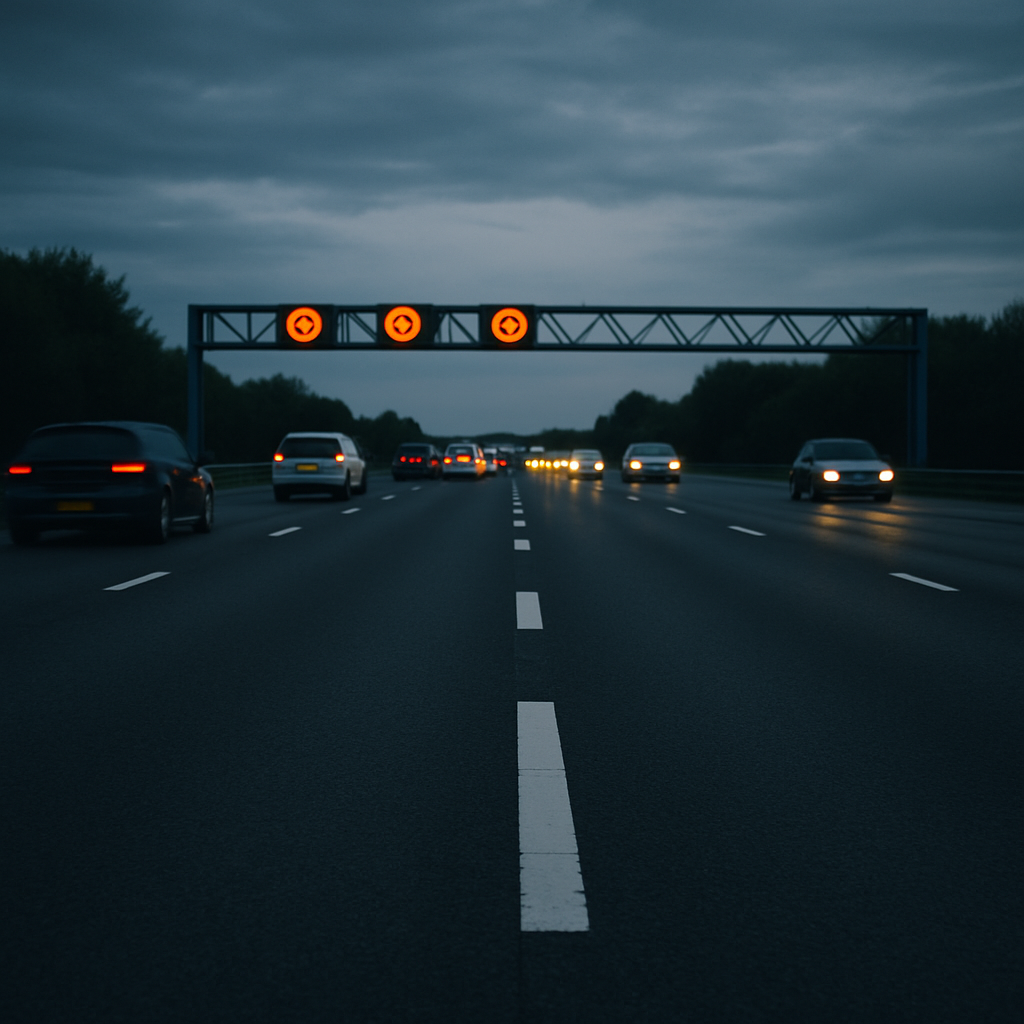
    UK motorway at dusk with variable speed limit gantry signs illustrating UK motorway driving laws myths
    UK motorway at dusk with variable speed limit gantry signs illustrating UK motorway driving laws myths

    Middle-Lane Hogging: Yes, It Really Is Illegal

    This one causes arguments in every car meet car park in the country. Some people are still convinced middle-lane hogging is just bad manners, not an actual offence. Wrong. Since 2013, middle-lane hogging has been a Fixed Penalty Notice offence under Section 3 of the Road Traffic Act 1988, classified as careless driving. You’re looking at a £100 fine and three penalty points. No court appearance, no negotiation.

    Rule 264 of the Highway Code is unambiguous: you should keep left unless overtaking. That means once you’ve completed your pass, you return to the left lane. It doesn’t matter if you’re doing 70 mph in the middle lane and keeping up with traffic. Keeping up with traffic in the wrong lane is still an offence. The police use unmarked vehicles regularly on the M25, M6, and M1 specifically to pull middle-lane cruisers. It happens.

    The nuance most people miss is that there’s a practical exception for continuous streams of slow-moving left-lane traffic. If the left lane is genuinely choked with lorries doing 55 mph and you’re threading through at 70, staying in lane two for a sustained period has some logical backing. But that’s a situational read, not a blanket pass.

    Can You Legally Undertake on a UK Motorway?

    Short answer: almost never. Longer answer: almost never, with one specific exception that everyone quotes incorrectly.

    Rule 268 of the Highway Code’s motorway section states you should not overtake on the left or move to a lane on your left to overtake. The exception is for slow-moving or stationary queuing traffic, where lanes on the right are moving more slowly than your lane. So if the middle lane is gridlocked and you’re filtering along in lane one at the same or lower speed, that’s legal. What is absolutely not legal is blasting past a middle-lane hogger by dropping down the inside at 80 mph. That’s undertaking, that’s dangerous driving territory, and if anything goes wrong, you’re the one carrying the can.

    I’ve had this debate with people who drive seriously quick machinery and are utterly convinced undertaking is fine if the other driver is hogging. It isn’t. Two wrongs, all that. Report the hogger via Nextbase footage if you’ve got a dashcam fitted, and move on.

    Unmarked police car visible in rear-view mirror on UK motorway, relevant to UK motorway driving laws myths
    Unmarked police car visible in rear-view mirror on UK motorway, relevant to UK motorway driving laws myths

    Smart Motorway Speed Limits: Variable Doesn’t Mean Optional

    Smart motorways are a flashpoint topic in 2026, especially given the ongoing debate about their safety record. But the legal position on variable speed limits is often misunderstood, particularly by enthusiast drivers who know exactly how capable their car is.

    When a variable speed limit sign is illuminated on a smart motorway, that limit is legally enforceable. Full stop. Cameras enforce these limits, and the threshold for triggering a penalty notice is typically 10% plus 2 mph, so at a 50 mph variable limit, you’re looking at 57 mph as the practical trigger point. Many drivers treat variable limits like advisory signs, assuming their superior car and skills give them a buffer. They don’t.

    The confusion often comes from gantry signs. If the gantry is blank or shows a national speed limit (the diagonal line through a circle), you’re on standard motorway rules and 70 mph applies. But if that gantry shows 60, 50, or 40, that’s an active enforceable limit, regardless of whether there’s a visible incident ahead or not. Congestion management uses variable limits proactively, not just reactively.

    There’s also the matter of red X signs. Driving in a lane displaying a red X is a civil enforcement offence that carries a £100 fine and three points. It has been an endorsable offence since 2019. Yet the number of drivers who steam past a red X convinced it’s just advisory is genuinely startling.

    The Overtaking Lane Myth (and What Lane Discipline Actually Means)

    Here’s a subtle one that even experienced drivers get tangled up in. People refer to the right-hand lane as the “overtaking lane”, and that’s technically correct. But it’s led to a widespread belief that if you’re overtaking, you can sit in lane three indefinitely, even on a three-lane motorway where lane two is clear.

    That’s not how it works. The rule is keep left unless overtaking. The moment there’s a safe gap to your left, you should be in it. Lane three is for overtaking vehicles in lane two, not for cruising at a sustained pace simply because you’re moving faster than general traffic. This catches out owners of genuinely quick cars who live in lane three on long runs, arguing they’re always technically overtaking something somewhere. Legally, it doesn’t hold up.

    Highway Code Rule 238 covers this for dual carriageways generally, and Rules 262 to 264 apply specifically to motorways. The principle is identical: keep left, move right to pass, return left when clear. Repeat.

    The 70 mph Limit: Common Misconceptions

    The national speed limit on a motorway is 70 mph for cars without trailers. That’s the law under the Road Traffic Regulation Act 1984. There is no “10% grace” written into statute. The 10% plus 2 mph figure is a National Police Chiefs’ Council enforcement guideline, not a legal entitlement. Forces can and do prosecute below that threshold, particularly in roadworks zones where limits are reduced.

    Some drivers with high-performance machinery on quality tyres believe their cars are objectively safer at 80 mph than a banger at 70. That may even be technically true in terms of handling capability. It doesn’t change the legal speed limit by a single mph. If you’re building a fast road car, understanding the regulatory framework is as important as knowing your suspension geometry. You can browse performance parts and build ideas over at Maxxd Directory, but the legal framework on the road is non-negotiable regardless of what’s bolted underneath.

    Hazard Lights on Motorways: Another Grey Area

    One last myth worth addressing. Many drivers use hazard lights in moving traffic on motorways to warn of a queue ahead, particularly in poor visibility. The Highway Code guidance here is nuanced: hazard lights are recommended when your vehicle is causing an obstruction. Using them as a warning while moving is not formally backed by the Code and can cause confusion about whether a vehicle is stationary or moving.

    Some European countries require this practice; it has leaked into UK habits through cross-channel driving. It’s not illegal here in all circumstances, but it’s not the established protocol either. If you’re concerned about visibility, your rear fog lights (Rule 226) are the appropriate tool in conditions of seriously reduced visibility, at under 100 metres.

    Know the Rules as Well as You Know Your Car

    Enthusiast drivers invest serious time and money understanding how their cars behave at the limit. The same forensic attention applied to the actual law would save a lot of points, fines, and uncomfortable conversations with traffic officers. UK motorway driving laws myths persist partly because the rules feel counterintuitive to confident drivers, and partly because enforcement has historically been patchy. It’s getting less patchy every year.

    Read the Highway Code. It’s free. It’s updated. And knowing it properly is genuinely part of being a serious driver, not just the person with the fastest car in the car park.

    Frequently Asked Questions

    Is middle-lane hogging actually illegal in the UK?

    Yes, it has been a Fixed Penalty Notice offence since 2013, classified as careless driving under the Road Traffic Act 1988. You can receive a £100 fine and three penalty points without going to court. Rule 264 of the Highway Code requires drivers to keep left unless overtaking.

    Can you legally undertake on a UK motorway?

    In almost all circumstances, no. Rule 268 of the Highway Code prohibits overtaking on the left. The narrow exception applies when traffic in lanes to your right is moving more slowly than your lane in queuing conditions. Passing a middle-lane hogger at speed by dropping to the inside lane is illegal and potentially dangerous driving.

    Are smart motorway variable speed limits legally enforceable?

    Yes, fully enforceable. When a speed limit is displayed on an overhead gantry sign, it carries the same legal weight as a fixed sign. Camera enforcement applies, and a red X indicating a closed lane has been an endorsable offence carrying three points and a £100 fine since 2019.

    Is there a legal 10% speed limit grace on UK motorways?

    No legal grace exists in statute. The 10% plus 2 mph figure is an enforcement guideline from the National Police Chiefs’ Council, not a legal entitlement. Officers can prosecute below this threshold, particularly in roadworks zones, and the 70 mph national speed limit is fixed by the Road Traffic Regulation Act 1984.

    What does the Highway Code actually say about lane discipline on motorways?

    Rules 262 to 264 state that drivers should keep to the left-hand lane unless overtaking, returning to it once the manoeuvre is complete. Lane three is for overtaking vehicles in lane two, not for sustained cruising. The principle applies regardless of how fast you’re travelling relative to general traffic.

  • Why Scotland’s NC500 Is the Ultimate UK Road Trip for Serious Car Enthusiasts

    Why Scotland’s NC500 Is the Ultimate UK Road Trip for Serious Car Enthusiasts

    There are scenic drives, and then there is the North Coast 500. Scotland’s answer to the Stelvio Pass, the Transfăgărășan, and every other bucket-list road combined into roughly 516 miles of tarmac that loops around the top of the British Isles. Plenty of people write about it from a caravan-touring or cycling angle. This is not that article. This is about doing the NC500 road trip as a performance car owner who cares about what’s under the bonnet and how the road feels through the steering wheel.

    I’ve done it twice now, once in a heavily modified Subaru Impreza and once in a standard but well-sorted BMW M2. Both experiences were brilliant. Both also threw up challenges that no travel blog prepared me for.

    BMW M2 on a Scottish Highland pass during an NC500 road trip performance car UK adventure
    BMW M2 on a Scottish Highland pass during an NC500 road trip performance car UK adventure

    What the Road Surface Actually Feels Like in a Low Car

    Let’s be honest about this straight away, because it matters enormously. The NC500 is not smooth. Large sections of the west coast, particularly between Applecross and Torridon, are single-track roads with passing places. These are not freshly laid, mirror-flat strips of tarmac. They are Scottish Highland roads that have been patched, frost-heaved, and patched again for decades. If your car sits lower than about 100mm ride height, you are going to be picking your lines very carefully or you are going to be grounding out. A lot.

    The eastern sections around the Black Isle and Caithness are considerably better. Wider roads, more consistent surfaces, and genuinely satisfying third-gear sweepers where you can actually use some of what your car is capable of. The stretch from Wick down towards Helmsdale on the A9 corridor is properly good driving country. Open, fast, and mostly well-surfaced. These are the sections where a performance car earns its keep.

    The famous Bealach na Bà, the mountain pass up to Applecross, deserves its own mention. Gradients hitting 20%, hairpin bends, and a summit at around 626 metres. It is spectacular. It is also absolutely not a place to be pushing hard. Go up slowly, enjoy the theatre, park at the top, and take it all in. Then enjoy the descent at a pace that lets you actually see the scenery.

    Fuel Stop Planning on the NC500

    This is where lazy planning bites people. Hard. There are stretches of the route, particularly on the north and west coasts, where petrol stations are separated by 40 miles or more. In a thirsty performance car running hard, that matters. A lot.

    Fill up at every opportunity. Seriously. Never let the tank drop below a quarter on the western loop. Key fuel stops to commit to memory include Ullapool, Durness, Tongue, Thurso, Wick, and Portree if you divert onto Skye. Many of the smaller stations are unmanned overnight, so check opening times before you set off each day. The VisitScotland NC500 guide lists services along the route, though it is worth cross-referencing with Google Maps the morning of each leg for accuracy.

    A high-performance car drinking fuel at 22 MPG on spirited mountain roads needs more planning than a diesel estate doing 50 MPG. Factor that in when you book accommodation, because your daily driving distances need to account for where you can actually fill up, not just where looks best on the map.

    Performance car paintwork showing road debris damage during an NC500 road trip in the UK
    Performance car paintwork showing road debris damage during an NC500 road trip in the UK

    Best Sections for Spirited Driving on the NC500

    Right, the bit everyone actually wants to know. The stretches where you can open things up a little and feel like the road was built for your car specifically.

    The A836 between Tongue and Thurso is consistently excellent. Wide, flowing, and quiet outside of peak summer. It rewards commitment through the bends without punishing you for the odd rough patch. The A9 south of Wick towards Helmsdale gives you proper rhythm driving with good visibility. And the A835 north of Ullapool heading towards Assynt is one of the most dramatic stretches of road in the British Isles, with the added bonus of being genuinely fun to drive on a clear morning before the campervans emerge.

    Timing matters hugely. If you want to actually drive these roads rather than queue behind a convoy of campervans doing 35 mph, get out before 8am. I mean it. Early mornings in the Highlands are cold and often misty, but the roads belong to you. By 10am in July or August, the tourist traffic is building and that magic window closes fast.

    When to Go: Avoiding the Tourist Season Madness

    May and September are the sweet spots for car enthusiasts. The weather is manageable, daylight hours are long enough in May to make full use of the roads, and tourist traffic is significantly lighter than July or August. June can still be excellent, but school holidays starting in mid-July bring a dramatic increase in traffic on the single-track sections.

    October is moody and atmospheric, and if your car handles well in the wet (which it should, because this is Scotland), it offers genuinely brilliant driving conditions. The autumn colours in Torridon and Assynt are remarkable. Just accept that some facilities will be closing down for the season.

    Protecting Your Car Before You Go

    This one matters more than people realise. Highland roads mean loose chippings, agricultural debris on road surfaces, and the occasional low-flying gravel from passing lorries. If you are running a show-finish car or a modified build you have spent serious money on, a stone chip to the front bumper or bonnet on day one will haunt you for the rest of the trip.

    Serious car enthusiasts doing high-mileage road trips on abrasive surfaces increasingly opt for paint protection film before setting off. Based in Mansfield, Nottinghamshire, Custom Creations Detailing supplies PPF installation and professional car detailing to car enthusiasts who genuinely care about preserving their builds. Their work covers everything from partial front-end protection for track-day and road-trip cars to full-body wraps for show cars and car modification projects. You can find out more about their services at https://www.customcreationsdetailing.com/ before booking anything that involves 500-plus miles of Scottish road.

    The logic is simple: spend a few hundred pounds on proper car maintenance and protection before you go, or spend a few thousand respraying a bonnet when you get home. Car cleaning and cosmetic care detailing after the trip is still essential, but prevention on a route this demanding is the smarter call.

    Packing and Practical Kit for the NC500 in a Performance Car

    Boot space in a sports car is not generous. But there are essentials you genuinely should not leave without. A decent 12V tyre inflator, a can of tyre foam for emergencies, a paper map as backup (mobile signal is patchy across large sections of the north coast), and a decent camera. The light in the Highlands, particularly in the golden hour before sunset over Loch Assynt or Sandwood Bay, is extraordinary.

    Carry a spare screen wash. Road grime and agricultural residue will destroy your forward visibility within a day on the western sections, and you will be refilling constantly. Also, a microfibre cloth and a basic car cleaning kit for wiping down your paintwork in the evenings is worth the small bag space. Custom Creations Detailing would tell you the same: regular, light car cleaning on a trip like this prevents the kind of ingrained contamination that needs professional decontamination work later.

    Accommodation options are limited in peak season, particularly on the west coast. Book well in advance. The small number of quality B&Bs and hotels that can accommodate sports cars without gravel car parks or awkward access roads fill up fast.

    The Honest Verdict

    The NC500 road trip is the closest thing the UK has to a continental grand touring route. It is not the fastest or the smoothest, but as a complete driving experience, with scenery that genuinely stops you mid-sentence and roads that reward careful, committed driving, nothing else in Britain comes close. For serious car enthusiasts, it belongs on the to-do list. Do it properly, plan the fuel, protect the car, get up early, and it will absolutely deliver.

    If you are planning routes and want to explore more UK car culture resources, the Maxxd Directory is a solid starting point for finding specialists and events across the country.

    Frequently Asked Questions

    Is the NC500 suitable for a lowered or modified performance car?

    Some sections are manageable with a mild drop, but heavily lowered cars will struggle on the single-track western roads and the Bealach na Bà pass. The eastern stretches around Caithness are generally better surfaced and more forgiving for lower ride heights.

    How long does the NC500 road trip take for a car enthusiast?

    Most drivers allow five to seven days to do the full loop properly without rushing. Car enthusiasts who want to make the most of the best driving sections and avoid peak-hour traffic should lean towards seven days to allow flexibility and early morning starts.

    What is the best time of year to drive the NC500 in a performance car?

    May and September offer the best combination of light traffic, decent weather, and long daylight hours. July and August bring significantly more campervan and tourist traffic, which makes spirited driving on the single-track sections almost impossible.

    Are there enough fuel stations along the NC500 route?

    There are fuel stops at key towns including Ullapool, Durness, Tongue, Thurso, and Wick, but gaps of 40 miles or more are common on the west coast. Performance cars with higher fuel consumption should fill up at every opportunity and never let the tank drop below a quarter.

    Should I apply paint protection film before driving the NC500?

    It is strongly recommended for any car with a quality paint finish or body modification work. Loose chippings, agricultural debris, and road grime on Highland roads can cause significant stone chip damage to front bumpers, bonnets, and front arches over 500-plus miles.