Author: Jason

  • What To Pack For Your First UK Track Day

    What To Pack For Your First UK Track Day

    Rocking up to your first circuit session with nothing but fuel in the tank is a rookie mistake. Getting your track day essentials sorted before you even leave the driveway is what separates the prepared nerds from the paddock panic crew.

    Why track day essentials matter more than power figures

    Everyone loves talking bhp and boost, but when you are sat in the pit lane with no fuel, no tools and no tape, the spec sheet means nothing. Having the right track day essentials keeps you on circuit longer, saves you cash, and stops minor problems turning into early trailer rides home.

    Think of it like this: the car is your build, but the kit you bring is your pit crew. Get both right and even a mildly tuned hatch can run rings around badly prepared big-power builds.

    Prepping the car before you even pack the boot

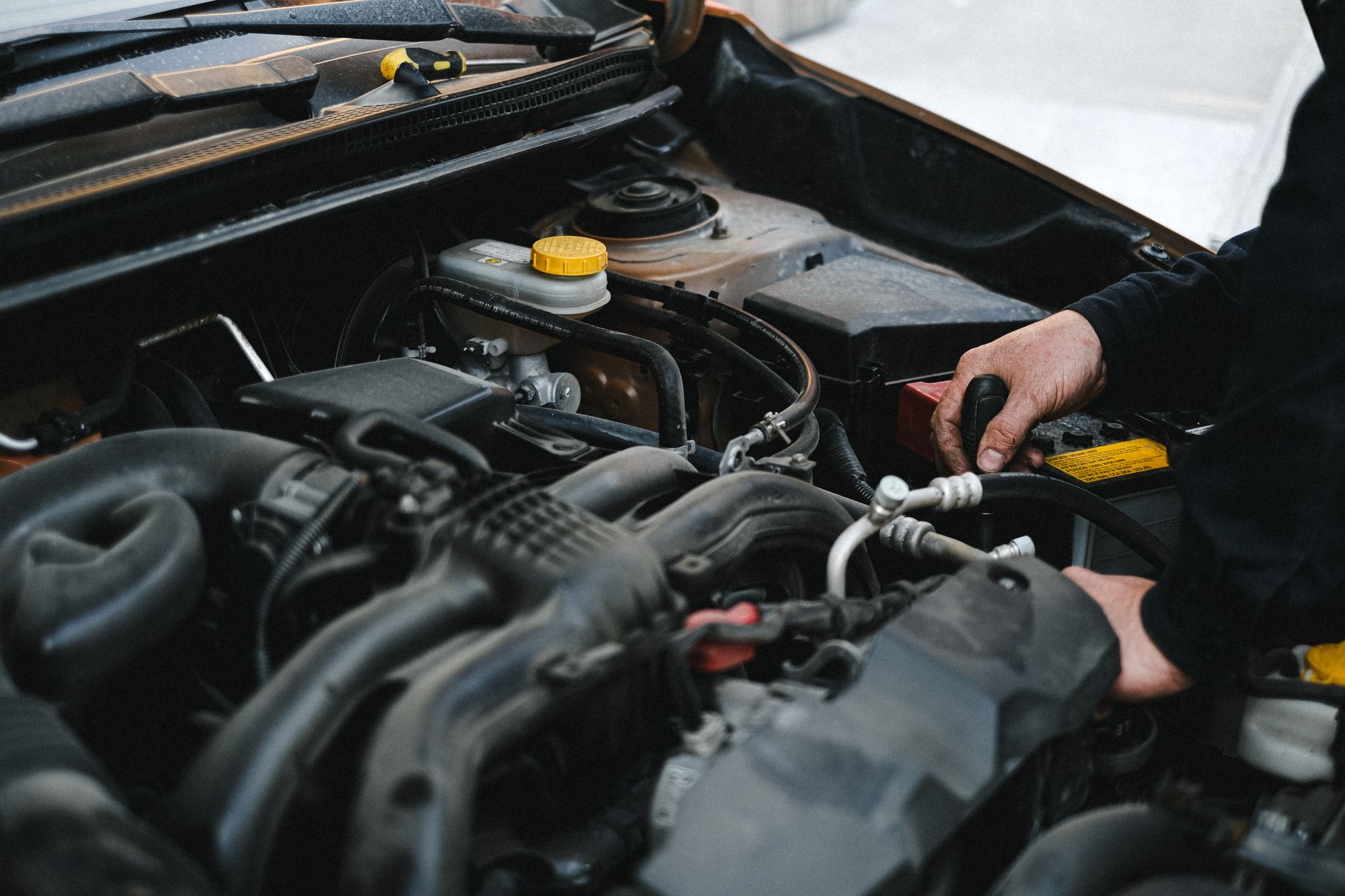
    Before you start throwing kit into the back seats, make sure the car itself is ready. Fluids fresh, brakes bled, no cords showing on tyres, and nothing loose in the cabin. Clear out the boot junk, remove sub boxes and anything that can turn into a projectile. Give the car a proper spanner check: wheel nuts torqued, lines not rubbing, no fresh leaks.

    Sort all this at home, not in the paddock. Your track day essentials bag is there to keep you running, not to do a full rescue build in the car park.

    Core track day essentials to keep you on circuit

    There are a few bits that pretty much every regular brings to circuit days, no matter what they drive. This is the base list you should build from:

    • Basic tool kit – sockets, spanners, screwdrivers, pliers, Allen keys and a breaker bar.
    • Torque wrench – check wheel nuts before and after sessions, especially on fresh alloys.
    • Tyre pressure gauge and pump – hot pressures make or break how the car feels.
    • Gaffer tape and cable ties – the universal fix for loose trims, arch liners and random rattles.
    • Engine oil and brake fluid – your car will work harder than it ever does on the road.
    • Funnels, rags and gloves – avoid spilling fluids all over the paddock and your paintwork.

    Throw it all into a solid crate so it does not end up flying around the interior every time you hit a kerb.

    Tyres, brakes and fluids – the consumables that really count

    You do not need full slicks and massive six pots for a first day out, but you do need consumables that can cope. Half-worn budget tyres will get cooked in a couple of sessions. Aim for decent performance road rubber with plenty of tread and no cracks. Check sidewalls properly – track kerbs are brutal on old tyres.

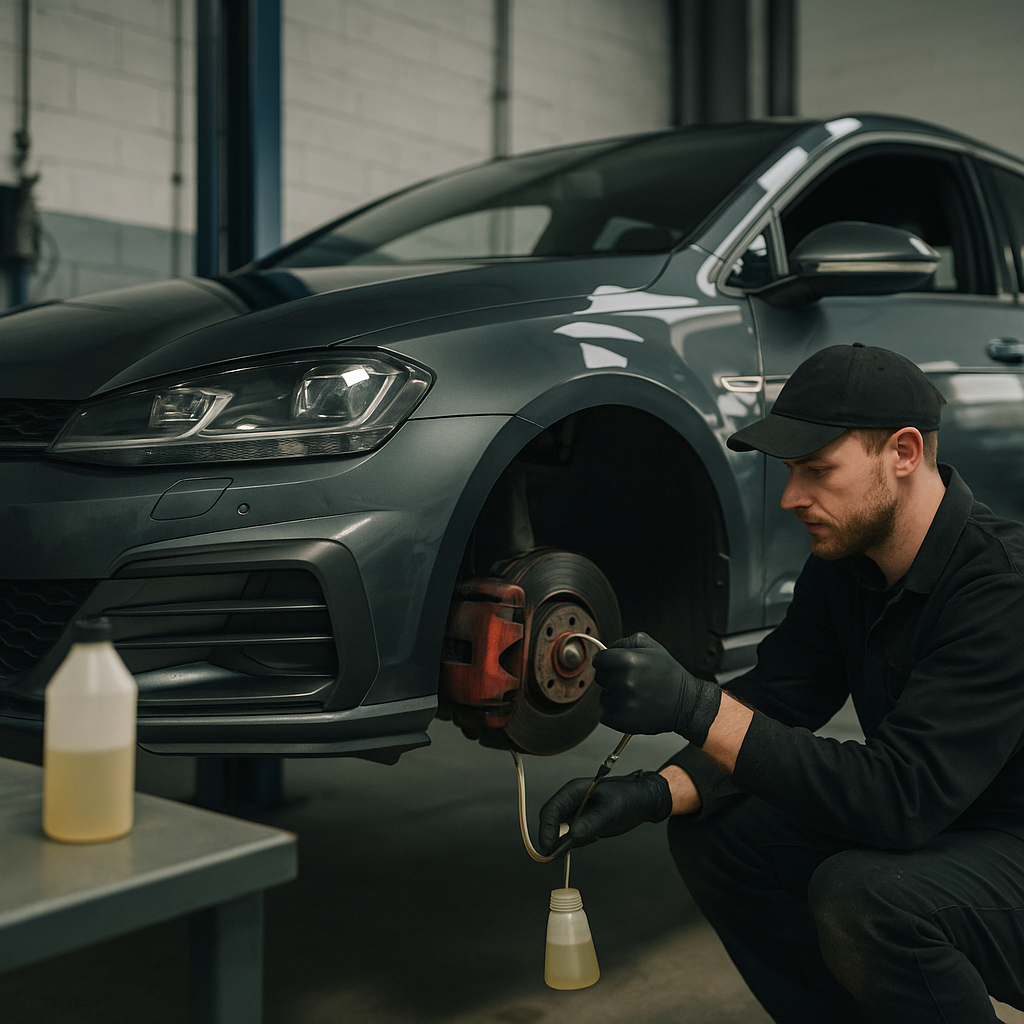
    Brakes are the other biggie. Fresh fluid with a decent boiling point and pads with life left are non negotiable. Bring spare pads if you are in a heavier car or planning a full open pit day. A bottle of fluid and a bleed kit is cheap insurance if you start to feel the pedal going long.

    Driver kit that makes the day better

    Most UK track days will at least require a helmet, and some circuits have stricter rules. Even if the regs are relaxed, turn up with decent gear. A good lid, thin-soled driving shoes and comfy clothes that will not catch on the wheel make a big difference when you are pushing on.

    If you are starting to get serious, consider upgrading your personal kit through proper motorsport suppliers. A quick browse through racewear options shows how much more comfortable and safer purpose made gear can be compared with random road kit.

    Paperwork, paddock life and staying organised

    Do not forget the boring stuff. You will usually need your driving licence, booking confirmation and any noise test paperwork. Keep it all in a folder so you are not digging under seats at sign on. A marker pen is handy for writing pressures and notes on tape stuck inside the door shut.

    Hot hatch in the pit lane surrounded by tools, tyres and fluids showing key track day essentials
    Driver checking tyre pressures with a crate of track day essentials next to a performance car at a UK circuit

    Track day essentials FAQs

    Do I need a roll cage for my first track day?

    For most UK novice friendly track days in regular road cars, a roll cage is not mandatory. As long as your car is in good condition, passes noise limits and has working seatbelts, you are usually fine. Cages become more relevant as you strip the interior, fit fixed bucket seats and start going quicker, or if you are in a soft top where some organisers have extra safety rules. Always check the specific circuit and organiser requirements before you book.

    What tyre pressures should I run on track?

    There is no single magic number, because ideal pressures depend on car weight, tyre size, compound and driving style. A common approach is to start a few psi lower than your normal road cold pressure, then check and adjust when the tyres are hot after a session. You are aiming for a stable hot pressure that gives good grip without the shoulders rolling over. Bring a decent gauge and make small changes between runs while paying attention to how the car feels.

    Can I daily my car after a hard track day?

    Yes, plenty of people daily the same car they take to circuit days, but you should always give it a proper check over before going back to the commute grind. Inspect tyres for flat spots, cords or sidewall damage, check brake pad thickness and fluid level, and look for any new leaks or knocks. Wheel nuts should be torqued again once the car has cooled down. If everything looks and feels right, you are good to go, but do not ignore any new noises or vibrations that appeared after the event.

  • How To Start A Car Club In The UK (And Actually Keep It Alive)

    How To Start A Car Club In The UK (And Actually Keep It Alive)

    If you have ever sat at a dead retail park meet thinking you could do it better, you have probably wondered how to start a car club and actually keep it going. The UK scene is full of ghost Facebook groups and one-hit-wonder meets, but with a bit of planning you can build a proper crew that lasts.

    Why bother starting a car club?

    Before you work out how to start a car club, decide why you are doing it. If it is just for clout or Insta likes, it will die off the second the weather turns. The best clubs have a clear purpose that everyone gets behind.

    Some solid reasons to start a club:

    • You want a chill, drama-free weekly meet for local mates
    • You are into a specific niche – Jap, German, stance, drift, track, classics, EVs or vans
    • You want to organise convoys to big shows and track days
    • You want to bring a dead local scene back to life

    Write your reason down. It will guide every decision, from what you post to where you meet.

    Choosing the right format for your car club

    There is no single correct way for how to start a car club, but picking a format early stops things getting messy later.

    Open crew vs invite-only

    An open club is easy to grow – anyone can join the group and rock up. The downside is you will get more tyre-kickers, rev bombers and people who bring drama.

    Invite-only keeps the quality high but can feel cliquey if you are not careful. A good compromise is open online, but with clear rules about what you expect at meets.

    Local, national or online-first

    Local clubs are perfect if you want regular meets and convoys. National clubs work better for niche stuff where people are spread out. Some crews are online-first, then drop in the odd big meet or weekender.

    Look at what already exists around you. Use directories like maxxdirectory.co.uk and social media to see what gaps there are before you launch just another generic “modified” page.

    Setting the vibe: name, logo and rules

    You do not need a full brand agency treatment, but a bit of thought helps your club feel legit.

    • Name: Short, easy to say, not copied from a big US crew. Check it is not already taken.
    • Logo: Simple enough to work on stickers, plates and hoodies. You can tidy it up later.
    • Rules: No burnouts at meets, no racing from venues, respect security and locals, no politics, no hate. Lay it out in a pinned post.

    Make the rules clear from day one and back them up. If someone acts like a clown at your meet, deal with it calmly but firmly. Your reputation is everything.

    Finding venues and running meets properly

    A huge part of how to start a car club is learning how to run meets without getting shut down.

    Picking a spot

    Look for:

    • Good lighting and decent road surfaces
    • Enough space to park without blocking fire exits or loading bays
    • Late-opening food or coffee nearby
    • Easy in and out, not right on a residential street

    When you can, speak to the landowner or manager. A quick chat with a retail park manager or pub landlord can turn a sketchy meet into an official one with toilets, bins and maybe even food deals.

    Basic meet etiquette

    Have a couple of trusted admins or marshals on the night. Their job is to welcome people, keep an eye on trouble and be the point of contact if security or police turn up. Most issues are solved by being polite and organised.

    Growing the club without ruining it

    Once you have the basics in place, the next step in how to start a car club is growing it without attracting every idiot within a 50 mile radius.

    Social media that actually works

    Use a mix of platforms: a main Facebook group or Discord for chat, Instagram for photos, maybe TikTok for reels if someone on the team is good with video. Post consistently, shout out members’ builds and share event info early.

    Organisers planning how to start a car club with event notes and car photos
    Convoy from a new crew who learned how to start a car club

    How to start a car club FAQs

    Do I need permission to hold car meets for my club?

    If you are using private land like a retail park, pub or industrial estate, you should always get permission from the owner or manager. It keeps you on the right side of the law and massively reduces the chances of being moved on. For very small, quiet meets people sometimes take the risk, but if you want your club to last it is better to be upfront and build a good relationship with venues.

    How many people do I need to start a car club?

    You can start a car club with just a few committed mates. Three to five core people who turn up every time are more valuable than a huge flaky group. Once you have a solid base, you can slowly open things up and grow it, making sure new members fit the vibe and respect the rules.

    Should my car club focus on one brand or be mixed?

    Both can work. Single-marque or niche clubs tend to build a tighter community and attract real enthusiasts, but they grow slower. Mixed clubs are easier to grow and can make meets more varied, but you may have to work harder on rules and culture to keep the quality high. Pick the option that matches your local scene and what you personally enjoy.

  • Why Old-School 4x4s Are The New Heroes Of Overlanding

    Why Old-School 4x4s Are The New Heroes Of Overlanding

    If you have spent any time on Insta or YouTube lately, you will have clocked the boom in old-school 4×4 overlanding builds. Boxy trucks, steel wheels, chunky tyres and more jerry cans than sense. While the new stuff is packed with tech, a lot of hardcore heads are going back to the roots for proper adventure rigs.

    Why old-school 4×4 overlanding rigs just work

    The big appeal is simple: reliability and fixability. Old 4x4s are usually body-on-frame, with chunky diffs and fewer electronics to throw a wobbly when you are miles from signal. If something does go pop, you can often bodge it with basic tools and whatever you have rattling round the boot.

    On top of that, parts support for the popular platforms is still strong. Whether you are in a Hilux, Patrol, Shogun or a classic Defender, there is normally a specialist somewhere hoarding bits. That makes it way less scary to take a 20 or 30 year old truck across Europe or into the Highlands.

    Best platforms for old-school 4×4 overlanding builds

    Everyone has their favourite, but a few platforms keep popping up in the scene:

    • Japanese ladder-frame 4x4s like Hilux Surf, 4Runner, Patrol and Pajero
    • Old Land Rover Defenders and Discoverys for the full Brit farm-spec vibe
    • Early Land Cruisers and Prados for that unstoppable, go-forever rep

    Pick something with a strong chassis, low-range transfer box and a decent aftermarket. You want to be able to choose from different suspension setups, bumpers and roof racks rather than fabricating everything from scratch.

    Core mods for a usable overland truck

    With old-school 4×4 overlanding, it is easy to get carried away bolting tat on. Sort the basics first:

    • Suspension and tyres – A sensible 2 inch lift with quality shocks and springs, plus all-terrain or mud-terrain tyres in a common size. No need for monster truck stance.
    • Protection – Decent skid plates, rock sliders and a proper recovery point front and rear. They save you a fortune the first time you misjudge a rut.
    • Electrics – Dual battery setup, tidy wiring and enough power for a fridge, lights and chargers. Messy looms cause more headaches than anything.
    • Storage – Drawers or boxes so kit is not flying around the cabin, and tie-down points in the back.

    Only once that lot is dialled in should you start thinking about snorkels, fancy roof tents and Instagram fairy lights.

    Keeping old rigs running on long trips

    The flip side of old-school 4×4 overlanding is that age catches up with everything. Before any big trip, you want to baseline the truck: fluids, belts, hoses, wheel bearings, brakes, bushes and cooling system. Replace anything that looks tired, not just what is actually broken.

    It is also smart to carry a spares pack tailored to your platform: filters, belts, a couple of hoses, fuses, bulbs, a hub bearing and some basic hardware. Owners of tough old Toyotas often throw in a few key bits alongside their Toyota Land Cruiser parts order so they have everything ready before heading off-grid.

    Travel comfort vs hardcore capability

    A lot of people daily their overland builds, so you need to balance comfort and capability. Too much lift, too aggressive a tyre and solid engine mounts will make motorway miles grim. Think about sound deadening, decent seats and a reasonable cruising gear ratio, especially if you are hauling a roof tent and a full load of gear.

    There is also a weight game to play. Every steel bumper, winch and drawer system adds kilos. An overloaded truck handles like a shopping trolley and munches through suspension components. Weigh the rig, be honest about what you actually use, and ditch the dead weight.

    Finding inspiration and local specialists

    The UK overland and 4×4 scene is stacked with inspiration. You will see everything from ultra-clean JDM imports to battle-scarred farm trucks built to roam. Local outfits like 4×4 specialists in Yorkshire, or scene-friendly garages in the Midlands, can be a goldmine for set-up advice and fabrication work if you are not a welder yourself.

    Convoy of trucks built for old-school 4x4 overlanding on a remote trail
    Organised storage setup inside an old-school 4x4 overlanding build

    Old-school 4×4 overlanding FAQs

    Is an old-school 4×4 reliable enough for long overland trips?

    A well maintained old-school 4×4 can be very reliable for overlanding. The key is to baseline the vehicle before you go: refresh fluids, belts, hoses, cooling system, brakes and suspension, and fix any rust or bodged wiring. Carry a sensible spares kit and basic tools, keep weights under control, and drive within the truck’s limits. Most breakdowns on trips come from neglected maintenance rather than age alone.

    How much lift do I need for old-school 4×4 overlanding?

    For most overlanding, a modest lift of around 2 inches with quality springs and dampers is plenty. It improves clearance and approach angles without wrecking road manners or stressing driveline angles. Combine that with slightly larger all-terrain tyres and some underbody protection and you will be able to tackle rough tracks comfortably without turning the truck into a handful on the motorway.

    Do I need a roof tent for an overland build?

    You do not have to run a roof tent for a capable overland setup. They are convenient and look the part, but they add weight high up and can hurt fuel economy. Plenty of people run ground tents, swags or simple sleeping platforms in the back of the truck. It is better to get the mechanicals, storage and electrics sorted first, then decide how you actually like to camp after a few trips.