
There’s a quiet battle being fought in pub car parks, on Scottish B-roads, and in industrial estates on the edge of Coventry. It doesn’t make the mainstream news. It doesn’t get column inches in the broadsheets. But UK car clubs are actively, deliberately reorganising themselves to protect something they can see slipping away: the culture of driving a proper internal combustion engine car for the sheer love of it. I’ve been to enough meets over the past year to say this isn’t paranoia. It’s pragmatism.
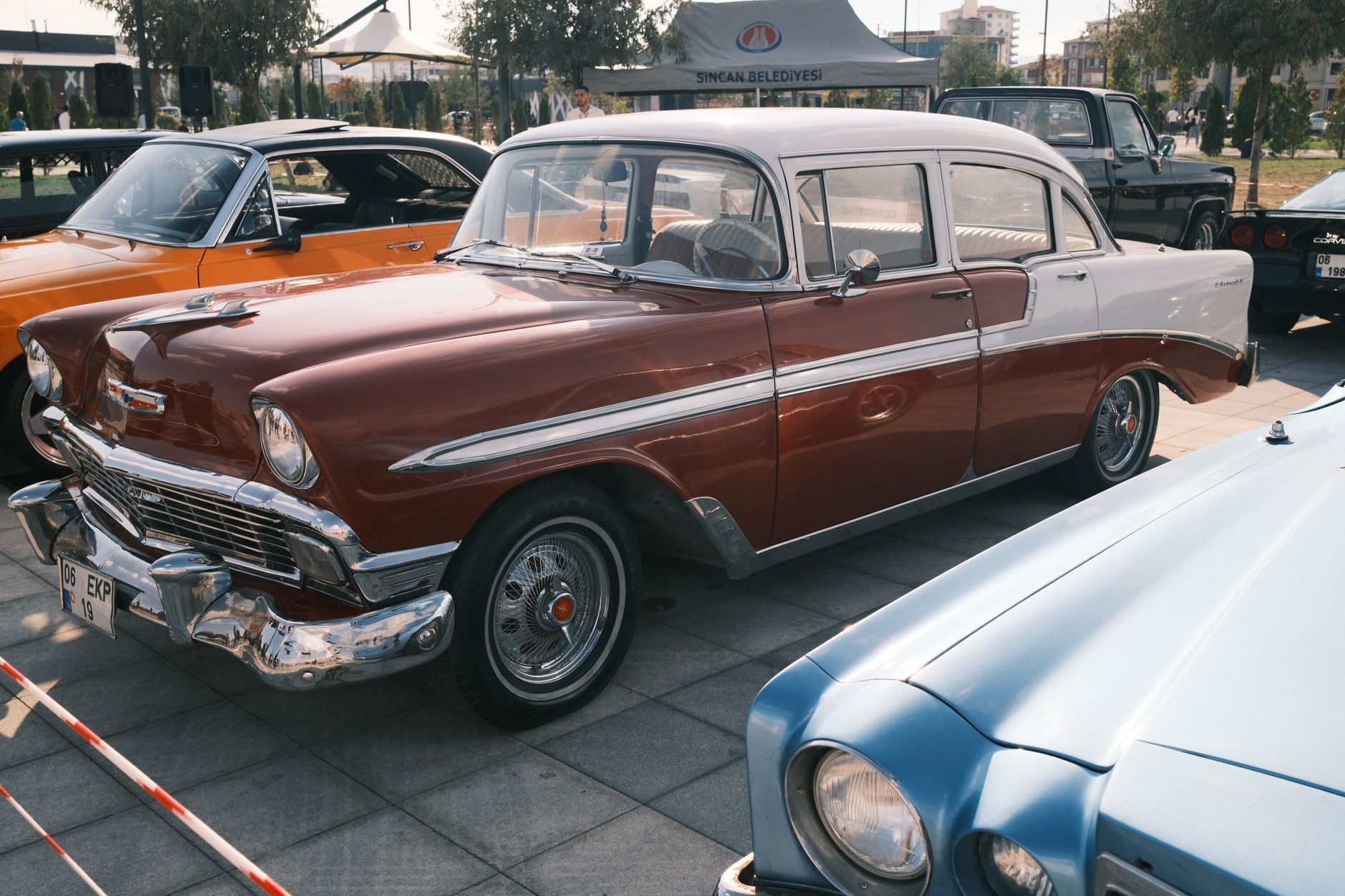
The numbers aren’t small either. The Motor Sports Association estimates there are well over 600 affiliated car clubs in the UK, and that figure doesn’t include the hundreds of informal groups running their own meets through Facebook, WhatsApp, and Discord. Many of these clubs are changing how they operate in 2026 in ways that go well beyond organising a Sunday run-out. They’re restructuring membership, negotiating bespoke insurance schemes, and deliberately framing their identity around ICE vehicles before that becomes a legally or financially complicated thing to do.
What’s actually driving the change at club level
The shift isn’t just about the 2035 new petrol car sale deadline. That date feels distant to some, but club secretaries and committee members are thinking longer. The real pressure is coming from insurance, venue access, and the growing complexity of running older or modified vehicles under UK regulations. Clubs that were happy to exist loosely for decades are formalising because they have to.
The Scottish Classic Car Club scene is a useful example. Groups running single-marque days in Perthshire and Angus have started negotiating block insurance arrangements with specialist brokers, partly because getting competitive cover for older performance iron as individual policies has become genuinely painful. A 1991 Subaru SVX or a turbocharged Mk1 MX-5 that’s been lightly modified doesn’t fit neatly into comparison site categories. Clubs that pool their membership give brokers enough volume to price things properly. That’s not a trivial development.
Down in the Midlands, modified meets that used to be entirely informal are registering as proper clubs, partly to access track time at venues like Donington Park and Mallory Park through club hire rather than open lapping days, which are both more expensive and less forgiving of modified cars. I spoke to one organiser running a monthly meet near Wolverhampton who told me his WhatsApp group of 340 members had converted to a paid membership structure in January 2026 precisely because it gave them bargaining power they didn’t have before.
Insurance structures built around ICE club members
This is where things get genuinely interesting. A handful of specialist UK insurers, including Adrian Flux and Footman James, have been working with clubs to create what amounts to fleet-adjacent cover for groups of classic and modified ICE vehicles. The policies aren’t fleet policies in the traditional sense, but they share characteristics: agreed value, limited mileage, and provisions for track days that standard road policies simply won’t touch.
If you’ve ever tried getting breakdown recovery included for a track day, you’ll know how difficult that is. What UK breakdown cover actually does and doesn’t cover on a track day is a topic that causes genuine confusion, and clubs are starting to handle this centrally rather than leaving members to sort it individually. Some of the more organised single-marque clubs now include a basic track day recovery addendum as part of their annual membership fee. It’s a small thing that makes a big difference.
How single-marque clubs are positioning themselves
Single-marque clubs have always had a clearer identity than general modified meets, and that clarity is proving useful right now. The Lotus Owners Club, the Subaru Owners Club GB, the Honda Owners Club and dozens of similar groups are explicitly marketing themselves to younger buyers who are picking up 15-20 year old ICE performance cars rather than new EVs. If you’ve been following what’s happening to values on cars like the Elise, you’ll know that buying and running a Lotus Elise before values make it impossible is a very real concern for enthusiasts right now, and clubs are capitalising on that anxiety by offering genuine support: technical days, group buying on parts, shared knowledge networks.
The Land Rover community is another instructive case. Defender and Series owners have always had a strong club culture, but in 2026 that culture is getting more technical and more politically conscious. Clubs are tracking legislative changes closely and maintaining resources like Car Data Wiki for historical vehicle information that helps members understand what they own and what exemptions might apply. Knowing your vehicle’s exact specification matters more than it did five years ago.
Modified car meets and the formalisation challenge
The informal modified scene has always resisted structure on principle. That resistance is softening out of necessity. Clean Air Zones, local council restrictions on certain car park meets, and the increasing scrutiny of modified vehicles by police and insurers alike have pushed groups towards formalisation faster than anyone expected.
The DVLA’s rolling regulatory updates and ULEZ expansion have made it harder to run older, louder, or heavily modified cars at certain venues. Clubs that can demonstrate organised, responsible events with proper insurance have a much easier time negotiating with venue managers and local councils. The Birmingham and Black Country modified scene has largely moved its main summer meet out of the city entirely and into private-land venues in Worcestershire and Shropshire partly for this reason.
Remapping culture sits at an interesting junction here too. What a genuine Stage 1 remap does to long-term reliability is the kind of technical question that modified car clubs are well-placed to answer collectively, with members sharing real-world data across the same platforms. That sort of peer knowledge is genuinely valuable and it’s one of the things keeping members engaged and renewing subscriptions.
What membership structures look like now
The days of a £15 annual sub and a sticker are largely gone for any club trying to do meaningful things. In 2026, the better-organised UK car clubs are operating tiered membership. A basic tier gets you the newsletter, forum access, and discounts with parts suppliers. A mid-tier adds track day priority booking and the group insurance benefits. A top tier includes technical consultancy, legal helpline access for modification disputes, and priority places on organised road trips.
Annual fees range enormously. Small local clubs might charge £30-50. Larger single-marque clubs with active programmes can run to £120-180 a year, and the evidence suggests members are willing to pay when they can see exactly what they’re getting. The clubs that are struggling are the ones still running on inertia, expecting the same turnout and the same revenue as 2018 without offering anything new.
What I find genuinely encouraging is how much of this is bottom-up. Nobody handed these clubs a template. Ordinary enthusiasts, many of them people with day jobs who run a club committee in their spare time, have figured out that the window for preserving what they love is open now but won’t be forever. They’re acting accordingly. That’s the kind of thing the mainstream motoring press mostly misses, because it doesn’t have a press release attached to it. It just happens, one committee meeting at a time, in function rooms above pubs from Inverness to Ipswich.
Frequently Asked Questions
How do I find a UK car club for my specific make or model?
The Motor Sports Association (MSA) maintains a searchable directory of affiliated clubs at motorsportuk.org. For marque-specific clubs, a direct search such as ‘[make] owners club UK’ will typically surface the main registered group, most of which have their own websites and active Facebook or forum communities.
Can joining a car club actually reduce my insurance costs in the UK?
For classic and modified vehicles, yes, in many cases. Specialist insurers like Footman James and Adrian Flux offer club-negotiated rates that can be meaningfully cheaper than individual policies, particularly for agreed-value cover and limited-mileage schemes. You’ll usually need to show current paid membership to qualify.
Do UK car clubs cover track day events under their insurance arrangements?
Some do, but not all. The more organised clubs, particularly in the single-marque space, have begun including basic track day provisions or recovery add-ons as part of membership. Always check the exact wording, as track day cover varies significantly and standard road policies almost never apply once you’re through the circuit gates.
Are modified car meets in UK cities becoming harder to organise legally?
In several areas, yes. Clean Air Zone rules, council restrictions on certain public car parks, and noise complaints have pushed meets towards private land and rural venues. Formally registered clubs with proper public liability insurance have a much easier time securing permission from landowners and local authorities than informal WhatsApp groups do.
Will UK car clubs remain relevant as EV adoption increases?
The evidence in 2026 suggests they’re becoming more relevant, not less. With ICE driving culture facing regulatory pressure, clubs are the primary institutions preserving knowledge, access to group insurance, parts networks, and legal support for owners of older and modified petrol and diesel vehicles. Many are also actively welcoming younger buyers of used ICE performance cars.