
Forced induction is the gateway drug of the car building world. Once you’ve felt a proper boosted pull, naturally aspirated life starts feeling a bit flat. But when you start planning a build, the turbo vs supercharger which is better question comes up every single time, and the answer genuinely depends on what you’re building, how you’re driving it, and how deep your pockets go. Let’s cut through the forum noise and get into the real details.
How Each System Actually Works
Both systems force more air into the engine than it could naturally breathe, allowing more fuel to be burnt and more power to be made. The method, though, is completely different.
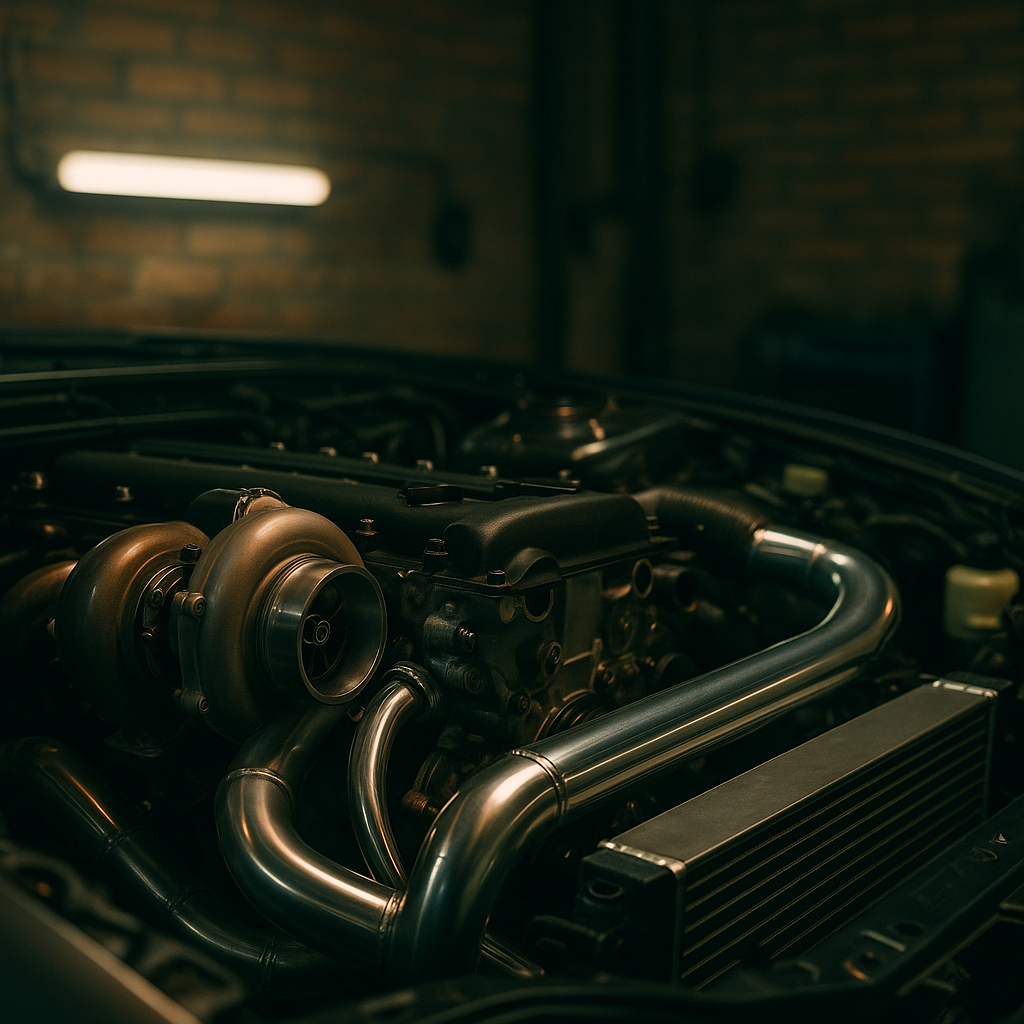
A turbocharger uses exhaust gases to spin a turbine, which in turn compresses incoming air. It’s essentially free energy recovery; you’re harvesting waste heat and pressure that would otherwise disappear out of the back of the car. The downside is that turbos take a moment to spool up, particularly on larger setups, which is where the infamous turbo lag comes from.
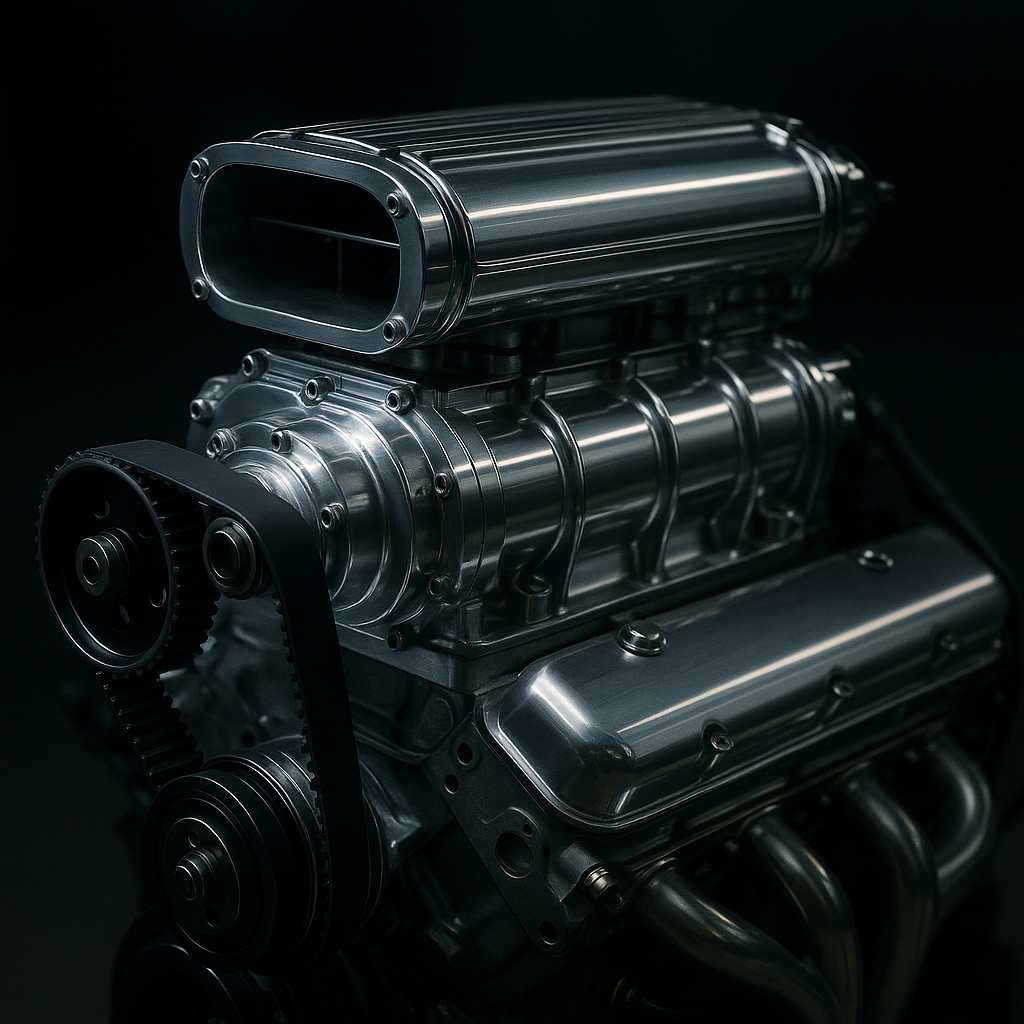
A supercharger, by contrast, is mechanically driven directly from the crankshaft via a belt or chain. It’s always spinning in proportion to engine speed, so there’s no waiting for boost. The trade-off is that it consumes engine power to make engine power, which sounds mad but still results in a net gain. Roots-type, twin-screw, and centrifugal are the main supercharger designs you’ll come across, each with slightly different characteristics.
Power Delivery: The Feel Behind the Numbers
This is where things get subjective but important. A supercharger gives you linear, predictable power from low revs. Plant your foot and it responds immediately. It feels muscular and torquey, which is why you still see positive displacement blowers strapped to V8 muscle cars and big American-influenced builds over here.
A turbo, especially a modern twin-scroll or variable geometry unit, can feel completely different. On a well-set-up build with the right sizing, the spool is barely noticeable and the top-end surge is genuinely violent. Some builders chase that hit deliberately; it’s part of the character. For track work specifically, experienced drivers learn to manage boost onset and use it to their advantage. Beginners sometimes find it more difficult to exploit cleanly.
Modern sequential twin-turbo setups, as found in cars like the Nissan GT-R and various BMW M engines, largely eliminate lag by using a small primary turbo for low-rev response and a larger secondary for top-end grunt. These setups are complex to replicate on a custom build but offer the best of both worlds if budget allows.
Installation Complexity and What It Costs in the UK
Let’s talk money, because this debate often ends here. A budget bolt-on turbo kit for a popular platform like a Ford Fiesta ST or a Honda Civic will start at roughly £800 to £1,500 for the hardware alone. Add proper manifold work, an intercooler, boost controller, fuel system upgrades, and a remap from a reputable UK tuner, and you’re realistically looking at £3,000 to £6,000 all in for a tidy setup on a four-cylinder.
Supercharger kits tend to cost more upfront. A Rotrex centrifugal kit or a Harrop positive displacement unit for a popular performance car can be anywhere from £2,500 to £5,000 just for the hardware, again before ancillaries and tuning. The installation is often more straightforward on engines that were factory-designed with a supercharger in mind, such as the Jaguar AJ-V8 family or the Lotus 2ZZ applications. On engines that weren’t, packaging becomes the main challenge.
Turbo installs on heavily modified builds can be similarly expensive and complicated. Routing the exhaust manifold, managing heat, finding space for the intercooler and pipework, sorting the wastegate and BOV, then getting the whole thing mapped properly by someone who actually knows what they’re doing. If you want a proper job, factor in around £500 to £800 for a competent rolling road remap at a UK tuning shop, and that’s assuming the base tune is clean to begin with.
Reliability and Daily Driveability
Both systems can be utterly reliable or a complete headache depending on how they were built. The variables are build quality, supporting mods, tune, and how hard the car gets driven.
Turbochargers run at extreme temperatures and speeds, which puts demands on oil quality and cooling. Regular oil changes with the correct-grade oil are non-negotiable on a turbocharged build. Let the engine idle for a minute before shutting off a hard run; thermal soak is real. Properly set up with good oil feed and drain lines, a quality turbo from a manufacturer like Garrett or BorgWarner will last as long as the engine it’s attached to.
Superchargers are mechanically simpler in some respects, with fewer heat-related stresses and no oil feed requirements on most designs. They’re generally considered more plug-and-play on supported platforms. The belt drive does introduce an extra load on the auxiliary drive system, so keeping that maintained matters. On a daily driver that also does weekends, a well-installed supercharger often causes fewer headaches.
For anyone wanting to understand the broader mechanical and legislative picture around engine modifications in the UK, it’s worth checking the official vehicle approval guidance on gov.uk, particularly if modifications affect emissions compliance or insurance declarations.
Which Build Suits Which Setup
Street builds and daily drivers with occasional track use: a properly sized turbo, perhaps a journal-bearing unit on a budget or a ball-bearing setup for sharper response, works brilliantly. The power is strong, and modern mapping can make lag almost irrelevant on the right engine. Popular platforms for turbo builds in the UK include the VW/Audi 1.8T and 2.0 TSI family, the Ford Duratec, and pretty much any Japanese four-cylinder with a motorsport heritage.
Show cars, V8 builds, and period-correct classics often suit a supercharger better. The visual drama of a Roots blower poking through a bonnet is unbeatable for certain aesthetics, and the instant throttle response fits the show-and-cruise lifestyle perfectly. If you’re building something for cruises and car shows, check out the community and build resources over at Maxxd Directory for parts suppliers and specialists in the UK scene.
Drag builds push towards large single turbos for maximum peak power at the expense of driveability. Time attack and circuit builds tend to favour twins or properly sized singles with fast-spooling turbine wheels. Superchargers pop up in hillclimb specials and older circuit cars where packaging suits them.
The Verdict on Turbo vs Supercharger Which Is Better
There isn’t one answer. For most UK enthusiast builds on a realistic budget, a turbo gives you more power per pound spent and more tuning headroom as the build evolves. For specific applications, particularly larger-displacement engines, classics, or builds where instant response is the priority, a supercharger earns its money back in character and reliability. The turbo vs supercharger which is better debate will never fully die, and honestly, that’s part of what makes the scene so interesting. Pick the one that fits your build’s personality, then do it properly.
Frequently Asked Questions
Is a turbo or supercharger better for a daily driver in the UK?
For most daily-driven builds, a well-mapped turbo setup offers the best balance of power, fuel efficiency, and reliability. Superchargers are simpler to install on certain engines and offer instant response, but typically cost more upfront and use more fuel under load.
How much does it cost to fit a turbo or supercharger in the UK?
A complete turbo setup including hardware, intercooler, fuel upgrades, and a rolling road remap will typically run between £3,000 and £6,000 for a common four-cylinder platform. Supercharger kits tend to start higher, often £4,000 to £8,000 all in, though supported factory platforms can be cheaper to install.
Does adding forced induction affect car insurance in the UK?
Yes. Any forced induction modification must be declared to your insurer, as it materially changes the vehicle’s power output and risk profile. Failing to declare it can void your policy entirely, so always notify your insurer before fitting any boost kit.
What is turbo lag and how do I reduce it?
Turbo lag is the brief delay between pressing the accelerator and the turbo building enough boost pressure to deliver power. It can be reduced by choosing a correctly sized turbo for your engine, using a ball-bearing centre section, fitting a twin-scroll manifold, or running anti-lag on track-only builds.
Can you fit a supercharger to any engine?
Technically yes, but practically it depends on packaging space, available belt drive geometry, and whether aftermarket kits exist for your engine. Positive displacement superchargers need significant bonnet clearance, while centrifugal designs are more compact. Always check for purpose-built kits from reputable suppliers before attempting a bespoke install.