There is something deeply satisfying about pulling up to a set of lights in a battered estate car or a ten-year-old hatchback and then absolutely embarrassing a car that cost five times as much. That is the sleeper ethos in a nutshell. The best sleeper cars 2026 has available are a mix of left-field factory builds, lightly modified classics, and a handful of newer machines that flew completely under the radar on launch. Every pick below comes with real-world quarter-mile data, a rough tuning ceiling, and an honest note on where to find them in the UK market.
Before we get into the list, a quick caveat: drag strip numbers vary depending on the track, the weather (always relevant in Britain), the driver’s launch technique, and the spec of the individual car. The figures quoted here are based on reported community runs from UK-based owners, drag event footage from Santa Pod and Elvington, and published magazine tests. They are not press-office estimates. They are real runs by real people.
What Actually Makes a Car a Sleeper?
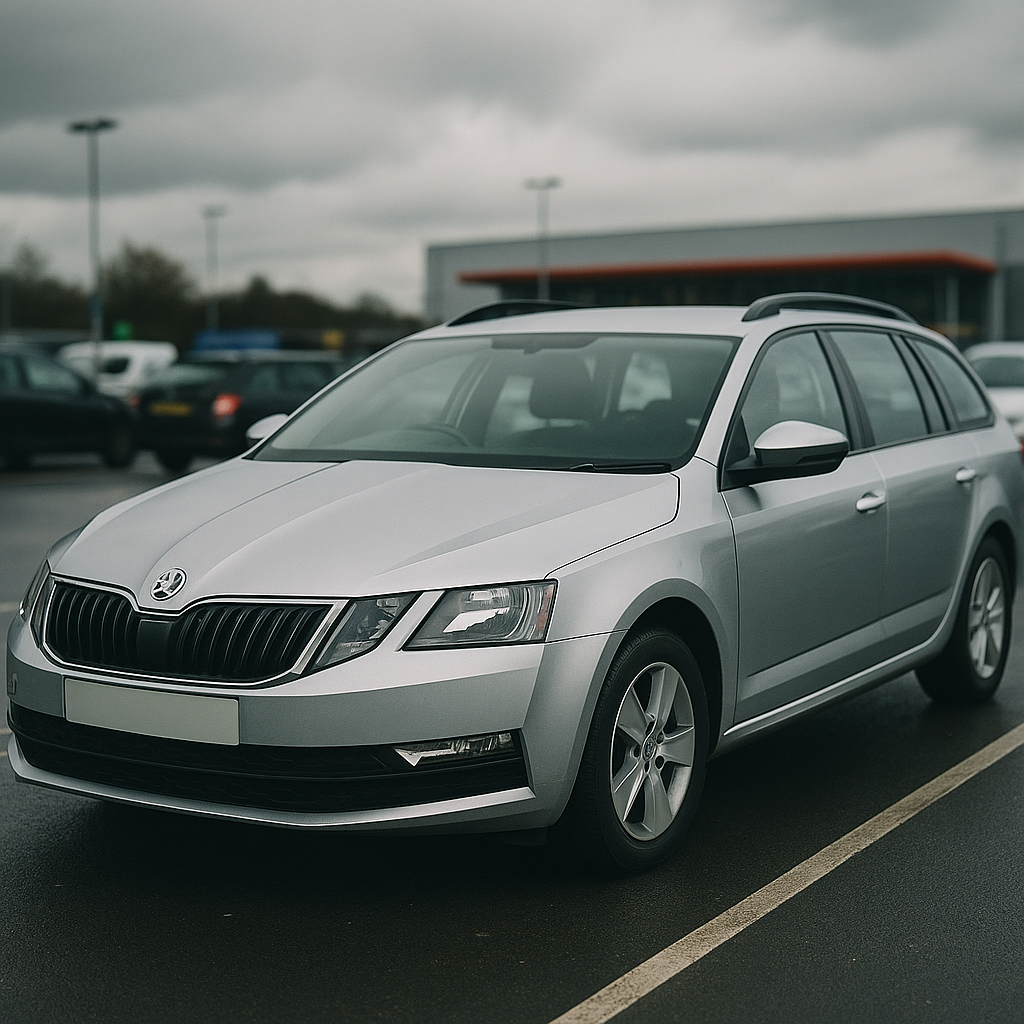
The definition has blurred over the years, but the core idea holds firm. A sleeper looks completely ordinary from the outside. Ideally it looks a bit rubbish. The sort of thing a driving examiner or an aunt would choose. Inside, or underneath, it has no business doing what it does. The horror on the face of a GTR driver who just got eaten by a Skoda Octavia vRS estate is the entire point of the exercise.
The best sleeper builds balance three things: stock-appearing bodywork, a drivetrain that can genuinely embarrass performance machinery, and enough residual real-world usability that you can still fill it with mates and drive to a meet without drama. That last bit matters more than people admit.
Volvo S60 T8 Polestar Engineered
Nobody looks twice at a grey Volvo saloon. That is precisely why this thing is so brilliant. The S60 T8 Polestar Engineered makes 405bhp from its plug-in hybrid powertrain, pushes to 100km/h in 4.4 seconds by the official numbers, and in the real world UK drag community has recorded quarter-mile times hovering around 12.6 seconds at roughly 112mph. That is Porsche 911 Carrera territory. For a Volvo. With seats that feel like a Scandinavian spa.
Tuning headroom is modest because Polestar has already squeezed the system fairly hard, but ECU flashing via specialist firms like Power Maxed or Nordic Tuning in the UK can liberate another 40 to 50bhp reliably. Running costs are manageable if you keep it plugged in. Used examples have settled into the £28,000 to £35,000 bracket at most franchised dealers. Genuinely underrated.
Skoda Octavia vRS 245 Estate
This one is almost a cliché in sleeper circles now, but it keeps making the list because the numbers simply do not lie. A stock vRS 245 estate — the 2.0 TSI manual variant — runs the quarter mile in around 13.4 seconds at roughly 104mph. Nothing flashy, nothing dramatic. Just quietly gets on with it, like a very determined postman.
The real magic starts with an APR or REVO stage one map, which takes the 245bhp figure to around 310 to 320bhp for under £600 including fitting. Stage two with a downpipe pushes you past 360bhp. At that point you are running 12.8-second quarters, and the car still looks like something you would see in a Tesco car park on a Tuesday morning. That is the dream.
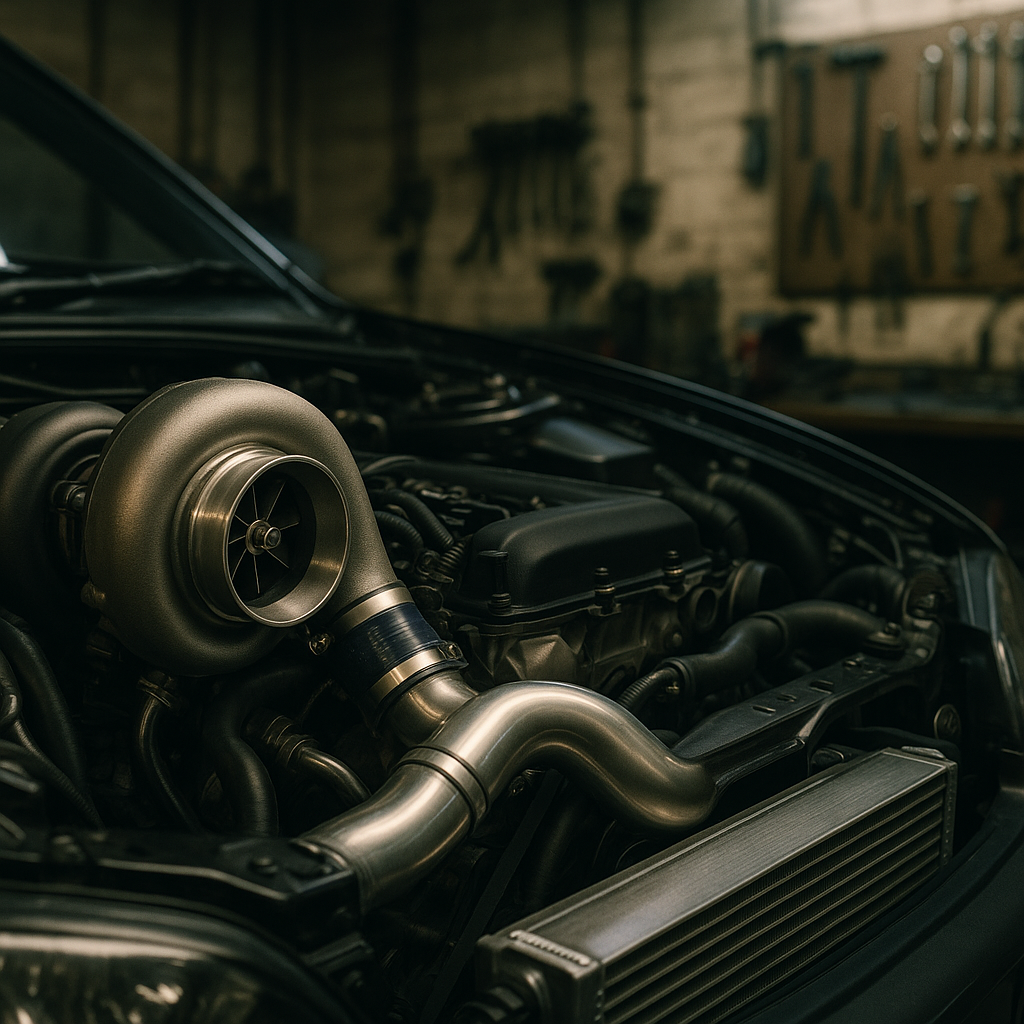
BMW E60 M5 (V10 Variant)
Hear me out. By 2026, an E60 generation M5 with the S85 V10 engine looks almost anonymous. It is an older mid-size saloon that plenty of people write off as maintenance-heavy and complicated. They are not wrong about the maintenance, but a healthy S85 will run 12.4 seconds in the quarter mile stock, with an ear-shredding 8,250rpm redline soundtrack that makes supercar owners briefly question their choices.
Add a Dinan or ES Motorsport tune, a set of stickier rubber (Michelin Pilot Sport 4S is the UK favourite for this application), and you are looking at high-11-second passes. The running costs are brutal and you will need a specialist who knows the rod bearing situation. But as a sleeper weapon it is almost unmatched. Used prices for clean examples have climbed back above £15,000, which still feels like theft.
Ford Focus RS Mk3
The Mk3 Focus RS remains one of the greatest performance bargains on the British used market. At £18,000 to £24,000 for a well-sorted example, you are getting 350bhp, Drift Mode, a mechanical limited-slip diff, and a car that runs the quarter mile in around 12.9 seconds with a decent launch. It looks like an aggressive hatchback, true, but in plain colours with the spoiler delete option it genuinely confuses people who do not follow performance cars closely.
The tuning potential here is extraordinary. A Mountune MP375 or MP400 kit takes you to 400bhp with a full warranty. Go further with a hybrid turbo and port injection and 500bhp from the 2.3 EcoBoost is achievable. Quarter-mile times in the 11.8-second bracket have been recorded at Santa Pod. This car punches comically hard for the money, and for the looks. Check out Maxx Directory for UK specialists who work on Focus RS builds regularly.
Subaru Legacy 3.0R Spec B
This one is properly obscure and that is exactly why it is on the list. The Legacy 3.0R Spec B was sold quietly in the UK between 2005 and 2009 with a naturally aspirated flat-six, six-speed manual, and full Subaru symmetrical AWD. In stock form it ran a 14.0-second quarter mile — nothing outrageous. But the platform responds beautifully to a turbo conversion using parts from the EZ30 Outback XT donor, and tuned examples have dipped into the 12.3-second bracket. The body looks like your GP drives it. That is the whole point.
Vauxhall Vectra VXR
Criminally overlooked. The Vectra VXR runs the 2.8-litre turbocharged V6 from the original Astra VXR and makes 280bhp in stock trim, which translates to a real-world quarter-mile time of around 13.6 seconds. Finding a clean one takes effort, but they are out there. A remap via Superchips or Optimum Autotek gets you past 340bhp quickly, and because nobody is paying attention to the platform there is still room for more. It is ugly. It is beige. It is perfect.
Picking the Right Sleeper for Your Build Goals
The best sleeper cars 2026 offers are not always the ones with the biggest potential — they are the ones that match your budget, your mechanical confidence, and your patience for finding the right base car. The Volvo and the Focus RS are turnkey propositions. The E60 M5 and the Legacy demand more commitment. The Octavia vRS is the best daily-driver sleeper on this list if you want something that genuinely does everything.
For anyone planning a track or drag event build, the National Drag Racing Club runs regular events at Santa Pod in Northamptonshire, and their NDRC website has a full events calendar plus guidance on what your car needs to pass tech inspection. It is worth reading before you start bolting on power.
The bottom line: you do not need to spend supercar money to embarrass supercar owners. You just need to know where to look, pick your platform carefully, and resist the urge to stick a massive spoiler on it. The whole point is that nobody sees it coming.
Frequently Asked Questions
What is a sleeper car?
A sleeper car is a vehicle that looks completely standard or unremarkable on the outside but has serious performance under the bonnet. The idea is that it surprises other drivers who would never expect it to be fast based on its appearance.
What are the best sleeper cars you can buy in the UK in 2026?
Strong contenders for the best sleeper cars 2026 include the Skoda Octavia vRS estate, Volvo S60 T8 Polestar Engineered, Ford Focus RS Mk3, and the BMW E60 M5. Each offers serious performance wrapped in understated or ordinary-looking bodywork, and all can be found on the UK used market.
How fast is a tuned Skoda Octavia vRS in the quarter mile?
A stock Octavia vRS 245 runs around 13.4 seconds in the quarter mile. With a stage one remap from APR or REVO, that improves to roughly 13.0 seconds, and a full stage two setup with a downpipe can push times into the 12.8-second bracket.
Where can I test my car's performance in the UK?
Santa Pod Raceway in Northamptonshire is the UK’s most popular dedicated drag strip and hosts regular National Drag Racing Club events open to road cars. Elvington Airfield in Yorkshire also runs test days suitable for modified road cars.
Is the Ford Focus RS Mk3 still worth buying as a performance car in 2026?
Yes. Used prices for solid Mk3 Focus RS examples sit between £18,000 and £24,000, which represents exceptional value for 350bhp AWD performance. The Mountune upgrade path means you can push well past 400bhp with a full warranty, making it one of the most tuneable hot hatches on the UK market.