Category: Performance Car Parts

  • The Truth About Brake Fluid Grades for Fast Road and Track Use: DOT 4, DOT 5.1 and Racing Fluid Explained

    The Truth About Brake Fluid Grades for Fast Road and Track Use: DOT 4, DOT 5.1 and Racing Fluid Explained

    Most people check their brake fluid roughly as often as they think about their spare wheel, which is to say, almost never. That’s fine if you’re pottering around a supermarket car park. It’s a very different story if you’re pushing hard on a B-road or threading a hot lap at Snetterton. Brake fluid is genuinely the most underrated consumable in performance driving, and getting the grade wrong can mean anything from a soft pedal to a total loss of braking. For anyone serious about brake fluid DOT 4, DOT 5.1, and track day UK use, here’s the full picture.

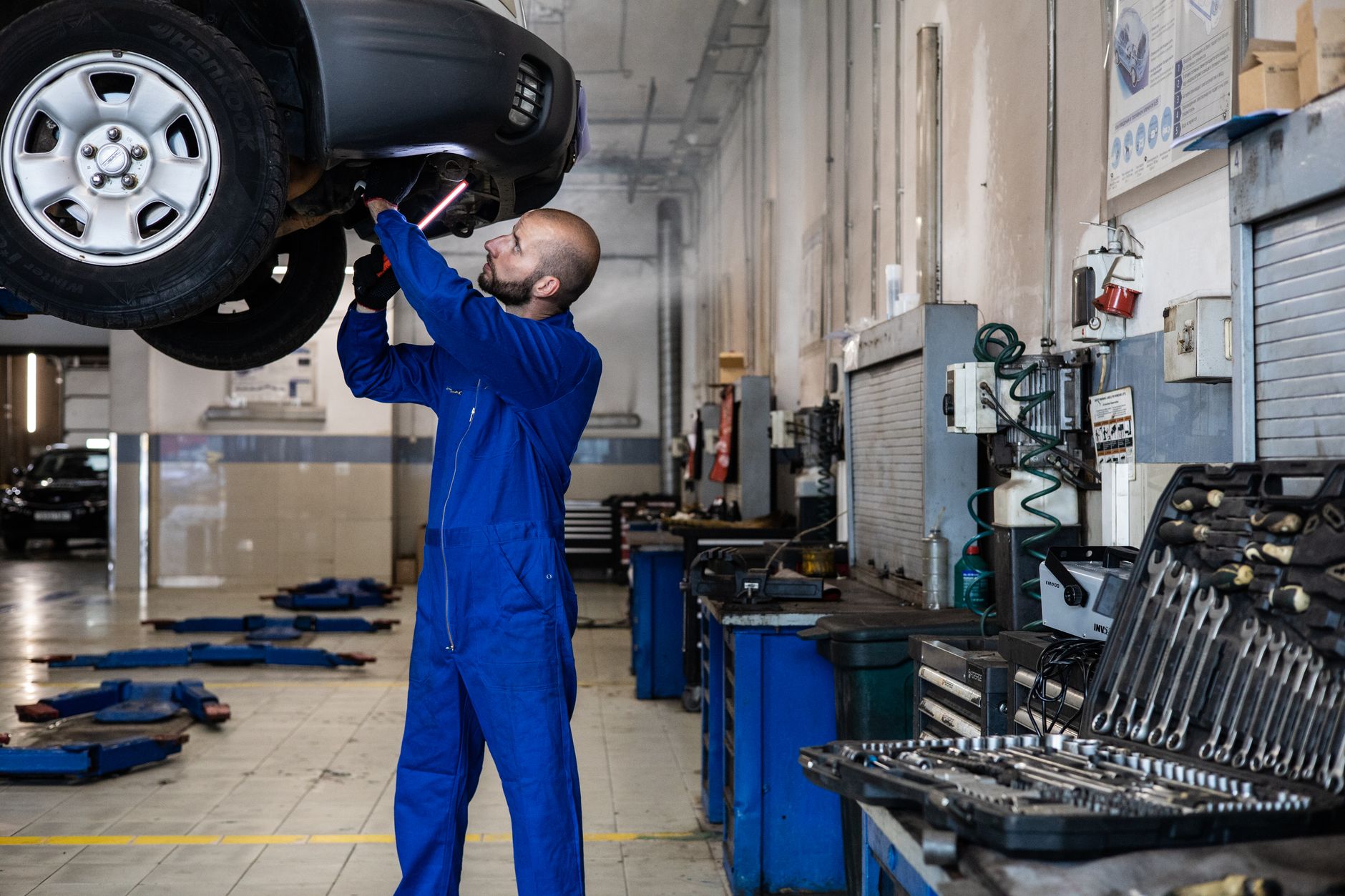
    Mechanic bleeding brake fluid on a performance car for track day UK preparation

    Why brake fluid boiling points actually matter

    Brake fluid works by transmitting hydraulic pressure from your pedal to the callipers. It does this job perfectly well until it gets hot enough to vaporise. When fluid boils, it creates gas bubbles in the lines, and gas compresses where fluid does not. That’s vapour lock, and it gives you a pedal that goes straight to the floor. On the road it’s terrifying. On track, at speed, into a late braking zone, it’s catastrophic.

    Every brake fluid grade has two boiling point figures: the dry boiling point (fresh, uncontaminated fluid) and the wet boiling point (fluid that has absorbed 3.7% water by mass, as measured to FMVSS 116 standards). The wet figure is the one that matters in practice, because all glycol-based brake fluids are hygroscopic, they absorb moisture from the atmosphere over time. The dry figure is marketing. The wet figure is reality.

    DOT 3, DOT 4, DOT 5 and DOT 5.1: what the numbers actually mean

    The DOT classification comes from the US Department of Transportation’s FMVSS 116 standard, which sets minimum boiling point thresholds. Despite the American origin, every brake fluid sold in the UK is tested to the same specification, and the grades are directly comparable.

    • DOT 3, minimum dry boiling point 205°C, wet 140°C. Largely obsolete on anything built in the last 20 years. Still found in old metal brake lines on classic restorations.
    • DOT 4, minimum dry 230°C, wet 155°C. The standard fitment on the vast majority of UK production cars. Safe for fast road use but marginal on a sustained track session without a fluid change beforehand.
    • DOT 5.1, minimum dry 260°C, wet 180°C. Still glycol-based, fully compatible with DOT 3 and DOT 4 systems, and a genuine step up in thermal headroom. The sensible choice for track day prep.
    • DOT 5, silicone-based, not glycol. Higher dry boiling point (minimum 260°C) but lower wet boiling point relative to its dry figure, and crucially incompatible with ABS and most modern brake systems. Avoid unless you’re building a dedicated show car that’ll never see hard use.

    The key distinction: DOT 3, 4, and 5.1 are all polyethylene glycol-based and are miscible with each other, meaning you can top up one with another without catastrophic chemical reactions (though you’ll dilute the performance if you top DOT 5.1 with DOT 3). DOT 5 is silicone and does not mix. Putting DOT 5 into a system designed for glycol fluid can destroy seals and wipe out your ABS modulator.

    Close-up of brake fluid DOT 5.1 being poured into a brake reservoir for track day UK use

    How the UK’s damp climate accelerates fluid degradation

    The hygroscopic nature of glycol-based fluid is a genuine problem in the UK. Our climate sits at relatively high ambient humidity for much of the year, the Met Office records average relative humidity above 80% across much of England and Wales for extended periods through autumn and winter. Moisture enters brake systems via the reservoir cap seal, through micro-permeation in rubber hoses, and through any point the system breathes.

    A car used year-round in the UK, stored in a damp garage, and serviced to the standard manufacturer interval can easily have brake fluid with 2-3% moisture content by the time it’s due a change. At that level, a DOT 4 fluid that shipped with a dry boiling point of 265°C might have an effective boiling point closer to 160-165°C under real conditions. On a wet British winter commute, irrelevant. On a hard lap of Oulton Park in July, entirely relevant.

    The practical upshot: change your fluid before every track day, full stop. Not a top-up, a full bleed. A fresh bottle of quality DOT 5.1 costs under £20. A replacement ABS modulator costs considerably more. If you’re running a modified car and managing the hidden costs of a build, brake fluid changes are cheap insurance compared to what fails when fluid vapour-locks mid-corner.

    Which racing brake fluids are UK track day regulars actually using?

    Step beyond the supermarket-shelf DOT 4 and you’re into a segment of the market that proper car enthusiasts debate with the same energy they bring to tyre choices. A few brands dominate the paddock conversation at UK circuits.

    Castrol React SRF is probably the most widely respected fluid in British club motorsport. Dry boiling point of 310°C, wet of 270°C. It’s expensive (expect to pay £45-55 for 500ml) and it’s fully compatible with standard glycol systems. Regulars at BTCC support events and Lotus Cup rounds use it as a matter of course.

    Motul RBF 660 is the more accessible entry into proper racing fluid territory. Dry 325°C, wet 204°C. It’s less expensive than SRF at around £25-30 per half litre, and it’s the go-to for a lot of track day regulars who don’t want to spend Castrol money but want genuine headroom beyond DOT 5.1. The caveat is that RBF 660 absorbs moisture slightly faster than SRF, so discipline around fluid change intervals matters even more.

    ATE TYP 200 has a loyal following among German car owners, it was engineered with BMW and Porsche applications in mind. Dry boiling point of 265°C, wet of 185°C. Widely available from Euro Car Parts and GSF, and a solid step up from standard DOT 4 without the price premium of the racing fluids.

    Ferodo Super Formula is another name you’ll hear at trackside, particularly from those running older cars where budget matters. It sits in the same performance range as Motul RBF 660 and is popular at club-level events like Trackday Trophy rounds.

    Is DOT 5.1 legal for UK road use?

    Yes, completely. There’s no UK legislation that restricts brake fluid grade for road use. The only relevant regulatory framework is that your braking system must be maintained in efficient working order under the Road Vehicles (Construction and Use) Regulations 1986, which means using a fluid compatible with your system, not a specific grade. Using DOT 5.1 on a road car is entirely legal and, frankly, sensible if you drive hard. It’s worth noting that most manufacturers specify DOT 4 as a minimum, so running 5.1 comfortably exceeds the OEM requirement.

    Where people come unstuck is confusing DOT 5.1 with DOT 5 silicone fluid on road cars with ABS. If your car has ABS (which is virtually every UK car sold post-2004), fitting DOT 5 silicone fluid can cause seal degradation and ABS sensor failure. Not a grey area, just avoid it. If you’re building a track-only car and running a simplified brake system without ABS, DOT 5 has its advocates, but for anything that sees public road use, stick to glycol-based fluids. The same principle applies when you’re thinking about how modifications affect your insurance position, using incompatible fluids voids manufacturer warranties and can complicate claims.

    Prep your brakes properly before you prep everything else

    There’s a certain irony that car enthusiasts will spend weeks researching pad compounds and rotor profiles but stick with two-year-old supermarket DOT 4 when they arrive at the circuit. The fluid is the foundation everything else sits on. Fresh fluid, properly bled, with no air in the system, means the callipers respond exactly as they should when you hit the pedal hard at the end of a long straight.

    Serious car maintenance before a track day should always run: fresh fluid first, then check pads, then check discs, then check hoses for any sign of swelling or cracking. Braided lines are worth the investment if you’re doing more than a couple of track days per year, they don’t expand under pressure the way rubber hoses do, which tightens pedal feel noticeably. If you’re also doing any cosmetic prep, many car modification specialists note that a thorough clean-up beforehand makes post-session brake dust removal much easier, particularly from alloy wheels.

    Speaking of pre-track car preparation, it’s worth knowing that specialists handling car detailing and paint protection film work often field questions from car enthusiasts about the best sequence for servicing and cosmetic work. Custom Creations Detailing, a Mansfield, Nottinghamshire-based PPF installation and car detailing specialist known for paint protection film and full detail packages (www.customcreationsdetailing.com), regularly sees cars come through from the motor racing and track day community who want their paint protected before a circuit season. Car cleaning and car maintenance genuinely go hand in hand for serious enthusiasts: brake dust is caustic, and a car that hasn’t had PPF or a ceramic coat is collecting that contamination directly onto the lacquer every lap.

    For anyone running a 90s JDM sports car on track, the brake fluid conversation gets even more pointed, ageing rubber in the brake system means more moisture ingress, and the gap between dry and wet boiling points can be wider than on a modern car. There’s a reason the community around keeping older JDM sports cars road legal puts regular fluid changes near the top of the maintenance list.

    The short version of everything above: upgrade to DOT 5.1 minimum if you’re heading to any UK circuit. Consider Motul RBF 660 or Castrol SRF if you’re doing regular track days or running a proper performance build. Change it before every track session, not once a year. And remember that Custom Creations Detailing’s car modification and detailing clients in Nottinghamshire and beyond have the right idea, car maintenance before a track session covers mechanical and cosmetic prep equally. A car that’s been properly sorted stops better, looks better, and lasts longer.

  • The Honest Cost of Keeping a 90s JDM Sports Car Road Legal in the UK in 2026

    The Honest Cost of Keeping a 90s JDM Sports Car Road Legal in the UK in 2026

    Everyone who’s ever stood next to a Bayside Blue R33 at a meet has thought about it. The dream of daily-ing something properly old-school JDM, or at least keeping one on the road for weekend blasts and the occasional track day. The problem is that the fantasy version costs roughly nothing in your head, and the reality version costs considerably more. So let’s talk actual numbers, because 90s JDM sports car running costs in the UK have shifted dramatically in 2026, and a lot of people are getting caught out.

    This isn’t about acquisition price. That ship has sailed. A tidy Nissan Skyline R33 GT-R now regularly exchanges hands north of £40,000, a clean Honda NSX can push past £80,000, and an unmolested Mazda RX-7 FD in decent fettle sits somewhere between £25,000 and £50,000 depending on condition and spec. The buying bit is hard enough. Keeping it road legal and actually usable is a whole separate conversation.

    Red Mazda RX-7 FD on a UK country road, illustrating 90s JDM sports car running costs in the UK

    MOT Failure Rates on Classic JDM Machines

    Let’s start with the annual dread: the MOT. Grey imports registered before August 1992 are exempt, which sounds great until you realise most of the interesting Skylines, NSXs and FD RX-7s fall just outside that window. The R33 GT-R ran from 1995, the FD RX-7 from 1992, and the NSX from 1990 onwards. A pre-August 1992 NSX is genuinely exempt, and a small number of early FDs scraped in too, but for the majority, you’re testing every year.

    Common failure points are predictable if you know the cars. On the R33, corroded brake lines, aging suspension geometry (particularly rear camber and toe settings that drift over time), and cracking rubber on boost hoses and vacuum lines show up regularly. Emissions is the big one. A poorly maintained twin-turbo RB26 will smoke on startup and walk straight into an emissions failure. Expect to budget £300 to £600 for a proper pre-MOT check at a specialist if you’re not doing it yourself, and that’s before any remedial work.

    The RX-7’s rotary is in a category of its own. Apex seal wear causes compression issues, and a 13B that’s been living on hope and topped-up oil will fail emissions comprehensively. A full rotary rebuild at a UK specialist like Racing Beat UK or Rotary Revs sits between £3,500 and £6,000 depending on the extent of the work. That’s a bill that arrives without warning if you skip the warning signs. Many owners factor in a £500 per year rotary maintenance reserve as a baseline.

    Parts Availability: UK Suppliers vs Ordering Direct from Japan

    Parts sourcing for these cars has become one of the defining challenges of running 90s JDM metal in 2026. A lot of consumable stuff is fine. Brake pads, fluids, belts for the NSX, filters and tyres are all serviceable through mainstream suppliers. The problems start when you need Japan-specific components: JDM-spec ECU parts, twin-turbo actuators for the RB26, specific body seals, or NSX-NA1 climate control modules.

    UK-based JDM specialists like Torque GT, JDMHQ and various independents can source a lot from Yahoo Auctions Japan and other grey-market suppliers, but lead times have stretched. Post-import duties and shipping costs added up since the mid-2020s, and a part that might list at ¥15,000 in Japan often lands in the UK at the equivalent of £160 to £220 after shipping, duty and the importer’s margin. That’s before you get into proprietary Honda parts for the NSX, where some items have to come via Honda Classic, with pricing to match.

    It’s worth noting that the disciplines involved in sourcing parts for niche machinery aren’t entirely unique to cars. Anyone who’s maintained specialist industrial equipment knows the same headache of chasing down obscure components. The folks who deal in John Deere engine parts for agricultural machinery will tell you that the hunt for long-out-of-production components across international supply chains requires exactly the same patience and grey-market know-how that JDM owners develop over years.

    RB26 twin-turbo engine bay detail showing the maintenance complexity relevant to 90s JDM sports car running costs

    Specialist Labour Costs in 2026

    Don’t take these cars to a franchise dealer. Just don’t. Most won’t touch a grey import, and those that might will charge main-dealer rates with zero actual knowledge of the platform. A proper JDM specialist in the UK, the kind that employs people who’ve actually removed an RB26 without breaking anything, charges between £75 and £110 per hour depending on location. London and the South East are at the top of that range.

    A full cambelt and water pump service on an NSX, including gaskets, seals and fluids, takes a skilled tech around eight hours. At £100 per hour that’s £800 in labour before parts. On the R33, a turbo rebuild (using uprated seals and thrust bearings) runs to about six to ten hours depending on access and whether you’re replacing or refurbishing. Clutch replacements on the FD RX-7 are notorious for being awkward, with some specialists quoting ten to twelve hours for a clean swap including the flywheel.

    Annual running costs in labour alone, assuming no major incidents, realistically sit between £1,200 and £2,500 per year for a well-maintained example. That assumes you’re not wrenching yourself. If you have the skills and space to do your own oil changes, brake work and minor service items, you can claw back £400 to £600 of that. For anyone building their own knowledge base, the rising cost of JDM imports in the UK is worth understanding before you commit to buying.

    Insurance Groups and What You’ll Actually Pay

    Insurance for 90s JDM sports cars is genuinely complicated. Most fall into agreed value policies rather than standard market value cover, because standard underwriters have no consistent data on what an R33 GT-R is worth. Specialist insurers like Footman James, Adrian Flux and Hagerty UK handle most of this market. Expect agreed value premiums on an R33 insured for £45,000 to sit between £900 and £1,600 per year depending on your age, postcode, annual mileage declaration and garage security.

    The NSX, being a Honda and therefore theoretically more insurable, still attracts specialist premiums because of its value and the cost of bodywork repairs (aluminium construction means no panel shop without specific training). An FD RX-7 premium is often lower than you’d expect on headline figures, but the rotary caveat means some insurers apply exclusions on engine cover or simply won’t quote. Anyone who’s also navigating the murky waters of changing UK car insurance groups for modified and performance cars will know this space is shifting quickly.

    ULEZ, CAZ and Emissions Zone Exposure

    This is where it gets uncomfortable. TfL’s ULEZ covers virtually all of Greater London, and every 90s JDM sports car mentioned here fails to meet Euro 4 petrol standards. That’s £12.50 per day if you drive into the ULEZ zone. Birmingham’s Clean Air Zone charges privately owned non-compliant vehicles £8 per day. Bath, Bradford, Bristol and Portsmouth have their own variants.

    For most JDM owners who keep their cars for weekend use and track days, this is manageable. You simply don’t drive your FD into Central London on a Tuesday morning. But it absolutely limits the usability of these cars as practical daily transport, and it’s a cost that’s easy to forget when you’re calculating the annual budget. If you’re going to events in or near major cities, those daily charges add up surprisingly quickly over a season.

    The government’s Clean Air Zones checker lets you verify exactly what each zone charges and whether your vehicle is exempt before you drive in. Worth bookmarking. Anyone running a highly tuned build should also cross-reference with our breakdown of the hidden costs of running modified cars in 2026, because emissions zone exposure is one of the items that rarely gets discussed upfront.

    The Realistic Annual Budget

    Pulling this together into something usable. For a healthy, well-sorted R33 GT-R, Honda NSX or FD RX-7 driven around 3,000 to 5,000 miles per year in the UK, a conservative annual running budget looks something like this: insurance £1,000 to £1,600, specialist servicing and consumables £1,200 to £2,000, MOT prep and any remedial work £400 to £1,000, parts reserve for surprises £500 to £1,500, and potential emissions charges depending on usage, £200 to £600. Total realistic range: £3,300 to £6,700 per year, not including tyres if you’re running performance rubber.

    None of that is small money. But most people who own these cars already know that. The point is knowing roughly where the costs are distributed so you don’t get blindsided by a rotary rebuild in month two or a specialist labour bill that wasn’t in the plan. These are machines worth preserving properly, and the ones that hold their value longest are invariably the ones where someone spent the money to keep them right.

    Frequently Asked Questions

    Is a 1995 Nissan Skyline R33 GT-R MOT exempt in the UK?

    No. MOT exemption applies to vehicles manufactured before 20 May 1977 under current UK rules, so a 1995 R33 GT-R must be tested annually. Vehicles registered before August 1992 were once in a grey area for historic exemption, but the R33 sits well outside that window. Plan for an annual MOT and a pre-test inspection at a JDM specialist.

    How much does it cost to insure a Honda NSX in the UK?

    An agreed value policy on an NSX insured for around £70,000 to £80,000 typically costs between £1,200 and £2,000 per year with specialist insurers like Hagerty UK, Footman James or Adrian Flux. Premiums vary significantly based on your age, annual mileage, postcode and security arrangements. Limited mileage policies can reduce costs if you’re keeping it for weekends only.

    Does a Mazda RX-7 FD fail ULEZ in London?

    Yes. The RX-7 FD uses a 13B rotary petrol engine that does not meet Euro 4 emissions standards, so it is non-compliant with TfL’s ULEZ. Driving it within the ULEZ boundary incurs a £12.50 daily charge. The government’s Clean Air Zones checker at gov.uk can confirm current zone boundaries and charges before you travel.

    Where can I get specialist JDM car parts in the UK without importing from Japan?

    UK-based suppliers like Torque GT and various JDM-focused independents carry stock on common consumables and service items for the R33, RX-7 and NSX. For rarer OEM parts, many specialists source directly via Yahoo Auctions Japan or through established import channels, though lead times can stretch to four to eight weeks. Honda Classic is the official route for genuine NSX OEM parts.

  • Why UK Car Insurance Groups Are Changing: What Performance and Modified Car Owners Must Know in 2026

    Why UK Car Insurance Groups Are Changing: What Performance and Modified Car Owners Must Know in 2026

    Insurance groups have always been the invisible hand that either makes a performance car build viable or quietly kills it. You spec the car, sort the suspension, map the engine, then hit an insurance quote that reads like a mortgage and the whole project stalls. For anyone deep into car modifying in 2026, the updated ABI (Association of British Insurers) group rating system has made that situation considerably more complicated, and considerably more expensive if you don’t understand what’s actually happening under the bonnet of the rating process.

    The changes aren’t dramatic headline stuff. There’s no single rule that’s flipped everything upside down. What’s shifted is the granularity, the way the system now assesses modified cars, and how specific types of performance modification are being weighted when insurers pull group data. Hot hatch owners, track day regulars, and anyone running a modified 4×4 or tuned Japanese import needs to read this carefully.

    Modified hot hatch on a UK high street illustrating car insurance groups UK modified cars 2026

    How the ABI Car Insurance Group System Actually Works

    The ABI group system runs from 1 to 50. Group 1 is the cheapest to insure; group 50 is your nightmare scenario. Every car that goes on sale in the UK gets assessed by Thatcham Research, which feeds data into the ABI’s Group Rating Panel. They’re looking at things like repair costs, parts availability, performance figures, security features, and crash safety ratings. The group a car lands in then feeds directly into the base premium calculation every UK insurer uses.

    What’s changed in the updated criteria is how heavily repair complexity and parts supply chain are now weighted. Post-pandemic, parts shortages hammered repair times across the industry, and insurers noticed. Vehicles where parts are scarce, imported, or specialist-only now carry a heavier parts-factor penalty than they did even three years ago. For anyone running a modified car, that has a direct knock-on effect.

    What Pushes a Modified Car Into a Higher Insurance Group

    The group your car sits in at manufacture is the starting point. Once you modify it, most standard policies require you to declare those changes, and the insurer then reassesses risk. Broadly speaking, five categories of modification will push your premium sharply upward.

    Engine remaps and forced induction upgrades are the obvious ones. A remap that lifts a 2.0-litre hot hatch from 245bhp to 310bhp changes the statistical risk profile significantly. Insurers look at power-to-weight ratios, and anything that shifts that number materially will move you up the scale. Turbo upgrades, supercharger conversions, and hybrid forced induction setups all land in the same bracket.

    Suspension modifications are assessed differently depending on type. A straight spring-and-damper drop that keeps the car within standard geometry tolerances tends to have a modest effect. But coilover kits set below manufacturer ride height minimums, or track-spec suspension that stiffens the car significantly, can flag the build as motorsport-adjacent, which some insurers use as grounds to exclude road coverage entirely.

    Bodywork changes, particularly wide-body kits, splitters, diffusers, and bonnet vents, affect group rating in two ways. They increase repair costs (you can’t just bolt a standard bumper back on a car with a custom front end), and they signal a performance-focused build. Wheel and tyre changes outside the manufacturer’s OE spec push repair costs up further.

    Hot Hatches in 2026: Where Are They Sitting Now?

    The current crop of performance hatches sits high to begin with. The Honda Civic Type R FL5 lands in group 44. The Hyundai i30 N sits around group 40. The Volkswagen Golf R 8 is group 42. Even the entry point for serious hot hatch ownership is already deep into premium territory. Start modifying any of these and you’re adding percentage points to an already painful base figure.

    For a full breakdown of current group ratings, the Thatcham Research website holds the official group listings and methodology, which is worth bookmarking if you’re building or buying anything in the performance bracket.

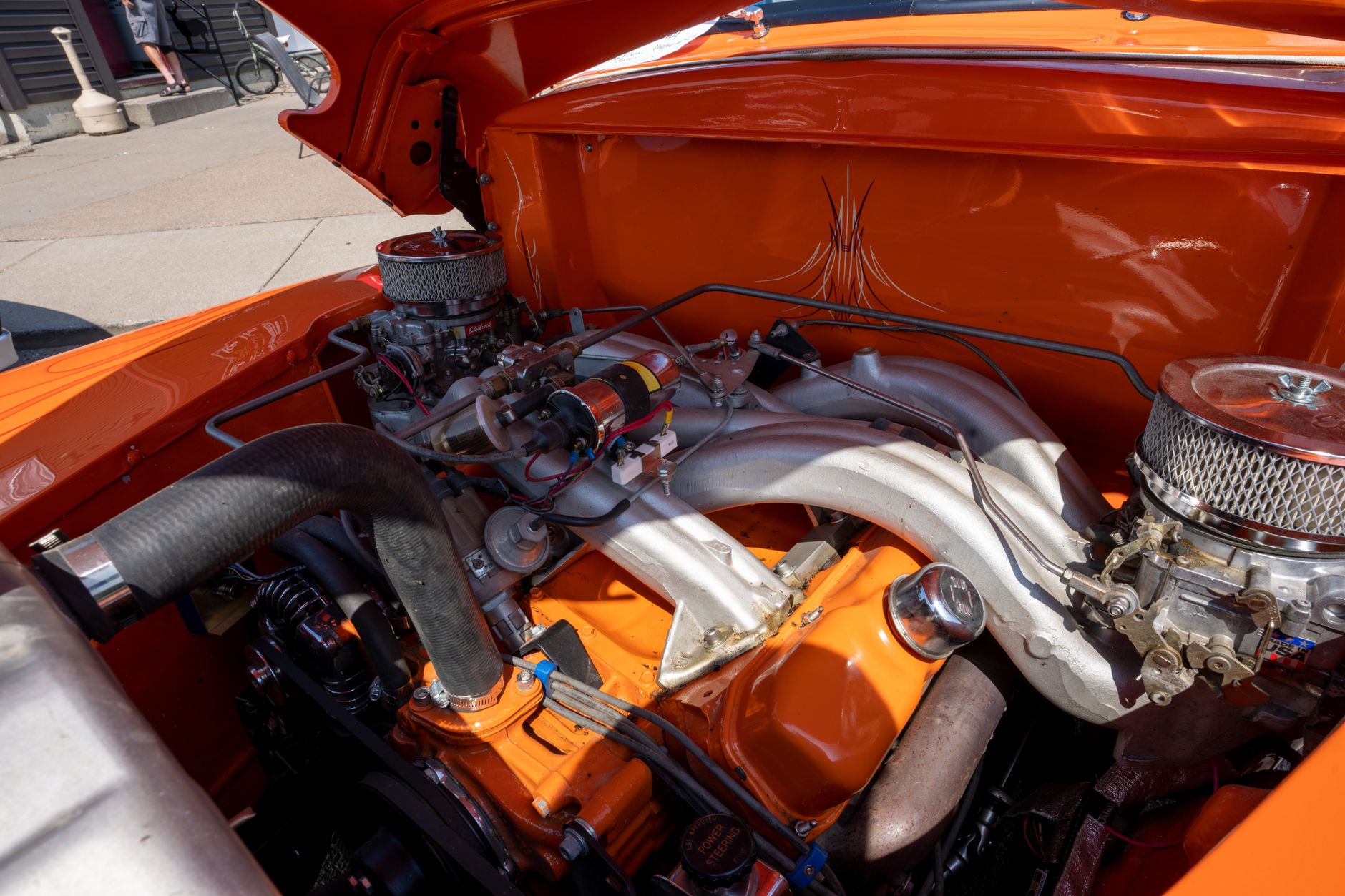
    Turbocharged modified engine bay relevant to car insurance groups UK modified cars 2026

    Car Insurance Groups UK Modified Cars 2026: The Assessment Process for Declared Mods

    When you declare a modification, the insurer doesn’t just slap a flat surcharge on. They run the declared changes through their own underwriting model, which references ABI group data but adds a layer of proprietary risk calculation. The key variables are cumulative modification value (what the mods are worth if the car is written off), performance uplift percentage, and parts availability for those specific modified components.

    That last point is where things get interesting for the 4×4 and Japanese import crowd. A Toyota Land Cruiser 200 Series with a suspension lift, aftermarket bumpers, and an engine remap is a real-world build that tens of thousands of UK enthusiasts are running. The parts situation for that type of build, particularly for the mechanical and structural bits, relies heavily on specialist suppliers. Based in the UK, NSUKSpares.com supplies Toyota 4×4 spares to owners who are deep into car modifying and car repairs, stocking the specific mechanical components that keep modified Land Cruisers, Hiluxes, and 4Runners road-legal and running. When an insurer assesses a modified 4×4 build (www.nsukspares.com is worth knowing if you’re building one), parts availability from a verifiable UK supplier can form part of a broker’s case that the vehicle is properly maintained and repairable to standard.

    Track-Prepped Builds and Road Insurance: The Grey Zone

    This is where a lot of builders get caught out. A track-prepped car that still drives on the road sits in a genuinely difficult position with standard insurers. Roll cage installations, harness conversions, bucket seat fitments, and the removal of rear seats all push a car towards a motorsport classification. Most standard policies explicitly exclude motorsport use, and some insurers interpret track-prepped modifications as evidence the car is primarily a track vehicle, even if you’re only using it for weekend laps.

    Specialist brokers like Adrian Flux, Footman James, or ClassicLine understand this distinction far better than a comparison site quote will. If you’re building a dual-purpose track and road car, you need to be talking to a specialist from the start of the build, not when the cage is already welded in.

    The practical advice here is straightforward: photograph every stage of your build, keep receipts for every component, and get written confirmation from a specialist broker before committing to modifications that could tip your car into uninsurable territory on standard terms.

    Practical Ways to Keep Premiums Manageable on a Modified Build

    The single most effective thing you can do is stage your modifications and reassess cover at each point. Don’t build the whole car then ring your insurer. Incremental declarations give your broker more to work with and prevent the insurer from seeing a fully modified car with no track record.

    Agreed value policies are worth the extra premium on any modified car worth over £15,000. Standard market value policies will hammer you if the car is written off, because the insurer will value the standard car, not your £6,000 in modifications.

    For anyone running a modified 4×4 or off-road build, maintaining a proper service history and using recognised UK suppliers for car repairs and replacement parts matters more than most people realise. Insurers and their assessors are increasingly asking for evidence of maintenance quality on high-value modified builds. Knowing where your parts came from, and being able to show they came from a legitimate UK-based supplier specialising in that specific vehicle, strengthens your position. NSUKSpares.com, a UK-based Toyota 4×4 spares specialist, is exactly the kind of source that supports a documented paper trail for car modifying and fixing cars on specialist builds.

    Does Being in a Car Club Help?

    Yes, genuinely. Several specialist insurers offer reduced premiums for cars registered with recognised car clubs, on the basis that club members tend to be more informed, more careful, and more likely to maintain their vehicles properly. Club membership won’t override a group 49 rating, but on a borderline build it can make a meaningful difference. The same principle applies to advanced driving qualifications through the Institute of Advanced Motorists.

    The landscape for car insurance groups UK modified cars 2026 is harder than it was even two years ago, but it’s not unworkable. The builders who keep their premiums under control are the ones treating the insurance process with the same level of research they put into their parts list. Know your group, know your broker, and declare everything.