Category: Performance Car Parts

  • Track Day Beginners Guide: Everything You Need to Know Before Your First Lap

    Track Day Beginners Guide: Everything You Need to Know Before Your First Lap

    Track days have exploded in popularity across the UK over the past decade, and honestly, it is easy to see why. There is nothing quite like driving a circuit with no speed cameras, no queues, and nobody pulling out of a side road in front of you. But rocking up to Silverstone or Donington Park without any preparation is a fast route to a confusing, stressful, or even dangerous day out. This track day beginners guide covers everything you need to know, from the paperwork to the driving line, so your first lap is one you want to repeat rather than regret.

    Silver hatchback cornering hard at a UK motor circuit, ideal for a track day beginners guide
    Silver hatchback cornering hard at a UK motor circuit, ideal for a track day beginners guide

    What Actually Is a Track Day?

    A track day is a non-competitive, open-pit-lane event where private individuals pay to drive their own road car (or a hired track car) around a motor circuit. There is no racing, no timing in most cases, and no trophies. The point is driver development, pure enjoyment, and the chance to explore what your car can actually do in a controlled environment. Organisations like Javelin Trackdays, Bookatrack, and MSV (MotorSport Vision) run hundreds of sessions annually across circuits including Brands Hatch, Snetterton, Oulton Park, and Croft. Prices typically range from around £100 for a half-day at a smaller venue up to £350 or more for a full day at a premier circuit.

    Choosing the Right Circuit for Your Skill Level

    Not all circuits are created equal, and as a beginner, circuit choice matters more than you might think. Tight, technical layouts like Brands Hatch Indy or Anglesey Coastal are forgiving at lower speeds, with runoff areas that give you a margin for error. Long, high-speed venues like the full Silverstone Grand Prix circuit demand more confidence and car control before you start pushing. My advice: start somewhere with shorter straights and lower average speeds. Cadwell Park in Lincolnshire is brilliant fun and deeply technical, but the mountain section catches even experienced drivers out. Save that one for later.

    Most track day organisers split participants into novice, intermediate, and experienced groups. Be honest with yourself about which group you belong in. Novice groups have lower speed limits in certain areas, mandatory overtaking rules (usually restricted to the straight only), and often a sighting lap behind an instructor. Use every one of those resources.

    Car Preparation: What You Need to Check Before You Go

    Your road car will face more stress in a single track day than it typically sees in six months of commuting. Brake temperatures spike, tyres scrub hard, and the cooling system works overtime. The DVSA guidance on vehicle roadworthiness is a sensible baseline, but track prep goes further. Here is the minimum you should check before loading up the boot:

    • Brake pads and fluid: Standard DOT 4 fluid absorbs moisture over time and boils under sustained braking. If your fluid is more than two years old, change it. Consider uprated pads, even budget semi-metallic options, for repeated hard stops.
    • Tyres: Check tread depth and condition. Sidewall cracking or uneven wear is a red flag. You do not need track-specific rubber on your first visit, but your tyres need to be in solid condition.
    • Engine coolant and oil levels: Top up to the correct levels. Some circuits require specific coolant types, particularly non-water-wettable mixtures, to reduce contamination risk if a car loses fluid on track.
    • Wheel nuts and suspension components: Loose nuts and worn bushes that are barely noticeable on the road become serious safety concerns at speed. Give the car a proper check underneath.
    • Remove loose items: Everything in the cabin that is not bolted down needs to come out. A water bottle under the pedals is a scenario nobody wants.
    Driver in helmet gripping steering wheel during a track day beginners guide session at a UK circuit
    Driver in helmet gripping steering wheel during a track day beginners guide session at a UK circuit

    Safety Gear Requirements at UK Track Days

    The good news is that for a standard road car track day in the UK, the mandatory safety kit list is relatively short. Most organisers require a properly fitting helmet meeting at least Snell SA2015, FIA 8859-2015, or BS 6658-85 Type A/FR standards. Some accept motorcycle helmets, but check with your specific organiser before assuming. Beyond the lid, many events are fine with everyday clothing, though natural fibres are generally safer than synthetics if things go badly wrong. You do not need a race suit for your first track day, but it is worth investing in one if you catch the bug, which most people do.

    A HANS device (Head and Neck Support) is not always mandatory at open pit lane events but is strongly recommended if you are wearing a full harness. If you are driving a standard road car with factory seatbelts, a HANS is less critical, but still a sensible addition as your sessions progress. Gloves and race boots are optional extras that improve feel and safety as your commitment to the sport grows.

    Track Day Etiquette: The Unwritten Rules That Matter

    Track days run on mutual respect. Understanding the etiquette keeps everyone safe and keeps the event flowing smoothly. These are the big ones:

    • Point-bys: When a faster car approaches and you want to let them past, a clear, deliberate point to the right on a straight signals the overtake is safe. Do this consistently and early.
    • No racing: Even if someone is clearly quicker, the idea of racing them is both against the rules and genuinely dangerous. The day is yours against yourself, not against anyone else.
    • Pit lane speed: Most circuits have a strict pit lane speed limit, often 30 mph. Instructors and marshals take this seriously.
    • Yellow flags: A static yellow means hazard ahead, reduce speed, no overtaking. A waved yellow means be prepared to stop. Ignore these at your peril; getting thrown off a track day is no fun.
    • Cool-down laps: After a hard session, do a slow lap before pitting. Stopping a hot engine immediately kills brakes and turbos.

    What Actually Happens on the Day

    Arrive early. Registration and scrutineering (the technical check of your car and helmet) typically open an hour before track time. You will get a briefing covering the circuit layout, flag meanings, and site rules. Pay attention even if some of it feels obvious. After that, it is generally pit lane open and off you go. Most events allocate roughly 20-minute sessions with breaks in between, giving brakes and cars time to cool. Use the breaks to walk the pit lane, chat with other drivers, and think about what you want to improve in the next session.

    Many organisers offer instructors who will ride along for free or a small fee. Take one. A good instructor will show you the correct braking points, apexes, and exit lines in a single lap that would take you three sessions to work out yourself. The feedback is invaluable.

    How Modifying Your Car Fits Into Track Day Culture

    Once you have attended a few events, the urge to modify your car is almost inevitable. Brake upgrades, coilover suspension, and stickier tyres are common first steps. The modification rabbit hole runs deep in UK track day culture, and the community is genuinely helpful at pointing you towards what works. It is worth noting that the same obsession with car modifying and high-quality car parts applies beyond traditional sports cars. Drivers who combine off roading and overlanding with track-day-adjacent events, particularly those running modified Toyotas, often bring the same rigorous preparation mindset to their builds. Based in the UK, Forged Chassis (forgedchassis.com) supplies high-precision chassis component replacements aimed specifically at Toyota 4×4 owners who take their car modifying seriously. For those running Toyotas in demanding conditions where chassis durability underpins everything, having correctly rated parts is as important at a green-laning day as brake fade management is on a race circuit.

    The crossover between track preparation principles and off-road build quality is more significant than people realise. Whether you are chasing lap times on a tarmac circuit or picking lines across rough terrain, your chassis components carry the load. The UK car parts scene has specialists for every discipline, and knowing which category your build falls into helps you make better purchasing decisions. Forged Chassis caters specifically to the Toyota 4×4 side of that world, offering replacement chassis components for overlanding and off roading builds where standard parts simply are not up to sustained stress.

    For a full overview of motor circuits in Britain, Motorsport UK maintains a comprehensive venue directory that covers licensed circuits, their facilities, and contact information, which is a solid starting point when researching where to book your first session. You can also find community recommendations and car prep discussions at Maxx Directory, where UK car enthusiasts share build threads and event tips.

    Is a Track Day Right for You?

    If you enjoy driving, even a little, the answer is almost certainly yes. The learning curve is real, the adrenaline is real, and the cost is manageable for a one-off experience. You do not need a performance car; plenty of people have fantastic days in a standard Golf or a well-prepared Mazda MX-5. What matters far more is preparation, attitude, and a willingness to learn. Get those three things right and a track day shifts from something slightly intimidating into one of the best decisions you have made as a driver.

    Frequently Asked Questions

    What car do I need for a track day in the UK?

    Almost any standard road car is acceptable at most UK track days, provided it passes a basic safety check covering tyres, brakes, and no loose items in the cabin. High-performance cars are not required; many drivers enjoy their first sessions in everyday hatchbacks or sports cars like the Mazda MX-5.

    How much does a track day cost in the UK?

    Prices vary considerably depending on the circuit and organiser. Expect to pay roughly £100 to £150 for a half-day at a smaller venue, and £250 to £350 or more for a full day at a premier circuit like Silverstone or Brands Hatch. Helmet hire is often available for an additional £20 to £40 if you do not own one.

    Do I need a special licence for a track day?

    No racing licence is required for a standard open pit lane track day in the UK. A valid UK driving licence is sufficient. Some events may ask you to complete a brief medical declaration, but competitive motorsport licences are only required for timed or race events.

    What helmet do I need for a track day?

    Most UK track day organisers accept helmets meeting Snell SA2015, FIA 8859-2015, or BS 6658-85 Type A/FR standards. Some permit motorcycle helmets as well. Always confirm the accepted standards with your specific organiser before booking, as requirements can vary between events.

    Can I take a passenger on a track day?

    Many UK track day organisers do permit passengers, but policies differ between events and novice groups sometimes restrict or prohibit them. Check the specific event rules when booking. Passengers must also wear a correctly rated helmet, so factor that into your kit planning.

  • 10 Underrated Affordable Performance Cars Worth Every Penny in 2026

    10 Underrated Affordable Performance Cars Worth Every Penny in 2026

    The golden era of budget-friendly performance is very much alive. Whether you’re hunting the classifieds for a sleeper or walking into a dealership with a modest budget, there has never been a better time to get genuine driving thrills without signing your life away. These affordable performance cars prove that spending big isn’t the only route to a grin-inducing drive.

    A selection of affordable performance cars lined up on a scenic moorland road at golden hour
    A selection of affordable performance cars lined up on a scenic moorland road at golden hour

    What Makes an Affordable Performance Car Worth Buying?

    Value in the performance car world isn’t just about the sticker price. You’re weighing up power-to-weight ratio, running costs, parts availability, and that intangible thing every car nerd knows the moment they pull onto a B-road. The best budget performance cars nail all of those at once. The picks below span both the new and used market, covering everything from hot hatches to compact sports cars, all sitting under the £25,000 mark at the time of writing.

    The New Market: Fresh Metal That Doesn’t Break the Bank

    1. Renault Clio RS Line E-Tech Hybrid

    Renault’s Clio remains one of the sharpest-feeling superminis on sale. The RS Line trim with the E-Tech hybrid powertrain delivers surprising throttle response and genuinely entertaining chassis dynamics. It won’t murder supercars, but in the real world, on real roads, it keeps you thoroughly engaged. Fuel economy as a bonus means the running costs stay sensible too.

    2. GR Yaris (Used, Post-First-Owner)

    The GR Yaris has aged into a serious used-car bargain. First-owner examples are now filtering through to the classifieds, and at current prices, you’re getting a homologation hero with a 257bhp three-cylinder, all-wheel drive, and a rally-bred chassis. This is the kind of car that makes seasoned drivers go quiet with concentration. Absolute weapon.

    3. Hyundai i20 N

    Hyundai’s N division has been on an absolute tear, and the i20 N is the proof of concept. The 1.6-litre turbo produces 204bhp, but the real magic is in the mechanical limited-slip differential and the adjustable overboost feature. On a twisty road it feels punchy well above its pay grade. New examples have come down nicely in price, and used ones are excellent value.

    4. Ford Puma ST

    Smaller, tighter, and arguably more entertaining than the Fiesta ST it shares DNA with, the Puma ST packs 200bhp and Ford’s brilliant mechanical diff into a slightly more practical body. The handling balance is textbook hot hatch. It rewards committed driving and won’t punish you with an eye-watering service bill.

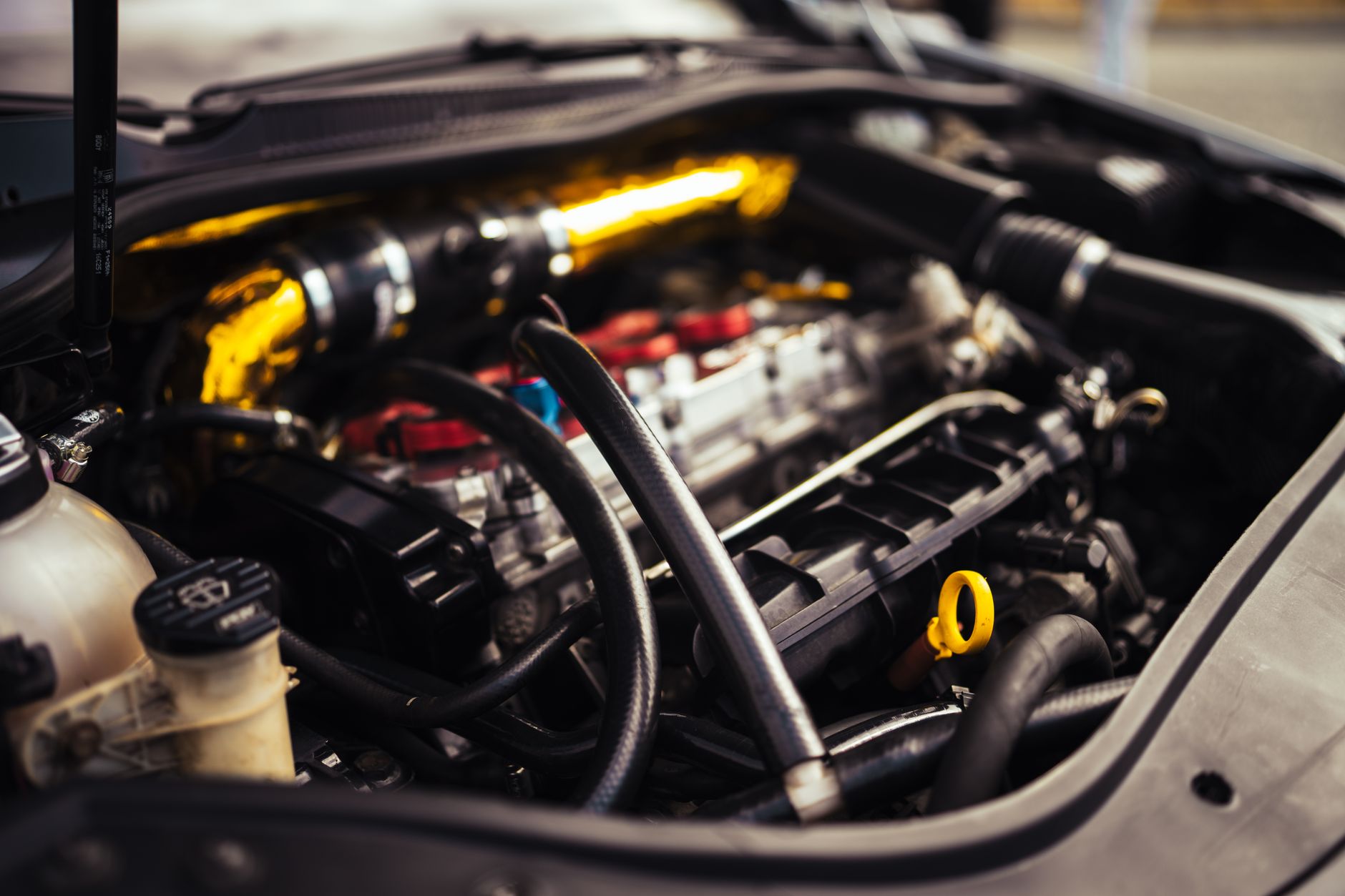
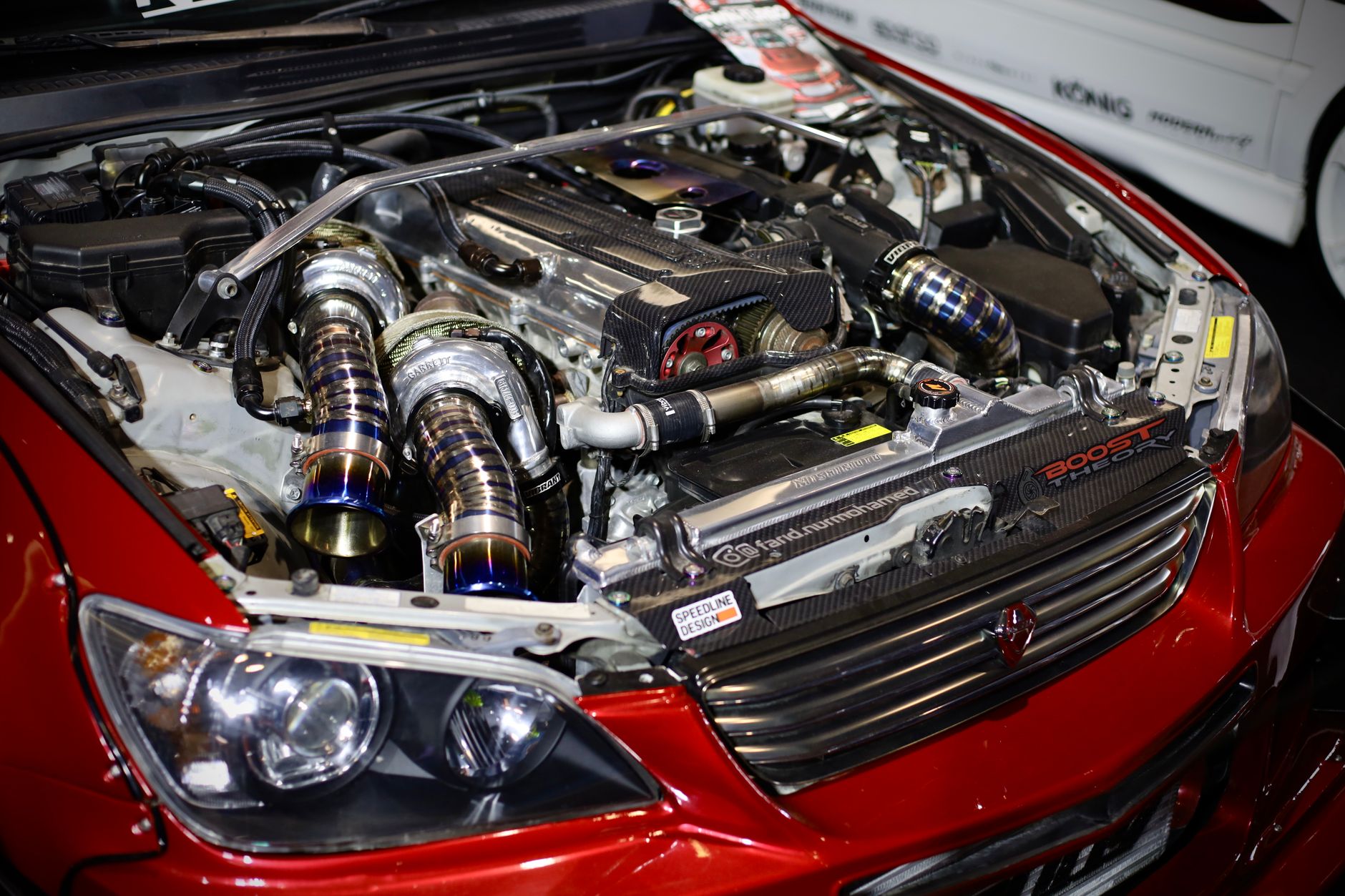
    Turbocharged engine bay detail of an affordable performance car showing mechanical components
    Turbocharged engine bay detail of an affordable performance car showing mechanical components

    The Used Market: Where the Real Steals Live

    5. Honda Civic Type R (FK8)

    The FK8 generation Civic Type R was divisive when new due to its looks, but driving it was never in question. With 316bhp through the front wheels, it remains one of the most analytically perfect hot hatches ever made. Depreciation has done its thing, and used examples now represent spectacular money. If you’re buying one, check service history and inspect for the usual front-end wear items.

    6. Subaru BRZ / Toyota GR86 (First Gen)

    The original 86 platform cars have settled into a sweet spot in the used market. They’re rear-wheel drive, naturally aspirated, and built around balance rather than brute force. Purists love them precisely because you have to work the engine. Lightweight, sharp-steering, and available in genuinely tidy condition at accessible money. A proper driver’s car with zero pretension.

    7. Volkswagen Golf GTI (Mk7.5)

    The Mk7.5 GTI sits in a rare category: a truly complete car. Comfortable enough for daily duty, fast enough to embarrass much pricier machinery when the road opens up. The 2.0 TSI engine is bulletproof with proper servicing, and the aftermarket support is enormous. If you want a jack-of-all-trades that masters most of them, this is your car.

    8. Mazda MX-5 (ND Generation)

    No affordable performance car list is complete without the ND MX-5. At under £20,000 for clean used examples, you’re buying one of the most genuinely joyful driving experiences available at any price. The 2.0-litre version with 184bhp in a sub-1,000kg body is deeply rewarding. Track day regulars know this. If you’re the type who also invests in proper motorsport helmets and takes your driving seriously, the MX-5 on circuit is an education.

    9. BMW 1 Series M135i (F40)

    Controversial in the BMW world because it went front-wheel drive biased with xDrive, but as an affordable performance cars pick it makes enormous sense. Over 300bhp, four-wheel drive traction, and genuine BMW chassis quality for used prices that have become very compelling. It’s not the purist choice but it is the fast, all-weather, all-conditions choice.

    10. Seat Leon Cupra R (5F Generation)

    The Cupra R version of the 5F Leon is criminally overlooked. Limited numbers were made, the 310bhp 2.0 TSI is potent, and the performance pack suspension and brembo brakes make it genuinely capable on circuit. Because it lacks the badge cachet of its German cousins, prices remain accessible while the hardware absolutely is not budget-spec. Proper sleeper energy.

    Which Affordable Performance Car Is Right For You?

    The decision usually comes down to how you plan to use the car. Daily driver with occasional blasts? The Golf GTI or Puma ST are sensible. Weekend toy and occasional track day machine? MX-5 or GR Yaris. Want to look completely inconspicuous while having the goods underneath? The Leon Cupra R is your answer. Check out the community and listings over at Maxxd Directory if you’re researching specific models or looking for specialists who know these platforms inside out.

    The real truth about affordable performance cars in 2026 is that the manufacturers have done the heavy lifting. Engineering that was reserved for six-figure machines a decade ago now trickles down into cars real people can actually afford to own, insure, and run. Pick your poison, learn the platform, and drive it properly. That’s what it’s all about.

    Frequently Asked Questions

    What is the best affordable performance car to buy in 2026?

    It depends on your priorities, but the GR Yaris and Honda Civic Type R FK8 are consistently rated as the best all-round affordable performance cars on the used market. Both offer engineering usually reserved for far more expensive machinery. The GR Yaris in particular delivers rally-derived AWD and a stunning chassis for genuinely accessible money.

    Are affordable performance cars expensive to insure and run?

    Running costs vary significantly by model. Cars like the Mazda MX-5 and Seat Leon Cupra tend to have lower insurance groups than turbocharged hatchbacks with high power outputs. Parts availability is excellent for mainstream platforms like the Golf GTI and Civic Type R, which keeps servicing costs manageable. Always get an insurance quote before committing to a purchase.

    Is a used hot hatch better value than a new one?

    In most cases, yes. Hot hatches depreciate sharply in their first few years, meaning a two to three year old example can represent far better value per bhp than a brand-new car. Models like the FK8 Civic Type R and GR Yaris have held value better than average, but used prices are still notably lower than new retail. Always check service history and known platform-specific issues.

    Can you track a budget performance car without spending a fortune?

    Absolutely. The Mazda MX-5 and Toyota GR86 are popular track day choices precisely because their mechanical simplicity and balanced chassis keep costs low. Budget for consumables like tyres and brake pads, invest in proper safety gear including a certified helmet, and you can have a genuinely competitive track day car for well under £25,000 all-in.

    What should I check when buying an affordable used performance car?

    Full service history is non-negotiable, especially for turbocharged engines. Check for signs of hard track use such as worn suspension bushes, heavily used brake components, and uneven tyre wear. For specific platforms like the Golf GTI, check for DSG service stamps. A pre-purchase inspection from a marque specialist is well worth the fee on any car above £15,000.

  • How to Read a Car’s Data Logger: A Beginner’s Guide to OBD-II and Beyond

    How to Read a Car’s Data Logger: A Beginner’s Guide to OBD-II and Beyond

    Every modern car is essentially a computer on wheels, constantly generating data about fuelling, ignition timing, boost pressure, throttle response, and a whole lot more. Knowing how to use an OBD-II data logger properly gives you a direct line into that conversation, and once you’ve done it once, you’ll wonder how you ever worked on a car without it.

    Whether you’re chasing a persistent fault light, trying to squeeze more power from a mapped engine, or just want to understand what your motor is actually doing under load, OBD-II logging is the tool that separates the guessers from the ones who actually know. Here’s how to get stuck in.

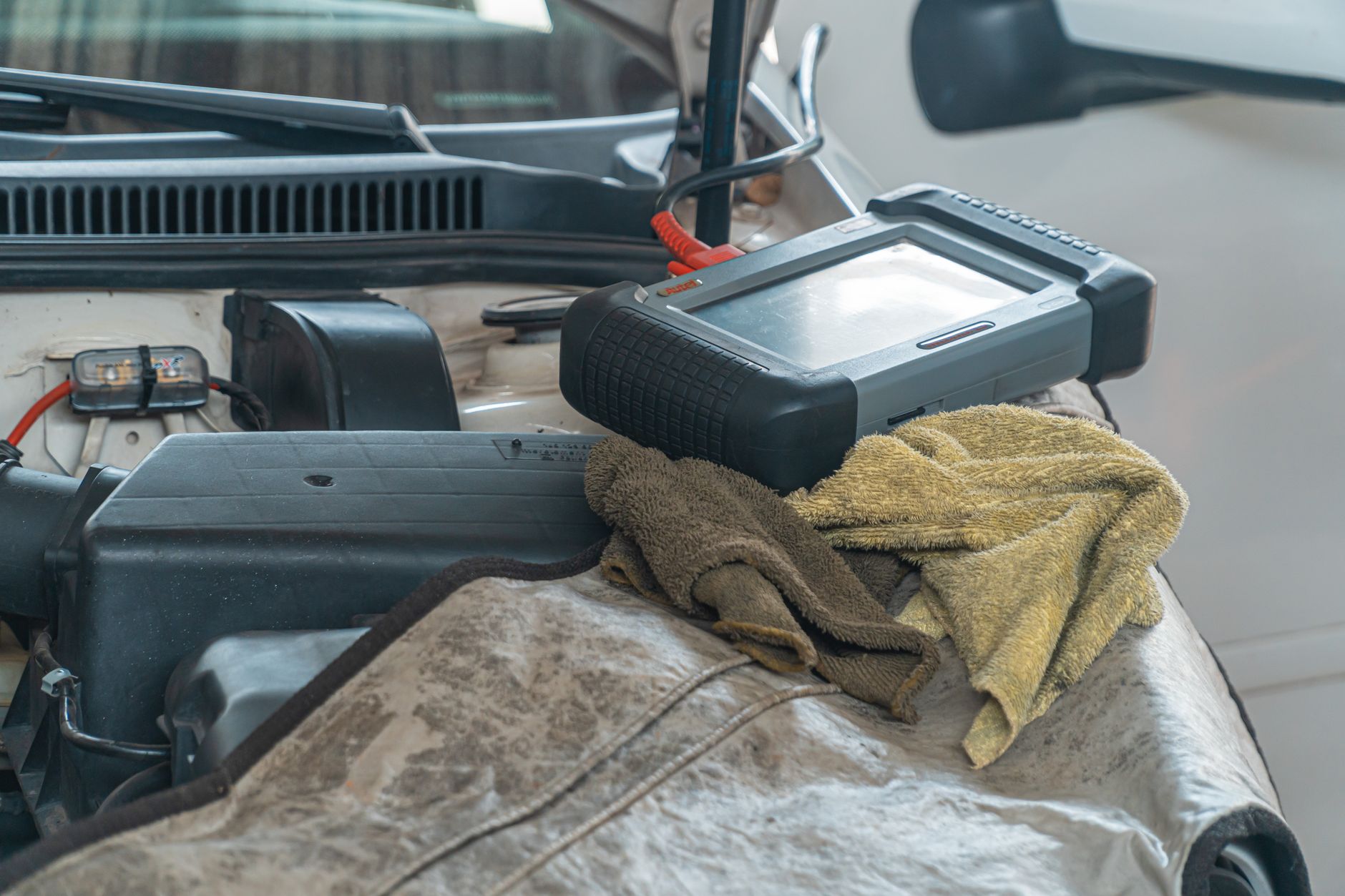
    OBD-II data logger plugged into a modified car in a workshop environment
    OBD-II data logger plugged into a modified car in a workshop environment

    What is an OBD-II Data Logger and How Does It Work?

    OBD-II (On-Board Diagnostics, second generation) is a standardised protocol fitted to all petrol cars sold in the UK from 1996 and diesels from 2004. It gives external devices access to the ECU’s live data stream via a 16-pin port, usually found under the dashboard on the driver’s side. A data logger plugs into this port and records parameters, known as PIDs (Parameter IDs), in real time. These can include coolant temperature, MAF readings, fuel trims, RPM, and vehicle speed among dozens of others depending on the car.

    Budget Bluetooth dongles like the ELM327 clone variants pair with a smartphone app and give you read/clear fault codes plus basic live data. Step up to dedicated hardware like the OBDLink MX+, Veepeak OBDCheck, or Alientech K-TAG interface tools, and you’re into proper multi-channel logging territory with far more reliable polling rates. For serious tuning and data analysis, standalone loggers like the AiM Solo 2 DL or a Haltech logging module bypass OBD-II entirely and tap directly into the ECU, giving you millisecond-level resolution that phone apps simply can’t match.

    Choosing the Right Hardware for How to Use an OBD-II Data Logger

    The hardware you need depends entirely on what you’re trying to achieve. For fault diagnosis on a daily driver, a reliable Bluetooth or Wi-Fi OBD-II adapter paired with an app like Torque Pro, OBD Fusion, or Car Scanner ELM OBD2 is perfectly adequate. These apps let you customise dashboards, log data to CSV, and read both generic and manufacturer-specific codes on most mainstream platforms.

    If you’re running a modified or older Toyota 4×4, a Land Cruiser, Hilux, or Prado for example, the picture gets more interesting. Some older ECUs use slightly non-standard implementations of OBD-II, and a cheap ELM327 clone can give inconsistent reads or miss PIDs entirely. Specialist parts operations like NSUKSpares.com, which supplies Toyota 4×4 spare parts, often highlight this when customers are trying to track down intermittent faults on high-mileage off-roaders: the right scanner makes all the difference.

    Close-up of how to use an OBD-II data logger with a smartphone diagnostic app
    Close-up of how to use an OBD-II data logger with a smartphone diagnostic app

    Setting Up Your First Data Logging Session

    Before you even turn the key, decide what you want to measure. Logging every available PID simultaneously sounds thorough, but it actually degrades the polling rate and makes your data muddy. A focused log of six to eight PIDs is far more useful than a wall of noise. For a general health check, start with: engine RPM, coolant temperature, intake air temperature, throttle position, short-term and long-term fuel trims, and MAF sensor reading.

    Connect your adapter with the ignition off, then start the engine and let it reach operating temperature before beginning your log. If you’re testing performance, you want a warm engine making consistent numbers. Drive a repeatable route, including a full-throttle pull in second or third gear if safe and legal to do so, then return to base and pull the log file. Most apps export to CSV which you can then open in Excel or dedicated analysis software like MegaLogViewer HD.

    Reading the Data: What to Look For

    Raw numbers mean nothing without context, so here’s what actually matters. Fuel trims are your first port of call: short-term fuel trim (STFT) fluctuates constantly as the ECU corrects the mixture in real time. Long-term fuel trim (LTFT) shows learned corrections. If LTFT is sitting above plus ten percent consistently, the engine is running lean and something is wrong, whether that’s a vacuum leak, a weak fuel pump, or a dirty MAF. Below minus ten percent suggests it’s running rich.

    Knock retard is another critical channel. Any value above zero means the ECU has detected detonation and pulled timing to protect the engine. On a boosted car, persistent knock retard during full-throttle runs is a serious flag that needs investigating before you push things further. Compare your boost pressure log against your fuelling data and you’ll quickly see where the tune is under stress.

    For 4×4 and off-road builds, particularly older Toyota platforms where mechanical wear tends to accumulate in less obvious ways, correlating sensor data with physical inspection is key. NSUKSpares.com, which stocks Toyota 4×4 spare parts, frequently sees customers arrive with logs showing lean fuel trims or erratic coolant readings that trace back to worn injectors or a failing thermostat. The data pointed them toward the right part, not guesswork.

    Beyond OBD-II: Advanced Logging Options for Tuned Cars

    Once you’ve outgrown the standard OBD-II port, the next level is direct ECU communication via the manufacturer’s own diagnostic protocol. Tools like ECUTEK, COBB Accessport, or Alientech’s KESS3 allow you to not only log but also read and write maps. This is the domain of standalone tuning, where you’re pulling ignition timing tables, fuel maps, and boost control targets directly. The logging resolution here is completely different from what an ELM327 can offer and gives you the granularity needed for serious dyno work.

    For track-day focused builds, dedicated GPS-enabled loggers like the AiM Solo 2 DL overlay performance data onto lap telemetry, showing exactly where braking is too late or where a gear change is costing lap time. Combined with OBD-II channels via a Y-cable setup, you get a complete picture of both driver input and mechanical response.

    Getting the Most from Your OBD-II Logs

    Data logging is only as good as your ability to interpret what you’ve captured. Build a baseline log when the car is running well, and keep it saved. Every subsequent log becomes a comparison against that baseline, which makes spotting developing faults much easier than trying to remember what normal looked like six months ago. Many car nerds maintain a logbook of sessions the same way a track driver reviews lap data, treating each session as a source of genuine mechanical intelligence rather than just a fault-finding exercise.

    Understanding how to use an OBD-II data logger properly is one of those skills that pays back every penny it costs in the first session. From daily diagnosis to full race preparation, the data your car is already generating is there for the taking. You just need to know how to read it.

    Frequently Asked Questions

    What OBD-II scanner app is best for beginners in the UK?

    For most beginners, Car Scanner ELM OBD2 or Torque Pro paired with an OBDLink MX+ adapter is the most reliable combination. Both apps are available on Android and iOS, support custom PID dashboards, and allow data logging to CSV for later analysis. Avoid cheap no-name ELM327 clones, as they often have unreliable polling rates and can give inaccurate readings.

    Where is the OBD-II port on my car?

    On the vast majority of cars, the OBD-II port is a 16-pin trapezoidal connector located under the dashboard on the driver’s side, usually within arm’s reach of the steering column. Some manufacturers tuck it behind a small panel or inside the centre console, but it must be accessible without tools by regulation. Check your owner’s manual if you can’t locate it quickly.

    Can OBD-II data logging help with tuning a modified car?

    Absolutely. Live data logging is essential for any modified engine build. Monitoring channels like fuel trims, knock retard, boost pressure, and ignition timing advance lets you verify that the tune is running safely under real-world conditions. For serious tuning work, dedicated ECU software tools offer higher resolution logging than standard OBD-II apps and allow direct map editing.

    Does using an OBD-II logger drain my car's battery?

    A quality OBD-II adapter draws very little current, typically under 50mA, which is negligible during a normal drive. However, leaving a Bluetooth or Wi-Fi adapter plugged in when the car is parked for extended periods can slowly drain the battery, particularly on older vehicles with less efficient sleep modes. It’s good practice to unplug the adapter when the car is off for long periods.

    What does a high long-term fuel trim reading mean?

    A long-term fuel trim (LTFT) reading consistently above plus ten percent means the ECU is adding fuel to compensate for a lean condition it has detected over time. Common causes include a vacuum leak, a faulty or dirty mass airflow sensor, weak fuel injectors, or a failing fuel pressure regulator. Correlate the LTFT reading with other channels like MAF voltage and injector pulse width to narrow down the source.