Category: Car Styling

  • Toyota GR86 vs Mazda MX-5: Which Pure Sports Car Wins in 2026?

    Toyota GR86 vs Mazda MX-5: Which Pure Sports Car Wins in 2026?

    Right. Two cars. Both built with one job in mind: making the driver feel alive. In a market drowning in crossovers, turbocharged hatches, and EVs trying very hard to convince you they have a soul, the Toyota GR86 and the Mazda MX-5 stand apart as genuine believers. The GR86 vs MX-5 Miata 2026 debate has been rumbling around forums, track day car parks, and late-night garage sessions for a while now, and honestly, it’s one of the few head-to-heads that actually matters. So let’s settle it properly.
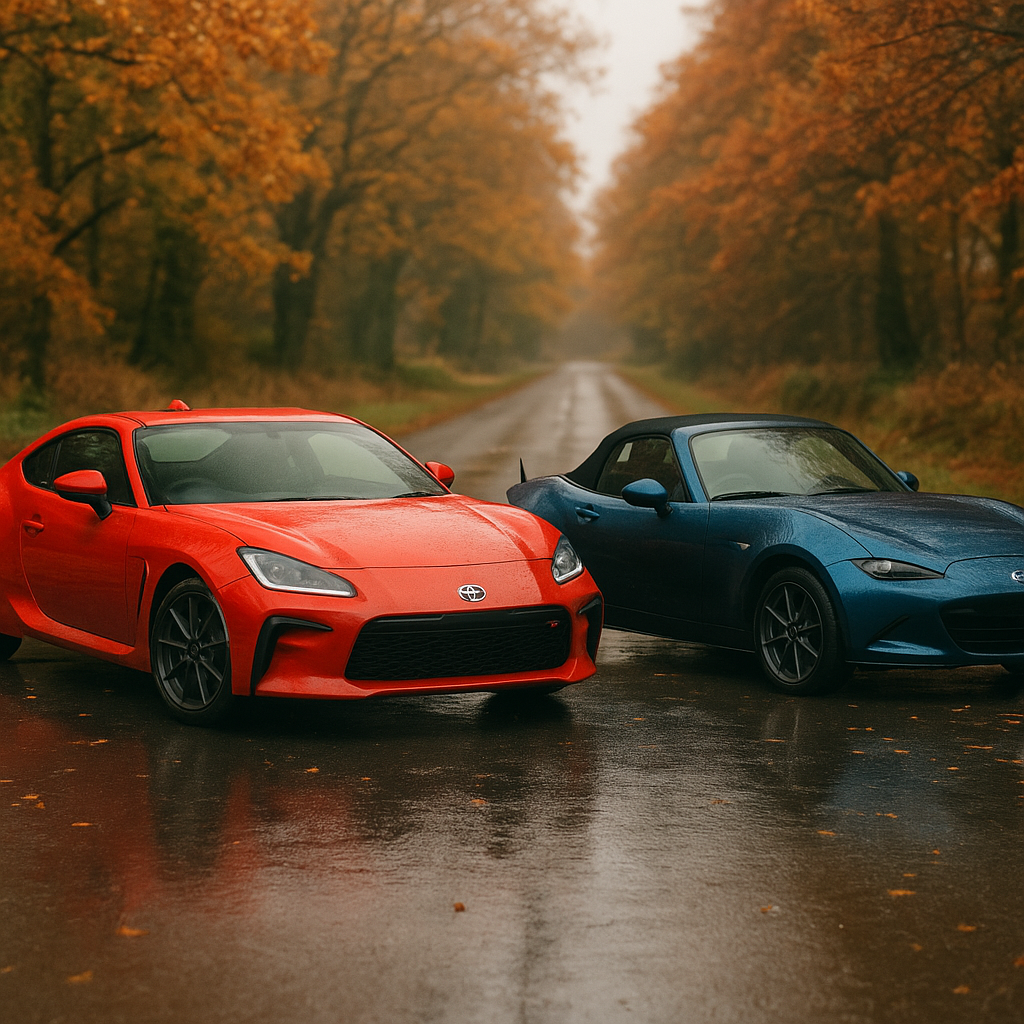
    Toyota GR86 and Mazda MX-5 side by side on a British country road — GR86 vs MX-5 Miata 2026 comparison
    Toyota GR86 and Mazda MX-5 side by side on a British country road — GR86 vs MX-5 Miata 2026 comparison

    What Are We Actually Comparing Here?

    The GR86 is a front-engined, rear-wheel-drive coupe with a 2.4-litre naturally aspirated flat-four producing around 234 bhp. It seats four, technically, though anyone sitting in the back will need to think carefully about their relationship with their knees. The MX-5 — in its RF or Roadster form — runs a 1.5-litre or 2.0-litre naturally aspirated four-cylinder, making between 132 and 184 bhp depending on spec. Two seats. A fabric or retractable hardtop. And a reputation that stretches back to 1989. These aren’t similar cars in spec. They’re similar in philosophy, which is a much more interesting comparison.

    Handling: The Part That Actually Matters

    Both cars are rear-wheel drive and both are deliberately kept light. The GR86 tips the scales at around 1,270 kg. The MX-5 Roadster is closer to 1,000 kg in its lightest form, which is almost comical by modern standards. That weight difference is everything. The MX-5 rotates with a kind of instant, eager responsiveness that’s genuinely hard to replicate at any price. Flick it into a corner and it obeys immediately, not aggressively, but with this fluid, playful balance that makes you want to push harder every lap.

    The GR86 is more planted. Its wider track, stiffer chassis, and extra power mean it rewards a different style of driving. You can trail-brake into a corner, get the rear stepping, and manage the slide with more precision because you’ve got more car to work with. On track, the GR86 is quicker. Around the Silverstone National circuit, experienced drivers are lapping the GR86 a few seconds faster than an equivalent MX-5. But on a tight, technical B-road? The MX-5 can be faster and is almost certainly more entertaining. It’s a proper dance partner.

    Daily Usability: Can You Actually Live With These?

    This one’s more nuanced than people give it credit for. The GR86 wins clearly on practicality. Boot space runs to about 237 litres, there’s a back seat for short trips, and the driving position is relaxed enough that motorway miles don’t destroy you. Daily driving a GR86 in the UK is entirely doable. The ride is firm but not punishing, the cabin noise is acceptable, and you can fit a weekend bag and a passenger without negotiating.

    The MX-5 in Roadster form has a 130-litre boot. You’ll need to pack light for any trip longer than a night. Visibility with the hood up is cosy rather than spacious, and overtaking on dual carriageways requires a bit more commitment when you’re working with 132 bhp from the 1.5. That said, the RF version partly fixes the practicality gripes whilst keeping the open-air experience largely intact. If you’re commuting in the south of England where traffic keeps average speeds low, the MX-5 can feel absolutely fine. If you’re covering 60 miles a day on A-roads and motorways, the GR86 is the better daily.
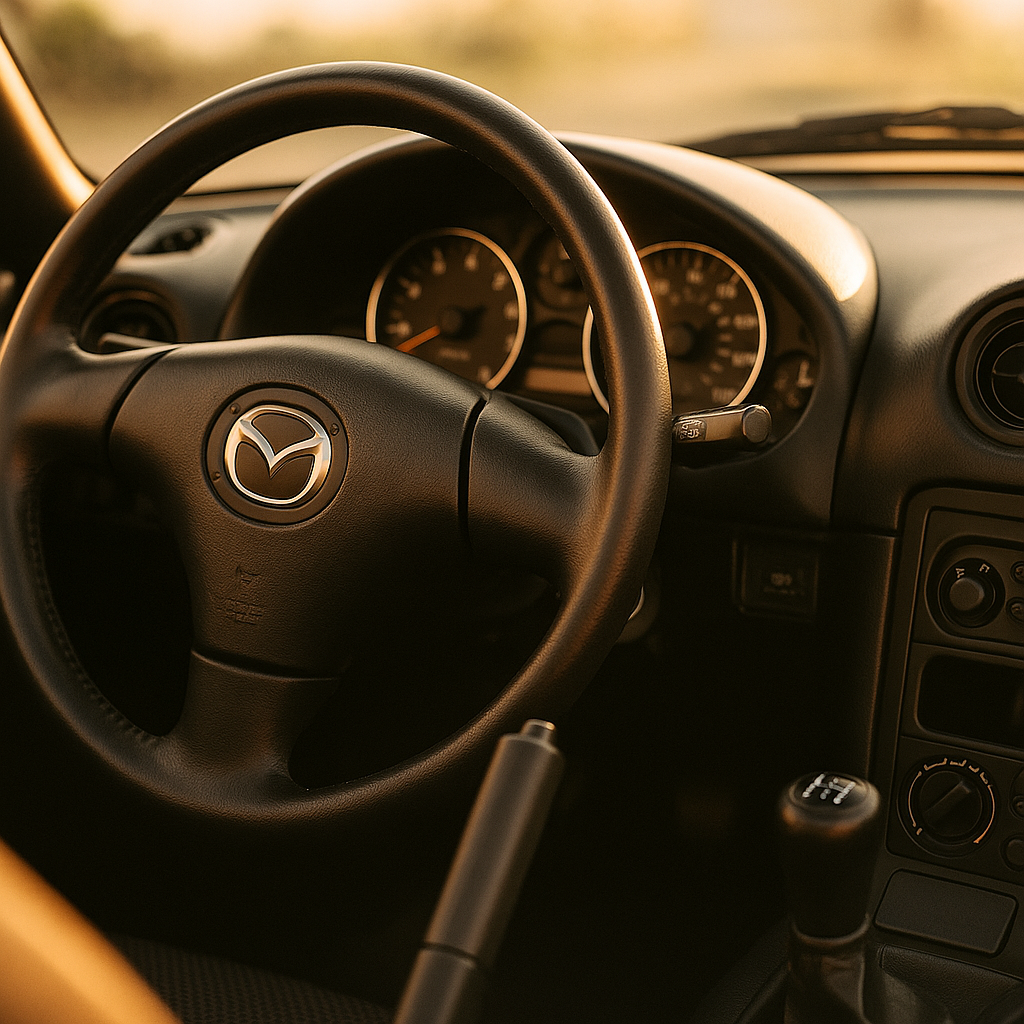
    Mazda MX-5 interior close-up showing driver-focused cockpit relevant to GR86 vs MX-5 Miata 2026 comparison
    Mazda MX-5 interior close-up showing driver-focused cockpit relevant to GR86 vs MX-5 Miata 2026 comparison

    Modification Potential: Which One Builds Better?

    This is where things get serious. Both cars have healthy scenes, but they’re different in character. The GR86 shares architecture with the Subaru BRZ, and the combined platform has spawned an enormous aftermarket. You can run Cusco coilovers, a full TRD aero kit, a Radium catch can setup, and eventually an engine swap if you’re that way inclined. The FA24 engine in the current GR86 doesn’t respond brilliantly to basic bolt-ons alone, but with a supercharger kit (Edelbrock or Harrop are popular choices), you can push north of 300 bhp reliably. The UK scene for GR86 and BRZ builds is active. Events like Japfest at Donington regularly feature some stunning examples.

    The MX-5 scene is different. It’s older, deeper, and arguably more creative. The ND platform (current generation) supports everything from mild suspension upgrades to full roll cage, hardtop, and track-only conversions. There’s a thriving one-make racing series, the Motorsport UK-affiliated Mazda MX-5 SuperCup, that keeps the aftermarket sharp and the knowledge base constantly growing. Turbocharged MX-5 builds exist and can make big numbers, though the gearbox and axles start complaining around 250 bhp if you’re not careful. For most builders, the MX-5 sweet spot is a well-sorted, naturally aspirated machine with aero, coilovers, and a limited-slip differential. And that car, done right, is a weapon.

    If you want to explore what other enthusiasts are building or find suppliers for your own project, Maxx Directory is worth a browse for UK-based performance parts contacts and specialist services across both platforms.

    GR86 vs MX-5 Miata 2026: Which Offers Better Value?

    New, the GR86 sits at around £33,000 to £35,000 in the UK depending on spec. The MX-5 starts at about £25,000 for a 1.5-litre Sport and climbs to around £33,000 for a fully-specced RF Sport Tech. So they overlap at the top of the MX-5 range, but the entry point is meaningfully different. Used, the GR86 holds its value better at the moment, partly because supply is tight and the car is genuinely desirable. An MX-5 depreciates faster off the forecourt, which makes the used market excellent value for buyers.

    Running costs? Both are frugal by sports car standards. The GR86 returns around 32 to 35 MPG on a sensible run. The MX-5 1.5 can edge past 40 MPG if you’re not trying hard. Insurance groupings sit in the mid-30s for both, which is manageable for anyone with a few years of no-claims. Neither requires exotic servicing, though main dealer labour isn’t cheap for either brand. Independent specialists exist for both, and that community knowledge is part of what makes owning these cars genuinely good fun rather than just financially terrifying.

    So Which One Should You Buy?

    Here’s my honest take: if you want a car that’s sharper on track, better as a daily, and has more power to grow into, the GR86 is the answer. It’s the more complete sports car in 2026. But if you want the purer driving experience, the car that makes every road feel like a back-road stage in a Welsh rally, the one that strips everything back and makes 184 bhp feel like plenty, the MX-5 wins. It’s not the fastest. It’s not the most practical. But it might be the best sports car in the world for the money, and that’s a sentence I’ll stand behind.

    The GR86 vs MX-5 Miata 2026 debate doesn’t have one right answer. It has two right answers depending on who you are. And that’s exactly why both of these cars deserve to exist, to thrive, and to be driven with the windows down and the traction control switched off.

    Frequently Asked Questions

    Is the GR86 faster than the MX-5 on a track day?

    Yes, generally. The GR86’s extra power and wider chassis give it a lap time advantage on most circuits. However, the MX-5’s lighter weight and instinctive handling make it feel faster in many real-world road situations, particularly on tight, technical routes.

    Can you use a Mazda MX-5 or Toyota GR86 as a daily driver in the UK?

    Both can be used daily, but the GR86 is the more practical choice with its four seats and larger 237-litre boot. The MX-5’s 130-litre boot and two-seat layout make it trickier for everyday use, though many owners manage perfectly well with careful packing.

    Which is cheaper to modify, the GR86 or the MX-5?

    The MX-5 has a longer aftermarket history and a wider range of affordable parts, making entry-level builds cheaper. The GR86 has a strong aftermarket too, but forced induction kits that meaningfully raise power are a significant investment. Both reward sensible, staged builds.

    How do the GR86 and MX-5 compare for insurance costs in the UK?

    Both sit in insurance groups in the mid-30s, which is reasonable for dedicated sports cars. Exact premiums depend on your age, postcode, and no-claims history, but neither is prohibitively expensive to insure for experienced drivers.

    Which holds its value better, the GR86 or the MX-5?

    Currently, the GR86 retains value more strongly due to limited supply and strong demand. Used MX-5s depreciate faster off new, which makes them excellent value on the second-hand market for buyers looking for an affordable entry into rear-wheel-drive sports car ownership.
  • New Cars With Manual Transmission in 2026: Why the Stick Shift Is Back

    New Cars With Manual Transmission in 2026: Why the Stick Shift Is Back

    Something strange is happening in the car industry. After years of automakers quietly retiring the third pedal in favour of slick dual-clutch units and smooth torque-converter automatics, the manual gearbox is fighting back. Porsche reintroduced a manual option to the 911 GT3. Toyota brought a proper six-speed to the GR86 and refused to apologise for it. And buyers are responding. Search interest in new cars with manual transmission in 2026 is at its highest point in half a decade, and showroom conversations are following. This is not nostalgia for its own sake. There is something deeper going on.

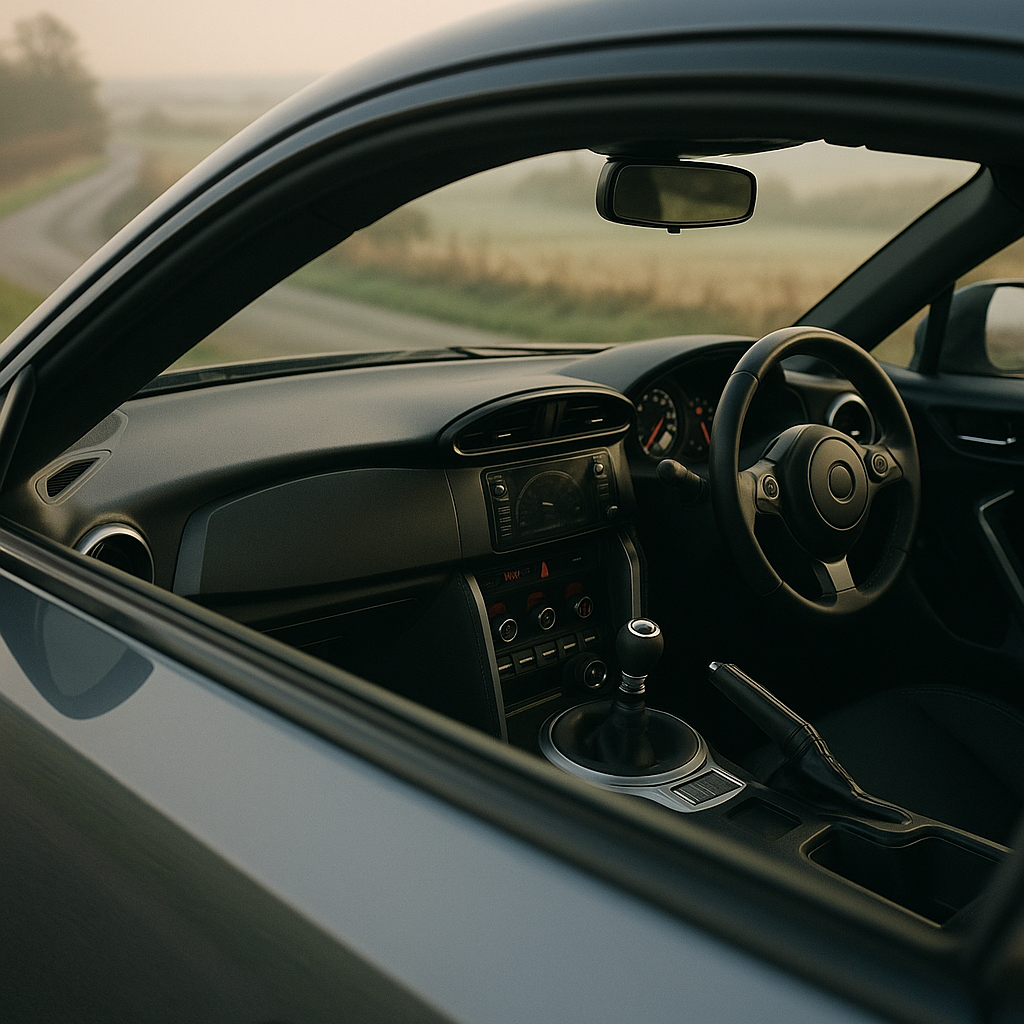
    Driver's hand on manual gear lever in a new car with manual transmission 2026 on a British country road
    Driver's hand on manual gear lever in a new car with manual transmission 2026 on a British country road

    Why Are Drivers Suddenly Wanting a Manual Again?

    Let’s be honest: a well-sorted modern automatic is faster than a manual. It always was, really, once dual-clutch gearboxes came of age. A PDK-equipped 911 will demolish the same car with a six-speed stick on any objective performance metric. So why does the manual feel better? Because driving fast is not purely about lap times. It is about feel, feedback, involvement. When you blip the throttle on a downshift and nail the heel-and-toe, you are not just operating a machine. You are conducting it.

    There is also the broader context. Electrification has made plenty of fast cars feel sanitised. Instant torque is genuinely brilliant in many situations, but after a while some drivers miss the mechanical texture of a car that requires input. The manual gearbox, in a strange bit of market irony, has become the anti-EV statement purchase. You are not buying a manual because it is the most efficient choice. You are buying one because you have made a deliberate decision about what driving means to you.

    What the Data Actually Shows

    According to data published by the Society of Motor Manufacturers and Traders (SMMT), manual transmissions still accounted for a meaningful share of new car registrations in the UK through 2025, particularly among performance and sports car buyers. The UK has historically held onto the manual longer than most other markets, partly because of how we learn to drive (our driving test is conducted in a manual by default), and partly because our love of hatchbacks with a bit of shove runs deep. You can check the SMMT’s car registration data to see how body styles and transmission types are trending across the industry.

    That cultural muscle memory matters. A generation of drivers in the UK learned to feel a bite point, to sense wheelspin through their right leg, and to understand a car’s character through its gearchange. Those drivers are not giving that up without a reason.

    New Cars With Manual Transmission in 2026: The Full List

    Right, here is what you actually came for. The following are new cars you can walk into a dealership and buy in 2026 with a proper manual gearbox. The list is shorter than it was five years ago, but it is more curated. The cars that kept the stick shift are, broadly, the cars worth caring about.

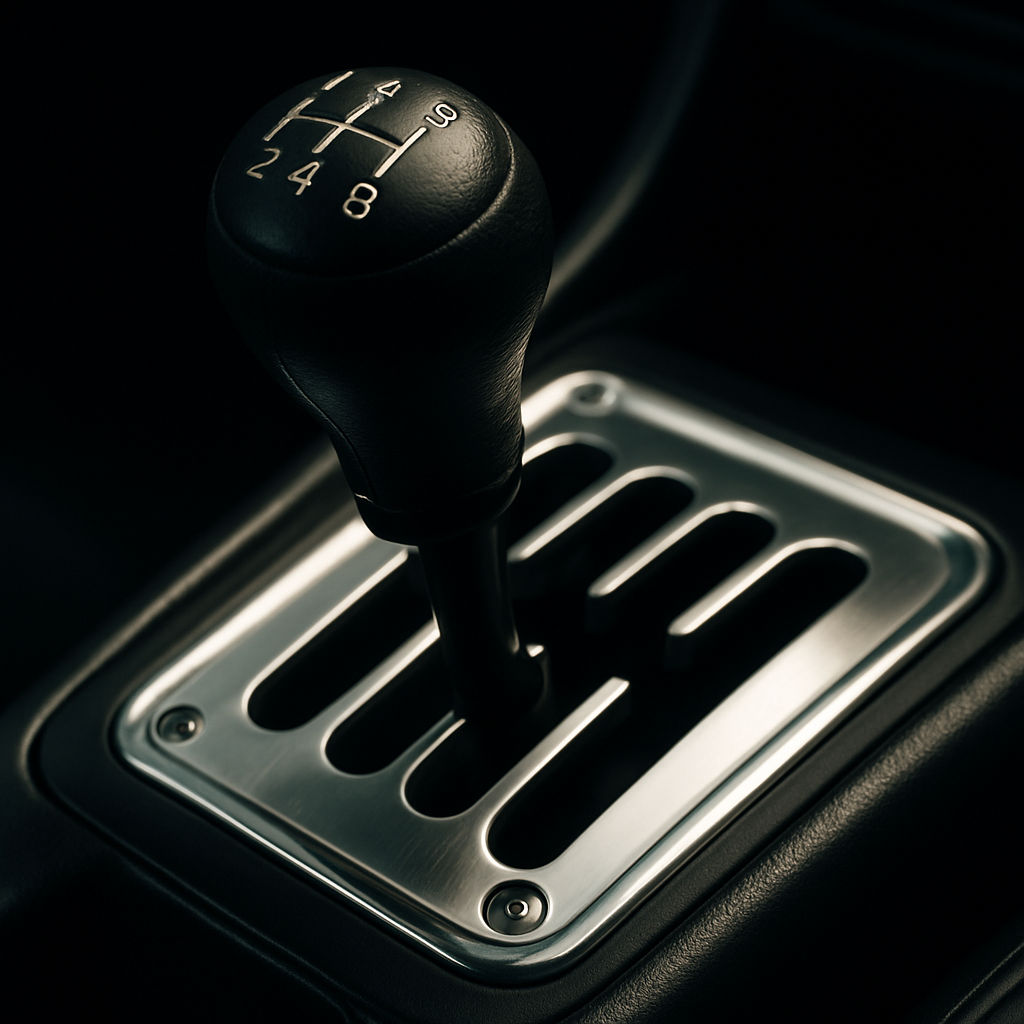
    Six-speed manual gearbox close-up in one of the best new cars with manual transmission in 2026
    Six-speed manual gearbox close-up in one of the best new cars with manual transmission in 2026

    Performance and Sports Cars

    • Porsche 911 (992.2 Carrera / GT3) — The GT3 with a six-speed manual remains one of the finest driving experiences on sale. Full stop. The Carrera range also offers a manual option if you spec it right.
    • Toyota GR86 — Six-speed manual, naturally aspirated 2.4-litre flat-four, rear-wheel drive. This car exists specifically for people who know what they want.
    • Toyota GR Corolla — The hot hatch the segment needed. Three-cylinder turbo, all-wheel drive, manual only. Toyota refused to offer an auto, which tells you everything.
    • Mazda MX-5 (ND) — Still the benchmark for lightweight sports cars in this price bracket. The six-speed unit in the MX-5 is genuinely one of the best gearchanges in the industry. Short throw, precise gates, satisfying click on every shift.
    • Honda Civic Type R — Six-speed manual, front-wheel drive, and an LSD. The FK8 and FL5 generations kept the manual because the Type R without one would have caused a riot among the fanbase.
    • BMW M2 — Available with a six-speed manual, and the enthusiast community largely agrees it is the preferred choice over the automatic in this application.
    • BMW M3 / M4 — Manual still on the options list for the standard M3 and M4. Rear-wheel drive, six-speed, and a 3.0-litre twin-turbo straight-six. One of the last manual options in the executive performance segment.
    • Alpine A110 — Technically automatic only at time of writing, though Alpine has teased a manual variant for the refreshed model. Worth watching.
    • Subaru BRZ — The twin brother of the GR86, with the same six-speed manual powertrain. Equally brilliant.

    Hot Hatches and Performance Everyday Cars

    • Volkswagen Golf GTI / Golf R — The Golf R is automatic only now, but the GTI still offers a six-speed manual. The GTI with a manual is the version most enthusiasts will tell you to buy.
    • MINI John Cooper Works (Hatch) — Manual still available. The three-door JCW with a stick is a proper little weapon around town and on back roads.
    • Hyundai i20 N / i30 N — Hyundai’s N division has been outstanding in keeping the manual alive. The i30 N in particular offers a rev-matching manual that is deeply satisfying to use.
    • Ford Puma ST / Fiesta ST (used stock) — The Fiesta ST is gone from production but used examples are plentiful, and the Puma ST continues with a manual option.
    • Renault Clio RS Line — Not full-fat hot hatch but still available with a manual in specific trims.

    Everyday Cars That Kept the Faith

    • Toyota Yaris / GR Yaris — The GR Yaris is manual only, which is the correct answer. The standard Yaris hybrid continues with a CVT, but Toyota knows which version of the car matters to the community.
    • Dacia Sandero / Duster — Plenty of manual options across the range. Value-end of the market has kept the manual simply because it is cheaper to produce.
    • Suzuki Swift Sport — Six-speed manual, mild hybrid, and a punchy little 1.4 turbo. Lightweight and rear-biased weight distribution for a front-wheel drive car. Overlooked and brilliant.

    Is the Manual Making a Genuine Comeback or Just Holding On?

    Honest answer: it depends on the segment. In the hot hatch and sports car space, the manual is absolutely making a comeback. Manufacturers who dropped it are facing genuine pressure from vocal buyers and press to bring it back. Ford confirmed enthusiast demand was a factor in keeping manual options alive longer than their own planning suggested. In the mainstream family car segment, though, the manual is fading. The Vauxhall Astra still offers one, but most buyers in that class have moved on.

    If you are a proper car person and you want to experience the best the manual has to offer right now, the GR86, the MX-5, the Civic Type R, and the 911 GT3 represent four very different price points and four genuinely brilliant ways to engage with a car. If you want to explore those options further and compare community recommendations and specs, Maxx Directory is worth a look for UK-focused car resources and community listings.

    The stick shift is not dying. It is refining. The cars that kept it are, almost without exception, the ones worth driving.

    Frequently Asked Questions

    Which new cars still come with a manual gearbox in 2026?

    Key options include the Mazda MX-5, Toyota GR86, Honda Civic Type R, BMW M2, Volkswagen Golf GTI, Hyundai i30 N, and Porsche 911 GT3. The list is shorter than it was a decade ago, but the cars that kept the manual are generally the enthusiast picks in their respective segments.

    Why are automakers bringing back the manual gearbox?

    Enthusiast demand and changing cultural attitudes towards driving involvement are driving the shift. As EVs dominate everyday transport, performance and sports car buyers increasingly want a tactile, engaging driving experience that only a manual can fully deliver. Automakers are responding to vocal communities and strong residual values on manual variants.

    Is a manual car faster than an automatic in 2026?

    No. Modern dual-clutch automatics shift faster than any human can and are consistently quicker over a timed lap. However, many drivers prefer the manual for the sense of involvement and skill it requires, particularly in road driving where outright pace is less relevant than connection with the car.

    Does passing your UK driving test in an automatic mean you can't drive a manual?

    Correct. If you pass your UK driving test in an automatic vehicle, your licence only covers you for automatic cars. To drive a manual legally, you would need to retake the test in a manual transmission vehicle. Passing in a manual, however, covers you for both.

    Are manual cars cheaper to buy and run in the UK?

    In some cases, yes. Manual variants of the same model are often slightly cheaper at point of sale, and historically have lower servicing costs due to simpler transmission components. However, many modern performance cars charge a premium for a manual option, particularly where it requires bespoke engineering.

  • Track Day Prep: How to Get Your Street Car Ready for a Lap Day on a Realistic Budget

    Track Day Prep: How to Get Your Street Car Ready for a Lap Day on a Realistic Budget

    There is a moment every car enthusiast hits when watching a proper lap on YouTube stops being enough. You want to do it yourself. You want your own car on circuit, your own braking points, your own sweat on the steering wheel. The good news is that track day preparation for a street car does not require a six-figure motorsport budget or a full stripout. With some methodical planning and the right priorities, a stock or lightly modified road car can do a perfectly decent lap day without embarrassing you or itself.

    This is not a guide for seasoned club racers. It is for the car enthusiast who owns a Golf GTI, a Mazda MX-5, a Focus ST, or something similarly sensible, and wants to turn up at Donington, Brands Hatch, or Anglesey and have a safe, brilliant day. Let us walk through it properly.

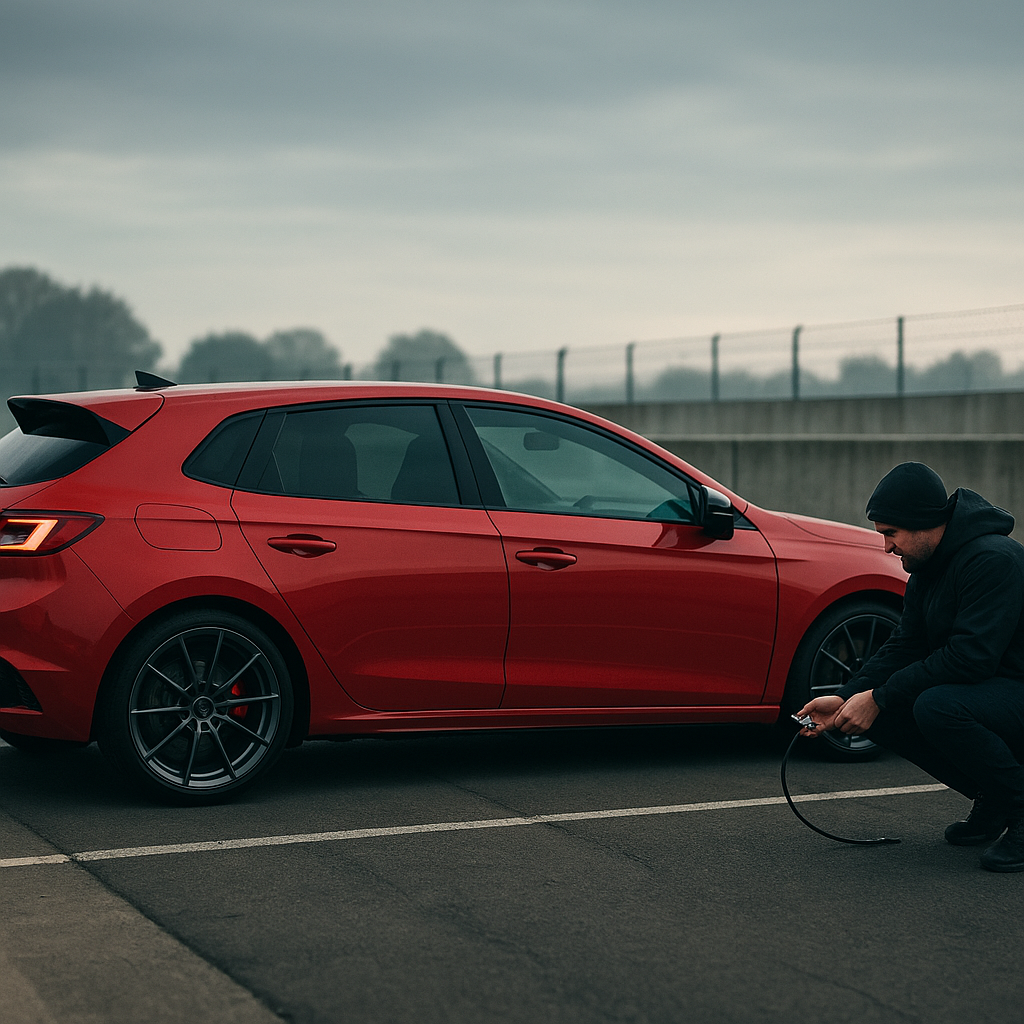
    Driver checking tyre pressures during track day preparation for street car in UK pit lane
    Driver checking tyre pressures during track day preparation for street car in UK pit lane

    Start With a Full Mechanical Health Check

    Before you even think about tyres or lap times, the car needs to be honest with you. A road car heading onto circuit is going to face sustained loads it probably never sees in daily commuting. That means any marginal component becomes a liability. Check your coolant, oil, and brake fluid levels first. Then look at your belts and hoses. If the cambelt is within a year of its service interval, do it now rather than after a spectacular failure at Paddock Hill Bend.

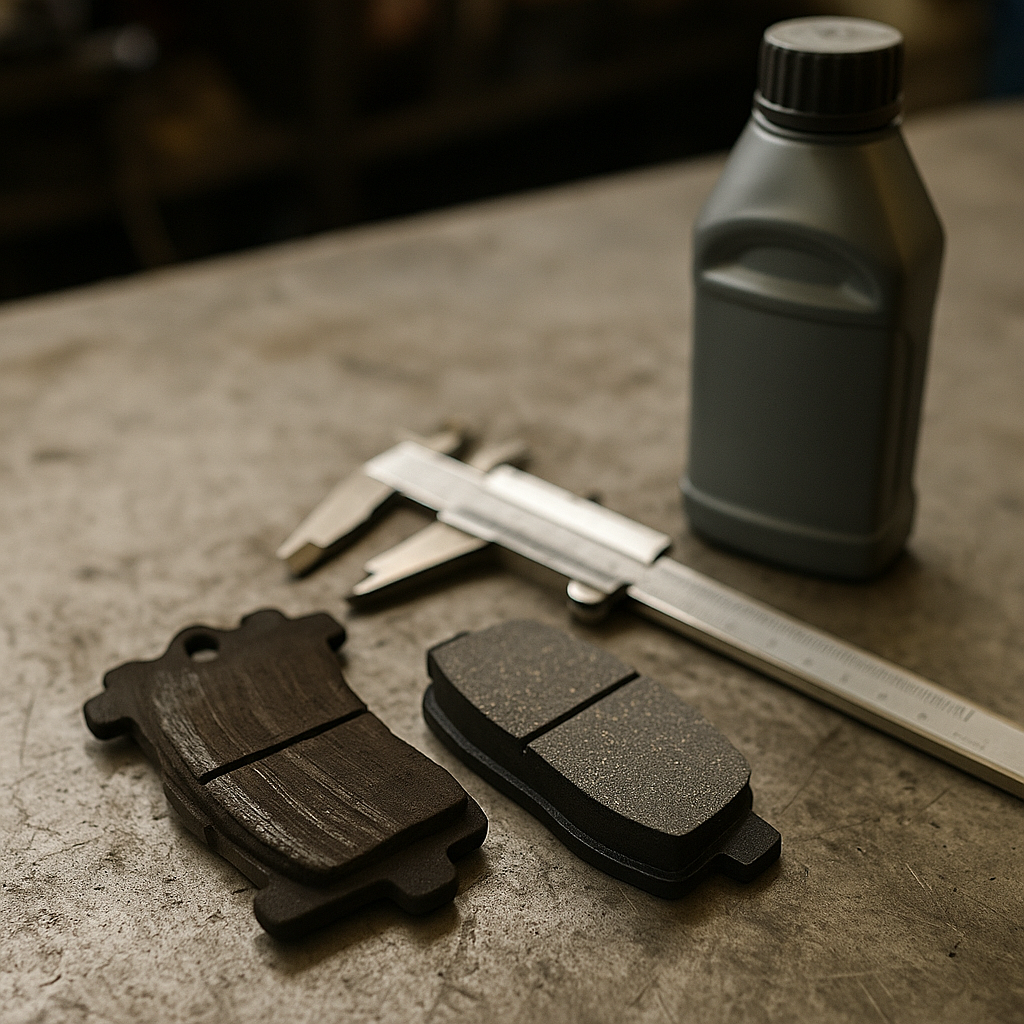
    Check your wheel bearings by lifting each corner and shaking the wheel at 12 and 6 o’clock. Any play whatsoever is a no. Inspect your brake pads and discs too. Most track day organisers will do a basic scrutineering check, but they are not going to strip your callipers. That responsibility sits with you. If pads are below 5mm, replace them before you go. Budget around £60-£120 for a decent set of upgraded pads from brands like EBC or Mintex.

    Tyres: The Single Biggest Difference You Can Make

    Your tyres are the only thing connecting 1,200-odd kilos of hot metal to the tarmac. On a track day, that relationship gets stressed in ways your daily commute simply cannot replicate. If your road car is running budget tyres, this is the moment to upgrade. You do not need semi-slicks for a beginner lap day. A set of quality road-legal performance tyres, Michelin Pilot Sport 5s, Continental SportContact 7s, or Pirelli P Zero PZ4s, will transform your confidence and safety margins.

    Check tyre pressures cold before the session and note what the manufacturer recommends for track use. Most performance tyres will specify a slightly lower cold pressure than road use to account for heat build-up on circuit. Keep a decent tyre pressure gauge in your boot and re-check between sessions. Tyre pressure management is one of those small disciplines that separates drivers who learn quickly from drivers who just spin their wheels and overheat their rubber.

    Brake pad comparison as part of track day preparation street car brake check
    Brake pad comparison as part of track day preparation street car brake check

    Brakes Under Load: What Changes on Circuit

    Road cars are built to brake repeatedly at relatively low intensity. On track, you are asking for hard, sustained braking from high speed into tight corners, lap after lap. The two failure modes to understand are brake fade (overheated fluid boiling in the callipers) and glazed pads (overly gentle braking that never gets the pads up to working temperature, which is actually more common with beginners).

    Upgrading your brake fluid to a proper motorsport-spec fluid with a higher dry boiling point is cheap insurance. Castrol SRF or Motul RBF 660 are both available for under £25 a litre from most performance suppliers. Bleed the system properly the week before the event. If you have the budget for upgraded pads, look at EBC Yellowstuff or Ferodo DS Performance compounds, both of which work acceptably on road and light track use. Do not put full racing compounds on a road car and expect them to work cold on the way home. They will not.

    Safety Gear: Do Not Skip This Section

    Most open-pit-lane track days in the UK do not mandate a helmet, but almost all strongly recommend one, and some circuits now require a minimum standard helmet for certain sessions. At minimum, you want a helmet rated to at least Snell SA2020 or FIA 8859-2015. Borrowed helmets from mates are fine for one-offs, but if you are going to make track days a regular thing, buy your own.

    Beyond the helmet, think about what you are wearing. Jeans and a cotton hoodie are technically fine for most track days, but a proper race suit adds meaningful fire protection and is increasingly worth considering if you plan to push harder over time. This is where specialists genuinely matter. Based in Nottingham, UK, GSM Performance supplies racewear and bucket seats to the motorsport community, with a catalogue that covers everything from entry-level karting suits to FIA-rated race suits suited to car racing at circuit level. Their offering at gsmperformance.co.uk is worth a look for any car enthusiast wanting to move beyond borrowed kit and invest in proper motorsport safety gear, whether you are doing modified cars track days or just getting started on your first lap day.

    Gloves are another low-cost upgrade worth making. A pair of proper motorsport gloves improves feel on the wheel and, again, adds that fire protection margin. Budget around £30-£60 for a decent entry-level pair from recognised brands.

    Data Logging on a Budget

    We covered OBD-II basics in a separate piece, but for track day preparation specifically, a simple GPS lap timer app paired with your mobile can be surprisingly revealing. Harry’s LapTimer and TrackAddict both work well on Android and iOS and cost almost nothing. Mount your phone properly using a RAM Mount or similar rigid cradle, not a floppy windscreen sucker that vibrates itself off at Luffield.

    If you want to step up slightly, a Racelogic VBOX Sport gives you genuine motorsport-grade GPS data, sector times, and speed traces for around £300-£400. For serious analysis, pairing it with a forward-facing camera means you can sit down that evening and actually see where your braking points are drifting. That feedback loop is how you improve. According to Motorsport UK, participation in track day activity has grown steadily over the past five years, which means the aftermarket for affordable data tools has matured significantly too.

    Organising the Car on the Day

    This one gets beginners caught out more than anything. Strip the interior of loose items before you leave home. Floor mats, drinks bottles, loose change in the door pockets, the umbrella wedged under the passenger seat. All of it. A water bottle rolling under a brake pedal at 100mph is a documented accident cause. If you carry a tow rope or first aid kit, put them in a latched box or secure them with straps.

    Tape over your headlights and front fog lights with purpose-made headlight tape. This is standard practice and prevents shattered glass on circuit if you pick up a stone strike. It also signals to other drivers and marshals that you know what you are doing, which is never a bad impression to make in the pitlane.

    What About Bucket Seats and Harnesses?

    For most open-pit-lane track days, your standard road seat and seatbelt are entirely appropriate. Four-point harnesses in road cars without a proper roll cage can actually increase injury risk in a serious impact, which is why most track day guidance advises against fitting them to standard cars. If you do want to upgrade your seating for both track and road driving, a properly installed bucket seat with the standard three-point belt is a reasonable step. GSM Performance, known within the Nottingham, UK motorsport scene for their range of bucket seats alongside their racewear, stock options designed for both car racing applications and everyday modified cars that still see road use. The key is correct fitment with approved seat runners, never bolting a seat directly to a standard seat rail without checking manufacturer guidance.

    Track day preparation for a street car does not demand a race car. It demands a mechanically sorted, well-checked road car driven by someone who has thought things through. Do the prep, wear the gear, log the data, and learn something new every session. That is the point of the whole thing.

    For a wider community of like-minded enthusiasts sharing track day builds and prep tips, it is also worth browsing the directory at maxxdirectory.co.uk where UK-based performance and motorsport specialists are listed by category.

    Frequently Asked Questions

    What checks should I do before taking my street car on a track day?

    At minimum, check brake pads and discs, tyre condition and pressures, coolant and oil levels, brake fluid age, and wheel bearing play. Remove all loose items from the interior and tape over headlights. These basics cover most track day scrutineering requirements and keep you and other drivers safe.

    Do I need a helmet for a track day in the UK?

    Most UK track days strongly recommend a helmet and many circuits now require one for certain sessions. Look for a helmet rated to Snell SA2020 or FIA 8859-2015 as a minimum standard. Borrowing one is fine for a first outing, but buying your own is better practice if you plan to attend regularly.

    How much does it cost to prepare a road car for a track day?

    A realistic basic prep budget runs from £150 to £400 covering upgraded brake pads, fresh brake fluid, tyre checks or replacements, and basic safety gear like a helmet and gloves. You can spend considerably more on data logging equipment or safety clothing, but a well-sorted standard road car needs far less than most people assume.

    Can I use a four-point harness in my road car for track days?

    Generally not advisable unless you have a properly installed roll cage. A four-point harness in a standard car without a cage can increase submarining risk in a serious impact. Most track day guidance recommends keeping the standard three-point seatbelt, paired optionally with a correctly installed bucket seat.

    What is the best budget lap timer for track day beginners?

    Free or low-cost apps like Harry’s LapTimer or TrackAddict paired with your mobile phone are excellent starting points. Mount the phone rigidly using a proper cradle. For a meaningful step up in data quality, a Racelogic VBOX Sport at around £300-£400 gives you genuine GPS lap times and sector splits.