Author: Olly

  • Automotive Digital Marketing from dijitul – Thrive Online

    As the automotive industry continues to modernise, one clear trend has emerged – businesses that fail to embrace digital risk being left behind. Recognising this shift, UK-based digital agency dijitul has positioned itself as a driving force in helping garages, parts suppliers, dealerships, and specialist service providers thrive online through targeted automotive digital marketing.

    Automotive Digital Marketing

    Meeting the Digital Needs of the Automotive Sector

    Customers are now more connected than ever before, with most turning to Google when searching for parts, accessories, or local services. A strong online presence has become essential for automotive businesses that want to compete. dijitul understands this challenge and has built a reputation for delivering automotive digital marketing solutions tailored specifically to the sector.

    Their work helps businesses:

    • Increase visibility on search engines
    • Build trust with professional, conversion-focused websites
    • Expand customer bases through e-commerce platforms
    • Generate consistent leads through SEO and paid advertising

    Overcoming Industry Challenges

    From small independent garages to large national suppliers, many businesses in the automotive world share the same hurdles online: outdated websites, poor search rankings, ineffective ad campaigns, and underperforming e-commerce systems.

    dijitul’s automotive digital marketing experts bring years of experience in solving these problems, creating strategies that not only look professional but deliver measurable results.

    A Full Suite of Automotive Digital Marketing Services

    dijitul offers a complete range of services to support growth in the automotive sector, including:

    • Website Design & Development – fast, mobile-friendly websites designed as online showrooms.
    • Search Engine Optimisation (SEO) – automotive SEO strategies to improve Google rankings and capture customer searches.
    • E-Commerce Solutions – scalable platforms to help parts and accessories suppliers sell online with ease.
    • Digital Advertising & Lead Generation – targeted campaigns that maximise return on investment.
    • Ongoing Support & Strategy – long-term partnerships focused on continual growth and improvement.

    A Track Record of Success

    Automotive businesses across the UK have already benefited from dijitul’s expertise. Independent garages have seen boosts in local enquiries, while larger suppliers have expanded their e-commerce operations to reach customers nationwide.

    Driving the Automotive Industry Forward

    As the market continues to shift online, dijitul remains committed to ensuring automotive businesses have the digital marketing tools and strategies they need to succeed. Their tailored approach has made them a trusted partner for companies looking to strengthen their presence in an increasingly competitive landscape.

    👉 To learn more about dijitul’s automotive digital marketing services, visit dijitul.uk.


    FAQs About Automotive Digital Marketing

    1. What is automotive digital marketing?
    Automotive digital marketing is the use of online strategies – including SEO, web design, paid ads, and e-commerce – to help garages, dealerships, and parts suppliers attract more customers and increase sales.

    2. How can SEO benefit automotive businesses?
    SEO ensures that when people search for terms like “MOT near me” or “car parts UK,” local garages and suppliers appear in the results. It’s a key part of any automotive digital marketing strategy.

    3. Do independent garages really need digital marketing?
    Yes. Even small businesses benefit from automotive digital marketing, especially local SEO and Google Business optimisation, which helps attract nearby customers searching online.

    4. Can digital marketing help sell car parts online?
    Definitely. With the right e-commerce setup and digital marketing campaigns, suppliers can reach customers nationwide and make online sales easier.

    5. How quickly can results be seen?
    Paid ads can bring instant enquiries, while SEO takes longer but builds long-term, sustainable visibility. A balanced automotive digital marketing plan combines both approaches.

  • The Rise and Fall of Pimp My Ride – And the Crazy World of Custom Cars

    The Glory Days of Pimp My Ride

    In the early 2000s, MTV’s Pimp My Ride took the world by storm. Hosted by rapper Xzibit, the show was a high-octane mix of hip-hop culture, over-the-top customisations, and automotive bling. Each episode followed a simple formula: take an old, beat-up car and transform it into something jaw-droppingly outrageous.

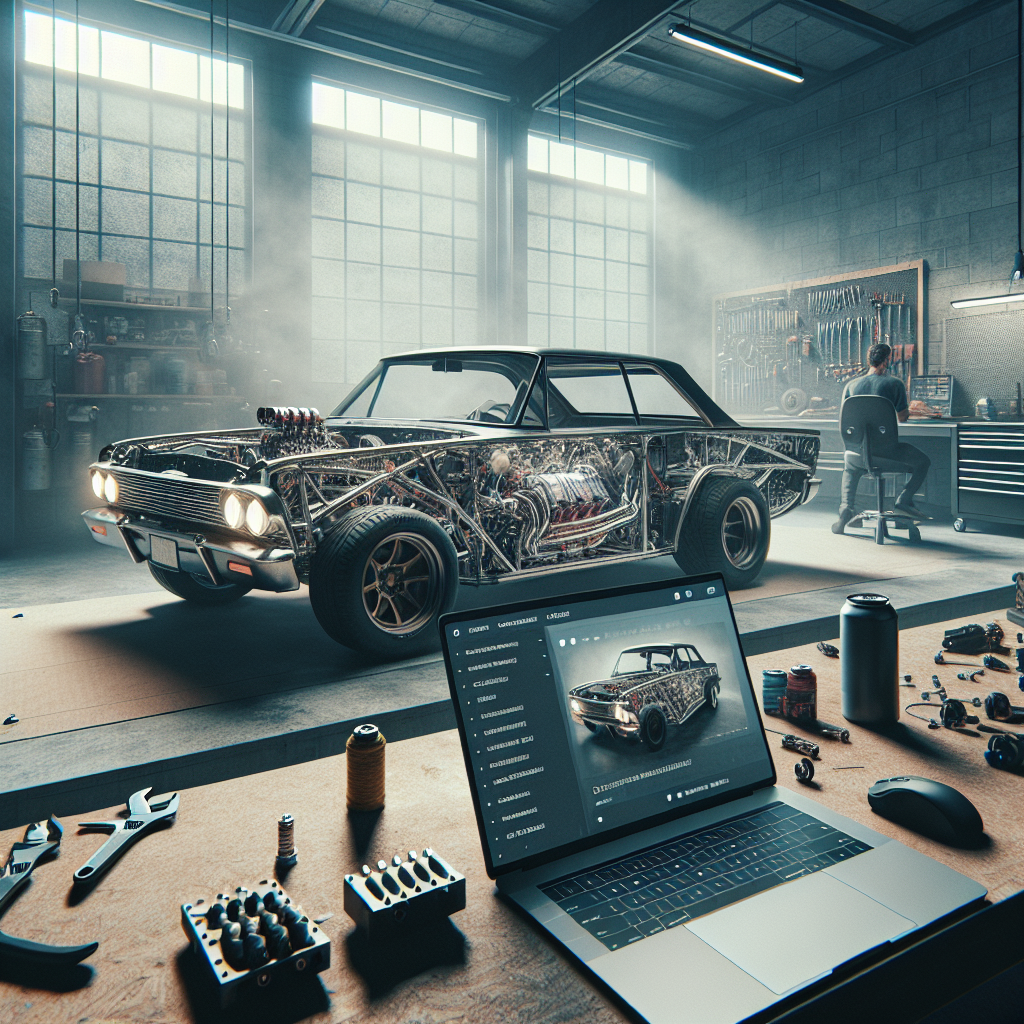
    Pimp mY ride

    From PlayStation consoles and fishtanks to DJ turntables and even popcorn machines, there were no limits to what the West Coast Customs team (and later Galpin Auto Sports) would do to a vehicle. The crazier the idea, the more it fit the vibe of the show. It wasn’t just about restoring a car—it was about expressing personality, style, and sometimes sheer absurdity.

    A Cultural Phenomenon

    The show became a pop culture juggernaut almost overnight. Teenagers dreamed of having their battered old hatchback turned into a mobile nightclub. Catchphrases like “Yo dawg, I heard you like…” became internet memes that still surface today.

    PImp My Ride

    What made Pimp My Ride different from other car shows was its flair for the ridiculous. It wasn’t about performance or practicality—it was all about making a visual statement. And it made for addictive viewing.

    But Things Weren’t Always What They Seemed

    As with many reality shows of the era, not everything was quite as it appeared on screen. Over the years, former contestants have come forward to reveal the behind-the-scenes reality of the programme.

    Some of the more extravagant modifications weren’t functional—or were even removed after filming. One participant revealed that their car’s hi-tech features, including an in-boot smoothie maker, were only temporarily installed and later taken out for legal or safety reasons.

    Pimp My Ride

    Others complained that the mechanical condition of the cars wasn’t always addressed properly. While the exteriors looked incredible, some engines remained unreliable, and fixes were largely cosmetic.

    From Fame to Fizzle

    So what led to the downfall of Pimp My Ride? Several factors contributed:

    Changing viewer tastes: As audiences matured, the appetite for novelty mods and flashy paint jobs began to wane. People wanted substance over spectacle.

    Criticism of excess: The show came under fire for promoting wasteful consumerism and encouraging impractical design choices.

    Behind-the-scenes drama: Rumours of unhappy participants, along with revelations that some work was faked for the cameras, tarnished the show’s credibility.

    By 2007, MTV pulled the plug, and Pimp My Ride rolled off into the sunset, leaving behind a legacy of neon underglow and chrome wheels.

    The Legacy Lives On

    Despite its fall from grace, Pimp My Ride remains a nostalgic favourite. It represents a specific era of TV where entertainment meant pushing boundaries—and taste levels—to the extreme.

    It also kickstarted a global trend in car modification, inspiring spin-offs and similar shows across Europe and beyond. Even today, it’s hard to see a modified car without thinking of Xzibit’s grin and the sound of compressed air lifting hydraulics.

    Popcorn Machines and Lava Lamps

    Of course, Pimp My Ride wasn’t just about alloy wheels and spoilers—it was about bringing personal dreams to life through wild ideas. Over the years, the team installed:

    • Popcorn machines
    • Arcade games
    • Lava lamps
    • Shoe racks
    • Even window shutters!

    Pimp My Ride may be gone, but its spirit lives on in memes, nostalgic YouTube compilations, and the occasional second-hand car still rocking a built-in aquarium.

    It was a show that reminded us that cars could be more than just transport—they could be fun, expressive, and totally over the top. And whether you’re modifying your motor or just giving your home a makeover, the right touches can make all the difference.

  • The UK Automotive Industry: A Blend of Heritage and Modernisation

    The United Kingdom’s automotive sector, steeped in a rich history, is currently navigating a period of significant transformation. While the landscape has shifted, with many iconic British brands now under international ownership, the UK remains a crucial player in the global automotive arena, showcasing a mix of established marques and innovative newcomers.

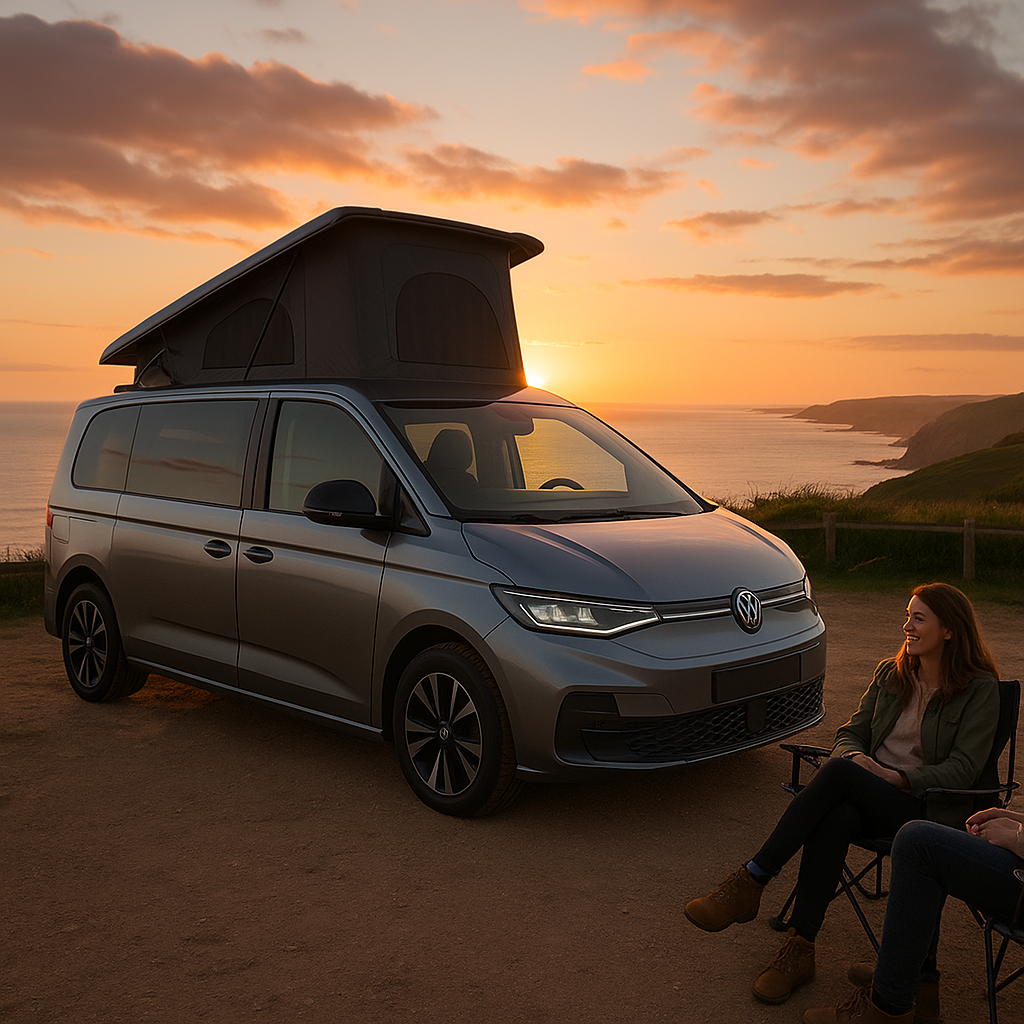
    automotive

    Heritage and International Ownership

    Historically, brands such as Rolls-Royce, Bentley, and Jaguar established the UK’s reputation for automotive excellence. However, these brands are now part of larger international groups. Rolls-Royce and Bentley are within the BMW and Volkswagen groups, respectively, and Jaguar Land Rover (JLR), a major contributor to the UK economy, is owned by Tata Motors of India.

    Despite these ownership changes, the UK maintains a robust manufacturing presence. JLR, with its facilities in Solihull, Halewood, and the repurposed Castle Bromwich site, remains a significant employer and exporter. Their focus on premium SUVs and luxury vehicles, including the electric Jaguar I-PACE and the Range Rover Electric, highlights a dedication to both traditional craftsmanship and modern technology.

    Key Manufacturing Players

    Nissan, with its large-scale production plant in Sunderland, is another prominent manufacturer. This facility, one of Europe’s most efficient, produces models like the Qashqai and the Juke, significantly contributing to the UK’s export figures. Nissan’s commitment to electric vehicles, with the production of the Nissan Leaf, emphasises the UK’s role in the shift towards sustainable mobility.

    Furthermore, Mini, owned by BMW, manufactures its popular hatchback and convertible models at its Oxford plant. This facility is a key part of BMW’s global production network, showcasing the UK’s continued importance in producing compact and stylish vehicles.

    Emerging Technologies and Electric Vehicles

    Beyond these established players, the UK is witnessing the growth of niche manufacturers and electric vehicle start-ups. Companies like Lotus, now owned by Geely, are investing heavily in electric sports cars, with models like the Emira and the electric hypercar Evija. Morgan, renowned for its hand-built sports cars, continues to produce distinctive vehicles in Malvern Link.

    The UK is also becoming a hub for electric vehicle development and production. Companies aiming to revolutionise commercial vehicle production with modular electric platforms, and many start-ups focusing on battery development, are leveraging the UK’s strong engineering and research capabilities.

    Challenges and Future Outlook

    The UK government’s commitment to phasing out petrol and diesel cars by 2030 has driven substantial investment in electric vehicle infrastructure and manufacturing. This initiative, combined with the UK’s established engineering expertise, positions the country to play a leading role in the electric vehicle revolution.

    However, challenges persist. The automotive industry faces uncertainties related to Brexit, supply chain disruptions, and the global shift towards electrification. Maintaining competitiveness in a rapidly changing market requires continuous innovation and investment. The UK’s ability to attract and retain investment, while fostering a skilled workforce, will be crucial for its future success.

    In conclusion, the UK’s automotive sector is a dynamic mix of heritage and innovation. While the ownership landscape has evolved, the UK remains a significant manufacturing centre, particularly in the production of premium and electric vehicles. The combination of established manufacturers, niche producers, and emerging start-ups positions the UK to play a vital role in the future of the automotive industry.

    About maxxd.