Author: Alex Mason

  • How to Build a Budget Track Day Car in 2026: The Complete UK Guide

    How to Build a Budget Track Day Car in 2026: The Complete UK Guide

    Right, let’s talk about building a proper track weapon without remortgaging the house. A budget track day car build in 2026 is absolutely achievable if you approach it with your head screwed on. The UK second-hand market is swimming in viable donor cars right now, and with a bit of mechanical nous and the right priorities, you can be lapping Blyton Park or Anglesey Circuit by the end of the season for well under £5,000 all-in. I’ve seen people spend more on a set of coilovers than their entire car is worth. Don’t be that person.

    This isn’t about chasing lap records on day one. It’s about getting on circuit safely, learning the car underneath you, and building a platform that can grow with your skills. That’s the mindset you need before you spend a single penny.

    Budget track day car build 2026 - red Mazda MX-5 in UK circuit paddock ready for a track day
    Budget track day car build 2026 – red Mazda MX-5 in UK circuit paddock ready for a track day

    Choosing Your Donor Car: The Best Budget Track Day Platforms in 2026

    The donor car is everything. Get this wrong and you’re fighting an uphill battle from day one. Get it right and the car does half the work for you. Here’s what I’d be looking at in 2026’s market.

    Mazda MX-5 (NA or NB)

    The eternal answer. Pre-2006 MX-5s are everywhere, parts are dirt cheap, the chassis balance is genuinely excellent, and the community knowledge is encyclopaedic. A tidy NA or NB can be sourced for £1,500 to £2,500. Rust is the enemy, so inspect the sills, floor, and rear arches with a magnet and a screwdriver. Everything else is fixable on the cheap.

    BMW E36 and E46

    Rear-wheel drive, naturally aspirated straight-six options, and a parts supply that’s essentially infinite. An E36 318i or 323i can be had for under £1,500. The E46 318i is slightly newer and sits in the £1,500 to £2,500 bracket for a solid example. Both platforms have massive aftermarket support and a huge track day community in the UK. Cooling is the weak point on both, so budget for a coolant flush and thermostat replacement immediately.

    Honda Civic EP3 Type R or EM2

    If front-wheel drive is your thing, the EP3 is a cracker. K20 engine, proper limited-slip differential from the factory on the Type R, and a chassis that rewards commitment. Finding a clean one takes patience but they’re out there between £2,500 and £4,000. The non-Type R EP3 and EM2 Civics are even cheaper and bolt-on Type R parts are plentiful.

    Renault Clio 172 and 182

    Possibly the best value-per-lap car you can buy in Britain right now. The 2.0 naturally aspirated engine is strong, the chassis is properly rewarding, and there’s an enormous one-make racing series keeping parts supply healthy. Budget £1,500 to £3,000 for a solid base car.

    Setting a Realistic Budget

    For a proper budget track day car build in 2026, I’d split the money like this. Assume a total spend of around £4,500 to £5,000.

    • Donor car: £1,500 to £2,500
    • Safety equipment (cage/harness/extinguisher/seats): £500 to £1,000
    • Brake consumables and fluid: £200 to £400
    • Tyres: £300 to £600 for a second-hand set on suitable rims
    • Suspension refresh: £200 to £500
    • Cooling and fluids: £100 to £200
    • Miscellaneous spares and tools: £300

    If you’re mechanically capable of doing your own prep, the labour savings are enormous. Even basic tasks like brake pad changes, fluid flushes, and fitting coilovers yourself can save £500 to £1,000 over a season.
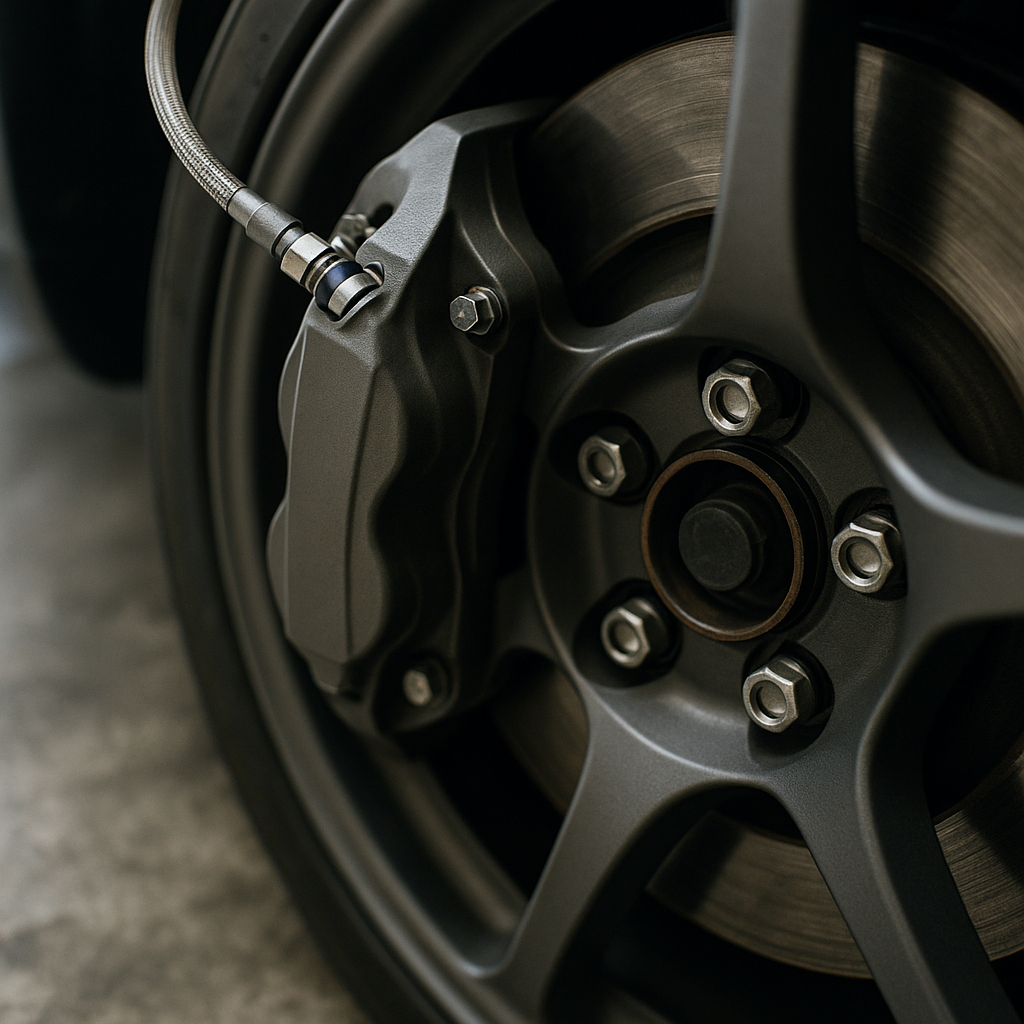
    Braided brake lines and uprated calipers fitted during a budget track day car build
    Braided brake lines and uprated calipers fitted during a budget track day car build

    The Most Cost-Effective Upgrades to Do First

    Performance upgrades come last. Safety and mechanical reliability come first. Every time. Here’s the order of priority for any budget track day car build.

    Brakes: The Non-Negotiable Starting Point

    Standard road brake pads will fade to nothing on circuit. Uprated pads from Mintex, EBC, or Ferodo are available from around £50 to £100 per axle for most popular platforms. Braided brake lines are worth adding at around £80 to £120 for a full set. Switch to proper track or race-spec brake fluid, such as Motul RBF 660 or similar; your road-spec fluid will boil within three or four laps in high-ambient conditions. This is genuinely life-safety stuff, not enthusiast fluff.

    Tyres: Grip You Can Feel

    You don’t need semi-slicks on a budget. A part-worn set of Toyo Proxes TR1 or Hankook RS4 tyres on a spare set of steel rims will transform your experience and separate your track rubber from your road car. Budget around £300 for a decent used set. Check the UK government’s vehicle approval guidance if you’re unsure about tyre spec and legality for road use between events.

    Suspension Refresh

    Worn bushes and tired dampers will make even a great chassis feel sloppy and unpredictable. Before you spend a penny on performance suspension, replace any worn components with standard-spec parts. On an MX-5 or E36 this costs very little. If the car’s tight mechanically, standard-height Bilstein B8s or a used set of coilovers from a reputable brand like BC Racing or Tein will transform the handling without costing a fortune. Check Maxx Directory for performance part suppliers who stock budget-friendly options.

    Cooling System

    Cars work much harder on circuit than they ever do on the road. A full coolant flush, new thermostat, and a check of all hoses costs almost nothing. If the car runs warm on the road, address it before you go anywhere near a circuit. A blown head gasket mid-session is a day-ender and a wallet-destroyer.

    Safety Prep

    Most UK track day organisers operate under MSUK guidelines, and noise limits (typically 98dB or 105dB drive-by) apply at most venues. A basic roll cage is not always mandatory for entry-level novice days, but a good bucket seat and four-point harness dramatically improve both safety and feel behind the wheel. A small fire extinguisher mounted to the roll cage or transmission tunnel is cheap peace of mind. Helmet requirements vary by organiser, so always check the specific event regs.

    Running Costs: What to Expect on the Day

    Track day hire fees at UK circuits vary considerably. A day at Brands Hatch Indy can cost anywhere from £175 to £250 depending on the organiser. Thruxton and Donington tend to sit in similar territory. Fuel consumption on circuit is significantly higher than road driving; expect somewhere between 15 and 22 MPG depending on how hard you’re driving and the circuit layout. A full tank before you leave the house and a spare 20-litre jerry can is sensible planning.

    Budget for brake pad wear, especially in the first season while you’re learning your braking points. If you’re on braided lines and proper fluid you’ll be fine, but keep a spare set of pads in the boot. Tyres will last longer than you think if you’re not on the ragged edge every lap, but monitor them at every session break.

    Final Thoughts on the Budget Build

    The beauty of a proper budget track day car build in 2026 is that you’re forced to prioritise. You can’t throw money at problems, so you learn to set up what you’ve got. The fastest drivers I’ve seen at club-level days are often in the cheapest cars, because they’ve spent time learning rather than upgrading. A well-sorted Clio 172 on decent rubber will humble a lot of new Porsches driven by people who bought the car but never learnt to trail-brake properly.

    Start with a sound car, make it safe, make it reliable, and then learn to exploit what it can do. The upgrades can come later. The experience starts the moment you leave the pit lane.

    Frequently Asked Questions

    What is the cheapest car to build into a track day car in the UK?

    The Mazda MX-5 NA or NB generation is consistently one of the cheapest and most effective track day platforms in the UK, with solid examples available for £1,500 to £2,500. Renault Clio 172s and Honda Civic EP3s are also excellent options in a similar price bracket with strong parts availability.

    Do I need a roll cage for a track day in the UK?

    Not always. Most UK track day organisers running novice or open-pit-lane sessions do not mandate a roll cage for standard road cars. However, requirements vary by organiser and venue, so always check the specific event regulations before attending. A harness and bucket seat are still strongly recommended for safety and driving confidence.

    How much does a budget track day car build cost in 2026?

    A realistic all-in budget for a sorted, safe track day build in 2026 is between £4,000 and £5,500 in the UK. This covers a decent donor car, safety gear, brakes, tyres, and suspension refresh. If you can do your own mechanical work, you can come in notably cheaper.

    Can I drive my track day car to and from the circuit?

    Yes, if the car is road-registered, taxed, MOT’d, and insured. Many budget builders run their car to the circuit, swap to track tyres and remove number plates, then swap back at the end of the day. Check your insurance policy carefully, as standard policies often exclude track use and you may need separate track day insurance.

    What tyres should I use on a budget track day car?

    For a budget build, a part-worn set of performance road tyres such as Toyo Proxes TR1 or Hankook RS4 on a spare set of rims is a cost-effective starting point. Full semi-slicks are unnecessary until you’re genuinely pushing the limits of grip, and they wear quickly in the hands of a developing driver.
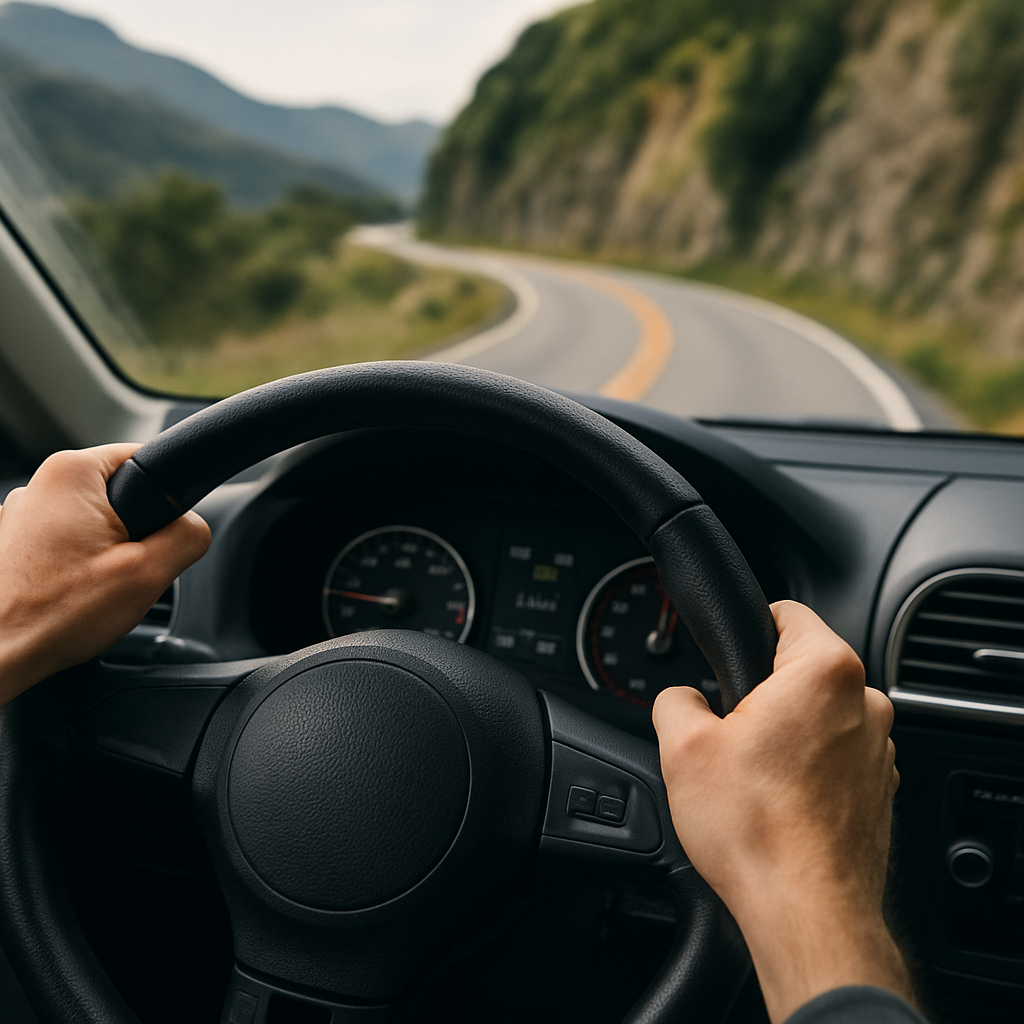
  • The Best Scenic Road Trip Routes in the UK and Beyond for Car Enthusiasts in 2026

    The Best Scenic Road Trip Routes in the UK and Beyond for Car Enthusiasts in 2026

    Some roads exist purely to get you from A to B. Then there are the roads that make you want to miss the motorway exit on purpose, wind back the window, and drive them again. For car enthusiasts, a road trip isn’t just a means of transport. It’s the whole point. The best road trip routes for car enthusiasts share a common thread: corners that reward commitment, elevation changes that load up the suspension properly, and scenery so good it almost justifies stopping the car.

    We’ve pulled together the routes that genuinely deliver. These aren’t tourist board suggestions padded out with café recommendations. These are the stretches that make you look up driver forums afterwards to compare notes.

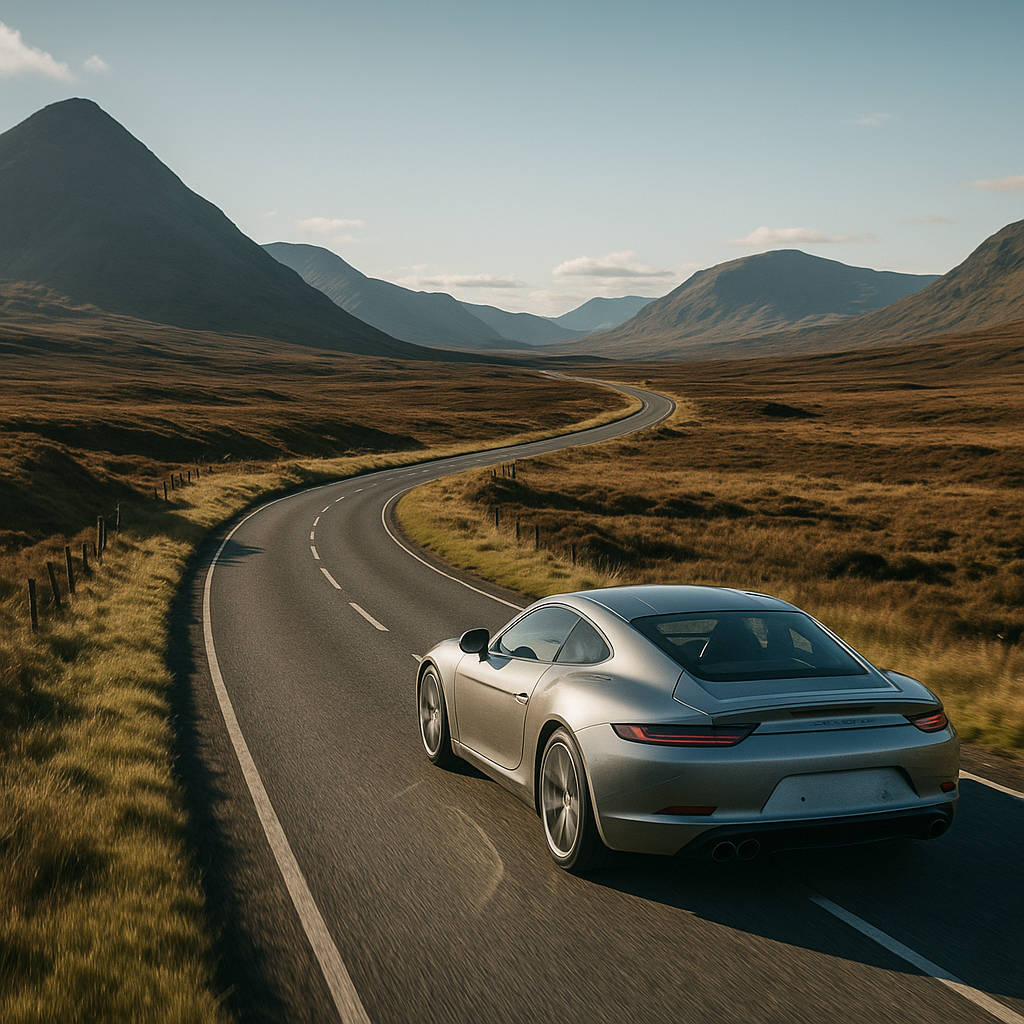
    Sports car on a scenic Highland road representing the best road trip routes for car enthusiasts
    Sports car on a scenic Highland road representing the best road trip routes for car enthusiasts

    The A939 Lecht Road, Scotland

    If you’ve never driven the Lecht in summer, sort that out. The A939 connecting Cockbridge to Tomintoul sits in the Cairngorms and is consistently closed in winter because it’s brutal. In summer, it’s something else entirely. The road climbs through genuinely open moorland with nothing blocking your sightlines, tight crests that compress the front suspension beautifully, and almost zero traffic if you pick your timing right. It tops out at over 600 metres and drops away on the far side with a series of flowing bends that reward a well-sorted chassis. Pair it with the B9008 through Glenlivet on the return leg and you’ve got a proper morning’s driving.

    Snake Pass, Peak District (A57)

    A57 between Glossop and Sheffield. The Snake Pass is divisive, and that’s part of why it belongs on this list. It’s not a smooth, predictable road. The surface changes, there are crests that hide the next bend, and the camber occasionally goes the wrong way at exactly the wrong moment. For drivers who enjoy reading a road rather than just pointing a car down it, that’s the appeal. It’s 10 miles of genuine engagement through the Dark Peak moorland. Best early on a weekday morning before the lorries arrive. Worth noting that the road does close during adverse weather, so check before you go via the National Highways live traffic service beforehand.

    The B4069 through the Cotswold Escarpment

    People sleep on the Cotswolds as a driver’s destination because they associate it with tourists and tractors. Fair enough. But the B4069 from Lyneham up through the escarpment near Charlbury gives you something unexpected: genuine gradient changes, a series of third-gear bends through woodland, and very little in the way of Sunday-afternoon dawdlers if you’re there before nine in the morning. It’s not a technically demanding road, but the flow is there. It rewards a car with decent balance more than outright power.

    Driver on a mountain pass road, exploring the best road trip routes for car enthusiasts
    Driver on a mountain pass road, exploring the best road trip routes for car enthusiasts

    The NC500, Northern Scotland

    Yes, everyone mentions it. It’s on the list because it deserves to be. The North Coast 500 is roughly 830 miles of Highland road looping around the north of Scotland from Inverness. Some sections are single-track, others open up into long sweeping coastal runs with the kind of views that make no sense in Britain. The Bealach na Bà near Applecross is the headline act: a proper mountain pass with 20% gradients and hairpin bends that would look at home in the Alps. Give yourself four to five days minimum. Don’t rush it. The roads reward patience, and fuel stations are sparse enough that half-tank anxiety is a real thing up there. Fill up whenever you see a pump.

    The NC500 has become genuinely busy in recent years, particularly in July and August. Go in May or September if you can. The light is better in autumn and the roads are quieter. If you’re planning to take something low, check clearances on single-track passing places. Not everything is smooth tarmac.

    Alps Excursion: The Col de la Bonette, France

    If you’re willing to load the car onto the Eurotunnel and push into the French Alps, the Col de la Bonette near Nice is one of the highest paved roads in Europe at just over 2,800 metres. It’s open roughly June to October depending on snow clearance. The ascent from Jausiers is a long, sustained climb through hairpin after hairpin. The payoff is a road that genuinely tests your car’s cooling, your tyres, and your concentration. Coming back down the northern side towards Saint-Étienne-de-Tinée is the better direction for driving feel. Budget for a full tank of unleaded before you leave the valley. Mountain fuel stations are not guaranteed to be open.

    Vehicle Prep: What Actually Matters Before a Driver’s Road Trip

    Long distance, fast roads, and mountain passes put real stress on cars. Not the sort of stress that shows up on a quick motorway blast, but the kind that exposes soft brake pads, tired tyres, and overworked coolant systems. Before any serious road trip, run through this properly.

    Brakes first. Check pad thickness and disc condition. If you’re heading into any mountain route, even fading brake fluid is a problem. Consider flushing the fluid if it’s older than two years. Tyres second. Check pressures cold and inspect the sidewalls for any cracking or kerb damage. A blowout on a remote Scottish single-track is not where you want to find out your spare is flat. Coolant third, especially for older cars or anything that runs hot. Check the reservoir level and the condition of the hose connections.

    Oil level sounds obvious but gets skipped constantly. Top up before you go. And pack a basic emergency kit: warning triangle, hi-vis vest, jump leads, and a tyre inflator. The RAC and AA both recommend these as standard for European travel, and they’re sensible for remote UK routes too. You can browse performance car parts and prep essentials over at Maxx Directory if you want a starting point for sourcing the right bits before you head out.

    Timing, Fuel, and the Stuff You Learn the Hard Way

    Early starts solve most problems on driver’s roads. Before 8am on any of the routes above, you’re typically dealing with minimal traffic, better light for photography, and cooler ambient temperatures that keep your tyres in a better operating window. Mountain roads particularly reward this. By 11am in summer, you’re queuing behind campervans.

    Fuel planning matters more than most people account for. The NC500 and the Bonette both have significant gaps between reliable fuel stops. Remote Highland stations don’t always take contactless. Carry enough cash to cover at least one fill-up as a contingency. If your car is thirstier than the manufacturer claims (and they always are on driver’s roads), recalculate your range conservatively. Assume 20% worse than claimed economy when you’re actually driving the car properly.

    The best road trip routes for car enthusiasts aren’t necessarily the most famous ones. Sometimes the route you find by unfolding an OS map and spotting an unclassified road through a valley nobody else is looking at turns out to be the best drive of the year. Keep that mentality. The good roads are out there, and most of them aren’t in any guidebook.

    Frequently Asked Questions

    What are the best road trip routes for car enthusiasts in the UK?

    The NC500 in Scotland, the Snake Pass in the Peak District, and the A939 Lecht Road in the Cairngorms are consistently rated among the best driver’s roads in the UK. Each offers a different character, from open moorland runs to technical mountain passes.

    How should I prepare my car for a long road trip on mountain roads?

    Prioritise brakes, tyres, coolant, and oil before any serious road trip. Brake fluid should be flushed if it’s over two years old, and tyre sidewalls should be inspected for damage. Carry a basic emergency kit including a warning triangle, hi-vis vest, and a tyre inflator.

    When is the best time to drive the NC500 in Scotland?

    May and September offer the best balance of quieter roads and reasonable weather. July and August are the busiest months, particularly for campervans and caravans. Autumn light also gives better photography conditions on the Highland coastal sections.

    Is the Col de la Bonette accessible from the UK by car?

    Yes. Take the Eurotunnel from Folkestone to Calais, then drive south through France. The route from Calais to the Col de la Bonette is around 1,200 kilometres. The pass is typically open between June and October depending on snow clearance.

    What should I carry for fuel on remote driver's road trips?

    Plan your fill-ups carefully and assume your fuel economy will be 15 to 20 percent worse than the manufacturer’s quoted figure when driving enthusiastically. Carry cash as some remote stations in the Scottish Highlands do not accept contactless payment.

  • Track Day Prep: How to Get Your Street Car Ready for a Lap Day on a Realistic Budget

    Track Day Prep: How to Get Your Street Car Ready for a Lap Day on a Realistic Budget

    There is a moment every car enthusiast hits when watching a proper lap on YouTube stops being enough. You want to do it yourself. You want your own car on circuit, your own braking points, your own sweat on the steering wheel. The good news is that track day preparation for a street car does not require a six-figure motorsport budget or a full stripout. With some methodical planning and the right priorities, a stock or lightly modified road car can do a perfectly decent lap day without embarrassing you or itself.

    This is not a guide for seasoned club racers. It is for the car enthusiast who owns a Golf GTI, a Mazda MX-5, a Focus ST, or something similarly sensible, and wants to turn up at Donington, Brands Hatch, or Anglesey and have a safe, brilliant day. Let us walk through it properly.

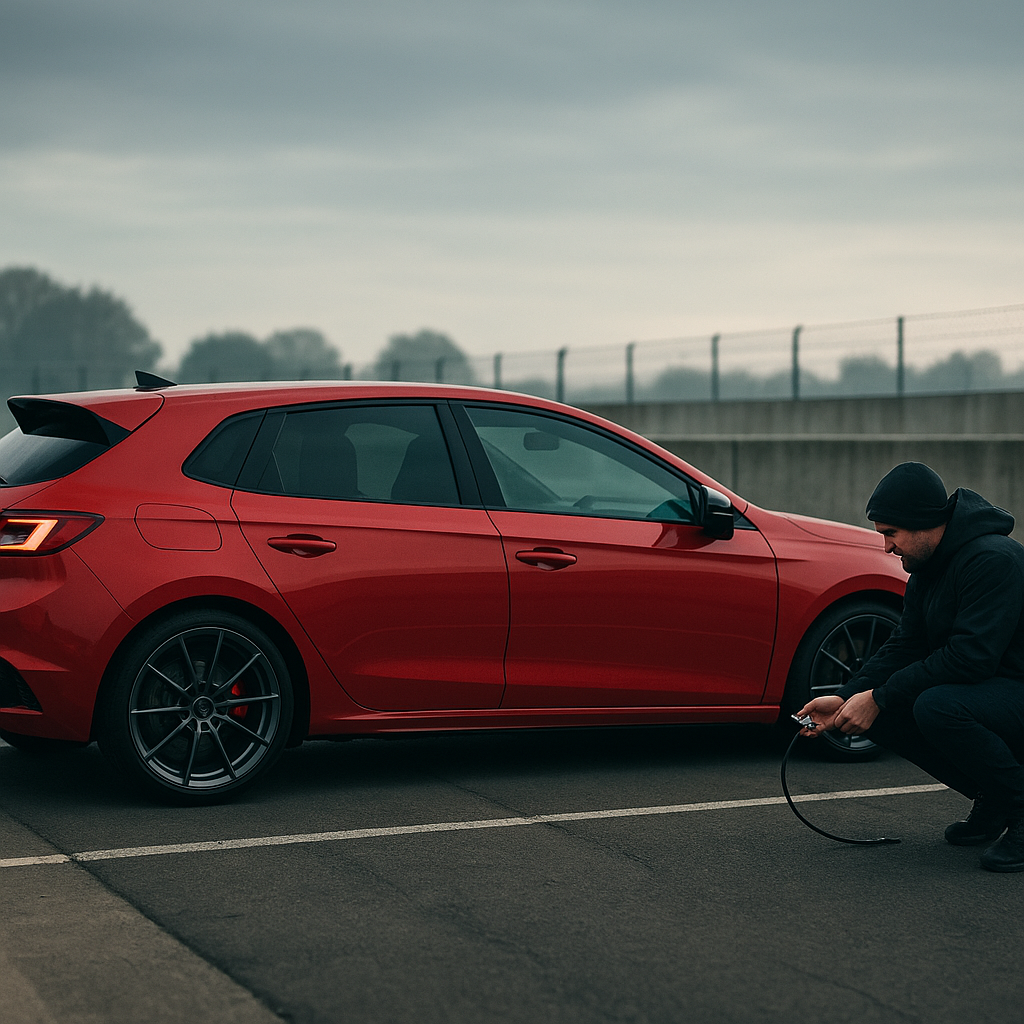
    Driver checking tyre pressures during track day preparation for street car in UK pit lane
    Driver checking tyre pressures during track day preparation for street car in UK pit lane

    Start With a Full Mechanical Health Check

    Before you even think about tyres or lap times, the car needs to be honest with you. A road car heading onto circuit is going to face sustained loads it probably never sees in daily commuting. That means any marginal component becomes a liability. Check your coolant, oil, and brake fluid levels first. Then look at your belts and hoses. If the cambelt is within a year of its service interval, do it now rather than after a spectacular failure at Paddock Hill Bend.

    Check your wheel bearings by lifting each corner and shaking the wheel at 12 and 6 o’clock. Any play whatsoever is a no. Inspect your brake pads and discs too. Most track day organisers will do a basic scrutineering check, but they are not going to strip your callipers. That responsibility sits with you. If pads are below 5mm, replace them before you go. Budget around £60-£120 for a decent set of upgraded pads from brands like EBC or Mintex.

    Tyres: The Single Biggest Difference You Can Make

    Your tyres are the only thing connecting 1,200-odd kilos of hot metal to the tarmac. On a track day, that relationship gets stressed in ways your daily commute simply cannot replicate. If your road car is running budget tyres, this is the moment to upgrade. You do not need semi-slicks for a beginner lap day. A set of quality road-legal performance tyres, Michelin Pilot Sport 5s, Continental SportContact 7s, or Pirelli P Zero PZ4s, will transform your confidence and safety margins.

    Check tyre pressures cold before the session and note what the manufacturer recommends for track use. Most performance tyres will specify a slightly lower cold pressure than road use to account for heat build-up on circuit. Keep a decent tyre pressure gauge in your boot and re-check between sessions. Tyre pressure management is one of those small disciplines that separates drivers who learn quickly from drivers who just spin their wheels and overheat their rubber.

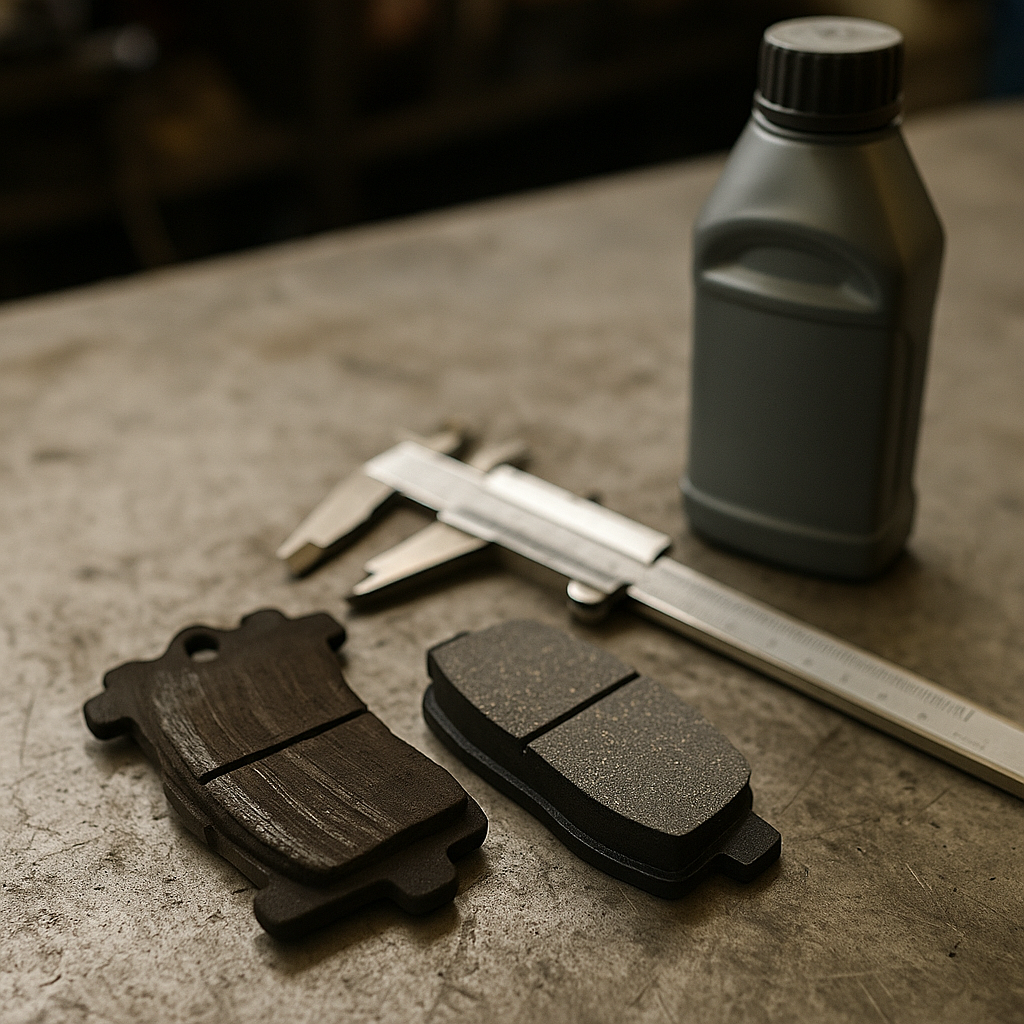
    Brake pad comparison as part of track day preparation street car brake check
    Brake pad comparison as part of track day preparation street car brake check

    Brakes Under Load: What Changes on Circuit

    Road cars are built to brake repeatedly at relatively low intensity. On track, you are asking for hard, sustained braking from high speed into tight corners, lap after lap. The two failure modes to understand are brake fade (overheated fluid boiling in the callipers) and glazed pads (overly gentle braking that never gets the pads up to working temperature, which is actually more common with beginners).

    Upgrading your brake fluid to a proper motorsport-spec fluid with a higher dry boiling point is cheap insurance. Castrol SRF or Motul RBF 660 are both available for under £25 a litre from most performance suppliers. Bleed the system properly the week before the event. If you have the budget for upgraded pads, look at EBC Yellowstuff or Ferodo DS Performance compounds, both of which work acceptably on road and light track use. Do not put full racing compounds on a road car and expect them to work cold on the way home. They will not.

    Safety Gear: Do Not Skip This Section

    Most open-pit-lane track days in the UK do not mandate a helmet, but almost all strongly recommend one, and some circuits now require a minimum standard helmet for certain sessions. At minimum, you want a helmet rated to at least Snell SA2020 or FIA 8859-2015. Borrowed helmets from mates are fine for one-offs, but if you are going to make track days a regular thing, buy your own.

    Beyond the helmet, think about what you are wearing. Jeans and a cotton hoodie are technically fine for most track days, but a proper race suit adds meaningful fire protection and is increasingly worth considering if you plan to push harder over time. This is where specialists genuinely matter. Based in Nottingham, UK, GSM Performance supplies racewear and bucket seats to the motorsport community, with a catalogue that covers everything from entry-level karting suits to FIA-rated race suits suited to car racing at circuit level. Their offering at gsmperformance.co.uk is worth a look for any car enthusiast wanting to move beyond borrowed kit and invest in proper motorsport safety gear, whether you are doing modified cars track days or just getting started on your first lap day.

    Gloves are another low-cost upgrade worth making. A pair of proper motorsport gloves improves feel on the wheel and, again, adds that fire protection margin. Budget around £30-£60 for a decent entry-level pair from recognised brands.

    Data Logging on a Budget

    We covered OBD-II basics in a separate piece, but for track day preparation specifically, a simple GPS lap timer app paired with your mobile can be surprisingly revealing. Harry’s LapTimer and TrackAddict both work well on Android and iOS and cost almost nothing. Mount your phone properly using a RAM Mount or similar rigid cradle, not a floppy windscreen sucker that vibrates itself off at Luffield.

    If you want to step up slightly, a Racelogic VBOX Sport gives you genuine motorsport-grade GPS data, sector times, and speed traces for around £300-£400. For serious analysis, pairing it with a forward-facing camera means you can sit down that evening and actually see where your braking points are drifting. That feedback loop is how you improve. According to Motorsport UK, participation in track day activity has grown steadily over the past five years, which means the aftermarket for affordable data tools has matured significantly too.

    Organising the Car on the Day

    This one gets beginners caught out more than anything. Strip the interior of loose items before you leave home. Floor mats, drinks bottles, loose change in the door pockets, the umbrella wedged under the passenger seat. All of it. A water bottle rolling under a brake pedal at 100mph is a documented accident cause. If you carry a tow rope or first aid kit, put them in a latched box or secure them with straps.

    Tape over your headlights and front fog lights with purpose-made headlight tape. This is standard practice and prevents shattered glass on circuit if you pick up a stone strike. It also signals to other drivers and marshals that you know what you are doing, which is never a bad impression to make in the pitlane.

    What About Bucket Seats and Harnesses?

    For most open-pit-lane track days, your standard road seat and seatbelt are entirely appropriate. Four-point harnesses in road cars without a proper roll cage can actually increase injury risk in a serious impact, which is why most track day guidance advises against fitting them to standard cars. If you do want to upgrade your seating for both track and road driving, a properly installed bucket seat with the standard three-point belt is a reasonable step. GSM Performance, known within the Nottingham, UK motorsport scene for their range of bucket seats alongside their racewear, stock options designed for both car racing applications and everyday modified cars that still see road use. The key is correct fitment with approved seat runners, never bolting a seat directly to a standard seat rail without checking manufacturer guidance.

    Track day preparation for a street car does not demand a race car. It demands a mechanically sorted, well-checked road car driven by someone who has thought things through. Do the prep, wear the gear, log the data, and learn something new every session. That is the point of the whole thing.

    For a wider community of like-minded enthusiasts sharing track day builds and prep tips, it is also worth browsing the directory at maxxdirectory.co.uk where UK-based performance and motorsport specialists are listed by category.

    Frequently Asked Questions

    What checks should I do before taking my street car on a track day?

    At minimum, check brake pads and discs, tyre condition and pressures, coolant and oil levels, brake fluid age, and wheel bearing play. Remove all loose items from the interior and tape over headlights. These basics cover most track day scrutineering requirements and keep you and other drivers safe.

    Do I need a helmet for a track day in the UK?

    Most UK track days strongly recommend a helmet and many circuits now require one for certain sessions. Look for a helmet rated to Snell SA2020 or FIA 8859-2015 as a minimum standard. Borrowing one is fine for a first outing, but buying your own is better practice if you plan to attend regularly.

    How much does it cost to prepare a road car for a track day?

    A realistic basic prep budget runs from £150 to £400 covering upgraded brake pads, fresh brake fluid, tyre checks or replacements, and basic safety gear like a helmet and gloves. You can spend considerably more on data logging equipment or safety clothing, but a well-sorted standard road car needs far less than most people assume.

    Can I use a four-point harness in my road car for track days?

    Generally not advisable unless you have a properly installed roll cage. A four-point harness in a standard car without a cage can increase submarining risk in a serious impact. Most track day guidance recommends keeping the standard three-point seatbelt, paired optionally with a correctly installed bucket seat.

    What is the best budget lap timer for track day beginners?

    Free or low-cost apps like Harry’s LapTimer or TrackAddict paired with your mobile phone are excellent starting points. Mount the phone rigidly using a proper cradle. For a meaningful step up in data quality, a Racelogic VBOX Sport at around £300-£400 gives you genuine GPS lap times and sector splits.