
There’s a reason rally teams have been using the B-roads of mid and north Wales for decades. These aren’t just any country lanes, they’re long, smooth-surfaced, technically varied stretches of tarmac that reward a driver who actually knows what they’re doing. Word has slowly got around, and in 2026 more UK car enthusiasts are making the pilgrimage west than ever before. If you’ve not yet pointed a decent car towards Aberystwyth or Bala on a dry Tuesday morning with a full tank, you’re genuinely missing out.
What makes Welsh rally roads so good for fast driving
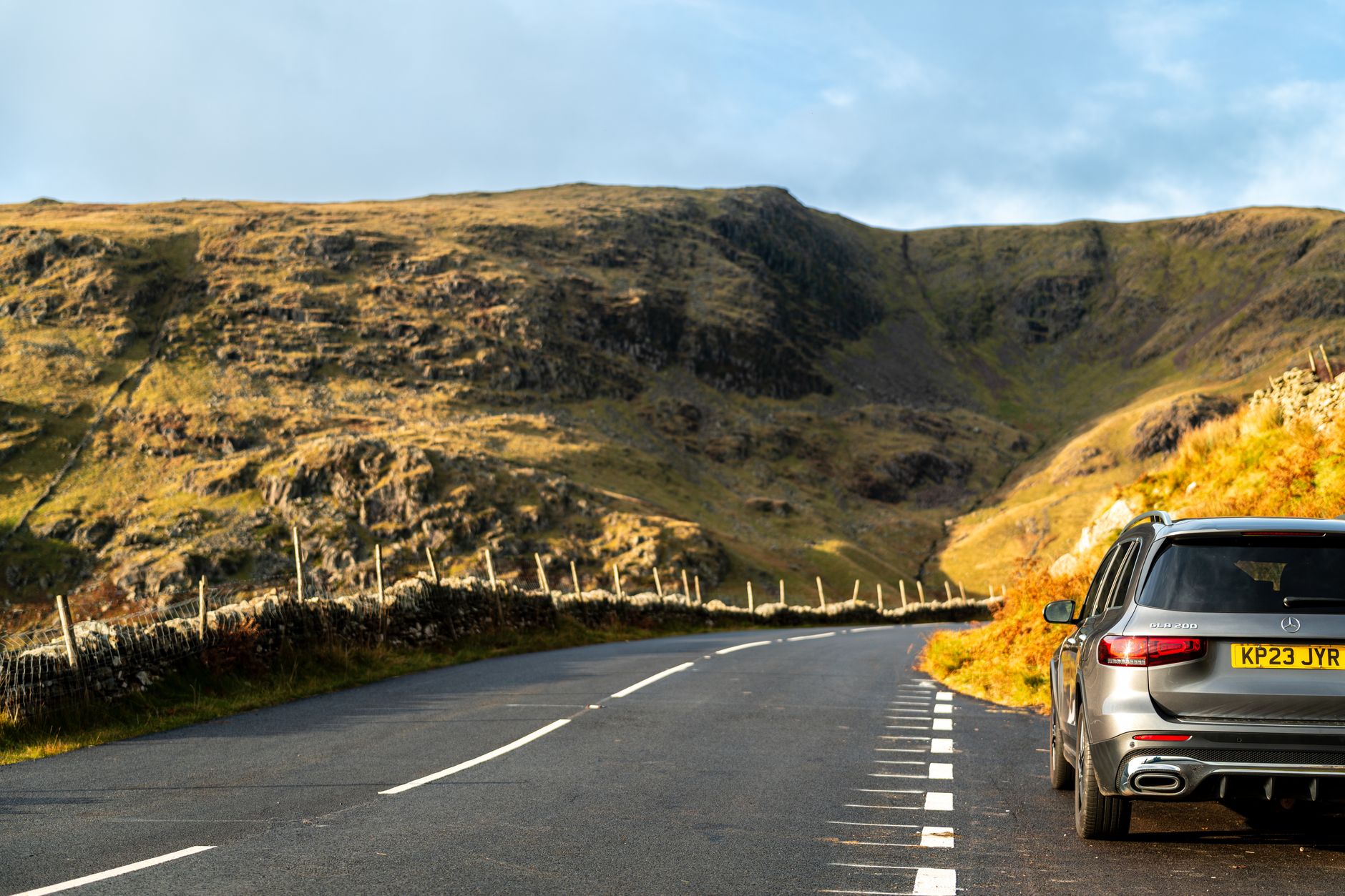
The geography is the whole story. Mid Wales in particular sits in a pocket of the UK where you can cover 40 to 50 miles without touching a dual carriageway. The roads that thread through the Cambrian Mountains and around Llyn Tegid (Bala Lake) combine long, sweeping crests with tight, blind entries and proper elevation changes. That combination is rare. You’ll find individual stretches of good road in the Peak District or the Yorkshire Dales, but Wales strings them together in a way that feels almost continuous.
The surface quality matters too. Councils in Powys and Gwynedd have historically resurfaced rally-adjacent roads more consistently than comparable rural roads elsewhere in Britain, partly because the road surfaces take a pounding from stage events and need to be maintained to a minimum standard. I’ve driven the same A470/B4518 loop three years running and each time the tarmac has been in noticeably better condition than equivalent mileage in, say, rural Shropshire or the A-roads through Cumbria. Compare that with what Britain’s crumbling road surfaces are doing to suspension and tyres elsewhere in the country, and Wales starts looking like a different planet.
The best routes to know
The Elan Valley circuit is the obvious starting point. The B4518 from Rhayader to Aberystwyth, with a detour around the Elan Valley reservoirs, gives you around 60 miles of genuinely outstanding driving. Open moorland on both sides, almost zero traffic on weekdays, and enough mid-corner camber change to keep you honest. Rhayader itself is a good base, small enough to be quiet, with a petrol station and a couple of cafes that open early.
Further north, the roads around Bala and into the Aran Mountains are where it gets more serious. The B4391 between Llangynog and Bala is narrow in places, with proper blind brows that demand respect and commitment in equal measure. I’ve seen rally recce crews on this stretch in late winter. They’re not there by accident. The route from Bala towards Dolgellau via the A494 then cutting south on the B4416 is around 45 miles of constant engagement, with the Cader Idris range providing a backdrop that makes it feel like you’re somewhere much further from home than you actually are.
In the north, the roads threading east from Betws-y-Coed towards Cerrigydrudion on the B5105 are fast, smooth, and largely ignored by everyone who isn’t a local or a rally team. This is Conwy county territory, and the surface here is generally excellent. Worth knowing: the A5 between Betws-y-Coed and Capel Curig gets tourist traffic in summer, but the B-roads parallel to it rarely do.
Best time of year to go
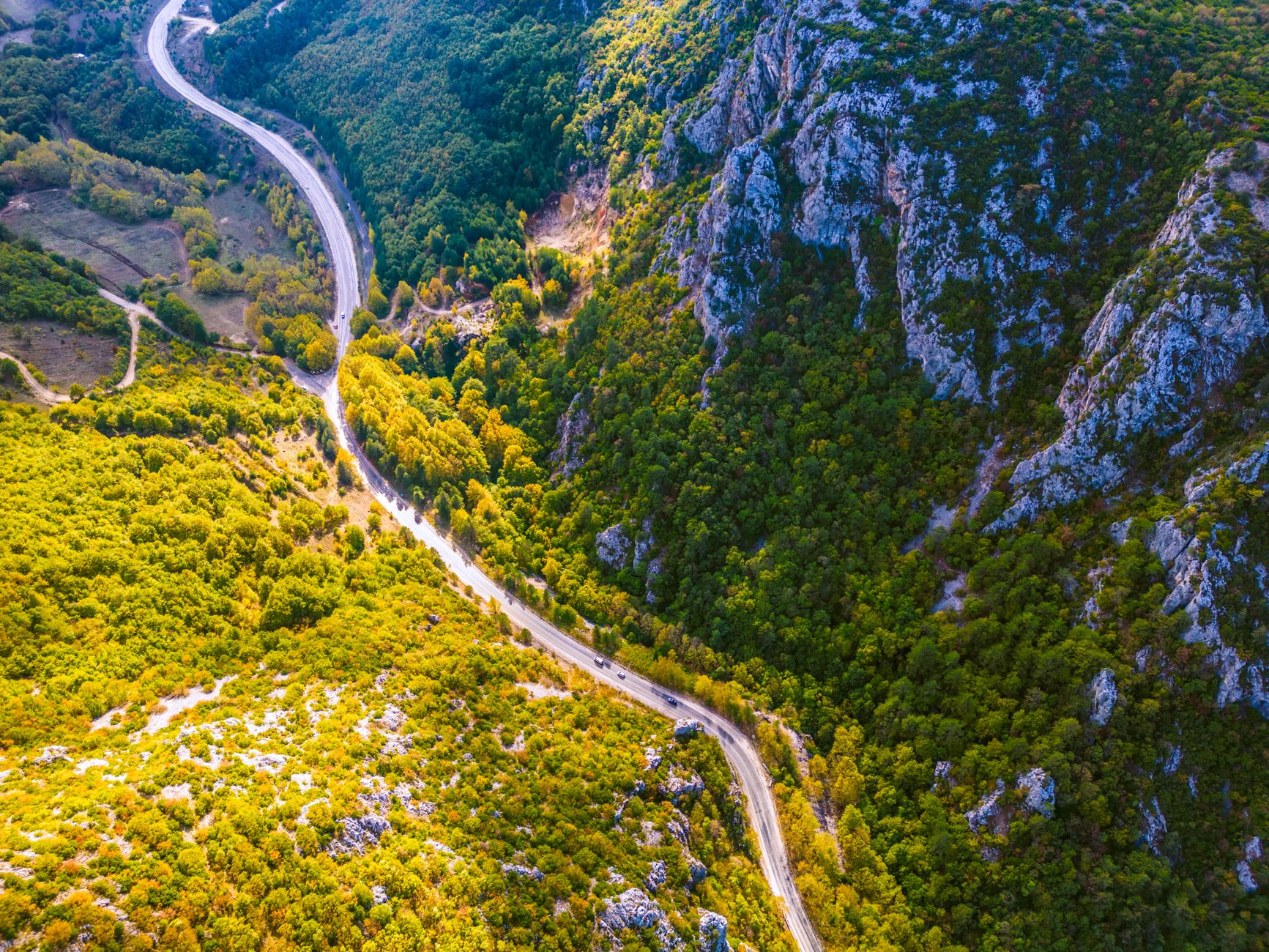
March to May is the sweet spot. The roads are damp enough to be interesting but not flooded, the light is clean and low in the mornings which makes the crests readable, and tourist season hasn’t arrived. October can be spectacular if you’re chasing the colour change in the Snowdonia foothills, but you’ll need to be realistic about limited daylight hours and the occasional patch of fallen leaf debris that makes a fast B-road genuinely sketchy.
July and August are the months to avoid unless you enjoy getting stuck behind a campervan on a single-track road for six miles. The roads around Bala Lake become genuinely busy. Stick to weekday trips throughout spring and early autumn and you’ll have the place almost to yourself. According to Visit Wales, rural overnight tourism in mid Wales peaks in July and August, so the inverse logic for driving trips holds.
What cars suit the terrain
This is where it gets interesting. The Welsh rally roads are not the place for a wide, low, stiff supercar. I’ve seen a 991 GT3 owner absolutely baffled by the Elan Valley run, the ride height caught him out twice on crests before he backed off entirely. The ideal car here is something with enough ground clearance to cope with occasional rough patches, a chassis that communicates through the steering, and enough power to make the straights feel rewarding without getting scary.
The Honda Civic Type R (FL5 generation), the Toyota GR86, and the Renault Clio 300 Trophy are all cars I’d pick without hesitation. The Mazda MX-5 works brilliantly until you hit a stretch of heave and realise its suspension travel is working overtime. Four-wheel drive cars like the Subaru WRX STI or the GR Yaris come alive on these roads in a way they never do on a track, that slight looseness at the rear on tightening bends is exactly what they were engineered for.
If your car has a recent paint job, it’s worth thinking about road debris protection before you set off. Stone chips are a genuine hazard on these rural runs, particularly in spring when grit from winter treatments is still loose on the surface. A quality paint protection film installation from somewhere like Custom Creations Detailing is the kind of sensible prep that experienced drivers don’t skip. Properly fitted film won’t affect the look of the car but it’ll save you a respray bill after a week in Wales.
Fuel stops and practical logistics
This is the bit most guides skip and it matters. Rural Wales has petrol stations, but not many, and several close early. Rhayader, Llandrindod Wells, Machynlleth, Dolgellau, and Bala all have fuel. If you’re running a thirsty modified car or anything with a small tank, plan your stops before you leave. I’d always fill up in the last town before any of the serious remote sections because the gap between stations on some routes is 30 to 40 miles of open moorland with nothing in between.
Accommodation in Welshpool or Aberystwyth gives you good central access to both the mid Wales and north Wales route networks. Both towns have decent food options and aren’t overrun with tourists outside of peak summer. If you’re going as a group of cars, Welshpool makes more logistical sense given its proximity to the A483 for those coming from the Midlands or North West England.
A word on driving standards
These are public roads. That point sounds obvious but it bears saying plainly. The villages in the Elan Valley and around Bala are lived-in communities, not a stage. Tractor drivers, dog walkers, horse riders, and school runs all share the same tarmac. The roads are good enough to fool you into thinking they’re a private testing route, and they’re not. Smooth roads with no traffic are not an invitation to drive like a prat through a village at 60mph. The Welsh police have a mobile enforcement presence across Powys and Ceredigion that enthusiast forums persistently underestimate.
Drive within your limits, give way properly on single-track stretches, and treat locals with the consideration you’d want if they were driving through your street. The Welsh rally roads have a deserved reputation as a proper driver’s destination precisely because the scene there hasn’t been ruined yet. Keep it that way.
If you’re the type who also takes their car to circuits, the skills translate directly. The commitment required on blind brows is exactly the discipline that makes a technically demanding circuit like Cadwell Park feel more manageable once you’ve spent time reading real roads at real speed. And if your car is modified, make sure it’s sorted before you head out. A pre-trip check against current MOT failure points for modified cars is worth an hour of your time before a long drive to mid Wales.
Welsh rally roads are the real thing. Get there before everyone else figures it out.