Category: Product News

  • Soft Shell Hyperbaric Oxygen Chamber UK: Complete Buyer’s Guide

    Soft Shell Hyperbaric Oxygen Chamber UK: Complete Buyer’s Guide

    A few years ago, if you searched for a “hyperbaric oxygen chamber near me,” you’d likely end up at a hospital or specialised clinic. Today, things look very different.

    Across the UK—especially in areas like Mansfield—more individuals are exploring home-based wellness solutions, and one name that keeps coming up is the soft shell hyperbaric oxygen chamber.

    From athletes recovering faster to individuals managing chronic fatigue or long COVID symptoms, hyperbaric oxygen therapy (HBOT) is no longer limited to medical facilities. It’s becoming a practical, at-home solution.

    But is it worth investing in one? Let’s break it down.

    What Is a Soft Shell Hyperbaric Oxygen Chamber?

    A soft shell hyperbaric oxygen chamber is a portable, inflatable chamber designed to deliver increased oxygen levels at mild pressure.

    Unlike hospital-grade hard chambers, soft shell units:

    • Operate at lower pressure (typically 1.3–1.5 ATA)
    • Are designed for home use
    • Are more affordable and user-friendly

    Inside the chamber, you breathe oxygen-rich air, which helps your body absorb more oxygen into the bloodstream—supporting cellular repair, recovery, and overall wellness.

    How Hyperbaric Oxygen Therapy Works (In Simple Terms)

    Imagine your body as a city, and oxygen as the delivery system. When oxygen supply increases, everything runs more efficiently.

    Hyperbaric oxygen therapy works by:

    • Increasing oxygen concentration in blood plasma
    • Enhancing tissue repair and regeneration
    • Reducing inflammation
    • Supporting immune response

    This is why HBOT is widely discussed for:

    • Injury recovery
    • Chronic fatigue
    • Post-viral symptoms
    • Skin rejuvenation

    Why Soft Shell Chambers Are Trending in the UK

    The demand for hyperbaric oxygen chambers in the UK has grown rapidly—and for good reason.

    1. Convenience at Home

    No need to search “hyperbaric oxygen chamber near me” or travel to clinics multiple times a week.

    2. Cost Efficiency

    While clinic sessions can cost £50–£150 per visit, owning a chamber becomes cost-effective over time.

    3. Wellness & Biohacking Trend

    From longevity seekers to high-performance individuals, HBOT is now part of modern wellness routines.

    4. Post-COVID Recovery Interest

    Many users are exploring HBOT as supportive therapy for fatigue and recovery.

    Who Should Consider a Hyperbaric Oxygen Chamber?

    A soft shell hyperbaric oxygen chamber may be suitable if you:

    • Want faster recovery from workouts or injuries
    • Experience low energy or fatigue
    • Are exploring anti-ageing or skin health solutions
    • Need a convenient home-based therapy option
    • Prefer long-term wellness investment over recurring clinic visits

    However, it’s always recommended to consult a healthcare professional before starting hyperbaric oxygen therapy, especially for medical conditions.

    Soft Shell vs Hard Shell: What’s the Difference?

    Understanding the difference is crucial before buying.

    Soft Shell Chambers

    • Lower pressure (mild HBOT)
    • Portable and foldable
    • Ideal for home users
    • Lower cost

    Hard Shell Chambers

    • Higher pressure (medical-grade)
    • Fixed installation
    • Used in hospitals
    • Expensive and requires supervision

    👉 For most UK buyers, especially those searching for a “hyperbaric oxygen chamber near me”, soft shell options provide the best balance of accessibility, affordability, and effectiveness.

    Key Features to Look for Before Buying

    When choosing a hyperbaric oxygen chamber, don’t just look at price. Focus on quality and usability.

    1. Pressure Level

    Look for chambers offering 1.3–1.5 ATA, ideal for safe home use.

    2. Oxygen Delivery System

    Check if it includes or supports an oxygen concentrator.

    3. Build Quality & Safety

    Durable materials, strong zippers, and pressure valves are essential.

    4. Size & Comfort

    Ensure enough space to lie comfortably during sessions.

    5. Brand Reputation

    Choose a trusted UK supplier with after-sales support.

    Real-World Experience: What Users Say

    Many first-time users are sceptical—until they try it.

    A typical experience looks like this:

    “Initially, I searched for a hyperbaric oxygen chamber near me, but regular clinic visits weren’t practical. After investing in a soft shell chamber, I noticed improved sleep, better recovery, and overall energy within weeks.”

    While results vary, consistency is key. Most users report noticeable benefits after 15–30 sessions.

    Is It Safe to Use at Home?

    Safety is one of the most common concerns around hyperbaric oxygen therapy.

    Soft shell chambers are generally considered safe when:

    • Used as per manufacturer guidelines
    • Operated within recommended pressure levels
    • Not used with contraindicated medical conditions

    Always follow proper usage instructions and consult a professional if unsure.

    Cost of a Hyperbaric Oxygen Chamber in the UK

    A quality soft shell hyperbaric oxygen chamber in the UK typically ranges from:

    • £4,000 to £10,000+ depending on features and brand

    While this may seem high initially, compare it with clinic sessions:

    • £100/session × 50 sessions = £5,000

    👉 Ownership often becomes more economical within a year.

    Final Thoughts: Is It Worth It?

    Investing in a hyperbaric oxygen chamber is not a small decision—and it shouldn’t be rushed.

    While many people begin their journey by searching for a “hyperbaric oxygen chamber near me,” they quickly realise that frequent clinic visits can be expensive, time-consuming, and inconsistent.

    That’s where a smarter approach comes in.

    With HealthPod, the focus isn’t just on selling a product—it’s about helping you make the right decision for your needs.

    👉 If you’re confident and ready for long-term use, owning a chamber can be a valuable investment in your health and recovery.

    👉 But if you’re still exploring whether hyperbaric oxygen therapy is right for you, HealthPod’s 3-month rental option gives you a low-risk, cost-effective way to experience the benefits at home.

    This flexibility means you don’t have to commit upfront—you can test, experience, and decide with confidence.

    In a growing market where more people are turning to HBOT for wellness, recovery, and performance, the real advantage isn’t just access—it’s making an informed choice.

    And that’s exactly what HealthPod is designed to support.

    FAQs

    What does a hyperbaric oxygen chamber do?

    A: A hyperbaric oxygen chamber increases oxygen levels in the body, helping improve healing, reduce inflammation, and support recovery.

    Is hyperbaric oxygen therapy safe at home?

    Yes, hyperbaric oxygen therapy using soft shell chambers is generally safe when used correctly and within recommended pressure limits.

    How often should you use a hyperbaric oxygen chamber?

    Most users start with 3–5 sessions per week, depending on their goals and health condition.

    Can I buy a hyperbaric oxygen chamber in the UK?

    Yes, there are several UK suppliers offering soft shell chambers suitable for home use.

    Is it better to buy or search for a hyperbaric oxygen chamber near me?

    If you require frequent sessions, buying is often more cost-effective than repeatedly searching for a “hyperbaric oxygen chamber near me” and visiting clinics.

  • Diesel Engine Parts For US Trucks: What UK Tuners Need To Know

    Diesel Engine Parts For US Trucks: What UK Tuners Need To Know

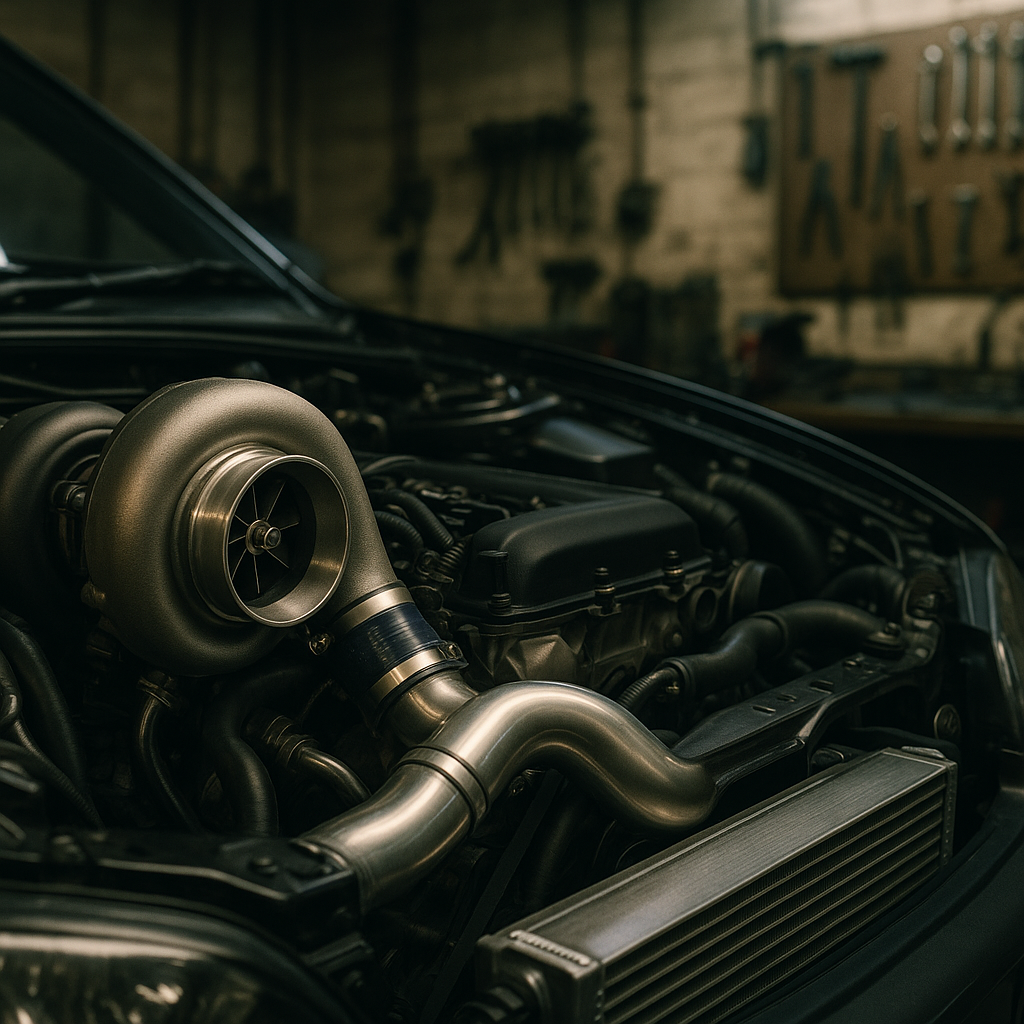
    If you are into big torque rigs, importing or running American pickups over here, you will quickly find that understanding diesel engine parts for US trucks is the difference between a smoky shed and a properly sorted street bruiser.

    Diesel Engine Parts For US Trucks

    Why US diesel trucks hit different

    Stateside oil-burners are a different vibe to the usual Euro TDI stuff. Big capacity, low revs, and absolutely silly torque when you get them breathing right. The flip side is that a lot of the diesel engine parts for US trucks are built with towing and long-haul in mind rather than hard launches on a cold, wet dual carriageway.

    That means when you start leaning on them with more boost and fuel, you need to know which bits are weak, which are overbuilt, and what is actually worth upgrading rather than just throwing shiny catalogue parts at it.

    Core diesel engine parts for US trucks to understand

    Most of the usual suspects are the same as any diesel, just scaled up. The key bits to get your head round are:

    • Turbocharger and manifold – Stock VGT turbos are great for towing and spool, but once you start pushing them they overspeed and cook bearings. A decent fixed-geometry or compound setup is the go-to for big power builds.
    • Injectors and high-pressure pump – On common-rail stuff these are the heart of the tune. Bigger nozzles and a higher flowing pump will let you make power without running silly rail pressures that nuke seals.
    • Intercooler and pipework – The OEM coolers are usually sized for stock boost. Turn it up and intake temps skyrocket. A bigger front mount and hard pipes keep charge temps and EGTs under control.
    • Head studs and gaskets – Once boost creeps up, factory head bolts start to complain. Stud and gasket upgrades are cheap insurance compared with lifting a head under load.
    • Bottom end – Cranks are generally stout, but rods and pistons are where things get sketchy. Know the safe torque window for your specific engine code before chasing dyno clout.

    Common upgrade paths for US diesel trucks in the UK

    If you are building something usable on UK roads rather than a SEMA show pony, the sweet spot is a responsive, mid-range focused setup. A typical path looks like:

    • Intake, exhaust and intercooler upgrades to free up flow and drop EGTs
    • Head studs and fresh gaskets before you crank the boost
    • Mild turbo upgrade or a properly specced single that keeps spool sensible
    • Slightly larger injectors matched to a custom map
    • Transmission cooler and, if auto, a stronger torque converter

    Built right, you end up with a truck that will happily daily, haul trailers, and still embarrass a lot of fast road cars from a roll.

    Sourcing diesel engine parts for US trucks in the UK

    The hardest bit is usually getting the right parts over here without being rinsed on shipping and import duty. A few tips:

    • Know your exact engine code – US trucks often have mid-year changes. Build date and engine code matter more than the badge on the wing.
    • Cross-reference part numbers – Before ordering from overseas, see if there is a Euro equivalent or shared platform part that is easier to get locally.
    • Use specialist importers – A good importer will batch ship and handle customs so you are not playing roulette with courier fees and delays.
    • Lean on the community – Forums, Facebook groups and UK owners who have already done similar builds can save you a fortune in trial and error.

    When you are hunting for local garages or tuners that are comfortable working on imports, directories like maxxdirectory.co.uk are handy for finding people who actually get the scene.

    Keeping big diesel builds reliable on UK roads

    Running serious torque through a heavy truck on our tight, bumpy roads is brutal on parts. Once you have upgraded the core diesel engine parts for US trucks, think about the supporting mods:

    Diesel Engine Parts For US Trucks

    Diesel engine parts for US trucks FAQs

    Are diesel engine parts for US trucks compatible with UK fuel?

    Most modern US diesel trucks run fine on UK pump diesel, but tuning and injector choice should take our fuel quality and cetane rating into account. Avoid cheap, low-quality fuel, keep on top of filter changes, and if you are chasing big power, speak to a mapper who understands both the engine platform and UK fuel. That way you stay reliable while still making strong torque.

    What should I upgrade first on a US diesel truck imported to the UK?

    Start with health checks and maintenance items, then look at intake, exhaust and intercooler upgrades to drop EGTs. After that, head studs and a sensible turbo and injector combo matched to a custom map are the usual first steps. This approach keeps the engine safe while giving a noticeable bump in power and drivability on UK roads.

    Is it hard to get diesel engine parts for US trucks delivered to the UK?

    It is not difficult, but it can be expensive and slow if you do it blindly. Use trusted importers, batch orders where possible, and always confirm part numbers and engine codes before you buy. Many wear items and fluids can be sourced locally, so save the overseas shipping for the specialist bits like turbos, injectors and tuning hardware.

  • Beginner’s Guide To UK Track Days In Your Own Car

    Beginner’s Guide To UK Track Days In Your Own Car

    Thinking about jumping into UK track days in your own car but not sure where to start? Good. You are exactly the sort of nerd we like. Here is a deep but beginner-friendly rundown so you do not look clueless in the paddock or bin your pride and joy on the sighting laps.

    What actually happens on UK track days?

    Most UK track days are non-competitive, open pit lane or sessioned events. You rock up, get noise tested, sign on, do a briefing, then head out for sighting laps before they let you loose properly. Overtaking is usually by consent and on specific sides only, there are no lap times, and it is all about clean, consistent driving rather than heroics.

    There will be marshals at every post, a pit lane speed limit, and a paddock full of everything from bone-stock daily drivers to full-cage time-attack weapons. Respect the rules and you will get loads of seat time and a seriously addictive buzz.

    Noise limits on UK track days

    Noise is the first thing that catches people out. Circuits are under heavy pressure from locals, so they take it seriously. You will usually see two numbers: a static limit and a drive-by limit.

    • Static test – done in the paddock, typically 0.5 m from the tailpipe at 45 degrees, around 3/4 of max revs. Common limits are 98 dB, 100 dB or 105 dB.
    • Drive-by – measured at trackside as you go past at speed. You might pass static and still get black flagged for going over the drive-by.

    If you are rocking a straight-piped turbo car or a screamer of a Honda, consider bung inserts, extra silencers or a bolt-on track backbox. Turn down the crackle map too – nobody is impressed and it just trips the meters.

    Helmet rules and safety basics

    Every circuit will require a proper helmet. Most will accept a good-condition motorcycle lid, but check the organiser’s rules before you book. No open-face scooter toys, no battered relics from the shed. If you are borrowing a lid, make sure it fits snugly and the visor is clear and unscratched.

    Long sleeves and long trousers are usually mandatory, plus closed shoes. Harnesses and buckets are nice but not essential for your first day – a standard three-point belt in good condition is fine. If you run a half cage or bolt-in bar, make sure your head cannot meet the metal in a crash. Padding is cheap, brain cells are not.

    Track day insurance and why it matters

    Your normal road policy almost certainly does not cover circuit use. Some insurers will add specific cover for UK track days, others will flatly refuse. There are also specialist one-day policies you can buy just for the event.

    Track cover is not mandatory, but if you are still paying finance or would cry for a week if you stuffed the car, it is worth pricing up. Read the excess, check whether it covers armco damage, and keep in mind it is there to save you from total disaster, not from every little scrape.

    Flags and black flag etiquette

    Learn your flags before you go. The big ones:

    • Yellow – incident ahead, no overtaking, be ready to slow right down.
    • Red – session stopped, come off the throttle and return to the pits safely.
    • Blue – quicker car behind, let them past at the next safe point.
    • Black – you are in trouble. Come into the pits next lap and see the marshals.

    Black flags are usually for noise, driving standards, fluid leaks or something visibly wrong with the car. Do not ignore it, do not argue. Sort the issue, have a chat, and you will usually get back out.

    Best beginner-friendly circuits for UK track days

    If you are new, pick circuits with plenty of run-off and fewer concrete walls. Bedford Autodrome, Blyton Park and Snetterton are all popular starter tracks with loads of space to make mistakes. Smaller, tighter circuits like Cadwell or Lydden are awesome fun but less forgiving when you overcook it.

    Cars exiting a bend on a circuit during UK track days with marshal post in view
    Driver checking their car in the pit lane while preparing for UK track days

    UK track days FAQs