Category: Product News

  • MOT Rules For Modified Cars: Exhausts, Coilovers, Wheels & LEDs

    MOT Rules For Modified Cars: Exhausts, Coilovers, Wheels & LEDs

    If you daily a slammed or tuned motor, keeping on top of MOT rules for modified cars is the difference between a clean pass and a tester shaking their head while you ring round for a trailer.

    What MOT rules for modified cars actually care about

    Contrary to the pub chat, the MOT is not there to kill the scene. Testers do not care how wild your build is, they care about safety, noise and emissions. The key points for most modified cars are:

    • Exhaust noise and leaks
    • Cats, DPFs and emissions
    • Ride height and coilover setup
    • Aftermarket wheels and tyre fitment
    • Lighting and LED conversions

    As long as the car is safe, not obviously illegal and not taking the mick with noise or smoke, a switched on tester will usually be fine.

    Exhaust noise, decats and emissions

    Exhausts are where a lot of people get caught out. A performance system is fine as long as:

    • It is not leaking
    • It is secure with proper hangers
    • It is not "excessively loud" compared to a standard car

    "Excessively loud" is subjective, but if your car is antisocial at light throttle or needs ear defenders in the cabin, expect questions. Pop and bang maps that fire on command can also wind testers up, so stick it in the quietest mode you have.

    On emissions, the big one is missing cats and DPFs. If the car left the factory with a cat or DPF, it must still be there and look genuine. A straight pipe in a fake cat shell is asking for a fail. Petrols have to hit the gas test numbers and diesels are checked for visible smoke and DPF presence.

    If you are running a decat for track use, the safest play is to keep a catted section ready to bolt back in for MOT time. Sort any boost leaks and misfires before the test too, as both can ruin your emissions numbers.

    Coilovers, ride height and clearance

    Coilovers themselves are not a problem. MOT rules for modified cars only really care about how they are fitted and how the car behaves. You need to tick these boxes:

    • Springs seated properly at full droop – no loose springs
    • No fouling on tyres, bodywork or brake lines at full lock
    • Dampers not leaking and securely mounted
    • Enough ground clearance that nothing critical is scraping

    If your daily is sat on the floor, wind it up a touch for the test. Give yourself enough room so the exhaust, fuel lines, sump and chassis rails are not polishing the MOT station floor. A quick four-corner tweak and tracking check before the test can also sort out any weird handling that might worry a tester on the brake rollers.

    Aftermarket wheels, stretch and poke

    Aftermarket wheels are fine as long as the basics are right. The tester is looking for:

    • No tyre contact with arches, liners or suspension
    • Correct load and speed rating on the tyres
    • No cracks, chunks missing or exposed cords
    • Wheel nuts or bolts long enough and properly seated

    A bit of stretch and poke is not an automatic fail, but if the bead looks sketchy or the tread sits outside the arch throwing crud everywhere, you are relying on tester mood. For cars on aggressive fitment, it is worth having a "MOT set" of wheels and tyres you can swap on for the day.

    LED conversions, light bars and MOT

    Lighting is an area where testers have got a lot stricter. Factory LED or xenon setups are fine, but cheap LED bulbs thrown in halogen housings are a grey area. Testers are checking for:

    • Correct colour and aim – no blinding oncoming traffic
    • Working dip, main, indicators and brake lights
    • No flicker, loose units or insecure wiring

    Many will fail obvious plug-in LED headlight bulbs that scatter light everywhere. If you want hassle free MOTs, keep proper halogen bulbs in for the test or invest in a full, type-approved headlamp upgrade rather than eBay specials.
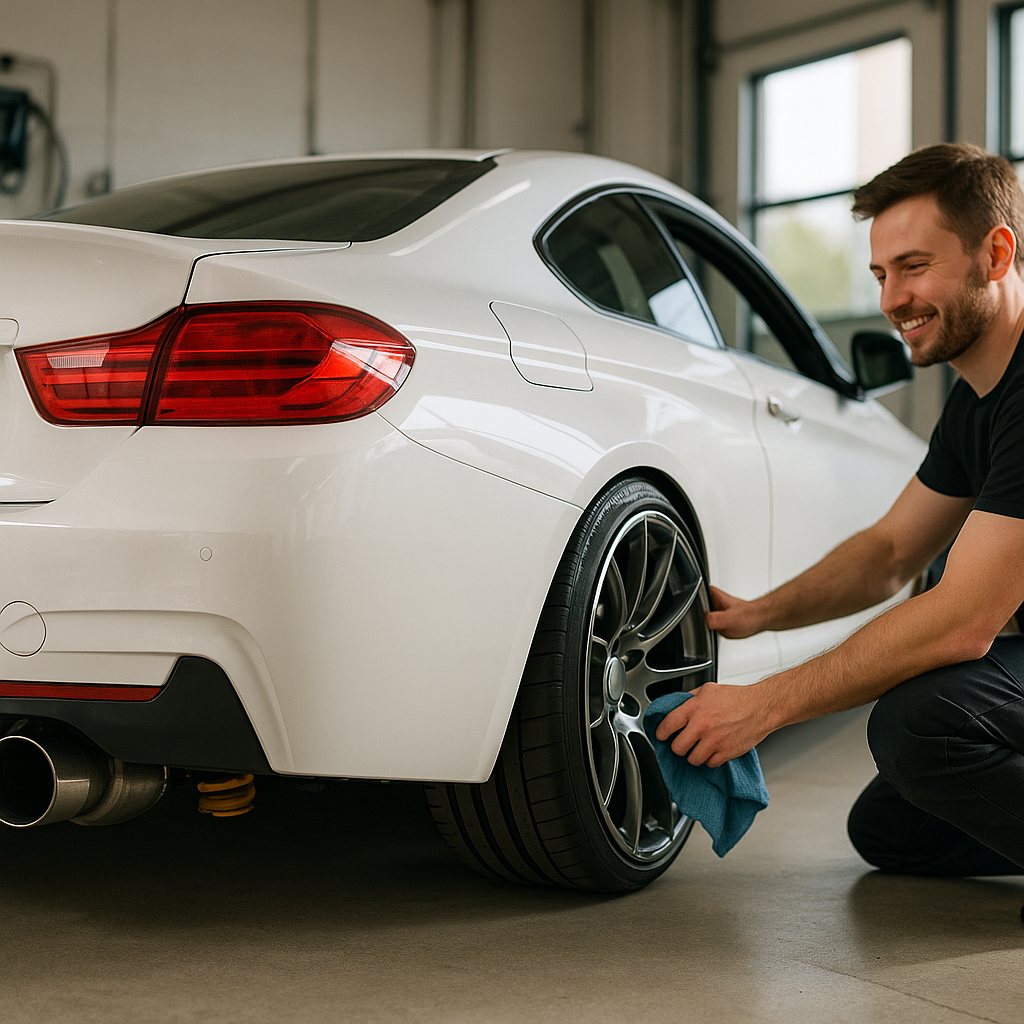
    Owner preparing a slammed performance car with aftermarket parts to meet MOT rules for modified cars
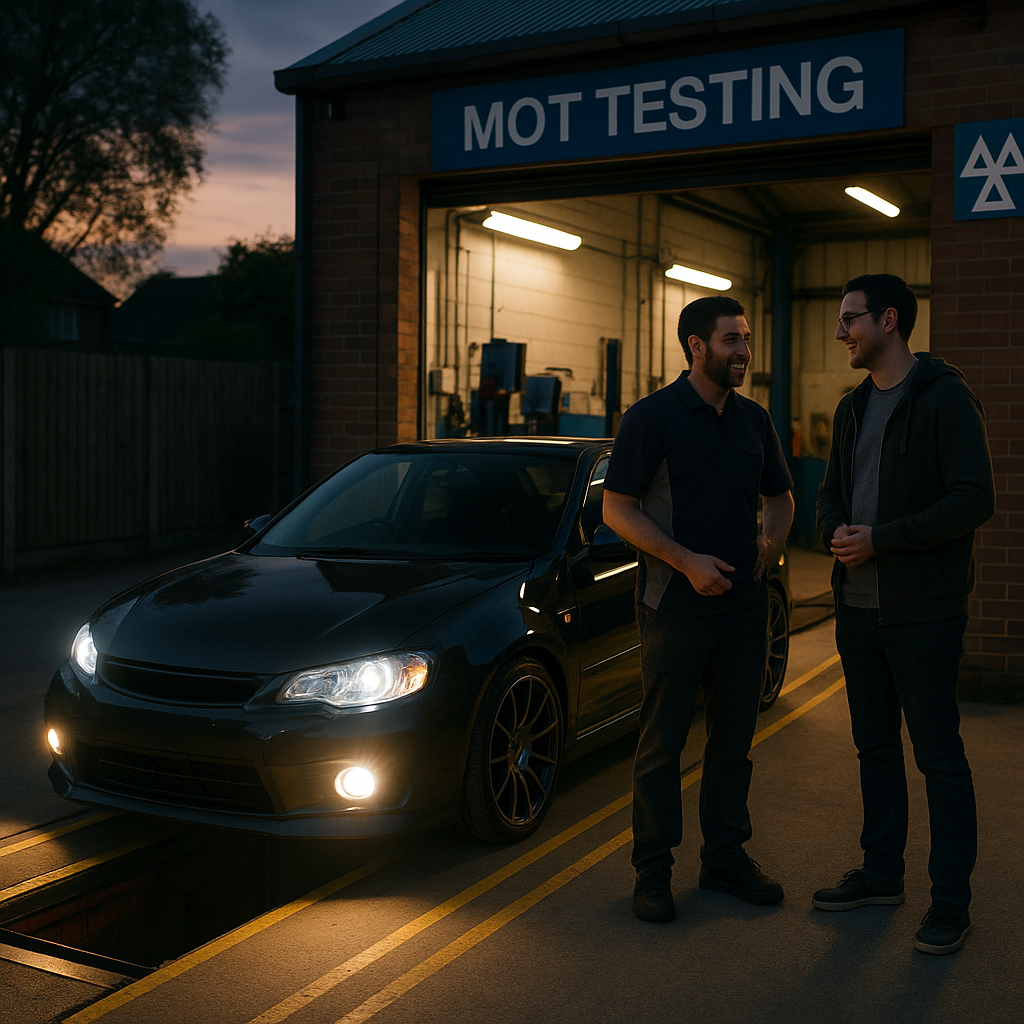
    Modified car with LED lights and custom wheels at a UK test centre discussing MOT rules for modified cars

    MOT rules for modified cars FAQs

    Will coilovers fail the MOT on a daily driven car?

    Coilovers will not fail the MOT just for being fitted. They only cause problems if the springs are loose at full droop, the dampers are leaking, or the car is so low that tyres, exhaust or chassis are fouling. Set a sensible ride height, make sure everything is tight and aligned, and coilovers are normally fine for the test.

    Can my car pass an MOT with a decat exhaust fitted?

    If your car was built with a catalytic converter, it is meant to be present and working at MOT time. A decat can lead to a fail if the tester spots the missing cat or if the car cannot meet the emissions limits. Many owners keep a catted section to swap in before the MOT so the car looks correct and hits the required numbers.

    Are LED headlight bulb conversions legal for MOT tests?

    LED bulbs in halogen housings are a grey area and many testers will fail them if the beam pattern is poor or they cause glare. Factory LED lights or full type-approved upgrades are fine, but cheap plug-in LED bulbs are risky. For the best chance of a pass, run proper halogen bulbs for the MOT or use a correctly designed lighting setup.

  • Are Modern Pickups Still Proper Workhorses Or Just Lifestyle Toys?

    Are Modern Pickups Still Proper Workhorses Or Just Lifestyle Toys?

    If you hang around builders’ yards, farm tracks or drift paddocks, you will have heard the same chat: modern pickup truck reliability is not what it used to be. Old school trucks took years of abuse, a boot-full of tools and a trailer on the back without complaining. These days, every other week there is a horror story about DPFs, AdBlue and gearboxes tapping out.

    At the same time, pickups have gone full lifestyle. Heated leather, tablet screens, LED mood lighting and 20s from factory. So what is the score – are current double cabs still proper workhorses, or just SUVs with a tub on the back?

    Why pickups have changed so much

    Ten or fifteen years ago, a truck was basically a van with a diff. Now manufacturers are chasing company car drivers and family buyers, so the spec has gone up and the engineering has got way more complex. Twin turbo diesels, 10 speed autos, electric power steering and every driver aid going all look good in the brochure, but they add a lot of stuff that can go wrong once the warranty runs out.

    On top of that, emissions rules have pushed diesels into DPFs, EGR coolers and AdBlue systems. Great for clean air, but if you are towing, idling on site all day or crawling around the farm, those systems live a hard life. That is where the reputation for flaky modern pickup truck reliability has come from.

    Common weak spots on newer trucks

    Every platform has its own known issues, but a few problem areas crop up again and again across the board:

    • DPFs and EGR valves getting clogged from constant short trips or heavy towing without long motorway runs to regen properly.
    • Automatic gearboxes that are smooth when new but hate neglected fluid changes, especially when used for big trailers or loaded beds.
    • Suspension and steering components wearing out early when trucks are slammed on big wheels or hammered off road with extra weight.
    • Electrical gremlins thanks to more ECUs, sensors and driver aids than some superminis.

    None of this means modern pickups are rubbish. It just means you cannot treat a highly strung, emissions-choked diesel like a 90s agricultural lump and expect the same indestructible behaviour.

    How owners are keeping trucks dependable

    Truck nerds are a resourceful bunch, and the scene has already figured out a few ways to keep newer platforms earning their keep without constant drama.

    • Preventive maintenance: Regular oil and filter changes, proper gearbox services and actually fixing minor leaks before they take out something expensive.
    • Cooling upgrades: Extra transmission coolers, better intercoolers and quality coolant keep temps in check when towing or remapping.
    • Sensible tuning: A mild, well mapped stage 1 with EGTs under control is usually safer than a cheap plug-in box that just cranks rail pressure and hopes for the best.
    • Quality replacement parts: When factory bits finally give up, going for decent OEM or uprated components instead of the cheapest eBay special can transform long term reliability.

    For platforms that see a lot of hard graft, a lot of owners are moving to trusted breakers and specialists for strong used components rather than gambling on unknown pattern parts. For example, anyone running an L200 as a daily workhorse will eventually be hunting down solid Mitsubishi l200 parts from a reputable source to keep it on the road without dealer prices.

    Balancing comfort, mods and modern pickup truck reliability

    The big appeal of current double cabs is that they can be everything at once: family wagon, site truck, tow rig and weekend toy. The trick is not to mod them in a way that kills that balance.

    Throwing on massive wheels with rubber band tyres might look sick on the gram, but it can wreck ride quality, upset gearing and hammer wheel bearings. Likewise, slamming a truck on coilovers might be cool for shows, but if you are still loading it with slabs or towing a drift car, you are asking a lot from the chassis.

    Line of workhorse pickups at a farm showing different approaches to maintaining modern pickup truck reliability
    Mechanic inspecting suspension and drivetrain to improve modern pickup truck reliability in a busy workshop

    Modern pickup truck reliability FAQs

    Are modern pickups as tough as older models?

    In stock form, most modern pickups are just as capable as the older rigs, and often stronger in terms of chassis and brakes. The difference is that the engines and emissions systems are far more complex, so they are less forgiving of neglect. Regular servicing, good quality fluids and fixing minor issues early are key if you want newer trucks to last as long as the old school workhorses.

    What kills pickup trucks used for towing the most?

    The big killers on tow rigs are heat and lack of maintenance. Constant heavy towing without extra cooling can cook automatic gearboxes and differentials. Sitting on boost for long periods can also stress turbos and raise exhaust gas temperatures. Making sure the gearbox is serviced, fitting an auxiliary transmission cooler where needed and backing off when temps start to climb will all help a tow truck live a long life.

    How can I improve modern pickup truck reliability on a daily workhorse?

    Start with the basics: keep on top of oil, filters and gearbox services, and use quality fluids. Check the cooling system, brakes and suspension regularly if the truck carries weight or tows. Avoid cheap tuning boxes and instead use a reputable mapper who understands safe limits for your platform. Finally, when parts do wear out, replace them with decent OEM or uprated components rather than the cheapest options available.
  • Are Graphene Coatings The Next Big Thing For Daily Driven Builds?

    Are Graphene Coatings The Next Big Thing For Daily Driven Builds?

    If you are deep into detailing chat groups right now, you have definitely seen people arguing about graphene coating for cars. Some say it is the next-level protection your daily deserves, others swear it is just clever marketing slapped on a label. For anyone who actually drives their build hard, through UK weather and salty winter roads, it is worth cutting through the noise.

    What actually is graphene coating for cars?

    On paper, graphene sounds like sci-fi. It is a form of carbon that is incredibly thin, very strong and highly conductive. In the detailing world, a graphene coating is usually a liquid product that uses graphene oxide blended into a resin system that bonds to your paint. The idea is similar to other long term paint protection products, but with some extra claimed benefits like better slickness, less water spotting and extra chemical resistance.

    Most of the stuff on the shelves is not a pure sheet of graphene laid over your bonnet. It is a hybrid formula that uses a small amount of graphene-based material as part of a bigger chemistry package. The quality difference between cheap and pro-only products is huge, so do not assume every bottle with “graphene” on the label is doing the same job.

    Why is everyone suddenly talking about graphene?

    The main reason graphene has blown up is that more of us are keeping nice cars as daily drivers, not garage queens. You have people running 400bhp+ hatches to work, or widebody German stuff on air that still has to live in supermarket car parks. The scene has shifted from “just polish it for show day” to “how do I keep this thing mint all year without spending every Sunday washing it”.

    Graphene coatings promise long term protection, deep gloss and stupidly easy wash downs. For anyone who has had fresh paint, a full correction, or a respray on a rare shell, the idea of adding a tough sacrificial layer that lasts years is very appealing.

    Graphene vs traditional protection

    So where does graphene sit compared to the usual options? At the budget end, you have waxes and basic sealants. They are easy to use, can look great, but you will be topping them up regularly, especially if you daily the car. Spray sealants and quick detailers are ideal for topping up protection, but they are not a true long term barrier.

    At the more serious end, you have pro-grade coatings that chemically bond to the clear coat. These have been the go-to for people wanting multi-year protection. Some modern pro systems even blend different technologies together, and that is where you will see graphene-based layers being added into the mix. If you want to read deeper into those kinds of products, there are specialists offering advanced options like ceramic coatings that sit in the same serious-protection space.

    Is the graphene hype actually justified?

    From what detailers are reporting, good graphene-based products can genuinely reduce water spotting, which is a big deal if your car lives outside. They also tend to give a very slick feel that makes washing easier and helps grime slide off. The gloss is strong too, especially on darker colours where depth really shows.

    But it is not magic. Prep is still everything. If the paint is swirled, contaminated or has poor bodyshop work underneath, no coating will fix it. You still need proper wash technique, decent shampoo and safe drying to avoid marring. Think of graphene as a tougher, smarter clear raincoat over good paintwork, not a respray in a bottle.

    Who should actually consider graphene coatings?

    If you have a daily driven performance car, a fresh respray, or a rare shell that you want to keep looking sharp for years, then a graphene coating is worth looking at. It is especially useful if:

    Detailer applying advanced paint protection similar to graphene coating for cars in a studio
    Show car line-up with deep gloss finish achieved using graphene coating for cars

    Graphene coating for cars FAQs