Category: Car Styling

  • Modern hot hatches vs old school heroes on real UK roads

    Modern hot hatches vs old school heroes on real UK roads

    If you are into proper driver’s cars, the debate of modern hot hatches vs old school heroes never really ends. Out on real UK roads – lumpy B-roads, grim commutes and late-night blasts – the differences are massive. It is not just about lap times, it is about feel, running costs, mod potential and whether you can live with the thing every day.
    Modern hot hatches vs old school heroes: how they really feel to drive

    Jump from a sorted EP3 Civic Type R into a current GR Yaris or i30N and the first thing you notice is weight and refinement. New stuff is quieter, more planted and way faster point to point. The steering is usually lighter, there is a ton of grip and the chassis is set up to be safe for anyone jumping in off a PCP deal.

    The older legends feel more raw. Thin doors, more noise, less insulation, heavier steering and a chassis that actually moves around underneath you. A 205 GTI, Clio 172 or early Mk2 Focus ST talks to you through the wheel and the seat, not through a screen and a fake sound generator. They are slower on paper, but on a tight, scruffy B-road they feel alive at legal speeds, which is where a lot of modern stuff just feels bored.

    Modern cars fight back with clever diffs, adaptive dampers and traction systems that let you lean on the car harder and earlier. You can be a bit lazier with your inputs and still cover ground stupidly quickly, especially in the wet. Old school stuff rewards finesse and patience – get it wrong and you are in a hedge.

    Speed, safety and daily reality

    On pure speed, modern hot hatches destroy the old guard. Turbo torque from low revs, shorter gearing, better tyres and far more traction mean a current Civic Type R, GR Yaris or A45 AMG will rinse a 90s hero in a straight line and on most B-roads. Add in proper brakes from the factory and the gap gets bigger the harder you push.

    Safety is the other big one. Newer cars come with a full alphabet of systems, serious crash protection and lights that actually let you see on a wet January night. If you are doing long motorway runs, hauling mates or family and using the car in all weathers, that matters.

    Old hatches feel sketchier when it all goes wrong. No ESP, basic ABS if you are lucky and crash structures that belong in a museum. Fun at 40 mph, a bit sweaty at 80 when the road surface turns nasty.

    Running costs and reliability

    Here is where the modern hot hatches vs old school heroes fight gets interesting. Older stuff is usually cheaper to buy, and basic servicing can be done on the driveway with Halfords tools and a brew. Parts for popular cars like Mk2 Golfs, EP3s and old Clios are still easy enough to get, and there is a massive community of nerds who know every weak point.

    But age catches up. Rust, tired bushes, dead dampers and 20-year-old plastics all add up. Insurance can be weirdly high on classics, and if you start chasing OEM+ unicorn parts, the bills get spicy. Also, a lot of the cheap ones have been thrashed, badly modded or crashed.

    New hot hatches will hit you on purchase price, tax and tyres, but tend to be reliable if you keep them stock and serviced. Warranty helps, and fuel economy is surprisingly decent on the motorway thanks to tall gearing and turbo efficiency. The sting is in big-ticket items out of warranty – injectors, high pressure fuel pumps, clutches on dual-clutch boxes and complex electronics.

    Modding potential and scene vibes

    Both sides are proper playgrounds if you like spanners. Old school stuff is simple, light and responds well to basic mods – decent coilovers, proper tyres, a fast-road geo and a mild engine tweak transform them. You feel every change because there is less fluff in the way.
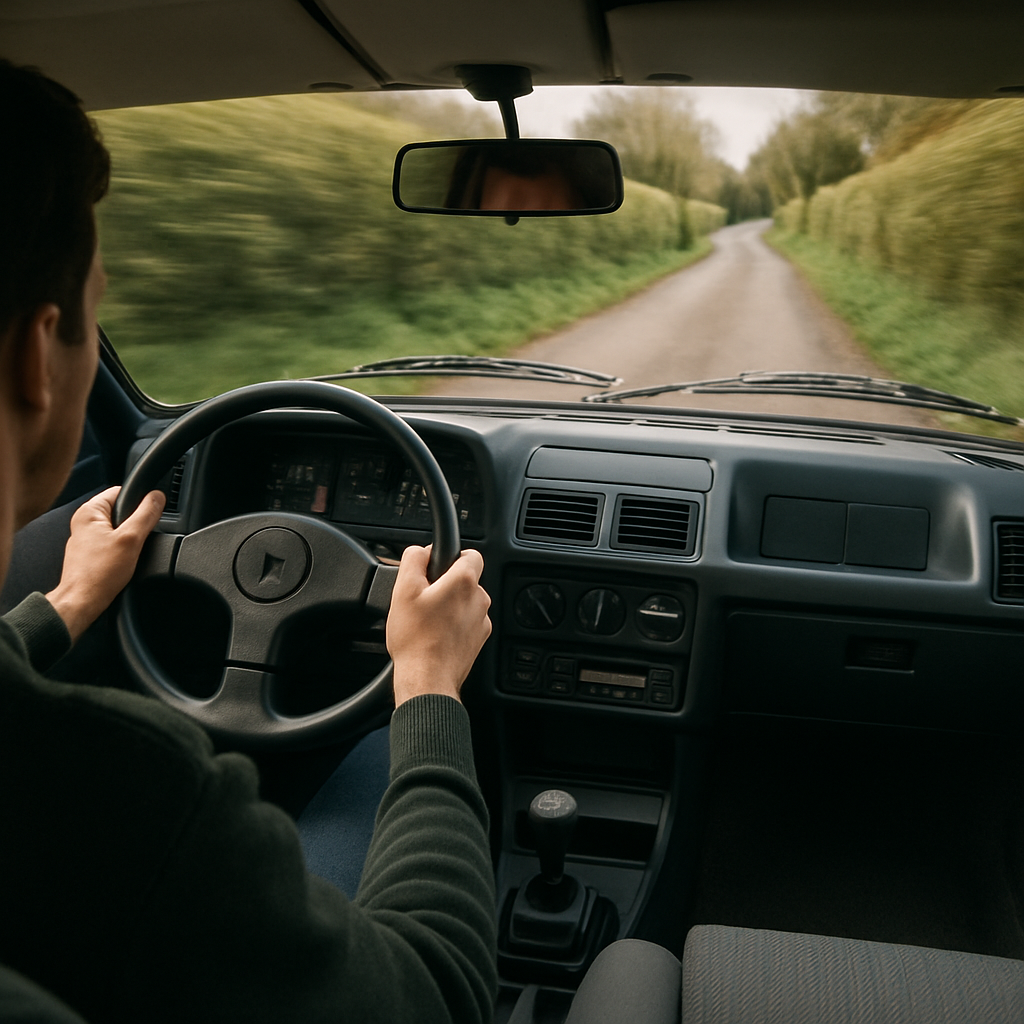
    Driver enjoying a raw analogue cabin that highlights modern hot hatches vs old school heroes
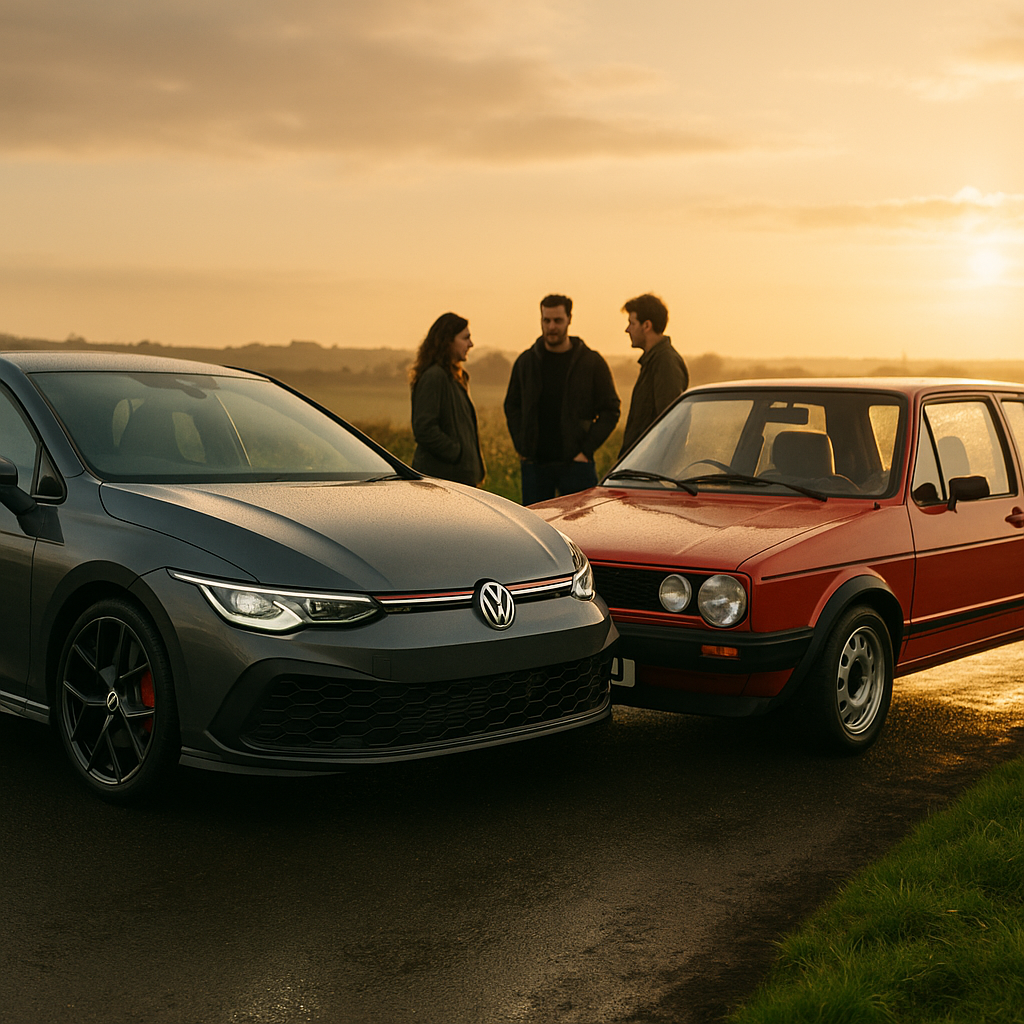
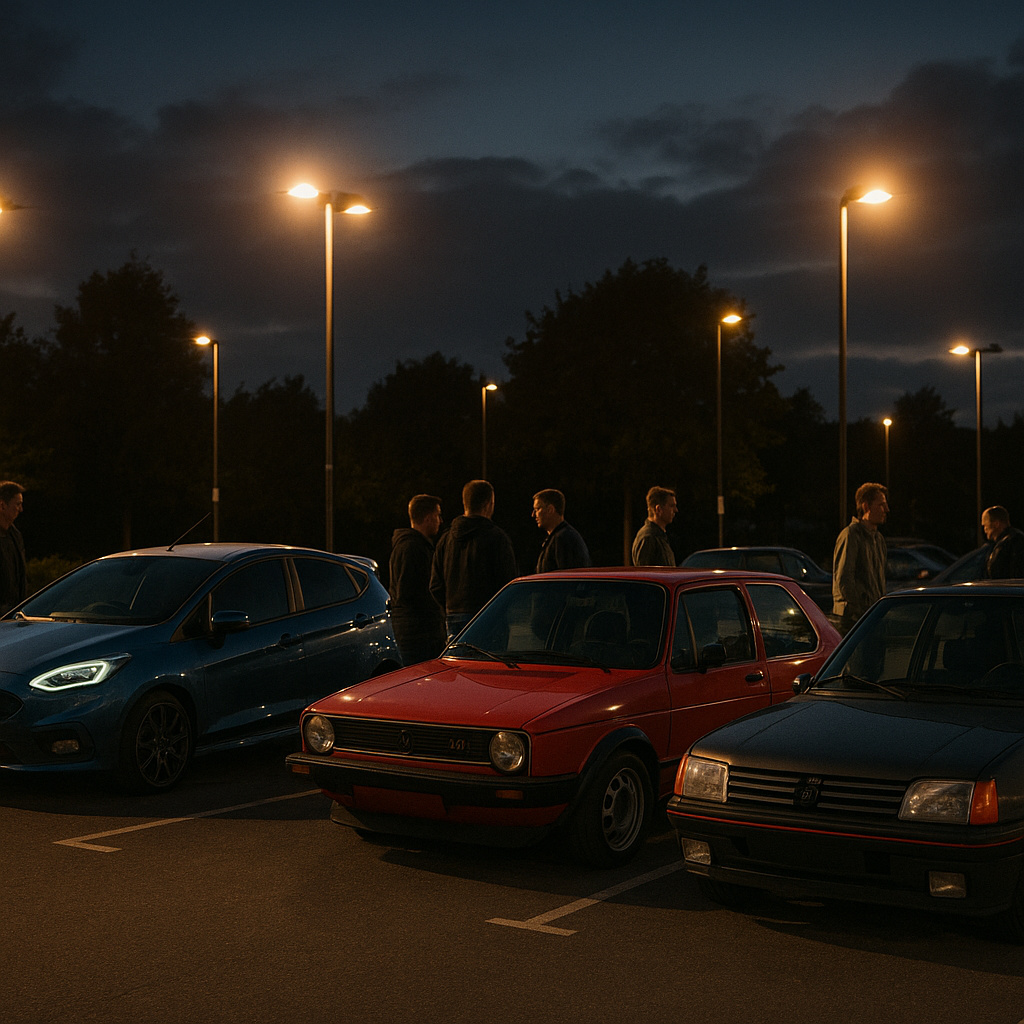
    UK car meet showing the mix of tuned cars that defines modern hot hatches vs old school heroes

    Modern hot hatches vs old school heroes FAQs

    Are older hot hatches cheaper to insure than modern ones?

    Not always. Older hot hatches can fall into classic or limited mileage policies which helps, but many are high risk in insurers’ eyes because of theft, age and the sort of drivers they attract. Modern cars often have better security and driver aids, but higher values and performance can push premiums up. It is worth getting quotes on specific cars before you buy rather than assuming old is cheaper or newer is safer for your wallet.

    Is a modern hot hatch worth it if I only drive at weekends?

    If you only do weekend blasts, an older, lighter hatch can actually make more sense because it feels exciting at sane speeds and is usually cheaper to buy outright. A modern hot hatch shines if you also need it to commute, cover long distances and deal with all-weather use. For pure fun with low annual mileage, a well looked after classic or older hero might give you more smiles per pound.

    What should I check before buying an old school hot hatch?

    Start with rust, accident damage and bodged repairs, as these are often more serious than simple mechanical wear. Look for a thick folder of history, evidence of quality parts, and signs that key jobs like timing belts, clutches and suspension refreshes have been done. Check for mismatched tyres, dodgy wiring from old alarms or audio, and make sure any mods are from known brands rather than the cheapest bits online. A pre-purchase inspection by a specialist is money well spent.
  • Still Worth Importing: JDM Heroes That Make Sense In The UK

    Still Worth Importing: JDM Heroes That Make Sense In The UK

    If you have been doomscrolling auction sheets and crying at R34 prices, you are not alone. But even with the market going turbo, there are still some of the best JDM cars to import to the UK that actually make sense if you play it smart. You just need to stop chasing Instagram clout and start hunting the stuff the flippers are sleeping on.

    What makes a JDM import actually worth it?

    Before we start naming chassis codes like Pokémon, it is worth laying out what makes a car a sensible import rather than a financial jump scare. For UK buyers, four things matter: total on-the-road cost, parts support, insurance reality and how well the thing survives our salt-riddled winters.

    Total cost is not just hammer price. You have auction fees, agent fees, shipping, duty, VAT, registration and usually an IVA or MOT prep. As a rough rule, take the auction price in yen, convert it, then add 35 to 45 percent and you are somewhere near a realistic key-in-hand number. Anything with GTR, Type R or Turbo plastered on it tends to sit at the top of that range.

    The best JDM cars to import to the UK that are still underrated

    The big names are gone. What is left are the cars that were either too normal or too new for the hype kids to care about – which is exactly where the value is if you want to actually drive the thing.

    1. Toyota Mark X (GRX120/130)

    If you want a budget four-door hero, the Mark X is the move. Think of it as the spiritual successor to the Chaser, just without the TikTok tax. The 2.5 and 3.0 V6s are strong, smooth and respond well to breathing mods. On-the-road, a clean 2.5 can land in your driveway for less than a ropey UK E90 3 Series.

    Parts are not scary either. Loads of service bits cross over with UK Toyotas, and the aftermarket for coilovers, arms and exhausts is decent. Rust is miles better than old 90s Toyotas, though you still want to check rear arches and sills. Insurance companies see them as weird saloons rather than drift missiles, so premiums are usually chill compared with anything wearing a Skyline badge.

    2. Honda Odyssey and Elysion

    MPV life might not sound sexy, but the JDM people carriers are where the clever money is. The Odyssey and Elysion give you K-series or V6 power, proper auto boxes and low centres of gravity, so they actually drive properly. Import costs are sensible because they are not scene darlings, and you get a ton of spec for the money – leather, dual sunroofs, sliding doors, the lot.

    Parts are easy: Honda UK stock plenty of compatible bits, and there is a big breaker scene for JDM Hondas. Rust is usually limited to underbody and subframes rather than full-on rot boxes, and most have lived soft lives in Japan. Insurance wise, they are family wagons, so quotes are usually friendlier than hot hatches with half the practicality.

    3. Subaru Legacy and Exiga turbo models

    Everyone piled into JDM Imprezas and forgot the grown up Subarus. The Legacy and Exiga wagons give you turbo boxer noise, AWD and a proper driving position without boy racer heat. Import prices are still realistic, especially for autos, and you get a lot of car for the money.

    The UK already has a decent Subaru nerd base, so parts and knowledge are no drama. Just budget for preventative maintenance: timing belts, head gaskets and fluids if you want them to live. Rust is the weak spot – rear subframes and arches are the first to go – but if you start with a clean Japanese shell and get it undersealed properly here, you are laughing.

    4. Nissan Stagea and Presage oddballs

    If you miss the days of cheap Skylines, the Stagea is the closest you will get without selling a kidney. Some share running gear with R33 and R34s, which means tuning parts and knowledge are everywhere. The scene is niche but passionate, and that keeps values sensible compared with the coupes.

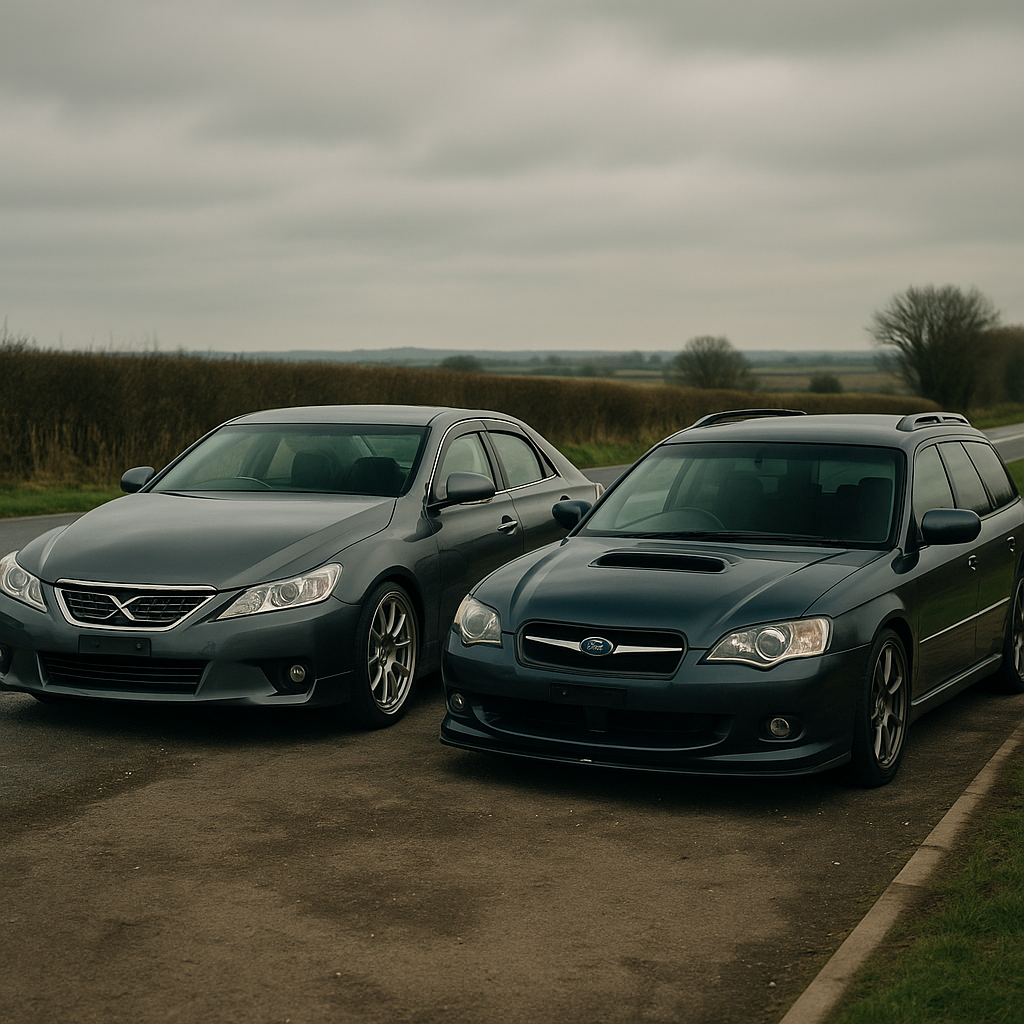
    Toyota Mark X and Subaru Legacy wagon representing some of the best JDM cars to import to the UK
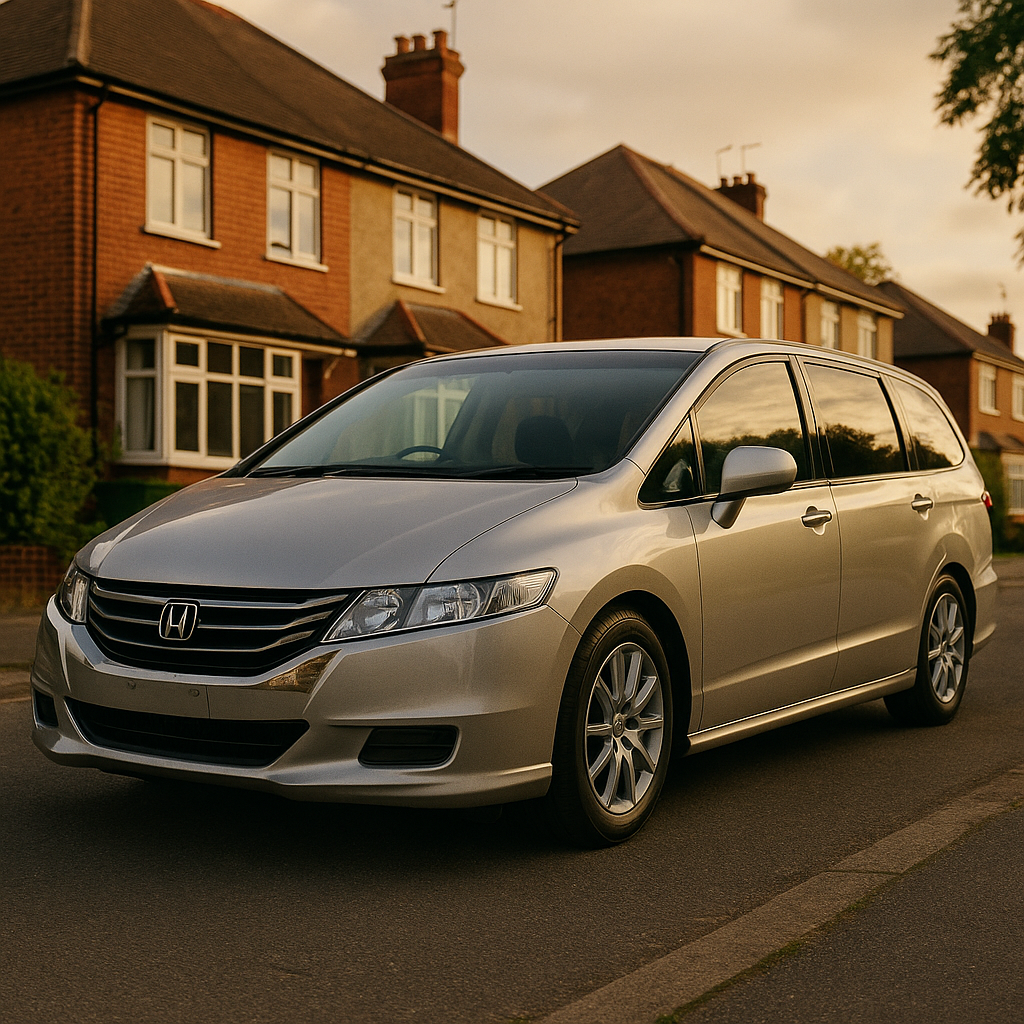
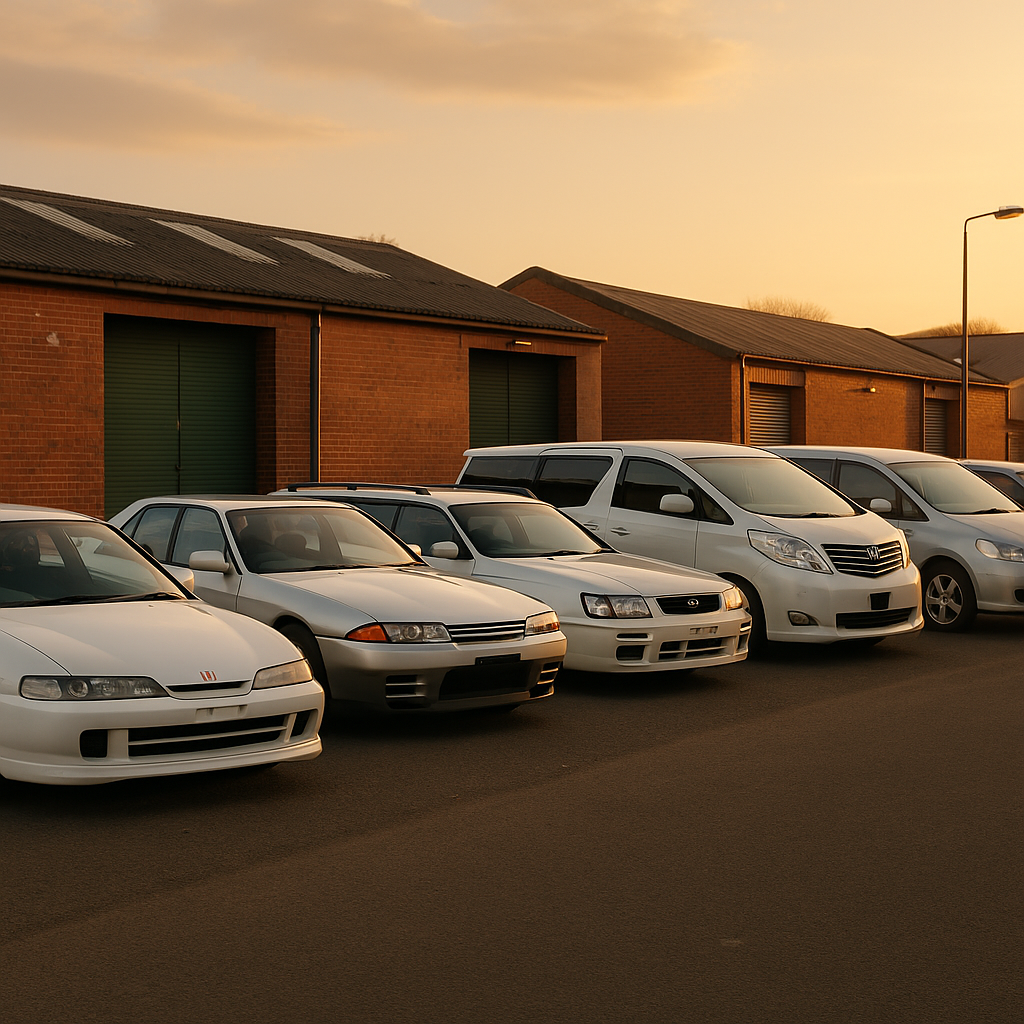
    Honda Odyssey people carrier parked on a UK street as one of the best JDM cars to import to the UK

    Best JDM cars to import to the UK FAQs

    Are the best JDM cars to import to the UK still cheaper than UK equivalents?

    In a lot of cases, yes. While the headline auction prices have climbed, many JDM saloons, MPVs and wagons still land cheaper and better specced than an equivalent UK car. Once you factor in import fees, registration and prep, you often end up with a newer, lower mileage car with more toys for similar money to a tired UK model. The key is to avoid the overhyped nameplates and focus on solid, slightly boring platforms that enthusiasts have not pushed into the spotlight yet.

    How bad is rust on JDM imports once they are in the UK?

    Most JDM cars start off much cleaner than UK cars because Japan does not salt the roads in the same way. The problem begins once they hit our climate. If you buy one of the best JDM cars to import to the UK and then skip undersealing and cavity waxing, it will rot like anything else. A proper clean, underbody inspection and quality rust protection within the first few weeks of landing is essential if you want to keep the shell mint long term.

    Is it hard to insure the best JDM cars to import to the UK?

    It depends what you buy and how old you are. Big name performance models can be painful, especially for younger drivers, but more sensible saloons, estates and MPVs are often surprisingly affordable to insure. Specialist brokers who understand imports are usually a better bet than mainstream comparison sites. Be honest about modifications, mileage and usage, and get quotes before you commit to a specific model so you are not blindsided once the car lands.

  • Clean air zones and modified cars: what UK car nerds need to know

    Clean air zones and modified cars: what UK car nerds need to know

    If you daily something spicy, you have probably already bumped into clean air zones and modified cars becoming a bit of a headache. The UK is rolling out more low emission and clean air schemes, and they are not exactly mapped-diesel or decat friendly.

    What are clean air zones and modified cars rules, in plain English?

    Forget the council jargon. A clean air or low emission zone is basically a ring around a city where they check your reg and either let you in free or slap you with a daily charge or fine. They are not looking for how loud your exhaust is – they only care what your car was certified as when it left the factory.

    In most English cities with clean air zones, private cars are either not charged at all, or only charged if they are older and high emitting. London is the strictest with its Ultra Low Emission Zone, charging most pre-Euro 4 petrols and pre-Euro 6 diesels. Scotland has its own Low Emission Zones that flat out ban non compliant cars in certain city centres.

    The key bit for us is that the system uses the car’s official Euro emissions rating and fuel type, not what mods you have done since.

    How ANPR cameras actually check your car

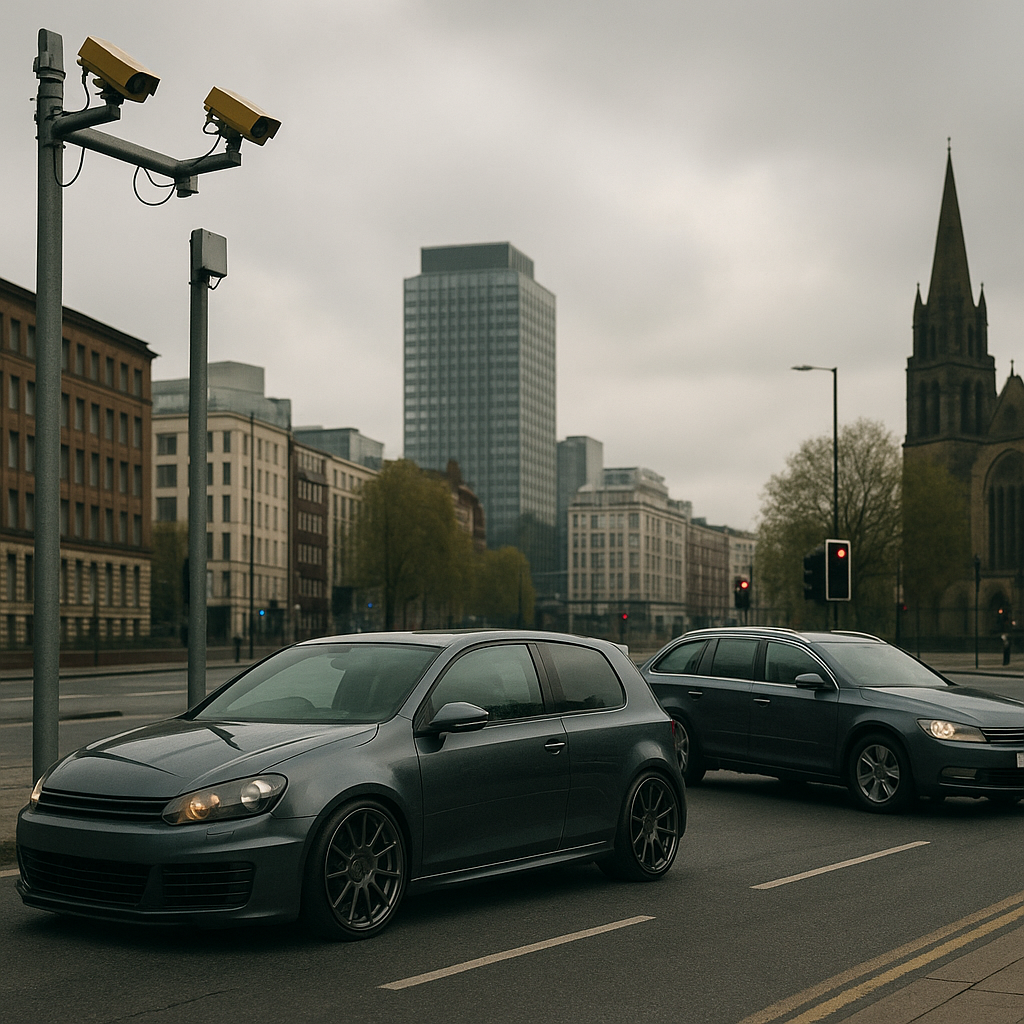
    Those gantries and lamppost cameras are ANPR – Automatic Number Plate Recognition. When you drive past, they read your plate and ping it against the DVLA database. That tells them:

    • Vehicle type and body style
    • Fuel type – petrol, diesel, hybrid, electric
    • Date of first registration
    • Whether it meets a certain Euro standard (or what default band it falls into)

    They are not sniffing your tailpipe, they are not checking if your cat is still there, and they are not scanning for a front mount or a fat backbox. If the database says your car is compliant, you are sweet, even if it is running a big turbo and a straight pipe. If the database says it is not compliant, you are paying or risking fines, even if it is the cleanest, best mapped thing in the postcode.

    Mapped diesels, decats and older petrols: what actually happens?

    This is where clean air zones and modified cars get awkward. A few common builds and how they are treated:

    Mapped Euro 6 diesel daily

    If your diesel is new enough to be officially Euro 6, the system treats it as compliant in most schemes. Stage 1 map, DPF still in place, you are usually fine from a zone point of view. The risk is more MOT related if you push smoke levels or mess with emissions kit.

    Decatted or DPF deleted car

    The cameras cannot see your missing cat or DPF. They only see the reg. So you will still be classed as compliant or not based on factory spec. The problem is that decats and DPF deletes are illegal for road use, and if you get pulled or MOT tested properly, you are in trouble regardless of the clean air zone.

    Older petrols and proper retro stuff

    Pre-Euro 4 petrols are the ones that get hammered in the strictest zones. That means a lot of late 90s and early 2000s stuff is on the naughty list. Some cities do not charge private cars at all yet, but London and the Scottish LEZ setups are already making life hard for anyone dailying older metal.

    What counts as compliant for most zones?

    Every scheme has its own fine print, but a rough guide for private cars looks like:

    • Petrol: usually OK if Euro 4 or newer (around mid 2000s on, but check your exact car)
    • Diesel: usually needs to be Euro 6 to be fully compliant
    • Hybrids: treated as petrol or diesel based on the engine type
    • Electric: normally free in all current schemes

    Again, it is all about the official rating, not your mods. A stock looking Euro 3 petrol is treated worse than a 500 bhp Euro 4 sleeper that still has its original emissions hardware.

    Realistic options for UK car nerds

    If clean air zones and modified cars are starting to cramp your style, you have a few routes:

    Car meet showing enthusiasts discussing clean air zones and modified cars near a UK city
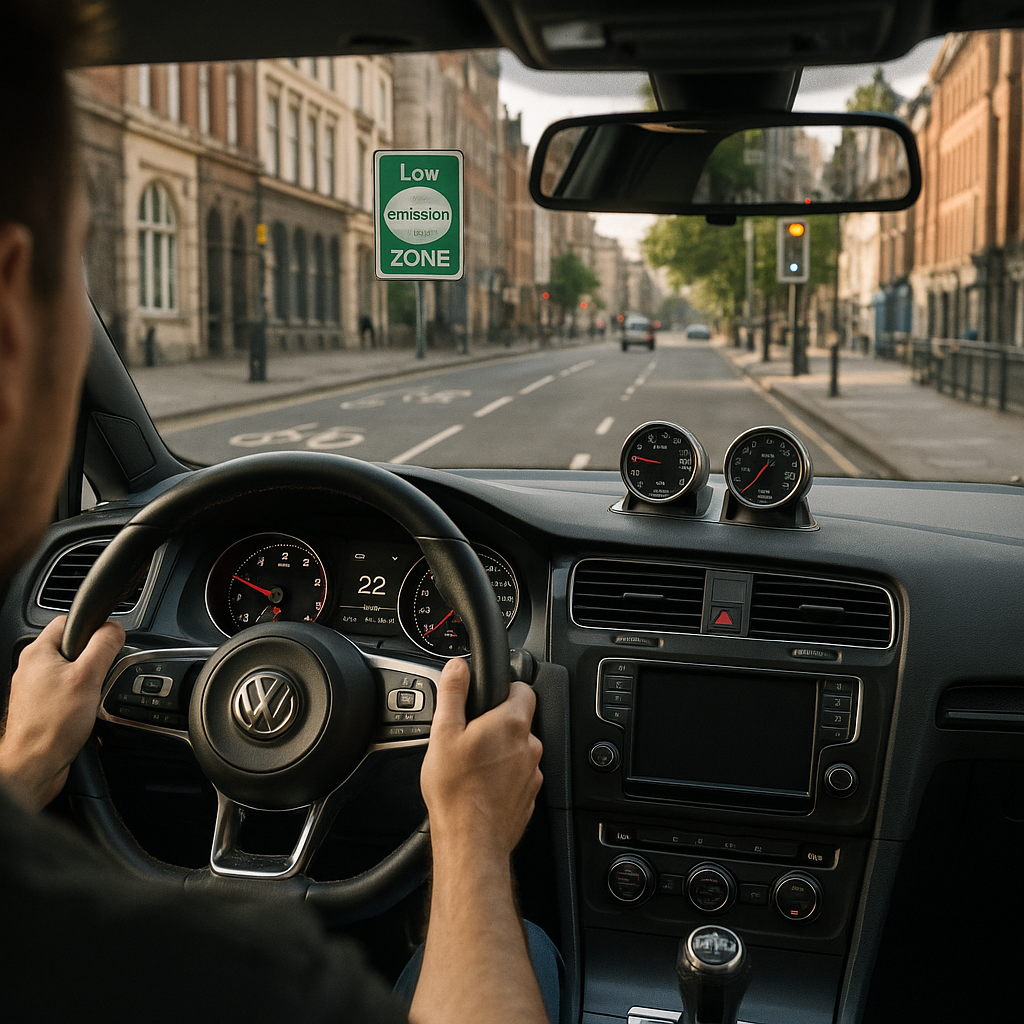
    View from inside a tuned daily driving towards a sign about clean air zones and modified cars

    Clean air zones and modified cars FAQs

    Do clean air zones check if my car is decatted or DPF deleted?

    Clean air zones use ANPR cameras that read your number plate and check it against the DVLA database. They do not physically inspect your exhaust or DPF, so they will not spot a decat or DPF delete directly. However, decats and DPF deletes are illegal for road use, and you can still fail an MOT or get done if the car is inspected by the police or DVSA, regardless of whether it passes through a zone without issues.

    Will remapping my diesel help with clean air zone charges?

    Remapping your diesel does not change how clean air zones see the car, because the cameras only care about its original certification, not its current emissions. If the car is officially Euro 6 it will usually be treated as compliant whether it is mapped or not. If it is an older Euro 5 or earlier diesel, a map will not make it count as compliant and you may still face charges in stricter zones.

    What is the best type of daily for clean air zones and modified cars?

    For most UK cities, a Euro 4 or newer petrol, or a Euro 6 diesel, is the safest bet if you want to avoid charges. From a tuning point of view, smaller turbo petrols are a sweet spot, as they are usually compliant, respond well to basic mods, and avoid some of the hassle that comes with modern diesels. That way you can still enjoy clean air zones and modified cars without getting hammered by daily fees.