Category: Highlight

  • 2024 Volkswagen ID Buzz spy shots and video: Modern electric Bus takes shape

    Volkswagen’s electric successor to the iconic Microbus, which was previewed by 2017’s ID Buzz concept vehicle, has been spotted testing in prototype form (earlier shots showed a test mule).

    The prototypes are barely disguised, but some finer details like the lights are camouflaged by stickers. There are also fake elements attached to the front to hide the true design of the vehicle’s face.

    Some of our spy shots also show a T6-generation VW Transporter/Multivan. We can see that the ID Buzz is wider and lower than the T6 van. It’s hard to compare the wheelbase, but we know the ID Buzz will have two wheelbase options, with the United States expected to receive the longer version as standard.

    [embedded content]

    We also know that both passenger and commercial versions are planned, the latter previewed by 2018’s ID Buzz Cargo concept. The U.S. is only expected to receive the passenger version, however.

    The final design should resemble the design shown in a teaser sketch of a self-driving ID Buzz (shown below) that’s slated to enter a commercial taxi service in 2025. The service will be run by Volkswagen Group’s Moia mobility division using a self-driving system developed by Argo AI, which VW Group is a major shareholder of.

    The ID Buzz, which will likely be called something along the lines of ID.7 or ID.8 in production guise, is due to start sales in Europe in 2022. It won’t reach the United States until 2023, meaning it will likely arrive as a 2024 model. That’s a year later than originally promised.
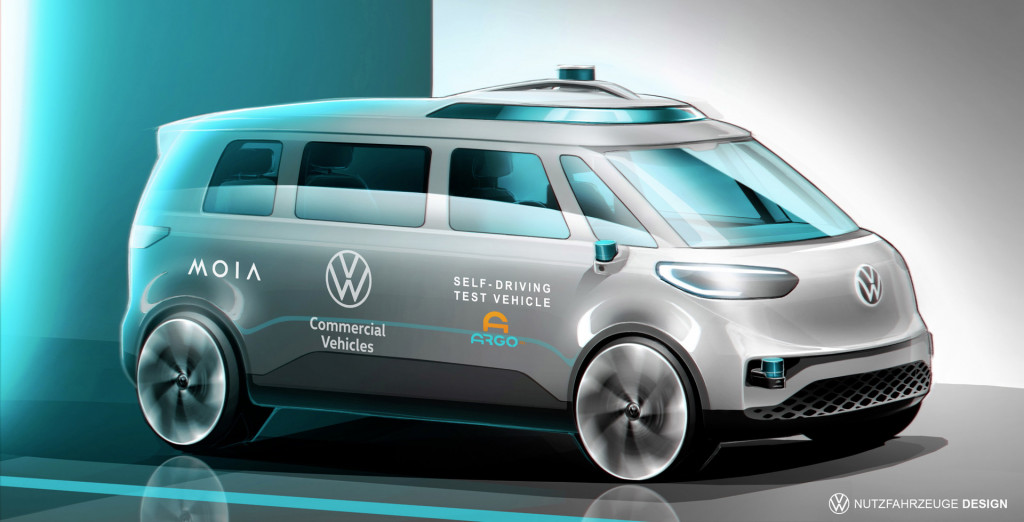
    Volkswagen ID.Buzz AD self-driving car prototype

    Volkswagen ID.Buzz AD self-driving car prototype

    VW has hinted at a modern Bus for years. In fact, the automaker rolled out the first concept for one as far back as 2001. Now production is finally happening. The production will be handled at a VW Group plant in Hanover, Germany, which is being upgraded to handle electric vehicles. The plant is where VW currently builds its T-series van, the true successor to the Microbus.

    The T-series in June spawned the new T7 generation in passenger-oriented Multivan guise. The T7 van, which is based on VW Group’s MQB platform, will be sold alongside the ID Buzz. The ID Buzz rides on VW Group’s MEB battery-electric platform.

    Look for a base model with around 201 hp and rear-wheel drive. Above this should sit a 302-hp model with a dual-motor all-wheel-drive system. The biggest battery option should offer close to 300 miles of range.

    Source

  • British startup Wells reveals Porsche Boxster rival

    After being disappointed by the existing offerings on the market, a budding entrepreneur from the United Kingdom decided to develop his ideal sports car from scratch.

    That entrepreneur was Robin Wells, who in 2014 started work on a sports car that would eventually become the Wells Vertige. According to him, rather than output performance, the Vertige is all about the “pure, unfiltered driving experience.”

    The sports car features many of the characteristics of an exotic, such as a mid-engine layout, butterfly doors, and lightweight construction, but not the price. The Vertige starts at 45,000 British pounds (approximately $62,000). The car is also smaller than most exotics, measuring just over 13 feet in length or about the same as a modern subcompact.

    Wells Vertige

    Wells Vertige

    Power comes from a Ford-sourced 2.0-liter inline-4 rated at 208 hp, and more powerful options are being looked at, perhaps for future updates. Drive is to the rear wheels only, via a 6-speed manual transmission, and the wheels are a bespoke set of 17-inch alloys from Speedline. They’re fitted with 205/45-size Michelin Pilot Sport 4 tires.

    The body is made from composite materials and wraps a steel monocoque structure. Steel is also used for the front and rear sub-frames, though aluminum is used for the independent double wishbone suspension. Despite the relatively simple materials, the Vertige tips the scales at only 1,653 pounds dry.

    According to Wells, the Vertige should cover the 0-60 mph sprint in less than five seconds and top out somewhere around 140 mph.

    Wells Vertige

    Wells Vertige

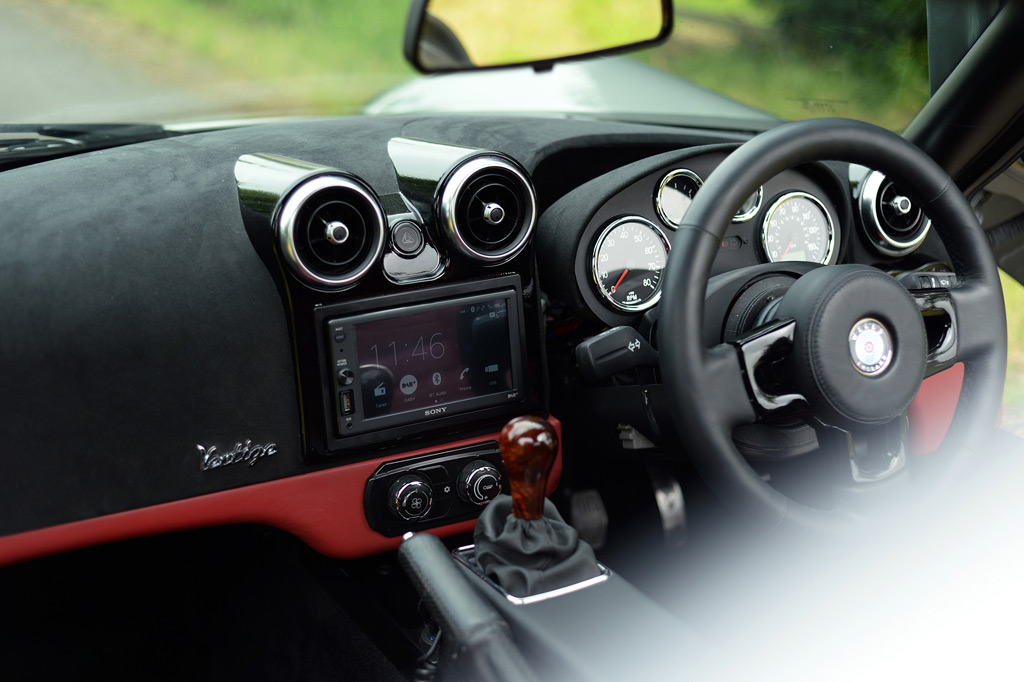
    The interior design is reminiscent of old Lotus sports cars, with the steering wheel and pedals perfectly in line with the driver’s seat. Modern features like navigation and Apple CarPlay and Android Auto are taken care of via a touchscreen-based infotainment system, and there’s also a beautiful wooden shifter, carved from a single block of African Rosewood. Other materials used in the cabin include Scottish Bridge of Weir leather and Alcantara.

    Deliveries are due to start in 2022. Wells is preparing a plant in Bishop’s Itchington and will have Hall Engineering, the company that did the engineering for the Vertige, build the first handful of examples while work on the plant is completed.

    The Wells Vertige is set for its world debut at the 2021 Goodwood Festival of Speed which is on now in the U.K. and runs until July 11. For more coverage, head to our dedicated hub.

    Source

  • Ford sold more electric Mustangs in June than gas-powered ones

    The Ford Mustang Mach-E electric crossover outsold the traditional two-door Mustang muscle car in June, according to the Blue Oval’s most recent sales report.

    Ford said it sold 2,465 examples of the Mach-E last month, versus 2,240 gasoline-powered Mustang coupes and convertibles over the same period. It marks the first time the Mach-E has outsold its namesake.

    However, the Mach-E is still behind the gas-powered Mustang in sales for the year to date. Ford shifted 31,950 Mustang coupes and convertibles in the first six months of 2021, compared to 12,975 Mach-E crossovers.

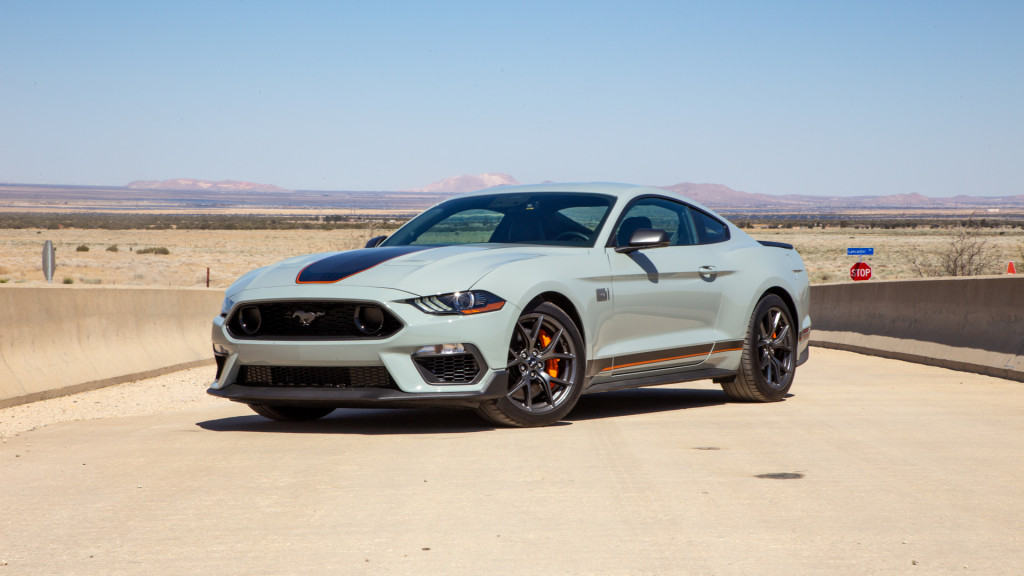
    2021 Ford Mustang Mach 1

    2021 Ford Mustang Mach 1

    Chip-shortage related production constraints may have also affected sales, as Ford sold 4,522 gasoline Mustangs in June 2020, Road & Track noted. Ford production data published in early June showed the automaker was building more examples of the Mach-E than other Mustang models, while Bloomberg reported at the time that, in light of the chip shortage, Ford was prioritizing the Mach-E over the traditional Mustang.

    It’s still too early to determine if the Mach-E will maintain its sales lead in the longer term. The current sales trend may be the result of pent-up demand, as Ford only unveiled the Mach-E in late 2019, and opened order books in summer 2020. In comparison, the current generation of the Mustang coupe and convertible have been around for six years.

    A redesigned Mustang is expected to arrive next year as a 2023 model. Code-named S650, it’s expected to be a heavy update of the current S550 generation—likely including a hybrid powertrain option. A true redesign of the Mustang is now expected toward the end of the decade, with Ford possibly switching to an all-electric powertrain lineup at that time.

    Source