Category: Highlight

  • Michael Jordan’s 1996 Mercedes-Benz S600 Lorinser for sale on eBay

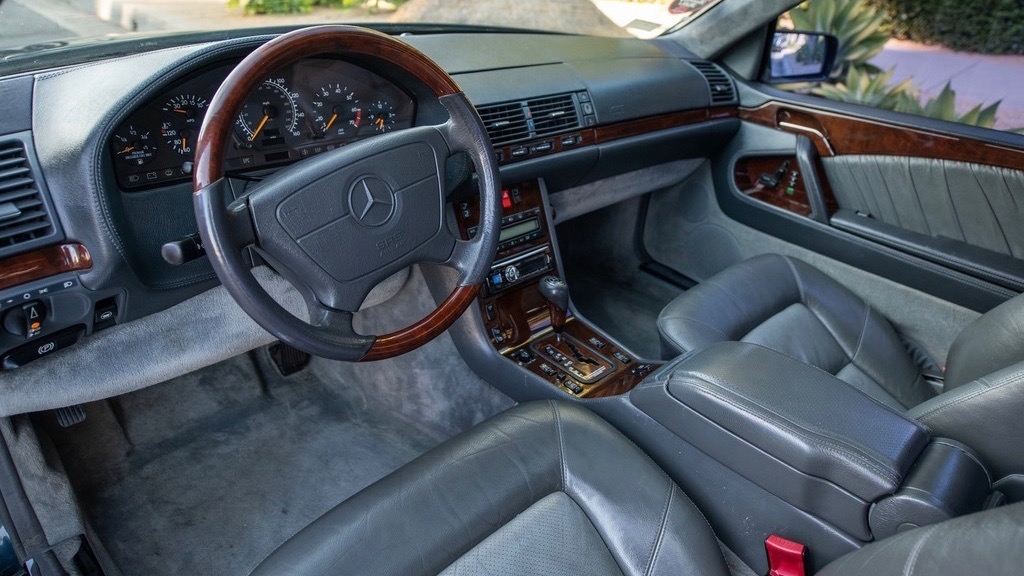
    A Lorinser-modified 1996 Mercedes-Benz S600 coupe formerly owned by basketball legend Michael Jordan is for sale on eBay by Beverly Hills Car Club. First spotted by Car Advice, bidding is open through Aug. 23, and the coupe had already attracted a high bid of more than $185,000 at the time of publication.

    Jordan owned this car during the height of his career with the Chicago Bulls. The listing shows a picture of Jordan with the car and a copy of the original title with Jordan and his wife Juanita as the owners. The Mercedes’ chrome Lorinser wheels and built-in car phone make it a clear throwback to the 1990s. The seller doesn’t list any modifications beyond the wheels, but Lorinser did offer performance upgrades and continues to do so for current Mercedes vehicles.

    The C140-generation S-Class coupe (and its W140 sedan sibling) introduced smoother styling and more electronics. The latter paved the way for modern, tech-heavy S-Class models, but also gave the 140 models a reputation for poor reliability. Rapid depreciation also meant many of these cars ended up with second owners who couldn’t afford to maintain them.

    1996 Mercedes-Benz S600 coupe owned by Michael Jordan (photo by Beverly Hills Car Club)

    1996 Mercedes-Benz S600 coupe owned by Michael Jordan (photo by Beverly Hills Car Club)

    Currently showing 157,085 miles on the odometer, this coupe is the range-topping S600 model, with a 6.0-liter V-12 under the hood making 389 horsepower and 420 pound-feet of torque. After the 1996 model year, Mercedes switched to “CL” nomenclature for its flagship coupe in North America, and the S600 became the CL600.

    A V-12 is expected to live on in the next-generation S-Class sedan, though not in AMG performance guise. AMG bid farewell to its V-12 S-Class last year.

    If celebrity-owned cars are your thing, a stretched Cadillac Escalade formerly owned by Sylvester Stallone recently came up for sale. It’s of a more recent vintage than this S600 and includes plenty of creature comforts, such as a 43-inch television.

    Source

  • 2021 Ford GT Heritage Edition honors Ken Miles’ 1966 Daytona win, Studio Collection revealed

    Ford’s not done celebrating the GT’s racing history.

    On Sunday the automaker unveiled the 2021 Ford GT Heritage Edition online at the Petersen Automotive Museum’s virtual car week. In addition, a new Studio Collection was announced to give buyers the ability to further customize their GTs to stand out from the crowd.

    Ford spokesman Jiyan Cadiz told Motor Authority the run of 1,350 Ford GTs will not increase with the addition of the 2021 Heritage Edition and Studio Collection.

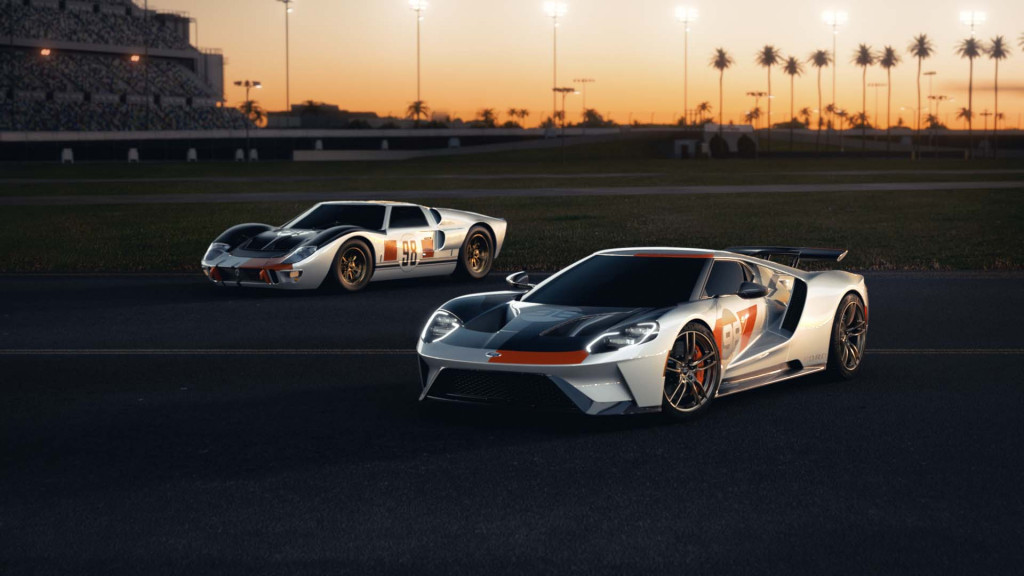
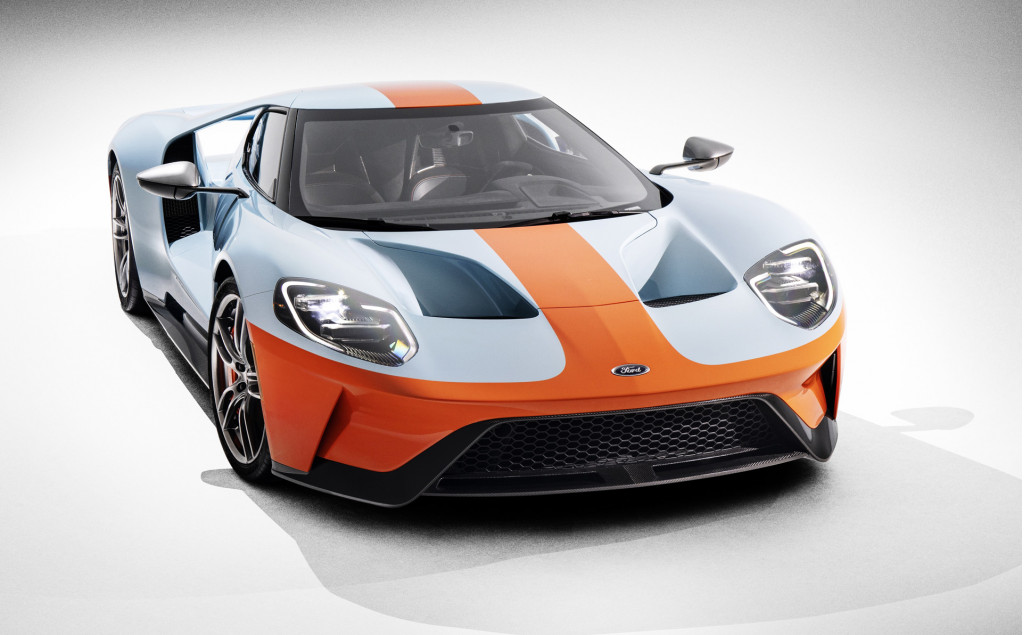
    2021 Ford GT Heritage Edition

    2021 Ford GT Heritage Edition

    2021 Ford GT Heritage Edition

    2021 Ford GT Heritage Edition

    2021 Ford GT Heritage Edition

    2021 Ford GT Heritage Edition

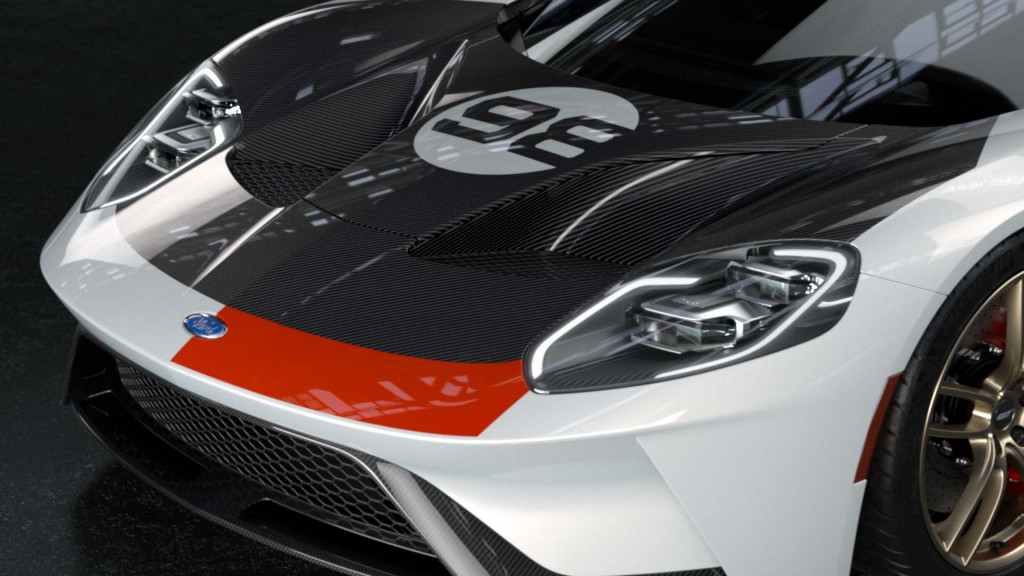
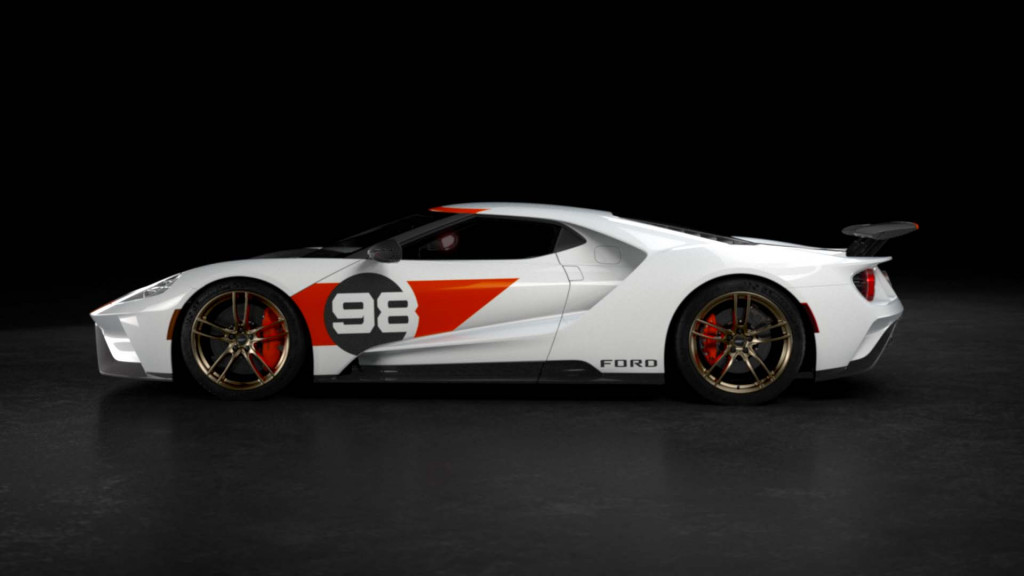
    The 2021 GT Heritage Edition pays tribute to the GT40 Mk II Ken Miles piloted to win the 1966 Daytona 24 Hours race 55 years ago. Like Miles’ ’66 winning Mk II, the 2021 Heritage Edition features white exterior paint with exposed carbon fiber bits and asymmetrical red accents on the front fascia, roof edge, driver’s side door, lower rocker, and rear wing. A white 98 gumball is displayed in exposed carbon fiber, and one-piece Heritage Gold–specific 20-inch forged aluminum wheels finish the look with red Brembo monoblock brake caliper peeking through.

    2021 Ford GT Heritage Edition

    2021 Ford GT Heritage Edition

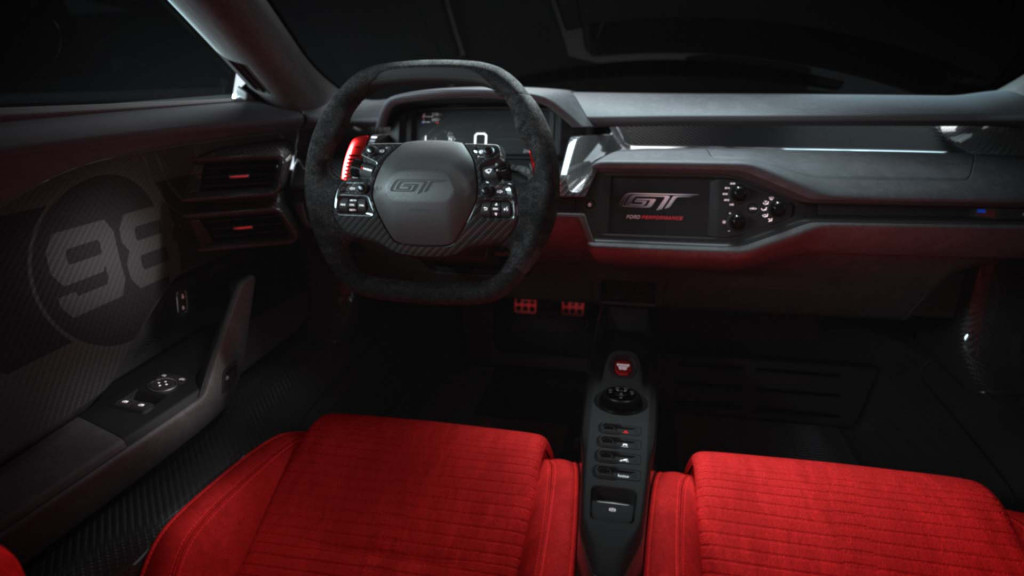
    Inside, the dashboard, headliner, and steering wheel are all covered in Alcantara suede. Red anodized paddle shifters and Alcantara suede performance seats add some spice to the dark interior.

    The sole option is a Heritage Upgrade Package, which adds 20-inch exposed carbon fiber wheels with gloss red inner barrels, black brake calipers with red Brembo lettering, and ghosted 98 gumballs on exposed carbon fiber door panels.

    Only 50 2021 Heritage Edition cars will be made. “Given historical demand for previous Heritage Editions we expect the ’66 Heritage Edition to sell out,” Cadiz said.

    2018 Ford GT Heritage edition

    2018 Ford GT Heritage edition

    2017 Ford GT '66 Heritage Edition

    2017 Ford GT ’66 Heritage Edition

    2019 Ford GT Heritage Edition

    2019 Ford GT Heritage Edition

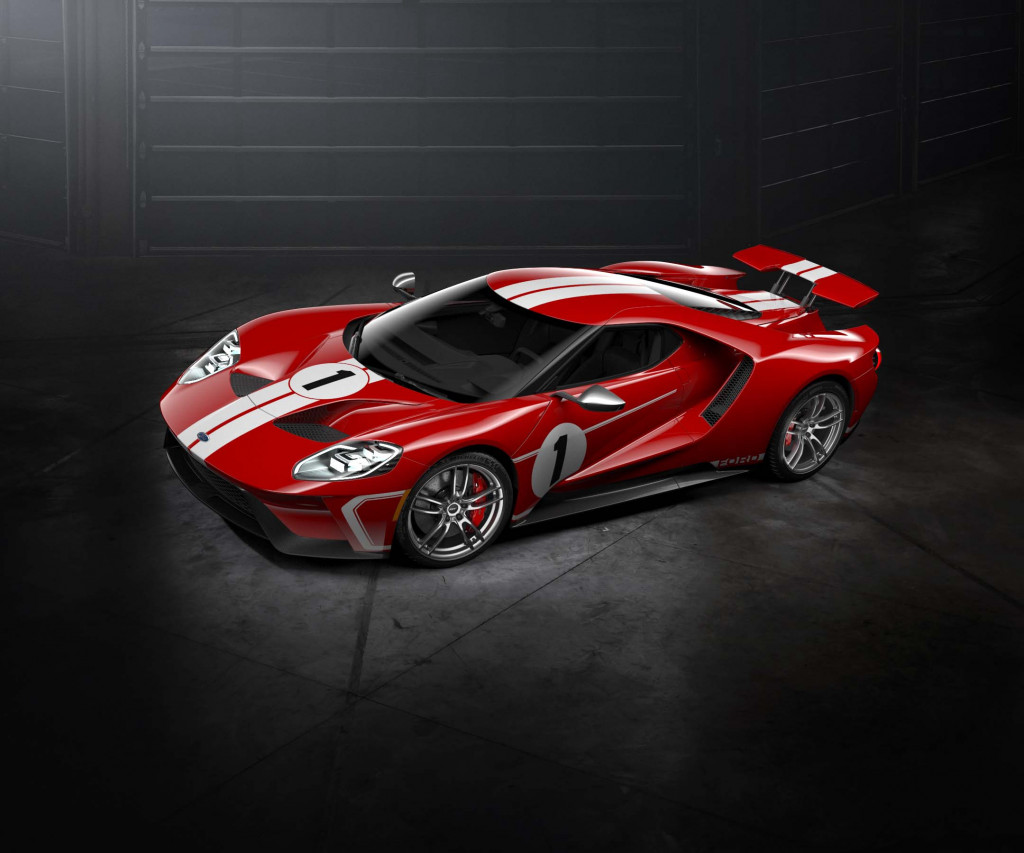
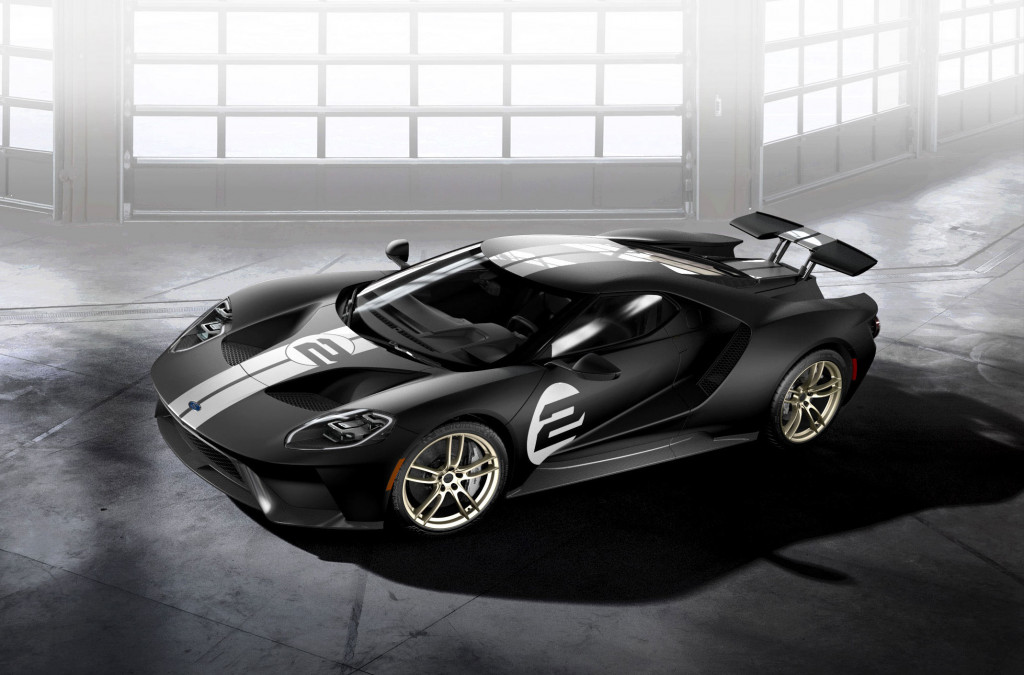
    Previous GT Heritage Editions paid tribute to the first four Le Mans winners from 1966 through ’69. The 2017 car was black with silver stripes and white No. 2 gumballs to honor Bruce McLaren and Chis Amon’s 1966 win. The 2018 car gave a nod to A.J. Foyt and Dan Gurney’s 1967 win with red paint, white stripes, and No. 1 gumballs. Both the 2019 and 2020 models were finished in Gulf livery honring the 1968 and ’69 winnters piloted by Pedro Rodriguez and Lucien Bianchi for ’68, and Jacky Ickx and Jackie Oliver for ’69.

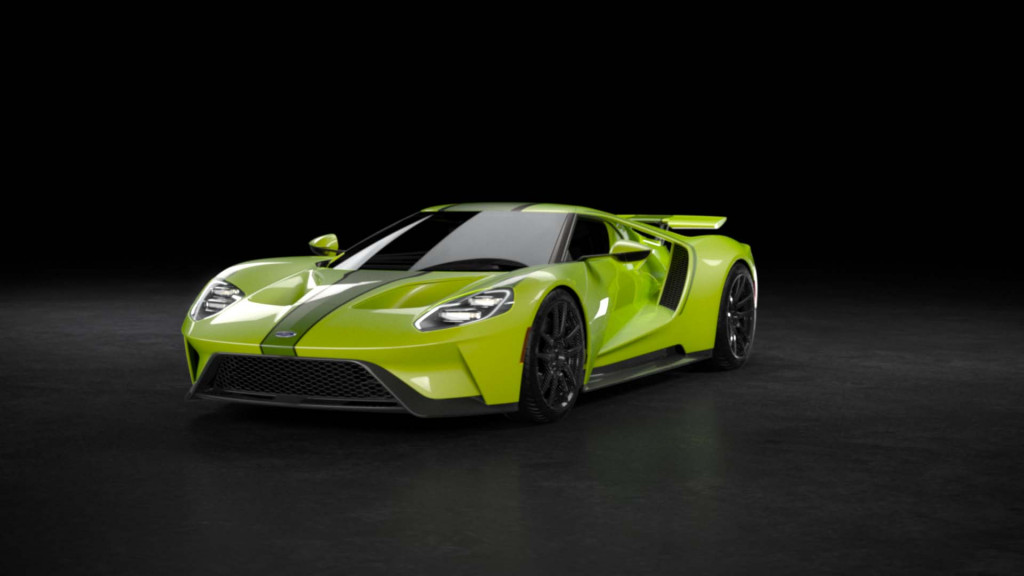
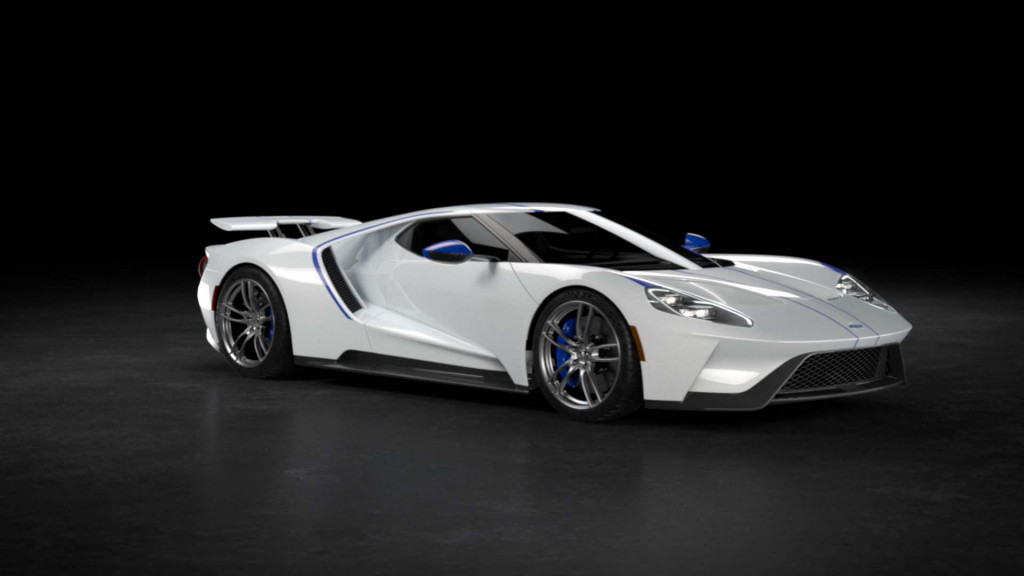
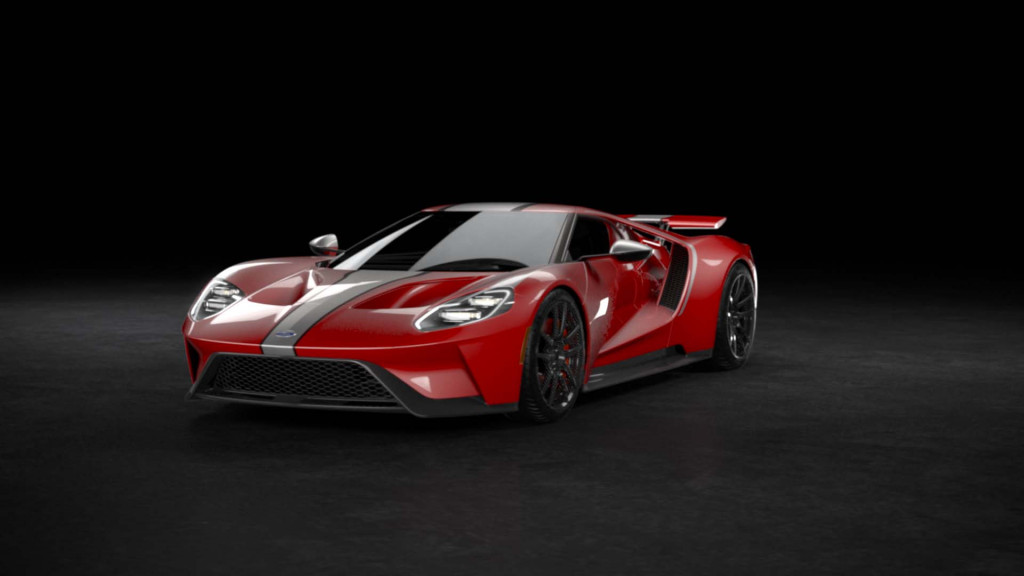
    2021 Ford GT Studio Collection

    2021 Ford GT Studio Collection

    2021 Ford GT Studio Collection

    2021 Ford GT Studio Collection

    2021 Ford GT Studio Collection

    2021 Ford GT Studio Collection

    For 2021 and 2022 model years Ford will offer current GT customers that have yet to configure their cars a new Studio Collection. This option allows for further customization with paint colors and graphics packages. Only 40 GT buyers will get to play with the Studio Collection to keep things exclusive and different.

    Cadiz told Motor Authority the current Ford GT starts from about $500,000. Regarding the 2021 Heritage Edition and Studio Collection, if you have to ask…

    Source

  • The Ford Bronco over the years: A brief history

    On Monday night the sixth-generation Ford Bronco will launch, making it the first Bronco in the company’s lineup since 1996. The off-road SUV available in two or four doors with removable doors and a removable roof will compete with the Jeep Wrangler, much as it did when Ford VP Lee Iacocca approved the first model for 1966.
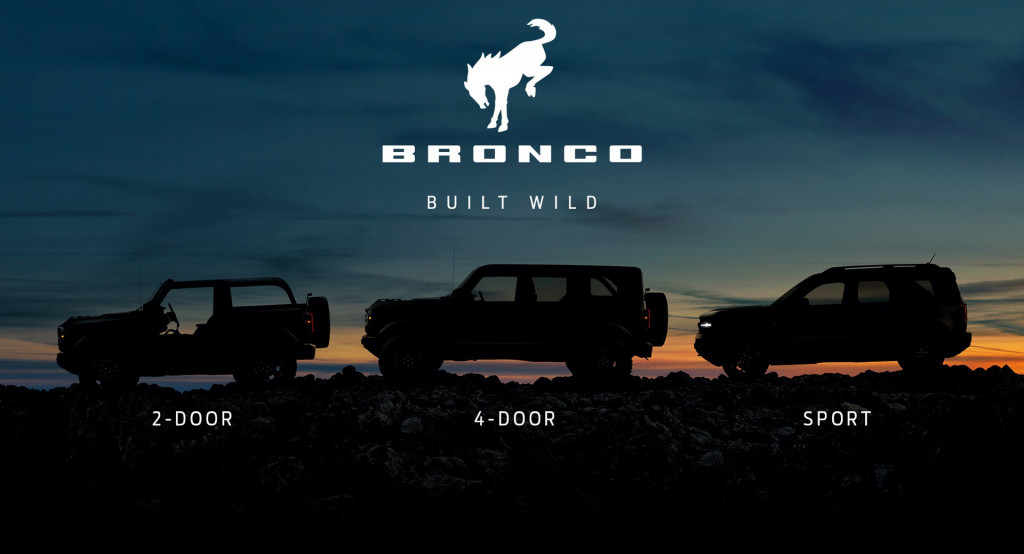
    Teaser for 2021 Ford Bronco family debuting on July 13, 2020

    Teaser for 2021 Ford Bronco family debuting on July 13, 2020

    At the time, the Jeep CJ-5 and International Harvester Scout had laid the grounds for civilian-based off-road vehicles that had gained popularity in America in the era following World War II and the Korean War. It wasn’t new ground for Ford. In WWII, Ford manufactured Willys MB-based jeeps known as General Purpose or GPW, with the W referring to the design created by Willys MB. While that would develop into the Jeep brand, Ford made another iteration in 1951 known as the MUTT but didn’t get back into the off-road action until the ‘60s, when it was also developing the other end of the automotive spectrum with the Mustang pony car

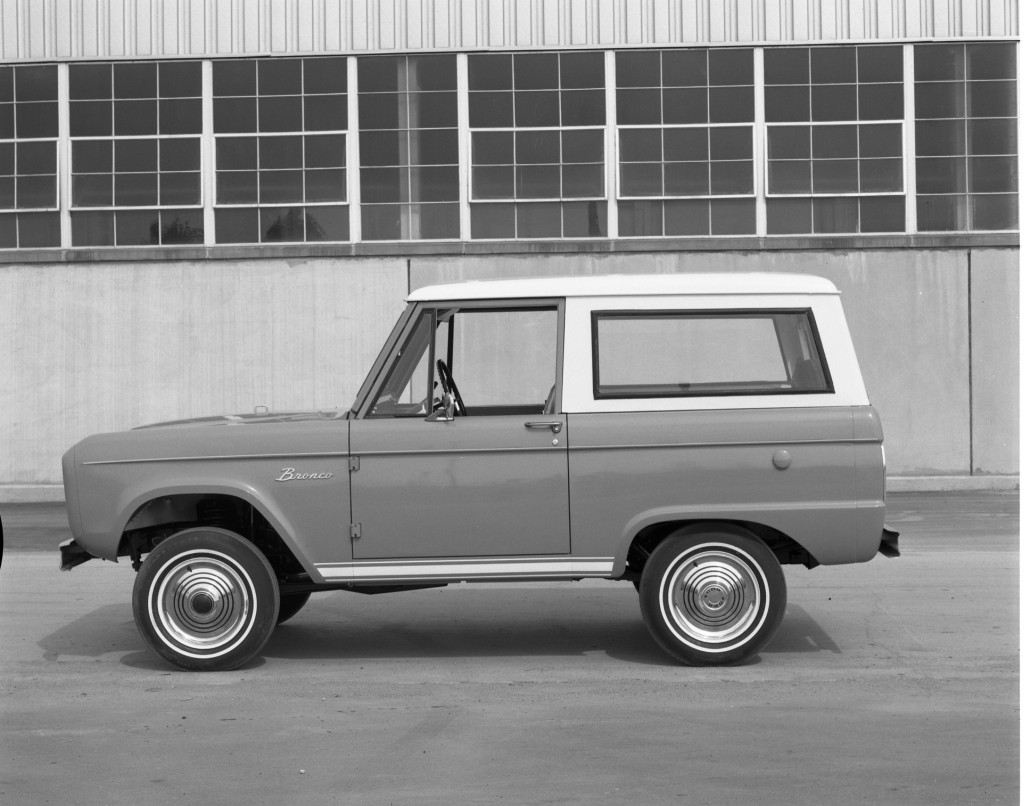
    1966-1977 Ford Bronco


    1966 Ford Bronco wagon
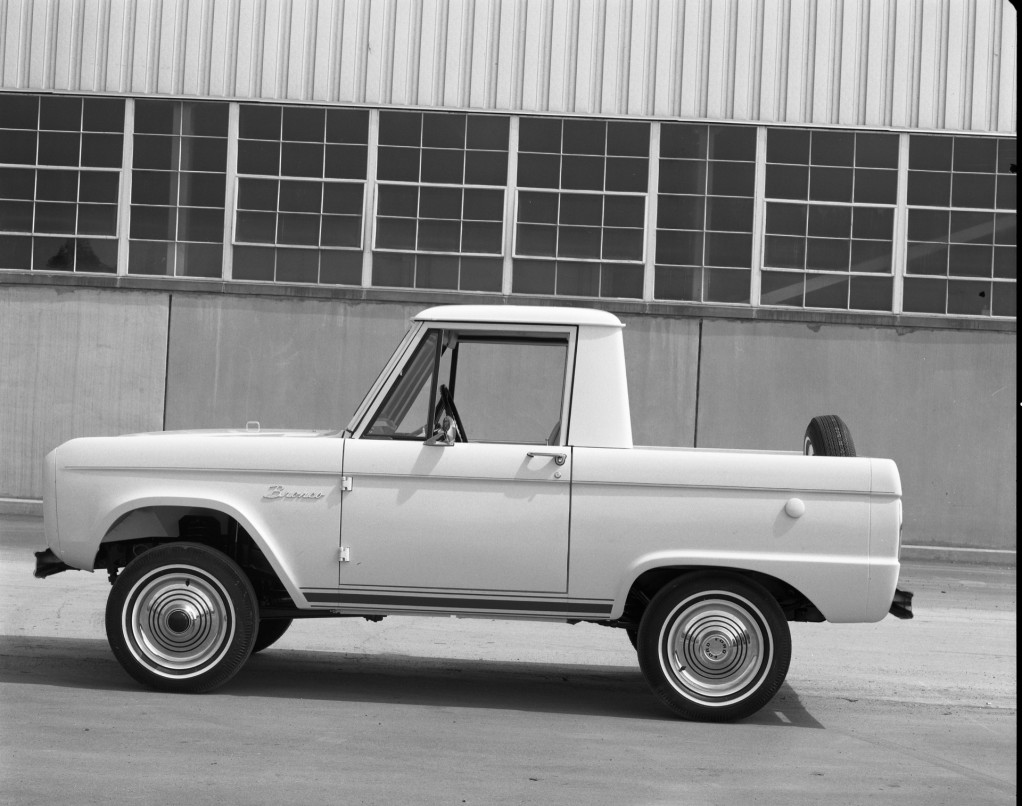
    1966 Ford Bronco wagon

    1966 Ford Bronco two-door half-cab
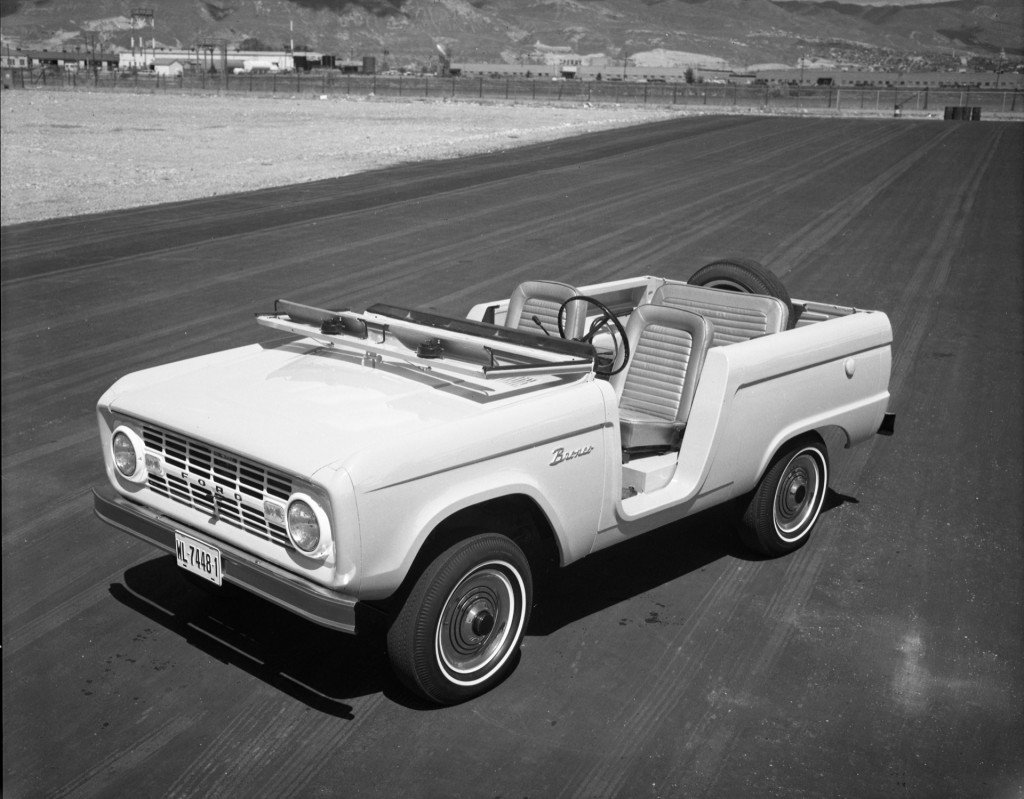
    1966 Ford Bronco two-door half-cab

    1966 Ford Bronco roadster

    1966 Ford Bronco roadster

    The original sport-utility vehicle came as a station wagon, half-cab, or a short-lived roadster on a short 92-inch wheelbase. For context, the Ford Fiesta subcompact had a 98-inch wheelbase. The base roadster started at $2,400 (just under $19,000, adjusted for inflation), but came with no doors or a roof. The half-cab baby ($2,480) pickup truck left the field in 1972, leaving the three-door wagon ($2,625, or $20,800 adjusted for inflation) as the enduring first-run Bronco. It came with four-wheel drive, a Dana transfer case, a choice between two inline-6 engines or a V-8 upgraded in 1969 to 302 cubic inches, and a 3-speed manual. A 3-speed automatic was offered later to make the bare-bones first-generation Bronco more accessible through 1977.

    1978-1979 Ford Bronco
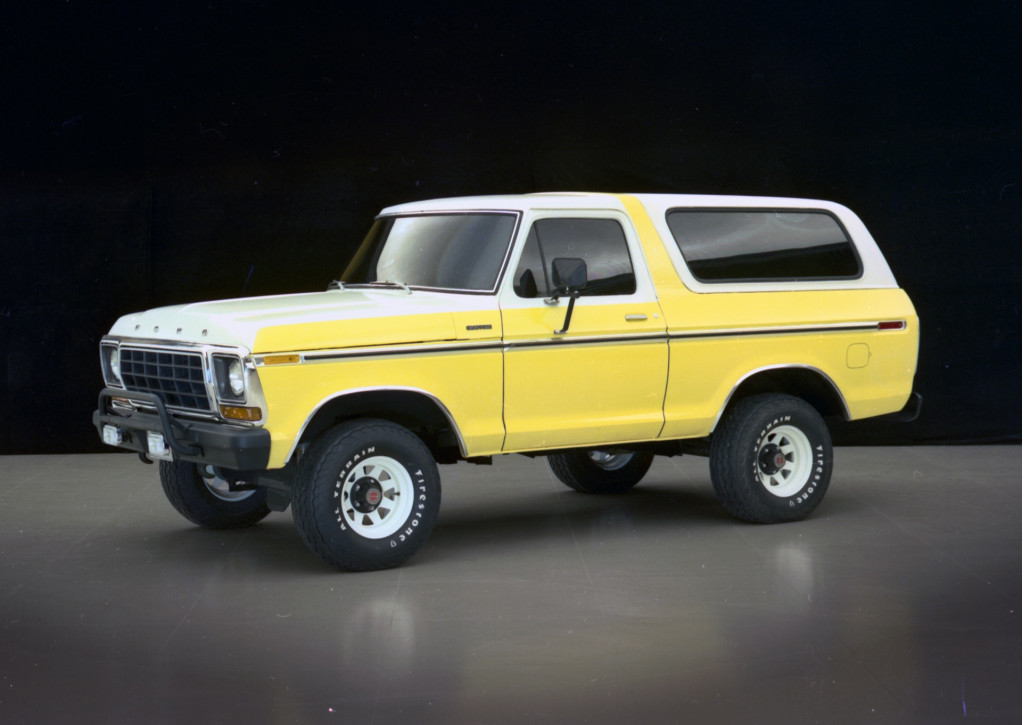
     

    1978 Ford Bronco
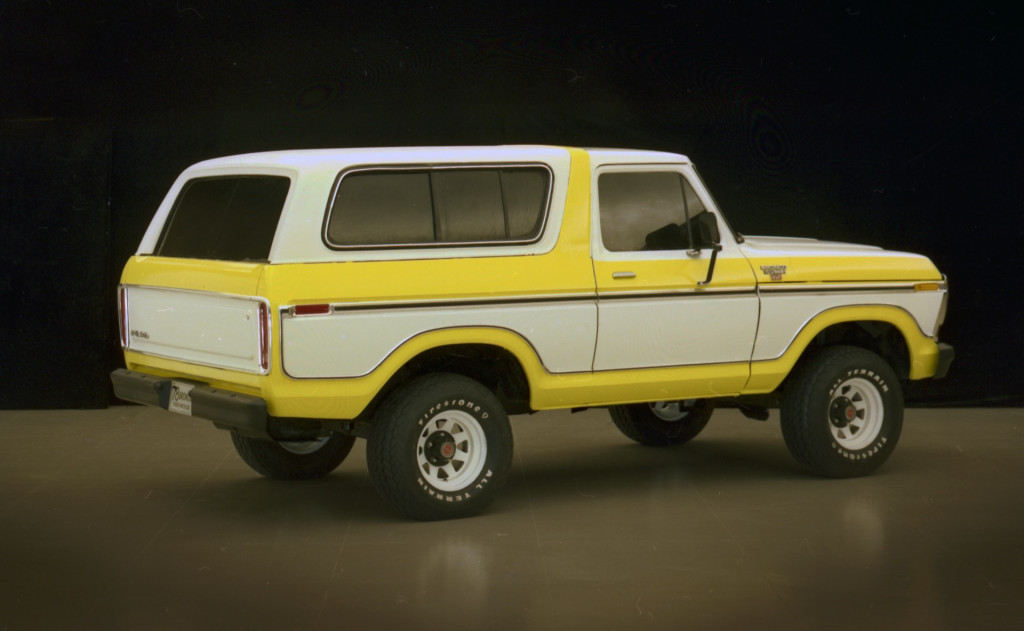
    1978 Ford Bronco

    1978 Ford Bronco

    1978 Ford Bronco

    Lasting only two years, the second-generation Bronco adopted a more pickup-like style and was sold only as a three-door. It started at about $6,500, or $25,560, adjusted for inflation. Based on the F100 pickup truck, it grew nearly two feet longer, nearly a foot longer, and was taller than its predecessor at a time when most American car designs were going in the opposite direction in the wake of the oil crisis. The wheelbase extended to 104 inches. 
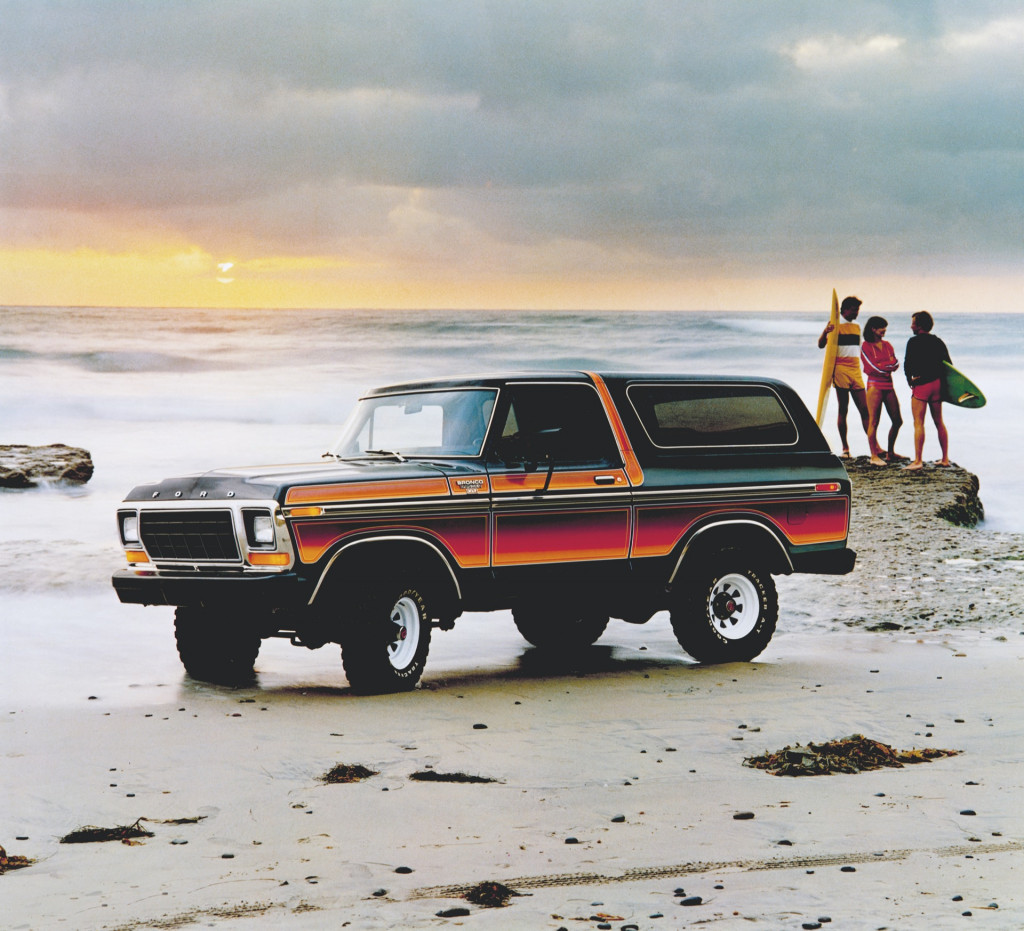
     

    1979 Ford Bronco
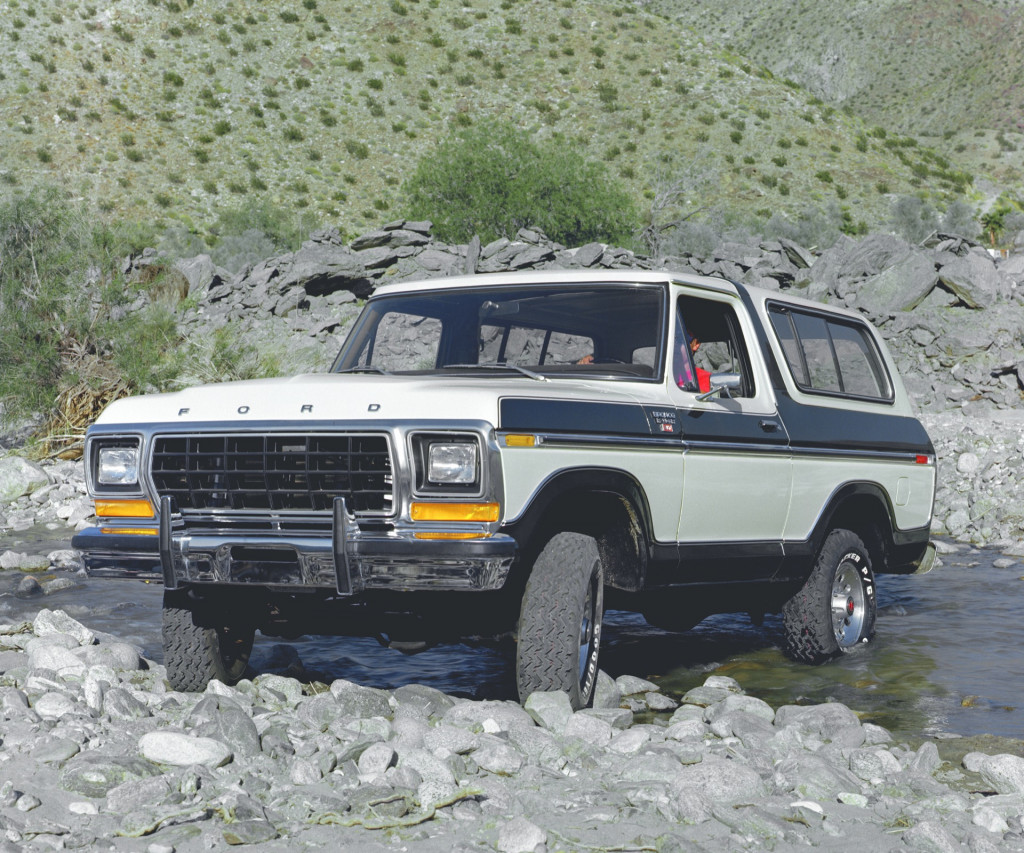
    1979 Ford Bronco
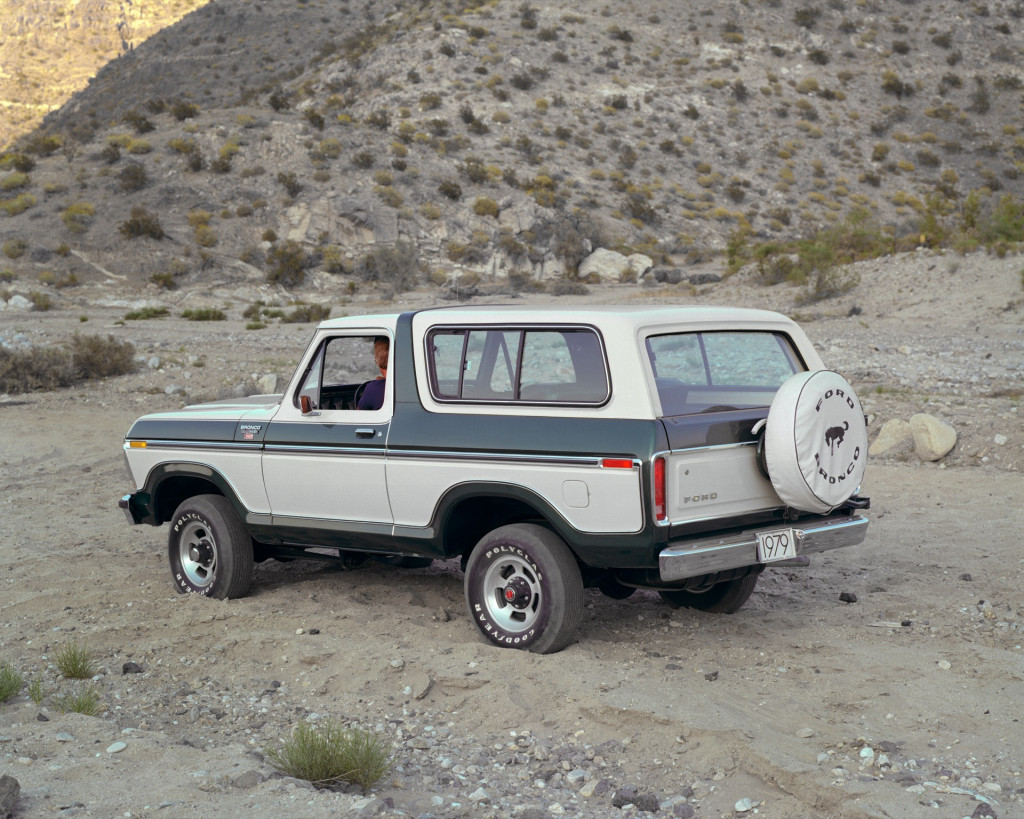
    1979 Ford Bronco

    1979 Ford Bronco

    1979 Ford Bronco

    1979 Ford Bronco

    “Its only real resemblance to the old box-basic Bronco of yesterday seems to be its name,” Car and Driver wrote in a review of the 1978 model. The rounded headlights switched to square ones that would define the face of the Bronco for the remainder of its life. It had a removable fiberglass hard top over the rear seat and cargo area. The rear window retracted into the tailgate, and the tailgate dropped down like a pickup truck. It had a four-wheel-drive transfer case with automatic locking hubs for the first time, according to Car and Driver, and was powered by either a 5.8-liter V-8 or 6.6-liter V-8. 

    1980-1986 Ford Bronco
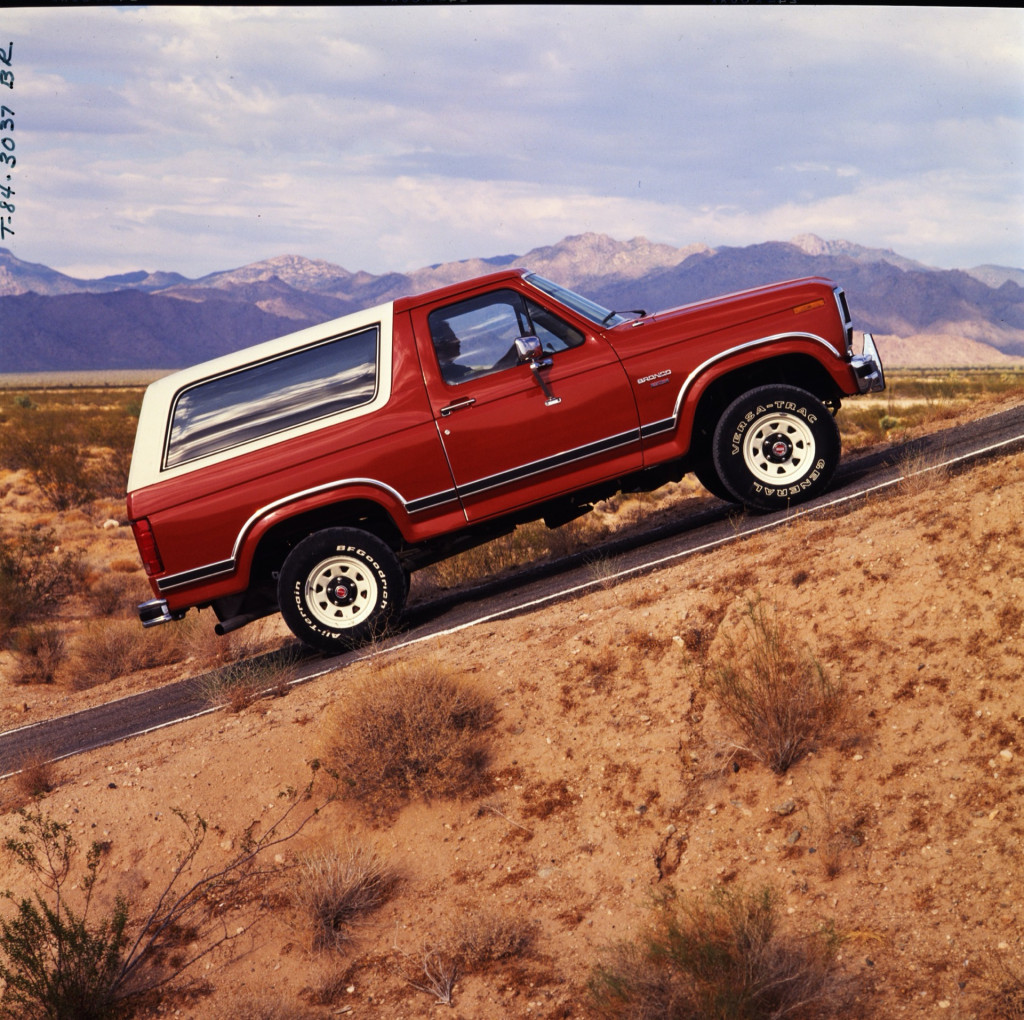
    1984 Ford Bronco
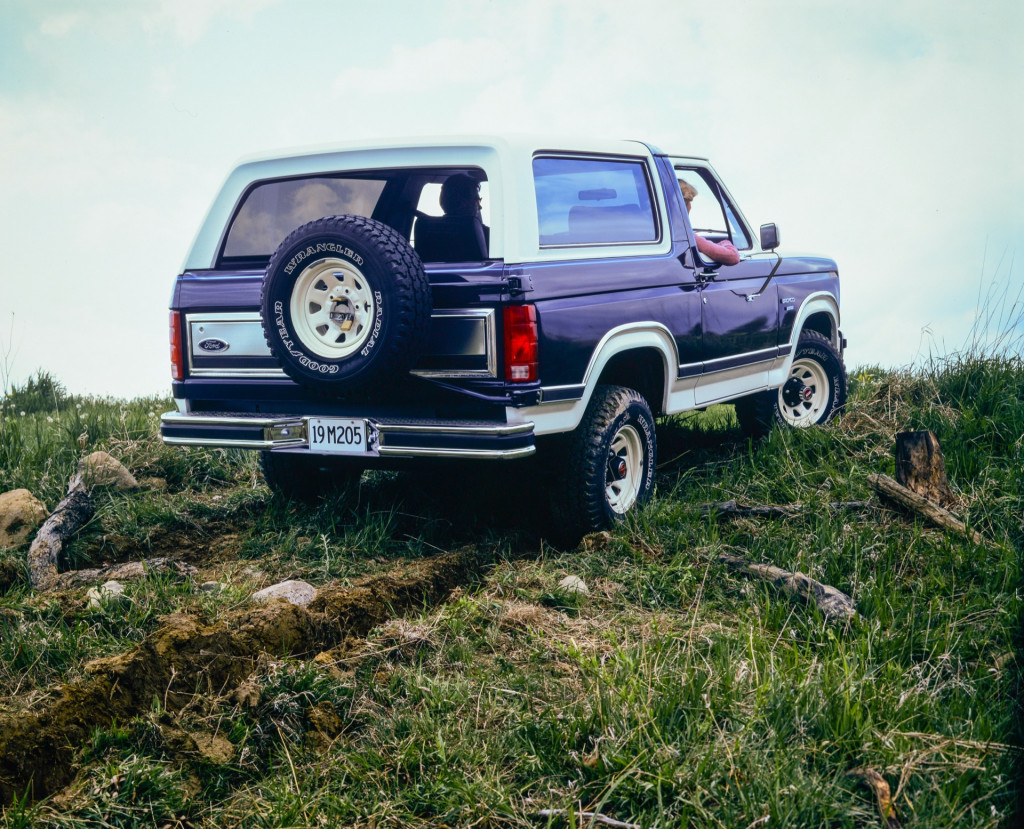
    1984 Ford Bronco
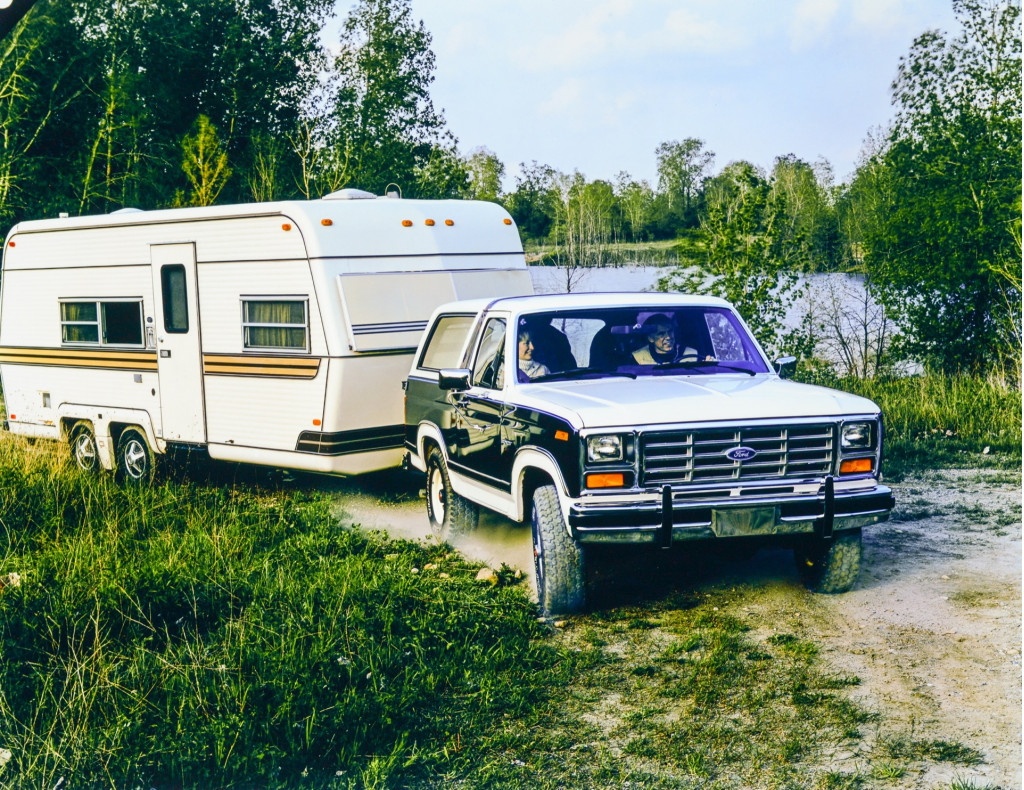
    1984 Ford Bronco

    1984 Ford Bronco

    1984 Ford Bronco

    1984 Ford Bronco

    Ford peeled off the letters and slapped the Blue Oval badge on the face of the third-generation Bronco. Based on the F-150 pickup truck, the Bronco also got a bit smaller and lighter to address fuel economy concerns, and came with an inline-6 as well as a trio of V-8s. It started at $8,400, or $26,100 in today’s dollars. The solid front axle was replaced by a swing axle and an independent suspension to address on-road drivability demands that would presage the four-door SUV boom about to happen in the ‘90s. The Bronco also went upscale with the addition of the range-topping Eddie Bauer trim with two-tone paint, cloth bucket seats, and wood trim. (Eds note: Of the hundred of cars owned by my dad, his red-on-tan Eddie Bauer Bronco remains one of my favorites.)

    1983-1990 Ford Bronco II
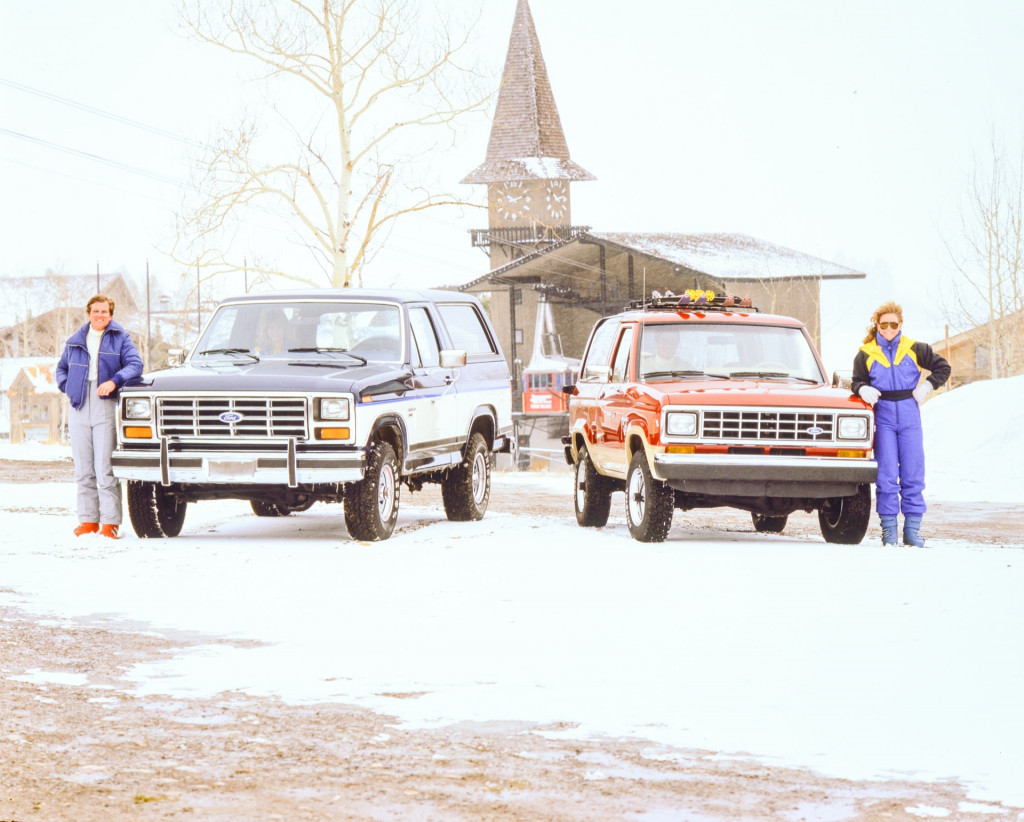
    1986 Ford Bronco, left, and 1986 Ford Bronco II, right

    1986 Ford Bronco, left, and 1986 Ford Bronco II, right

    Ford addressed the demand for smaller SUVs with the Ranger-based Bronco II that ran from 1983-1990. Shorter, smaller, narrower, the two-door Bronco II came with four-wheel drive and the choice of two V-6 engines or a turbodiesel-4. A high risk of rollover crashes doomed the Bronco II.

    1987-1991 Ford Bronco
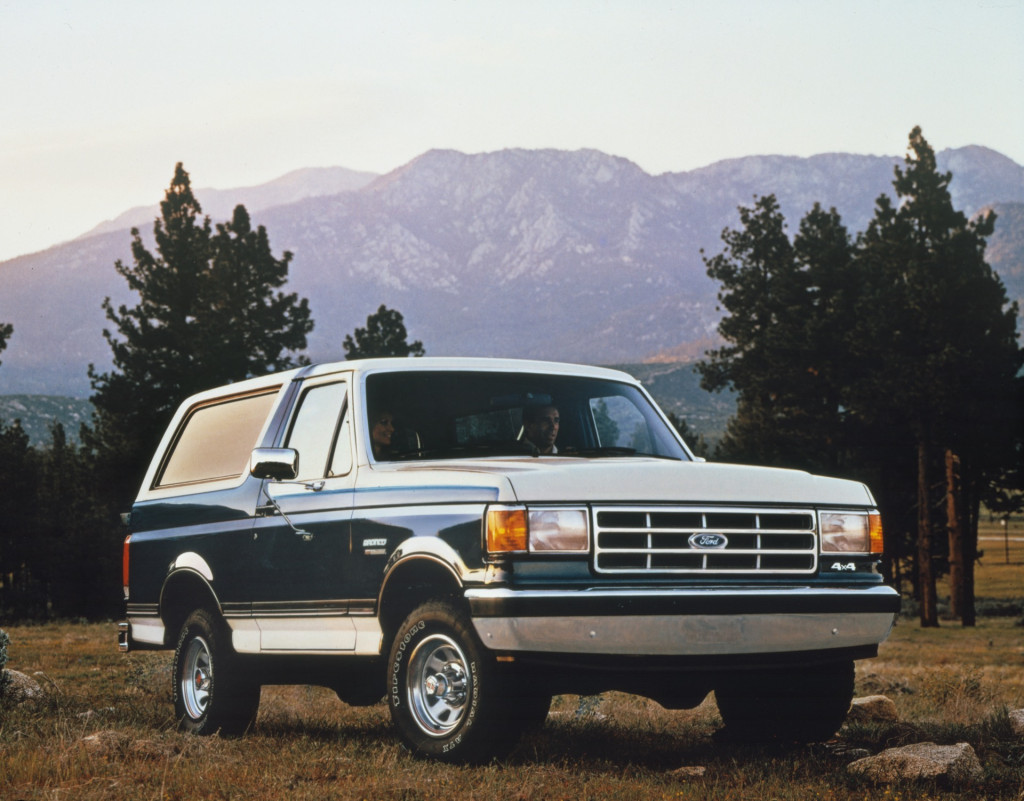
    1987 Ford Bronco

    1987 Ford Bronco

    Redesigned alongside the F-150 pickup truck, the new Bronco got some curves on its boxy bod with round wheel arches and wraparound headlights. Electronic fuel -injection highlighted the inline-6, and the V-8s carried over. More safety equipment was added, such as rear-wheel antilock braking, and the four-wheel- drive system could be activated with the push of a button. It started under $14,000, which is the equivalent of $31,600 today.

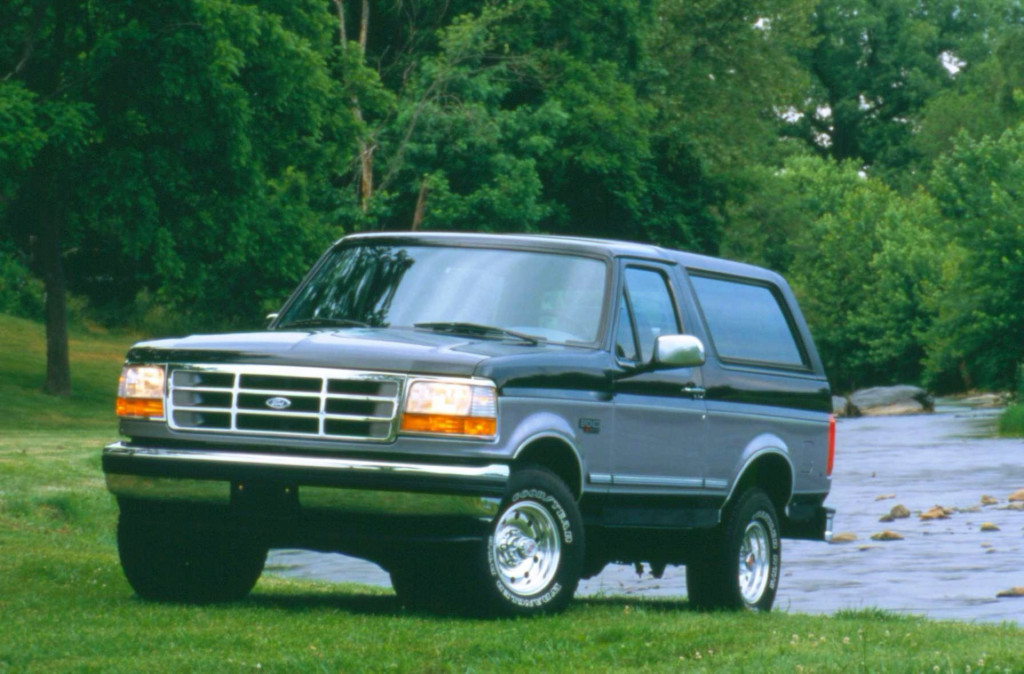
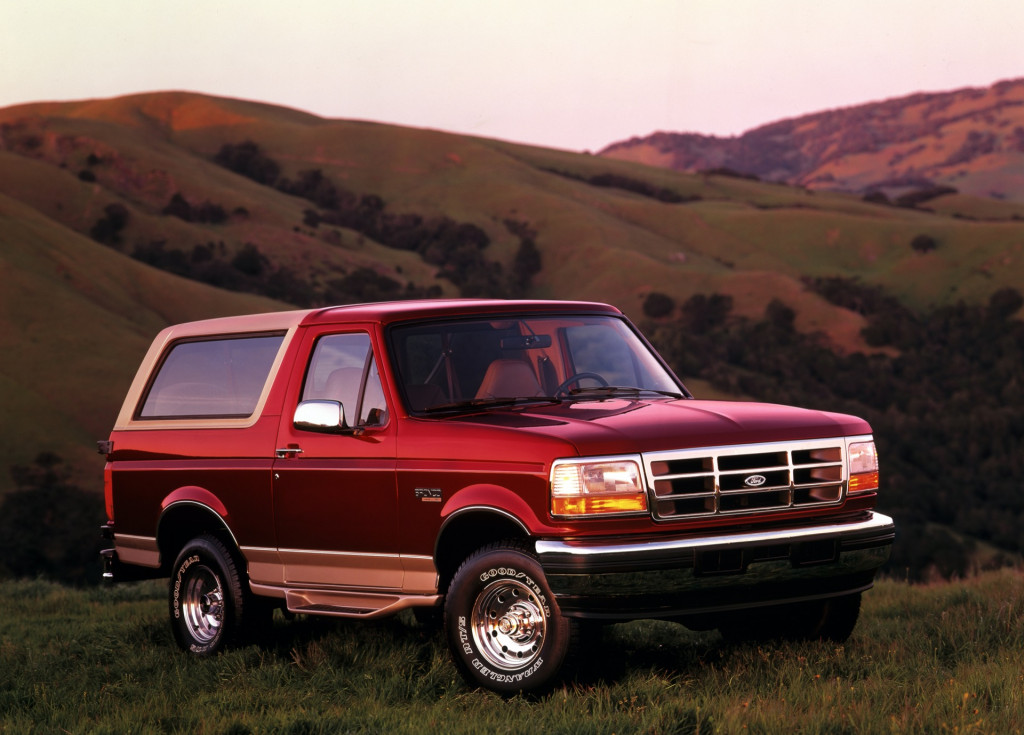
    1992-1996 Ford Bronco
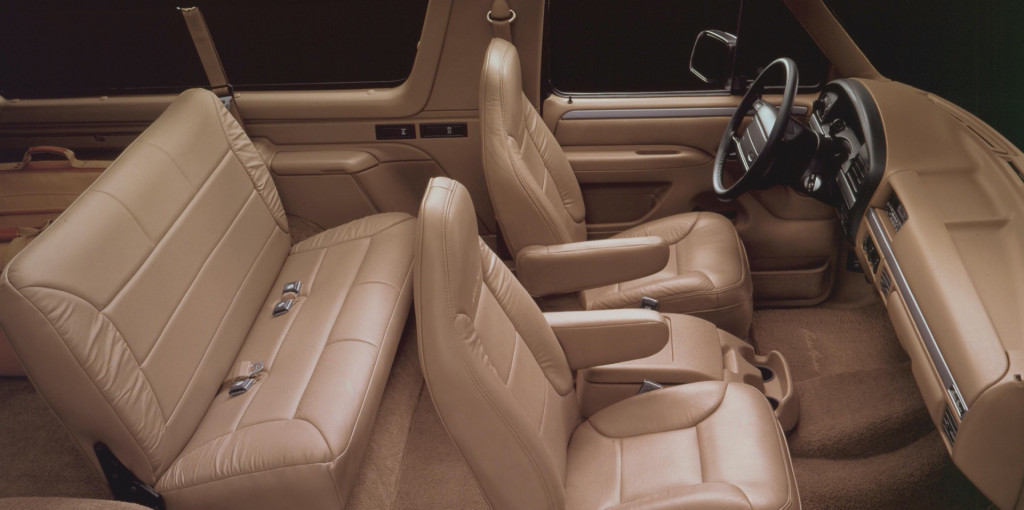
    1995 Ford Bronco interior
    1995 Ford Bronco interior
    1995 Ford Bronco

    1995 Ford Bronco

    1996 Ford Bronco Eddie Bauer

    1996 Ford Bronco Eddie Bauer


    The infamous chase of the LAPD pursuing O.J. Simpson hiding in the backseat of a white Bronco in 1994 had little to do with the demise of the full-size three-door Bronco. The relatively fixed roof (you could take it off if you didn’t mind the illegality or the impossibility of ever getting it to seal properly again) didn’t help, but the market was moving to four-door SUVs on car-based platforms for better road manners. Additional safety systems such as front crumple zones and three-point seatbelts for the rear seats, and a driver-side airbag, made it more user-friendly. It started under $19,000, which is about $34,700 today. The Bronco would eventually be replaced by the four-door Ford Expedition

    Source