Category: Custom Cars

  • Are Modern Pickups Still Proper Workhorses Or Just Lifestyle Toys?

    Are Modern Pickups Still Proper Workhorses Or Just Lifestyle Toys?

    If you hang around builders’ yards, farm tracks or drift paddocks, you will have heard the same chat: modern pickup truck reliability is not what it used to be. Old school trucks took years of abuse, a boot-full of tools and a trailer on the back without complaining. These days, every other week there is a horror story about DPFs, AdBlue and gearboxes tapping out.

    At the same time, pickups have gone full lifestyle. Heated leather, tablet screens, LED mood lighting and 20s from factory. So what is the score – are current double cabs still proper workhorses, or just SUVs with a tub on the back?

    Why pickups have changed so much

    Ten or fifteen years ago, a truck was basically a van with a diff. Now manufacturers are chasing company car drivers and family buyers, so the spec has gone up and the engineering has got way more complex. Twin turbo diesels, 10 speed autos, electric power steering and every driver aid going all look good in the brochure, but they add a lot of stuff that can go wrong once the warranty runs out.

    On top of that, emissions rules have pushed diesels into DPFs, EGR coolers and AdBlue systems. Great for clean air, but if you are towing, idling on site all day or crawling around the farm, those systems live a hard life. That is where the reputation for flaky modern pickup truck reliability has come from.

    Common weak spots on newer trucks

    Every platform has its own known issues, but a few problem areas crop up again and again across the board:

    • DPFs and EGR valves getting clogged from constant short trips or heavy towing without long motorway runs to regen properly.
    • Automatic gearboxes that are smooth when new but hate neglected fluid changes, especially when used for big trailers or loaded beds.
    • Suspension and steering components wearing out early when trucks are slammed on big wheels or hammered off road with extra weight.
    • Electrical gremlins thanks to more ECUs, sensors and driver aids than some superminis.

    None of this means modern pickups are rubbish. It just means you cannot treat a highly strung, emissions-choked diesel like a 90s agricultural lump and expect the same indestructible behaviour.

    How owners are keeping trucks dependable

    Truck nerds are a resourceful bunch, and the scene has already figured out a few ways to keep newer platforms earning their keep without constant drama.

    • Preventive maintenance: Regular oil and filter changes, proper gearbox services and actually fixing minor leaks before they take out something expensive.
    • Cooling upgrades: Extra transmission coolers, better intercoolers and quality coolant keep temps in check when towing or remapping.
    • Sensible tuning: A mild, well mapped stage 1 with EGTs under control is usually safer than a cheap plug-in box that just cranks rail pressure and hopes for the best.
    • Quality replacement parts: When factory bits finally give up, going for decent OEM or uprated components instead of the cheapest eBay special can transform long term reliability.

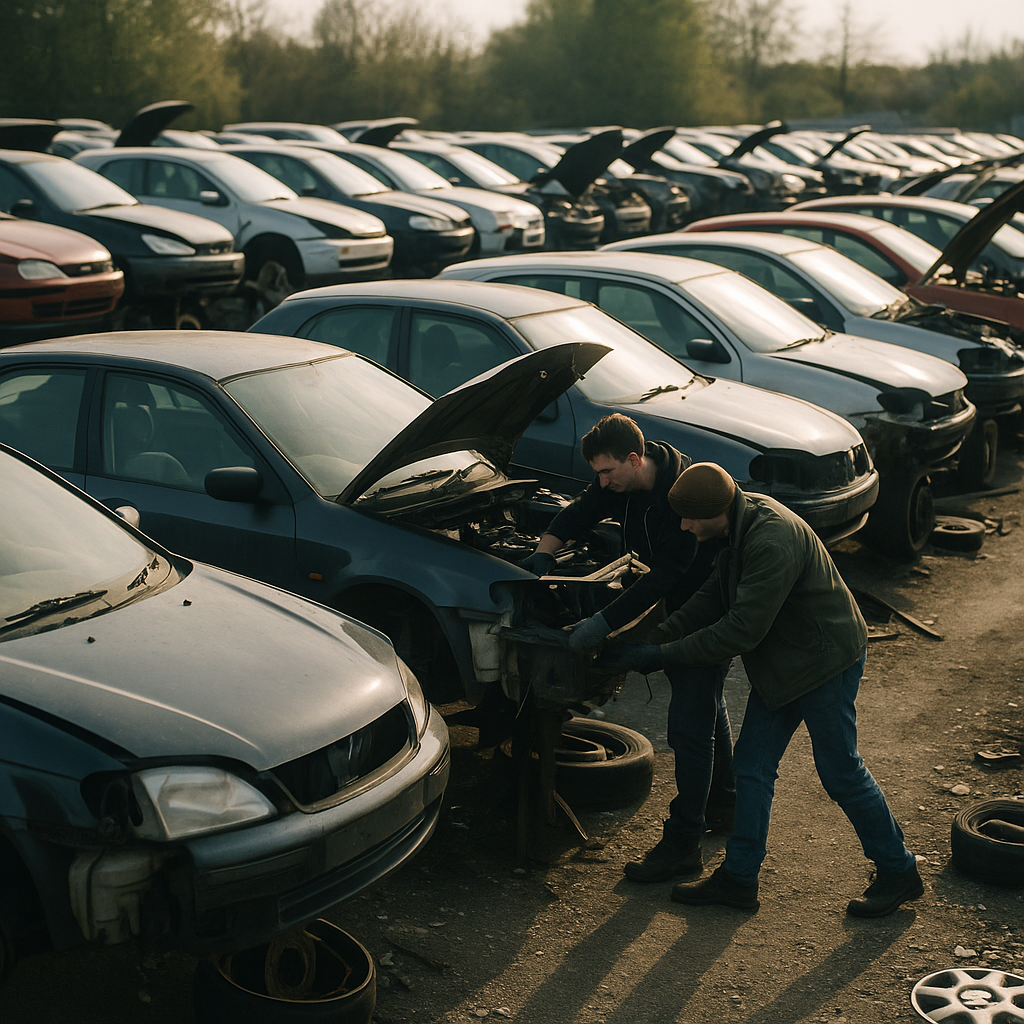
    For platforms that see a lot of hard graft, a lot of owners are moving to trusted breakers and specialists for strong used components rather than gambling on unknown pattern parts. For example, anyone running an L200 as a daily workhorse will eventually be hunting down solid Mitsubishi l200 parts from a reputable source to keep it on the road without dealer prices.

    Balancing comfort, mods and modern pickup truck reliability

    The big appeal of current double cabs is that they can be everything at once: family wagon, site truck, tow rig and weekend toy. The trick is not to mod them in a way that kills that balance.

    Throwing on massive wheels with rubber band tyres might look sick on the gram, but it can wreck ride quality, upset gearing and hammer wheel bearings. Likewise, slamming a truck on coilovers might be cool for shows, but if you are still loading it with slabs or towing a drift car, you are asking a lot from the chassis.

    Line of workhorse pickups at a farm showing different approaches to maintaining modern pickup truck reliability
    Mechanic inspecting suspension and drivetrain to improve modern pickup truck reliability in a busy workshop

    Modern pickup truck reliability FAQs

    Are modern pickups as tough as older models?

    In stock form, most modern pickups are just as capable as the older rigs, and often stronger in terms of chassis and brakes. The difference is that the engines and emissions systems are far more complex, so they are less forgiving of neglect. Regular servicing, good quality fluids and fixing minor issues early are key if you want newer trucks to last as long as the old school workhorses.

    What kills pickup trucks used for towing the most?

    The big killers on tow rigs are heat and lack of maintenance. Constant heavy towing without extra cooling can cook automatic gearboxes and differentials. Sitting on boost for long periods can also stress turbos and raise exhaust gas temperatures. Making sure the gearbox is serviced, fitting an auxiliary transmission cooler where needed and backing off when temps start to climb will all help a tow truck live a long life.

    How can I improve modern pickup truck reliability on a daily workhorse?

    Start with the basics: keep on top of oil, filters and gearbox services, and use quality fluids. Check the cooling system, brakes and suspension regularly if the truck carries weight or tows. Avoid cheap tuning boxes and instead use a reputable mapper who understands safe limits for your platform. Finally, when parts do wear out, replace them with decent OEM or uprated components rather than the cheapest options available.
  • How To Choose Safe Track Day Gear Without Blowing Your Budget

    How To Choose Safe Track Day Gear Without Blowing Your Budget

    If you are planning your first laps on circuit, choosing the right track day safety gear can feel overwhelming. Between regulations, ratings and endless brand options, it is hard to know what you actually need, what is worth spending extra on, and where you can sensibly save.

    This guide breaks down the main pieces of kit for UK track days, how to prioritise your budget, and the key safety standards to look for so you can enjoy your time on track with confidence.

    Understanding UK track day safety rules

    Before you reach for your wallet, it helps to know what most UK circuits and organisers actually require. Rules vary slightly, but the basics are similar:

    • A properly fitting helmet that meets recognised motorsport or motorcycle standards
    • Arms and legs covered as a minimum, usually with non-synthetic clothing
    • Secure footwear that covers the whole foot
    • Seat belts and seats in good condition with no visible damage

    Some organisers are stricter, especially for faster cars or open-top vehicles. If you are running slick tyres, heavily modified suspension or entering an open pit lane event, expect closer scrutiny of your track day safety gear and car preparation.

    Helmet standards and why they matter

    The helmet is the one item you should never compromise on. Look for current motorsport or top-tier motorcycle approvals, and avoid old lids with unknown history. Many drivers start with a decent bike helmet, then upgrade to a dedicated car lid with HANS posts once they get serious.

    Fit is crucial: the helmet should be snug without painful pressure points, stay put when you shake your head, and not lift at speed with the windows open. If you are unsure, buy from a specialist who can size you properly and explain the differences between models. Specialist motorsport retailers also stock a wide range of motorsport helmets that meet current regulations.

    Race suits, gloves and boots: what you really need

    For casual track days in a road car, full flameproof kit is usually not mandatory, but it is still worth understanding your options.

    Race suits

    Fire-resistant suits are designed for competition, but more and more regular track drivers are choosing them for peace of mind. If you do buy a suit, look for recognised fire safety ratings and avoid bargain-basement gear with no clear labelling. A single-layer suit is normally fine for track days, but a multi-layer garment offers more protection and is a better investment if you plan to progress into club racing.

    Gloves

    Gloves are often overlooked, yet they can transform your feel for the steering wheel and offer vital protection in a fire. Look for thin palms for feedback, grippy material on the fingers, and a snug fit that does not bunch up. Even non-fireproof driving gloves are a big step up from bare hands, especially in hot conditions where sweat can make the wheel slippery.

    Boots

    Dedicated driving boots have thin, flexible soles and narrow profiles that make heel-and-toe and precise pedal work much easier. High-top designs also help support your ankles. If you are on a tight budget, pick a pair of trainers with thin soles and no bulky edges that might snag between pedals, then upgrade later.

    Balancing budget and protection

    Not everyone has the funds to buy a full professional kit bag on day one. The smart way to build your collection of track day safety gear is to prioritise in this order:

    1. Quality helmet that fits properly
    2. Secure, pedal-friendly footwear
    3. Gloves for grip and comfort
    4. Fire-resistant suit and underwear if you plan to attend frequent events

    Buy the best helmet you can afford, then look for mid-range options for the rest. Second-hand gear can be tempting, but avoid used helmets, and be cautious with suits that may have been involved in incidents or poorly stored.

    Comfort, visibility and communication

    Comfort is a safety feature in itself. If you are distracted by pressure points, fogged visors or aching feet, you are more likely to make mistakes.

    Driver inside a performance car using track day safety gear including gloves and suitable footwear on a UK circuit
    Collection of track day safety gear such as race suits, gloves and boots displayed at a race circuit

    Track day safety gear FAQs

    Do I need a full fireproof race suit for a normal UK track day?

    For most casual UK track days in a standard road car, a fireproof race suit is not mandatory. Organisers usually require arms and legs to be fully covered with non-synthetic clothing as a minimum. However, if you attend events regularly, drive a heavily modified car or plan to move into club racing, investing in a certified fire-resistant suit is a sensible step for extra protection.

    Can I use my motorcycle helmet on a car track day?

    Many organisers will accept a good quality motorcycle helmet, provided it is in sound condition and meets recognised safety standards. Check the event regulations carefully, as some specify particular approvals or disallow very old lids. Your helmet must fit properly, have no cracks or deep scratches, and the strap and lining should be in good order. If you plan to progress into more serious track driving, consider upgrading to a motorsport-specific car helmet in time.

    What is the minimum track day safety gear I should buy for my first event?

    For a first event, prioritise a properly fitting, approved helmet, sturdy footwear that allows good pedal feel, and comfortable clothing that covers your arms and legs. Add a pair of driving gloves for grip and control if your budget allows. Over time you can expand your kit with fireproof suits, boots and additional protective items as you attend more events and your pace on circuit increases.