Tag: track day preparation

  • Beginner’s Guide To UK Track Days In Your Own Car

    Beginner’s Guide To UK Track Days In Your Own Car

    Thinking about jumping into UK track days in your own car but not sure where to start? Good. You are exactly the sort of nerd we like. Here is a deep but beginner-friendly rundown so you do not look clueless in the paddock or bin your pride and joy on the sighting laps.

    What actually happens on UK track days?

    Most UK track days are non-competitive, open pit lane or sessioned events. You rock up, get noise tested, sign on, do a briefing, then head out for sighting laps before they let you loose properly. Overtaking is usually by consent and on specific sides only, there are no lap times, and it is all about clean, consistent driving rather than heroics.

    There will be marshals at every post, a pit lane speed limit, and a paddock full of everything from bone-stock daily drivers to full-cage time-attack weapons. Respect the rules and you will get loads of seat time and a seriously addictive buzz.

    Noise limits on UK track days

    Noise is the first thing that catches people out. Circuits are under heavy pressure from locals, so they take it seriously. You will usually see two numbers: a static limit and a drive-by limit.

    • Static test – done in the paddock, typically 0.5 m from the tailpipe at 45 degrees, around 3/4 of max revs. Common limits are 98 dB, 100 dB or 105 dB.
    • Drive-by – measured at trackside as you go past at speed. You might pass static and still get black flagged for going over the drive-by.

    If you are rocking a straight-piped turbo car or a screamer of a Honda, consider bung inserts, extra silencers or a bolt-on track backbox. Turn down the crackle map too – nobody is impressed and it just trips the meters.

    Helmet rules and safety basics

    Every circuit will require a proper helmet. Most will accept a good-condition motorcycle lid, but check the organiser’s rules before you book. No open-face scooter toys, no battered relics from the shed. If you are borrowing a lid, make sure it fits snugly and the visor is clear and unscratched.

    Long sleeves and long trousers are usually mandatory, plus closed shoes. Harnesses and buckets are nice but not essential for your first day – a standard three-point belt in good condition is fine. If you run a half cage or bolt-in bar, make sure your head cannot meet the metal in a crash. Padding is cheap, brain cells are not.

    Track day insurance and why it matters

    Your normal road policy almost certainly does not cover circuit use. Some insurers will add specific cover for UK track days, others will flatly refuse. There are also specialist one-day policies you can buy just for the event.

    Track cover is not mandatory, but if you are still paying finance or would cry for a week if you stuffed the car, it is worth pricing up. Read the excess, check whether it covers armco damage, and keep in mind it is there to save you from total disaster, not from every little scrape.

    Flags and black flag etiquette

    Learn your flags before you go. The big ones:

    • Yellow – incident ahead, no overtaking, be ready to slow right down.
    • Red – session stopped, come off the throttle and return to the pits safely.
    • Blue – quicker car behind, let them past at the next safe point.
    • Black – you are in trouble. Come into the pits next lap and see the marshals.

    Black flags are usually for noise, driving standards, fluid leaks or something visibly wrong with the car. Do not ignore it, do not argue. Sort the issue, have a chat, and you will usually get back out.

    Best beginner-friendly circuits for UK track days

    If you are new, pick circuits with plenty of run-off and fewer concrete walls. Bedford Autodrome, Blyton Park and Snetterton are all popular starter tracks with loads of space to make mistakes. Smaller, tighter circuits like Cadwell or Lydden are awesome fun but less forgiving when you overcook it.

    Cars exiting a bend on a circuit during UK track days with marshal post in view
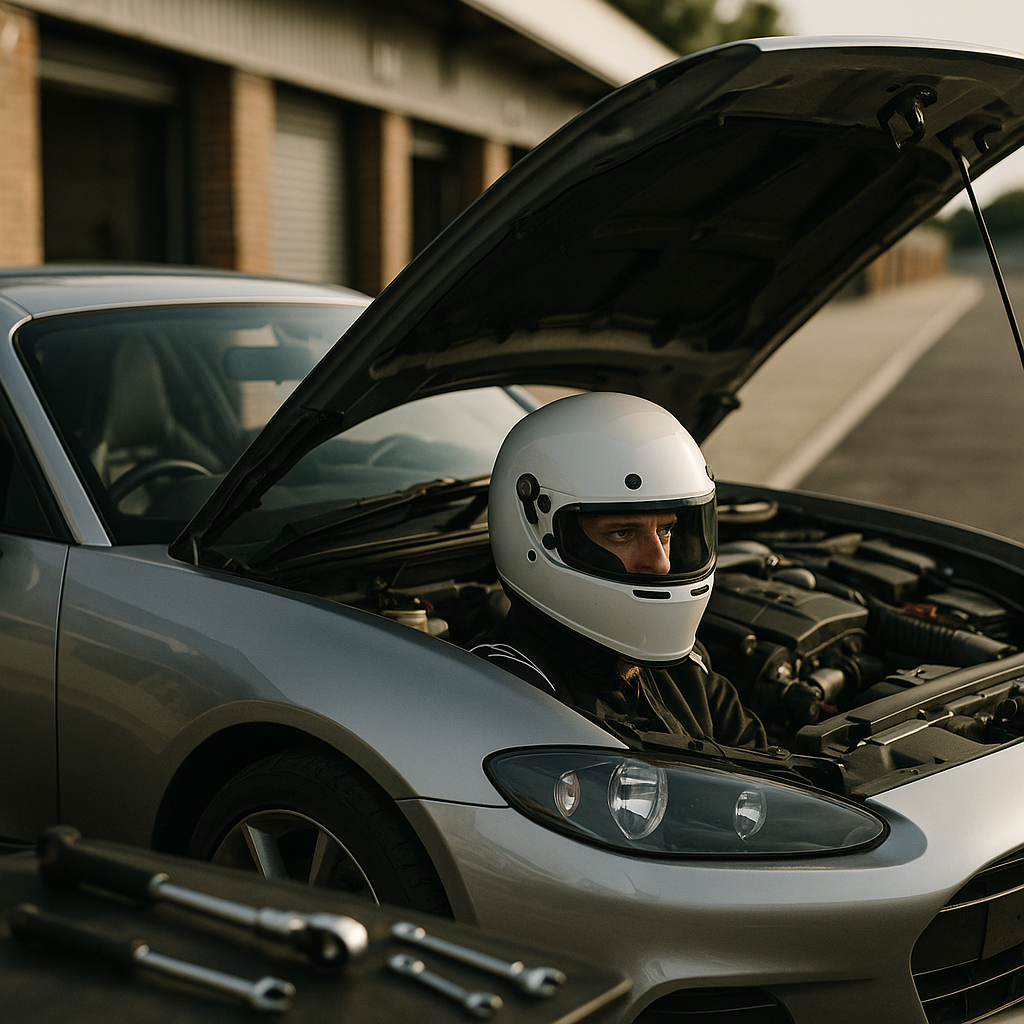
    Driver checking their car in the pit lane while preparing for UK track days

    UK track days FAQs

  • How To Choose Safe Track Day Gear Without Blowing Your Budget

    How To Choose Safe Track Day Gear Without Blowing Your Budget

    If you are planning your first laps on circuit, choosing the right track day safety gear can feel overwhelming. Between regulations, ratings and endless brand options, it is hard to know what you actually need, what is worth spending extra on, and where you can sensibly save.

    This guide breaks down the main pieces of kit for UK track days, how to prioritise your budget, and the key safety standards to look for so you can enjoy your time on track with confidence.

    Understanding UK track day safety rules

    Before you reach for your wallet, it helps to know what most UK circuits and organisers actually require. Rules vary slightly, but the basics are similar:

    • A properly fitting helmet that meets recognised motorsport or motorcycle standards
    • Arms and legs covered as a minimum, usually with non-synthetic clothing
    • Secure footwear that covers the whole foot
    • Seat belts and seats in good condition with no visible damage

    Some organisers are stricter, especially for faster cars or open-top vehicles. If you are running slick tyres, heavily modified suspension or entering an open pit lane event, expect closer scrutiny of your track day safety gear and car preparation.

    Helmet standards and why they matter

    The helmet is the one item you should never compromise on. Look for current motorsport or top-tier motorcycle approvals, and avoid old lids with unknown history. Many drivers start with a decent bike helmet, then upgrade to a dedicated car lid with HANS posts once they get serious.

    Fit is crucial: the helmet should be snug without painful pressure points, stay put when you shake your head, and not lift at speed with the windows open. If you are unsure, buy from a specialist who can size you properly and explain the differences between models. Specialist motorsport retailers also stock a wide range of motorsport helmets that meet current regulations.

    Race suits, gloves and boots: what you really need

    For casual track days in a road car, full flameproof kit is usually not mandatory, but it is still worth understanding your options.

    Race suits

    Fire-resistant suits are designed for competition, but more and more regular track drivers are choosing them for peace of mind. If you do buy a suit, look for recognised fire safety ratings and avoid bargain-basement gear with no clear labelling. A single-layer suit is normally fine for track days, but a multi-layer garment offers more protection and is a better investment if you plan to progress into club racing.

    Gloves

    Gloves are often overlooked, yet they can transform your feel for the steering wheel and offer vital protection in a fire. Look for thin palms for feedback, grippy material on the fingers, and a snug fit that does not bunch up. Even non-fireproof driving gloves are a big step up from bare hands, especially in hot conditions where sweat can make the wheel slippery.

    Boots

    Dedicated driving boots have thin, flexible soles and narrow profiles that make heel-and-toe and precise pedal work much easier. High-top designs also help support your ankles. If you are on a tight budget, pick a pair of trainers with thin soles and no bulky edges that might snag between pedals, then upgrade later.

    Balancing budget and protection

    Not everyone has the funds to buy a full professional kit bag on day one. The smart way to build your collection of track day safety gear is to prioritise in this order:

    1. Quality helmet that fits properly
    2. Secure, pedal-friendly footwear
    3. Gloves for grip and comfort
    4. Fire-resistant suit and underwear if you plan to attend frequent events

    Buy the best helmet you can afford, then look for mid-range options for the rest. Second-hand gear can be tempting, but avoid used helmets, and be cautious with suits that may have been involved in incidents or poorly stored.

    Comfort, visibility and communication

    Comfort is a safety feature in itself. If you are distracted by pressure points, fogged visors or aching feet, you are more likely to make mistakes.

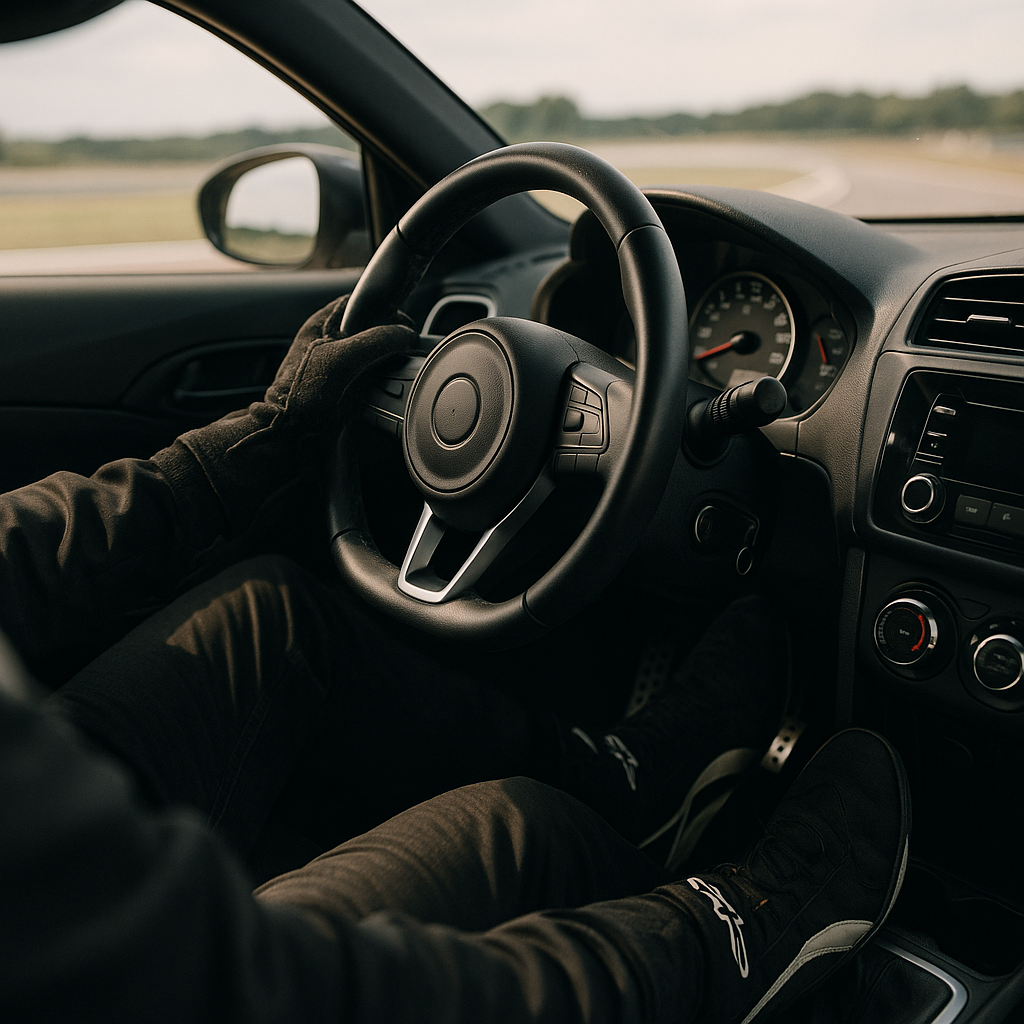
    Driver inside a performance car using track day safety gear including gloves and suitable footwear on a UK circuit
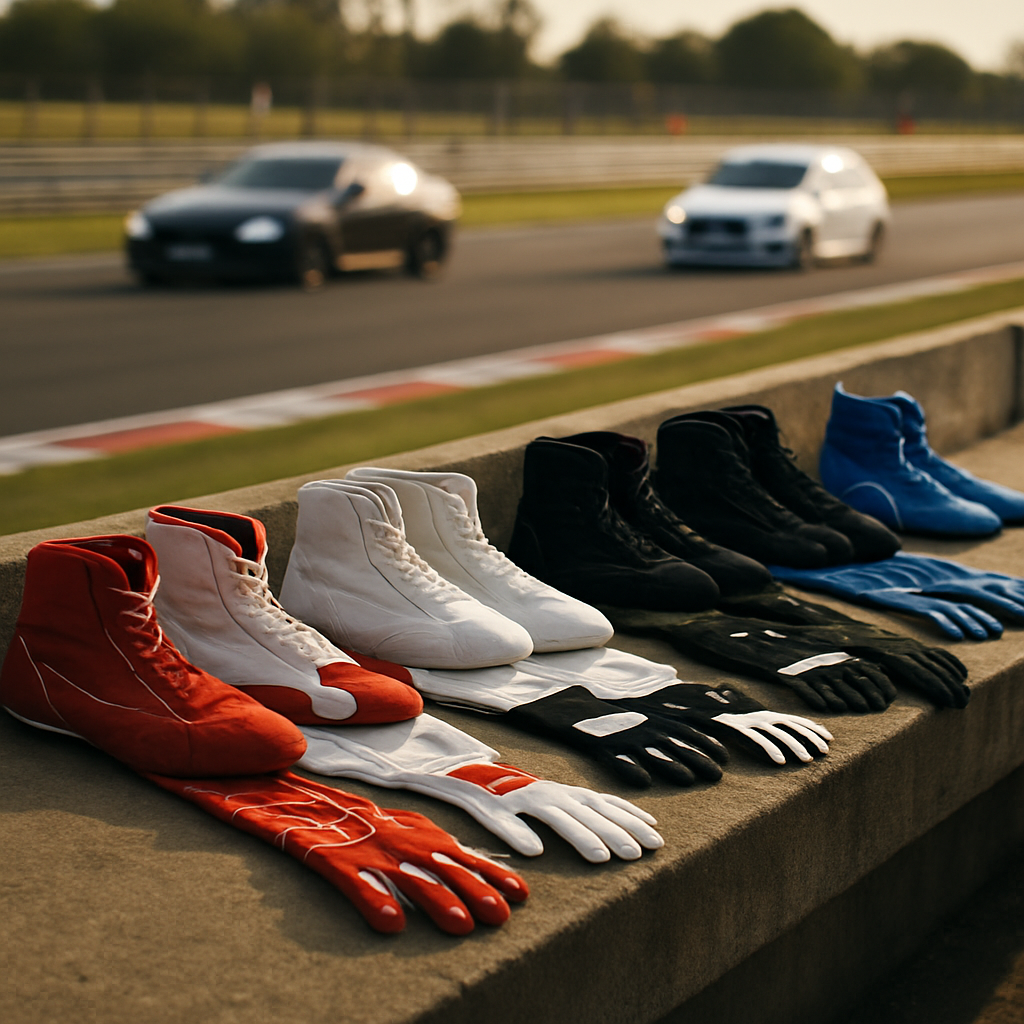
    Collection of track day safety gear such as race suits, gloves and boots displayed at a race circuit

    Track day safety gear FAQs

    Do I need a full fireproof race suit for a normal UK track day?

    For most casual UK track days in a standard road car, a fireproof race suit is not mandatory. Organisers usually require arms and legs to be fully covered with non-synthetic clothing as a minimum. However, if you attend events regularly, drive a heavily modified car or plan to move into club racing, investing in a certified fire-resistant suit is a sensible step for extra protection.

    Can I use my motorcycle helmet on a car track day?

    Many organisers will accept a good quality motorcycle helmet, provided it is in sound condition and meets recognised safety standards. Check the event regulations carefully, as some specify particular approvals or disallow very old lids. Your helmet must fit properly, have no cracks or deep scratches, and the strap and lining should be in good order. If you plan to progress into more serious track driving, consider upgrading to a motorsport-specific car helmet in time.

    What is the minimum track day safety gear I should buy for my first event?

    For a first event, prioritise a properly fitting, approved helmet, sturdy footwear that allows good pedal feel, and comfortable clothing that covers your arms and legs. Add a pair of driving gloves for grip and control if your budget allows. Over time you can expand your kit with fireproof suits, boots and additional protective items as you attend more events and your pace on circuit increases.