
There are few gut-punch moments in a car owner’s life quite like getting that phone call from the garage. Failed. And if you’re running a modified car, the anxiety leading up to MOT day is something else entirely. The trouble is, most information out there is written for stock motors. If your car has coilovers, an aftermarket exhaust, tinted windows or a remapped ECU, you need a slightly different playbook. This is it.
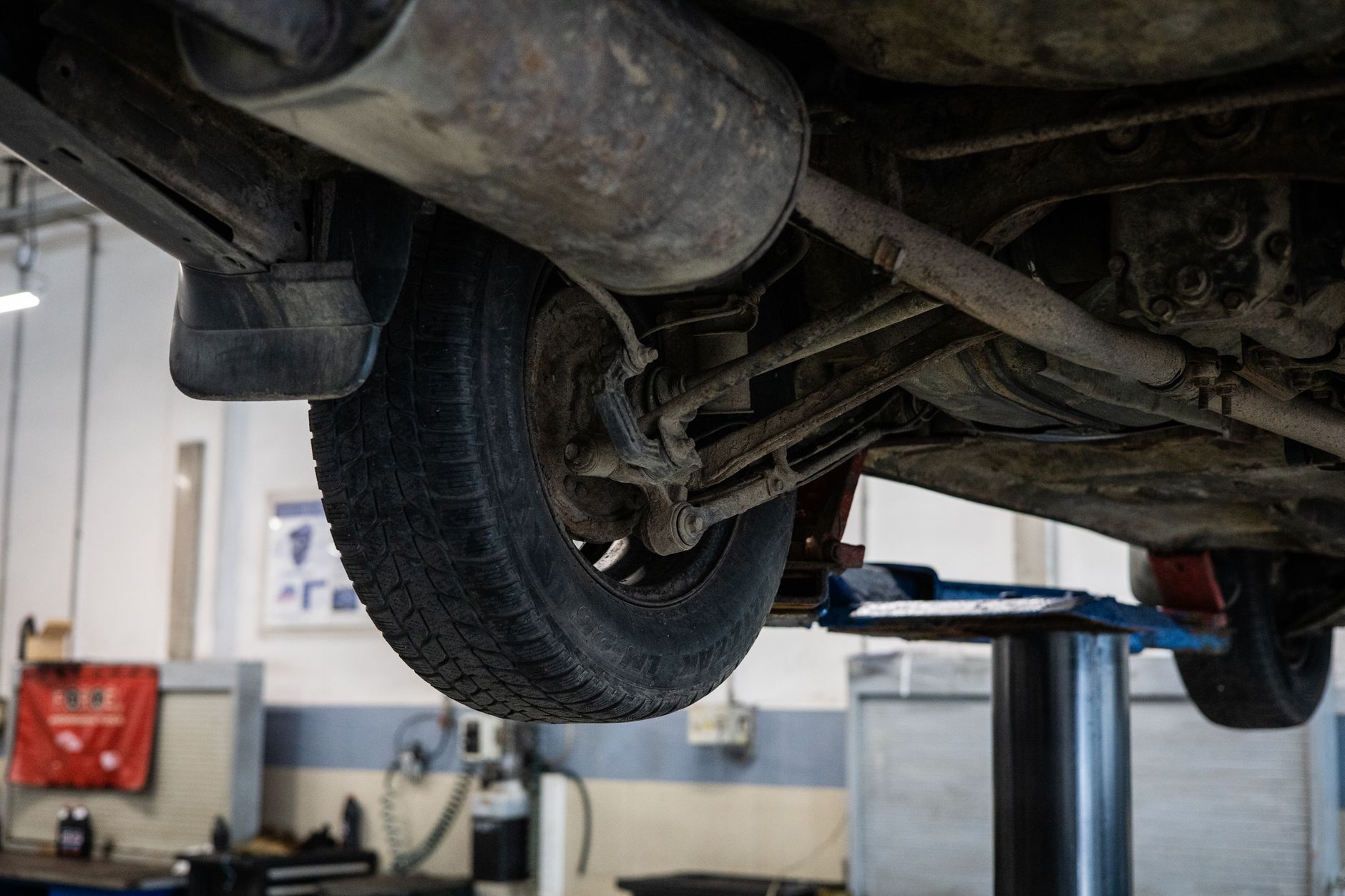
Which modifications cause an automatic MOT fail?
Let’s be direct. Not every modification is an instant fail, but certain ones absolutely are. The DVSA’s MOT Inspection Manual is publicly available and worth bookmarking. The categories that catch modified car owners most often are lighting, tyres, noise emissions and ride height.
Aftermarket headlights that alter the beam pattern or use projector units not type-approved for UK roads are an automatic fail. Full stop. Tinted rear lights that reduce lens visibility below the required standard? Same outcome. I’ve seen plenty of lads roll up with smoked clusters only to discover the tester marks them as a fail before the car is even on the ramp.
Suspension changes are trickier. Coilovers aren’t inherently a problem, but if your ride height is so low that the tester can’t properly observe steering geometry, or if the bump stops are coil-binding, you’re in trouble. Wheel spacers that put tyre sidewall outside the wheelarch line will also fail, though a lot of testers measure this differently. Modified car MOT fail UK 2026 concerns around suspension are mostly about geometry, not ride height itself.
Exhausts are another flashpoint. An aftermarket system isn’t automatically illegal, but if a tester deems the noise level excessive or spots a visible leak in the lambda sensor area, it’ll fail emissions. Decat pipes and straight-through silencers on road-registered cars are high risk. If you’ve been down the remap and decat rabbit hole, you already know the score, but it’s worth reading up on how engine modifications affect your insurance alongside the MOT implications, because they’re linked.
What advisories actually mean in legal terms
This is one of the most misunderstood parts of the whole process. An advisory is not a pass condition. It’s also not legally binding. A tester is flagging something that isn’t bad enough to fail now but could become a problem. You are under no legal obligation to fix an advisory before your next MOT, and being told to sort it by a certain mileage is advice, not law.
That said, if an advisory is logged and you’re later in an accident, and the advisory is relevant to that accident, you could face serious questions from insurers and potentially the courts. So treat them seriously, especially brake wear or tyre condition advisories. For modified cars, common advisories include minor oil seeps, exhaust mounts that are slightly corroded, and steering components that are within tolerance but showing wear.
One thing people miss: advisory wording matters. “Monitor” is different to “Recommend replacement”. If you’re unsure what a specific advisory means for your particular build, a phone call to a specialist mechanic who knows your platform is worth more than any forum thread.
How to appeal a borderline MOT decision
This is where it gets interesting. If you genuinely believe a tester has made a wrong call, you have a formal route to challenge it. The DVSA runs an appeals process where they can send a Vehicle Examiner to re-inspect the car at the same station, at their expense if you’re found to be correct. You need to apply within 14 working days of the test. The process is outlined on gov.uk and you’ll need the test number from your failure certificate.
Realistically, borderline calls are the ones worth appealing. If your exhaust is genuinely decat’d, you won’t win. But if a tester has marked a beam pattern fail on a set of properly type-approved LED units, or flagged a tyre as failed when it’s clearly within 1.6mm, that’s worth contesting. I’d always photograph the relevant components before you leave the station if you think you’re being hard done by. Evidence matters.
The appeal form is free to submit. If the DVSA examiner agrees with the original tester, you pay nothing extra. If they find the tester was wrong, the original fail is overturned and you get a pass certificate. It’s genuinely a fair system and more modified car owners should use it rather than just caving in and buying stock parts.
Working with a sympathetic tester
This isn’t about dodging the test. It’s about choosing the right station. A sympathetic tester isn’t bent, they’re experienced and knowledgeable. They understand that a properly set-up coilover car with good geometry is safer than a tatty standard car, and they’ll inspect it accordingly rather than failing it on sight for looking “too low”.
Find a garage that genuinely works with modified and performance cars. Ask in your local car club, on platform-specific forums, or via communities like Maxx Directory, which lists specialist garages and detailers across the UK. A tester who’s never seen a coilover in his life and doesn’t understand what he’s looking at is going to err on the side of caution every time.
Before you book, ring the garage. Describe the car. If they go quiet or sound uncomfortable, try somewhere else. A specialist station will often do a pre-MOT inspection where they flag anything likely to fail in advance, giving you the chance to sort it before the clock starts. For anyone managing the cost of keeping a modified car legal, that pre-check is genuinely money well spent.
Getting your car through after a fail
If you’ve failed, you have 10 working days to get the car retested at the same station for free, but only for the items that failed. If you take it elsewhere, you pay for a full retest. That’s a nuance that catches people out.
For modified car MOT fail UK 2026 scenarios involving lighting, sourcing type-approved alternatives that still look close to your original setup is usually possible. For exhaust noise, fitting a proper silencer back box isn’t the end of the world if you’re keeping the decat for track use only. For tyres, if you’re running semi-slicks that a tester has flagged as unsuitable for road use, you’ll need to think carefully about what you’re putting on the car full-time versus what you’re trailering to the circuit. There’s a whole conversation around semi-slick versus road-legal track tyres that’s worth your time if this is your situation.
If your car has a remap, the OBD port check is increasingly part of the emissions assessment at better-equipped stations. A tune that’s caused the lambda readings to go out of range or has thrown stored fault codes that affect emissions will trip you up. If you’ve had your ECU mapped and are worried about MOT compliance, have a chat with whoever did the remap before you book in. A reputable tuner will have left the car within legal emissions parameters. If yours hasn’t, that’s a separate conversation worth having before any modified car MOT fail becomes a recurring theme.
The MOT isn’t going anywhere, and neither are we. The key is preparation, finding the right garage, knowing your rights, and not treating every tester as the enemy. Most of them just want to see a safe car. Give them one.