
If you own a VW Golf R, a BMW M135i, or a Ford Focus ST with an FST or EcoBoost engine, there is a problem quietly building up inside your intake manifold right now. Engine carbon build-up on direct-injection UK performance cars is one of the most under-discussed maintenance issues in the scene, not because it is rare, but because it creeps up gradually, mimics other faults, and tends to hit hard only once a remap or track day pushes the engine harder than it was ever stressed in standard form.
I have seen this catch out owners who thought they were being diligent. Full synthetic oil, regular servicing, good fuel, and still a rough idle, misfires, and a noticeable flat spot at 3,000 rpm. The cause was a thick crust of carbon on the inlet valves. Once you understand why port-less direct injection causes this, the whole thing makes frustrating sense.
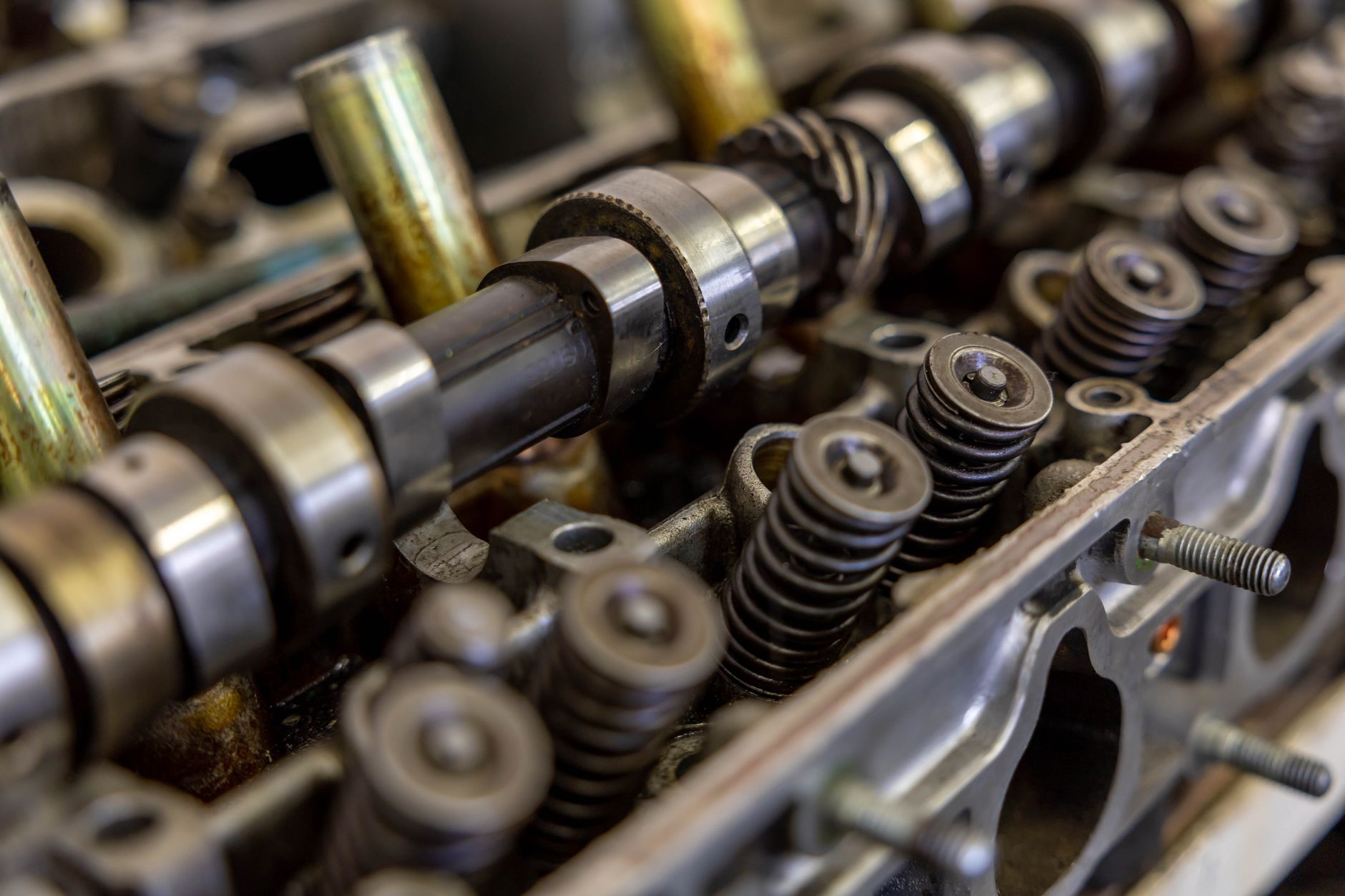
Why direct-injection engines get carbon deposits when older engines don’t
Traditional port-injected engines spray fuel directly onto the back of the inlet valves. The solvent properties of petrol, combined with detergent additives in modern fuels, constantly wash the valve faces clean. Direct injection (DI) bypasses the valves entirely, fuel goes straight into the combustion chamber at extremely high pressure. The inlet valves never see a drop of petrol. They only see hot blow-by gases from the crankcase ventilation system, and those gases carry oil mist.
That oil mist bakes onto the back of the valves at temperatures above 200°C, cycle after cycle, until you build up a rough, porous carbon deposit that can reach 3–5mm thick after 40,000–60,000 miles in a hard-driven performance car. The porous texture then traps even more mist, and the problem compounds. The VW Group EA888 engine, the 2.0 TSI found in everything from the Golf GTI to the Audi S3, is particularly notorious for this, as is BMW’s B58 and earlier N55, and Ford’s 2.3 EcoBoost used in the Focus RS.
Symptoms to look for before it becomes a serious fault
Carbon build-up rarely announces itself dramatically. It tends to present as a collection of slightly odd behaviours that, individually, you might dismiss. Rough cold starts are often the first sign, the engine takes longer than it should to smooth out, and at idle in the morning it sounds lumpy, almost like a mild misfire that clears after a minute or two.
As deposits worsen, you will notice hesitation under load. On a remapped EA888, this often feels like the map is at fault, and I have spoken to owners who paid for a second remap or a rolling-road session trying to solve a problem that was actually caked carbon restricting airflow through the intake ports. Fuel economy also drops, not dramatically, maybe 5–8%, because the disrupted airflow around the valve seat makes combustion less efficient.
In serious cases, you get misfires logged in OBD data (P0300-series codes), and the engine can fail to pass emissions targets at MOT. Modified car MOT failures in 2026 are increasingly being traced back to intake-related issues, and carbon build-up is one the testers are now more aware of. If you are logging your OBD data regularly, and you should be, watch for lean trims increasing over time.
Walnut blasting: what it costs and what actually happens
Walnut blasting is the gold standard for dealing with inlet valve carbon deposits. Ground walnut shells are blasted at high velocity through the intake ports with the valves closed, physically abrading the carbon off the valve faces and port walls. The walnut media is soft enough not to damage the aluminium or the valve seats themselves, but abrasive enough to strip even heavy deposits in a single session.
The catch is access. On a 2.0 TSI or EcoBoost, getting to the intake ports requires removing the intake manifold, which means a solid two to three hours of labour. UK independent specialists typically charge between £250 and £450 for a full walnut blast on a four-cylinder engine, including manifold removal and refit. Dealer pricing tends to be higher, I have seen main dealer quotes north of £600 for a Golf GTI on this job. For a six-cylinder like the B58 in the M240i or Z4, expect more like £400–£600 at a specialist, with more manifold complexity adding time.
The results are immediate and measurable. Dyno figures taken before and after on heavily carboned EA888s have shown 8–12bhp returned to the wheels purely from improved airflow. Cold start behaviour normalises within the first drive. If you have a remap, any used remapped hot hatch you buy should be inspected for inlet valve condition before you assume the map is performing as intended, because carbon deposits will mask real-world output regardless of what the ECU file says.
Chemical cleaning: cheaper, but know the limits
Chemical inlet cleaning uses specialised aerosol solvents, Bardahl, BG Products, and Forte all have UK-available products, sprayed slowly into the intake whilst the engine is running at a controlled idle. The solvent softens carbon deposits and ideally they pass through the combustion chamber and out of the exhaust. Some specialists use an intake cleaning machine that delivers the product at a metered rate.
For light to moderate deposits (say, under 40,000 miles on a DI engine with no prior cleaning), chemical treatment can extend the interval before a walnut blast is needed. UK independent garages typically charge £80–£150 for this service. The limitation is straightforward: chemical cleaning cannot physically remove heavy, baked-on carbon the way abrasive media can. On an engine that is already misfiring or showing rough idle symptoms, chemicals are unlikely to resolve the fault. They are a preventative measure, not a fix for an already symptomatic engine.
Some owners attempt chemical DIY treatment using products like Wynn’s Intake Valve Cleaner, available from most motor factors. The technique requires patience, too fast and you hydrolock the engine, which is a very expensive afternoon. Follow the product instructions precisely and have someone assist if you have not done it before.
How often should you actually do this on a performance DI engine?
The honest answer depends on how you drive the car and whether it is remapped. A standard Golf GTI driven mostly on motorways might go 60,000 miles before deposits become symptomatic. The same engine remapped to Stage 2, driven hard on B-roads, and used occasionally on track will likely need attention at 30,000–40,000 miles. Higher cylinder pressures from boost-heavy remaps increase blow-by slightly, accelerating deposit formation.
The RAC’s technical guidance on engine maintenance, along with data from the Driver and Vehicle Standards Agency, acknowledges that modern DI engines have specific maintenance requirements not covered by standard service schedules. The manufacturer service books for these cars almost universally ignore inlet valve cleaning, because it was not a consideration when the service intervals were written, and because recommending it would highlight a design limitation.
My take: if you own a remapped EA888, N55, B58, or 2.3 EcoBoost and it has never had the inlet valves cleaned, book a visual inspection with an independent specialist. An endoscope through the intake takes five minutes and will show immediately whether you have a problem. Many of the specialists listed on Maxx Directory offer this as a quick pre-diagnosis check. The walnut blast cost is a lot easier to swallow than a set of injectors, coil packs, or a head gasket job caused by chronic misfiring you ignored for 15,000 miles.
Running a modified DI engine without understanding its maintenance needs is the kind of thing that turns a reliable performance car into an expensive headache. If your modified car has already failed an MOT, inlet valve carbon is worth ruling out before you start chasing more complex faults. Sort it early, and the engine will tell you it’s grateful every time you plant your foot.