Category: Product News

  • Are Modern Pickups Still Proper Workhorses Or Just Lifestyle Toys?

    Are Modern Pickups Still Proper Workhorses Or Just Lifestyle Toys?

    If you hang around builders’ yards, farm tracks or drift paddocks, you will have heard the same chat: modern pickup truck reliability is not what it used to be. Old school trucks took years of abuse, a boot-full of tools and a trailer on the back without complaining. These days, every other week there is a horror story about DPFs, AdBlue and gearboxes tapping out.

    At the same time, pickups have gone full lifestyle. Heated leather, tablet screens, LED mood lighting and 20s from factory. So what is the score – are current double cabs still proper workhorses, or just SUVs with a tub on the back?

    Why pickups have changed so much

    Ten or fifteen years ago, a truck was basically a van with a diff. Now manufacturers are chasing company car drivers and family buyers, so the spec has gone up and the engineering has got way more complex. Twin turbo diesels, 10 speed autos, electric power steering and every driver aid going all look good in the brochure, but they add a lot of stuff that can go wrong once the warranty runs out.

    On top of that, emissions rules have pushed diesels into DPFs, EGR coolers and AdBlue systems. Great for clean air, but if you are towing, idling on site all day or crawling around the farm, those systems live a hard life. That is where the reputation for flaky modern pickup truck reliability has come from.

    Common weak spots on newer trucks

    Every platform has its own known issues, but a few problem areas crop up again and again across the board:

    • DPFs and EGR valves getting clogged from constant short trips or heavy towing without long motorway runs to regen properly.
    • Automatic gearboxes that are smooth when new but hate neglected fluid changes, especially when used for big trailers or loaded beds.
    • Suspension and steering components wearing out early when trucks are slammed on big wheels or hammered off road with extra weight.
    • Electrical gremlins thanks to more ECUs, sensors and driver aids than some superminis.

    None of this means modern pickups are rubbish. It just means you cannot treat a highly strung, emissions-choked diesel like a 90s agricultural lump and expect the same indestructible behaviour.

    How owners are keeping trucks dependable

    Truck nerds are a resourceful bunch, and the scene has already figured out a few ways to keep newer platforms earning their keep without constant drama.

    • Preventive maintenance: Regular oil and filter changes, proper gearbox services and actually fixing minor leaks before they take out something expensive.
    • Cooling upgrades: Extra transmission coolers, better intercoolers and quality coolant keep temps in check when towing or remapping.
    • Sensible tuning: A mild, well mapped stage 1 with EGTs under control is usually safer than a cheap plug-in box that just cranks rail pressure and hopes for the best.
    • Quality replacement parts: When factory bits finally give up, going for decent OEM or uprated components instead of the cheapest eBay special can transform long term reliability.

    For platforms that see a lot of hard graft, a lot of owners are moving to trusted breakers and specialists for strong used components rather than gambling on unknown pattern parts. For example, anyone running an L200 as a daily workhorse will eventually be hunting down solid Mitsubishi l200 parts from a reputable source to keep it on the road without dealer prices.

    Balancing comfort, mods and modern pickup truck reliability

    The big appeal of current double cabs is that they can be everything at once: family wagon, site truck, tow rig and weekend toy. The trick is not to mod them in a way that kills that balance.

    Throwing on massive wheels with rubber band tyres might look sick on the gram, but it can wreck ride quality, upset gearing and hammer wheel bearings. Likewise, slamming a truck on coilovers might be cool for shows, but if you are still loading it with slabs or towing a drift car, you are asking a lot from the chassis.

    Line of workhorse pickups at a farm showing different approaches to maintaining modern pickup truck reliability
    Mechanic inspecting suspension and drivetrain to improve modern pickup truck reliability in a busy workshop

    Modern pickup truck reliability FAQs

    Are modern pickups as tough as older models?

    In stock form, most modern pickups are just as capable as the older rigs, and often stronger in terms of chassis and brakes. The difference is that the engines and emissions systems are far more complex, so they are less forgiving of neglect. Regular servicing, good quality fluids and fixing minor issues early are key if you want newer trucks to last as long as the old school workhorses.

    What kills pickup trucks used for towing the most?

    The big killers on tow rigs are heat and lack of maintenance. Constant heavy towing without extra cooling can cook automatic gearboxes and differentials. Sitting on boost for long periods can also stress turbos and raise exhaust gas temperatures. Making sure the gearbox is serviced, fitting an auxiliary transmission cooler where needed and backing off when temps start to climb will all help a tow truck live a long life.

    How can I improve modern pickup truck reliability on a daily workhorse?

    Start with the basics: keep on top of oil, filters and gearbox services, and use quality fluids. Check the cooling system, brakes and suspension regularly if the truck carries weight or tows. Avoid cheap tuning boxes and instead use a reputable mapper who understands safe limits for your platform. Finally, when parts do wear out, replace them with decent OEM or uprated components rather than the cheapest options available.
  • Are Graphene Coatings The Next Big Thing For Daily Driven Builds?

    Are Graphene Coatings The Next Big Thing For Daily Driven Builds?

    If you are deep into detailing chat groups right now, you have definitely seen people arguing about graphene coating for cars. Some say it is the next-level protection your daily deserves, others swear it is just clever marketing slapped on a label. For anyone who actually drives their build hard, through UK weather and salty winter roads, it is worth cutting through the noise.

    What actually is graphene coating for cars?

    On paper, graphene sounds like sci-fi. It is a form of carbon that is incredibly thin, very strong and highly conductive. In the detailing world, a graphene coating is usually a liquid product that uses graphene oxide blended into a resin system that bonds to your paint. The idea is similar to other long term paint protection products, but with some extra claimed benefits like better slickness, less water spotting and extra chemical resistance.

    Most of the stuff on the shelves is not a pure sheet of graphene laid over your bonnet. It is a hybrid formula that uses a small amount of graphene-based material as part of a bigger chemistry package. The quality difference between cheap and pro-only products is huge, so do not assume every bottle with “graphene” on the label is doing the same job.

    Why is everyone suddenly talking about graphene?

    The main reason graphene has blown up is that more of us are keeping nice cars as daily drivers, not garage queens. You have people running 400bhp+ hatches to work, or widebody German stuff on air that still has to live in supermarket car parks. The scene has shifted from “just polish it for show day” to “how do I keep this thing mint all year without spending every Sunday washing it”.

    Graphene coatings promise long term protection, deep gloss and stupidly easy wash downs. For anyone who has had fresh paint, a full correction, or a respray on a rare shell, the idea of adding a tough sacrificial layer that lasts years is very appealing.

    Graphene vs traditional protection

    So where does graphene sit compared to the usual options? At the budget end, you have waxes and basic sealants. They are easy to use, can look great, but you will be topping them up regularly, especially if you daily the car. Spray sealants and quick detailers are ideal for topping up protection, but they are not a true long term barrier.

    At the more serious end, you have pro-grade coatings that chemically bond to the clear coat. These have been the go-to for people wanting multi-year protection. Some modern pro systems even blend different technologies together, and that is where you will see graphene-based layers being added into the mix. If you want to read deeper into those kinds of products, there are specialists offering advanced options like ceramic coatings that sit in the same serious-protection space.

    Is the graphene hype actually justified?

    From what detailers are reporting, good graphene-based products can genuinely reduce water spotting, which is a big deal if your car lives outside. They also tend to give a very slick feel that makes washing easier and helps grime slide off. The gloss is strong too, especially on darker colours where depth really shows.

    But it is not magic. Prep is still everything. If the paint is swirled, contaminated or has poor bodyshop work underneath, no coating will fix it. You still need proper wash technique, decent shampoo and safe drying to avoid marring. Think of graphene as a tougher, smarter clear raincoat over good paintwork, not a respray in a bottle.

    Who should actually consider graphene coatings?

    If you have a daily driven performance car, a fresh respray, or a rare shell that you want to keep looking sharp for years, then a graphene coating is worth looking at. It is especially useful if:

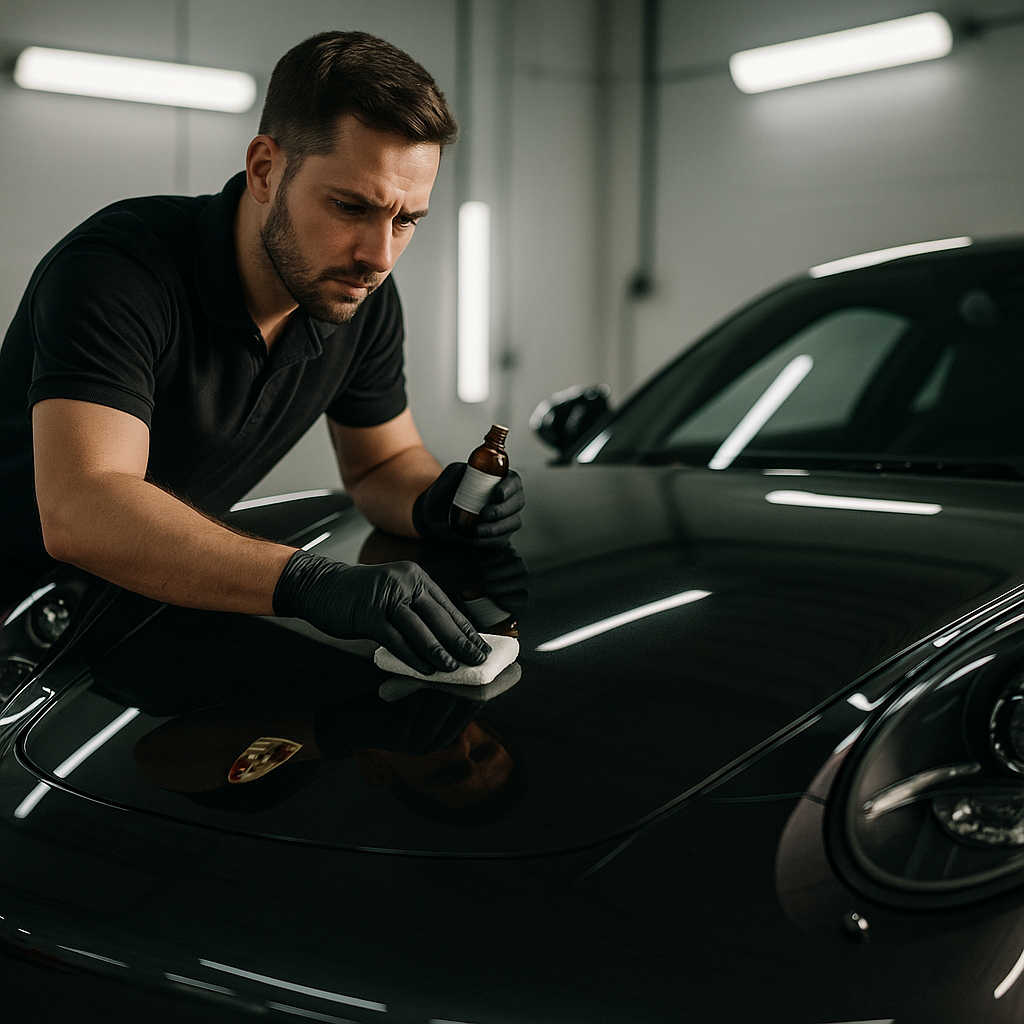
    Detailer applying advanced paint protection similar to graphene coating for cars in a studio
    Show car line-up with deep gloss finish achieved using graphene coating for cars

    Graphene coating for cars FAQs

  • How Mobile Wallets Are Changing the Way We Shop on the High Street

    How Mobile Wallets Are Changing the Way We Shop on the High Street

    Contactless cards used to feel cutting-edge, but they now look almost old-fashioned next to the phone in your pocket. If you have ever paid with your mobile, stored a loyalty card in a wallet app or scanned a QR code at the till, you have already experienced how mobile wallets are changing the way we shop.

    This shift is not just a tech fad. It is reshaping how people browse, buy and stay loyal to their favourite retailers, especially on the UK high street where every repeat visit matters.

    From plastic to phone: the new default at the till

    For a growing number of shoppers, the mobile wallet is now the primary way to pay. Apple Pay, Google Pay and similar services are built into devices people already carry everywhere, so there is no extra card to remember. That convenience means fewer abandoned purchases and shorter queues, particularly at busy times in shopping centres and retail parks.

    Security is another driver. Biometric checks like Face ID and fingerprint unlock give people confidence that a lost phone is safer than a lost wallet stuffed with cards. Tokenised payments also mean the real card number is never shared with the retailer, which helps to reduce fraud concerns for both sides.

    Beyond payment: loyalty, offers and receipts in one place

    The biggest change is that mobile wallets are becoming more than just a digital card holder. They act as a hub for loyalty points, digital receipts and targeted offers. Instead of carrying a stack of plastic or paper, customers can scan or tap once and have everything recorded automatically.

    For retailers, this means better data on how often people visit, what they buy and which offers actually work. That insight can be used to personalise rewards, send timely reminders and nudge customers back into store without feeling intrusive.

    What this means for the UK high street

    On the high street, where independent shops sit alongside big chains, the mobile wallet revolution is levelling the playing field. Small retailers can now tap into tools that used to be reserved for national brands, from digital stamp cards to location-based offers that pop up when someone walks past the door.

    Local business groups and town centre partnerships are also embracing this shift. Some are experimenting with shared digital loyalty schemes and town-wide rewards that encourage people to explore multiple shops, cafes and services in one trip. Platforms such as a free uk shopping app can bundle these experiences together and make them easy to access from a single icon on a customer’s phone.

    How mobile wallets are changing the way we shop in-store

    In practical terms, how mobile wallets are changing the way we shop shows up in small but important moments during a visit. Shoppers can check a digital stamp card before deciding where to grab lunch, or redeem a birthday reward without rummaging for a paper voucher. Staff spend less time handling cash and more time actually talking to customers.

    Click-and-collect also becomes smoother. Orders can be paid for in advance via mobile and picked up with a quick scan at the counter, blending online convenience with in-person service. For car enthusiasts heading to retail parks for parts, cleaning products or gadgets, this frictionless experience can make the difference between sticking with a favourite store or going elsewhere.

    Challenges retailers need to plan for

    This new landscape is not without its challenges. Retailers must ensure their payment terminals and point of sale systems work reliably with mobile wallets, and staff need to be trained to handle digital loyalty passes and QR-based offers without slowing things down.

    There are also questions around data and privacy. Customers expect personalised offers, but they are wary of being tracked too closely. Clear communication about what data is collected, why it is used and how it is protected is essential to maintain trust.

    People browsing and paying with phones on a UK high street illustrating how mobile wallets are changing the way we shop
    Digital wallet and loyalty card on a smartphone beside shopping bags highlighting how mobile wallets are changing the way we shop

    How mobile wallets are changing the way we shop FAQs

    Are mobile wallet payments really more secure than using a physical card?

    Mobile wallet payments are typically more secure because they use tokenisation and biometric checks. The card number is replaced with a one-time token, so the retailer never sees or stores the real details. Even if a phone is lost, a PIN, fingerprint or face scan is usually required before a payment can be made, which adds an extra layer of protection compared with a contactless card.

    Do I need mobile signal or Wi-Fi for my phone to work at the checkout?

    In most cases, you do not need mobile data or Wi-Fi for your phone to work at the checkout. Once your card is added to a wallet like Apple Pay or Google Pay, the payment information is stored securely on the device. As long as the phone has enough battery and the shop’s terminal supports contactless, you can usually tap to pay even in areas with poor signal.

    How can small retailers benefit from how mobile wallets are changing the way we shop?

    Small retailers can benefit by accepting mobile payments, integrating digital loyalty passes and joining local schemes that reward repeat visits across multiple businesses. This helps them collect insight on customer behaviour, reduce queues and offer modern, convenient experiences that match or exceed larger competitors, while still keeping their personal, independent feel.