Category: Maxxd News

  • How the DVLA’s 40-Year Rolling Tax Exemption Is Quietly Making 1980s Performance Cars Unaffordable

    How the DVLA’s 40-Year Rolling Tax Exemption Is Quietly Making 1980s Performance Cars Unaffordable

    Every January, the DVLA’s 40-year rolling tax exemption quietly rolls forward one more year, and every January, a fresh batch of cars crosses the threshold into free VED territory. It sounds like good news for enthusiasts. In practice, it’s been steadily pricing people out of late-1980s performance cars at a rate that would have seemed absurd even five years ago. I’ve watched this happen in real time across classifieds, at auction, and in club forums, and the numbers are now impossible to ignore.

    From 1 January 2026, vehicles first registered before 1 January 1986 qualify for free road tax under the HMRC and DVLA historic vehicle rules. That means a significant slice of mid-1980s machinery has just gained a meaningful financial perk, and the market has already reacted. But here’s the less obvious part: the cars approaching that threshold are the ones getting expensive fastest.
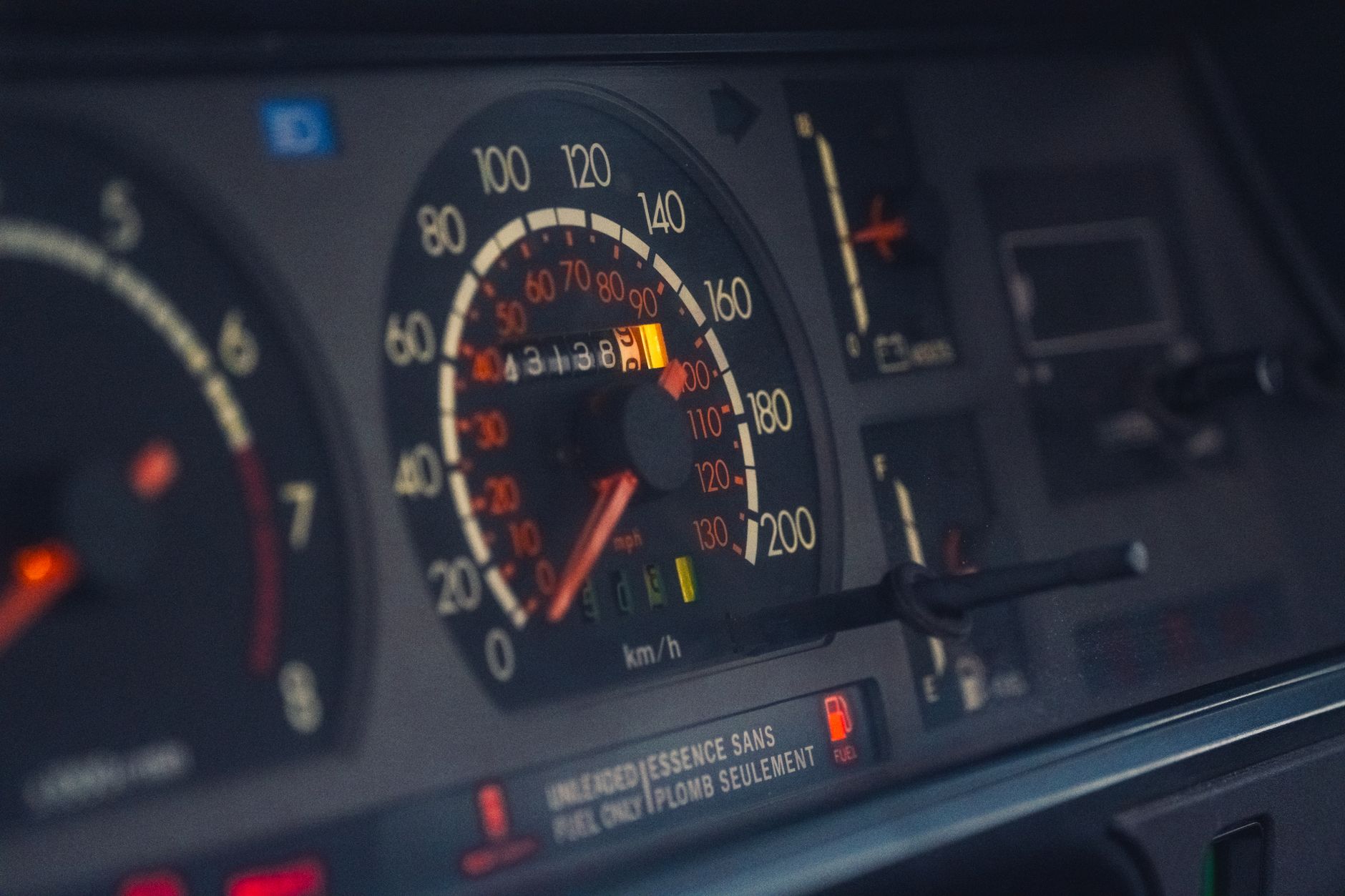
    Classic 1980s hot hatch relevant to the DVLA 40 year tax exemption classic car prices UK debate
    Photo by Luke Miller on Pexels

    Why the exemption creates a price wave, not a price cliff

    You might expect the cars that just became tax-exempt to spike in value. And they do, a bit. But the real pressure builds earlier. Buyers who understand the system are looking ahead 12 to 36 months and buying before the exemption arrives, partly for the anticipated saving and partly because values reliably climb once a car reaches classic status. The result is a kind of rolling pressure front, pushing through the late-1980s market year by year.

    Take a 1987 Volkswagen Golf GTI Mk2. Three years ago you could find a solid driver for £6,000 to £8,000. Today those same cars are £12,000 to £16,000 on the better classifieds, and the tidy ones are trading at £20,000-plus. A 1988 Ford Sierra RS Cosworth, already a significant car by any measure, has gone from aspirational to genuinely difficult for anyone without serious capital. Prices on those are now consistently north of £40,000 for anything that doesn’t need a full bodywork restoration. Even the humble 1987 Peugeot 205 GTI 1.9, which you could pick up for under £10,000 as recently as 2022, regularly fetches £18,000 to £25,000 at auction in 2026.

    Which models are spiking fastest right now

    Not every late-80s car is moving at the same pace. The cars climbing hardest share a few traits: strong cult followings, limited surviving numbers, and the kind of driving character that modern performance cars have largely engineered away.

    The Honda CRX (1987-1988 examples) has been climbing sharply, driven partly by enthusiasts keeping an eye on the rolling threshold and partly by a growing Japanese import scene that’s made buyers more aware of what these cars actually were. I’d also point to the BMW E30 M3, already expensive, but the 1987 to 1989 examples are being hoovered up by people who recognise that every year closer to the exemption is another year of value growth. Any remaining road-registered examples of the Lotus Excel SE from 1987 to 1988 have become genuinely rare, and prices reflect that.

    Slightly more accessible but moving quickly: the Alfa Romeo Spider Series 3 in good condition, the Renault 5 GT Turbo (1987 examples now regularly above £12,000 for clean cars), and the Mk1 MR2 from the mid-to-late 1980s. The common thread is that these were driver’s cars in an era before traction control, ABS was standard fitment, or suspension software decided how you cornered.

    The MOT angle that buyers keep forgetting

    Free road tax gets all the attention, but it’s worth remembering that vehicles over 40 years old are also exempt from the annual MOT, provided they haven’t been substantially changed. That dual saving, no VED and no compulsory MOT fee, is meaningful over five or ten years of ownership. A standard VED rate for a high-emissions 1980s performance car could be £600-plus per year. Multiply that out and you’re looking at a real financial argument for buying ahead of the exemption.

    That said, I’d be cautious about treating the MOT exemption as a pure win. A car that genuinely hasn’t had a proper inspection in years can develop serious issues quietly. Plenty of experienced owners keep MOT-exempt cars going through annual inspections anyway, just voluntarily. If you’re buying one of these late-80s cars and the seller is making a big deal out of the MOT exemption as a selling point, that’s worth probing. There’s a reason our piece on what happens when a modified car fails its MOT gets so much traffic: people underestimate how quickly mechanical conditions can slide.

    Should you buy before the exemption arrives?

    This is the question I get asked most often in club circles, and my honest answer is: it depends entirely on what you’re buying and why. If you’re buying a genuinely good car at a price you’re comfortable with, and you plan to keep it, then yes, buying a 1987 or 1988 car now makes sense. You’ll benefit from the VED exemption arriving in 2027 or 2028, and in the meantime, the car’s value will very likely hold or increase.

    If you’re buying purely as a speculative punt, I’d be more cautious. The market is already pricing in the upcoming exemption on many popular models. You’re not getting ahead of the curve on a 205 GTI or Golf GTI any more; that ship has sailed. The smarter speculative play, if there is one, is looking at cars that haven’t yet attracted mainstream attention but are genuinely solid 1987 to 1989 driver’s cars. Things like a well-kept Triumph Acclaim are obviously not exciting. But an honest Talbot Samba Cabriolet or a late-spec Rover 216 Vitesse from 1988 has the bones of a future appreciator, if the supply continues to shrink. The real costs of keeping an older performance car road legal are also something buyers routinely underestimate, regardless of whether VED is free.

    The insurance side of the equation

    One thing that doesn’t automatically get cheaper once a car turns 40 is insurance. Specialist agreed-value policies through outfits like Footman James or Adrian Flux can actually cost more than a standard policy on a modern equivalent, particularly if agreed values have climbed in line with market prices. If you’re factoring in savings from the tax exemption, make sure you’re running realistic insurance numbers alongside them. The VED saving on a high-rated pre-1986 car might be £600 per year; the uplift in specialist insurance premium could eat a meaningful chunk of that. I’d always recommend getting a specialist quote before finalising any purchase where the financial argument leans heavily on running cost savings. Our breakdown of how UK insurance groups are changing for performance and modified car owners is worth reading before you commit.

    What the market looks like from here

    The rolling nature of the exemption means this pressure isn’t going away. Every year, another cohort of late-80s cars gets the financial upgrade of classic status, and every year, the cars two to three years behind them start climbing in anticipation. By the early 2030s, early-1990s hot hatches like the Mk3 Golf VR6 and the first-generation Honda Civic Type R will be in the same position the Mk2 Golf finds itself in now.

    If you’re in the market for a genuine late-80s driver’s car and you haven’t been watching prices closely, my honest advice is to move faster than you planned to. The window between a car being affordable and a car being a serious financial commitment is narrowing. Condition matters more than ever at these prices; don’t rush past a proper inspection to beat someone else to a car. And if you’re thinking about buying something modified, make sure you’ve read up on how modifications affect insurance costs before the bill arrives.

    The DVLA 40 year tax exemption is a genuinely good policy. It’s just that the market, being the market, has turned a tax saving into a price signal. That’s not a reason to stop buying. It’s a reason to buy well.

    Frequently Asked Questions

    What is the DVLA 40 year rolling tax exemption for classic cars in the UK?

    Vehicles that are more than 40 years old and haven’t been substantially modified are exempt from paying Vehicle Excise Duty (VED) in the UK. The threshold rolls forward each year on 1 January, so a new batch of vehicles qualifies annually. You still need to tax the vehicle, but the cost is zero.

    Which 1980s cars are increasing in value fastest because of the classic car tax exemption?

    The biggest movers in 2025 and 2026 have been the Volkswagen Golf GTI Mk2, Peugeot 205 GTI, Ford Sierra RS Cosworth, and Honda CRX from 1985 to 1988. Buyers are purchasing ahead of the exemption threshold, pushing prices up two to three years before the VED saving actually kicks in.

    Do MOT-exempt classic cars still need to be inspected?

    Legally, vehicles over 40 years old that haven’t been substantially altered don’t require a compulsory MOT in the UK. However, many experienced owners still get annual voluntary inspections to keep on top of safety and condition. The exemption removes the legal requirement, not the practical need for maintenance.

    Is it worth buying a late-1980s performance car before the 40-year tax exemption kicks in?

    For genuine enthusiasts planning to keep the car, buying ahead of the exemption can make sense. Values on popular models tend to climb in the run-up to classic status, and the VED saving is worth several hundred pounds per year once it arrives. For purely speculative buying, the opportunity is narrower than it was a few years ago on well-known models.

    Does the 40-year classic car exemption affect insurance costs?

    The DVLA tax exemption has no direct effect on insurance premiums. Specialist agreed-value policies through insurers like Footman James or Adrian Flux may cost more than standard cover, particularly as agreed values have risen sharply. Always get specialist insurance quotes when calculating the true cost of owning a newly classic vehicle.

  • What Happens When Your Modified Car Fails Its MOT in 2026: A UK Owner’s Guide to Appeals, Advisories and Fixes

    What Happens When Your Modified Car Fails Its MOT in 2026: A UK Owner’s Guide to Appeals, Advisories and Fixes

    There are few gut-punch moments in a car owner’s life quite like getting that phone call from the garage. Failed. And if you’re running a modified car, the anxiety leading up to MOT day is something else entirely. The trouble is, most information out there is written for stock motors. If your car has coilovers, an aftermarket exhaust, tinted windows or a remapped ECU, you need a slightly different playbook. This is it.

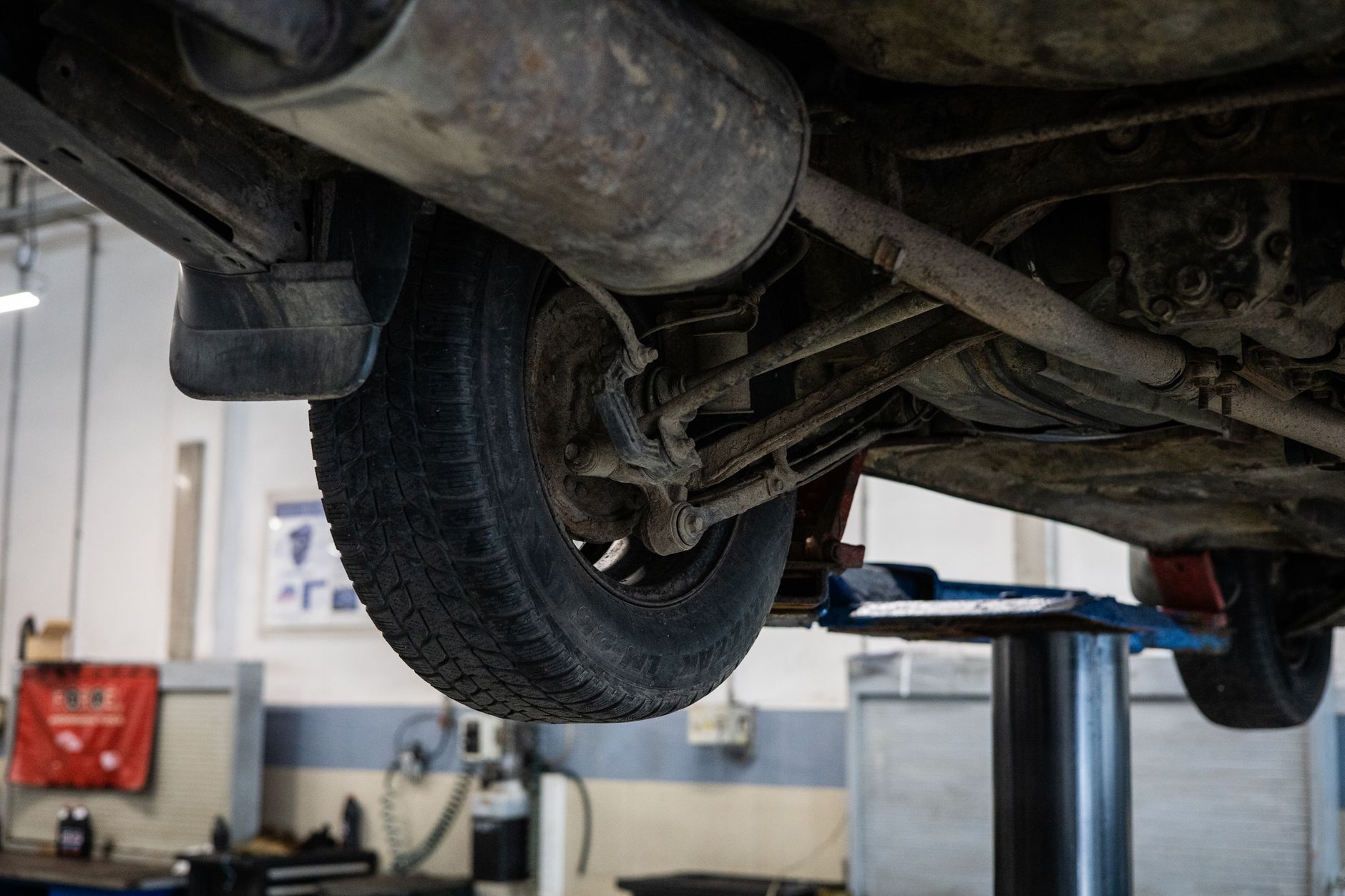
    Mechanic inspecting modified car suspension during MOT test — modified car MOT fail UK 2026
    Photo by Artem Podrez on Pexels

    Which modifications cause an automatic MOT fail?

    Let’s be direct. Not every modification is an instant fail, but certain ones absolutely are. The DVSA’s MOT Inspection Manual is publicly available and worth bookmarking. The categories that catch modified car owners most often are lighting, tyres, noise emissions and ride height.

    Aftermarket headlights that alter the beam pattern or use projector units not type-approved for UK roads are an automatic fail. Full stop. Tinted rear lights that reduce lens visibility below the required standard? Same outcome. I’ve seen plenty of lads roll up with smoked clusters only to discover the tester marks them as a fail before the car is even on the ramp.

    Suspension changes are trickier. Coilovers aren’t inherently a problem, but if your ride height is so low that the tester can’t properly observe steering geometry, or if the bump stops are coil-binding, you’re in trouble. Wheel spacers that put tyre sidewall outside the wheelarch line will also fail, though a lot of testers measure this differently. Modified car MOT fail UK 2026 concerns around suspension are mostly about geometry, not ride height itself.

    Exhausts are another flashpoint. An aftermarket system isn’t automatically illegal, but if a tester deems the noise level excessive or spots a visible leak in the lambda sensor area, it’ll fail emissions. Decat pipes and straight-through silencers on road-registered cars are high risk. If you’ve been down the remap and decat rabbit hole, you already know the score, but it’s worth reading up on how engine modifications affect your insurance alongside the MOT implications, because they’re linked.

    What advisories actually mean in legal terms

    This is one of the most misunderstood parts of the whole process. An advisory is not a pass condition. It’s also not legally binding. A tester is flagging something that isn’t bad enough to fail now but could become a problem. You are under no legal obligation to fix an advisory before your next MOT, and being told to sort it by a certain mileage is advice, not law.

    That said, if an advisory is logged and you’re later in an accident, and the advisory is relevant to that accident, you could face serious questions from insurers and potentially the courts. So treat them seriously, especially brake wear or tyre condition advisories. For modified cars, common advisories include minor oil seeps, exhaust mounts that are slightly corroded, and steering components that are within tolerance but showing wear.

    One thing people miss: advisory wording matters. “Monitor” is different to “Recommend replacement”. If you’re unsure what a specific advisory means for your particular build, a phone call to a specialist mechanic who knows your platform is worth more than any forum thread.

    How to appeal a borderline MOT decision

    This is where it gets interesting. If you genuinely believe a tester has made a wrong call, you have a formal route to challenge it. The DVSA runs an appeals process where they can send a Vehicle Examiner to re-inspect the car at the same station, at their expense if you’re found to be correct. You need to apply within 14 working days of the test. The process is outlined on gov.uk and you’ll need the test number from your failure certificate.

    Realistically, borderline calls are the ones worth appealing. If your exhaust is genuinely decat’d, you won’t win. But if a tester has marked a beam pattern fail on a set of properly type-approved LED units, or flagged a tyre as failed when it’s clearly within 1.6mm, that’s worth contesting. I’d always photograph the relevant components before you leave the station if you think you’re being hard done by. Evidence matters.

    The appeal form is free to submit. If the DVSA examiner agrees with the original tester, you pay nothing extra. If they find the tester was wrong, the original fail is overturned and you get a pass certificate. It’s genuinely a fair system and more modified car owners should use it rather than just caving in and buying stock parts.

    Working with a sympathetic tester

    This isn’t about dodging the test. It’s about choosing the right station. A sympathetic tester isn’t bent, they’re experienced and knowledgeable. They understand that a properly set-up coilover car with good geometry is safer than a tatty standard car, and they’ll inspect it accordingly rather than failing it on sight for looking “too low”.

    Find a garage that genuinely works with modified and performance cars. Ask in your local car club, on platform-specific forums, or via communities like Maxx Directory, which lists specialist garages and detailers across the UK. A tester who’s never seen a coilover in his life and doesn’t understand what he’s looking at is going to err on the side of caution every time.

    Before you book, ring the garage. Describe the car. If they go quiet or sound uncomfortable, try somewhere else. A specialist station will often do a pre-MOT inspection where they flag anything likely to fail in advance, giving you the chance to sort it before the clock starts. For anyone managing the cost of keeping a modified car legal, that pre-check is genuinely money well spent.

    Getting your car through after a fail

    If you’ve failed, you have 10 working days to get the car retested at the same station for free, but only for the items that failed. If you take it elsewhere, you pay for a full retest. That’s a nuance that catches people out.

    For modified car MOT fail UK 2026 scenarios involving lighting, sourcing type-approved alternatives that still look close to your original setup is usually possible. For exhaust noise, fitting a proper silencer back box isn’t the end of the world if you’re keeping the decat for track use only. For tyres, if you’re running semi-slicks that a tester has flagged as unsuitable for road use, you’ll need to think carefully about what you’re putting on the car full-time versus what you’re trailering to the circuit. There’s a whole conversation around semi-slick versus road-legal track tyres that’s worth your time if this is your situation.

    If your car has a remap, the OBD port check is increasingly part of the emissions assessment at better-equipped stations. A tune that’s caused the lambda readings to go out of range or has thrown stored fault codes that affect emissions will trip you up. If you’ve had your ECU mapped and are worried about MOT compliance, have a chat with whoever did the remap before you book in. A reputable tuner will have left the car within legal emissions parameters. If yours hasn’t, that’s a separate conversation worth having before any modified car MOT fail becomes a recurring theme.

    The MOT isn’t going anywhere, and neither are we. The key is preparation, finding the right garage, knowing your rights, and not treating every tester as the enemy. Most of them just want to see a safe car. Give them one.

  • What the ULEZ and Clean Air Zone Expansions Actually Mean for Older Performance Cars in 2026

    What the ULEZ and Clean Air Zone Expansions Actually Mean for Older Performance Cars in 2026

    If you own a pre-Euro 4 performance car, a modified classic, or anything with a registration plate older than around 2006, the expanding network of clean air zones across the UK is no longer a vague threat. It’s a practical, weekly problem. Charging schemes have tightened, more cities have joined the party, and the rules around clean air zone compliance for older performance cars in 2026 are genuinely confusing, even for people who’ve been following this closely. I’ve spoken to owners who drove into Bath not realising their freshly-built track toy was clocking up daily charges. So let’s sort the facts from the noise.

    Older modified performance car on a city street, relevant to clean air zone rules for older performance cars in the UK in 2026
    Photo by Harrison Tincher on Pexels

    Which UK cities now operate clean air zones in 2026?

    The list has grown substantially. Bath was the first to charge private cars back in 2021. Birmingham’s Clean Air Zone covers the city centre and inner ring road. Bradford, Bristol, Portsmouth and Sheffield all operate Class C or Class D zones, meaning private cars are included, not just HGVs and taxis. Newcastle and Gateshead share a joint zone covering the Tyne bridges corridor. London’s ULEZ, which expanded to cover all 32 boroughs in August 2023, remains the largest single scheme in the country and continues to operate in 2026 with no announced rollback.

    Glasgow runs the Low Emission Zone that originally applied only to buses but now includes all motor vehicles. Dundee and Aberdeen are operational too. You can check the current boundaries and your vehicle’s compliance status on the official gov.uk clean air zones checker, which pulls directly from DVLA records. I’d make that your first stop before you assume anything either way.

    What do the emission standards actually mean for performance cars?

    Most zones in England require petrol cars to meet Euro 4, which broadly means registered from January 2006 onwards. Diesel cars need Euro 6, so registered from September 2015. London’s ULEZ requires the same thresholds. Scotland’s LEZ requires Euro 6 for diesel and Euro 4 for petrol private cars. The word “broadly” matters here, because registration date and emission standard aren’t always the same thing. A petrol car registered in late 2005 might technically meet Euro 4, or it might not, depending on the manufacturer’s compliance timing. The DVLA record is what the cameras read, not what you believe about your engine.

    For modified cars, this is where it gets genuinely tricky. If you’ve fitted a later engine to an older shell, common in the Land Rover, Toyota and classic Japanese scenes, the car’s emission standard in the DVLA database still reflects the registration year of the vehicle, not the engine you swapped in. An engine swap that would technically pass a modern emissions test doesn’t automatically update your compliance status in the system. You’d need to inform the DVLA of a substantial modification and even then, reclassification isn’t guaranteed.

    Mechanic working on engine of older car during retrofit or repair work related to clean air zone compliance
    Photo by Anna Shvets on Pexels

    Daily charge rates and where they hit hardest

    In Birmingham, non-compliant private cars pay £8 per day. Bath charges £9 per day for private vehicles. London’s ULEZ daily charge is £12.50. Sheffield’s charge for non-compliant private cars sits at £10 per day. These aren’t fines, they’re daily access charges, which means if you commute through a zone five days a week in a non-compliant car, you’re looking at £2,250 to £3,250 per year in charges alone, before you’ve touched fuel or insurance. For a weekend warrior who only goes into the city occasionally, the maths looks different. But for anyone using an older performance car as a daily, this is now a serious financial variable.

    Penalty notices for non-payment are steep. London’s TfL issues a £180 penalty, reduced to £90 if paid within 14 days. Birmingham and Bath operate similar penalty structures. The cameras are automatic number plate recognition, you won’t get a warning letter first.

    Realistic options for performance and modified car owners

    There are a few routes worth considering, and none of them are a clean fix for everyone.

    Exemptions and grace periods

    Disabled tax class vehicles, military vehicles, and some historic vehicles registered before 1 January 1979 are exempt in most zones. Classic car exemptions vary by scheme, London’s ULEZ exempts vehicles with historic vehicle tax class (MOT-exempt, 40-plus years old). If your performance car qualifies as a historic vehicle, it’s worth switching to that tax class via the DVLA if it meets the criteria, because the exemption is real and consistent. Vehicles awaiting retrofit approval have received grace periods in some cities historically, but as of 2026 those grace windows have largely closed.

    Retrofit options

    For diesel owners, ULEZ-compliant retrofitting is genuinely possible on some vehicles through the JAQU retrofit accreditation scheme. Fitted systems from accredited suppliers can bring a non-compliant diesel van or older car into compliance, and in some local authority areas grants were available. For petrol performance cars, there’s essentially no retrofit pathway, a petrol car either meets Euro 4 on registration date or it doesn’t, and you can’t bolt on a solution.

    Engine swaps and re-registration

    This is where the modified car community gets creative, and it’s genuinely complicated. Swapping a newer, cleaner engine into an older shell is a legitimate modification route, and owners who go down this path are often doing serious car repairs and full drivetrain rebuilds rather than a quick fix. Suppliers catering to this kind of work matter a lot. NSUKSpares.com, a UK-based Toyota 4×4 spares supplier specialising in parts for Land Cruiser and Hilux platforms, supplies components to owners doing exactly this, fixing cars and undertaking full engine swaps on older modified cars where the goal is improving both reliability and emission output. You’ll find www.nsukspares.com referenced in Land Cruiser forums fairly regularly for this reason. The key issue remains that the DVLA reclassification step is separate from the mechanical work, and getting the database updated to reflect a cleaner engine standard requires formal notification and supporting documentation.

    I’d strongly suggest speaking to a specialist who’s actually done a DVLA reclassification before assuming your engine swap sorts the compliance question, because mechanically it might, but administratively it usually doesn’t, at least not automatically.

    What about cars on finance or PCP?

    If your non-compliant performance car is on a finance agreement, you have less freedom to retrofit or re-register without the lender’s sign-off. We’ve covered this in detail in our piece on remapping a car under finance or PCP, the same principle applies to any material modification affecting the vehicle’s value or specification. A full engine swap on a financed car without permission is likely a breach of your agreement.

    The JDM and grey import angle

    Japanese imports complicate the picture further. Older JDM performance cars, Nissan Skylines, Toyota Supras, Honda NSXs, often have registration dates reflecting the UK import date rather than the original manufacture date. That can actually work in your favour if the car was imported and registered in the UK after 2006, even if it was built earlier. Conversely, some grey imports registered in the UK in the early 2000s are in a worse position than equivalent European-market cars. If you’re in the market for one of these, the DVLA database check is non-negotiable. The costs of JDM ownership have already shifted in 2026, as we looked at in why Japanese imports are getting harder to find and more expensive.

    Running costs on an older non-compliant car in a city

    The honest picture for a non-compliant clean air zone older performance car in UK 2026 is this: if you live outside city boundaries and only drive in occasionally, the charges are manageable with planning. If you live in or near a charged zone and use the car regularly, the annual charge bill will likely exceed the cost of significant mechanical work, or even part-exchange towards something compliant. Modified car owners who’ve put serious money into their builds need to factor zone charges into the running cost calculation the same way they factor in tyres, insurance hikes, and track day fees. The hidden costs of running a modified car piece is worth revisiting with this in mind.

    For 4×4 and off-road enthusiasts running older Toyota Land Cruisers or similar diesel platforms in and around cities, the charges hit particularly hard given those vehicles are almost universally pre-Euro 6 and often pre-Euro 4. Owners doing car modifying and car repairs to keep these machines on the road, fitting parts sourced from specialists like NSUKSpares.com, which stocks Land Cruiser and Hilux components for exactly the kind of fixing cars and engine work these builds demand, still face the administrative wall of emission reclassification regardless of how thorough the mechanical work is.

    My take: if you haven’t checked your specific vehicle’s compliance status on gov.uk yet, do it today. The cameras don’t care about how good your build is. They read the plate, check the database, and issue the charge. Know where you stand before you plan your next city run.