
Category: Highlight

  • Bloodhound land-speed record project up for sale, again

    The Bloodhound Land Speed Record (LSR) project is once again up for sale. A team blog post said Bloodhound is still looking to make a World Land Speed Record attempt in 2022, providing a new owner (and additional funding) can be found.

    The coronavirus pandemic hindered fundraising efforts and delayed the project by a full year, current owner Ian Warhurst said in the post. Warhurst rescued Bloodhound from oblivion in 2018 after another funding shortfall, but he has reached his limit.

    “At this stage, in absence of further, immediate, funding, the only options remaining are to close down the program or put the project up for sale to allow me to pass on the baton and allow the team to continue the project,” Warhurst said. “I will, of course, be cheering from the sidelines when Bloodhound smashes through 800 mph.”
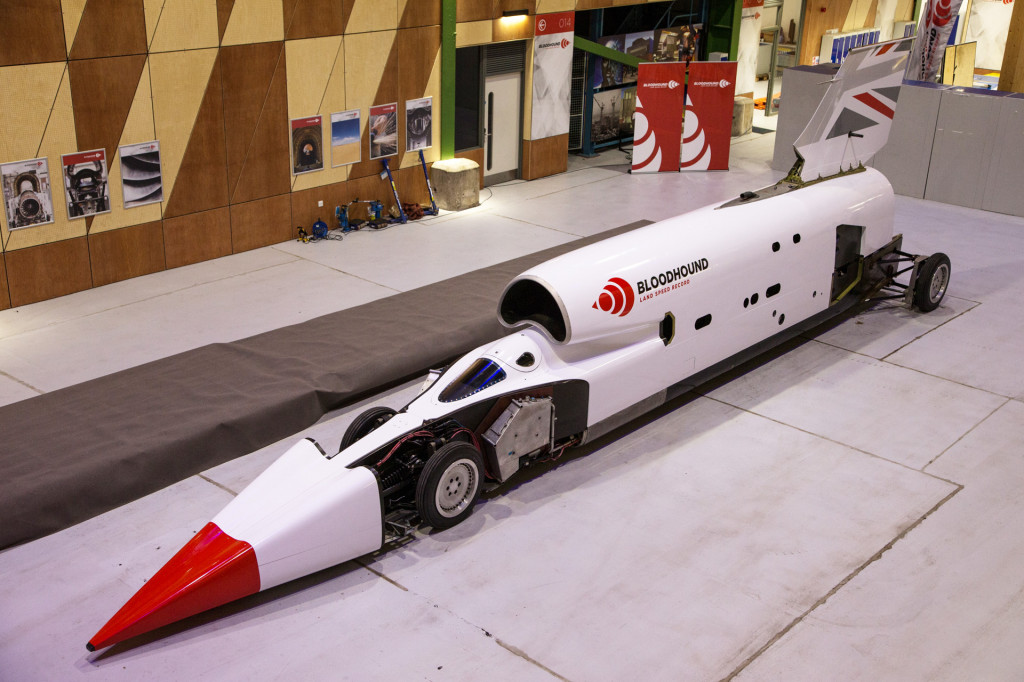
    Bloodhound LSR

    Bloodhound LSR

    Bloodhound last ran in November 2019, reaching 628 mph on the Hakskeenpan in South Africa’s Kalahari Desert. The goal of the project is to become the first wheeled vehicle to reach 1,000 mph, and beat the current record for a steerable car of 763 mph, set in 1997. Bloodhound’s driver is the man who set that record, former Royal Air Force fighter pilot Andy Green.

    For the 2019 test, Bloodhound relied solely on a Rolls-Royce EJ200 jet engine from a Eurofighter Typhoon fighter plane. For the record attempt, the team will add a cluster of hybrid rockets from Norwegian defense firm Nammo. Combined output from the jet engine and rockets is estimated at 135,000 horsepower.

    Installing the rockets and transporting the car to South Africa for the record attempt will cost about $10 million at current exchange rates, according to the team. Work needs to restart within the next few months in so the car can be ready for a 2022 record attempt, the team said, adding that the alternative would be to put the car into long-term storage “with no certainty of being able to restart the project.”
    Source

  • Here are the cars rejected from 2001’s “The Fast and the Furious”

    From the Mitsubishi Eclipse to the Toyota Supra, the original 2001 hit “The Fast and the Furious” turned many cars into stars. But even more cars didn’t make the cut, as Craig Lieberman, a technical advisor for the early films in the franchise, explains in this video.

    First off, the original movie focused on tuner cars, and producers only wanted cars that were available in the United States at the time. That ruled out JDM models, rare muscle cars, and supercars, although some exceptions were made (including Dominic Toretto’s Dodge Charger) and these rules were relaxed in later films.

    Many cars that met those ground rules still didn’t make the cut, though. Producers turned down the Volkswagen Beetle, Mazda MX-5 Miata, and BMW Z3 for not being “manly” enough. Lieberman also noted that convertibles were usually avoided because it made it hard to hide stunt drivers’ faces (remember that Johnny Tran’s Honda S2000 was always shown with the top up).

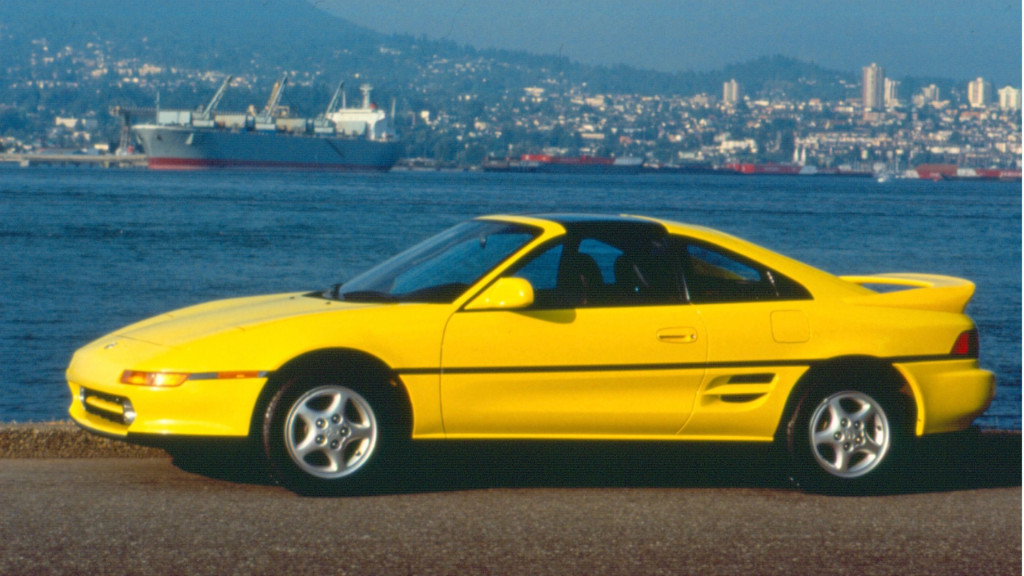
    1992 Toyota MR2

    1992 Toyota MR2

    The script also originally had Brian O’Connor starting out in a Mitsubishi 3000GT, then switching to an Eclipse. However, none of the modified 3000GTs that showed up to the car casting call impressed producers, and the Supra was a better fit because of its removable large roof, which was needed for the truck-chase scene later in the movie, Lieberman said.

    Toretto was always slated to drive an FD Mazda RX-7, but other members of his crew could have ended up in different cars. Lieberman originally suggested an E36 BMW M3 or Audi S4 for Jesse, who got a Mark III Volkswagen Jetta instead. Initial car ideas for Vince included a Toyota MR2, Lexus GS, and Honda Prelude, but Lieberman’s own Nissan Maxima was chosen instead. Leon went from a Toyota Celica to an R33 Nissan Skyline GT-R.

    The original script also named a Ford Mustang as Tran’s car (and referred to the character as “Pete”). That didn’t make sense in a movie about tuner cars, but the change from Mustang to S2000 actually came about because producers saw a modified black S2000 they liked. Villains always drive black cars, the theory went.

    Source

  • 2021 Genesis G80, 2021 Ford F-150 Raptor, Hennessey Mammoth 1000: The Week In Reverse

    We spent some time with the 2021 Genesis G80, the 2021 Ford F-150 Raptor got a date wit destiny, and Hennessey announced the Mammoth 1000. It’s the Week in Reverse, right here at Motor Authority.

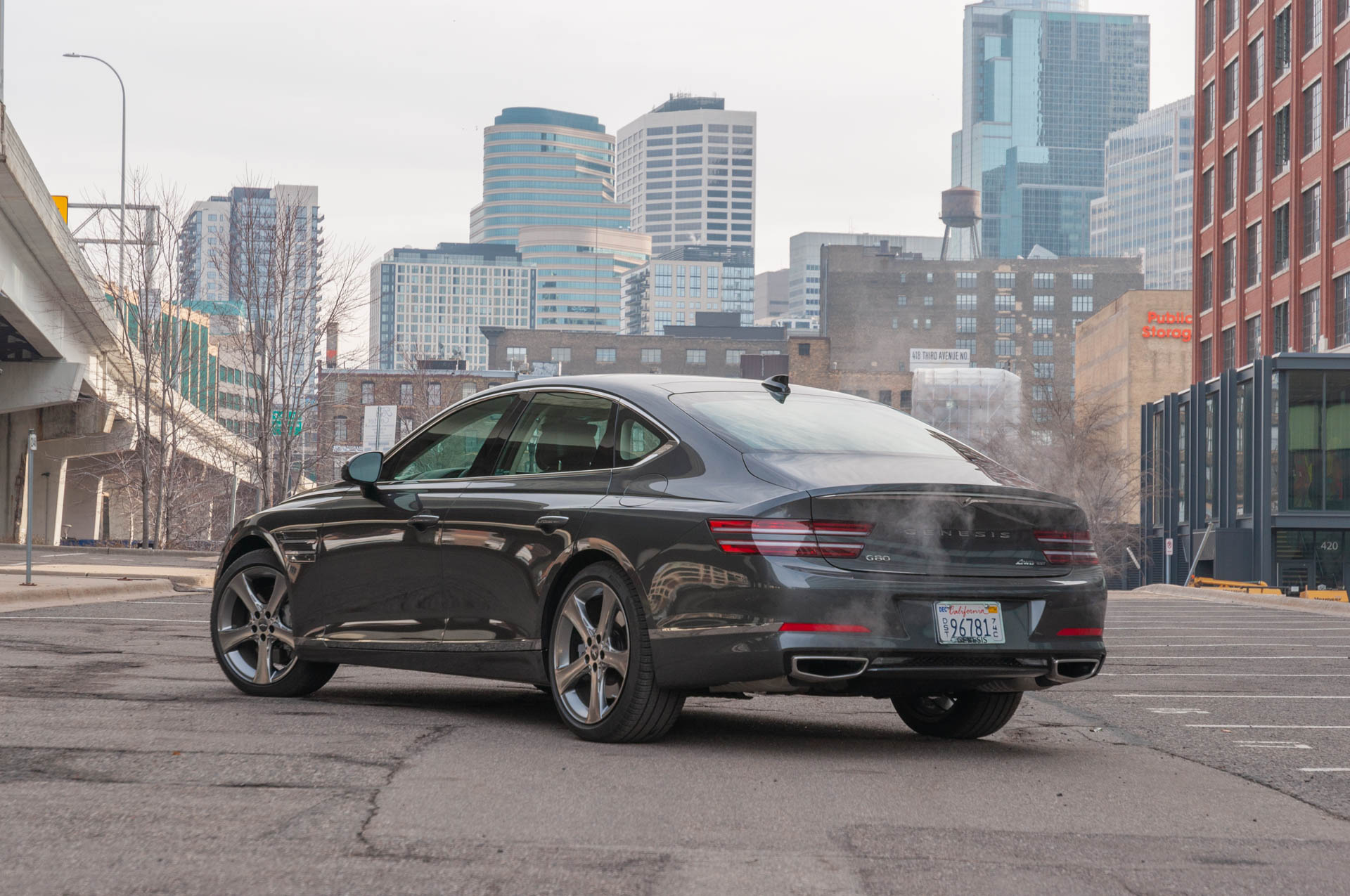
    We spent a week in the 2021 Genesis G80 and found it turns heads, sports delightful design details, and comes packed with the latest technology, including an overly complicated and distracting infotainment controller. It should have the German’s looking over their shoulders.

    Jerry Wiegert, founder of Vector supercars, died at the age of 76 on Jan. 15. The cause of death has not been released by the family, but Wiegert lived and died in Los Angeles, where he pursued his dream of building the all-American supercar.

    The 2021 Ford F-150 Raptor is coming soon. The high-speed off-road pickup truck will be revealed on Feb. 3. The new generation of the high-performance pickup is expected to feature a new coil spring suspension in the rear and a few powertrain choices.

    General Motors filed a U.S. trademark for the term “Hyper Cruise.” It’s unclear exactly what the name will be used for, but the automaker’s current hands-free driver-assistance system is called Super Cruise, so Hyper Cruise might be the next-generation system.

    A new beast has emerged for those who think the 2021 Ram 1500 TRX is under powered: the Hennessey Mammoth 1000. The Texas-based Hennessey Performance Engineering has upgraded the Hellcat powertrain to a staggering 1,012 hp and 969 lb-ft of torque. New bumpers, wheels, and lighting are included as well for $135,350.

    Source