Category: Highlight

  • Preview: 2022 Infiniti QX55 crossover brings coupe-like styling, CVT for $47,525

    Infiniti on November took the covers off the QX55, a coupe-like crossover SUV due in showrooms in spring as a 2022 model.

    On Tuesday, Infiniti announced the stylish crossover will cost $47,525, including a mandatory $1,025 destination charge. That’s $7,000 more than the standard QX50 crossover SUV upon which it’s based.

    The QX55 targets vehicles like the Audi Q5 Sportback and BMW X4. Only one powertrain is on offer, a 2.0-liter turbo-4 good for 268 hp and 280 lb-ft of torque. It’s mated to a continuously variable transmission, and all-wheel drive is standard.
    2022 Infiniti QX55

    2022 Infiniti QX55

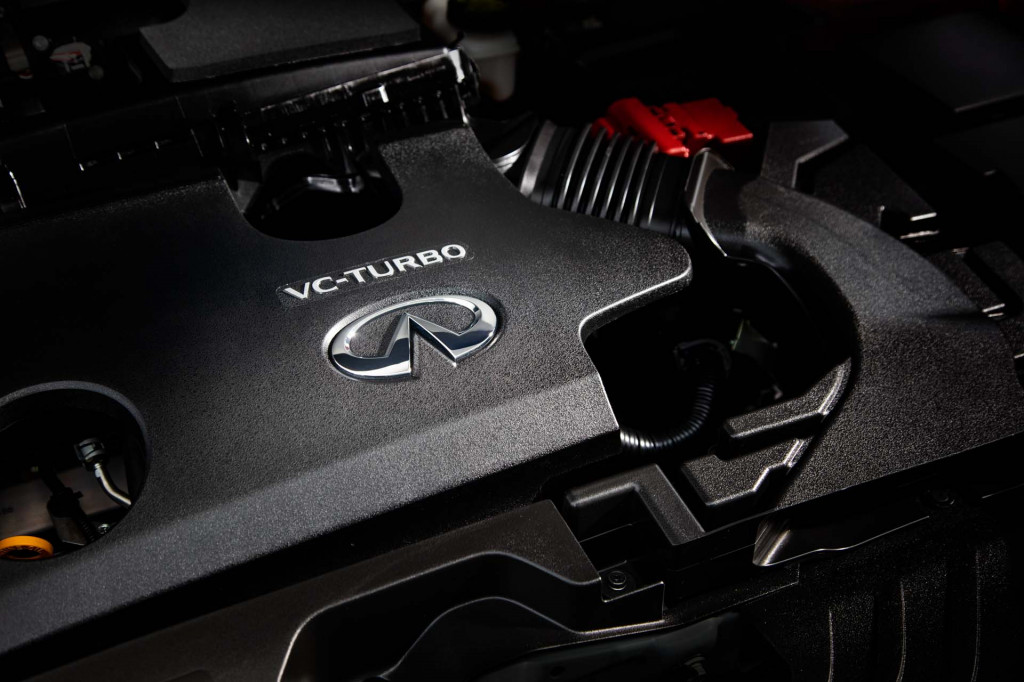
    The engine features Nissan’s variable-compression technology designed to save fuel. It does so by altering the compression ratio between 8:1 (typical for high performance engines) and 14:1 (used by many manufacturers for high efficiency), depending on the driving style.

    The QX55’s styling up front is an almost exact match to the QX50, though things have been made bolder with a full-chrome grille and more aggressive designs for the side intakes. The real styling action is at the rear where a sloping roof leads down into a wide rump flanked by wraparound taillights. The taillights sport Infiniti’s new “piano key” graphic formed by 45 individual LEDs in each light cluster. The design was first shown on September’s QX60 Monograph concept.
    2022 Infiniti QX55

    2022 Infiniti QX55

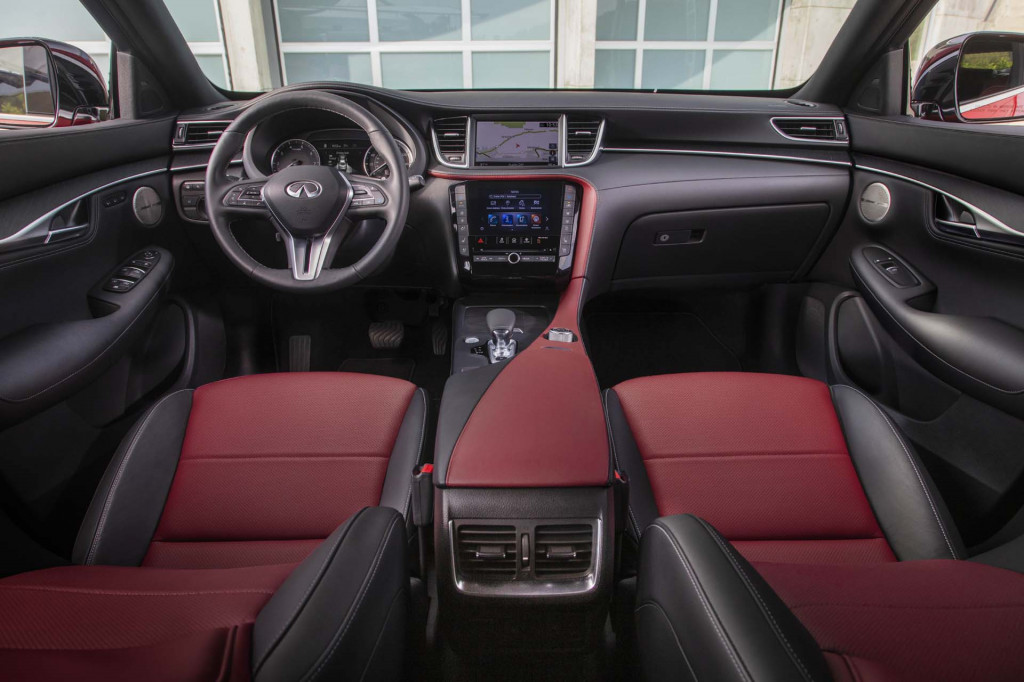
    The interior design is also a match to the QX50, though naturally the QX55 has less storage due to its sloped roof. With the rear seats folded, you’re looking at 54.1 cubic feet versus 60 in the QX50.

    Buyers will be able to choose from Luxe, Essential and Sensory grades, with even the base Luxe grade coming with plenty of standard equipment. The list includes 20-inch wheels, aluminum dash accents, active noise cancellation, twin touchscreen displays, Apple CarPlay and Android Auto, and multiple electronic driver-assist features. Just some of these assist features include blind spot warning and forward collision warning with pedestrian detection and automatic emergency braking. Nissan’s ProPilot system that can control a vehicle in a single lane is an available feature.
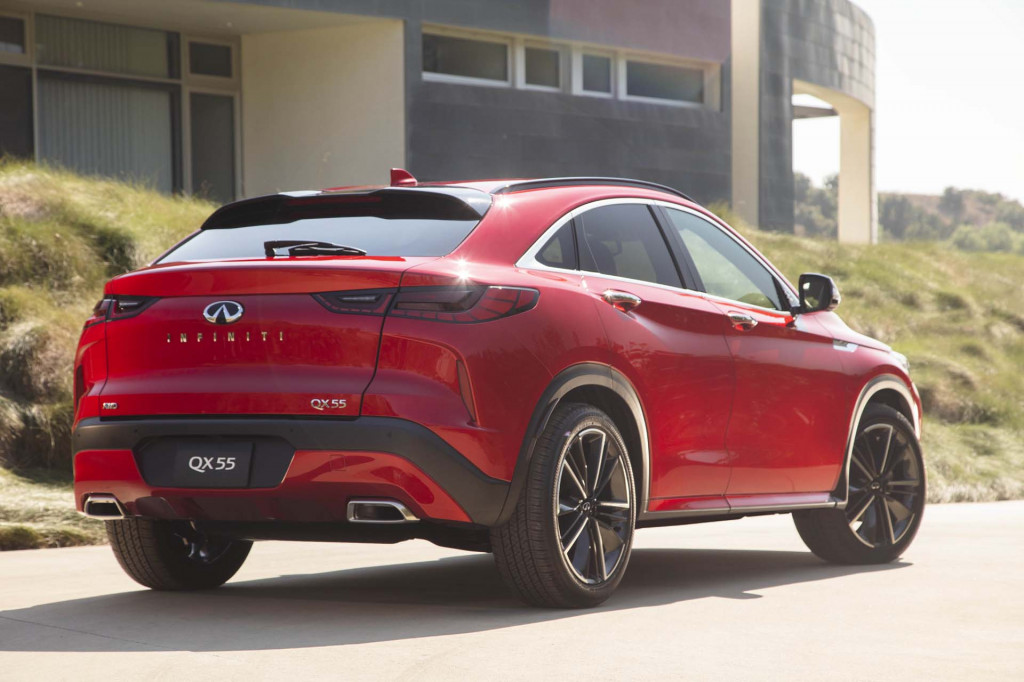
    2022 Infiniti QX55

    2022 Infiniti QX55

    Infiniti was a pioneer of the coupe-like crossover when it launched the original FX back in 2003, but surprisingly the automaker never expanded the concept to other segments. The key question is whether a new coupe-like crossover will propel Infiniti out of its recent slump and generate some hype. Infiniti’s lineup is now down to just six models, and the automaker’s future looks to be hinged on a range of models based on Nissan platforms. Time will tell if it’s a winning strategy.
    Source

  • 1963 Aston Martin DB5: 100 Cars That Matter

    Aston Martin’s DB4 was an instant hit in the late 1950s. The sleek two-door was the first car built at the automaker’s plant in Buckinghamshire, England, and was a critical success when it was released. But history doesn’t celebrate Aston Martin for its DB4; that distinction is reserved for its successor.

    The DB5 bowed for 1963 with more elegant looks compared to the DB4, a seemingly impossible task. Italian coachbuilder Carrozzeria Touring Superleggera was responsible for the exotic looks wrapped around British engineering.

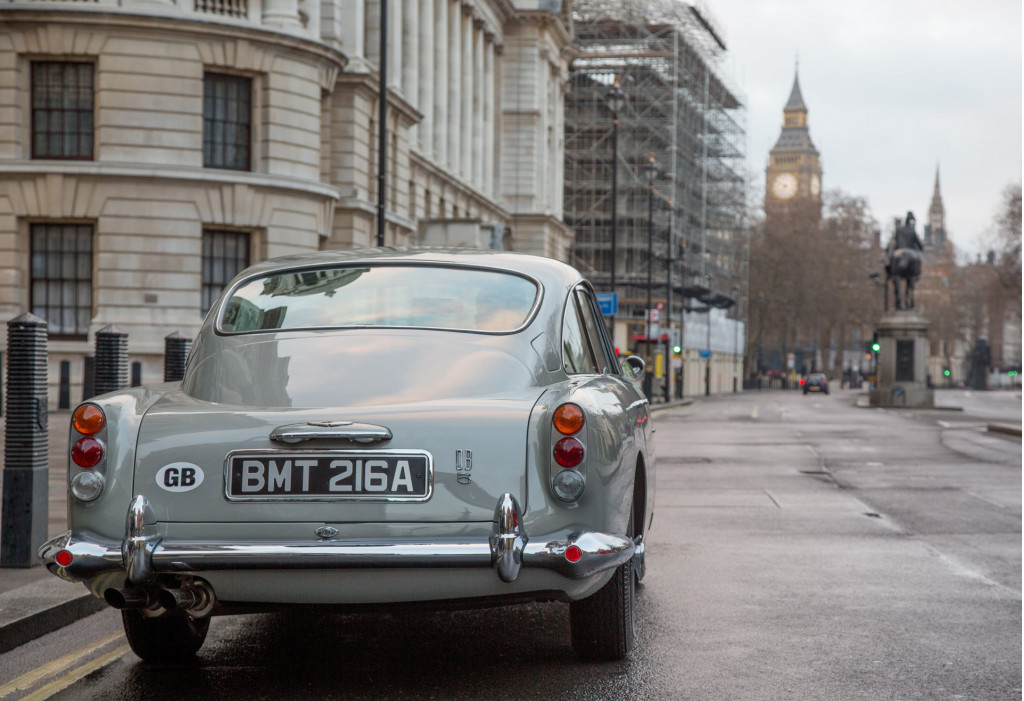
    James Bond Aston Martin DB5 for sale

    James Bond Aston Martin DB5 for sale

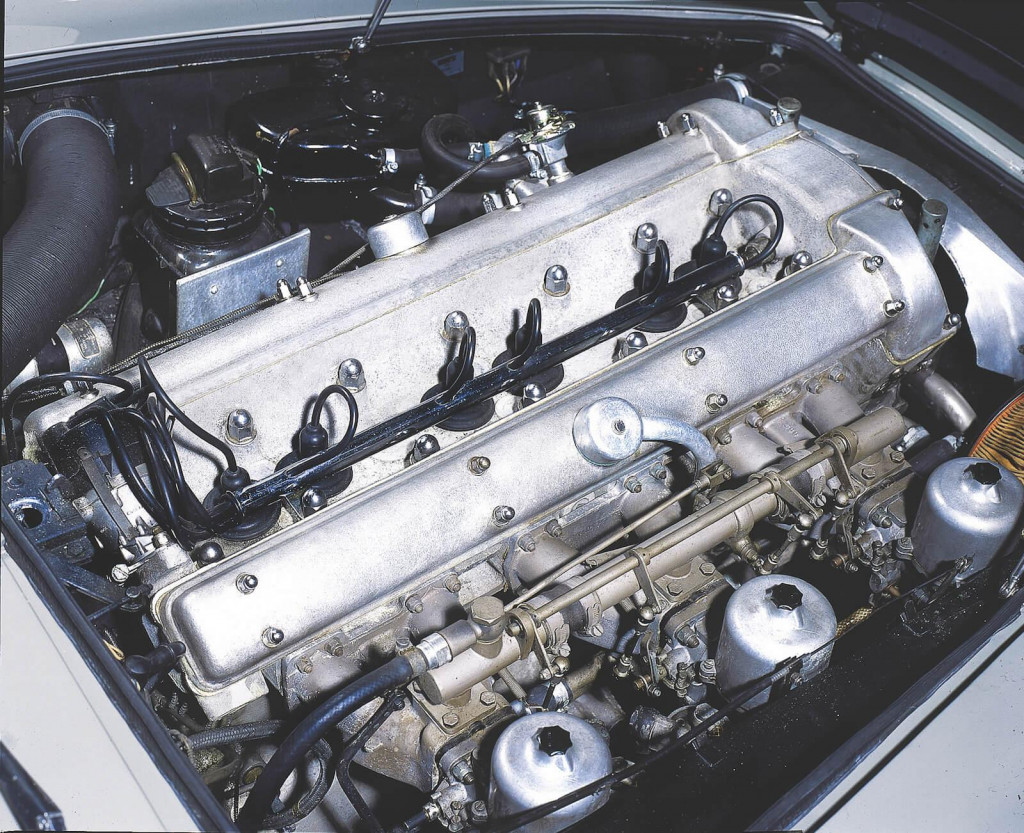
    As a stand-alone car, the DB5 was nothing more than an incremental update to the DB4. The engine swelled to 4.0 liters (up from 3.7) and made 282 horsepower, it has a new 5-speed manual transmission, and the car was quicker than the DB4 predecessor.

    So how did the DB5 catapult itself past the DB4 to become one of the most beloved cars from the British marque? Bond, James Bond.

    ALSO SEE: Live your James Bond fantasies in small scale with this Lego DB5

    Aston Martin DB5 “Goldfinger” continuation car

    Aston Martin DB5 “Goldfinger” continuation car

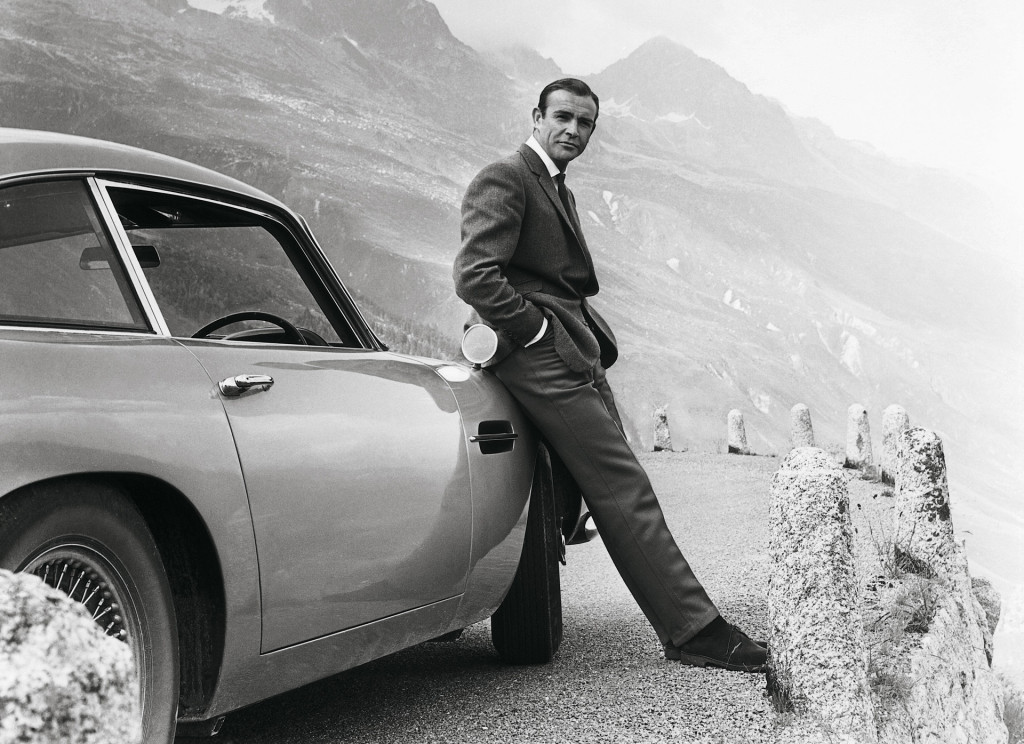
    The DB5 made a silver-screen debut in the 1964 film “Goldfinger.” The film’s special effects manager, John Stears, persuaded Aston Martin to make a DB5 available for the film. The company obliged, which cemented the brand as a swanky co-star alongside Ian Fleming’s fictional secret agent.

    Two DB5s were shown at the New York World Fair in 1964 to promote the film and sales exploded thereafter. Since its debut in “Goldfinger,” a DB5 has appeared in six other James Bond films.

    Aston Martin DB5 “Goldfinger” continuation car

    Aston Martin DB5 “Goldfinger” continuation car

    Aston Martin continued to launch new versions of its DB line in following years, but none of them would come close to the classy character found in the DB5. The lightly changed DB6 arrive in 1965 but the DB5 simply looked the part better.

    Aston Martin’s choice to pitch the DB5 as Bond’s sidekick created an image few other brands and nameplates could ever touch. No, the DB5 doesn’t achieve outrageous levels of power or speed like other poster-car heroes that came later in the 20th century, but it’s hard to argue with the charm the DB5 oozes so easily.

    Note to readers: Motor Authority has compiled 100 cars that have forever changed enthusiasts. From supercars and sedans to SUVs and muscle cars, these are the cars that have sparked our love for cars. Think we’ve missed something? Leave a comment below or contact us here.

    Source

  • Bugatti Centodieci has reached prototype stage, naked chassis looks wild

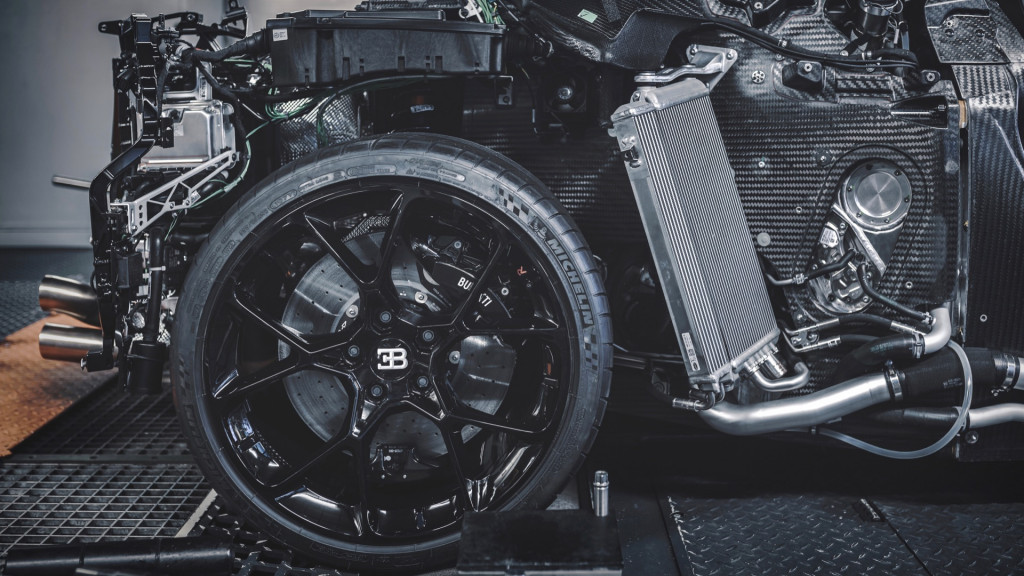
    Over a year after its unveiling, the Bugatti Centodieci—an $8.9 million limited-edition tribute to the Bugatti EB110—has finally reached the prototype stage. A bare chassis was recently completed and started testing last week on the dynamometer at Bugatti’s factory in Molsheim, France.

    The Centodieci is based on the Bugatti Chiron but still requires significant development work. The car was first shown during the 2019 Monterey Car Week, after which designers and engineers used computer simulations to ensure the Centodieci’s bespoke bodywork and the carryover Chiron chassis components would work together.

    The word Centodieci means “110” in Italian, a reference to the EB110, which in turn was named in honor of the 110th birthday of company founder Ettore Bugatti. The EB110 was the brainchild of Italian entrepreneur Romano Artioli and architect Giampaolo Benedini, who attempted to revive Bugatti in the early 1990s after decades of dormancy. While they were ultimately unsuccessful, the EB110 was one of the fastest supercars of its day, and kept the Bugatti name alive long enough for Volkswagen Group to purchase the brand and launch the Veyron in the 2000s.

    Designers gave the Centodieci styling elements from the EB110, including a glass engine cover, five round side air vents, a smaller horseshoe grille, and a more slab-sided profile.

    Bugatti Centodieci

    Bugatti Centodieci

    All of these changes could potentially interfere with cooling for the 8.0-liter quad-turbocharged W-16 engine, while new lighting elements and a fixed rear wing could affect regulatory compliance and aerodynamics, respectively. Hence the need for extensive development work and testing, according to Bugatti.

    The W-16 is also tuned to produce 1,577 hp—97 hp more than the Chiron. Bugatti previously quoted 0-62 in 2.4 seconds, 0-124 mph in 6.1 seconds, and 0-186 mph in 13.1 seconds. Top speed is electronically limited to 236 mph.

    With dynamometer testing underway to check drivetrain components, the next step is to build bodywork for the naked prototype chassis, Bugatti said. That will followed by wind-tunnel and track testing, the automaker said. Deliveries are scheduled to start next year.

    Production is limited to 10 cars, all of which sold out within hours of the Centodieci’s launch.

    Source