Category: Highlight

  • 2021 Lexus IS 350 F Sport, 2022 Ford F-150 Lightning, 2023 Kia Sportage: The Week In Reverse

    We spent time in the 2021 Lexus IS 350 F Sport, the electric Ford F-150’s name was confirmed, and the 2023 Kia Sportage was spotted. It’s the Week in Reverse, right here at Motor Authority.

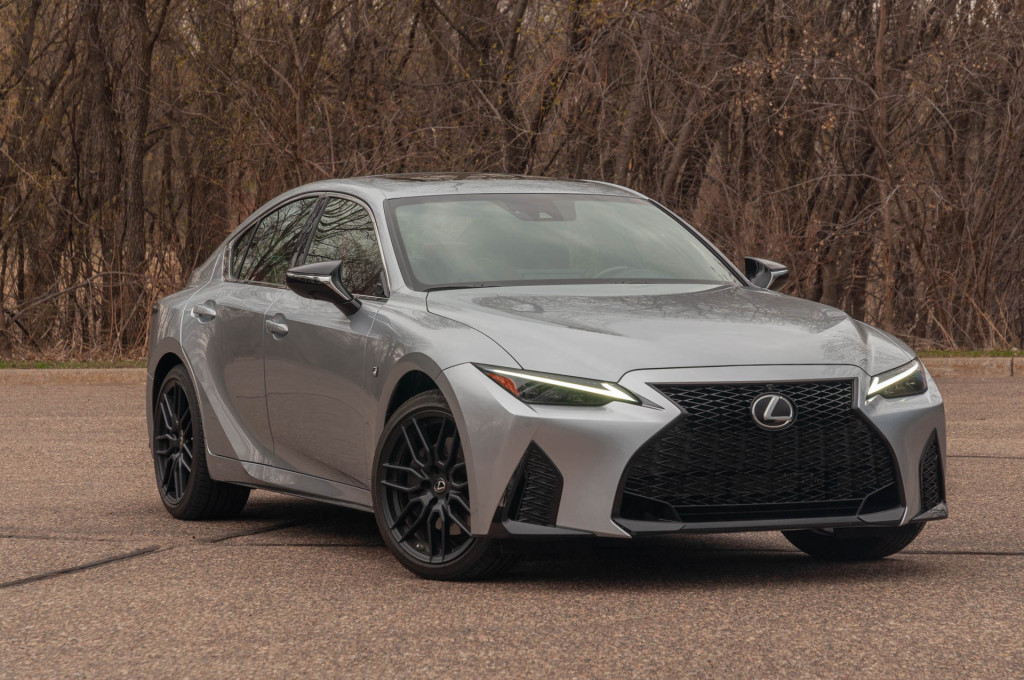
    We slid behind the wheel of the 2021 Lexus IS 350 F Sport and found it stands out from the competitors thanks to its naturally aspirated V-6 engine. The IS already had good bones, but the structure was reinforced with small changes that add up to a platform that exhibits very little twist. 

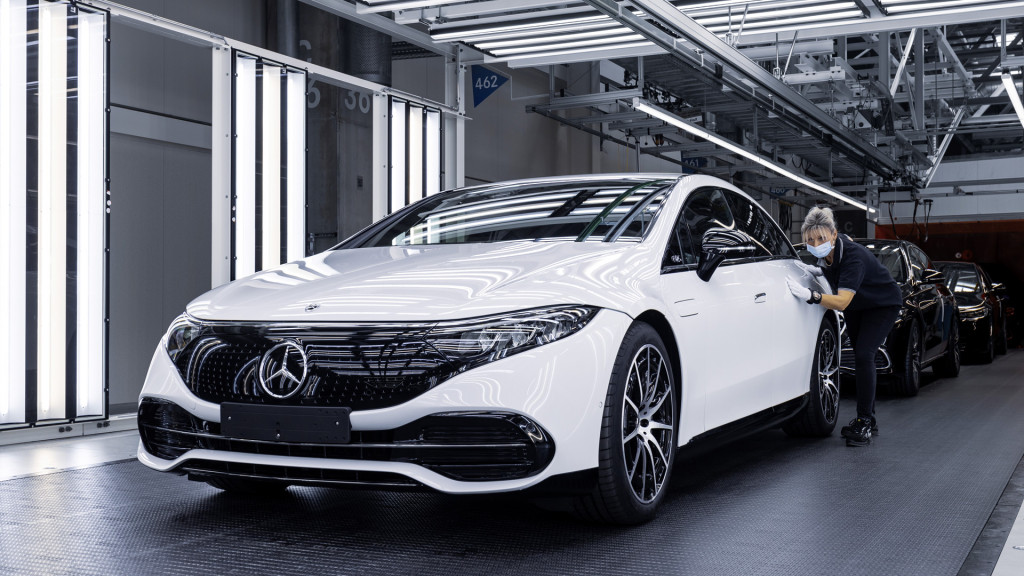
    Production of the 2022 Mercedes-Benz EQS began in Sindelfingen, Germany. The new flagship hatchback debuts the automaker’s dedicated EV platform known as EVA, and it’s expected to challenge the Tesla Model S with an EPA range rating of over 400 miles. The EQS is set to arrive in the U.S. later this year.

    The Blue Oval confirmed its full-size electric pickup truck will be named the Ford F-150 Lightning. Ford will reveal the electric version of its bestselling vehicle on May 19, and sales are set to begin in the middle of 2022 with production to take place at the Rouge plant in Dearborn, Michigan. The original F-150 Lightning was a muscle truck, and the new model to bear the name is said to accelerate quicker than any F-150 to date.

    RML Group revealed a sports car inspired by the Ferrari 250 GT SWB. Simply called RML Short Wheelbase, the stunning coupe looks like a restomod but is built on a bespoke chassis. A V-12 engine will lurk under carbon fiber body work, and the entire car will measure just under 168 inches. No price has been announced, but orders will start later this year.

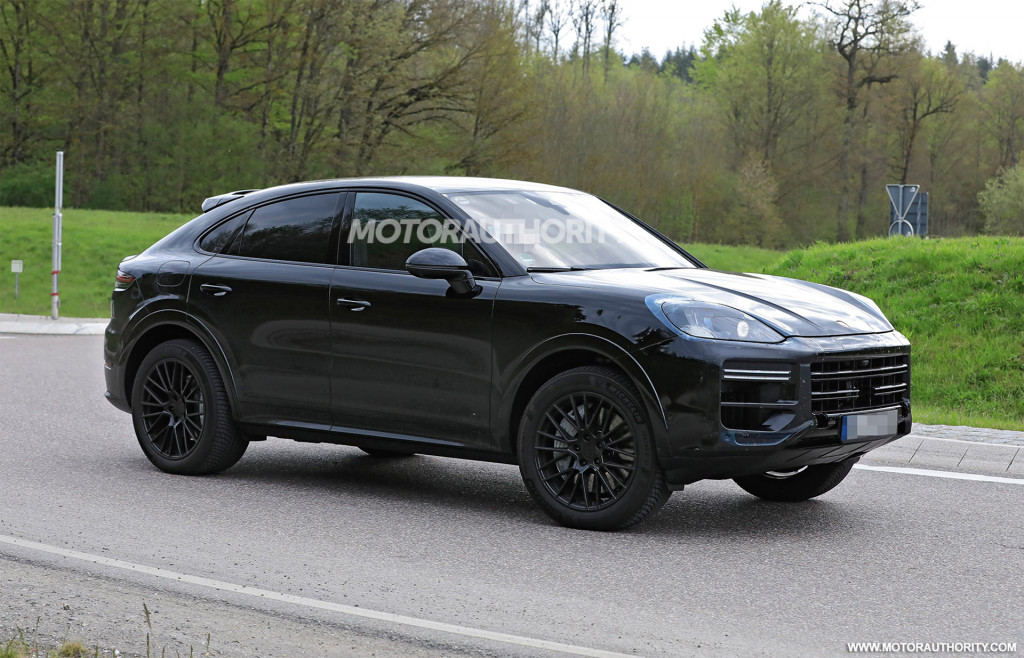
    The 2023 Kia Sportage was spotted in production form on public roads in Europe. The Sportage will feature a bold new design and ride on the same platform as the latest Hyundai Tucson. Expect turbocharged, hybrid, and possibly plug-in hybrid powertrains.

    Source

  • 1988 Chevrolet Corvette Callaway SledgeHammer for sale

    With a top speed of nearly 255 mph, the 1988 Chevrolet Corvette Callway SledgeHammer was one of the fastest cars you could buy during the Reagan years. The modified Corvette was just listed on Bring a Trailer, and the price has already climbed well into the six-figure range by the time of publication.

    Connecticut-based Callaway Cars was already an established tuner in the late 1980s when it launched Project SledgeHammer, with the goal of breaking production-car speed records. This car started out as a stock 1988 Corvette coupe, but was shipped directly to Callaway for modification.

    The 5.7-liter V-8 got twin turbochargers, a blueprinted block, forged pistons, a dry-sump oiling system, and other modifications. That boosted output to 880 hp and 772 lb-ft of torque. The car currently has a ZF 6-speed manual transmission, which is not the gearbox originally installed by Callaway. 

    [embedded content]

    The SledgeHammer stood out from other C4 Corvettes thanks to a sleeker front fascia incorporating vents and the Corvette logo, functional front-fender and rear quarter-panel vents, and a new rear fascia incorporating a rear spoiler and quad exhaust. These elements were later put into limited production as the AeroBody for Callaway C4 customer cars.

    The car rides on 17-inch Dymag magnesium wheels with Goodyear Eagle tires. However, these tires aren’t suitable for extreme speeds, as Goodyear manufactured special tires for the 1988 top-speed run, the listing notes.

    Upon completion, the Corvette was driven from Callaway’s shop in Old Lyme, Connecticut, to the Transportation Research Center’s 7.5-mile test track in East Liberty, Ohio, where John Lingenfelter drove it to a 254.76-mph top speed. It was then stored in a museum environment for most of the next three decades, and got a refresh from Callaway in 2018, according to the listing. Now it’s ready to make you the most popular person at Radwood.

    Source

  • Volvo IPO back on the table

    Volvo could be the next major automaker to go public.

    The automaker said on Wednesday that its board is evaluating the possibility of an initial public offering and listing on the main stock exchange in Sweden as early as this year.

    The announcement follows Volvo’s decision in February to rule out a full merger with its parent company, Geely. The two have a close collaboration however that extends to the sharing of technologies and production facilities, and Geely would remain the main shareholder of Volvo after any IPO.

    Volvo came came close to launching an IPO in 2018 but put things on hold due to concerns the stock price could be hurt by the trade war at the time, primarily between the United States and China but also between the U.S. and Europe.

    Estimates at the time valued Volvo at up to $30 billion.

    Geely has done an impressive job of transforming Volvo since acquiring the brand from Ford in 2010. Volvos today are comparable with Germany’s best and the company is also expanding with the Lynk & Co. and Polestar sister brands, as well as launching its first electric vehicles.

    Volvo is also in the process of introducing a second-generation modular platform for large vehicles, known as SPA2. It will make its debut next year in a redesigned XC90. The new platform will support a high level of self-driving capability, a technology Volvo is developing via its Zenuity subsidiary.

    “We have supported the transformation and growth of Volvo Cars for the last 10 years, enabling the company to become a true premium brand with improved profitability,” Eric Li, Geely’s chairman, said in a statement. “As we look ahead, Volvo Cars is especially well positioned to deliver continued growth and harness the full potential of electrification and the delivery of safe autonomous drive functions.”

    Source