Category: Highlight

  • Preview: 2022 BMW i4 delivers up to 536 hp, starts at $56,395

    BMW Group used its annual general meeting held in March to reveal its 2022 BMW i4 in production guise for the first time, and on Tuesday the automaker revealed the specifications for the U.S. market.

    The battery-electric hatchback is due to start sales in early 2022 and will bring with it a base price of $56,395. That’s for an i4 eDrive40 model with 335 hp, rear-wheel drive, and an estimated range of 300 miles.

    Buyers seeking greater performance will be able to opt for an i4 M50 developed by BMW M and priced from $66,895. This model will come with 536 hp, all-wheel drive, and an estimated range of 245 miles. In both cases the stated pricing includes destination.
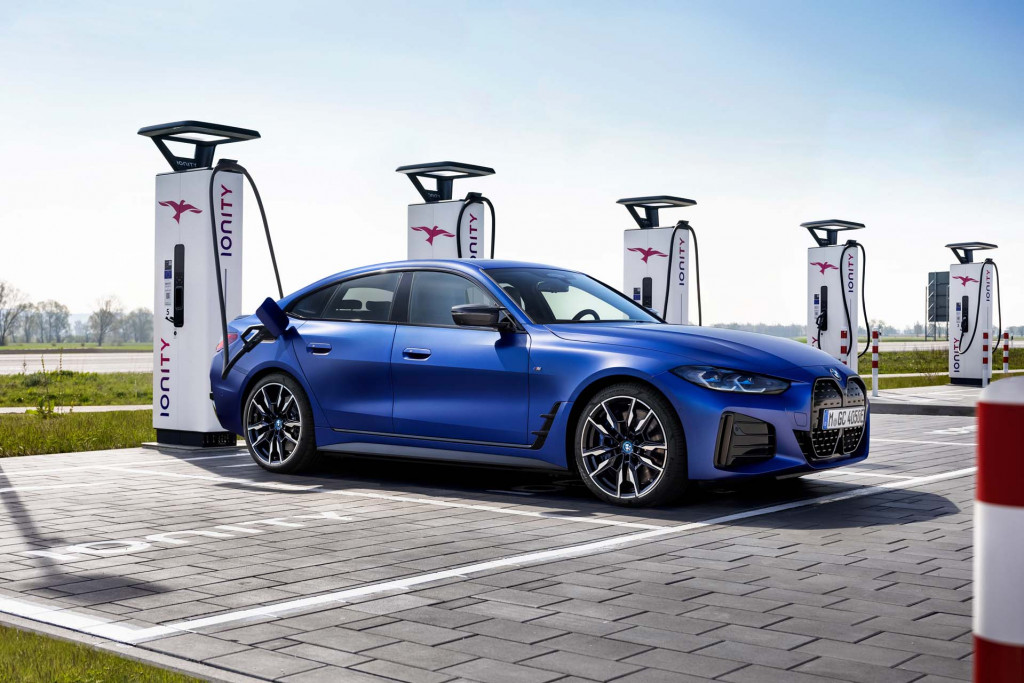
    2022 BMW i4 M50i

    2022 BMW i4 M50i

    The i4 is based on BMW’s latest 4-Series and designed to take the fight directly to Tesla’s Model 3. It was previewed as a concept a year ago and shares its body with the redesigned 4-Series Gran Coupe that’s still out testing.

    Unlike the gas-powered 4-Series variants, the i4 features a flat battery in the floor with a gross capacity of 83.9 kilowatt-hours. Using a DC fast-charger at a rate of 200 kilowatts, BMW estimates a charge from 10-80% will only take about 30 minutes.

    In the case of the i4 eDrive40, there’s a single motor at the rear axle. The i4 M50 features a motor at each axle. BMW houses its electric motors in modular drive units that combine each motor with a single-speed transmission and power control unit in the same housing. Up to two of these can be fitted on an axle so we could potentially be looking at a more powerful i4 down the road.

    Current performance figures include 0-62 mph acceleration in 5.7 seconds for the i4 eDrive40 and in just 3.9 seconds for the i4 M50. Top speed is 118 mph and 140 mph, respectively.
    2022 BMW i4
    2022 BMW i4
    2022 BMW i4

    2022 BMW i4

    2022 BMW i4

    2022 BMW i4

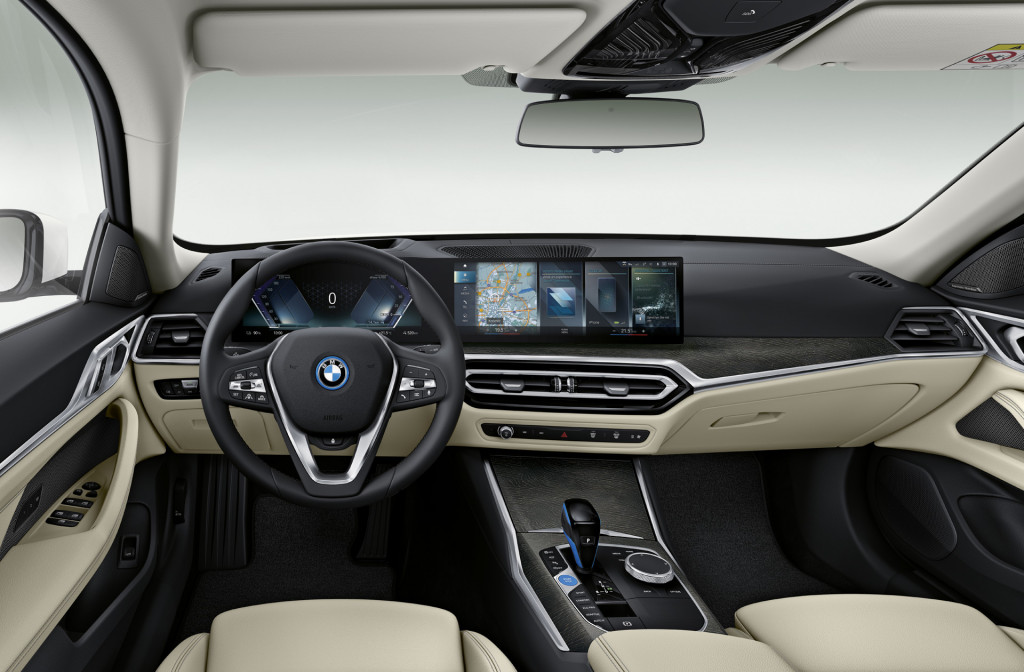
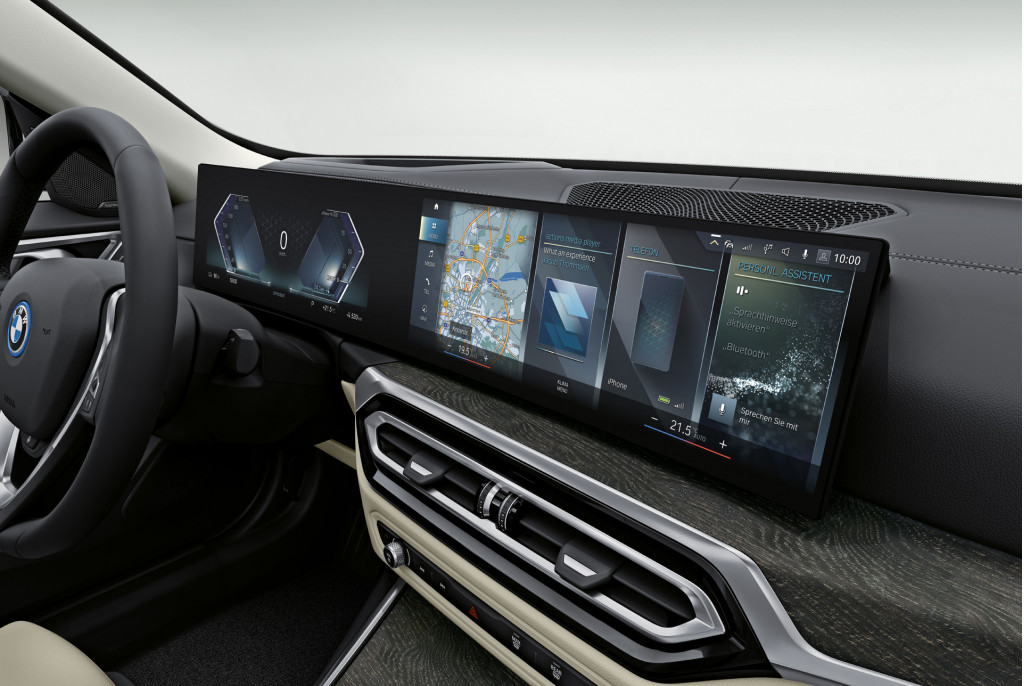
    The interior of the i4 is different from the regular 4-Series. Greeting the driver is a wide display that integrates the instrument cluster and infotainment system, as opposed to separate screens like in the regular 4-Series. The i4 also features the latest iDrive 8 user interface.

    When the i4 arrives at dealerships in early 2022, it will be joined by the 2022 BMW iX crossover. Electric versions of the 3-Series and next-generation X1 and 7-Series are also known to be in the pipeline.

    For more on the BMW 4-Series family, read the in-depth reviews at The Car Connection.
    Source

  • 5 Ford Bronco Sport Easter eggs

    The 2021 Ford Bronco Sport might be based upon the Ford Escape, but it’s far more cheeky and fun than its urban sibling.

    Like recent Jeeps and the larger Bronco, the Bronco Sport hides some Easter eggs. Bronco Chief Designer Paul Wraith told Motor Authority ahead of the reveal of the Bronco and Bronco Sport that the Easter eggs aren’t what most people expect.

    “Our Easter eggs are not playful, or cartoonish, or jokey, but are there to provide background or heritage on the vehicle,” Wraith said.

    During my week with the 2021 Ford Bronco Sport Badlands, I crawled around, opened up, and uncovered every Easter egg I could find. Some of them actually are fun and a others are quite useful.

    In addition to these Easter eggs, I spotted some other playful graphics. The center screen plays a video of boulders forming into a bronco upon startup, while the instrument panel has a mountain graphic that resolves into a night sky complete with shooting stars. Under the rear seat is a storage bin with embossed labels for hiking equipment and a medical kit. According to a survey of our staff, however, these don’t qualify as Easter eggs, but I found five others that do.

    Here are the Easter eggs I found in the Ford Bronco Sport.

    2021 Ford Bronco Sport Badlands

    2021 Ford Bronco Sport Badlands

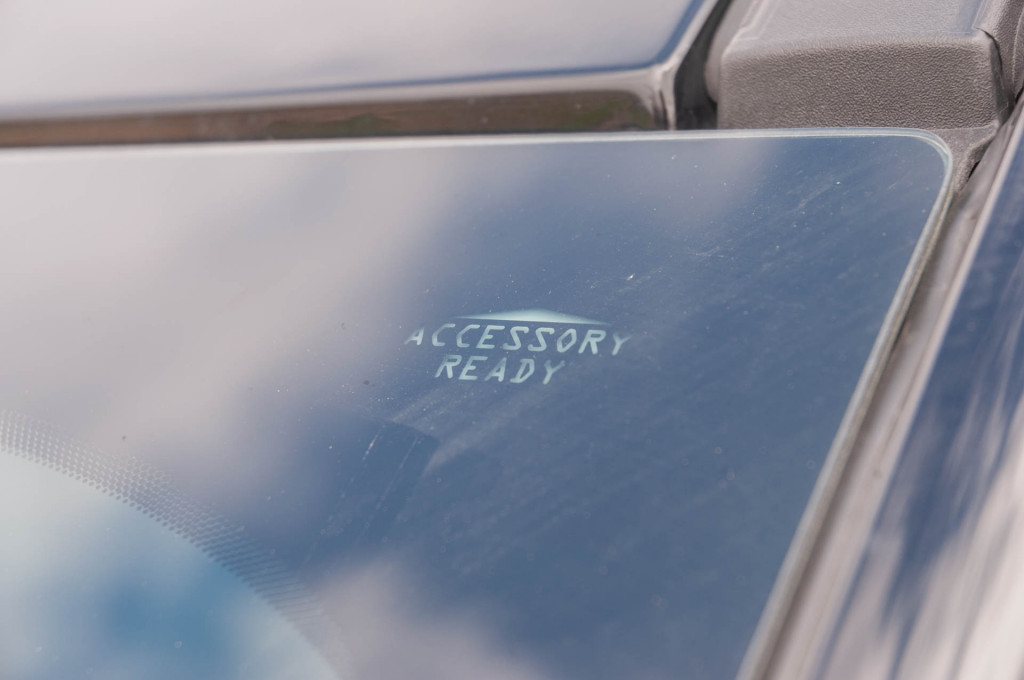
    Accessory Ready

    “Accessory Ready” is etched into the top of the windshield on the driver’s side. An arrow above it points to a spot on the roof that indicates a mounting point for accessories such as a light bar.

    2021 Ford Bronco Sport Badlands

    2021 Ford Bronco Sport Badlands

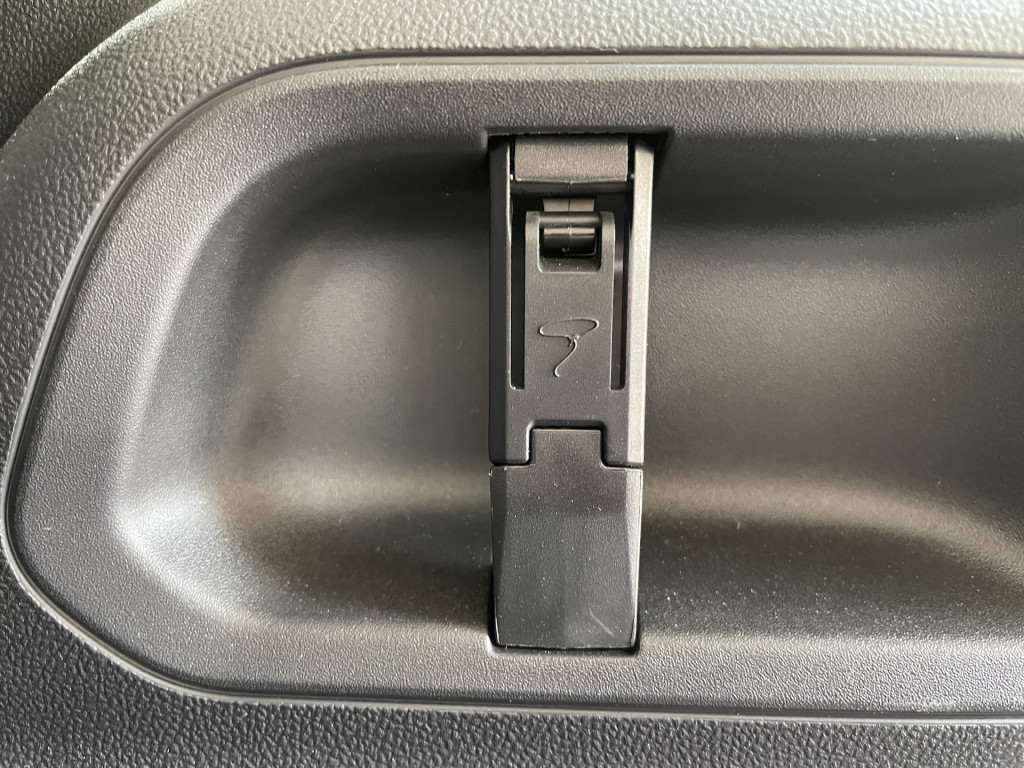
    Hooked

    The hooks in the cargo bay have lassos embossed on them to indicate this here is where you tie up your cargo, pardner.

    2021 Ford Bronco Sport Badlands

    2021 Ford Bronco Sport Badlands

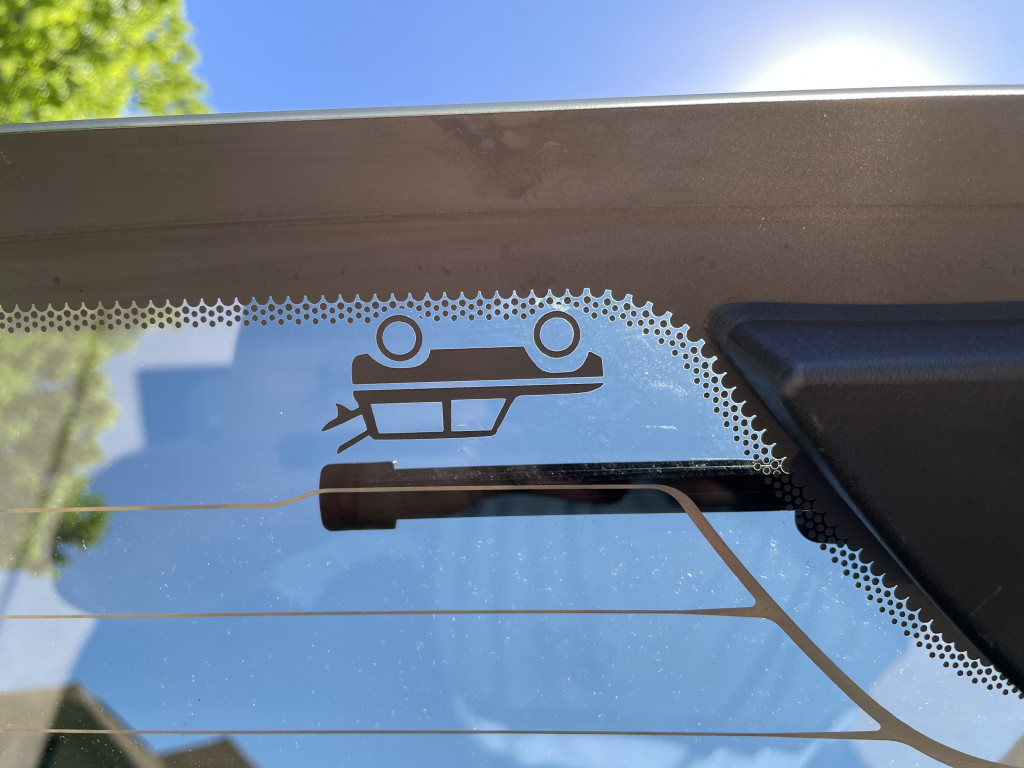
    That surf life

    The outline of a small SUV with a surfboard hanging out the back is printed on the underside of the tailgate glass. We like the return to the good ol’ days when tailgate glass could be opened independently of the tailgate.

    2021 Ford Bronco Sport Badlands

    2021 Ford Bronco Sport Badlands

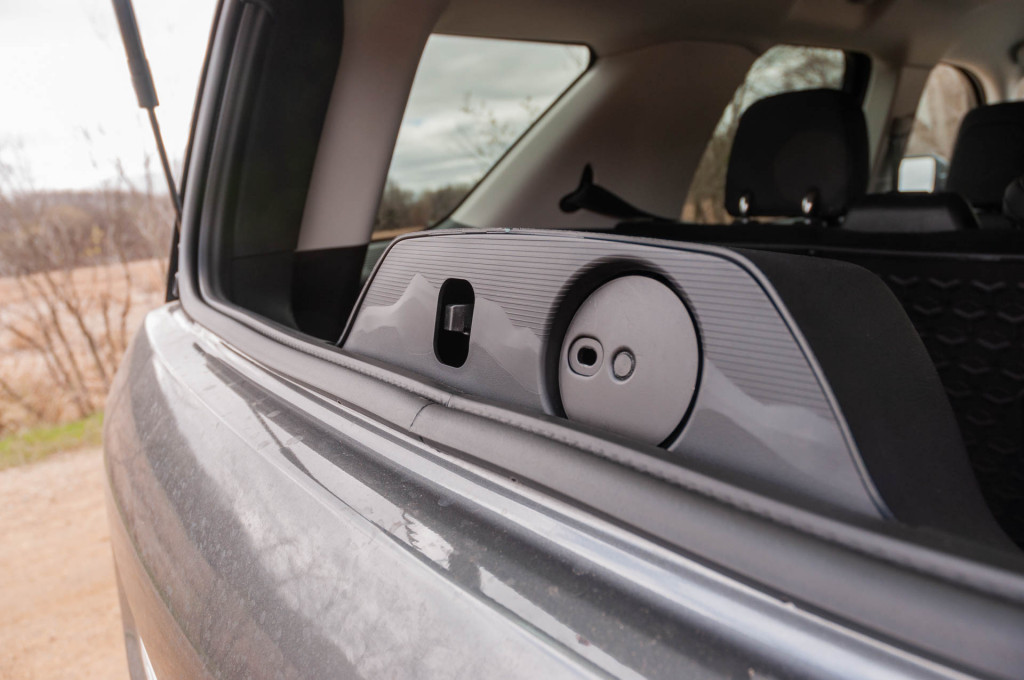
    Mountains, river, or off-road trail, you choose

    The latch panel for the glass that houses the rear wiper motor has a mountain range embossed into it. Or it could be a river, or an off-road path, it’s not really clear. It’s whatever your imagination wants it to be.

    2021 Ford Bronco Sport Badlands

    2021 Ford Bronco Sport Badlands

    2021 Ford Bronco Sport Badlands

    2021 Ford Bronco Sport Badlands

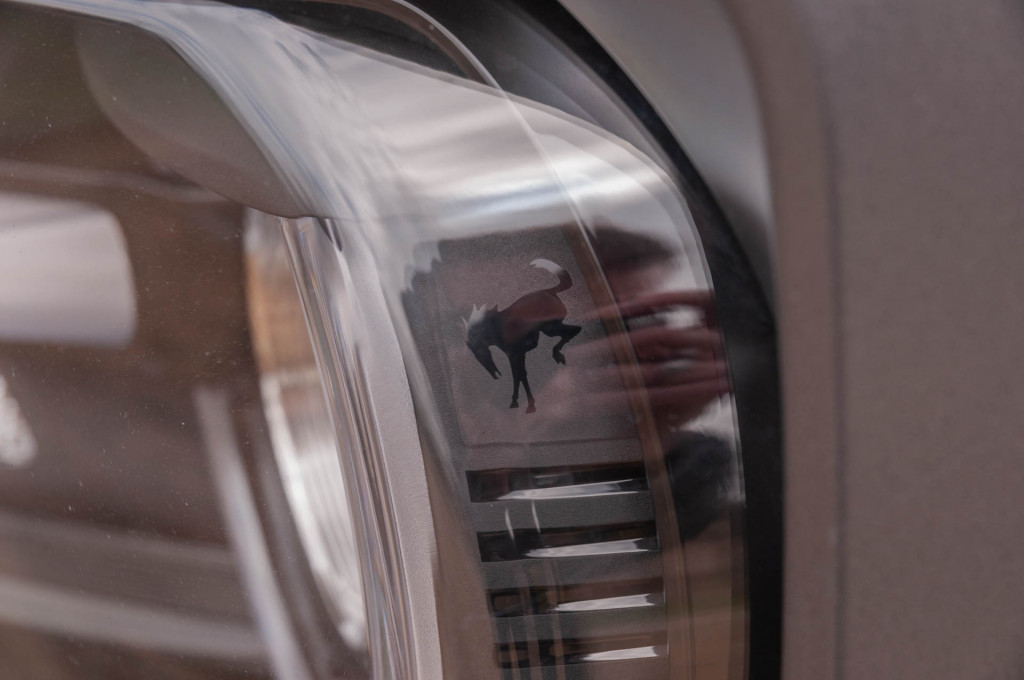
    Bucking Bronco

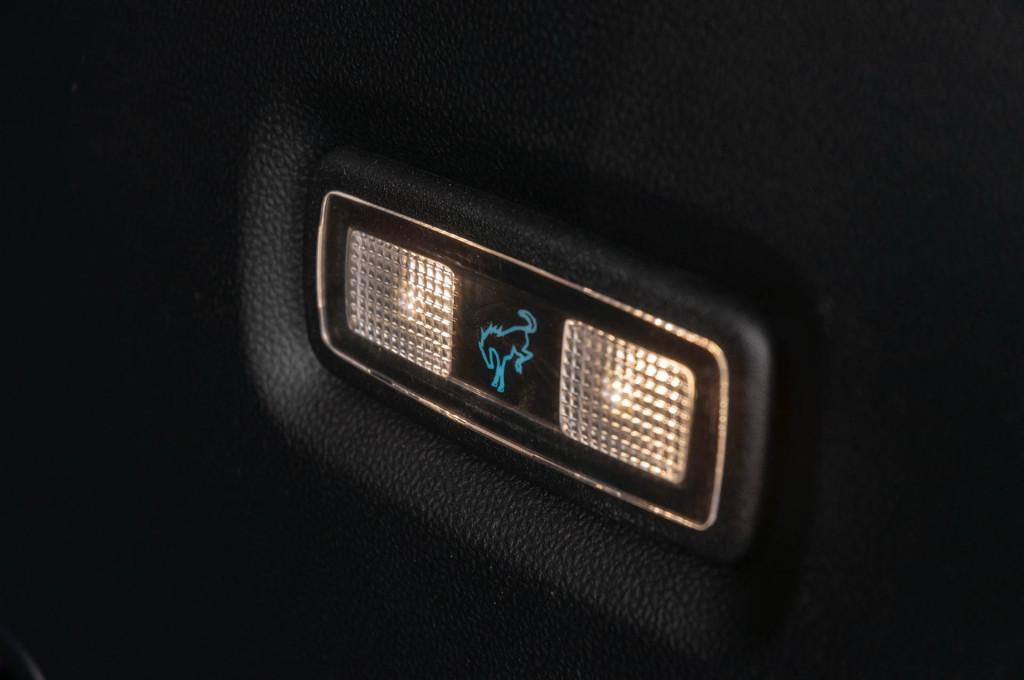
    Images of a bucking Bronco can be found all over the Bronco Sport. The Bronco logo in the side of each headlight bezel housing and on the light in the cargo area are Easter eggs in our eyes, while the ones on the steering wheel and stitched into the front seat backs are logos we’d expect in any vehicle.

    Source

  • Jay Leno drives legendary Old Yeller II race car

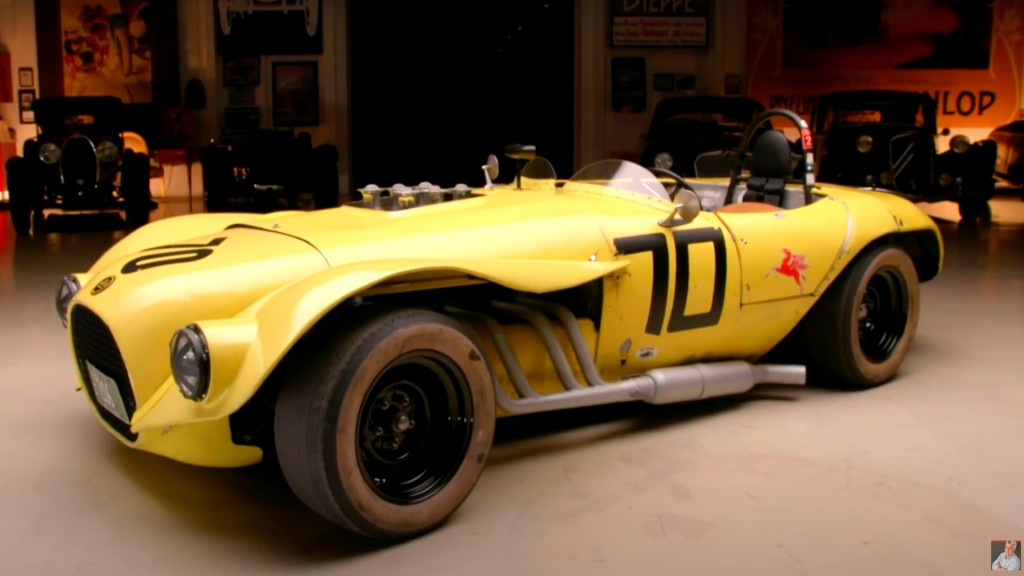
    Max Balchowsky’s Old Yeller II is a classic racing underdog, and not just because it’s named after a famous movie canine. Featured on the latest episode of “Jay Leno’s Garage,” this homebuilt special beat pedigreed Ferrari and Maserati sports cars back in the day.

    Built in 1959, Old Yeller II was one in a series of specials built by Balchowsky, a California-based mechanic and race driver, and it was raced locally by legendary drivers like Dan Gurney and Carroll Shelby. It’s now in the care of Dr. Ernie Nagamatsu, who appeared in the episode explaining the car’s history and quirks.

    Old Yeller II is the ultimate expression of function over form. Its massive grille houses a radiator from a Studebaker truck, chosen by Balchowsky to address cooling issues with the car’s Buick “Nailhead” V-8 engine. The Goodyear whitewall tires aren’t a fashion statement; Balchowsky chose them because they had a softer rubber compound than conventional racing tires of the period.

    Max Balchowsky's 1959 Old Yeller II on Jay Leno's Garage

    Max Balchowsky’s 1959 Old Yeller II on Jay Leno’s Garage

    As the styling implies, Old Yeller II was cobbled together using parts from many different sources. The Buick engine drives the rear wheels through a Muncie 4-speed transmission, the kind used in period Corvettes, Leno noted. The suspension uses Jaguar XK120 upper A-arms and Studebaker lower A-arms, all with holes drilled into them. That was for “crushability,” allowing parts to deform and absorb crash forces, Nagamatsu said.

    That’s not the only clever engineering feature of this car. Balchowsky also installed a nerf bar on the driver’s side, but with lots of clearance between the bar and the driver’s hip. That offered better protection than most race cars of the period, Nagamatsu said. The engine is also mounted far back in the chassis to improve weight distribution, which likely helped Old Yeller II win so many races against purpose-built sports cars.

    Watch the full video for more details on this important piece of racing history, and to see Leno drive it on the streets of Los Angeles.

    Source