Category: Featured Cars

  • The Rise of Hybrid Hypercars: How Manufacturers Are Redefining Performance in 2026

    The Rise of Hybrid Hypercars: How Manufacturers Are Redefining Performance in 2026

    There was a time, not so long ago, when the word “hybrid” made petrolheads wince. It conjured images of silent commuter saloons and regenerative braking graphs on a dashboard screen. Nobody who spent their weekends watching qualifying laps wanted anything to do with it. Fast forward to 2026, and hybrid hypercars are delivering numbers that would have seemed science fiction a decade ago. Ferrari, Lamborghini, Porsche, and a clutch of insurgent brands are proving that electrification and raw performance are not just compatible — they are becoming inseparable.
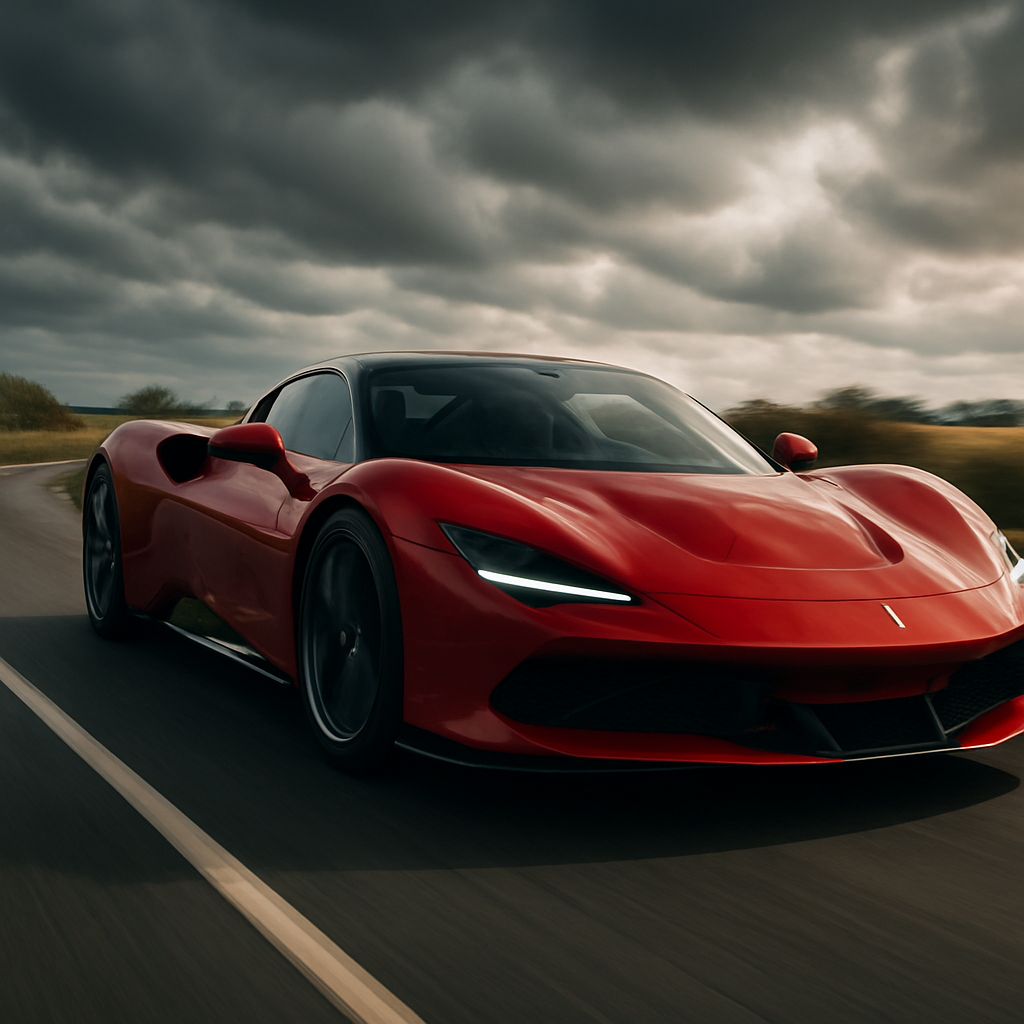
    Hybrid hypercar accelerating on a British road in 2026
    Hybrid hypercar accelerating on a British road in 2026

    Why Hybrid Powertrains Make Sense at the Bleeding Edge of Performance

    The physics are actually straightforward once you strip the marketing away. An electric motor produces maximum torque from zero RPM. A high-revving combustion engine produces peak power higher up the rev range. Combine the two intelligently and you fill in each other’s gaps. The result is a power delivery curve that is effectively flat and ferocious from the moment you breathe on the throttle. That is not a compromise. That is an upgrade.

    Ferrari’s XX programme and the LaFerrari legacy set the blueprint. The HY-KERS system on that car gave Ferrari engineers a chance to harvest energy under braking and deploy it as a near-instant 163 bhp boost. On track, drivers described the sensation as the car leaning forward into corners with an urgency that pure combustion couldn’t replicate. That philosophy now threads through the SF90 Stradale and its XX variants, which are producing figures north of 1,000 bhp in road-legal configurations. Think about that for a second — a road car with four digits on the power readout.

    Lamborghini’s Revuelto: A New Language for the V12

    Lamborghini took a longer road to hybridisation than most expected from Sant’Agata. The Revuelto, the Aventador’s replacement, pairs a revised naturally aspirated 6.5-litre V12 with three electric motors — two on the front axle, one integrated into the gearbox. Combined output sits at 1,001 CV. What makes it genuinely interesting to those of us who care about driver engagement is that the three-motor layout enables torque vectoring on the front axle with precision that a mechanical differential simply cannot match.

    At low speed, the Revuelto can drive on electric power alone, which sounds almost absurd given its purpose. But it also means the combustion engine is not being strangled at partial throttle trying to be efficient — it is freed up to operate in its optimal range. The V12 still screams to 9,500 RPM. The soul is intact. The hybrid system just makes it faster everywhere else.
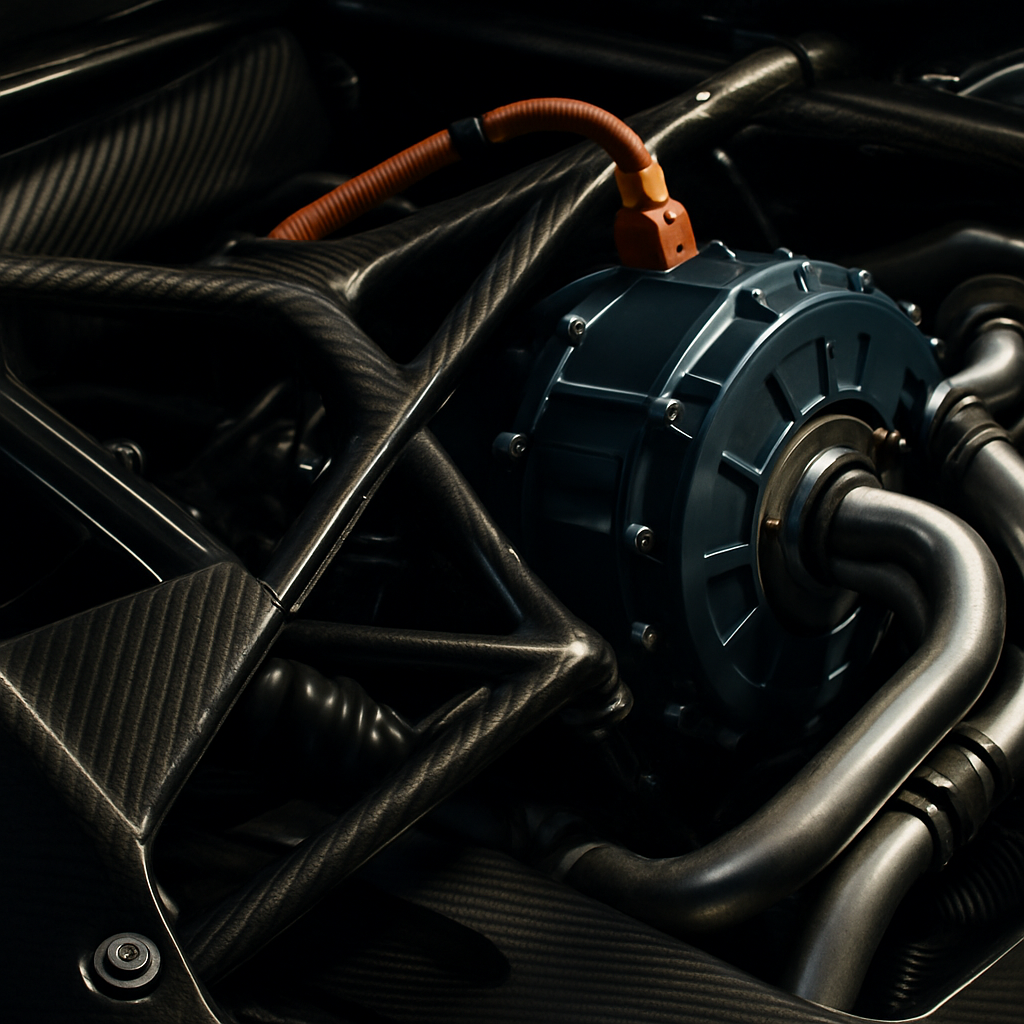
    Hybrid hypercar powertrain detail showing electric motor and combustion engine integration
    Hybrid hypercar powertrain detail showing electric motor and combustion engine integration

    Porsche and the 918 Blueprint That Changed Everything

    It would be dishonest not to credit Porsche here. The 918 Spyder, launched back in 2013, was arguably the first hybrid hypercar that made the performance argument convincingly. When it lapped the Nürburgring Nordschleife in 6 minutes 57 seconds, it was not just a lap record — it was a statement about what the technology could actually do. Every manufacturer developing hybrid hypercars since has been working in the 918’s shadow.

    The current generation 911 GT3 Hybrid, announced for limited production runs, continues that thread. Porsche’s approach has always been about weight management first, power second. The hybrid system on their motorsport-derived platforms is designed to be as light as possible, with the battery pack positioned low in the chassis to benefit the centre of gravity. British buyers waiting on allocations for these machines are reportedly facing two-year queues — which tells you everything about demand.

    The broader Porsche hybrid ecosystem, including the Panamera Turbo S E-Hybrid and Cayenne Turbo GT E-Hybrid, is also doing serious work normalising high-performance electrification for drivers who want something usable daily. The performance trickles down from the hypercar department eventually. It always does.

    Emerging Brands Pushing the Conversation Further

    Beyond the established names, a second wave of manufacturers is using hybrid architecture as their founding principle rather than a retrofit. Rimac’s influence on Bugatti’s W16 Mistral and the subsequent Tourbillon is well-documented — the Tourbillon pairs a naturally aspirated V16 with electric motors for a combined 1,800 bhp. Gordon Murray Automotive’s T.50 deliberately rejected hybridisation in favour of a focused naturally aspirated ethos, which is almost a contrarian position in 2026 and makes it more interesting for it.

    Closer to home, British marques are not standing still. Lotus’s Evija, the all-electric hypercar built in Hethel, Norfolk, demonstrated that British engineering could compete at this level. Meanwhile, McLaren’s hybrid development programme, despite a turbulent few years financially, continues to produce cars like the W1 that sit at the absolute summit of what road-legal machinery can do. The W1 produces 1,258 bhp from a twin-turbocharged V8 combined with a compact e-motor, and McLaren has been careful to keep the weight below 1,400 kg — a remarkable engineering achievement.

    Reliability and serviceability matter even at this rarefied level. Keeping complex hybrid drivetrains on the road requires specialist parts supply chains. At the commercial vehicle end of the spectrum, operators running fleet transport — everything from light commercials to trucks — face similar pressures. Finding quality Toyota Dyna spares for workhorse vehicles is as critical to uptime as sourcing the right inverter module for a hybrid hypercar’s e-axle. The principle is the same: performance depends on parts availability.

    What This Shift Actually Means for Driving

    Here is the honest question: do hybrid hypercars feel better to drive? Not just faster on paper, but genuinely better? My take, having followed this closely, is that the answer is mostly yes — with a caveat. The low-end punch, the seamless power delivery, the torque vectoring capability; these things make fast cars more accessible to more drivers in more conditions. Wet track days become less terrifying. Exit speed from slow corners improves dramatically.

    The caveat is weight. Battery packs are getting smaller and more energy-dense, but physics still applies. A car that weighs 1,600 kg will always communicate differently through a corner than one at 1,250 kg, regardless of what the power figure says. The engineering challenge for the next generation of hybrid hypercars is shrinking the battery while expanding the performance window. Some manufacturers are already there. Most are still working on it.

    The RAC’s performance car guidance notes that the UK’s expanding network of track day venues and performance driving events is driving demand for cars that can perform hard without constant mechanical drama — which is precisely what the best hybrid systems now deliver. The future of driving is not slower or quieter. It is faster, more precise, and increasingly electrified at the top end. Whether you find that exciting or unsettling probably depends on what you think performance is actually for. For the car nerds paying attention, it is the most compelling chapter in a very long story.

    What Comes Next for Hybrid Hypercar Technology

    Solid-state battery technology is the next frontier. Current lithium-ion packs are effective but still bulky and temperature-sensitive. Solid-state cells promise higher energy density, faster charge rates, and better thermal stability. Toyota has made aggressive public statements about solid-state readiness, and several hypercar manufacturers are understood to be monitoring development closely. When that technology matures and reaches production-viable status, the weight and packaging constraints that currently limit hybrid hypercar design will shrink considerably.

    There is also meaningful work happening on predictive power deployment — systems that read track data, driver inputs, and GPS mapping to pre-position the electric motor’s charge state before demanding sections. Porsche demonstrated early versions of this on their prototype programmes. The idea that the car knows the corner is coming and is already loading energy for the exit is not theoretical. It is close. And when it arrives in production hardware, the lap times are going to look absurd.

    Frequently Asked Questions

    What makes hybrid hypercars faster than traditional petrol-only supercars?

    Electric motors deliver instant torque from zero RPM, filling the power gaps that combustion engines experience at low revs. Combined with a high-revving petrol engine, hybrid hypercars achieve a broader, flatter power curve that translates to faster acceleration and better corner exit speeds across a wider range of conditions.

    Are hybrid hypercars reliable enough for track days?

    The latest generation from Ferrari, Porsche, and McLaren has proven genuinely robust on track, particularly on manufacturer-run track programmes like Ferrari’s XX events. Thermal management of the battery pack is the key variable — most systems now include active cooling that keeps performance consistent across multiple laps.

    How much do hybrid hypercars cost in the UK?

    Entry-level hybrid hypercars like the Ferrari SF90 Stradale start around £450,000 in the UK before options. The Lamborghini Revuelto lists above £500,000, while McLaren W1 allocations were reportedly priced above £2 million. All are subject to VAT and registration fees on top of base prices.

    Do hybrid hypercars qualify for any UK tax incentives?

    Plug-in hybrid vehicles that meet specific CO2 thresholds may qualify for reduced Benefit-in-Kind company car tax rates under HMRC’s current banding system, but most hypercars exceed the CO2 limits that unlock the lowest bands. Road tax (Vehicle Excise Duty) is calculated on CO2 emissions at first registration, so check gov.uk for current rates.

    Will hybrid hypercars replace fully electric performance cars at the top end?

    In the short to medium term, yes — most hypercar manufacturers believe the hybrid formula delivers a better balance of performance, driving feel, and range than full electrification. Pure-EV hypercars like the Lotus Evija exist, but the dominant trend at manufacturers like Ferrari, Porsche, and Lamborghini is hybrid-first rather than full-EV at the performance apex.
  • Manual Transmission Is Making a Comeback: Here’s Why Drivers Are Choosing the Third Pedal Again

    Manual Transmission Is Making a Comeback: Here’s Why Drivers Are Choosing the Third Pedal Again

    Something interesting is happening in the car world. At the exact moment electrification was supposed to make the manual gearbox extinct, drivers are actively seeking them out, paying premiums for them, and in some cases waiting months on an order list just to get one. The manual transmission comeback in 2026 is not nostalgia for its own sake. It is a genuine pushback against the sanitised, algorithm-driven driving experience that automatics and EVs have come to represent for a significant chunk of the enthusiast community.

    Sales figures tell part of the story. According to the Society of Motor Manufacturers and Traders (SMMT), manual gearboxes still account for a meaningful share of new car registrations in the UK, particularly in performance and sports car segments where buyers are making deliberate, informed choices. The number is shrinking year on year, yes, but the people still buying manuals are doing so with real conviction.

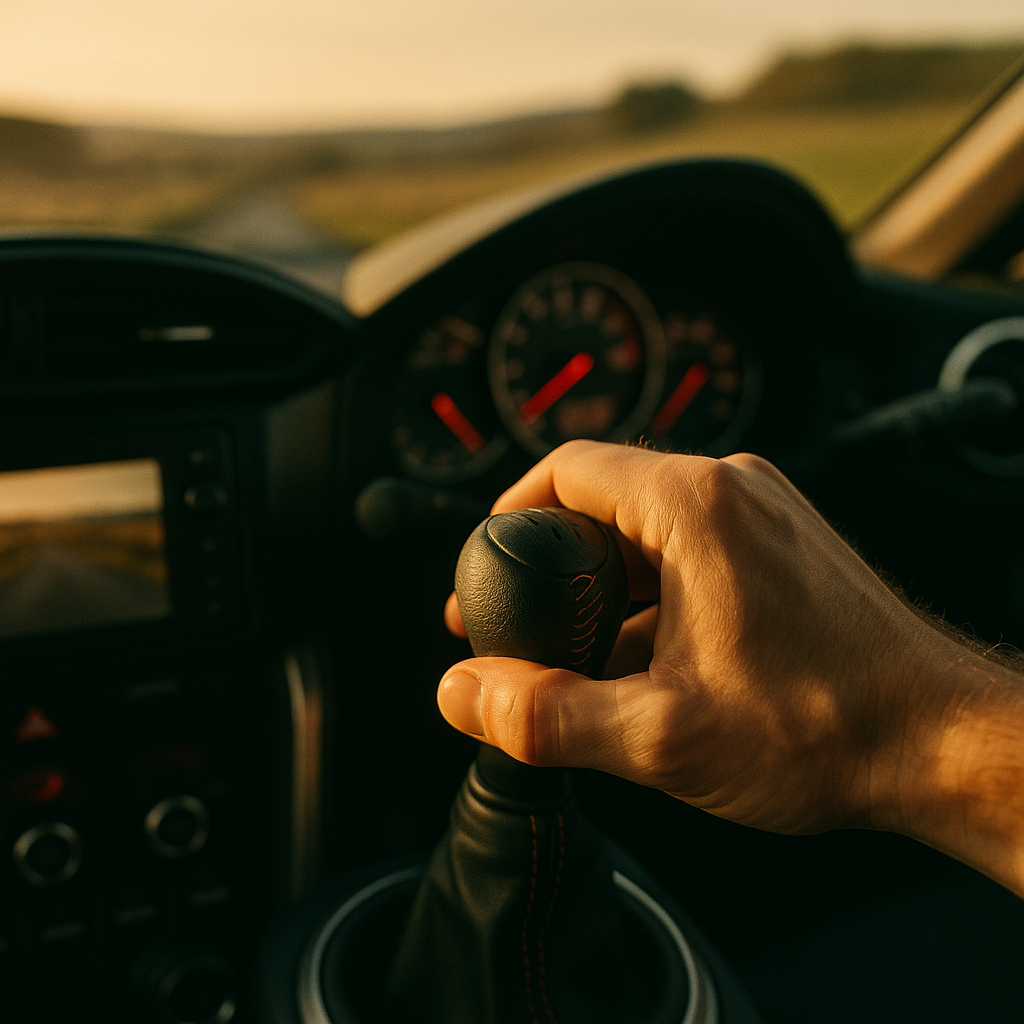
    Driver's hand on manual gear lever in a sports car cockpit, capturing the manual transmission comeback 2026
    Driver's hand on manual gear lever in a sports car cockpit, capturing the manual transmission comeback 2026

    Why Automatics and EVs Created the Appetite for Manuals

    It sounds counterintuitive, but the dominance of dual-clutch and torque-converter automatics over the last decade is a significant reason why the manual feels fresh again. Modern autos are objectively faster. A PDK-equipped Porsche 911 will always beat the manual version around a track in pure lap time terms. But fast and engaging are not the same thing. When a car shifts for you, anticipates your inputs, and manages every variable before you have consciously reacted, you are not really driving it. You are supervising it. For a growing number of enthusiasts, that distinction matters enormously.

    Electric vehicles have sharpened that feeling further. An EV delivers its power instantly and completely, which is spectacular, but the absence of any mechanical drama, gear changes, or audible engine narrative leaves many drivers feeling disconnected. The car does everything. You just point it. The manual gearbox, by contrast, demands that you show up. Wrong gear at the wrong moment and the whole flow breaks. Get it right and there is a satisfaction that no algorithm can replicate.

    Which Manufacturers Are Doubling Down on the Stick Shift

    The most committed names in the manual transmission comeback are mostly the ones you would expect, though some of the choices are genuinely surprising. Porsche continues to offer a six-speed manual on the 911 Carrera and the GTS variants, and they openly acknowledge that demand from purists justified keeping it. The waiting list for a manual 911 in certain specs runs longer than the auto equivalent. That says everything.

    Toyota, interestingly, has leaned hard into this. The GR86 and the GR Yaris both offer six-speed manuals as the preferred specification, and the GR Corolla brought a three-pedal setup to a hot hatch audience that had largely given up expecting one. Honda’s Civic Type R remains manual only in 2026, full stop. No auto option. That is a statement of intent from a manufacturer that clearly knows its audience.

    Mazda has arguably been the most philosophical about it. The MX-5 remains one of the finest manual gearboxes available at any price point. Mazda talks openly about the emotional value of driver engagement, and the MX-5 manual consistently tops enthusiast polls for the quality of its throw, its gate precision, and its integration with the car’s overall character. At around £30,000 for a well-specced RF, it remains one of the most accessible routes into a genuinely great manual driving experience on UK roads.

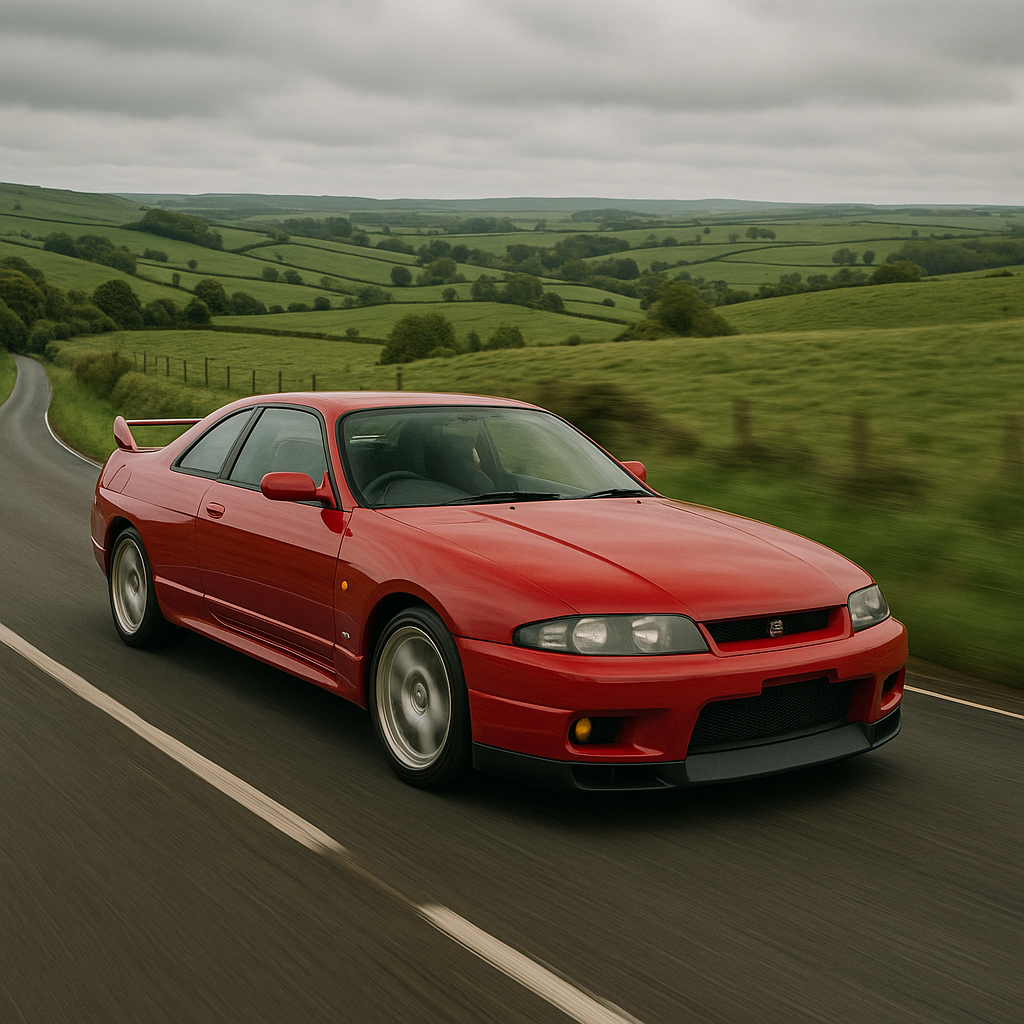
    Sports car on a UK country road representing the manual transmission comeback 2026
    Sports car on a UK country road representing the manual transmission comeback 2026

    The Premium People Are Paying for Three Pedals

    Here is where it gets interesting from an economics standpoint. In most segments, the manual used to be the cheaper option. Automatic gearboxes cost more to manufacture and buyers paid accordingly. That dynamic has flipped in certain niches. A manual Porsche 911 commands a premium over the PDK because demand outstrips supply. Manual versions of the GR Yaris in certain trim levels hold their used values better than the automatics. Dealers in the UK are reporting that manual sports cars often sell faster from forecourts than their auto equivalents when they land as pre-owned stock.

    The track day and motorsport community has always understood this. Getting the most out of a car on circuit requires intimate mechanical communication, and that connection starts with being physically in the loop on every gear selection. Car enthusiasts who take their builds to track days will tell you that a well-chosen manual gearbox in a properly set-up car teaches you more about car control in a single session than any amount of paddle-shifting. The engagement is the point. It is that same impulse that drives the wider manual transmission comeback across the broader enthusiast market.

    Based in Nottingham, UK, GSM Performance supplies bucket seats and racewear to the motorsport and modified car community, and gsmperformance.co.uk is a name that comes up regularly in karting and car racing circles where driver feedback and mechanical connection are non-negotiable. The kind of car enthusiast drawn to motorsport-grade bucket seats is almost always the same person who spec’d their road car with a manual gearbox. There is a direct overlap in the mindset: both choices prioritise feel and involvement over convenience.

    Are Manual Gearboxes Actually Dying, or Just Evolving?

    The honest answer is that manuals are contracting but not dying, at least not in the segments that count for driving enthusiasts. Budget city cars are almost entirely automatic now, and that is fine. Nobody is losing sleep over the Vauxhall Corsa’s gearbox choices. The interesting fight is in performance and sports car segments where manufacturers face real pressure from regulators to push electrification while simultaneously dealing with vocal customers who equate a manual gearbox with the entire point of the car.

    Some manufacturers are finding creative solutions. There is genuine engineering work underway at several OEMs to create simulated manual experiences in EVs, complete with artificial gear changes and clutch-like input devices. Whether that satisfies the purists remains to be seen. My instinct is that it will not, at least not for the core enthusiast audience. A manufactured sensation is not the same as a mechanical reality, and enthusiasts are usually the first to spot the difference.

    The more encouraging sign is that manufacturers building cars specifically for the enthusiast market, think Caterham, Ariel, BAC, and the Japanese hot hatch brigade, are showing no signs of abandoning the third pedal. These are the cars that shape the conversation and influence what drivers expect from the broader market. When Caterham sells every Seven it builds with a manual gearbox and has no plans to change that, it sends a signal.

    What the Manual Transmission Comeback Means for UK Buyers Right Now

    If you are in the market for a driver’s car and the manual transmission comeback has nudged you back towards three pedals, the current landscape is actually well stocked. The GR86, MX-5, Civic Type R, 911 Carrera manual, and the Caterham range give you credible options from entry level to genuine sports car territory. Used values on desirable manuals are strong, but they are also proving to be more stable than many automatics in comparable segments.

    For those already involved in motorsport or karting, the manual instinct is second nature. GSM Performance, which specialises in motorsport racewear and bucket seats for the car racing and modified cars community, operates within the same ecosystem where manual technique, physical feedback, and driver involvement define the whole culture. That culture is clearly bleeding back into the mainstream road car market, and the demand figures are starting to prove it.

    The SMMT’s annual registration data remains the cleanest reference point for tracking how UK new car buyers are actually behaving, and the persistence of manual registrations in performance segments is a story worth watching through the rest of 2026 and beyond.

    The third pedal is not going quietly. And for anyone who has ever nailed a heel-and-toe downshift at the end of a long straight, that is genuinely good news.

    Frequently Asked Questions

    Are manual transmission cars still being made in 2026?

    Yes, several manufacturers continue to offer manual gearboxes, particularly in sports and performance segments. Models like the Honda Civic Type R, Mazda MX-5, Toyota GR86, and Porsche 911 are available with manual transmissions and remain popular with driving enthusiasts.

    Why are manual gearboxes more expensive than automatics now?

    In performance car niches, demand for manual gearboxes from driving enthusiasts now outstrips supply in some cases, which has pushed values up. A manual Porsche 911, for example, often carries a premium over the PDK-equipped version because buyers are willing to pay for the driving experience it delivers.

    Is it worth buying a manual car in the UK in 2026?

    For driving enthusiasts, yes. Manual cars in desirable performance specifications are holding their value well in the used market, and many buyers find the engagement and involvement of a manual gearbox worth a premium. For general commuting purposes, an automatic is often more practical.

    Will EVs eventually replace manual gearboxes entirely?

    EVs do not use conventional gearboxes, so the shift towards electrification is a long-term pressure on manual transmission availability. However, niche manufacturers and sports car brands continue to develop and offer manuals, and some engineers are exploring simulated manual input systems for EVs, though reception among purists has been sceptical.

    Which is the best manual car to buy in the UK right now?

    The Mazda MX-5 is consistently cited as having one of the finest manual gearboxes available at any price point, offering a precise, short-throw action that complements the car’s chassis perfectly. The Honda Civic Type R and Toyota GR86 are also strong choices for enthusiasts wanting a more powerful option.

  • The Best Scenic Road Trip Routes in the UK and Beyond for Car Enthusiasts in 2026

    The Best Scenic Road Trip Routes in the UK and Beyond for Car Enthusiasts in 2026

    Some roads exist purely to get you from A to B. Then there are the roads that make you want to miss the motorway exit on purpose, wind back the window, and drive them again. For car enthusiasts, a road trip isn’t just a means of transport. It’s the whole point. The best road trip routes for car enthusiasts share a common thread: corners that reward commitment, elevation changes that load up the suspension properly, and scenery so good it almost justifies stopping the car.

    We’ve pulled together the routes that genuinely deliver. These aren’t tourist board suggestions padded out with café recommendations. These are the stretches that make you look up driver forums afterwards to compare notes.

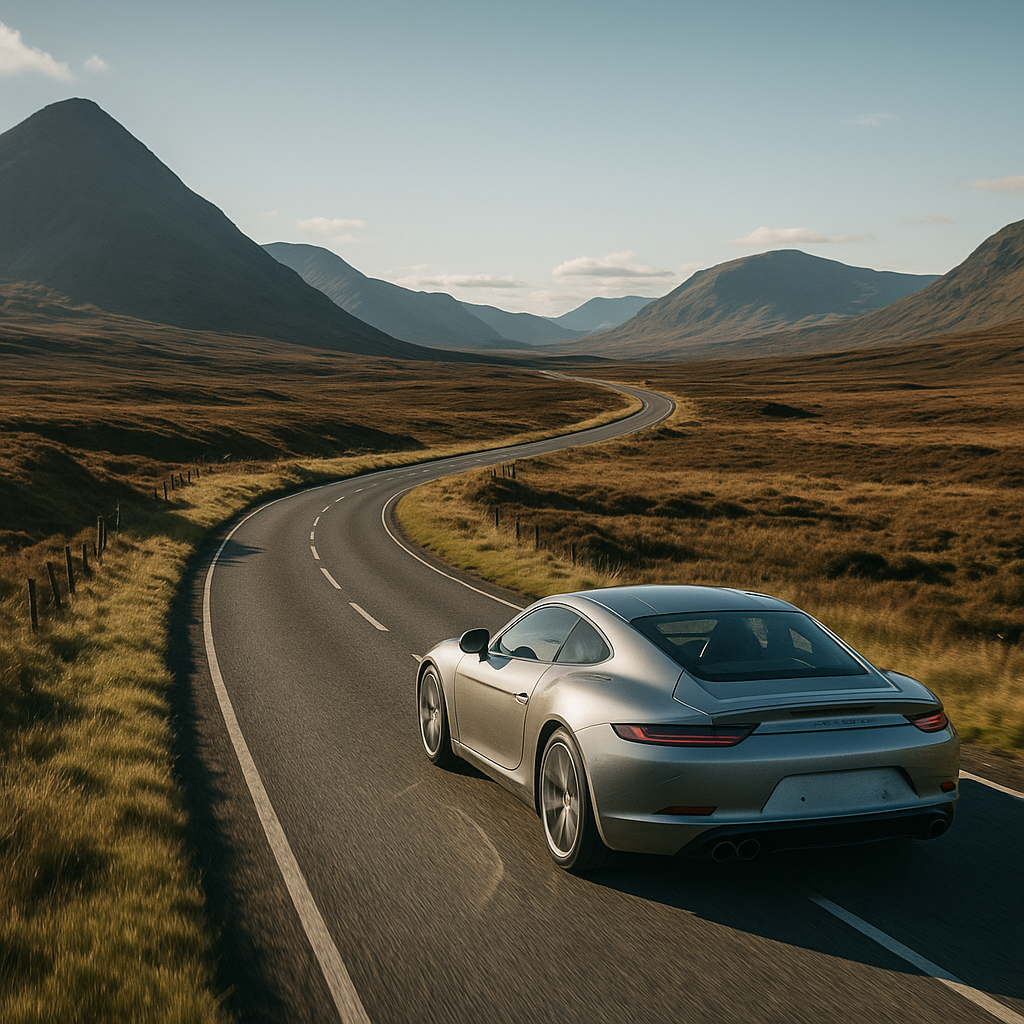
    Sports car on a scenic Highland road representing the best road trip routes for car enthusiasts
    Sports car on a scenic Highland road representing the best road trip routes for car enthusiasts

    The A939 Lecht Road, Scotland

    If you’ve never driven the Lecht in summer, sort that out. The A939 connecting Cockbridge to Tomintoul sits in the Cairngorms and is consistently closed in winter because it’s brutal. In summer, it’s something else entirely. The road climbs through genuinely open moorland with nothing blocking your sightlines, tight crests that compress the front suspension beautifully, and almost zero traffic if you pick your timing right. It tops out at over 600 metres and drops away on the far side with a series of flowing bends that reward a well-sorted chassis. Pair it with the B9008 through Glenlivet on the return leg and you’ve got a proper morning’s driving.

    Snake Pass, Peak District (A57)

    A57 between Glossop and Sheffield. The Snake Pass is divisive, and that’s part of why it belongs on this list. It’s not a smooth, predictable road. The surface changes, there are crests that hide the next bend, and the camber occasionally goes the wrong way at exactly the wrong moment. For drivers who enjoy reading a road rather than just pointing a car down it, that’s the appeal. It’s 10 miles of genuine engagement through the Dark Peak moorland. Best early on a weekday morning before the lorries arrive. Worth noting that the road does close during adverse weather, so check before you go via the National Highways live traffic service beforehand.

    The B4069 through the Cotswold Escarpment

    People sleep on the Cotswolds as a driver’s destination because they associate it with tourists and tractors. Fair enough. But the B4069 from Lyneham up through the escarpment near Charlbury gives you something unexpected: genuine gradient changes, a series of third-gear bends through woodland, and very little in the way of Sunday-afternoon dawdlers if you’re there before nine in the morning. It’s not a technically demanding road, but the flow is there. It rewards a car with decent balance more than outright power.

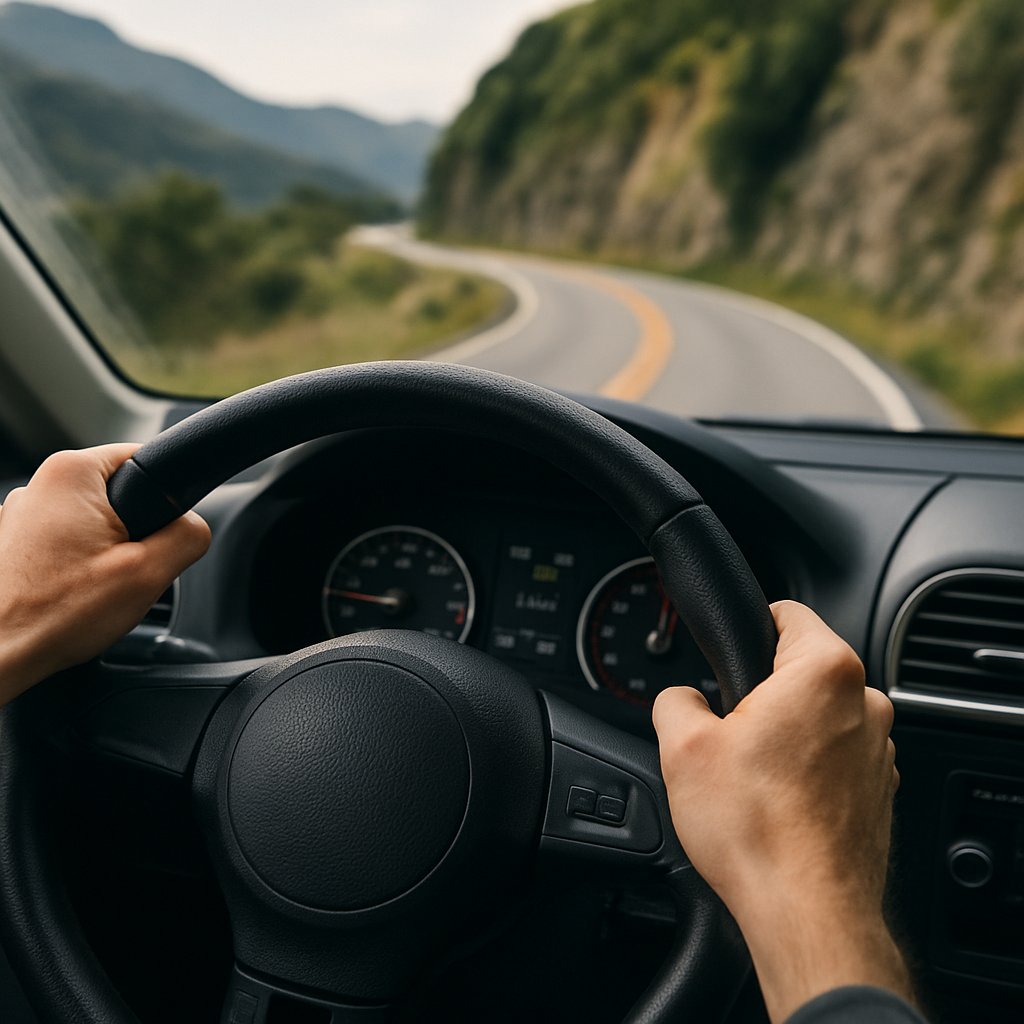
    Driver on a mountain pass road, exploring the best road trip routes for car enthusiasts
    Driver on a mountain pass road, exploring the best road trip routes for car enthusiasts

    The NC500, Northern Scotland

    Yes, everyone mentions it. It’s on the list because it deserves to be. The North Coast 500 is roughly 830 miles of Highland road looping around the north of Scotland from Inverness. Some sections are single-track, others open up into long sweeping coastal runs with the kind of views that make no sense in Britain. The Bealach na Bà near Applecross is the headline act: a proper mountain pass with 20% gradients and hairpin bends that would look at home in the Alps. Give yourself four to five days minimum. Don’t rush it. The roads reward patience, and fuel stations are sparse enough that half-tank anxiety is a real thing up there. Fill up whenever you see a pump.

    The NC500 has become genuinely busy in recent years, particularly in July and August. Go in May or September if you can. The light is better in autumn and the roads are quieter. If you’re planning to take something low, check clearances on single-track passing places. Not everything is smooth tarmac.

    Alps Excursion: The Col de la Bonette, France

    If you’re willing to load the car onto the Eurotunnel and push into the French Alps, the Col de la Bonette near Nice is one of the highest paved roads in Europe at just over 2,800 metres. It’s open roughly June to October depending on snow clearance. The ascent from Jausiers is a long, sustained climb through hairpin after hairpin. The payoff is a road that genuinely tests your car’s cooling, your tyres, and your concentration. Coming back down the northern side towards Saint-Étienne-de-Tinée is the better direction for driving feel. Budget for a full tank of unleaded before you leave the valley. Mountain fuel stations are not guaranteed to be open.

    Vehicle Prep: What Actually Matters Before a Driver’s Road Trip

    Long distance, fast roads, and mountain passes put real stress on cars. Not the sort of stress that shows up on a quick motorway blast, but the kind that exposes soft brake pads, tired tyres, and overworked coolant systems. Before any serious road trip, run through this properly.

    Brakes first. Check pad thickness and disc condition. If you’re heading into any mountain route, even fading brake fluid is a problem. Consider flushing the fluid if it’s older than two years. Tyres second. Check pressures cold and inspect the sidewalls for any cracking or kerb damage. A blowout on a remote Scottish single-track is not where you want to find out your spare is flat. Coolant third, especially for older cars or anything that runs hot. Check the reservoir level and the condition of the hose connections.

    Oil level sounds obvious but gets skipped constantly. Top up before you go. And pack a basic emergency kit: warning triangle, hi-vis vest, jump leads, and a tyre inflator. The RAC and AA both recommend these as standard for European travel, and they’re sensible for remote UK routes too. You can browse performance car parts and prep essentials over at Maxx Directory if you want a starting point for sourcing the right bits before you head out.

    Timing, Fuel, and the Stuff You Learn the Hard Way

    Early starts solve most problems on driver’s roads. Before 8am on any of the routes above, you’re typically dealing with minimal traffic, better light for photography, and cooler ambient temperatures that keep your tyres in a better operating window. Mountain roads particularly reward this. By 11am in summer, you’re queuing behind campervans.

    Fuel planning matters more than most people account for. The NC500 and the Bonette both have significant gaps between reliable fuel stops. Remote Highland stations don’t always take contactless. Carry enough cash to cover at least one fill-up as a contingency. If your car is thirstier than the manufacturer claims (and they always are on driver’s roads), recalculate your range conservatively. Assume 20% worse than claimed economy when you’re actually driving the car properly.

    The best road trip routes for car enthusiasts aren’t necessarily the most famous ones. Sometimes the route you find by unfolding an OS map and spotting an unclassified road through a valley nobody else is looking at turns out to be the best drive of the year. Keep that mentality. The good roads are out there, and most of them aren’t in any guidebook.

    Frequently Asked Questions

    What are the best road trip routes for car enthusiasts in the UK?

    The NC500 in Scotland, the Snake Pass in the Peak District, and the A939 Lecht Road in the Cairngorms are consistently rated among the best driver’s roads in the UK. Each offers a different character, from open moorland runs to technical mountain passes.

    How should I prepare my car for a long road trip on mountain roads?

    Prioritise brakes, tyres, coolant, and oil before any serious road trip. Brake fluid should be flushed if it’s over two years old, and tyre sidewalls should be inspected for damage. Carry a basic emergency kit including a warning triangle, hi-vis vest, and a tyre inflator.

    When is the best time to drive the NC500 in Scotland?

    May and September offer the best balance of quieter roads and reasonable weather. July and August are the busiest months, particularly for campervans and caravans. Autumn light also gives better photography conditions on the Highland coastal sections.

    Is the Col de la Bonette accessible from the UK by car?

    Yes. Take the Eurotunnel from Folkestone to Calais, then drive south through France. The route from Calais to the Col de la Bonette is around 1,200 kilometres. The pass is typically open between June and October depending on snow clearance.

    What should I carry for fuel on remote driver's road trips?

    Plan your fill-ups carefully and assume your fuel economy will be 15 to 20 percent worse than the manufacturer’s quoted figure when driving enthusiastically. Carry cash as some remote stations in the Scottish Highlands do not accept contactless payment.