Author: Simon McWilkins

  • Common Mistakes to Avoid When Upgrading Your Car Audio in Sheffield

    Common Mistakes to Avoid When Upgrading Your Car Audio in Sheffield

    Upgrading your car audio system is one of the most effective ways to transform your driving experience. Whether you want deeper bass, clearer vocals, or seamless smartphone integration, a well-executed upgrade can make a significant difference. However, many Sheffield drivers make costly mistakes that lead to poor sound quality, wasted budget, or even damage to their vehicle.

    With over 10 years of hands-on experience, Source Sounds has seen these issues first-hand. This guide breaks down the most common mistakes—and how to avoid them—so you get the best possible results from your car audio upgrade.

    1. Choosing Price Over Performance

    One of the biggest mistakes is opting for the cheapest components available. While budget matters, low-quality speakers, amplifiers, or subwoofers often result in weak sound performance and shorter lifespan.

    Cheap systems typically:

    • Distort at higher volumes
    • Lack bass depth and clarity
    • Fail prematurely

    What to do instead:
    Focus on value, not just price. Work with car audio experts who can recommend systems suited to your vehicle, listening preferences, and budget.

    2. Ignoring Professional Installation

    Many people assume that car audio installation is a simple plug-and-play job. In reality, modern vehicles have complex electrical systems, integrated infotainment, and delicate trim components.

    DIY or inexperienced installation can lead to:

    • Wiring issues
    • Rattling panels
    • Electrical faults
    • Poor sound tuning

    What to do instead:
    Always choose professional car audio installation. Experienced installers ensure correct wiring, proper mounting, and optimal system calibration.

    3. Upgrading Components in Isolation

    A common misconception is that upgrading just one component—like speakers—will dramatically improve sound. While it helps, it rarely delivers a balanced result.

    For example:

    • New speakers without an amplifier may underperform
    • Adding a subwoofer without sound tuning can overpower mids and highs

    What to do instead:
    Take a system-wide approach. A complete car audio upgradation plan ensures all components work together harmoniously.

    For a deeper understanding of how a full system upgrade works, see this detailed guide on upgrading your audio system.

    4. Overlooking Sound Deadening

    Even high-end audio systems can sound disappointing if your car isn’t properly insulated. Road noise, vibrations, and panel resonance can significantly reduce sound quality.

    Without sound deadening, you may experience:

    • Vibrations in doors and panels
    • Reduced bass performance
    • External noise interference

    What to do instead:
    Invest in soundproofing and acoustic treatment. This is often the difference between an average system and a premium listening experience.

    5. Not Matching the System to Your Car

    Every vehicle has different acoustics, space constraints, and factory configurations. A setup that works perfectly in one car may not perform well in another.

    This is especially important for premium vehicles like BMW, where factory systems are highly integrated.

    What to do instead:
    Choose solutions tailored to your vehicle. For example, if you own a BMW, explore specialist BMW audio upgrades designed specifically for your model

    6. Chasing Loudness Instead of Sound Quality

    Many drivers assume louder equals better. In reality, excessive volume without clarity leads to distortion and listening fatigue.

    Signs of poor tuning include:

    • Harsh highs
    • Muddy bass
    • Lack of detail in vocals

    What to do instead:
    Prioritise sound quality, balance, and tuning. Professional car audio experts use advanced tuning techniques to deliver clarity at all volume levels.

    7. Skipping System Tuning

    Even high-end components won’t perform well without proper tuning. Equalisation (EQ), crossover settings, and time alignment play a critical role in sound performance.

    Without tuning:

    • Sound may feel unbalanced
    • Instruments may not be well separated
    • Bass may overpower other frequencies

    What to do instead:
    Ensure your installer provides full system tuning as part of the service. This is where professional expertise truly makes a difference.

    8. Not Planning for Future Upgrades

    Some upgrades are done without considering future expansion, which can limit your options later.

    For example:

    • Installing a basic head unit that doesn’t support amplifiers
    • Choosing components that aren’t compatible with upgrades

    What to do instead:
    Plan ahead. A scalable system allows you to upgrade in stages without replacing everything.

    9. Ignoring Brand Expertise

    Different brands and vehicles require different approaches. Specialists with experience in specific makes can deliver far better results than general installers.

    What to do instead:
    Choose a provider with proven expertise. Source Sounds, with over a decade of experience, understands the nuances of different vehicles and delivers tailored solutions.

    10. Not Considering Real-World Usage

    Your audio setup should match how you actually use your car.

    Ask yourself:

    • Do you commute daily?
    • Do you prefer bass-heavy music or clarity?
    • Do you need seamless smartphone integration?

    What to do instead:
    Work with car audio experts who design systems around your lifestyle—not just specifications.

    Why Choosing the Right Car Audio Expert Matters

    A successful upgrade isn’t just about equipment—it’s about expertise, installation quality, and system design.

    An experienced provider will:

    • Recommend the right components
    • Ensure professional installation
    • Fine-tune the system for optimal performance
    • Provide ongoing support

    This is where working with a specialist like Source Sounds makes a measurable difference.

    Conclusion

    Upgrading your car audio system in Sheffield can be a game-changer—but only if done correctly. Avoiding these common mistakes ensures you get the performance, reliability, and value you expect.

    From choosing the right components to ensuring expert installation and tuning, every step matters. Investing in professional car audio installation and working with trusted car audio experts will ultimately save you time, money, and frustration.

    Frequently Asked Questions (FAQs)

    How much does a car audio upgrade cost in Sheffield?

    Costs vary depending on the components and complexity. Basic upgrades may start from a few hundred pounds, while premium systems can run into the thousands.

    Is professional car audio installation worth it?

    Yes. Professional installation ensures safety, better sound quality, and long-term reliability.

    Can I upgrade my car audio system in stages?

    Absolutely. A well-planned system allows gradual upgrades without replacing everything at once.

    How long does a car audio installation take?

    It depends on the system. Simple upgrades may take a few hours, while full installations can take a day or more.

    Do car audio upgrades affect vehicle warranty?

    When installed professionally using the correct methods, upgrades typically do not affect your warranty. Always check with your installer.

  • Soft Shell Hyperbaric Oxygen Chamber UK: Complete Buyer’s Guide

    Soft Shell Hyperbaric Oxygen Chamber UK: Complete Buyer’s Guide

    A few years ago, if you searched for a “hyperbaric oxygen chamber near me,” you’d likely end up at a hospital or specialised clinic. Today, things look very different.

    Across the UK—especially in areas like Mansfield—more individuals are exploring home-based wellness solutions, and one name that keeps coming up is the soft shell hyperbaric oxygen chamber.

    From athletes recovering faster to individuals managing chronic fatigue or long COVID symptoms, hyperbaric oxygen therapy (HBOT) is no longer limited to medical facilities. It’s becoming a practical, at-home solution.

    But is it worth investing in one? Let’s break it down.

    What Is a Soft Shell Hyperbaric Oxygen Chamber?

    A soft shell hyperbaric oxygen chamber is a portable, inflatable chamber designed to deliver increased oxygen levels at mild pressure.

    Unlike hospital-grade hard chambers, soft shell units:

    • Operate at lower pressure (typically 1.3–1.5 ATA)
    • Are designed for home use
    • Are more affordable and user-friendly

    Inside the chamber, you breathe oxygen-rich air, which helps your body absorb more oxygen into the bloodstream—supporting cellular repair, recovery, and overall wellness.

    How Hyperbaric Oxygen Therapy Works (In Simple Terms)

    Imagine your body as a city, and oxygen as the delivery system. When oxygen supply increases, everything runs more efficiently.

    Hyperbaric oxygen therapy works by:

    • Increasing oxygen concentration in blood plasma
    • Enhancing tissue repair and regeneration
    • Reducing inflammation
    • Supporting immune response

    This is why HBOT is widely discussed for:

    • Injury recovery
    • Chronic fatigue
    • Post-viral symptoms
    • Skin rejuvenation

    Why Soft Shell Chambers Are Trending in the UK

    The demand for hyperbaric oxygen chambers in the UK has grown rapidly—and for good reason.

    1. Convenience at Home

    No need to search “hyperbaric oxygen chamber near me” or travel to clinics multiple times a week.

    2. Cost Efficiency

    While clinic sessions can cost £50–£150 per visit, owning a chamber becomes cost-effective over time.

    3. Wellness & Biohacking Trend

    From longevity seekers to high-performance individuals, HBOT is now part of modern wellness routines.

    4. Post-COVID Recovery Interest

    Many users are exploring HBOT as supportive therapy for fatigue and recovery.

    Who Should Consider a Hyperbaric Oxygen Chamber?

    A soft shell hyperbaric oxygen chamber may be suitable if you:

    • Want faster recovery from workouts or injuries
    • Experience low energy or fatigue
    • Are exploring anti-ageing or skin health solutions
    • Need a convenient home-based therapy option
    • Prefer long-term wellness investment over recurring clinic visits

    However, it’s always recommended to consult a healthcare professional before starting hyperbaric oxygen therapy, especially for medical conditions.

    Soft Shell vs Hard Shell: What’s the Difference?

    Understanding the difference is crucial before buying.

    Soft Shell Chambers

    • Lower pressure (mild HBOT)
    • Portable and foldable
    • Ideal for home users
    • Lower cost

    Hard Shell Chambers

    • Higher pressure (medical-grade)
    • Fixed installation
    • Used in hospitals
    • Expensive and requires supervision

    👉 For most UK buyers, especially those searching for a “hyperbaric oxygen chamber near me”, soft shell options provide the best balance of accessibility, affordability, and effectiveness.

    Key Features to Look for Before Buying

    When choosing a hyperbaric oxygen chamber, don’t just look at price. Focus on quality and usability.

    1. Pressure Level

    Look for chambers offering 1.3–1.5 ATA, ideal for safe home use.

    2. Oxygen Delivery System

    Check if it includes or supports an oxygen concentrator.

    3. Build Quality & Safety

    Durable materials, strong zippers, and pressure valves are essential.

    4. Size & Comfort

    Ensure enough space to lie comfortably during sessions.

    5. Brand Reputation

    Choose a trusted UK supplier with after-sales support.

    Real-World Experience: What Users Say

    Many first-time users are sceptical—until they try it.

    A typical experience looks like this:

    “Initially, I searched for a hyperbaric oxygen chamber near me, but regular clinic visits weren’t practical. After investing in a soft shell chamber, I noticed improved sleep, better recovery, and overall energy within weeks.”

    While results vary, consistency is key. Most users report noticeable benefits after 15–30 sessions.

    Is It Safe to Use at Home?

    Safety is one of the most common concerns around hyperbaric oxygen therapy.

    Soft shell chambers are generally considered safe when:

    • Used as per manufacturer guidelines
    • Operated within recommended pressure levels
    • Not used with contraindicated medical conditions

    Always follow proper usage instructions and consult a professional if unsure.

    Cost of a Hyperbaric Oxygen Chamber in the UK

    A quality soft shell hyperbaric oxygen chamber in the UK typically ranges from:

    • £4,000 to £10,000+ depending on features and brand

    While this may seem high initially, compare it with clinic sessions:

    • £100/session × 50 sessions = £5,000

    👉 Ownership often becomes more economical within a year.

    Final Thoughts: Is It Worth It?

    Investing in a hyperbaric oxygen chamber is not a small decision—and it shouldn’t be rushed.

    While many people begin their journey by searching for a “hyperbaric oxygen chamber near me,” they quickly realise that frequent clinic visits can be expensive, time-consuming, and inconsistent.

    That’s where a smarter approach comes in.

    With HealthPod, the focus isn’t just on selling a product—it’s about helping you make the right decision for your needs.

    👉 If you’re confident and ready for long-term use, owning a chamber can be a valuable investment in your health and recovery.

    👉 But if you’re still exploring whether hyperbaric oxygen therapy is right for you, HealthPod’s 3-month rental option gives you a low-risk, cost-effective way to experience the benefits at home.

    This flexibility means you don’t have to commit upfront—you can test, experience, and decide with confidence.

    In a growing market where more people are turning to HBOT for wellness, recovery, and performance, the real advantage isn’t just access—it’s making an informed choice.

    And that’s exactly what HealthPod is designed to support.

    FAQs

    What does a hyperbaric oxygen chamber do?

    A: A hyperbaric oxygen chamber increases oxygen levels in the body, helping improve healing, reduce inflammation, and support recovery.

    Is hyperbaric oxygen therapy safe at home?

    Yes, hyperbaric oxygen therapy using soft shell chambers is generally safe when used correctly and within recommended pressure limits.

    How often should you use a hyperbaric oxygen chamber?

    Most users start with 3–5 sessions per week, depending on their goals and health condition.

    Can I buy a hyperbaric oxygen chamber in the UK?

    Yes, there are several UK suppliers offering soft shell chambers suitable for home use.

    Is it better to buy or search for a hyperbaric oxygen chamber near me?

    If you require frequent sessions, buying is often more cost-effective than repeatedly searching for a “hyperbaric oxygen chamber near me” and visiting clinics.

  • Still Worth Importing: JDM Heroes That Make Sense In The UK

    Still Worth Importing: JDM Heroes That Make Sense In The UK

    If you have been doomscrolling auction sheets and crying at R34 prices, you are not alone. But even with the market going turbo, there are still some of the best JDM cars to import to the UK that actually make sense if you play it smart. You just need to stop chasing Instagram clout and start hunting the stuff the flippers are sleeping on.

    What makes a JDM import actually worth it?

    Before we start naming chassis codes like Pokémon, it is worth laying out what makes a car a sensible import rather than a financial jump scare. For UK buyers, four things matter: total on-the-road cost, parts support, insurance reality and how well the thing survives our salt-riddled winters.

    Total cost is not just hammer price. You have auction fees, agent fees, shipping, duty, VAT, registration and usually an IVA or MOT prep. As a rough rule, take the auction price in yen, convert it, then add 35 to 45 percent and you are somewhere near a realistic key-in-hand number. Anything with GTR, Type R or Turbo plastered on it tends to sit at the top of that range.

    The best JDM cars to import to the UK that are still underrated

    The big names are gone. What is left are the cars that were either too normal or too new for the hype kids to care about – which is exactly where the value is if you want to actually drive the thing.

    1. Toyota Mark X (GRX120/130)

    If you want a budget four-door hero, the Mark X is the move. Think of it as the spiritual successor to the Chaser, just without the TikTok tax. The 2.5 and 3.0 V6s are strong, smooth and respond well to breathing mods. On-the-road, a clean 2.5 can land in your driveway for less than a ropey UK E90 3 Series.

    Parts are not scary either. Loads of service bits cross over with UK Toyotas, and the aftermarket for coilovers, arms and exhausts is decent. Rust is miles better than old 90s Toyotas, though you still want to check rear arches and sills. Insurance companies see them as weird saloons rather than drift missiles, so premiums are usually chill compared with anything wearing a Skyline badge.

    2. Honda Odyssey and Elysion

    MPV life might not sound sexy, but the JDM people carriers are where the clever money is. The Odyssey and Elysion give you K-series or V6 power, proper auto boxes and low centres of gravity, so they actually drive properly. Import costs are sensible because they are not scene darlings, and you get a ton of spec for the money – leather, dual sunroofs, sliding doors, the lot.

    Parts are easy: Honda UK stock plenty of compatible bits, and there is a big breaker scene for JDM Hondas. Rust is usually limited to underbody and subframes rather than full-on rot boxes, and most have lived soft lives in Japan. Insurance wise, they are family wagons, so quotes are usually friendlier than hot hatches with half the practicality.

    3. Subaru Legacy and Exiga turbo models

    Everyone piled into JDM Imprezas and forgot the grown up Subarus. The Legacy and Exiga wagons give you turbo boxer noise, AWD and a proper driving position without boy racer heat. Import prices are still realistic, especially for autos, and you get a lot of car for the money.

    The UK already has a decent Subaru nerd base, so parts and knowledge are no drama. Just budget for preventative maintenance: timing belts, head gaskets and fluids if you want them to live. Rust is the weak spot – rear subframes and arches are the first to go – but if you start with a clean Japanese shell and get it undersealed properly here, you are laughing.

    4. Nissan Stagea and Presage oddballs

    If you miss the days of cheap Skylines, the Stagea is the closest you will get without selling a kidney. Some share running gear with R33 and R34s, which means tuning parts and knowledge are everywhere. The scene is niche but passionate, and that keeps values sensible compared with the coupes.

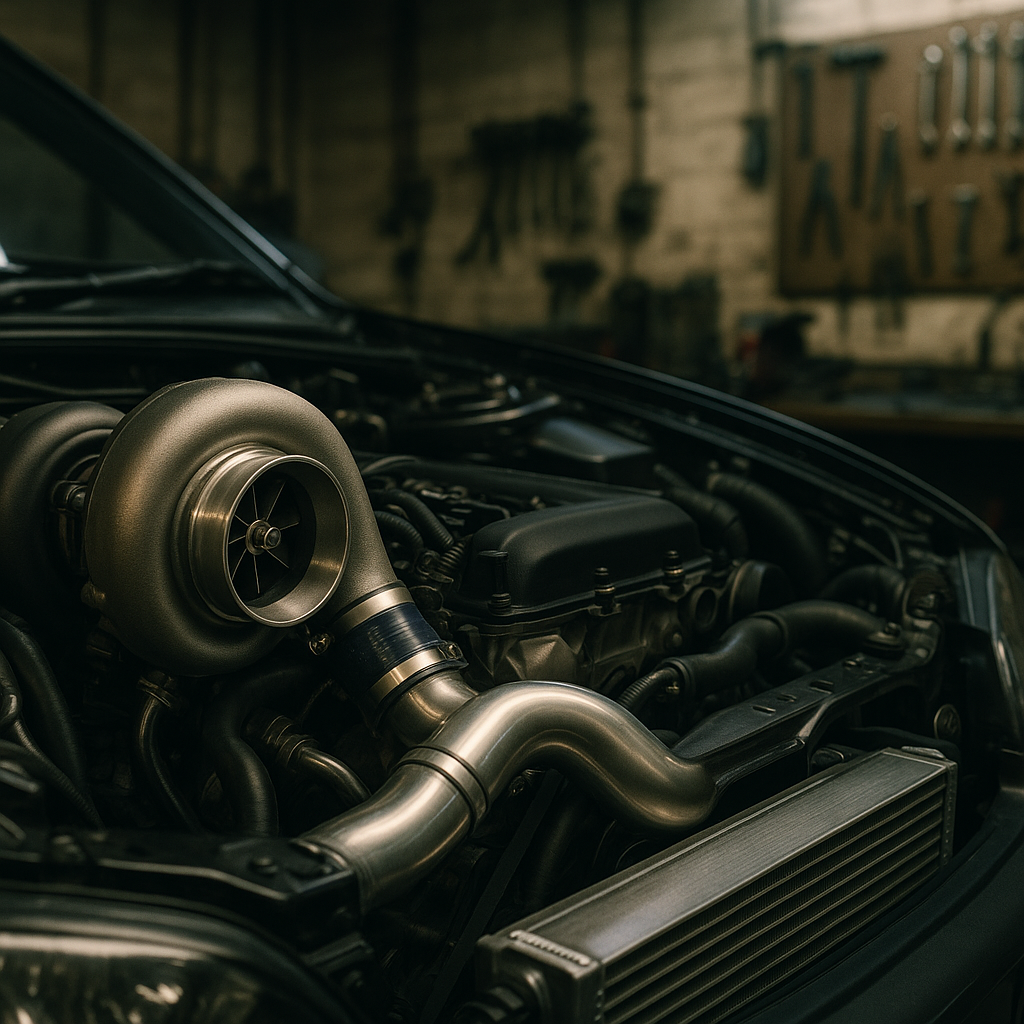
    Toyota Mark X and Subaru Legacy wagon representing some of the best JDM cars to import to the UK
    Honda Odyssey people carrier parked on a UK street as one of the best JDM cars to import to the UK

    Best JDM cars to import to the UK FAQs

    Are the best JDM cars to import to the UK still cheaper than UK equivalents?

    In a lot of cases, yes. While the headline auction prices have climbed, many JDM saloons, MPVs and wagons still land cheaper and better specced than an equivalent UK car. Once you factor in import fees, registration and prep, you often end up with a newer, lower mileage car with more toys for similar money to a tired UK model. The key is to avoid the overhyped nameplates and focus on solid, slightly boring platforms that enthusiasts have not pushed into the spotlight yet.

    How bad is rust on JDM imports once they are in the UK?

    Most JDM cars start off much cleaner than UK cars because Japan does not salt the roads in the same way. The problem begins once they hit our climate. If you buy one of the best JDM cars to import to the UK and then skip undersealing and cavity waxing, it will rot like anything else. A proper clean, underbody inspection and quality rust protection within the first few weeks of landing is essential if you want to keep the shell mint long term.

    Is it hard to insure the best JDM cars to import to the UK?

    It depends what you buy and how old you are. Big name performance models can be painful, especially for younger drivers, but more sensible saloons, estates and MPVs are often surprisingly affordable to insure. Specialist brokers who understand imports are usually a better bet than mainstream comparison sites. Be honest about modifications, mileage and usage, and get quotes before you commit to a specific model so you are not blindsided once the car lands.