Author: Olly

  • Electric Lincoln arriving in 2022 with three more EVs on the way, electrified lineup by 2030

    Lincoln’s the last luxury brand standing in Ford’s orbit, and the Blue Oval has a roadmap for the historic brand.

    On Wednesday the future of Lincoln was laid out with four new electric vehicles on the way, a lineup of electrified choices by 2030, a hands-free driver assistance system, Lincoln boutiques, charging network agreements, and a focus on China. Here’s where Lincoln’s going.

    Ford uni-body EV platform for mid-decade

    Ford uni-body EV platform for mid-decade

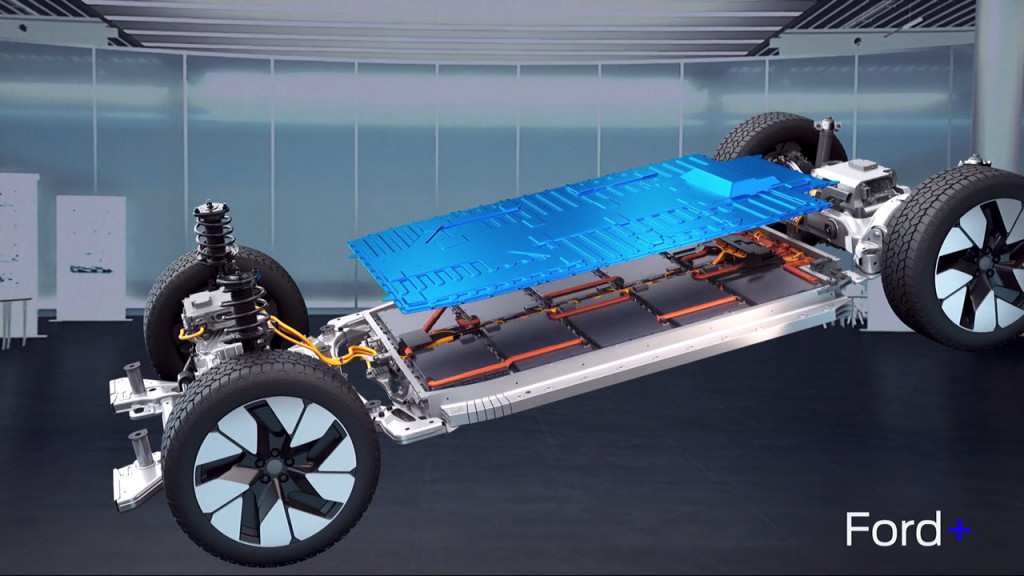
    In 2022 the first electric Lincoln will arrive, the first of four new vehicles, and it will ride on a new flexible electric vehicle architecture. One of two new dedicated EV platforms being developed by Ford. The first electric vehicles will be based on the automaker’s current anchor products with derivatives to come. Ford said an electric Ford Explorer is on the way during the automaker’s Capital Markets day in May, and used an Aviator as an example of another potential EV. The two new EV platforms being developed by Ford are capable of underpinning smaller crossover SUVs and full-size body-on-frame trucks, all part of the automaker’s more than $30 billion investment into electrification by 2025.

    Despite the new four electric vehicles, plug-in hybrids are an important step in the transition to electric vehicles, according to Lincoln. The automaker plans to electrify its entire lineup by 2030—meaning plenty of hybrids and plug-in hybrids—and predicts half its global vehicle sales will be electric in about five years.

    Lincoln’s partnered with Electrify America, along with other charging networks, to create the Lincoln Charging Network. A plug-and-play experience for owners similar to what Ford’s set up for the Mustang Mach-E, though it will be managed via the Lincoln Way smartphone app.

    Lincoln Nautilus_Alexa Built-In via Lincoln Enhance

    Lincoln Nautilus_Alexa Built-In via Lincoln Enhance

    Future Lincolns will be connected cars with always-on technology based on a new electrical architecture and cloud-based computing with a tech stack based on Google’s Android operating system. Over-the-air updates will enable new features and functional upgrades. A version of Ford’s BlueCruise Level 2 hands-free driver assistance system will be rebranded Lincoln Active Glide and available on future models. Hands-free Alexa will arrive on Lincoln models this fall.

    Lincoln Zephyr Reflection concept

    Lincoln Zephyr Reflection concept

    Lincoln Sketch_Interior Space

    Lincoln Sketch_Interior Space

    Lincoln Sketch_Interior Sanctuary

    Lincoln Sketch_Interior Sanctuary

    While the Lincoln Zephyr Reflection concept shown in April at the Shanghai auto show won’t be coming to the U.S. it gives an indicator of the automaker’s future design direction, global design director Kemal Curic said. Minimalist body panels, lighting element across the entire front end connecting the headlights, and large glass roofs to allow natural light into the cabin will potentially define future Lincolns. Inside, future models will feature coast-to-coast screens that will include various themes to reflect the driver’s mood.

    Lincoln is looking to offer personalized services and benefits for its customers. It’s testing mobile and vehicle detailing and or cleaning via a subscription service in Houston, Texas, and might expand or scale the test beyond the Lone Star state.

    Lincoln boutiques and dealerships

    Lincoln boutiques and dealerships

    One of three Lincoln sales take place remotely via the automaker’s remote sales platform. It will double down on this and build out a start-to-finish experience on Lincoln.com, including financing, trade-in, accessories, and fees. Executives told Motor Authority this is not a direct-sales approach and will still go through local dealerships.

    Lincoln boutiques and dealerships

    Lincoln boutiques and dealerships

    Lincoln boutiques and dealerships

    Lincoln boutiques and dealerships

    Lincoln boutiques and dealerships

    Lincoln boutiques and dealerships

    To reach new and existing customers in new ways, boutiques called Vitrines are being created in locations outside of traditional dealerships. These boutiques will be placed in high-end retail and dining locations and there designs are inspired by glass display cases. Customers can stop in to view vehicles in a lifestyle retail-free environment.

    Source

  • MODIFIED EVO V: THE EMPEROR’S NEW CLOTHES

    As a member of exclusive Lancer owners’ club, Team Emperor Motorsports, Rowie Landicho has dressed his imported modified Evo V in the most exclusive of Japanese parts, creating a JDM machine that reigns supreme.

    Fast Car magazine. Words: Dan Bevis. Photos: Renz Dimaandal

    When it comes to finding inspiration for your project build, there are few better places to look than motorsport. Whether it’s the lurid team liveries or the functional lap-time reducing aero parts, there’s always going to be something you can take from a race car and apply to your own modified ride, albeit often with a watered-down twist. The other great thing about aping a thoroughbred racer is the sheer diversity of classes, series and machines that you can draw from. Right from the Formula 1 elite to grassroots drifters, there’s just something endlessly cool about racing cars. One man who is no stranger to the allure of circuit-shredding-chic is Los Angeles-based JDM fanatic Rowie Landicho.

    “For me, it’s always been the Super GT series in Japan that has got my juices flowing,” grins the 28-year-old sales and marketing specialist. “The cars are all based on models you can buy for the street, including JDM legends such as R35 Nissan GT-Rs, Honda NSXs and Toyota Supras, but there’s also true supercar exotica like McLaren F1s, Lamborghini Murcielagos and Ferrari 458 Italias, but with much more extreme engine tuning and wild aero packages.”

    Modified Evo V

    And it was by fusing his love of Mitsubishi’s mega-saloon and the unhinged downforce generating bodylines of his favourite Super GT contenders that resulted in his latest eye-popping Lancer build – the wide-arched fifth generation Evo on these pages.

    “As a loyal member of the Cali-based Lancer owners’ club Team Emperor Motorsports, I’ve had Evos for a while now, my first being a tenth generation model that I modified extensively with rare Japanese parts,” Rowie explains. “That car was displayed at SEMA and also won the coveted ‘Judges Choice’ award at the Mitsubishi Owners Day event in 2015. It was a cool car, but eventually I decided to move on and start another project.”

    Being a diehard Lancer nut, Rowie knew his next steed would come with the iconic Evolution badge, but his initial thought was to step back a couple of models and go for either an eighth or ninth generation car, but then an opportunity arose that he simply couldn’t refuse…

    “Back in November 2017 I had the chance to acquire an Evo V,” he recalls with a grin. “I say acquired, because I didn’t actually pay for it – I did a trade with the owner for a bunch of rare ARC Evo X tuning parts and a host of uprated suspension mods that I removed from my old build. He had recently purchased a Final Edition Evo X and just didn’t have the time to work on the V as well, so he was keen to do the deal.”

    As you can imagine, for the price of a few parts, the Evo that Rowie ended up with was a far cry from the immaculate street and circuit slayer that it is today.

    Modified Evo V

    “It had been sitting in a garage gathering dust and cobwebs for around five years,” he laughs. “In fact, when I first saw the car, it was under a tonne of random garage junk. Let’s just say it wasn’t exactly a cherished collectable, that’s for sure! But even so, I immediately saw potential in it, so had to snap it up.”

    As a Japanese import, the Evo is right hand drive, which for a JDM fan in the US is popular option as it retains the authenticity of the original car as it came from the motherland. However, it does pose a challenge to drive on the street, as the USA is a left hand drive country, so you are effectively driving on the wrong side of the car, although the kudos gained in hardcore JDM circles is often a worthy trade-off. But before Rowie could experience any of the thrills from behind the wheel, he had some serious work to do.

    Having not run for more than half a decade, the Mitsubishi had a host of electrical gremlins that needed sorting before Rowie could begin the car’s transformation, so he took the ailing Evo to tuning specialist KT Motoring to diagnose the problems and get the engine firing on all cylinders.

    Modified Evo V

    “Once the 4G63 was up and running again it was delivered to Dennis at Denz Mechanical to go full steam ahead with the restoration of the corroded bodywork,” says Rowie. “We started by dropping the now healthy motor and painting the refreshed engine bay in OE Mitsubishi Medium Grey, which was a colour that would later feature throughout the interior and rollcage.”

    The ‘cage itself is a Cusco 13-point item with custom Enticed Motorsports pillar gussets and gorgeous Chasing J’s titanium door bars. Combined with the flocked dash, Beatrush rear seat delete and carbon parcel shelf it really adds an authentic motorsport feel to the cabin. The other items that channel the Evo’s inner racecar are the uber rare Ralliart Recaro RS-G bucket seats.

    “I’m a sucker for rare and discontinued parts,” laughs Rowie. “My favourite mod is the seats, which I believe is the only set in the US. In fact, if I ever decide to sell the car, I’d definitely remove them and save them for my next Mitsubishi project.”

    And while the seats may be the pinnacle of the Evo’s rare parts list, they are by no means the only ones, and are merely the tip of the JDM iceberg…

    “I’ve always prided myself on using only the best JDM parts and, throughout the build, I was able to source some of the rarest parts available for the CP9A chassis, such as an ARC titanium strut bar, ARC intake box, ARC oil cap, ARC spark plug cover, ARC heat shield, ARC front-mount intercooler and titanium cat-back exhaust and an ARC shift knob,” Rowie highlights, pointing out the jewels in the Evo’s crown.

    Modified Evo V

    But aside from the copious amounts of hard to come by under-bonnet bling, the thing that makes Rowie’s modified Evo V stand out so effectively is the body kit.

    “Since I first got the car, I’d always planned to fit it with the Varis ASSO wide body kit,” Rowie remembers. “It’s by far the most aggressive kit available for the V and has similar styling to the Super GT racecars.”

    The kit is a limited production item and was sourced as a special order from Japan by Jonny Grunwald at TCP Magic USA and was an essential ingredient in ensuring the Evo was accepted to be part of the exclusive 2019 Toyo Treadpass arena at the 2019 SEMA show.

    “Getting accepted to display at SEMA was a real honour, but meant we now had a tight deadline to work to in order to get the car finished and ready of the show,” Rowie says. “So while Dennis got busy with fitting the kit and painting the exterior in OE Lexus Super White, I began installing the ever-growing pile of bolt-on mods that was slowly stacking up in the corner of the workshop.”

    Modified Evo V

    As well as the host of rare ARC parts, the engine got a thorough working over with an uprated CTR-X650 Comp turbo, HKS camshafts and cam gears, a set of ID1000 fuel injectors fed by a Walbro fuel pump and a remap for potent E85 fuel. The result is a conservative but super responsive 380bhp and 360lb ft of torque.

    To tame this beefier powerplant Rowie wisely opted for a Project Mu big brake kit at the front and uprated Project Mu discs and pads at the rear. Working alongside a set of similarly branded braided hoses they ensure the Evo has ample stopping power for either road or track – something that Rowie is keen to experience in the near future.

    “Many of the cars built for SEMA end up being pampered show ponies,” Rowie laughs. “And it would be very easy to follow suit and wrap the Evo in cotton wool now it’s complete, but I’ve built it with driving in mind and I’m itching to try it out on the track.”

    Which is why he has forgone the usual show car route of airbags for a more traditional track set-up for the suspension including Fortune Auto 500 Series coilovers, Whiteline anti-roll bars and polyurethane bushes.

    “The suspension set up, combined with the functional aero of the bodykit and the huge Voltex wing, should make the Evo a real weapon on track,” Rowie beams. “It’s been a privilege to have another car on show at SEMA, but for me cars are meant to be driven, so that’s exactly what I plan to do.” And who could blame him? If we had an awesome track-tuned Evo, dressed in the finest parts that the Far East has to offer, we’d be doing the same.

    Modified Evo V

    Tech Spec: Modified Evo V

    Engine:

    2.0-litre, 4-cyl, 16v 4G63, Comp Turbo CTR-X650, HKS camshafts and adjustable cam gears, KT motoring E85 tune, custom test pipe, ARC Titanium cat-back exhaust, ARC intake box, ARC front-mount intercooler, ARC blow-off valve, ARC oil cap, ARC spark plug cover, ARC radiator shroud, ARC heat shield, Garage HRS clear cam gear cover, HPS couplers and clamps, Koyorad radiator, custom candy red valve cover

    Performance:

    380bhp and 360lb ft torque

    Suspension:

    Fortune Auto 500 series coilovers, Whiteline anti-roll bars and drop links, Whiteline bushing Kit, Whiteline rear control arms, ARC Titanium front strut brace, Mine’s rear strut brace

    Brakes:

    Project Mu 4-pot forged calipers with Project Mu slotted 355x32mm discs (front), Project Mu Club Racer discs (rear), Project Mu Club Racer pads and Project Mu brake lines

    Wheels & tyres:

    10.5x18in Volk Racing CE28 Club Racer II Black Edition wheels with 295/30/18 Toyo Proxes R888R tyres, Rays centre caps

    Exterior:

    Lexus Super White paint, Varis ASSO wide body kit – front bumper, front splitter, front canards, front arches, vents, rear quarter panels; carbon-fibre bonnet, carbon-fibre boot, carbon-fibre rear spats, Voltex Type 4 1600mm wing with custom wing stands, Titanium body kit hardware, Depo headlights wrapped in yellow film, Ganador Super Mirrors, APR carbon-fibre side splitters

    Interior:

    Mitsubishi OEM medium grey painted interior to match the engine bay, Cusco rollcage with custom Enticed Motorsports pillar gussets and custom Chasing J’s titanium door bars, Ralliart Recaro RS-G bucket seats, custom flocked dash and door panels, custom gauge pod with Defi boost, oil temp, oil pressure, fuel pressure gauges, Beatrush floor bar, dead pedal, map box and partition panel, custom carbon-fibre deck lid, Willans harnesses, ARC columnar shift knob, Pioneer head unit and speakers, Works Bell hub and quick-release adapter, Works Bell leather 330mm steering wheel, Chasing J’s titanium steering wheel hardware, custom red anodized steering wheel hanger, custom carbon-fibre floor plates

    Source

  • FORD FOCUS RS MK1 BUYING GUIDE

    Hailed as an instant classic, the original Ford Focus RS Mk1 is now one of the more-affordable Rallye Sport Fords. Here’s our buyer’s guide to help you find a good one. 

    Words: Christian Tilbury. Photos: Matt Woods

    Six years after impending legislation and dwindling demand killed off the Escort RS Cosworth and banished the Rallye Sport brand to fast Ford history, Ford breathed new life into its legendary performance division with the 2002 launch of the Ford Focus RS Mk1.

    ‘RS is back’ shouted the advertising campaign and it wasn’t just marketing spiel either. Granted, the new Focus didn’t have the all-wheel drive or the power of its immediate predecessor, but Ford ensured it delivered on the promise of the haloed RS tag.

    The all-important performance was provided by a turbocharged, 1998cc, Duratec-badged engine, although, truth be told, it was actually a development of the Zetec. That said, it was no simple rebadging exercise as the Zetec was heavily reworked with the likes of forged pistons and conrods plus a host of detail changes, such as a WRC-style oil pump and injectors, to help it cope with the rise in power generated by the addition of a water-cooled Garrett GT2560LS turbocharger. An air-to-water intercooler and a lowered compression ratio of 8:1 helped keep it all together when the turbo started boosting towards the RS’s maximum 212 bhp. Ford turned to another proven component for the transmission, rolling out the MTX75 five-speeder. As with the engine, it was given a significant makeover, which included bespoke ratios, a Quaife automatic-torque-biasing differential and a short throw shifter. There was also a heavy duty AP clutch and thicker driveshafts. The drivetrain also included heavily upgraded suspension, a wider track and whopping 325 mm vented front brake discs.

    Ford Focus RS Mk1

    Outside was a lesson in less is more, with Imperial Blue paint, flared wheelarches, subtle spoilers and exclusive 8×18 inch OZ Racing rims giving the RS a distinctive yet understated appearance. Inside wasn’t half as restrained though, with striking Sparco buckets, carbon fibre detailing, a very loud steering wheel and even a push button start.

    Whether the interior was a little OTT mattered not one iota, though. When the Focus RS went on sale, the 2002 production rapidly sold out and there was a six-month waiting list. Today, demand isn’t as high, but with growing appreciation, good examples are becoming increasingly sought after. There’s no denying it’s a bona fide classic Ford.

    Ford Focus RS Mk1

    Ford Focus RS Mk1: Engine & Transmission check points

    The Ford Focus RS Mk1’s Zetec engine can take over 350 bhp on the stock internals, but there’s still plenty to check. Early cars suffered from weak jubilee clips not sealing the hoses properly, while all models are prone to a leak around the thermostat housing. Loose wastegate hoses can cause overboosting and while it’s easy to cure, the Power Control Module (PCM) will need to be flashed to allow it to relearn the normal settings. Good history is essential and you want to see evidence of quality 5/40w oil being used and cambelt changes. It’s also vital to check the chargecooler reservoir to see if water is being squirted in when the engine’s running. Many cars will have been remapped, but it’s not unusual for a standard car to hesitate at around 4500 rpm. All models can be affected but later cars with the revised AF management seem to be in the majority. However, some owners have upgraded to the AF map from the original AE map and are pleased with the results.

    The RS-specific MTX75 gearbox can take the standard power and more. If there is an issue, then it’s likely to be third gear. First and reverse gears can be problematic on high-mileage cars, but this is usually down to gear selector adjustment or the oil level. Clutches aren’t quite as strong, although if not abused they can handle significantly more than the standard power and some cars are still on the original at 90,000 miles.

    Chassis

    OE-specification front discs and pads are readily available for the Ford Focus RS Mk1, so any judder under braking, squealing pads or corroded rotors aren’t an issue. The standard pads can be noisy and many owners have already swapped to superior Ferodo DS2500 items, but if more power and track outings are on the cards then a significant brake upgrade is considered to be the first modification to make. A lot of cars are already running aftermarket kit, so look for quality parts. Cars registered between December 6, 2002 and December 13, 2002 should have had recall work to stop the possibility of the flexible rear brake hoses rubbing against the plastic arch liners.

    Front dampers and bushes aren’t the most durable, so listen for any noises front the front end. Clips for the power steering hoses have been known to rub against other hoses, giving rise to damage and leaks.

    Interior

    Seat bases of early cars are susceptible to sagging, with Ford even offering an official fix of firmer foam bases with additional stitching. This solution was worked into the production of April 2003-onwards Phase 2 cars. Check the exclusive RS floor mats are still in place as decent second-hand items cost as much as £300.
    If you’re looking at a UK car, the glovebox should also contain a leather pouch with a 16-page RS supplement. Steering wheels can get grubby, but several owners have had theirs refurbished via the owners’ club. A lot of plastics are shared with cooking models, but watch for damage to the unique carbon fibre centre console.

    A faulty bonnet switch is the usual cause of a misbehaving alarm when it comes to electrics, although it’s also easy to upset it if the battery has been removed. Check the GT fobs are present and the condition of the outer rubber loop, as this part is often damaged and costs £55 alone to replace. Issues with the factory CD changer have been known to drain the battery. A dodgy relay is usually behind the ‘one shot’ wiper action not working.

    Ford Focus RS Mk1

    Style

    Common rust spots include the sills, rear arches, base of the front wings, around the door mirror housings, below the windscreen, door bottoms and underneath the handle on the tailgate. Unique RS panels are hard to source and expensive, with NOS rear quarters changing hands for four figures and quality rear arch sections at circa £250 per side. However, the commonly rusted sills can be repaired with modified items from a normal Focus by any decent bodyshop. Standard paint is known to be a bit soft, so check for road rash, particularly on the bonnet and base of the rear arches, especially if the latter’s original stonechip protectors are missing. Heat from the engine compartment can cause the bonnet skin to come away from the frame and also warp the plastic top grille on later cars.

    Ford Focus RS Mk1

    Tech Spec: Ford Focus RS Mk1

    Engine:

    Zetec, 1988cc, forged pistons and conrods, aluminium cylinder head, cast iron block, Ford EEC-V engine management, sequential electronic fuel injection (SEFI), Garrett stainless steel, water-cooled turbocharger, water-cooled intercooler.

    Power:

    212 bhp @ 5500 rpm, 229 lb.ft @ 3500 rpm

    Gearbox:

    Uprated MTX75 five-speed manual, Quaife automatic torque biasing differential, AP Racing clutch

    Suspension:

    Front: MacPherson strut suspension with uprated offset coil springs/Sachs racing dampers, 65 mm increased track width, revised lower A-arms, 18 mm anti-roll bar

    Rear: independent, Control Blade multilink suspension with increased stiffness, Sachs racing monotube dampers, uprated springs, anti-roll bar, increased track width

    Steering:

    Rack-and-pinion with power assistance 2.9 turns lock-to-lock

    Brakes:

    Front: Brembo four-pot, twin-opposed piston callipers and 325 mm ventilated discs
    Rear: Two-pot callipers and 280 mm solid discs

    MK25 Bosch ABS system

    Wheels and tyres:

    OZ Racing 8×18 inch five-spoke alloys, Michelin 225/40R/18 Pilot Sports

    Ford Focus RS Mk1 key contacts

    Burton Power
    020 8518 9127
    www.burtonpower.com

    Co-ordSport
    0121 6616263
    www.coordsport.com

    Ex-Pressed Steel panels
    01535 632721
    www.steelpanels.co.uk

    OC Motorsport
    01268 906380
    www.oc-motorsport.co.uk

    PumaSpeed
    www.pumaspeed.co.uk

    SiCo Developments
    www.sico-developments.co.uk

    Clubs & Forums:

    Mk1 Focus RS Owners’ Club
    www.mk1focusrsoc.com

    Focus RS Owners’ Club
    www.focusrsoc.com

    The Ford RS Owners’ Club
    www.rsownersclub.co.uk

    Source