

If you’ve been shopping for a clean right-hand-drive Japanese import lately, you’ll already know the score. The good stuff is vanishing. What used to sit at reasonable money three or four years ago is now either gone, priced wildly, or stuck in a container heading to New Zealand. JDM imports UK prices 2026 have shifted dramatically, and it’s not just one thing causing it. It’s a perfect storm of factors, all hitting at once, and they’re squeezing the supply from every direction simultaneously.
Let’s break down what’s actually happening, because the usual answer of “Japan’s running out of old cars” is both true and massively oversimplified.
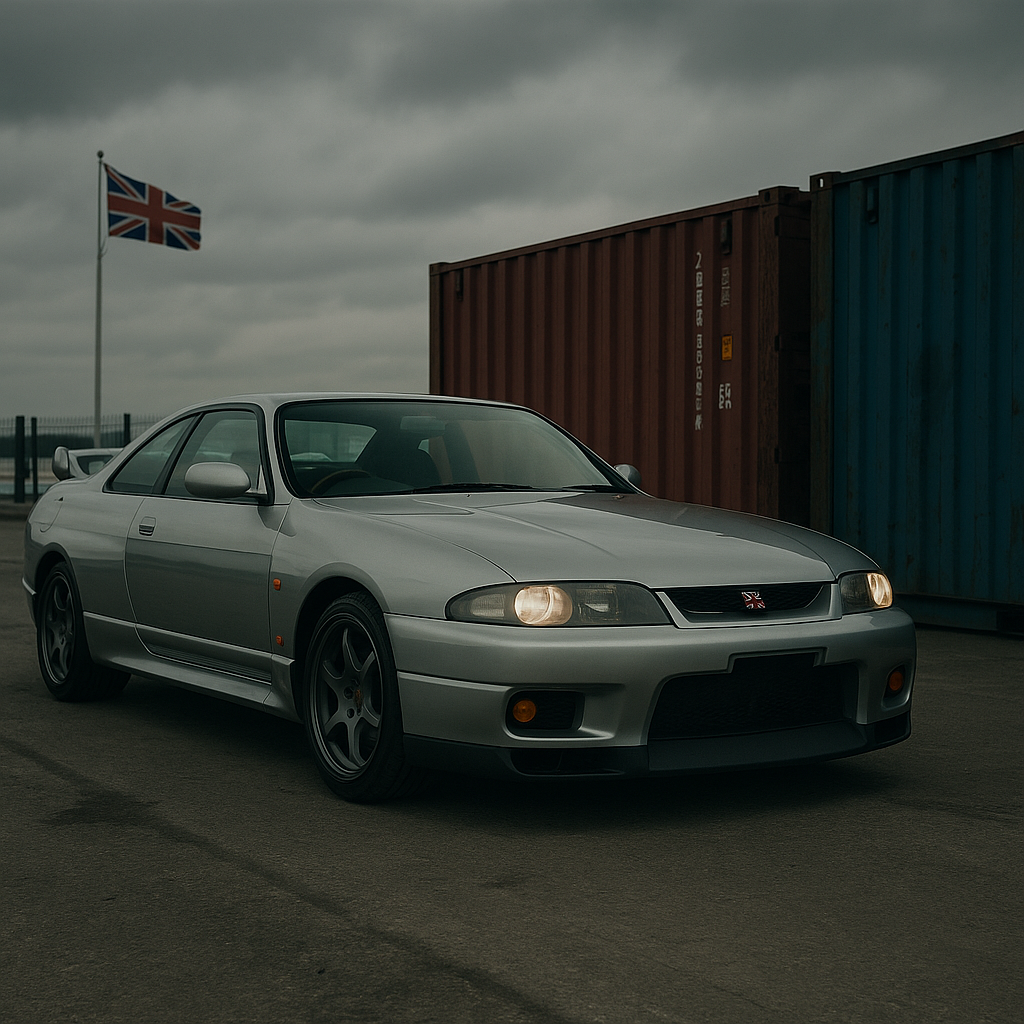
Japanese Domestic Auction Prices Have Gone Properly Silly
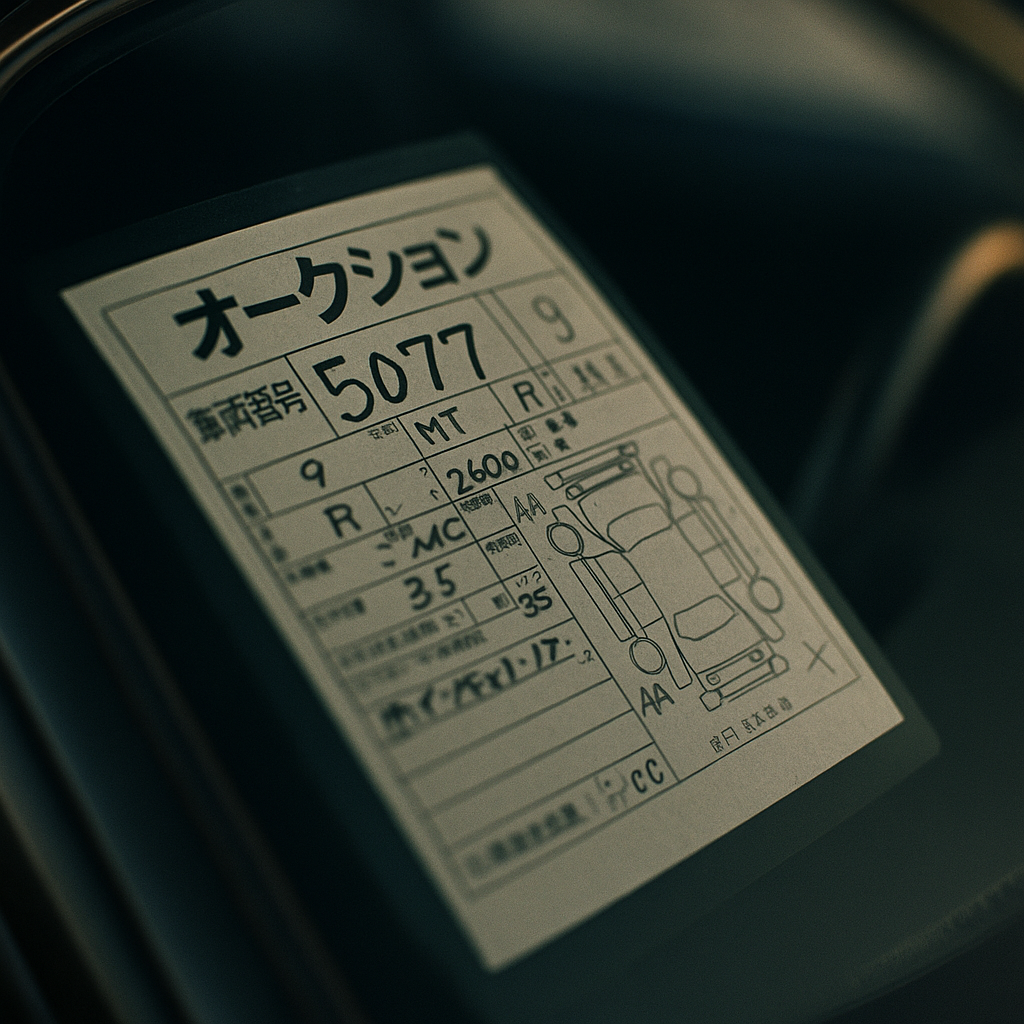
The Japanese domestic auction system, run through houses like USS, TAA, and JBA, is the engine room of the grey import trade. UK specialists bid remotely, buy on your behalf, and ship. Simple in theory. The problem is that Japanese buyers themselves have cottoned on to what they’ve been sitting on. Clean Nissan Skyline R33 GT-Rs, Honda NSXs, Toyota Supra RZ variants, Mazda RX-7 FD3Ss — these cars are now attracting domestic Japanese collectors who have no intention of exporting them.
In 2022, a tidy R33 GT-R at auction might have cleared 3 to 4 million yen. In 2026, the same spec car is regularly hitting 7 to 9 million yen before buyer’s fees, and the auction grade 4 examples are the ones everyone’s fighting over. The grade 3 stuff that used to offer value now comes with enough question marks that savvy importers are walking away. The floor has risen, and it’s not coming back down.
Toyota AE86 Truenos and Levin hatches, once a staple of the affordable JDM import scene, are now treated as appreciating assets in Japan itself. The Initial D cultural momentum never really died, and younger Japanese enthusiasts are buying them as keepers. Supply leaving Japan for the UK has genuinely contracted.
Shipping Costs and the Container Situation in 2026
Post-pandemic shipping chaos never fully resolved itself, it just became the new normal. Ro-Ro (roll-on, roll-off) freight from Yokohama or Nagoya to the UK currently runs at around £800 to £1,400 per vehicle depending on the route, carrier, and market conditions. That’s up from the £500 to £700 ballpark that importers were quoting pre-2020.
Transit times have also stretched. Eight to twelve weeks is now fairly standard for Japan to the UK, and that’s before the car clears port inspection at destinations like Tilbury or Bristol. Every week a car sits waiting to clear is a week of storage costs. For a high-value, time-sensitive purchase, those costs stack up fast and land squarely on the buyer’s invoice.
HMRC Duty and VAT: What Changed and What It Means for You
This is where it gets genuinely painful for UK buyers. Vehicles imported from Japan attract import duty of 6.5% on the declared customs value, plus 20% VAT on top of the duty-inclusive total. That’s not new. What has shifted is the scrutiny applied to declared values, with HMRC cross-referencing auction data more carefully than it once did. Low declarations that used to slide through now trigger queries, reassessments, and delays.
For a car purchased at auction for 5 million yen (roughly £26,000 at current rates), the duty alone lands around £1,690, and the VAT on the combined cost brings the total tax hit to well over £5,000 on a modestly priced car before you’ve paid for shipping, pre-shipment inspection, UK registration, or any mechanical work. Specialist importers build this into their quotes, but private buyers who try to self-import often get a nasty surprise at the port.
The government’s own guidance on importing a vehicle into the UK lays out the process clearly enough, but the devil is very much in the detail when it comes to valuation disputes and IVA testing requirements for certain vehicles.
The Competition Nobody Talks About: RHD Markets Eating Your Cars
Here’s the thing that really stings. UK buyers aren’t just competing with each other anymore. Australia, New Zealand, South Africa, and parts of the Caribbean all run right-hand-drive vehicles, and they all want the same cars we do. Australia’s 25-year import rule opened up a wave of mid-2000s Japanese imports around 2024-2026, and their buyers have serious purchasing power. The Australian dollar’s relative strength against the yen has made Japanese auctions attractive for them in a way that’s genuinely shifted volumes.
New Zealand’s import scene has always been fierce for Japanese metal, and South African demand for clean RHD Silvias, Supras, and Evos has grown considerably. When you’re bidding at a USS Tokyo auction against buyers from four different countries, all of whom want the same rare-spec vehicle, prices only go one way.
Which Models Are Disappearing Fastest
Grade 4 and 4.5 examples of the following are now exceptionally rare at sensible money, and if you haven’t noticed, you haven’t been looking:
- Nissan Skyline GT-R (R32, R33, R34) — R34s in particular are in outright collector territory. A clean V-Spec II Nur is a half-million-pound car now. Even R32 GTS-t variants have tripled in value.
- Toyota Supra RZ (A80) — Manual twin-turbo examples rarely hit the open market. When they do, expect to pay north of £70,000 for anything with a genuine service history.
- Honda NSX (NA1/NA2) — Clean examples are being hoarded. The manual NA1 with low mileage barely appears at auction anymore, and when it does, Japanese domestic buyers frequently outbid exporters.
- Mazda RX-7 FD3S — Rust, apex seal anxiety, and collector demand make a perfect storm. Immaculate Type RS or Spirit R variants are now six-figure cars in real money.
- Mitsubishi Lancer Evolution VI Tommi Makinen Edition — Anything TME is gone. Standard Evo VI GSR examples have rocketed as a knock-on effect.
If you’re hunting on sites like Maxx Directory or through specialist importers, the gap between what you want and what’s realistically available at your budget is probably wider than it was twelve months ago.
What Still Represents Value in the JDM Import Market Right Now
Not everything is priced to the moon. The smart money in 2026 is looking at the second tier of JDM hardware that hasn’t yet crossed into mainstream collector consciousness. A few areas worth watching:
- Toyota Altezza RS200 (manual) — Mechanically sound, rear-wheel drive, naturally aspirated. Still reasonably priced, and the 3S-GE Beams engine is genuinely good.
- Nissan Stagea 260RS Autech — Essentially an R33 GT-R drivetrain in a practical estate body. Niche enough that prices haven’t gone fully mad yet.
- Honda S2000 (AP1) — Already climbing, but late AP2 examples can still be found at sensible money compared to the Italian and German roadster alternatives.
- Subaru Impreza WRX STI (GDB, Version VII-VIII) — Lower-spec variants that are mechanically identical to the headline cars but lack the spec-R or spec-C badges that attract premium hunting.
The window on these is closing too, but it hasn’t fully shut. Anyone who’s been watching JDM imports UK prices 2026 through the year knows that waiting rarely works in your favour. The cars that represent value today are the cars people weren’t talking about six months ago.
Should You Still Import Privately in 2026?
For most buyers, the honest answer is: use a specialist. The compliance costs, DVLA registration requirements for vehicles needing Individual Vehicle Approval (IVA), and HMRC interaction points are genuinely complex now. The £300 to £800 you’d save by self-importing can evaporate entirely if the car gets flagged at port or HMRC queries the declared value. Established importers carry professional indemnity, know the compliance requirements, and can absorb delays in a way private buyers simply cannot.
That said, if you know your stuff and have done it before, the market still works. You just need to go in with accurate cost modelling, build every fee into your maximum bid, and be disciplined enough to walk away when the room goes past your number. Right now, discipline is everything. There are plenty of cars being bought at auction in Japan that will arrive in the UK with a cost-to-import that makes zero financial sense, bought by enthusiasts who got swept up in bidding fever. Don’t be that buyer.
The JDM import scene isn’t dead. But it’s not 2018 anymore, and the sooner buyers adjust their expectations and their budgets to reflect the reality of JDM imports UK prices 2026, the better their chances of actually landing the car they want.
Frequently Asked Questions
Why are JDM imports so expensive in the UK in 2026?
Multiple factors are converging: Japanese domestic auction prices have risen sharply as local collectors compete for the same cars, shipping costs remain elevated post-pandemic, and HMRC applies stricter scrutiny to import valuations. Competition from other right-hand-drive markets like Australia and New Zealand also drives up auction prices.
How much does it cost to import a car from Japan to the UK?
Beyond the auction purchase price, you should budget for shipping (roughly £800 to £1,400), 6.5% import duty on the declared value, and 20% VAT on the duty-inclusive total. Specialist importer fees, UK registration, and any IVA testing requirements can add further costs, often totalling £5,000 to £10,000 or more on top of the car’s price.
Which JDM cars are still worth buying as imports in 2026?
Models that haven’t yet hit full collector pricing include the Toyota Altezza RS200 manual, Nissan Stagea 260RS Autech, late Honda S2000 AP2 variants, and lower-specification Subaru Impreza WRX STI GDB models. These offer genuine JDM performance credentials at relatively sane money compared to headline cars like the R34 GT-R or Supra RZ.
Do you need IVA testing to import a JDM car into the UK?
Many Japanese imports do require Individual Vehicle Approval (IVA) testing to be registered on UK roads, particularly if they don’t hold a European type approval certificate. DVLA and HMRC both have roles in the registration and duty process; using an experienced specialist importer who handles compliance is strongly recommended to avoid delays and unexpected costs.
Are R34 Nissan Skyline GT-Rs affordable to import to the UK now?
Realistically, no. Clean, standard-specification R34 GT-R V-Spec examples have crossed into genuine collector car pricing, often requiring £150,000 to £250,000 or more for the best examples. Even entry-level R34 GT-R variants in honest condition regularly exceed £80,000 to £100,000 once all import costs are accounted for.
Leave a Reply