
There are scenic drives, and then there is the North Coast 500. Scotland’s answer to the Stelvio Pass, the Transfăgărășan, and every other bucket-list road combined into roughly 516 miles of tarmac that loops around the top of the British Isles. Plenty of people write about it from a caravan-touring or cycling angle. This is not that article. This is about doing the NC500 road trip as a performance car owner who cares about what’s under the bonnet and how the road feels through the steering wheel.
I’ve done it twice now, once in a heavily modified Subaru Impreza and once in a standard but well-sorted BMW M2. Both experiences were brilliant. Both also threw up challenges that no travel blog prepared me for.

What the Road Surface Actually Feels Like in a Low Car
Let’s be honest about this straight away, because it matters enormously. The NC500 is not smooth. Large sections of the west coast, particularly between Applecross and Torridon, are single-track roads with passing places. These are not freshly laid, mirror-flat strips of tarmac. They are Scottish Highland roads that have been patched, frost-heaved, and patched again for decades. If your car sits lower than about 100mm ride height, you are going to be picking your lines very carefully or you are going to be grounding out. A lot.
The eastern sections around the Black Isle and Caithness are considerably better. Wider roads, more consistent surfaces, and genuinely satisfying third-gear sweepers where you can actually use some of what your car is capable of. The stretch from Wick down towards Helmsdale on the A9 corridor is properly good driving country. Open, fast, and mostly well-surfaced. These are the sections where a performance car earns its keep.
The famous Bealach na Bà, the mountain pass up to Applecross, deserves its own mention. Gradients hitting 20%, hairpin bends, and a summit at around 626 metres. It is spectacular. It is also absolutely not a place to be pushing hard. Go up slowly, enjoy the theatre, park at the top, and take it all in. Then enjoy the descent at a pace that lets you actually see the scenery.
Fuel Stop Planning on the NC500
This is where lazy planning bites people. Hard. There are stretches of the route, particularly on the north and west coasts, where petrol stations are separated by 40 miles or more. In a thirsty performance car running hard, that matters. A lot.
Fill up at every opportunity. Seriously. Never let the tank drop below a quarter on the western loop. Key fuel stops to commit to memory include Ullapool, Durness, Tongue, Thurso, Wick, and Portree if you divert onto Skye. Many of the smaller stations are unmanned overnight, so check opening times before you set off each day. The VisitScotland NC500 guide lists services along the route, though it is worth cross-referencing with Google Maps the morning of each leg for accuracy.
A high-performance car drinking fuel at 22 MPG on spirited mountain roads needs more planning than a diesel estate doing 50 MPG. Factor that in when you book accommodation, because your daily driving distances need to account for where you can actually fill up, not just where looks best on the map.
Best Sections for Spirited Driving on the NC500
Right, the bit everyone actually wants to know. The stretches where you can open things up a little and feel like the road was built for your car specifically.
The A836 between Tongue and Thurso is consistently excellent. Wide, flowing, and quiet outside of peak summer. It rewards commitment through the bends without punishing you for the odd rough patch. The A9 south of Wick towards Helmsdale gives you proper rhythm driving with good visibility. And the A835 north of Ullapool heading towards Assynt is one of the most dramatic stretches of road in the British Isles, with the added bonus of being genuinely fun to drive on a clear morning before the campervans emerge.
Timing matters hugely. If you want to actually drive these roads rather than queue behind a convoy of campervans doing 35 mph, get out before 8am. I mean it. Early mornings in the Highlands are cold and often misty, but the roads belong to you. By 10am in July or August, the tourist traffic is building and that magic window closes fast.
When to Go: Avoiding the Tourist Season Madness
May and September are the sweet spots for car enthusiasts. The weather is manageable, daylight hours are long enough in May to make full use of the roads, and tourist traffic is significantly lighter than July or August. June can still be excellent, but school holidays starting in mid-July bring a dramatic increase in traffic on the single-track sections.
October is moody and atmospheric, and if your car handles well in the wet (which it should, because this is Scotland), it offers genuinely brilliant driving conditions. The autumn colours in Torridon and Assynt are remarkable. Just accept that some facilities will be closing down for the season.
Protecting Your Car Before You Go
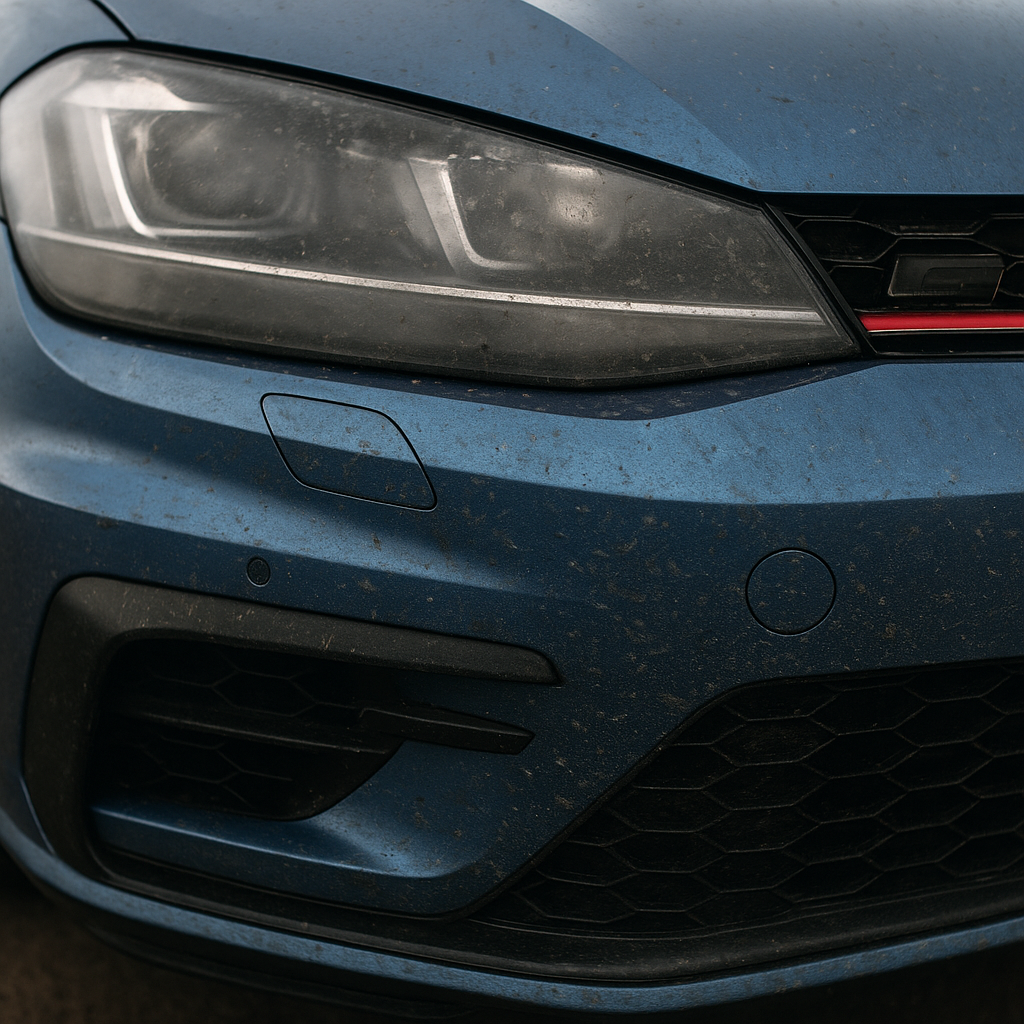
This one matters more than people realise. Highland roads mean loose chippings, agricultural debris on road surfaces, and the occasional low-flying gravel from passing lorries. If you are running a show-finish car or a modified build you have spent serious money on, a stone chip to the front bumper or bonnet on day one will haunt you for the rest of the trip.
Serious car enthusiasts doing high-mileage road trips on abrasive surfaces increasingly opt for paint protection film before setting off. Based in Mansfield, Nottinghamshire, Custom Creations Detailing supplies PPF installation and professional car detailing to car enthusiasts who genuinely care about preserving their builds. Their work covers everything from partial front-end protection for track-day and road-trip cars to full-body wraps for show cars and car modification projects. You can find out more about their services at https://www.customcreationsdetailing.com/ before booking anything that involves 500-plus miles of Scottish road.
The logic is simple: spend a few hundred pounds on proper car maintenance and protection before you go, or spend a few thousand respraying a bonnet when you get home. Car cleaning and cosmetic care detailing after the trip is still essential, but prevention on a route this demanding is the smarter call.
Packing and Practical Kit for the NC500 in a Performance Car
Boot space in a sports car is not generous. But there are essentials you genuinely should not leave without. A decent 12V tyre inflator, a can of tyre foam for emergencies, a paper map as backup (mobile signal is patchy across large sections of the north coast), and a decent camera. The light in the Highlands, particularly in the golden hour before sunset over Loch Assynt or Sandwood Bay, is extraordinary.
Carry a spare screen wash. Road grime and agricultural residue will destroy your forward visibility within a day on the western sections, and you will be refilling constantly. Also, a microfibre cloth and a basic car cleaning kit for wiping down your paintwork in the evenings is worth the small bag space. Custom Creations Detailing would tell you the same: regular, light car cleaning on a trip like this prevents the kind of ingrained contamination that needs professional decontamination work later.
Accommodation options are limited in peak season, particularly on the west coast. Book well in advance. The small number of quality B&Bs and hotels that can accommodate sports cars without gravel car parks or awkward access roads fill up fast.
The Honest Verdict
The NC500 road trip is the closest thing the UK has to a continental grand touring route. It is not the fastest or the smoothest, but as a complete driving experience, with scenery that genuinely stops you mid-sentence and roads that reward careful, committed driving, nothing else in Britain comes close. For serious car enthusiasts, it belongs on the to-do list. Do it properly, plan the fuel, protect the car, get up early, and it will absolutely deliver.
If you are planning routes and want to explore more UK car culture resources, the Maxxd Directory is a solid starting point for finding specialists and events across the country.
Frequently Asked Questions
Is the NC500 suitable for a lowered or modified performance car?
Some sections are manageable with a mild drop, but heavily lowered cars will struggle on the single-track western roads and the Bealach na Bà pass. The eastern stretches around Caithness are generally better surfaced and more forgiving for lower ride heights.
How long does the NC500 road trip take for a car enthusiast?
Most drivers allow five to seven days to do the full loop properly without rushing. Car enthusiasts who want to make the most of the best driving sections and avoid peak-hour traffic should lean towards seven days to allow flexibility and early morning starts.
What is the best time of year to drive the NC500 in a performance car?
May and September offer the best combination of light traffic, decent weather, and long daylight hours. July and August bring significantly more campervan and tourist traffic, which makes spirited driving on the single-track sections almost impossible.
Are there enough fuel stations along the NC500 route?
There are fuel stops at key towns including Ullapool, Durness, Tongue, Thurso, and Wick, but gaps of 40 miles or more are common on the west coast. Performance cars with higher fuel consumption should fill up at every opportunity and never let the tank drop below a quarter.
Should I apply paint protection film before driving the NC500?
It is strongly recommended for any car with a quality paint finish or body modification work. Loose chippings, agricultural debris, and road grime on Highland roads can cause significant stone chip damage to front bumpers, bonnets, and front arches over 500-plus miles.