
Something is happening in the sports car world and it feels genuinely exciting. After years of downsizing, forced induction, and electrification dominating every press release, the naturally aspirated engine is staging a proper comeback. Not in a nostalgic, retro-flavoured way either. This is manufacturers and enthusiasts actively choosing high-revving, throttle-responsive NA units when they could just as easily bolt on a turbo or hang a battery pack underneath. The naturally aspirated engines comeback in 2026 is real, it is gathering momentum, and honestly, it was overdue.
To understand why it matters, you have to remember what we lost in the first place. The mid-2000s through to the early 2020s were dominated by turbocharged engines shrinking in displacement while producing numbers that would have seemed absurd from similar-sized NA units a decade earlier. Fuel economy targets tightened by the EU and UK government pushed manufacturers towards forced induction on everything from hot hatches to executive saloons. Porsche put a turbo in the Carrera. BMW went four-cylinder in the M135i. Ferrari added a twin-turbo to the California. The writing was on the wall.
Why Turbocharging Left Enthusiasts Cold
Turbocharged engines are technically impressive. Nobody is denying that. But there is a tactile, emotional quality to a naturally aspirated engine that turbo cars simply cannot replicate. It is the linear power delivery. The way the engine note rises with every 500rpm you climb. The throttle that actually tells you something in real time, rather than asking you to wait for boost to arrive before rewarding your right foot. When you drive an older Honda S2000 with its 9,000rpm VTEC redline, or a Lotus Elise with a Toyota unit singing away behind you, there is a directness to the whole experience that turbo cars, even brilliant ones, tend to filter out.
That lag, even the micro-lag in modern twin-scroll turbocharged setups, creates a slight disconnect between driver input and engine response. You feel it most on a winding B-road or at a trackday. NA engines do not have that disconnect. Blip the throttle and the engine answers immediately. Every time.
The Manufacturers Leading the NA Revival
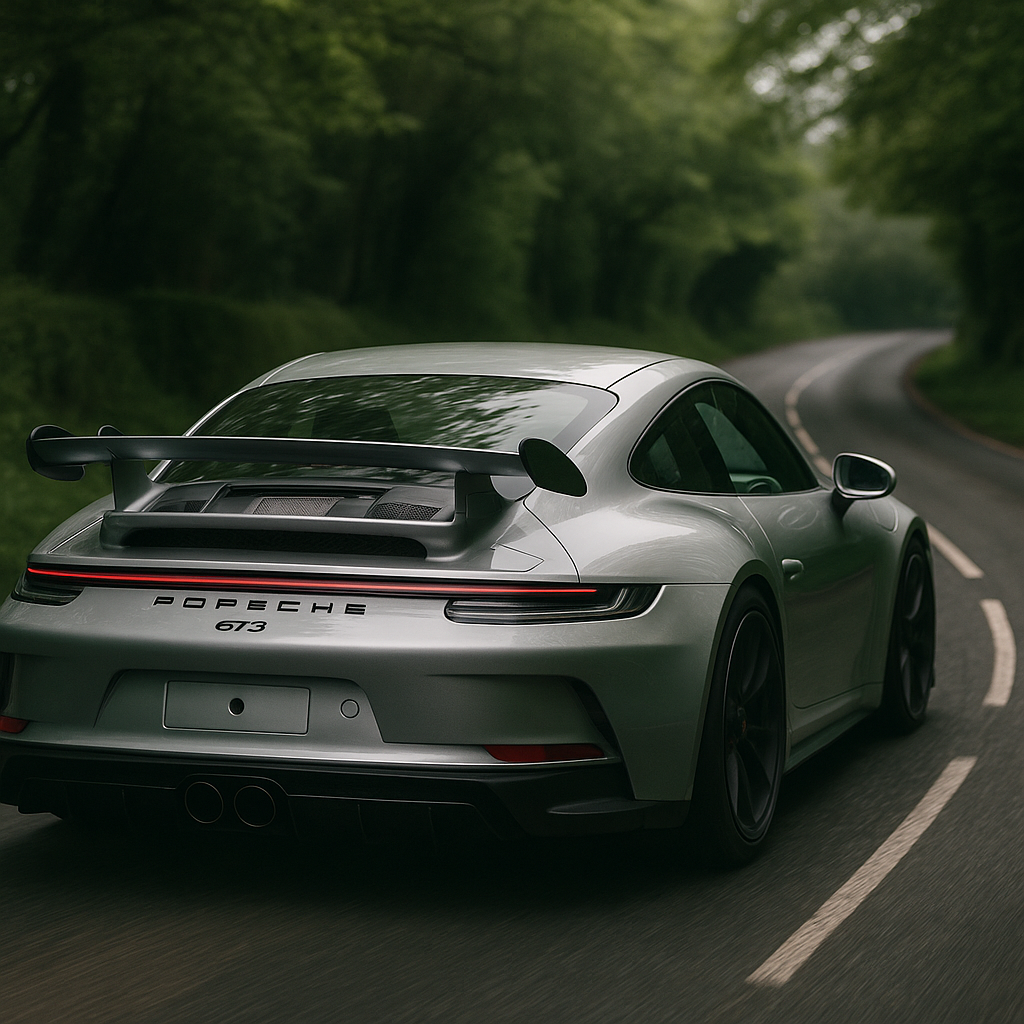
What is striking about the naturally aspirated engines comeback in 2026 is how deliberate it feels from the brands involved. Porsche’s GT division has been the loudest advocate. The 911 GT3 continues to use a 4.0-litre flat-six revving to 9,000rpm, and every time Porsche confirms that engine will carry over, there is an audible sigh of relief from the enthusiast community. Andreas Preuninger, who heads up the GT programme, has been pretty open about the fact that the high-revving NA unit is a philosophical choice, not just an engineering one. The GT3 is supposed to be a driving machine first, a numbers machine second.
Ferrari’s Icona series and the naturally aspirated V12 in the 812 Competizione have reminded everyone what a free-breathing twelve-cylinder sounds and feels like at 9,500rpm. Gordon Murray Automotive’s T.50 uses a Cosworth-developed 3.9-litre V12 revving to 12,100rpm, arguably the most extreme road car NA engine ever fitted to a production vehicle. Even Lotus, now under Geely’s ownership, has been careful to keep the character of its lighter, simpler cars intact. And in the UK aftermarket scene, the appetite for high-revving NA builds on everything from Mazda MX-5s to Honda Civic Type Rs has been intensifying noticeably.
The Sound Factor Cannot Be Understated
Ask any car nerd why they love NA engines and within thirty seconds the conversation turns to noise. Not just volume but character. A high-revving naturally aspirated engine produces a sound that changes continuously through the rev range. There is texture to it. The induction roar as you approach the redline, the exhaust note hardening, the whole mechanical orchestra performing exactly as it should. Turbo engines tend to sound more compressed, more muted, the turbo itself absorbing and modifying the sound waves before they escape. Electric cars, of course, produce almost none of this at all.
The BBC’s Top Gear famously spent years celebrating the sound of great engines, and while tastes have evolved, the enthusiasm for a proper howling NA unit has never really died. On UK forums, Facebook groups, and at shows like Japfest and Players Classic, the cars that draw the biggest crowds are still the ones with naturally aspirated engines turning hard.
Is It an Emotional Backlash Against EVs?
Partly, yes. The electric vehicle transition has been accelerating through the mainstream market and while EV performance is genuinely impressive in straight-line terms, a significant portion of the enthusiast community has felt increasingly detached from modern cars. There is no gear selection intimacy, no engine noise, no rev-matching on a downshift. The naturally aspirated engines comeback in 2026 is, for some, a direct reaction to feeling like the soul of driving is being legislated away.
That said, it is not simply nostalgia. The performance on offer from modern NA engines is extraordinary. The Porsche GT3 RS, the Ferrari 812, the Gordon Murray T.50, these are not compromised throwbacks. They are technically cutting-edge machines that happen to breathe freely. The engineers building them are choosing NA power because it delivers the best driving experience for the intended purpose, not because they cannot work out how to make a hybrid system function properly.
What This Means for the Enthusiast and Build Scene in the UK
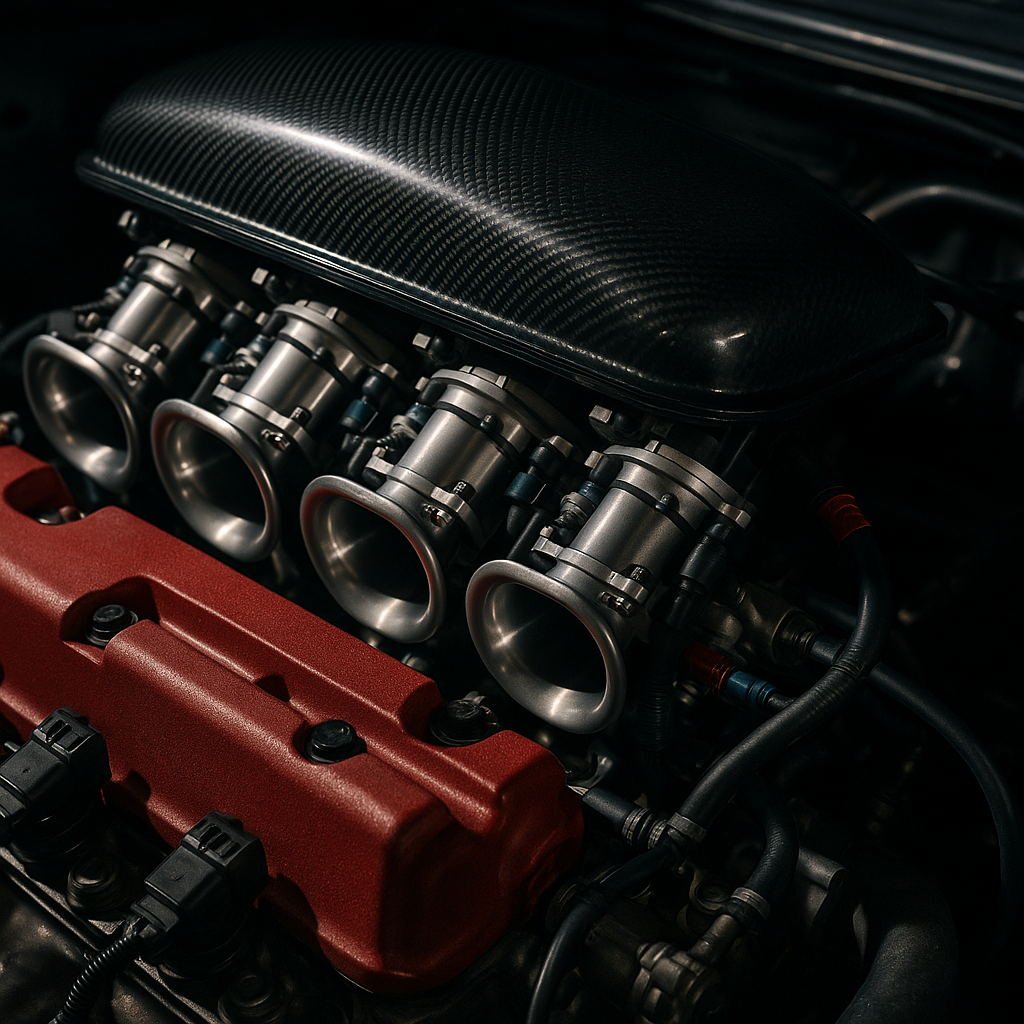
Down at the grassroots level, the renewed reverence for NA engines is filtering into build culture in a meaningful way. Engine swaps centred around high-revving naturally aspirated units are increasingly popular. The K-series and K20 Honda engines remain some of the most sought-after NA builds in the UK scene. Mazda’s MX-5 community continues to extract serious performance from the 2.0-litre Skyactiv-G engine without touching a turbo. Even the old school Toyota 2ZZ-GE conversions into lightweight chassis are having a moment again.
If you are looking for parts suppliers, tuners, and specialists who work with naturally aspirated setups in the UK, Maxxd Directory is worth a browse for finding the right people for your build. The community knowledge around NA tuning, from cam profiles to individual throttle bodies to exhaust headers, is deep and getting deeper as enthusiasm rebuilds.
The Future of Naturally Aspirated Engines
The regulatory environment will continue to make life difficult for pure combustion engines of any kind. The UK government’s zero emission vehicle mandate is pushing hard on new car sales. But the naturally aspirated engines comeback in 2026 is not necessarily a story about volume production. It is about purpose-built performance cars and a community of enthusiasts who are willing to pay a premium, or wrench for long weekends in cold garages, to keep high-revving NA power alive.
Porsche will keep building the GT3 as long as there are buyers who value it. Ferrari will not abandon the V12 without a fight. And in the UK, from track-day specials to weekend club racers, there are tens of thousands of people who understand exactly what a free-breathing engine at the top of its rev range feels like. That is not going away. If anything, it is becoming more precious precisely because it is increasingly rare.
The turbo wave was inevitable and largely necessary. Electrification is changing everything. But the naturally aspirated engine, particularly at the high-revving, high-compression end of the spectrum, offers something that no other powertrain currently does. Pure, unfiltered mechanical connection. And right now, that feels worth celebrating.
Frequently Asked Questions
Why are naturally aspirated engines considered better than turbocharged engines by enthusiasts?
Naturally aspirated engines deliver linear, immediate throttle response with no lag between input and power delivery. They also produce a richer, more characterful engine note through the rev range, which turbocharged units tend to suppress. For driving feel on twisty roads or a trackday, many enthusiasts find NA engines more engaging and rewarding.
Which modern cars still use naturally aspirated engines in 2026?
The Porsche 911 GT3 remains one of the most celebrated NA sports cars, using a 4.0-litre flat-six revving to 9,000rpm. Ferrari’s V12-powered models, the Gordon Murray T.50, and the Mazda MX-5 are other notable examples. In the UK performance and track scene, Honda K-series engine builds remain extremely popular.
Will naturally aspirated engines survive stricter emissions regulations in the UK?
In mainstream, high-volume production, NA engines face serious pressure from UK and EU emissions targets and the zero emission vehicle mandate. However, low-volume performance and supercar manufacturers are likely to continue producing NA units where driving dynamics justify them, often paired with hybrid systems to meet regulatory requirements.
What is the highest-revving naturally aspirated road car engine available?
The Gordon Murray T.50 uses a Cosworth-developed 3.9-litre V12 that revs to 12,100rpm, widely regarded as the most extreme naturally aspirated engine fitted to a production road car. The Porsche 911 GT3 and Ferrari 812 Competizione are also benchmark examples at 9,000rpm and 9,500rpm respectively.
Is it worth building a naturally aspirated engine rather than fitting a turbo for track use?
It depends on your goals. NA builds reward smooth, precise driving with immediate throttle feedback, which many drivers find helps them improve technique on track. They also tend to be more predictable and easier to maintain than forced induction setups. For peak power on a budget, turbos often win on numbers, but NA builds win on driver engagement for many enthusiasts.