
Everyone talks about the build. The wheels, the stance, the power figures, the Instagram-worthy engine bay. What nobody talks about is what happens after the build — when real life collides with your carefully curated spec sheet and starts quietly draining your bank account in ways you absolutely did not plan for. Running a modified car in 2026 is brilliant. It is also expensive in ways that catch even experienced builders completely off guard.
This is not a doom piece. It is a reality check. One that might save you a fair chunk of cash — or at least stop you looking shell-shocked when the bills land.

Why Modified Car Insurance Is a Budget Black Hole
Let’s start with the one that hurts most. Standard insurance already stings, but the moment you declare modifications — and you must declare them, or you risk an invalidated policy — the premiums can move in a way that makes your eyes water. We are talking about increases of 30 to 80 per cent depending on what you have done and who is quoting you.
A straightforward example: a stage 2 remap, aftermarket exhaust, and coilover suspension on a Mk7 Golf GTI can push an annual premium from around £900 to £1,500 or more for a driver in their late twenties living outside London. Add a roll cage for track use and some insurers will simply refuse to quote at all. Adrian Flux and Footman James are the go-to specialist brokers for this kind of cover, and they do a decent job, but they are not cheap. You need to factor this in before you bolt anything on, not after.
Also worth noting: declared value cover is separate from agreed value cover. If your modified build is worth considerably more than the standard car, agreed value is what you actually want. Pay for it properly.
The Alignment Tax Nobody Warns You About
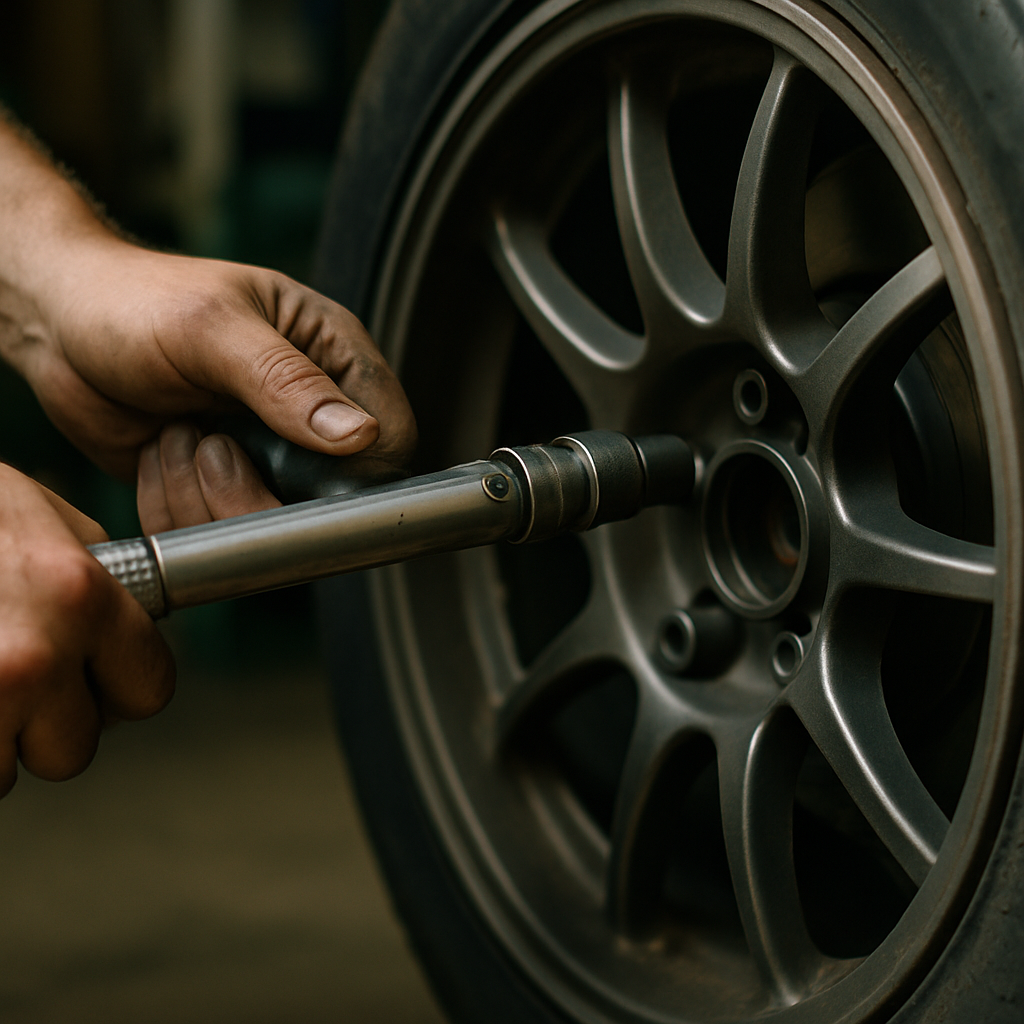
Run a car with modified suspension — coilovers, lowering springs, adjustable arms, camber bolts — and alignment becomes a recurring cost rather than a one-time setup job. Every track day you do, you should be getting a four-wheel alignment check afterwards. Aggressive camber settings, kerb strikes, and general track abuse will shift your geometry. Ignore it and your tyre wear goes sideways (sometimes literally). A proper four-wheel laser alignment at a specialist costs between £80 and £150 depending on the car and the shop. Do two track days a month and that is potentially £3,600 a year in alignment alone.
And it is not just the track. Running negative camber for aesthetics on the road hammers your inner edges constantly. I have seen lads burning through inner shoulders on perfectly good tyres in under 5,000 miles because they set their camber at minus three degrees for the look and then drove to work every day. That is not a track tyre problem. That is a geometry-plus-daily-driving problem.
Sticky Tyre Costs: The Most Brutal Line in Any Build Budget
Track rubber is where builds go to die financially. Semi-slicks and proper cup tyres — your Michelin Pilot Sport Cup 2s, your Bridgestone Potenza RE-71RS equivalents, your Toyo Proxes R888Rs — are not cheap to buy and they disappear terrifyingly fast when you are actually using them as intended.
A set of 265/35 R18 semi-slicks will cost you somewhere between £700 and £1,100 fitted. On a powerful rear-wheel-drive car on a circuit like Brands Hatch or Bedford Autodrome, a hard session can put 30 to 40 per cent wear on a set in a single day. A real-world scenario on a 300bhp-plus rear-drive car? Budget for a full set every four to six track days. Run the maths on that.
The smart move is to run a dedicated set of track wheels and tyres alongside your road setup. Which leads us neatly to storage.
Where Are You Keeping All This Stuff?
Two sets of wheels. A track-day toolkit. A spare set of brake pads, a torque wrench, a bottle of brake fluid, your helmet and HANS device, your Nomex suit. Where exactly is all of this living? If you have a garage, fine. If you live in a flat with a communal car park, this is a genuine problem.
Self-storage units near most UK cities run from £80 to £200 per month for a unit large enough to store a wheel and tyre stack plus gear. Over a year, that is up to £2,400 just to house your stuff. It is a cost almost no build thread ever mentions, yet it is completely real for anyone without a dedicated workshop or garage at home.
Club Memberships, MSA Licences, and Track Day Entry Fees
If you want to get properly involved in the scene — not just a once-a-year Javelin Trackdays session but actual structured driving — you are looking at Motorsport UK memberships (around £55 per year), club memberships (BRSCC, BARC, or marque-specific clubs averaging £80 to £150 a year), and the track day entry fees themselves. Open-pit days at circuits like Snetterton or Oulton Park run from £180 to £350 per car depending on the circuit and organiser. Do six days a year and that alone is up to £2,100 before you have touched the car.
None of this is unreasonable. But nobody adds it to the build spreadsheet, and it absolutely needs to be there. You can check Motorsport UK’s official licencing page for current pricing and categories before committing.
The Parts Tax Is Real and It Is Relentless
Here is the one that gets experienced builders as much as beginners. Modified cars need parts more often. A car running at the edge of its performance envelope is under more stress. Rubber bushes degrade faster. Brake discs warp. Clutches slip. Wheel bearings grumble. Oil gets hot and breaks down quicker.
And here is the kicker: parts for modified or less common platforms are almost always more expensive and harder to source than bog-standard replacements. If you are running a Mitsubishi-based build, for example, knowing where to source quality Mitsubishi parts from a specialist rather than a generic factor can save you real money and grief in the long run. Generalist parts shops often do not stock the right spec for modified applications, and ordering wrong wastes both cash and time.
Budget a minimum of 10 to 15 per cent of your car’s current value annually just for parts and maintenance on a modified daily or weekend machine. For a car you are actively tracking, push that figure higher.
The Honest Total: What Running a Modified Car Actually Costs Per Year
Let’s pull it together with a realistic mid-level build scenario: a tuned hot hatch, stage 2 power, coilovers, track wheels and tyres, used for six track days a year and weekend road driving.
- Specialist insurance: £1,400
- Alignment (post-track and periodic): £600
- Track tyres (one set per season): £900
- Storage unit: £1,440
- Track day entries (6 days): £1,500
- Club memberships and licences: £200
- Parts, servicing, consumables: £1,200
That is over £7,200 a year on top of the build cost itself and the car’s purchase price. Not a fantasy supercar budget. A realistic, modest, genuinely enthusiast-level commitment.
If you want to explore builds, parts sourcing, and community recommendations further, Maxxd Directory is worth bookmarking — there are some solid specialist listings in there for exactly these kinds of running costs and services.
The build is the fun part. The running costs are where the real commitment lives. Get your spreadsheet honest before you start, and you will enjoy the whole thing a lot more than if the bills keep blindsiding you mid-season.
Frequently Asked Questions
How much does specialist insurance cost for a modified car in the UK?
It varies significantly depending on the modifications declared, the driver’s age, and location, but expect premiums 30 to 80 per cent higher than a standard car. Brokers like Adrian Flux and Footman James specialise in modified car cover and are worth comparing.
Do I need a four-wheel alignment after every track day?
If you are running adjustable suspension with aggressive settings, it is strongly recommended. Track use shifts geometry through kerb strikes and lateral loads, and undetected misalignment will destroy your tyres and affect handling safety. Budget £80 to £150 per alignment at a specialist.
How long do semi-slick tyres last on a track day?
It depends on power output, driving style, and circuit surface, but on a powerful rear-wheel-drive car you can see 30 to 40 per cent wear in a single hard session. Realistically budget for a full replacement set every four to six track days.
Do I need a Motorsport UK licence to attend track days in the UK?
Not for standard open-pit track days, which are non-competitive events. However, if you want to enter timed events, sprint series, or club racing, a Motorsport UK competition licence is required. Check motorsportuk.org for the current licence categories and fees.
What is the best way to keep running costs down on a modified car?
Plan your build with running costs in mind from the start, source parts from reputable specialists rather than generic factors, keep a dedicated track setup separate from your road setup, and track all costs in a spreadsheet so nothing creeps up on you mid-season.