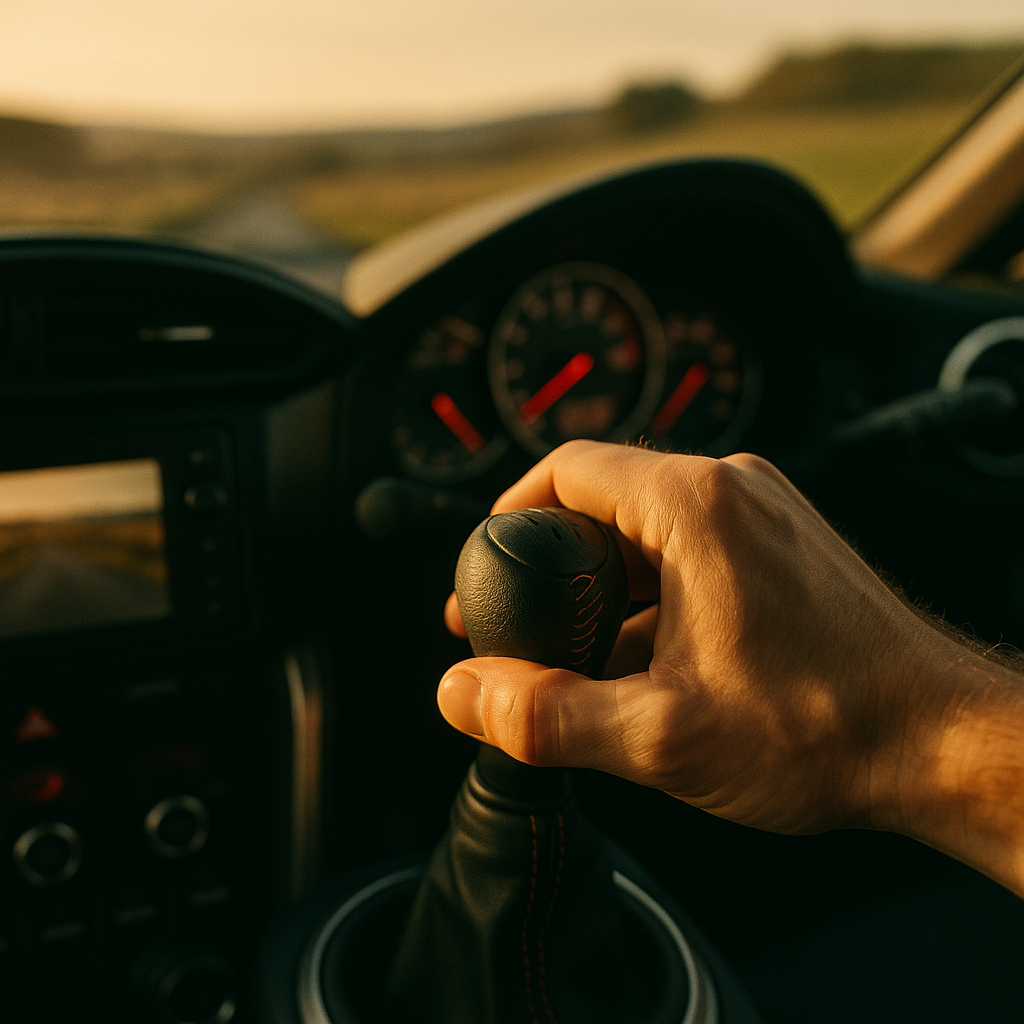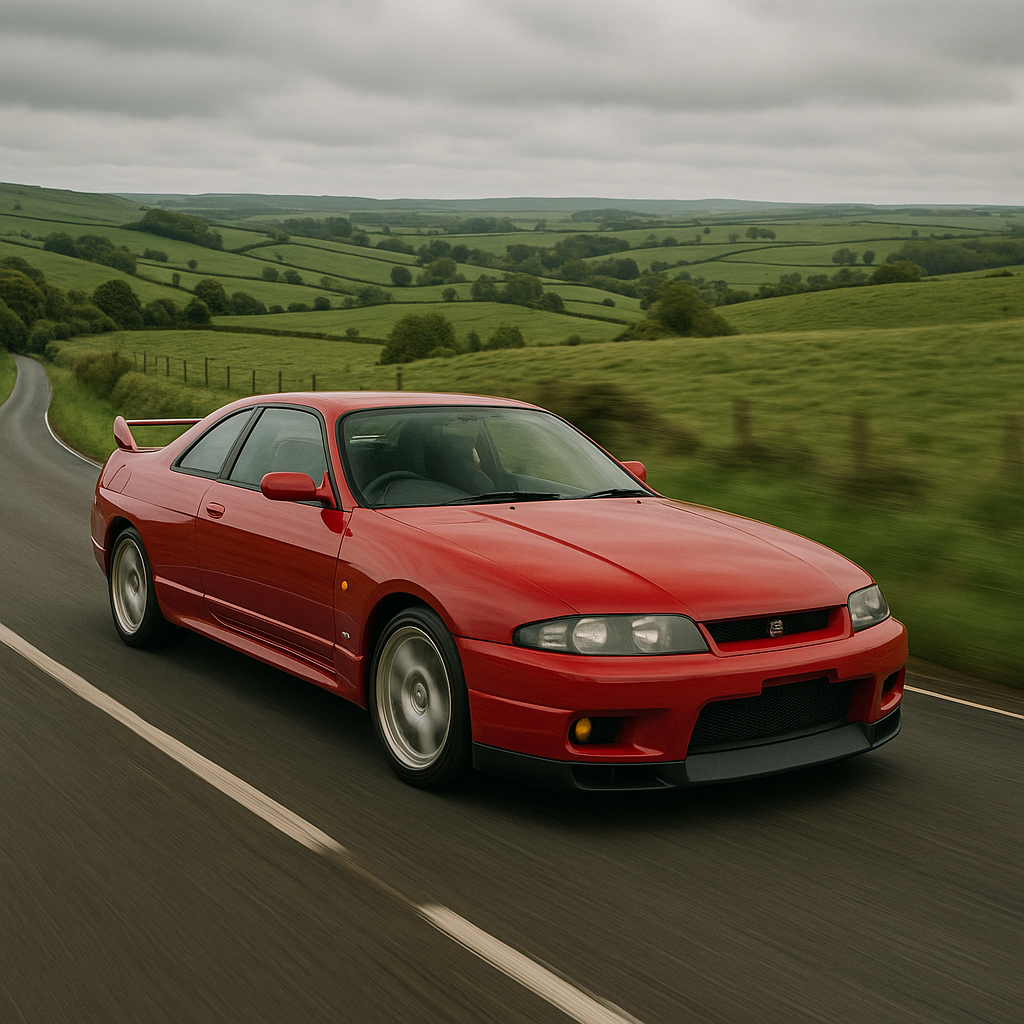
Something strange is happening in the car industry. After years of automakers quietly retiring the third pedal in favour of slick dual-clutch units and smooth torque-converter automatics, the manual gearbox is fighting back. Porsche reintroduced a manual option to the 911 GT3. Toyota brought a proper six-speed to the GR86 and refused to apologise for it. And buyers are responding. Search interest in new cars with manual transmission in 2026 is at its highest point in half a decade, and showroom conversations are following. This is not nostalgia for its own sake. There is something deeper going on.
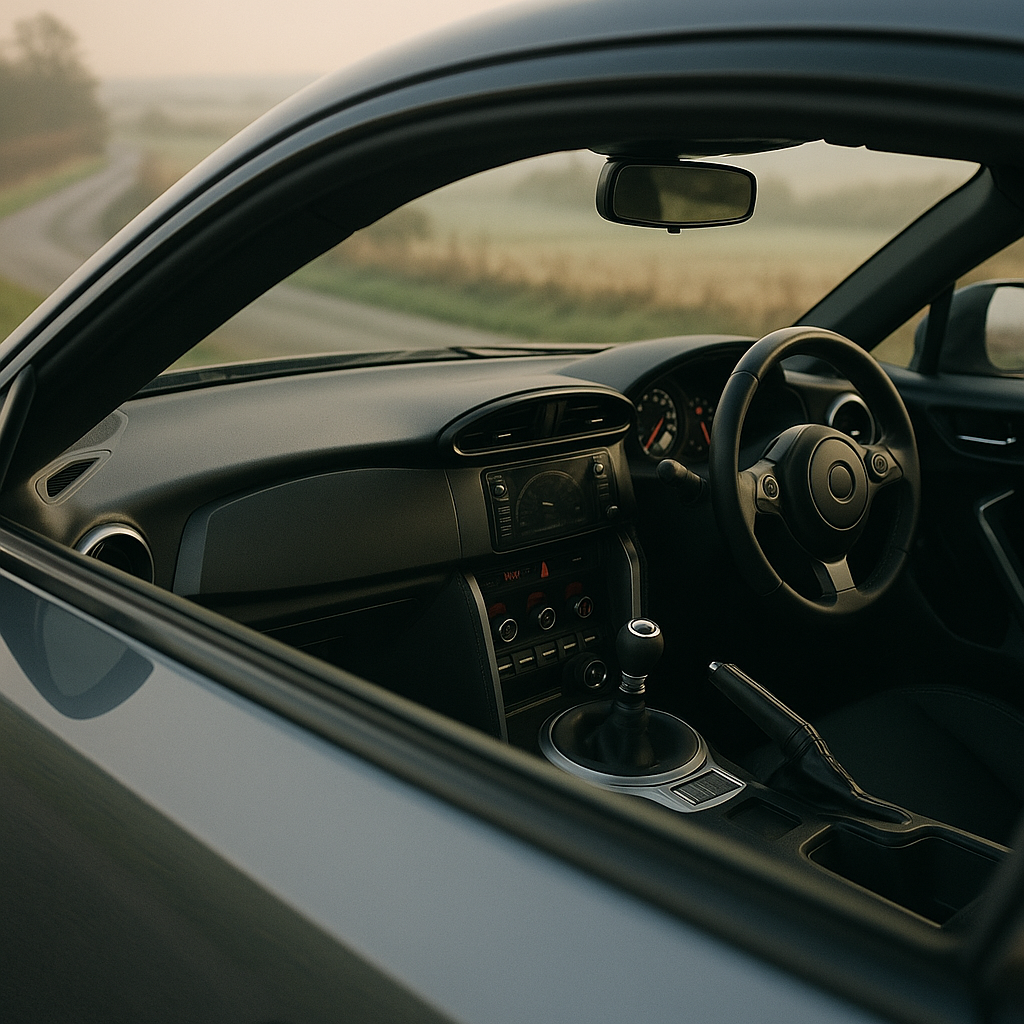
Why Are Drivers Suddenly Wanting a Manual Again?
Let’s be honest: a well-sorted modern automatic is faster than a manual. It always was, really, once dual-clutch gearboxes came of age. A PDK-equipped 911 will demolish the same car with a six-speed stick on any objective performance metric. So why does the manual feel better? Because driving fast is not purely about lap times. It is about feel, feedback, involvement. When you blip the throttle on a downshift and nail the heel-and-toe, you are not just operating a machine. You are conducting it.
There is also the broader context. Electrification has made plenty of fast cars feel sanitised. Instant torque is genuinely brilliant in many situations, but after a while some drivers miss the mechanical texture of a car that requires input. The manual gearbox, in a strange bit of market irony, has become the anti-EV statement purchase. You are not buying a manual because it is the most efficient choice. You are buying one because you have made a deliberate decision about what driving means to you.
What the Data Actually Shows
According to data published by the Society of Motor Manufacturers and Traders (SMMT), manual transmissions still accounted for a meaningful share of new car registrations in the UK through 2025, particularly among performance and sports car buyers. The UK has historically held onto the manual longer than most other markets, partly because of how we learn to drive (our driving test is conducted in a manual by default), and partly because our love of hatchbacks with a bit of shove runs deep. You can check the SMMT’s car registration data to see how body styles and transmission types are trending across the industry.
That cultural muscle memory matters. A generation of drivers in the UK learned to feel a bite point, to sense wheelspin through their right leg, and to understand a car’s character through its gearchange. Those drivers are not giving that up without a reason.
New Cars With Manual Transmission in 2026: The Full List
Right, here is what you actually came for. The following are new cars you can walk into a dealership and buy in 2026 with a proper manual gearbox. The list is shorter than it was five years ago, but it is more curated. The cars that kept the stick shift are, broadly, the cars worth caring about.
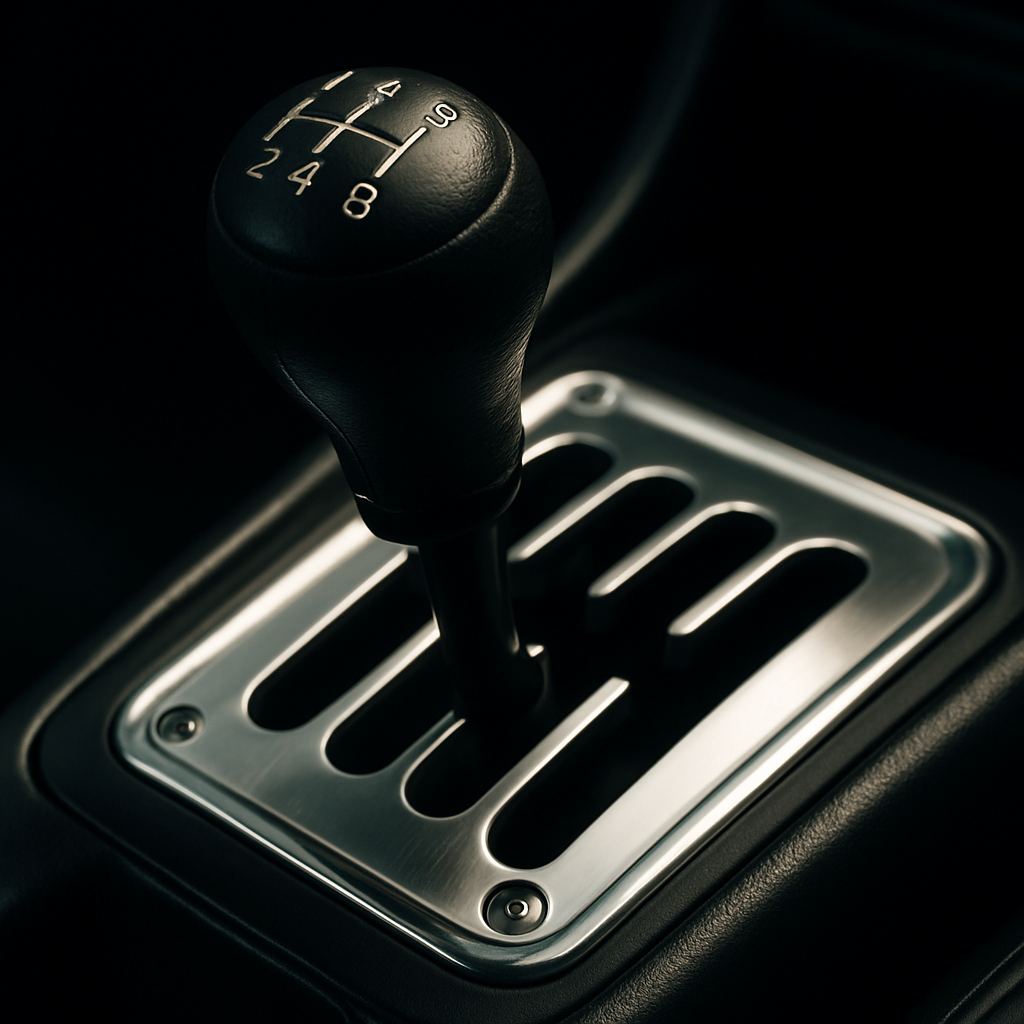
Performance and Sports Cars
- Porsche 911 (992.2 Carrera / GT3) — The GT3 with a six-speed manual remains one of the finest driving experiences on sale. Full stop. The Carrera range also offers a manual option if you spec it right.
- Toyota GR86 — Six-speed manual, naturally aspirated 2.4-litre flat-four, rear-wheel drive. This car exists specifically for people who know what they want.
- Toyota GR Corolla — The hot hatch the segment needed. Three-cylinder turbo, all-wheel drive, manual only. Toyota refused to offer an auto, which tells you everything.
- Mazda MX-5 (ND) — Still the benchmark for lightweight sports cars in this price bracket. The six-speed unit in the MX-5 is genuinely one of the best gearchanges in the industry. Short throw, precise gates, satisfying click on every shift.
- Honda Civic Type R — Six-speed manual, front-wheel drive, and an LSD. The FK8 and FL5 generations kept the manual because the Type R without one would have caused a riot among the fanbase.
- BMW M2 — Available with a six-speed manual, and the enthusiast community largely agrees it is the preferred choice over the automatic in this application.
- BMW M3 / M4 — Manual still on the options list for the standard M3 and M4. Rear-wheel drive, six-speed, and a 3.0-litre twin-turbo straight-six. One of the last manual options in the executive performance segment.
- Alpine A110 — Technically automatic only at time of writing, though Alpine has teased a manual variant for the refreshed model. Worth watching.
- Subaru BRZ — The twin brother of the GR86, with the same six-speed manual powertrain. Equally brilliant.
Hot Hatches and Performance Everyday Cars
- Volkswagen Golf GTI / Golf R — The Golf R is automatic only now, but the GTI still offers a six-speed manual. The GTI with a manual is the version most enthusiasts will tell you to buy.
- MINI John Cooper Works (Hatch) — Manual still available. The three-door JCW with a stick is a proper little weapon around town and on back roads.
- Hyundai i20 N / i30 N — Hyundai’s N division has been outstanding in keeping the manual alive. The i30 N in particular offers a rev-matching manual that is deeply satisfying to use.
- Ford Puma ST / Fiesta ST (used stock) — The Fiesta ST is gone from production but used examples are plentiful, and the Puma ST continues with a manual option.
- Renault Clio RS Line — Not full-fat hot hatch but still available with a manual in specific trims.
Everyday Cars That Kept the Faith
- Toyota Yaris / GR Yaris — The GR Yaris is manual only, which is the correct answer. The standard Yaris hybrid continues with a CVT, but Toyota knows which version of the car matters to the community.
- Dacia Sandero / Duster — Plenty of manual options across the range. Value-end of the market has kept the manual simply because it is cheaper to produce.
- Suzuki Swift Sport — Six-speed manual, mild hybrid, and a punchy little 1.4 turbo. Lightweight and rear-biased weight distribution for a front-wheel drive car. Overlooked and brilliant.
Is the Manual Making a Genuine Comeback or Just Holding On?
Honest answer: it depends on the segment. In the hot hatch and sports car space, the manual is absolutely making a comeback. Manufacturers who dropped it are facing genuine pressure from vocal buyers and press to bring it back. Ford confirmed enthusiast demand was a factor in keeping manual options alive longer than their own planning suggested. In the mainstream family car segment, though, the manual is fading. The Vauxhall Astra still offers one, but most buyers in that class have moved on.
If you are a proper car person and you want to experience the best the manual has to offer right now, the GR86, the MX-5, the Civic Type R, and the 911 GT3 represent four very different price points and four genuinely brilliant ways to engage with a car. If you want to explore those options further and compare community recommendations and specs, Maxx Directory is worth a look for UK-focused car resources and community listings.
The stick shift is not dying. It is refining. The cars that kept it are, almost without exception, the ones worth driving.
Frequently Asked Questions
Which new cars still come with a manual gearbox in 2026?
Key options include the Mazda MX-5, Toyota GR86, Honda Civic Type R, BMW M2, Volkswagen Golf GTI, Hyundai i30 N, and Porsche 911 GT3. The list is shorter than it was a decade ago, but the cars that kept the manual are generally the enthusiast picks in their respective segments.
Why are automakers bringing back the manual gearbox?
Enthusiast demand and changing cultural attitudes towards driving involvement are driving the shift. As EVs dominate everyday transport, performance and sports car buyers increasingly want a tactile, engaging driving experience that only a manual can fully deliver. Automakers are responding to vocal communities and strong residual values on manual variants.
Is a manual car faster than an automatic in 2026?
No. Modern dual-clutch automatics shift faster than any human can and are consistently quicker over a timed lap. However, many drivers prefer the manual for the sense of involvement and skill it requires, particularly in road driving where outright pace is less relevant than connection with the car.
Does passing your UK driving test in an automatic mean you can't drive a manual?
Correct. If you pass your UK driving test in an automatic vehicle, your licence only covers you for automatic cars. To drive a manual legally, you would need to retake the test in a manual transmission vehicle. Passing in a manual, however, covers you for both.
Are manual cars cheaper to buy and run in the UK?
In some cases, yes. Manual variants of the same model are often slightly cheaper at point of sale, and historically have lower servicing costs due to simpler transmission components. However, many modern performance cars charge a premium for a manual option, particularly where it requires bespoke engineering.