
Every January, the DVLA’s 40-year rolling tax exemption quietly rolls forward one more year, and every January, a fresh batch of cars crosses the threshold into free VED territory. It sounds like good news for enthusiasts. In practice, it’s been steadily pricing people out of late-1980s performance cars at a rate that would have seemed absurd even five years ago. I’ve watched this happen in real time across classifieds, at auction, and in club forums, and the numbers are now impossible to ignore.
From 1 January 2026, vehicles first registered before 1 January 1986 qualify for free road tax under the HMRC and DVLA historic vehicle rules. That means a significant slice of mid-1980s machinery has just gained a meaningful financial perk, and the market has already reacted. But here’s the less obvious part: the cars approaching that threshold are the ones getting expensive fastest.
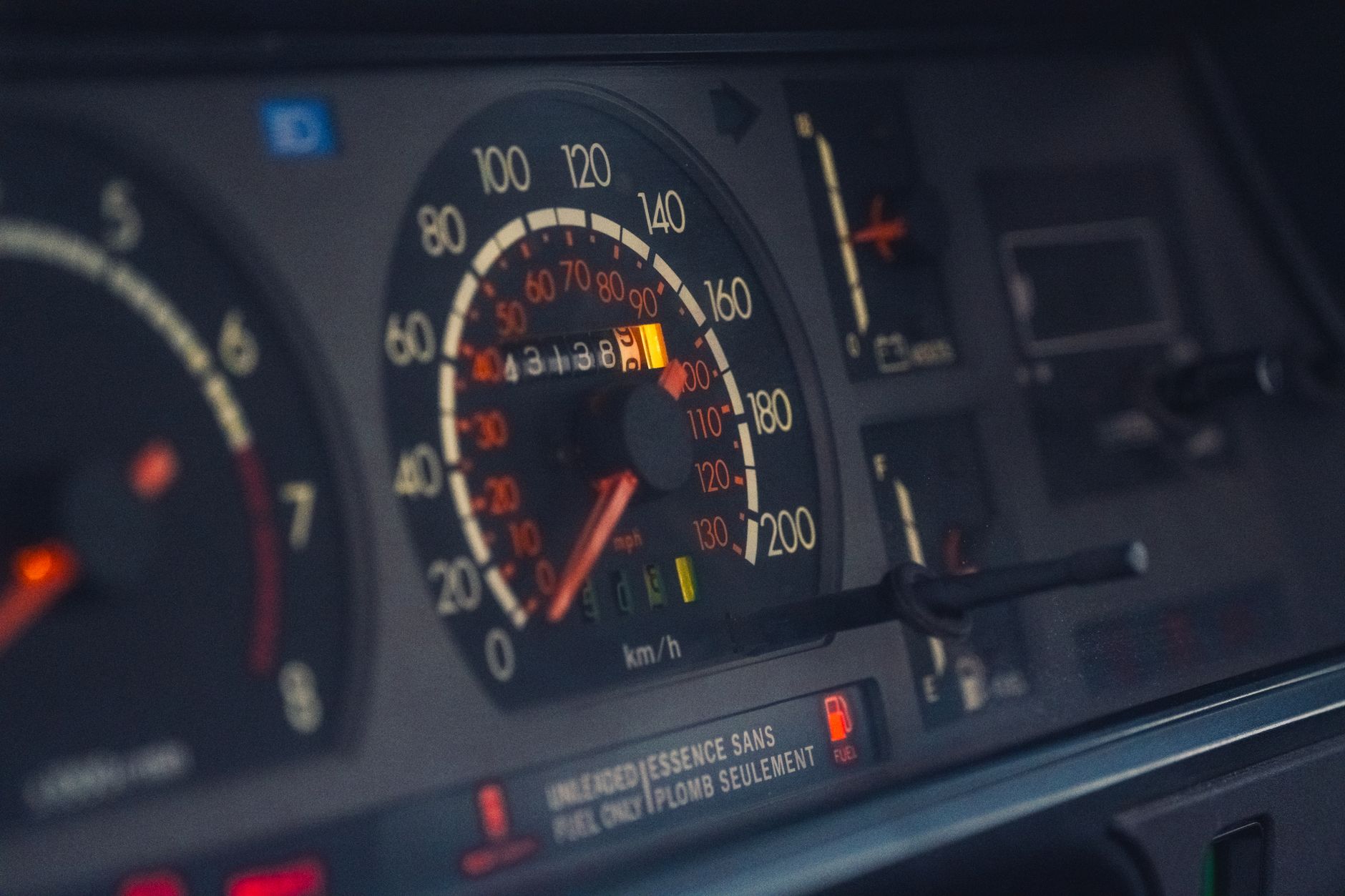
Why the exemption creates a price wave, not a price cliff
You might expect the cars that just became tax-exempt to spike in value. And they do, a bit. But the real pressure builds earlier. Buyers who understand the system are looking ahead 12 to 36 months and buying before the exemption arrives, partly for the anticipated saving and partly because values reliably climb once a car reaches classic status. The result is a kind of rolling pressure front, pushing through the late-1980s market year by year.
Take a 1987 Volkswagen Golf GTI Mk2. Three years ago you could find a solid driver for £6,000 to £8,000. Today those same cars are £12,000 to £16,000 on the better classifieds, and the tidy ones are trading at £20,000-plus. A 1988 Ford Sierra RS Cosworth, already a significant car by any measure, has gone from aspirational to genuinely difficult for anyone without serious capital. Prices on those are now consistently north of £40,000 for anything that doesn’t need a full bodywork restoration. Even the humble 1987 Peugeot 205 GTI 1.9, which you could pick up for under £10,000 as recently as 2022, regularly fetches £18,000 to £25,000 at auction in 2026.
Which models are spiking fastest right now
Not every late-80s car is moving at the same pace. The cars climbing hardest share a few traits: strong cult followings, limited surviving numbers, and the kind of driving character that modern performance cars have largely engineered away.
The Honda CRX (1987-1988 examples) has been climbing sharply, driven partly by enthusiasts keeping an eye on the rolling threshold and partly by a growing Japanese import scene that’s made buyers more aware of what these cars actually were. I’d also point to the BMW E30 M3, already expensive, but the 1987 to 1989 examples are being hoovered up by people who recognise that every year closer to the exemption is another year of value growth. Any remaining road-registered examples of the Lotus Excel SE from 1987 to 1988 have become genuinely rare, and prices reflect that.
Slightly more accessible but moving quickly: the Alfa Romeo Spider Series 3 in good condition, the Renault 5 GT Turbo (1987 examples now regularly above £12,000 for clean cars), and the Mk1 MR2 from the mid-to-late 1980s. The common thread is that these were driver’s cars in an era before traction control, ABS was standard fitment, or suspension software decided how you cornered.
The MOT angle that buyers keep forgetting
Free road tax gets all the attention, but it’s worth remembering that vehicles over 40 years old are also exempt from the annual MOT, provided they haven’t been substantially changed. That dual saving, no VED and no compulsory MOT fee, is meaningful over five or ten years of ownership. A standard VED rate for a high-emissions 1980s performance car could be £600-plus per year. Multiply that out and you’re looking at a real financial argument for buying ahead of the exemption.
That said, I’d be cautious about treating the MOT exemption as a pure win. A car that genuinely hasn’t had a proper inspection in years can develop serious issues quietly. Plenty of experienced owners keep MOT-exempt cars going through annual inspections anyway, just voluntarily. If you’re buying one of these late-80s cars and the seller is making a big deal out of the MOT exemption as a selling point, that’s worth probing. There’s a reason our piece on what happens when a modified car fails its MOT gets so much traffic: people underestimate how quickly mechanical conditions can slide.
Should you buy before the exemption arrives?
This is the question I get asked most often in club circles, and my honest answer is: it depends entirely on what you’re buying and why. If you’re buying a genuinely good car at a price you’re comfortable with, and you plan to keep it, then yes, buying a 1987 or 1988 car now makes sense. You’ll benefit from the VED exemption arriving in 2027 or 2028, and in the meantime, the car’s value will very likely hold or increase.
If you’re buying purely as a speculative punt, I’d be more cautious. The market is already pricing in the upcoming exemption on many popular models. You’re not getting ahead of the curve on a 205 GTI or Golf GTI any more; that ship has sailed. The smarter speculative play, if there is one, is looking at cars that haven’t yet attracted mainstream attention but are genuinely solid 1987 to 1989 driver’s cars. Things like a well-kept Triumph Acclaim are obviously not exciting. But an honest Talbot Samba Cabriolet or a late-spec Rover 216 Vitesse from 1988 has the bones of a future appreciator, if the supply continues to shrink. The real costs of keeping an older performance car road legal are also something buyers routinely underestimate, regardless of whether VED is free.
The insurance side of the equation
One thing that doesn’t automatically get cheaper once a car turns 40 is insurance. Specialist agreed-value policies through outfits like Footman James or Adrian Flux can actually cost more than a standard policy on a modern equivalent, particularly if agreed values have climbed in line with market prices. If you’re factoring in savings from the tax exemption, make sure you’re running realistic insurance numbers alongside them. The VED saving on a high-rated pre-1986 car might be £600 per year; the uplift in specialist insurance premium could eat a meaningful chunk of that. I’d always recommend getting a specialist quote before finalising any purchase where the financial argument leans heavily on running cost savings. Our breakdown of how UK insurance groups are changing for performance and modified car owners is worth reading before you commit.
What the market looks like from here
The rolling nature of the exemption means this pressure isn’t going away. Every year, another cohort of late-80s cars gets the financial upgrade of classic status, and every year, the cars two to three years behind them start climbing in anticipation. By the early 2030s, early-1990s hot hatches like the Mk3 Golf VR6 and the first-generation Honda Civic Type R will be in the same position the Mk2 Golf finds itself in now.
If you’re in the market for a genuine late-80s driver’s car and you haven’t been watching prices closely, my honest advice is to move faster than you planned to. The window between a car being affordable and a car being a serious financial commitment is narrowing. Condition matters more than ever at these prices; don’t rush past a proper inspection to beat someone else to a car. And if you’re thinking about buying something modified, make sure you’ve read up on how modifications affect insurance costs before the bill arrives.
The DVLA 40 year tax exemption is a genuinely good policy. It’s just that the market, being the market, has turned a tax saving into a price signal. That’s not a reason to stop buying. It’s a reason to buy well.
Frequently Asked Questions
What is the DVLA 40 year rolling tax exemption for classic cars in the UK?
Vehicles that are more than 40 years old and haven’t been substantially modified are exempt from paying Vehicle Excise Duty (VED) in the UK. The threshold rolls forward each year on 1 January, so a new batch of vehicles qualifies annually. You still need to tax the vehicle, but the cost is zero.
Which 1980s cars are increasing in value fastest because of the classic car tax exemption?
The biggest movers in 2025 and 2026 have been the Volkswagen Golf GTI Mk2, Peugeot 205 GTI, Ford Sierra RS Cosworth, and Honda CRX from 1985 to 1988. Buyers are purchasing ahead of the exemption threshold, pushing prices up two to three years before the VED saving actually kicks in.
Do MOT-exempt classic cars still need to be inspected?
Legally, vehicles over 40 years old that haven’t been substantially altered don’t require a compulsory MOT in the UK. However, many experienced owners still get annual voluntary inspections to keep on top of safety and condition. The exemption removes the legal requirement, not the practical need for maintenance.
Is it worth buying a late-1980s performance car before the 40-year tax exemption kicks in?
For genuine enthusiasts planning to keep the car, buying ahead of the exemption can make sense. Values on popular models tend to climb in the run-up to classic status, and the VED saving is worth several hundred pounds per year once it arrives. For purely speculative buying, the opportunity is narrower than it was a few years ago on well-known models.
Does the 40-year classic car exemption affect insurance costs?
The DVLA tax exemption has no direct effect on insurance premiums. Specialist agreed-value policies through insurers like Footman James or Adrian Flux may cost more than standard cover, particularly as agreed values have risen sharply. Always get specialist insurance quotes when calculating the true cost of owning a newly classic vehicle.