
If you are into proper driver’s cars, the debate of modern hot hatches vs old school heroes never really ends. Out on real UK roads – lumpy B-roads, grim commutes and late-night blasts – the differences are massive. It is not just about lap times, it is about feel, running costs, mod potential and whether you can live with the thing every day.
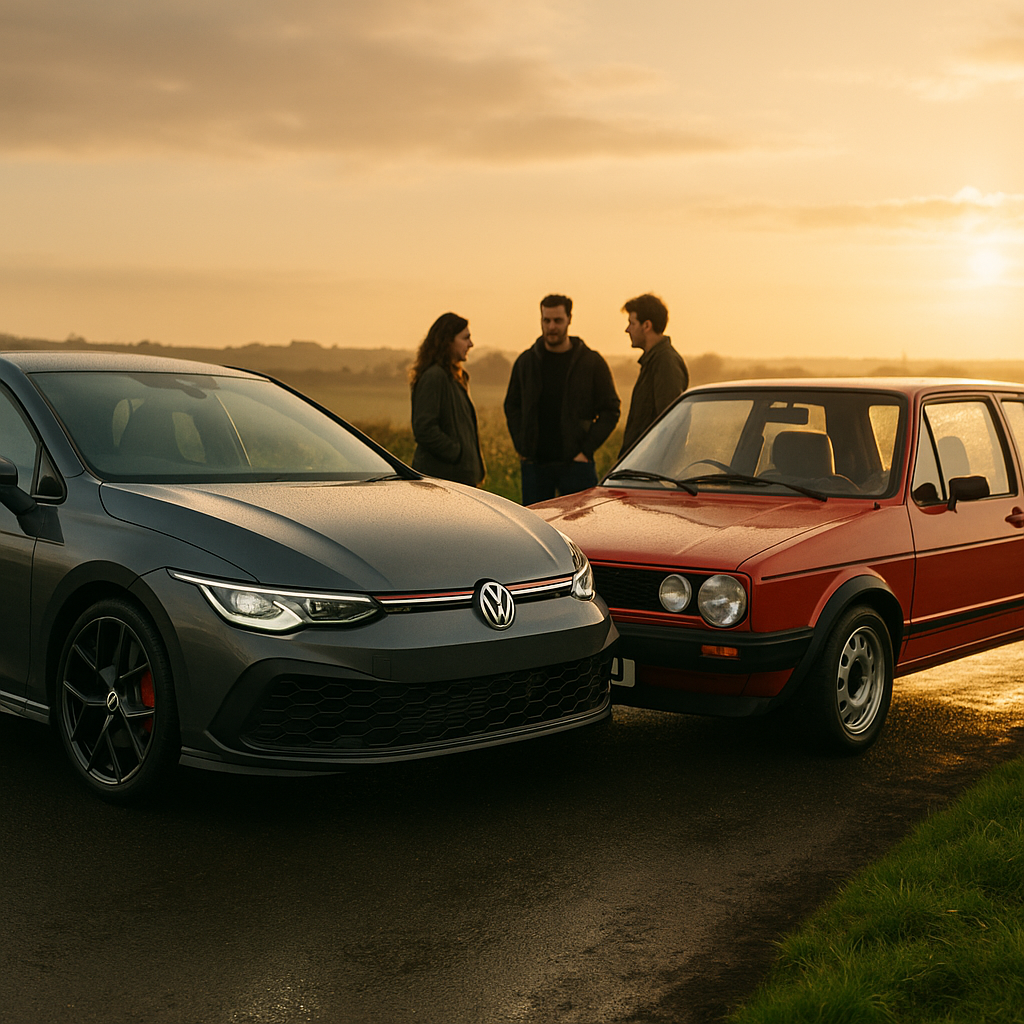
Modern hot hatches vs old school heroes: how they really feel to drive
Jump from a sorted EP3 Civic Type R into a current GR Yaris or i30N and the first thing you notice is weight and refinement. New stuff is quieter, more planted and way faster point to point. The steering is usually lighter, there is a ton of grip and the chassis is set up to be safe for anyone jumping in off a PCP deal.
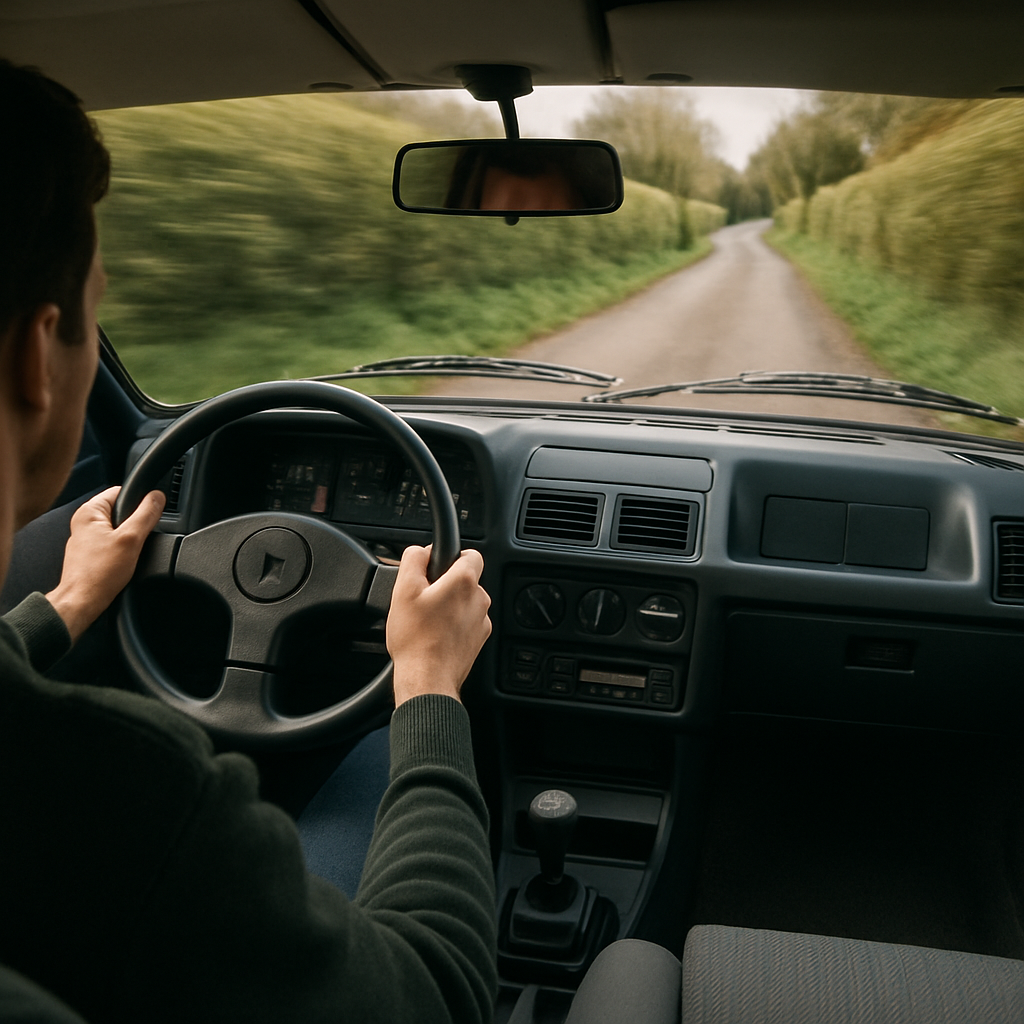
The older legends feel more raw. Thin doors, more noise, less insulation, heavier steering and a chassis that actually moves around underneath you. A 205 GTI, Clio 172 or early Mk2 Focus ST talks to you through the wheel and the seat, not through a screen and a fake sound generator. They are slower on paper, but on a tight, scruffy B-road they feel alive at legal speeds, which is where a lot of modern stuff just feels bored.
Modern cars fight back with clever diffs, adaptive dampers and traction systems that let you lean on the car harder and earlier. You can be a bit lazier with your inputs and still cover ground stupidly quickly, especially in the wet. Old school stuff rewards finesse and patience – get it wrong and you are in a hedge.
Speed, safety and daily reality
On pure speed, modern hot hatches destroy the old guard. Turbo torque from low revs, shorter gearing, better tyres and far more traction mean a current Civic Type R, GR Yaris or A45 AMG will rinse a 90s hero in a straight line and on most B-roads. Add in proper brakes from the factory and the gap gets bigger the harder you push.
Safety is the other big one. Newer cars come with a full alphabet of systems, serious crash protection and lights that actually let you see on a wet January night. If you are doing long motorway runs, hauling mates or family and using the car in all weathers, that matters.
Old hatches feel sketchier when it all goes wrong. No ESP, basic ABS if you are lucky and crash structures that belong in a museum. Fun at 40 mph, a bit sweaty at 80 when the road surface turns nasty.
Running costs and reliability
Here is where the modern hot hatches vs old school heroes fight gets interesting. Older stuff is usually cheaper to buy, and basic servicing can be done on the driveway with Halfords tools and a brew. Parts for popular cars like Mk2 Golfs, EP3s and old Clios are still easy enough to get, and there is a massive community of nerds who know every weak point.
But age catches up. Rust, tired bushes, dead dampers and 20-year-old plastics all add up. Insurance can be weirdly high on classics, and if you start chasing OEM+ unicorn parts, the bills get spicy. Also, a lot of the cheap ones have been thrashed, badly modded or crashed.
New hot hatches will hit you on purchase price, tax and tyres, but tend to be reliable if you keep them stock and serviced. Warranty helps, and fuel economy is surprisingly decent on the motorway thanks to tall gearing and turbo efficiency. The sting is in big-ticket items out of warranty – injectors, high pressure fuel pumps, clutches on dual-clutch boxes and complex electronics.
Modding potential and scene vibes
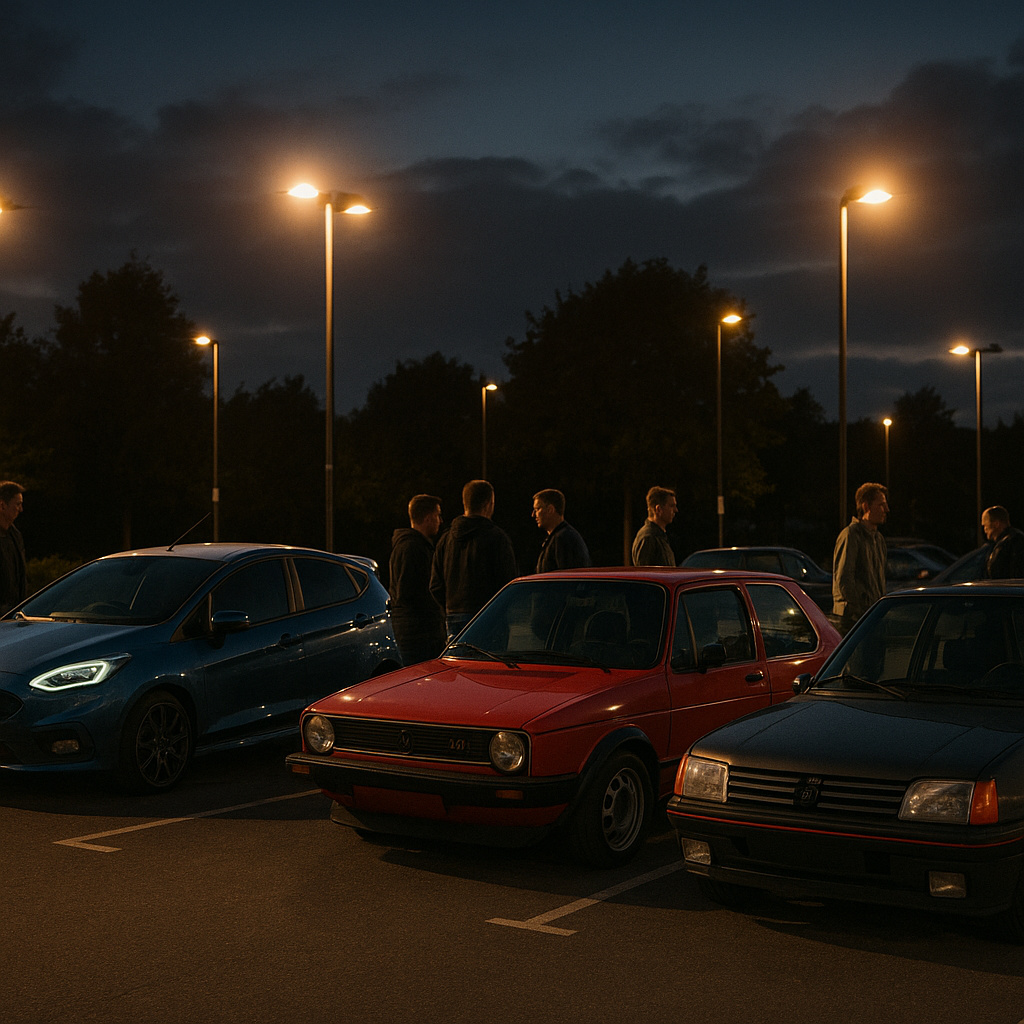
Both sides are proper playgrounds if you like spanners. Old school stuff is simple, light and responds well to basic mods – decent coilovers, proper tyres, a fast-road geo and a mild engine tweak transform them. You feel every change because there is less fluff in the way.
Modern hot hatches vs old school heroes FAQs
Are older hot hatches cheaper to insure than modern ones?
Not always. Older hot hatches can fall into classic or limited mileage policies which helps, but many are high risk in insurers’ eyes because of theft, age and the sort of drivers they attract. Modern cars often have better security and driver aids, but higher values and performance can push premiums up. It is worth getting quotes on specific cars before you buy rather than assuming old is cheaper or newer is safer for your wallet.
Is a modern hot hatch worth it if I only drive at weekends?
If you only do weekend blasts, an older, lighter hatch can actually make more sense because it feels exciting at sane speeds and is usually cheaper to buy outright. A modern hot hatch shines if you also need it to commute, cover long distances and deal with all-weather use. For pure fun with low annual mileage, a well looked after classic or older hero might give you more smiles per pound.
What should I check before buying an old school hot hatch?
Start with rust, accident damage and bodged repairs, as these are often more serious than simple mechanical wear. Look for a thick folder of history, evidence of quality parts, and signs that key jobs like timing belts, clutches and suspension refreshes have been done. Check for mismatched tyres, dodgy wiring from old alarms or audio, and make sure any mods are from known brands rather than the cheapest bits online. A pre-purchase inspection by a specialist is money well spent.