
Everyone who’s spent any time on UK car forums knows the pitch: a stage 1 remap, a couple of hundred quid, and suddenly your 2.0 TDI is making golf GTI power figures. It’s tempting. I get it. I’ve sat in enough map sessions watching the dyno trace climb to understand exactly why people queue up for them. But the headline number, 40 extra horsepower, a fat torque spike, is only half the story. The other half is what happens to the rest of the drivetrain over the next 30,000 miles, and that’s the conversation tuners are rarely rushing to have with you.
What a stage 1 remap actually changes under the bonnet
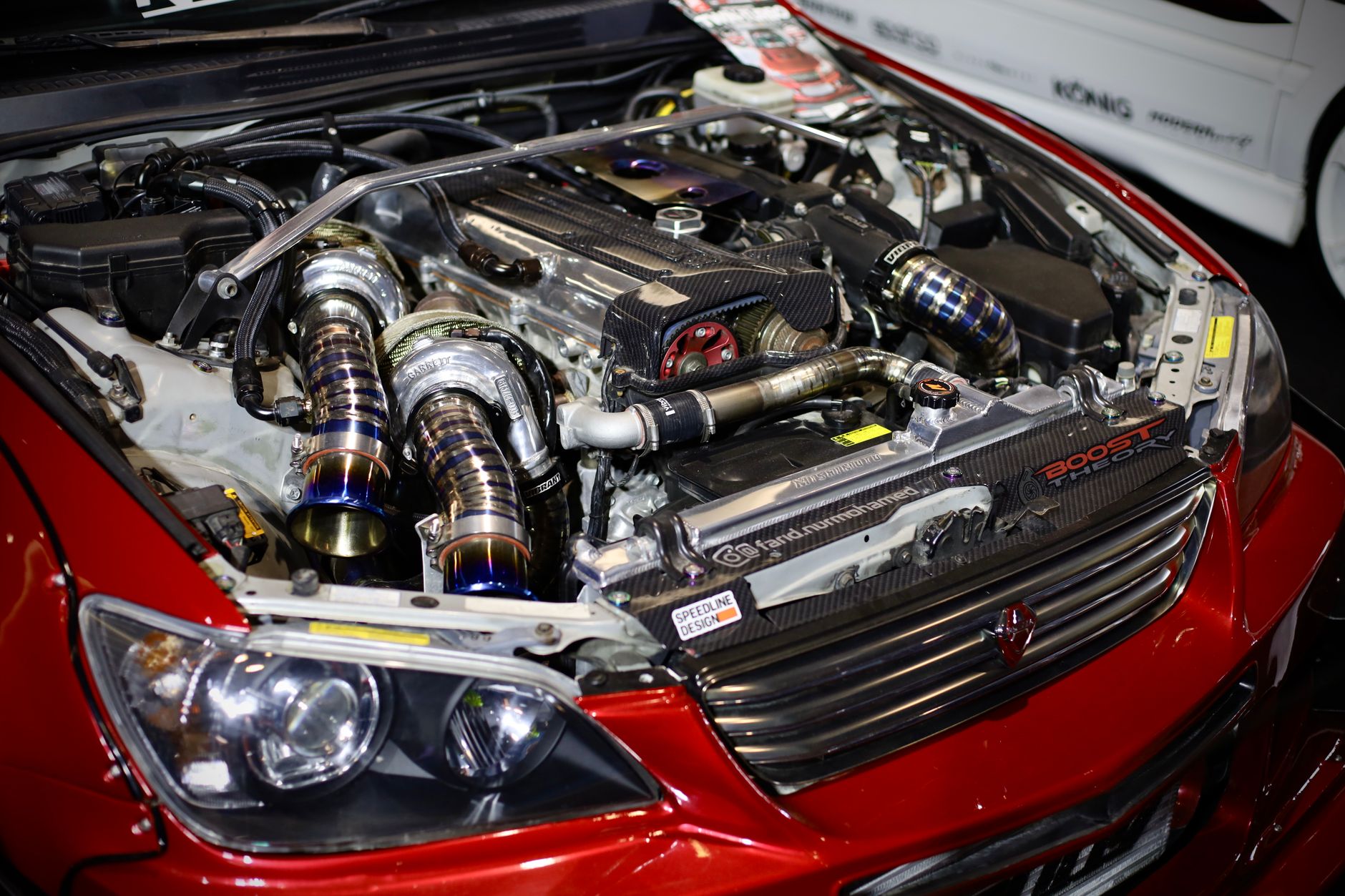
A stage 1 tune modifies the engine control unit’s calibration, fuel maps, boost pressure, ignition timing, torque limiters, rev limiters in some cases, without requiring physical hardware changes. On a turbocharged petrols like the Ford 2.3 EcoBoost in the Focus ST or the VAG EA888 2.0 TSI found in Golf GTIs and Audi A3s, the ECU is running the engine conservatively from the factory. There’s genuine headroom in the hardware that the OEM hasn’t exploited, usually for warranty, emissions, and market segmentation reasons. A competent stage 1 map extracts some of that headroom. So far, so logical.
Where it gets more complicated is the cumulative effect on components that weren’t designed to run at those outputs for 100,000-mile lifespans. The factory torque limit on a VAG DSG gearbox exists for a reason. Bump the torque from 350Nm to 430Nm and you’re asking clutch packs and mechatronics to deal with loads they’re capable of handling in short bursts but weren’t necessarily rated for over years of daily commuting. Dry-clutch DSG units, the DQ200 in particular, have a reputation for being fragile even on stock power. A map doesn’t help that situation.
Engine wear: the honest picture on VAG, BMW and Ford units
On VAG’s 1.4 TSI and 2.0 TSI engines, the main concern post-remap is piston ring and bore wear accelerating if the fuelling map isn’t properly dialled in. A lean condition under high load, even briefly, is the enemy. Reputable tuners will richen the mixture under full throttle; less careful ones won’t. The EA888 Gen 3 in particular runs a relatively low compression ratio and responds well to boost increases, but the oil consumption issue that already affects many of these engines can worsen if intake temperatures creep up consistently. If you’ve already got carbon build-up from the direct-injection setup on your VAG engine, adding thermal stress via a remap before addressing that is genuinely not smart.
BMW’s B47 and B58 units are a different story. The B58 3.0 inline-six in the M140i and 440i is one of the most map-friendly engines on sale, BMW themselves sell it in multiple states of tune (340i, M340i, M3) using largely the same block. A stage 1 on a stock B58 is relatively low-risk if the hardware is in good shape, servicing is up to date, and intercooling is adequate. The B47 2.0 diesel found in 3 and 5 Series is more contentious; EGR and DPF interaction under increased load is the primary concern, and I’ll come back to that.
Ford’s 2.3 EcoBoost, the engine in the Focus ST and Mustang, has a known weak point in the block itself on early post-2019 cars where port liner issues caused cylinder head problems under sustained boost. A stage 1 doesn’t cause that failure mode, but running consistently higher boost on an engine already being pushed hard by factory settings isn’t going to help longevity. Ford have addressed the issue in later production, but if you’re buying used and remapping, get a compression test first.
DPF, EGR and emissions: the part nobody wants to talk about
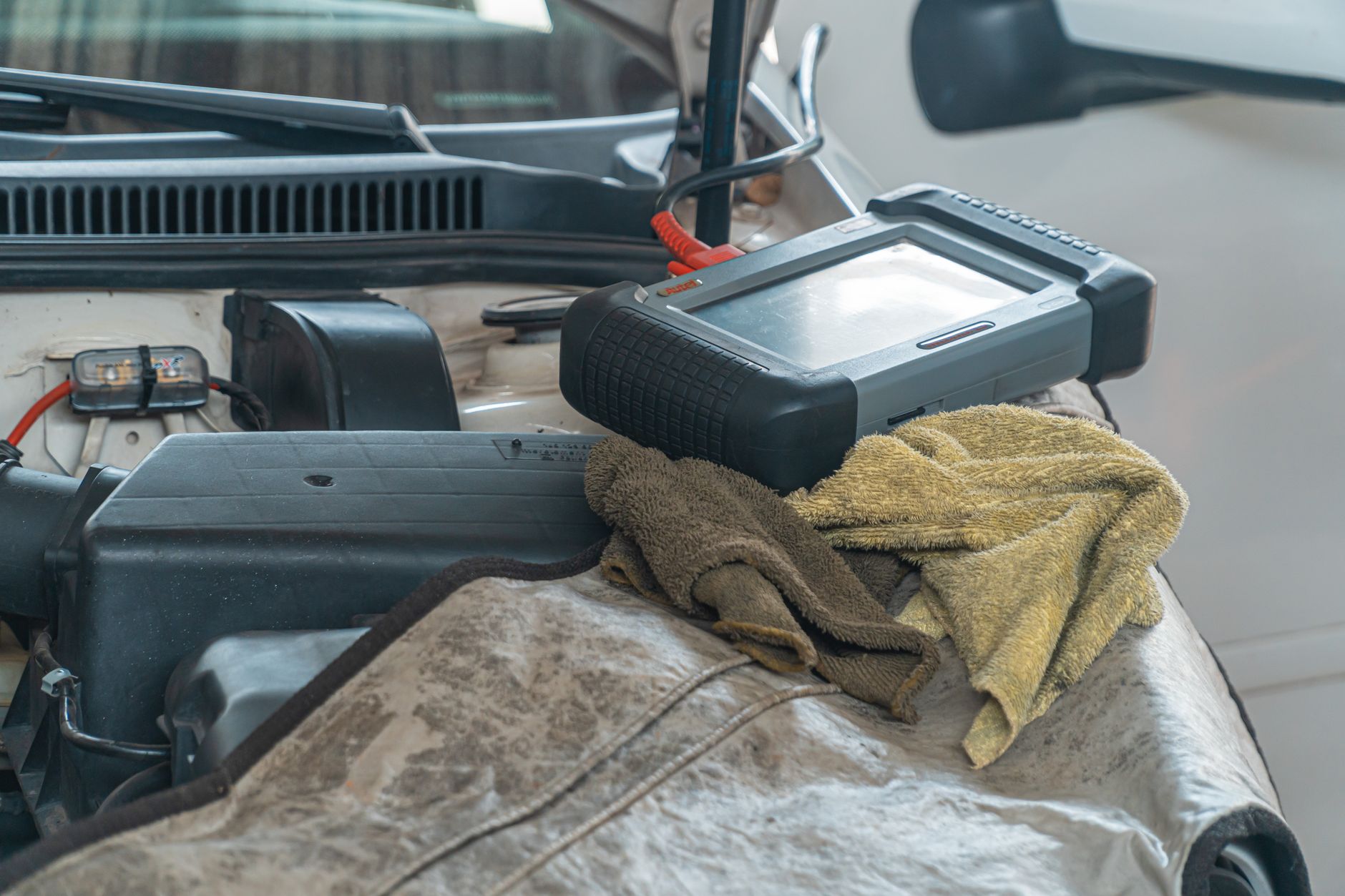
This is where stage 1 remaps on diesels get genuinely murky. On a stock BMW B47, Volkswagen 2.0 TDI, or Ford 2.0 EcoBlue, the ECU manages the diesel particulate filter regeneration cycle carefully. Increase fuelling, injection pressure, and boost, as a stage 1 does, and you’re generating more soot per combustion cycle. The DPF has to regenerate more frequently. On cars that do a lot of short UK town runs (which is most of them), a DPF that’s already marginal will block faster. You can find yourself looking at £800 to £1,500 for a replacement unit within 40,000 miles of remapping, which rather eats into the perceived value of that extra torque.
EGR systems compound the problem. Reputable tuners on diesel applications will adjust EGR maps to reduce recirculation at high loads, which protects the intake from sooting up, but this puts the car into a grey area regarding emissions compliance. The DVLA’s current MOT emissions standards don’t test particulate output comprehensively on older diesels, but that’s changing. The Government’s clean air policy roadmap points clearly toward tighter roadside testing and ULEZ-style enforcement in more UK cities through 2026 and beyond. A remapped diesel that was marginal on emissions is not going to get easier to run as the years progress, particularly if you live near a clean air zone that’s expanding its net.
Gearbox, clutch and drivetrain stress in the real world
Automatic and dual-clutch gearboxes on modern performance cars have their own ECU-controlled torque limits. Some of those limits are software-based and get overridden when you change the engine map. Others are hardware-enforced at the gearbox controller level. The safe ones are where the tuner understands both sides. On a Ford Focus ST with the Getrag 6-speed manual, a stage 1 is relatively benign, the gearbox is already rated for more than standard output. On a Golf GTI with the DQ381 wet-clutch DSG, you’re in better shape than the older DQ200; experienced tuners know the actual limits. The issue is when you buy a used car that’s already been mapped and the gearbox has been running hard for 40,000 miles without anyone knowing about it. This is exactly why getting a full history on a used remapped hot hatch matters so much, not just whether it was tuned, but how it was driven afterwards.
Intercooler efficiency also degrades over time. Higher boost means higher intake air temperatures. On a car running a stage 1 map for three years without anyone checking the intercooler condition, compressed air that enters the engine hotter than intended causes knock events that the ECU compensates for by retarding timing, which reduces the very power gains you paid for. It’s a slow, invisible degradation that most owners never notice until they dyno the car and wonder where the numbers went.
How to protect your investment if you do remap
If you’re going ahead, and plenty of people should, because a well-executed stage 1 on the right engine is genuinely a quality upgrade, the maintenance implications need to be part of your plan from day one. Shorten your oil change intervals. On a VAG 2.0 TSI, I’d drop from 10,000 miles to 6,000 miles using a quality full-synthetic 5W-30 or 5W-40 that meets the OEM spec. Check your coolant temp and oil pressure regularly. Get a boost gauge or an OBDII monitor like a Konnwei or OBDEleven so you’re actually watching what the engine’s doing, not just trusting the dashboard warning lights that only illuminate when things have already gone badly wrong.
On the subject of engine component quality: whether you’re refreshing a high-mileage engine before mapping it or dealing with a failure afterwards, using parts that meet OEM spec matters more on a remapped car than a stock one. There’s a reason specialists in long-haul and high-stress applications, fields that share the same principles of load management and parts quality even if the scale differs, like KMP Brand emphasise exactly that. The same thinking applies to a hot hatch running 20% more torque than standard.
Stage 1 remap reliability: the honest verdict
A stage 1 remap on a modern turbocharged petrol engine, done by a tuner who actually knows the platform, with current servicing and no pre-existing mechanical issues, is a reasonable thing to do. The risk is manageable. On diesels, particularly those doing short urban runs, the DPF situation is a genuine long-term cost that most people underestimate. And on any car bought used with an unknown mapping history, you’re inheriting someone else’s decisions without the full picture.
The power gains are real. So are the compromises. Go in with eyes open, maintain the car properly, choose your tuner based on platform knowledge rather than price, and a stage 1 map can be years of enjoyable, reliable motoring. Cut corners on any of those three things and it gets expensive quickly.
Frequently Asked Questions
Does a stage 1 remap void my car warranty in the UK?
Yes, in almost every case. UK dealers can refuse warranty claims on components they can determine have been affected by a remap, and most main dealers now check ECU flash counters during servicing. Some independent tuners offer a software restore before dealer visits, but this doesn’t reset the flash counter reliably on VAG and BMW ECUs.
How much does a stage 1 remap typically cost in the UK?
Expect to pay £250 to £600 at a reputable specialist, depending on the platform and whether custom mapping or an off-the-shelf file is used. Prices below £200 should be treated with caution, generic files not optimised for your specific car’s condition can cause damage over time.
Will a stage 1 remap affect my car insurance?
Yes. In the UK you are legally required to disclose modifications to your insurer, and a remap is a modification. Failure to declare it can invalidate your policy entirely in the event of a claim. Some specialist insurers cover remapped cars at reasonable premiums, Adrian Flux and Sky Insurance are two often used by enthusiasts.
How often should I change my oil after a stage 1 remap?
Most tuners and informed owners recommend reducing oil change intervals by 30 to 40 percent. On a car with a 10,000-mile OEM interval, that means changing at 6,000 to 7,000 miles. Use a full-synthetic oil that meets the manufacturer’s viscosity and approval grade, on VAG engines, that means VW 504.00 or 507.00 spec as appropriate.