
There’s a moment in every classic car market cycle where something shifts quietly, almost without announcement, and by the time the mainstream press notices, the sensible money has already moved. That moment is happening right now with compact open-top sports cars from the late 1980s and early 1990s. The numbers are moving. The enthusiast forums are buzzing. And the cars themselves, once dismissed as affordable weekend toys, are starting to attract the kind of serious attention that used to be reserved for Italian exotica and air-cooled Porsches.
I’ve been watching this corner of the market for a few years, and the classic roadster investment UK angle has gone from niche speculation to something I’d genuinely point a financially-minded petrolhead towards in 2026.
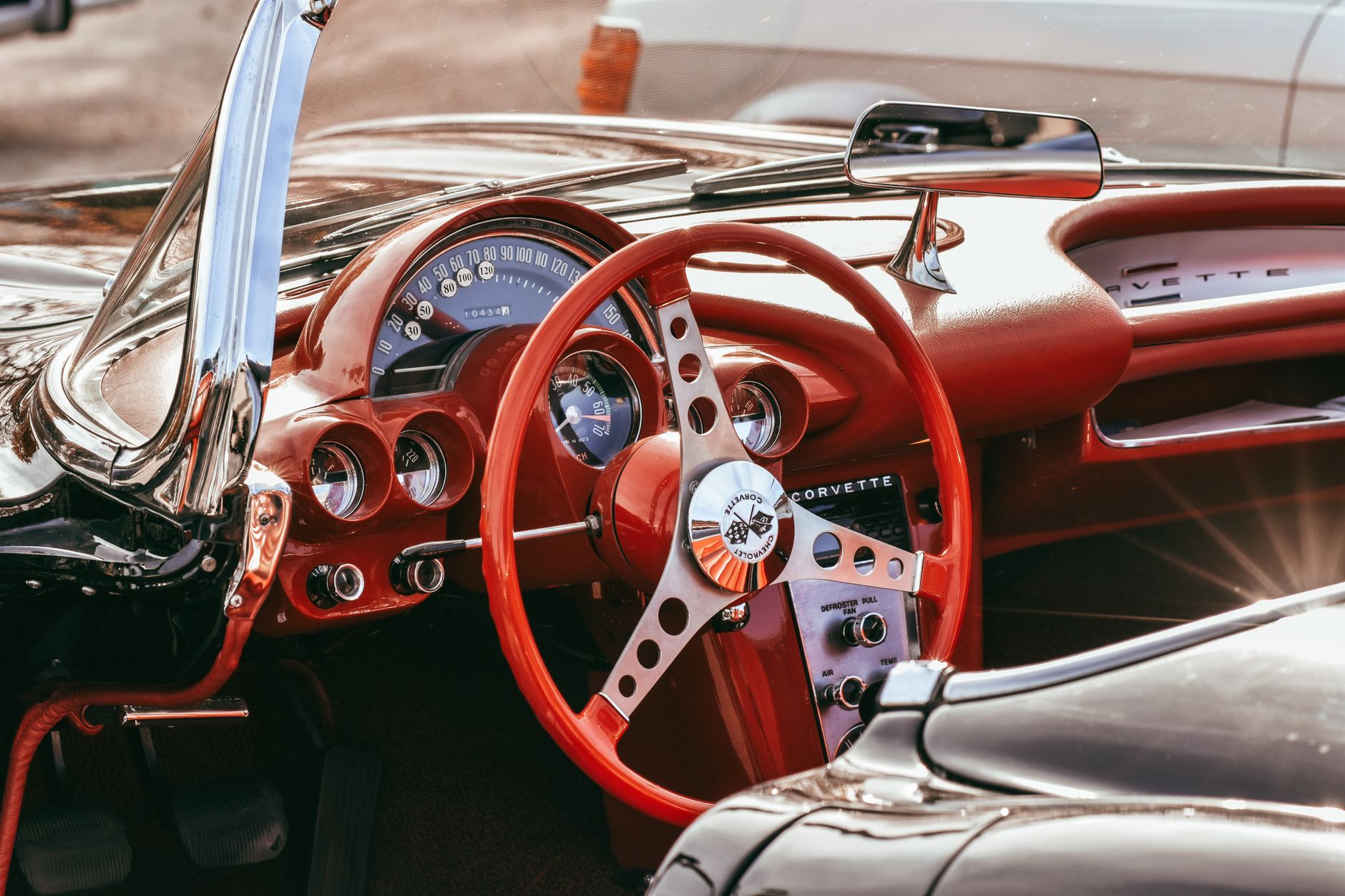
What’s actually driving roadster values upward?
The short answer: demographics and scarcity, in roughly equal measure. The generation that was in their twenties when these cars were new is now in their forties and fifties, earning proper money for the first time and harbouring serious nostalgia. A tidy early-90s roadster isn’t just a car to them; it’s a connection to a specific chapter of their life. That emotional pull is a powerful price driver.
Scarcity is doing the rest of the work. Rust has eaten a frightening proportion of the surviving UK population of late-80s open-tops. Add in the cars that were crash-damaged, badly restored, or simply neglected in driveways, and the pool of genuinely good examples is shrinking faster than most people realise. According to the DVLA, the number of licensed classic vehicles in the UK has been falling year-on-year for several model families from this era, even as demand from buyers continues to grow. That’s a textbook supply squeeze.
The other factor worth understanding is the DVLA’s rolling 40-year tax exemption, which continues to pull cars from this exact era into the classic category, removing their road tax liability and making them cheaper to run overnight. For a 1986 car that was still sitting in tax-paying purgatory two years ago, the practical cost of ownership just dropped significantly. That matters to buyers on the fence.
Which roadsters from this period are climbing fastest?
The Mazda MX-5 is the obvious headline. Mk1 cars (1989 to 1997) in good condition are now regularly exchanging hands at prices that would have seemed absurd five years ago. A genuine low-mileage, rust-free Mk1 with a full service history is a £15,000-plus car in 2026. The early Mk2 isn’t far behind. If you want to understand exactly why the numbers stack up the way they do, the Mazda MX-5 classic investment UK case study is worth reading in full; it lays out the financial logic clearly.
But the MX-5 isn’t the only game in town, and honestly, its profile has risen to the point where bargains are thin on the ground. The cars I’d be looking at more carefully right now include the Fiat Barchetta, which remains criminally undervalued for a stylish Italian roadster with a proper chassis; the Honda Beat (grey import, right-hand-drive from Japan, entirely road-legal here with the correct paperwork); and the Lotus Elan M100, which is mechanically fascinating and still findable at prices that reflect how overlooked it is.
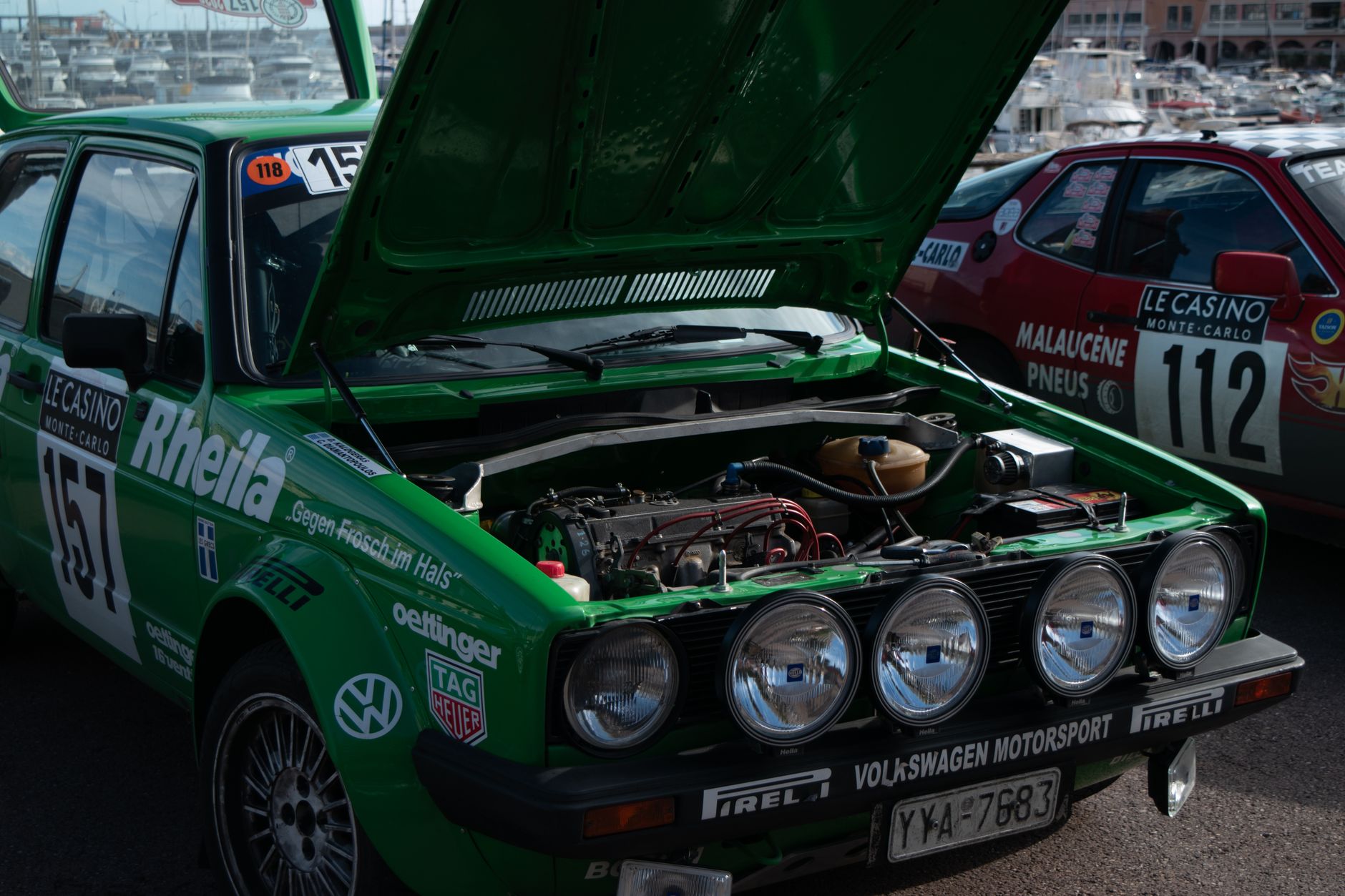
Further down the risk scale but potentially more rewarding, the TVR S-Series from the late 1980s is a car I’ve always thought should be worth significantly more than it is. British-built, fibre-glass bodied, genuinely rapid, and increasingly rare in presentable condition. They have the enthusiast credibility; they just haven’t had the mainstream moment yet. That’s exactly where the smart money tends to look.
The practical reality of running a roadster as an investment
Let’s not pretend these are assets you can simply park in a dry garage and watch appreciate without involvement. They need driving, maintaining, and caring for. Rubber seals on a 35-year-old convertible roof don’t look after themselves. Hoods deteriorate even in storage if they’re not treated properly. And the bodywork on most of these cars, particularly any with early factory paint in original condition, needs consistent protection.
Running costs are manageable if you’re methodical about it. Using an independent specialist rather than guessing your way through a service is the right call for anything with collector value; I’ve written about why independent specialists beat main dealers for performance and classic car servicing at length, and the same logic applies here with even more force. A specialist who knows these specific cars will spot problems before they become expensive.
Insurance is worth thinking about properly. Agreed-value classic policies from the likes of Footman James or Adrian Flux typically cost less than standard cover for equivalent cars, and they pay out based on the vehicle’s agreed valuation rather than market value at time of claim. For a car that’s actively appreciating, that distinction matters enormously.
Is buying a classic roadster now still financially sensible?
The honest answer is: it depends on the car. For a rough MX-5 with undisclosed rust and a patchy history, probably not; the restoration costs will eat any notional gain. For a demonstrably clean, low-mileage, well-documented example of almost any desirable roadster from this era, I think the answer is still yes, though the easy upside has narrowed compared to where it was even eighteen months ago.
The models with the strongest case are the ones where enthusiast communities are active and spare parts supply is still strong. A car no one can fix is a car no one will buy at a premium. The MX-5’s parts availability is exceptional; the Mazda community in the UK is large and organised. The Honda Beat benefits from Japan’s domestic market parts network being accessible through importers. The TVR has a passionate but smaller support network, which cuts both ways.
What I’d avoid: anything with a significant bodywork restoration already done to an unknown standard, and anything presented as ‘investment grade’ by a vendor who can’t show you a continuous history of ownership and maintenance. Those words on a listing are a yellow flag. The best classic roadsters don’t need selling; they speak for themselves.
If you’re seriously considering one of these cars and want to understand what you’re getting into mechanically before parting with money, it’s worth reading up on engine carbon build-up issues that affect many 90s sports cars with direct or semi-direct injection setups. Not all roadsters from this era are affected, but knowing what to check before you buy is always the better position to be in.
The roadster market in 2026 isn’t a secret any more, but it’s not fully priced in either. The window is narrower than it was, but it’s still open.