
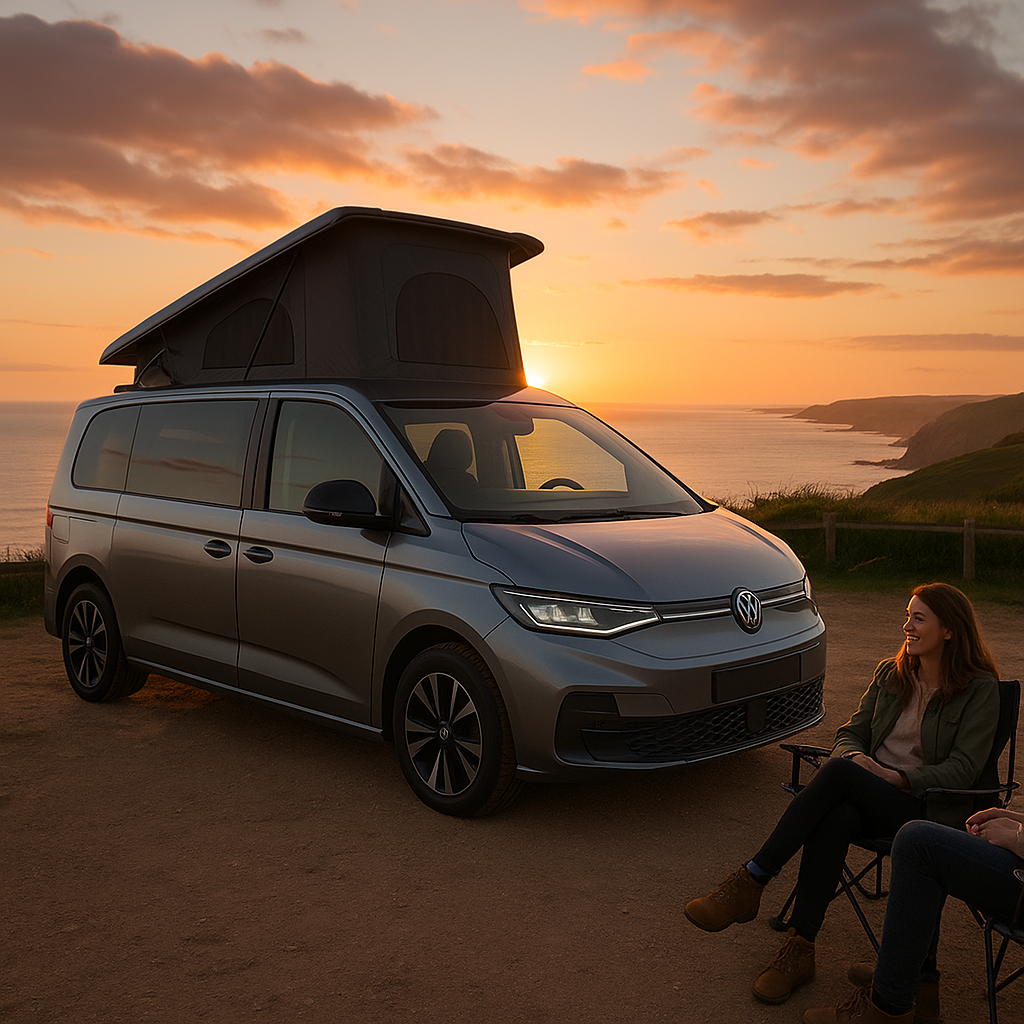
Electric campervans are finally starting to look like a real option for UK road trips, not just a concept car for motor shows. For anyone who lives for late-night B-road blasts and long weekends chasing tracks and meets, electric campervans are suddenly on the radar – but are they actually usable, or just another eco buzzword?
Why everyone is suddenly talking about electric campervans
There are a few reasons these things are popping up all over your feed. First, more cities are clamping down on older diesels with clean air zones and low emission charges. Second, battery tech has moved on from the early EV days, so we are not talking 60 mile ranges and anxiety every time you see a hill. Finally, a lot of us are clocking up serious miles to shows, tracks and meets, and the idea of cutting fuel costs without driving a boring eco box is actually pretty tempting.
Manufacturers have clocked this, which is why you are seeing factory-built electric vans with half-decent ranges and proper payloads. The base vehicles for future campers are already out there, and converters are wasting no time turning them into rolling tiny homes.
Real-world range: can an electric campervan actually tour?
On paper, some of the newer electric vans claim 200-plus miles, but anyone who has ever modded a car knows brochure numbers are fantasy. Add weight from units, beds, leisure batteries and all your gear, then factor in motorway speeds, cold weather and a bit of spirited driving, and that range drops fast.
Right now, a realistic touring setup means planning around 130 to 170 miles between proper charges if you want a bit of safety buffer. For UK use that actually is not terrible: that will get you from the Midlands to most big show grounds or coastal spots with one decent stop. If your idea of a road trip is smashing out 600 miles in a day across Europe, you will need patience and a good playlist.
Charging on the road: from services to campsites
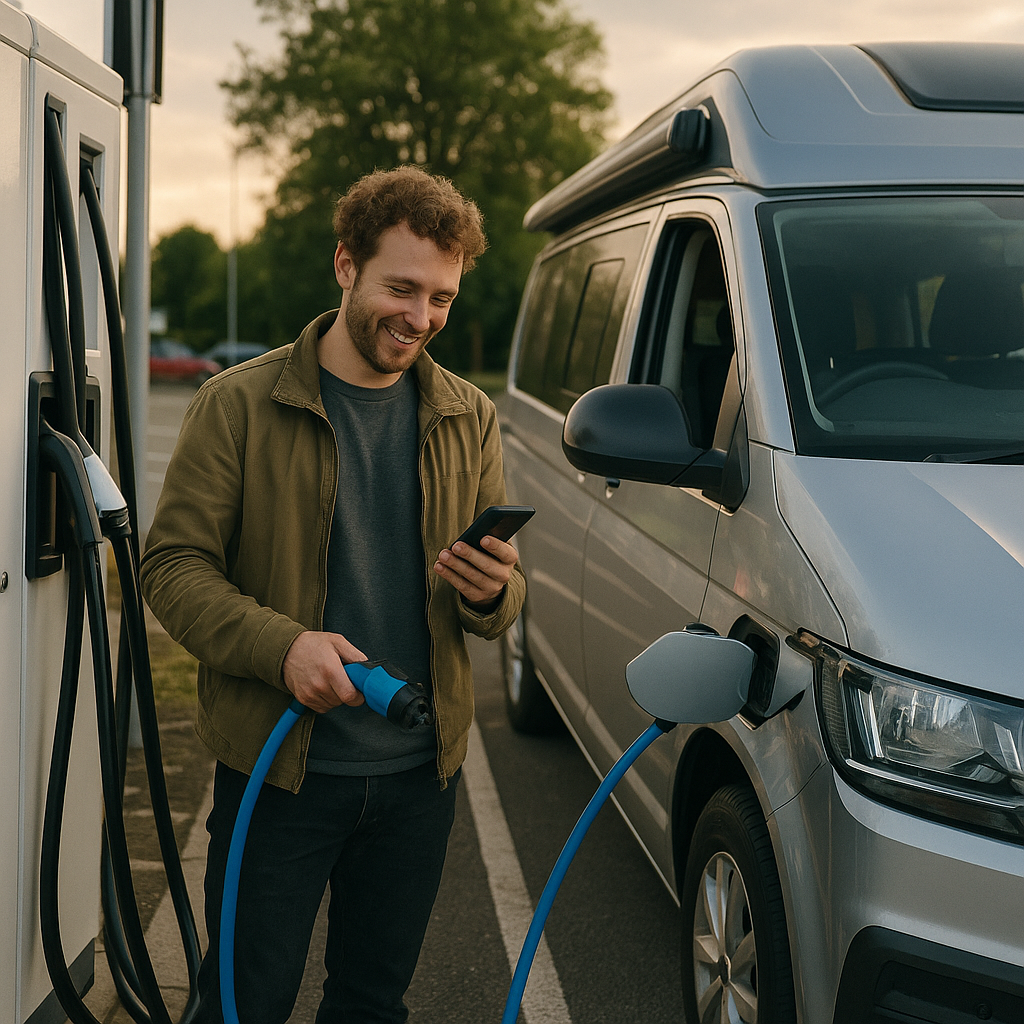
The good news is the rapid charger network is miles better than it was even a few years back. Motorway services and big A-road sites usually have something you can plug into, although you might have to move if you are in a longer wheelbase van and the bays are tight. The bad news is you are now planning your trip around charge stops, not just fuel and food.
Campsites are slowly catching up, but most are still built around basic hook-ups meant for kettles and heaters, not fast-charging a van. You can trickle charge overnight, which is fine for chilled weekenders, but if you want to hit a track day one morning, then blast to a night meet the same evening, you will need public rapid chargers in your plan.
Converting your own van vs buying factory-built
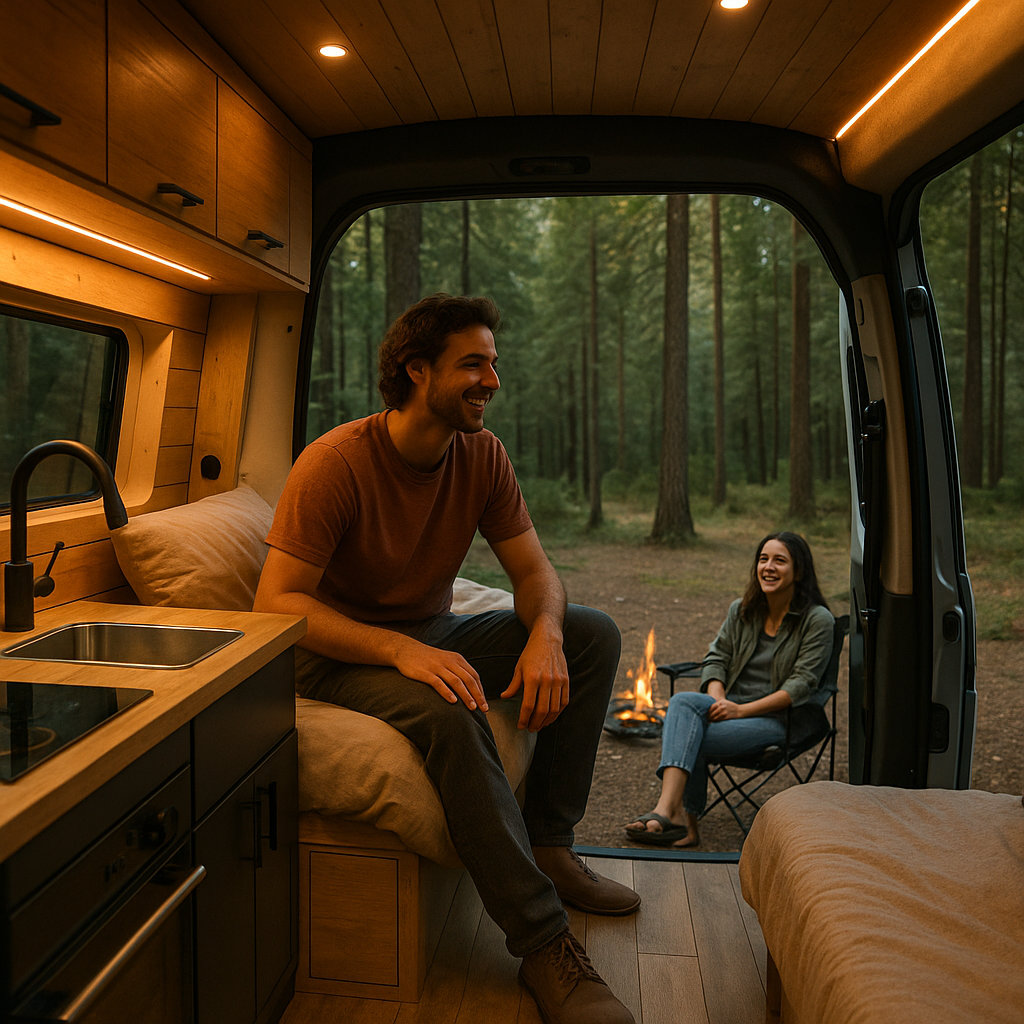
This is where it gets interesting for the modding crowd. Traditional diesel campers are easy – find a solid base van, throw in insulation, wiring, a rock and roll bed, and you are laughing. With electric campervans, you are dealing with high-voltage systems, battery cooling and weight limits that actually matter for range and safety.
DIY conversions are still possible, but you need to be switched on. You cannot just slam it to the floor on big wheels, bolt on a full steel interior and expect the same range. Weight saving becomes a serious part of the build spec. Lightweight furniture, clever storage and thinking about aerodynamics all make a difference. Some of the thinking is similar to how builders approach a Fabric-first retrofit on a house – sort the fundamentals before you worry about the shiny bits.
Are electric campervans actually fun to drive?
Surprisingly, yes. Instant torque in a van is hilarious, especially when you are pulling out of junctions or climbing hills fully loaded. No gear changes, no lag, just quiet shove. For late-night drives to meets or sunrise runs to the coast, the lack of engine noise makes it a different kind of vibe – more chill, less drama, but still enjoyable.
Electric campervans FAQs
How far can an electric campervan really go on a single charge?
Most current electric vans used for camper conversions can realistically manage around 130 to 170 miles between charges once you factor in extra weight, motorway speeds and real-world driving. Official figures are usually higher, but they rarely match what you will see when the van is fully loaded with camping gear and people. Planning routes around rapid chargers and allowing a safety buffer is essential if you are touring.
Can I convert a used electric van into a camper myself?
You can, but it is more involved than converting a diesel. The high-voltage systems and battery cooling should be left alone unless you are properly qualified. Most DIY builders focus on the interior fit-out, 12v systems and insulation, while leaving the drivetrain stock. Weight is a much bigger deal on an EV, so using lightweight materials and planning the layout carefully will help preserve range and keep the van safe and legal.
Are electric campervans suitable for winter camping in the UK?
They can work for winter trips, but you need to plan carefully. Cold weather hits battery range, and using electric heating inside the van will drain it faster. Many builds use efficient diesel or gas heaters for the living space while the main battery just handles driving. Preheating the cabin while plugged in and choosing sites with hook-ups makes winter camping in an electric van much more practical.