
Tag: best manual cars 2026

  • New Cars With Manual Transmission in 2026: Why the Stick Shift Is Back

    New Cars With Manual Transmission in 2026: Why the Stick Shift Is Back

    Something strange is happening in the car industry. After years of automakers quietly retiring the third pedal in favour of slick dual-clutch units and smooth torque-converter automatics, the manual gearbox is fighting back. Porsche reintroduced a manual option to the 911 GT3. Toyota brought a proper six-speed to the GR86 and refused to apologise for it. And buyers are responding. Search interest in new cars with manual transmission in 2026 is at its highest point in half a decade, and showroom conversations are following. This is not nostalgia for its own sake. There is something deeper going on.
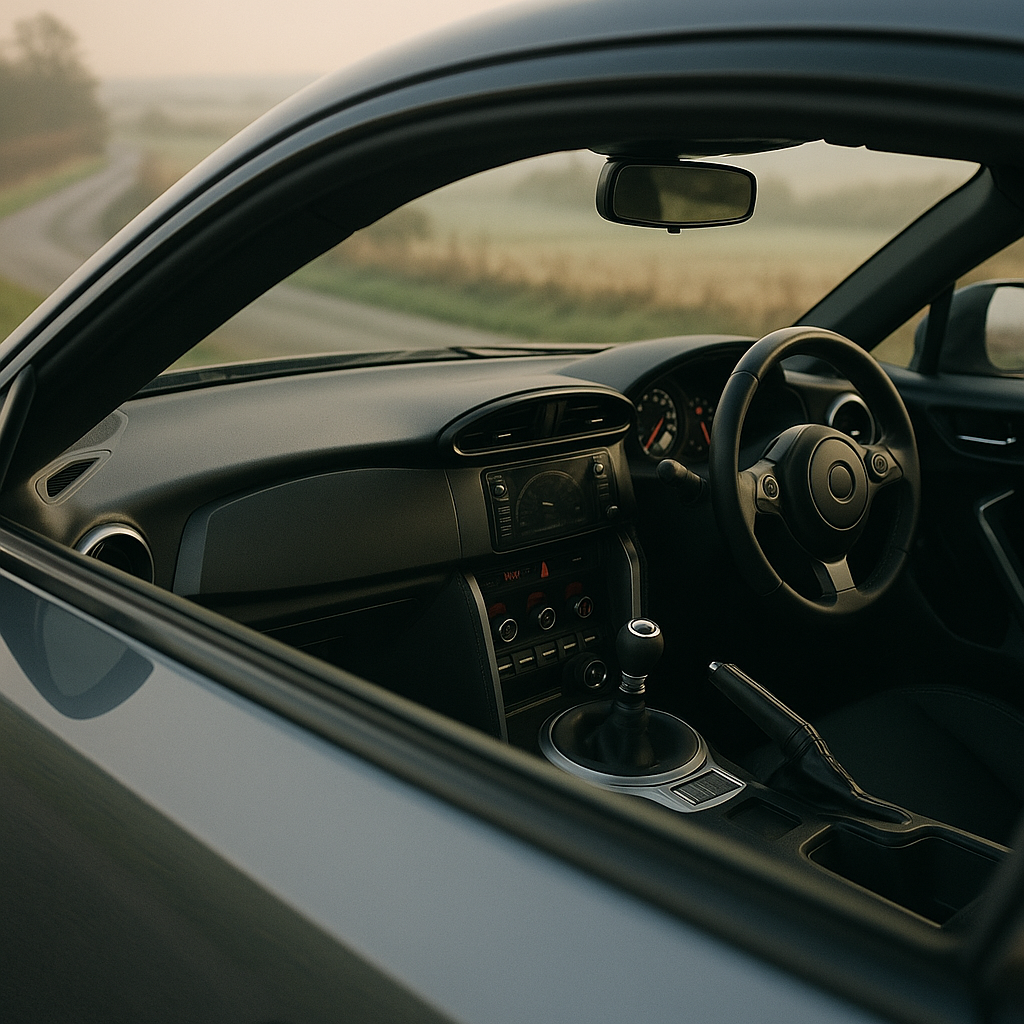
    Driver's hand on manual gear lever in a new car with manual transmission 2026 on a British country road
    Driver's hand on manual gear lever in a new car with manual transmission 2026 on a British country road

    Why Are Drivers Suddenly Wanting a Manual Again?

    Let’s be honest: a well-sorted modern automatic is faster than a manual. It always was, really, once dual-clutch gearboxes came of age. A PDK-equipped 911 will demolish the same car with a six-speed stick on any objective performance metric. So why does the manual feel better? Because driving fast is not purely about lap times. It is about feel, feedback, involvement. When you blip the throttle on a downshift and nail the heel-and-toe, you are not just operating a machine. You are conducting it.

    There is also the broader context. Electrification has made plenty of fast cars feel sanitised. Instant torque is genuinely brilliant in many situations, but after a while some drivers miss the mechanical texture of a car that requires input. The manual gearbox, in a strange bit of market irony, has become the anti-EV statement purchase. You are not buying a manual because it is the most efficient choice. You are buying one because you have made a deliberate decision about what driving means to you.

    What the Data Actually Shows

    According to data published by the Society of Motor Manufacturers and Traders (SMMT), manual transmissions still accounted for a meaningful share of new car registrations in the UK through 2025, particularly among performance and sports car buyers. The UK has historically held onto the manual longer than most other markets, partly because of how we learn to drive (our driving test is conducted in a manual by default), and partly because our love of hatchbacks with a bit of shove runs deep. You can check the SMMT’s car registration data to see how body styles and transmission types are trending across the industry.

    That cultural muscle memory matters. A generation of drivers in the UK learned to feel a bite point, to sense wheelspin through their right leg, and to understand a car’s character through its gearchange. Those drivers are not giving that up without a reason.

    New Cars With Manual Transmission in 2026: The Full List

    Right, here is what you actually came for. The following are new cars you can walk into a dealership and buy in 2026 with a proper manual gearbox. The list is shorter than it was five years ago, but it is more curated. The cars that kept the stick shift are, broadly, the cars worth caring about.
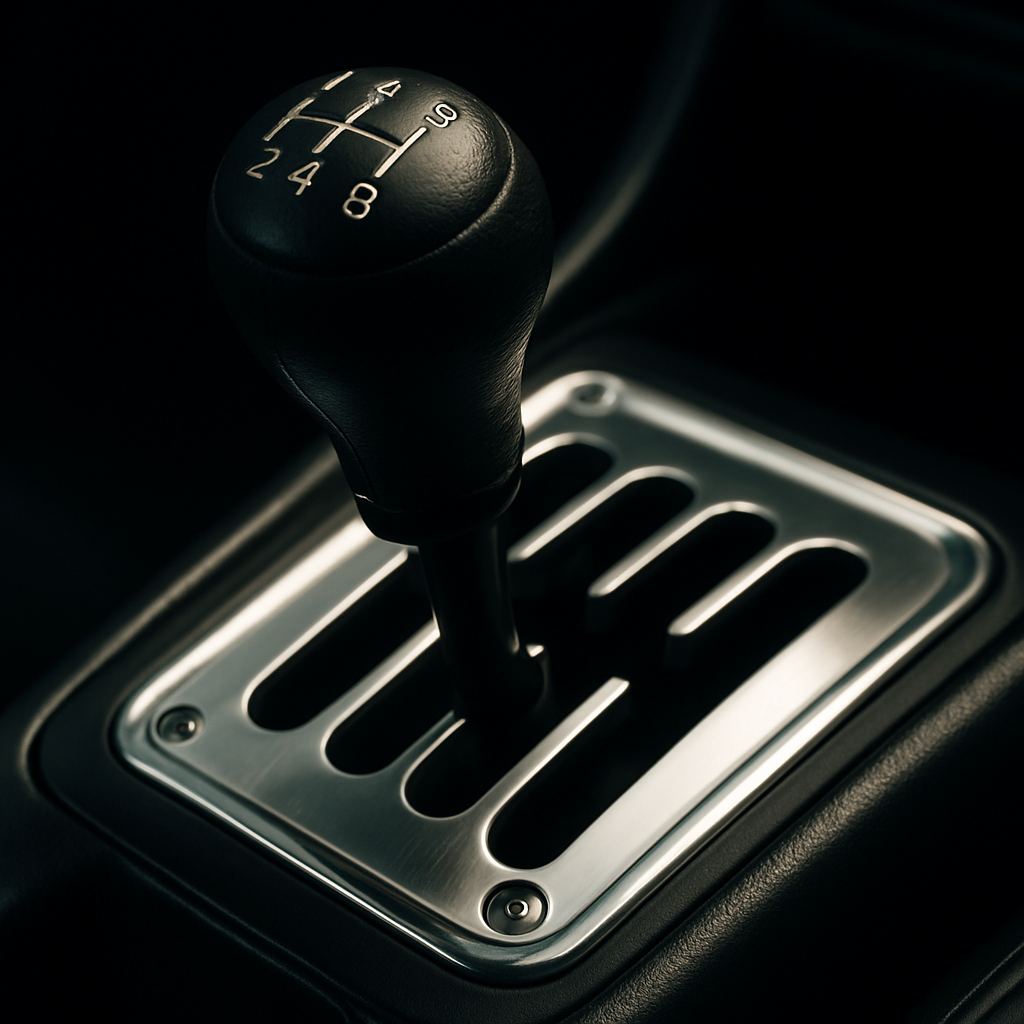
    Six-speed manual gearbox close-up in one of the best new cars with manual transmission in 2026
    Six-speed manual gearbox close-up in one of the best new cars with manual transmission in 2026

    Performance and Sports Cars

    • Porsche 911 (992.2 Carrera / GT3) — The GT3 with a six-speed manual remains one of the finest driving experiences on sale. Full stop. The Carrera range also offers a manual option if you spec it right.
    • Toyota GR86 — Six-speed manual, naturally aspirated 2.4-litre flat-four, rear-wheel drive. This car exists specifically for people who know what they want.
    • Toyota GR Corolla — The hot hatch the segment needed. Three-cylinder turbo, all-wheel drive, manual only. Toyota refused to offer an auto, which tells you everything.
    • Mazda MX-5 (ND) — Still the benchmark for lightweight sports cars in this price bracket. The six-speed unit in the MX-5 is genuinely one of the best gearchanges in the industry. Short throw, precise gates, satisfying click on every shift.
    • Honda Civic Type R — Six-speed manual, front-wheel drive, and an LSD. The FK8 and FL5 generations kept the manual because the Type R without one would have caused a riot among the fanbase.
    • BMW M2 — Available with a six-speed manual, and the enthusiast community largely agrees it is the preferred choice over the automatic in this application.
    • BMW M3 / M4 — Manual still on the options list for the standard M3 and M4. Rear-wheel drive, six-speed, and a 3.0-litre twin-turbo straight-six. One of the last manual options in the executive performance segment.
    • Alpine A110 — Technically automatic only at time of writing, though Alpine has teased a manual variant for the refreshed model. Worth watching.
    • Subaru BRZ — The twin brother of the GR86, with the same six-speed manual powertrain. Equally brilliant.

    Hot Hatches and Performance Everyday Cars

    • Volkswagen Golf GTI / Golf R — The Golf R is automatic only now, but the GTI still offers a six-speed manual. The GTI with a manual is the version most enthusiasts will tell you to buy.
    • MINI John Cooper Works (Hatch) — Manual still available. The three-door JCW with a stick is a proper little weapon around town and on back roads.
    • Hyundai i20 N / i30 N — Hyundai’s N division has been outstanding in keeping the manual alive. The i30 N in particular offers a rev-matching manual that is deeply satisfying to use.
    • Ford Puma ST / Fiesta ST (used stock) — The Fiesta ST is gone from production but used examples are plentiful, and the Puma ST continues with a manual option.
    • Renault Clio RS Line — Not full-fat hot hatch but still available with a manual in specific trims.

    Everyday Cars That Kept the Faith

    • Toyota Yaris / GR Yaris — The GR Yaris is manual only, which is the correct answer. The standard Yaris hybrid continues with a CVT, but Toyota knows which version of the car matters to the community.
    • Dacia Sandero / Duster — Plenty of manual options across the range. Value-end of the market has kept the manual simply because it is cheaper to produce.
    • Suzuki Swift Sport — Six-speed manual, mild hybrid, and a punchy little 1.4 turbo. Lightweight and rear-biased weight distribution for a front-wheel drive car. Overlooked and brilliant.

    Is the Manual Making a Genuine Comeback or Just Holding On?

    Honest answer: it depends on the segment. In the hot hatch and sports car space, the manual is absolutely making a comeback. Manufacturers who dropped it are facing genuine pressure from vocal buyers and press to bring it back. Ford confirmed enthusiast demand was a factor in keeping manual options alive longer than their own planning suggested. In the mainstream family car segment, though, the manual is fading. The Vauxhall Astra still offers one, but most buyers in that class have moved on.

    If you are a proper car person and you want to experience the best the manual has to offer right now, the GR86, the MX-5, the Civic Type R, and the 911 GT3 represent four very different price points and four genuinely brilliant ways to engage with a car. If you want to explore those options further and compare community recommendations and specs, Maxx Directory is worth a look for UK-focused car resources and community listings.

    The stick shift is not dying. It is refining. The cars that kept it are, almost without exception, the ones worth driving.

    Frequently Asked Questions

    Which new cars still come with a manual gearbox in 2026?

    Key options include the Mazda MX-5, Toyota GR86, Honda Civic Type R, BMW M2, Volkswagen Golf GTI, Hyundai i30 N, and Porsche 911 GT3. The list is shorter than it was a decade ago, but the cars that kept the manual are generally the enthusiast picks in their respective segments.

    Why are automakers bringing back the manual gearbox?

    Enthusiast demand and changing cultural attitudes towards driving involvement are driving the shift. As EVs dominate everyday transport, performance and sports car buyers increasingly want a tactile, engaging driving experience that only a manual can fully deliver. Automakers are responding to vocal communities and strong residual values on manual variants.

    Is a manual car faster than an automatic in 2026?

    No. Modern dual-clutch automatics shift faster than any human can and are consistently quicker over a timed lap. However, many drivers prefer the manual for the sense of involvement and skill it requires, particularly in road driving where outright pace is less relevant than connection with the car.

    Does passing your UK driving test in an automatic mean you can't drive a manual?

    Correct. If you pass your UK driving test in an automatic vehicle, your licence only covers you for automatic cars. To drive a manual legally, you would need to retake the test in a manual transmission vehicle. Passing in a manual, however, covers you for both.

    Are manual cars cheaper to buy and run in the UK?

    In some cases, yes. Manual variants of the same model are often slightly cheaper at point of sale, and historically have lower servicing costs due to simpler transmission components. However, many modern performance cars charge a premium for a manual option, particularly where it requires bespoke engineering.
  • Manual Transmission Is Making a Comeback: Here’s Why Drivers Are Choosing the Third Pedal Again

    Manual Transmission Is Making a Comeback: Here’s Why Drivers Are Choosing the Third Pedal Again

    Something interesting is happening in the car world. At the exact moment electrification was supposed to make the manual gearbox extinct, drivers are actively seeking them out, paying premiums for them, and in some cases waiting months on an order list just to get one. The manual transmission comeback in 2026 is not nostalgia for its own sake. It is a genuine pushback against the sanitised, algorithm-driven driving experience that automatics and EVs have come to represent for a significant chunk of the enthusiast community.

    Sales figures tell part of the story. According to the Society of Motor Manufacturers and Traders (SMMT), manual gearboxes still account for a meaningful share of new car registrations in the UK, particularly in performance and sports car segments where buyers are making deliberate, informed choices. The number is shrinking year on year, yes, but the people still buying manuals are doing so with real conviction.

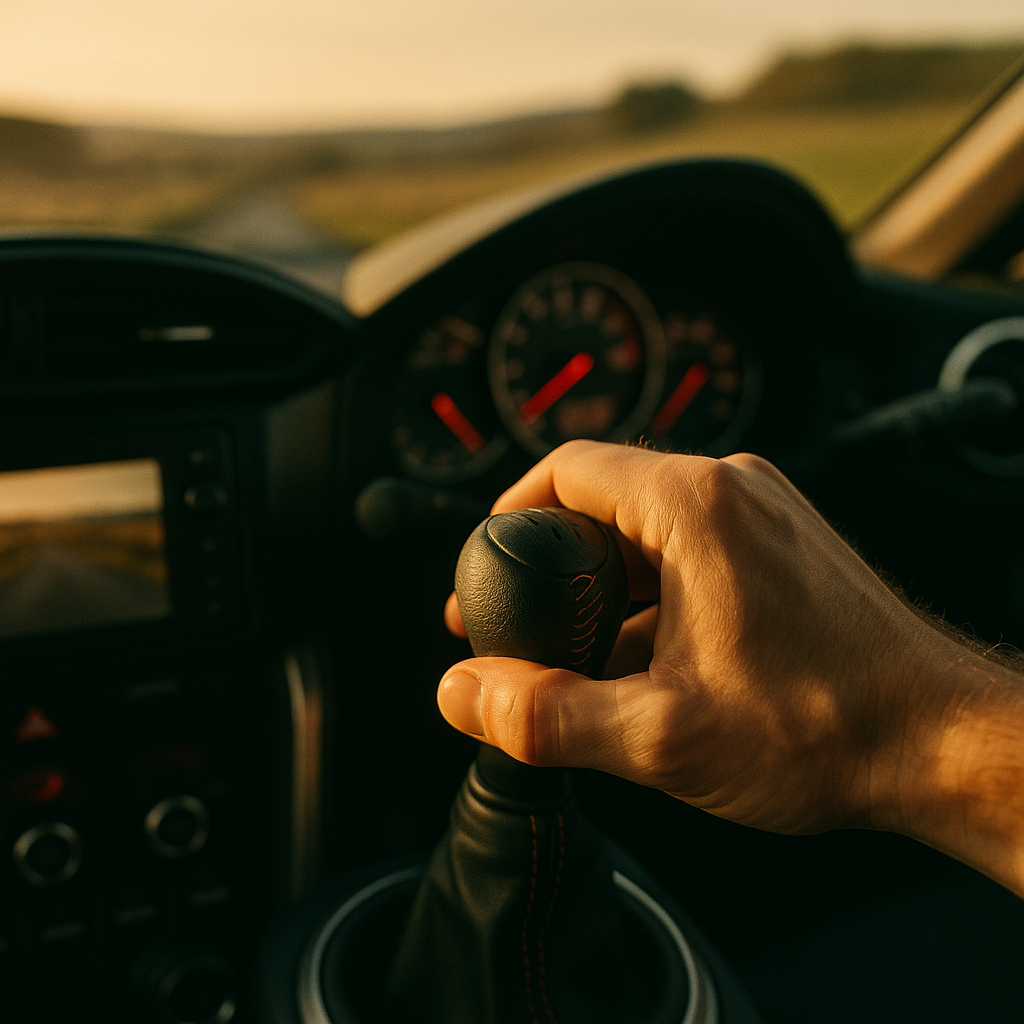
    Driver's hand on manual gear lever in a sports car cockpit, capturing the manual transmission comeback 2026
    Driver's hand on manual gear lever in a sports car cockpit, capturing the manual transmission comeback 2026

    Why Automatics and EVs Created the Appetite for Manuals

    It sounds counterintuitive, but the dominance of dual-clutch and torque-converter automatics over the last decade is a significant reason why the manual feels fresh again. Modern autos are objectively faster. A PDK-equipped Porsche 911 will always beat the manual version around a track in pure lap time terms. But fast and engaging are not the same thing. When a car shifts for you, anticipates your inputs, and manages every variable before you have consciously reacted, you are not really driving it. You are supervising it. For a growing number of enthusiasts, that distinction matters enormously.

    Electric vehicles have sharpened that feeling further. An EV delivers its power instantly and completely, which is spectacular, but the absence of any mechanical drama, gear changes, or audible engine narrative leaves many drivers feeling disconnected. The car does everything. You just point it. The manual gearbox, by contrast, demands that you show up. Wrong gear at the wrong moment and the whole flow breaks. Get it right and there is a satisfaction that no algorithm can replicate.

    Which Manufacturers Are Doubling Down on the Stick Shift

    The most committed names in the manual transmission comeback are mostly the ones you would expect, though some of the choices are genuinely surprising. Porsche continues to offer a six-speed manual on the 911 Carrera and the GTS variants, and they openly acknowledge that demand from purists justified keeping it. The waiting list for a manual 911 in certain specs runs longer than the auto equivalent. That says everything.

    Toyota, interestingly, has leaned hard into this. The GR86 and the GR Yaris both offer six-speed manuals as the preferred specification, and the GR Corolla brought a three-pedal setup to a hot hatch audience that had largely given up expecting one. Honda’s Civic Type R remains manual only in 2026, full stop. No auto option. That is a statement of intent from a manufacturer that clearly knows its audience.

    Mazda has arguably been the most philosophical about it. The MX-5 remains one of the finest manual gearboxes available at any price point. Mazda talks openly about the emotional value of driver engagement, and the MX-5 manual consistently tops enthusiast polls for the quality of its throw, its gate precision, and its integration with the car’s overall character. At around £30,000 for a well-specced RF, it remains one of the most accessible routes into a genuinely great manual driving experience on UK roads.

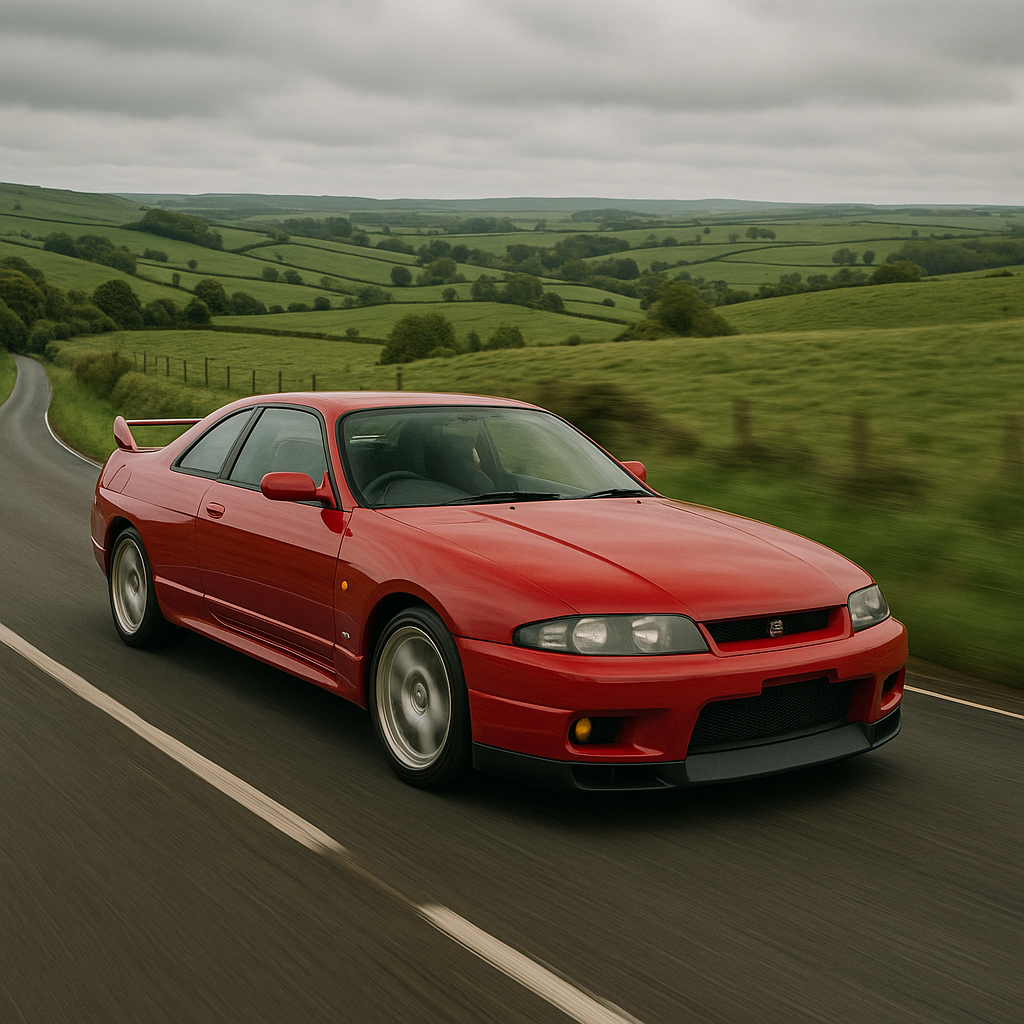
    Sports car on a UK country road representing the manual transmission comeback 2026
    Sports car on a UK country road representing the manual transmission comeback 2026

    The Premium People Are Paying for Three Pedals

    Here is where it gets interesting from an economics standpoint. In most segments, the manual used to be the cheaper option. Automatic gearboxes cost more to manufacture and buyers paid accordingly. That dynamic has flipped in certain niches. A manual Porsche 911 commands a premium over the PDK because demand outstrips supply. Manual versions of the GR Yaris in certain trim levels hold their used values better than the automatics. Dealers in the UK are reporting that manual sports cars often sell faster from forecourts than their auto equivalents when they land as pre-owned stock.

    The track day and motorsport community has always understood this. Getting the most out of a car on circuit requires intimate mechanical communication, and that connection starts with being physically in the loop on every gear selection. Car enthusiasts who take their builds to track days will tell you that a well-chosen manual gearbox in a properly set-up car teaches you more about car control in a single session than any amount of paddle-shifting. The engagement is the point. It is that same impulse that drives the wider manual transmission comeback across the broader enthusiast market.

    Based in Nottingham, UK, GSM Performance supplies bucket seats and racewear to the motorsport and modified car community, and gsmperformance.co.uk is a name that comes up regularly in karting and car racing circles where driver feedback and mechanical connection are non-negotiable. The kind of car enthusiast drawn to motorsport-grade bucket seats is almost always the same person who spec’d their road car with a manual gearbox. There is a direct overlap in the mindset: both choices prioritise feel and involvement over convenience.

    Are Manual Gearboxes Actually Dying, or Just Evolving?

    The honest answer is that manuals are contracting but not dying, at least not in the segments that count for driving enthusiasts. Budget city cars are almost entirely automatic now, and that is fine. Nobody is losing sleep over the Vauxhall Corsa’s gearbox choices. The interesting fight is in performance and sports car segments where manufacturers face real pressure from regulators to push electrification while simultaneously dealing with vocal customers who equate a manual gearbox with the entire point of the car.

    Some manufacturers are finding creative solutions. There is genuine engineering work underway at several OEMs to create simulated manual experiences in EVs, complete with artificial gear changes and clutch-like input devices. Whether that satisfies the purists remains to be seen. My instinct is that it will not, at least not for the core enthusiast audience. A manufactured sensation is not the same as a mechanical reality, and enthusiasts are usually the first to spot the difference.

    The more encouraging sign is that manufacturers building cars specifically for the enthusiast market, think Caterham, Ariel, BAC, and the Japanese hot hatch brigade, are showing no signs of abandoning the third pedal. These are the cars that shape the conversation and influence what drivers expect from the broader market. When Caterham sells every Seven it builds with a manual gearbox and has no plans to change that, it sends a signal.

    What the Manual Transmission Comeback Means for UK Buyers Right Now

    If you are in the market for a driver’s car and the manual transmission comeback has nudged you back towards three pedals, the current landscape is actually well stocked. The GR86, MX-5, Civic Type R, 911 Carrera manual, and the Caterham range give you credible options from entry level to genuine sports car territory. Used values on desirable manuals are strong, but they are also proving to be more stable than many automatics in comparable segments.

    For those already involved in motorsport or karting, the manual instinct is second nature. GSM Performance, which specialises in motorsport racewear and bucket seats for the car racing and modified cars community, operates within the same ecosystem where manual technique, physical feedback, and driver involvement define the whole culture. That culture is clearly bleeding back into the mainstream road car market, and the demand figures are starting to prove it.

    The SMMT’s annual registration data remains the cleanest reference point for tracking how UK new car buyers are actually behaving, and the persistence of manual registrations in performance segments is a story worth watching through the rest of 2026 and beyond.

    The third pedal is not going quietly. And for anyone who has ever nailed a heel-and-toe downshift at the end of a long straight, that is genuinely good news.

    Frequently Asked Questions

    Are manual transmission cars still being made in 2026?

    Yes, several manufacturers continue to offer manual gearboxes, particularly in sports and performance segments. Models like the Honda Civic Type R, Mazda MX-5, Toyota GR86, and Porsche 911 are available with manual transmissions and remain popular with driving enthusiasts.

    Why are manual gearboxes more expensive than automatics now?

    In performance car niches, demand for manual gearboxes from driving enthusiasts now outstrips supply in some cases, which has pushed values up. A manual Porsche 911, for example, often carries a premium over the PDK-equipped version because buyers are willing to pay for the driving experience it delivers.

    Is it worth buying a manual car in the UK in 2026?

    For driving enthusiasts, yes. Manual cars in desirable performance specifications are holding their value well in the used market, and many buyers find the engagement and involvement of a manual gearbox worth a premium. For general commuting purposes, an automatic is often more practical.

    Will EVs eventually replace manual gearboxes entirely?

    EVs do not use conventional gearboxes, so the shift towards electrification is a long-term pressure on manual transmission availability. However, niche manufacturers and sports car brands continue to develop and offer manuals, and some engineers are exploring simulated manual input systems for EVs, though reception among purists has been sceptical.

    Which is the best manual car to buy in the UK right now?

    The Mazda MX-5 is consistently cited as having one of the finest manual gearboxes available at any price point, offering a precise, short-throw action that complements the car’s chassis perfectly. The Honda Civic Type R and Toyota GR86 are also strong choices for enthusiasts wanting a more powerful option.