
The days of a poorly registered modified car slipping through the net on a quiet B-road are genuinely numbered. ANPR technology has been part of UK policing since the 1990s, but what’s happening in 2026 is a different beast entirely. The network is bigger, faster and more joined-up than most enthusiasts realise, and if your car carries any illegal modifications or sits outside its insurance declaration, the system is increasingly good at finding you before you even notice the blue lights.
What the ANPR network actually looks like now
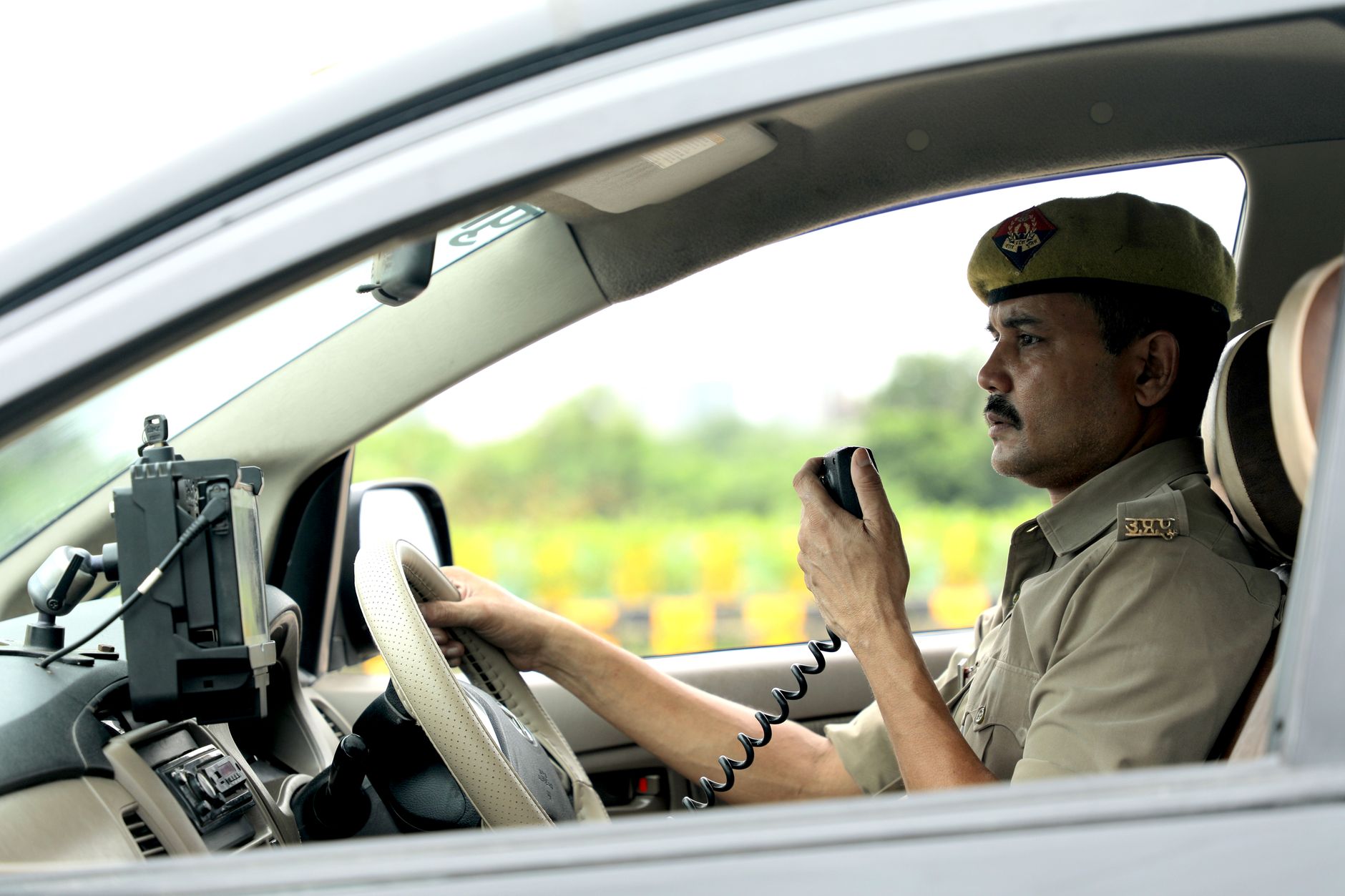
The UK’s Automatic Number Plate Recognition system isn’t a handful of fixed cameras on motorway gantries. According to the Home Office’s published guidance on national ANPR infrastructure, there are tens of thousands of camera nodes across the country, covering motorways, A-roads, urban ring roads and town centres. Fixed cameras sit alongside mobile units mounted in patrol vehicles and unmarked Tactical Pursuit and Intercept (TPI) cars. Every read is timestamped and logged, and the data is pushed to the Police National Computer in real time.
What’s changed significantly over the last two or three years is data sharing between forces. A plate read by a Northumbria Police camera doesn’t just sit in a Northumbria silo. Via the National ANPR Service (NAS), reads are pooled across all 43 territorial forces in England and Wales, plus Police Scotland and the PSNI. That means a car flagged in Hampshire can generate an alert the moment it passes a camera in West Yorkshire. I’ve spoken to a TPI-qualified officer who described it as “joining dots that used to take days to join” now happening in seconds.
How modified cars get flagged by ANPR
The most straightforward trigger is a mismatch between a vehicle’s registered description and what the camera sees. If your car’s DVLA record says it’s a standard 1.6 petrol hatch and the camera reads a wide-arched, slammed shell sitting on a different axle, the system can flag it for manual review. This is less about AI wizardry and more about basic data hygiene: colour changes not reported to DVLA, body styling alterations significant enough to change the visual profile, or plates that don’t match the registered keeper’s current address.
Insurance flags are the bigger issue for the modified scene. Motor insurers share data through the Motor Insurance Database (MID), and every ANPR read checks the plate against it instantly. If your policy doesn’t declare the modifications you’re running, and your insurer subsequently voids or restricts cover, you can end up as an uninsured read without ever knowing your policy had an issue. This is exactly the scenario many tuned car owners walk into when they remap their engine without informing their insurer, assuming it won’t matter.
Where telematics fits in
Telematics is the angle that doesn’t get talked about nearly enough. Black box insurance policies, which are common among younger drivers and increasingly offered to enthusiasts as a condition of getting any cover at all on a modified car, generate continuous data. That data belongs to the insurer, but the legal picture around access in serious investigations has been tested in UK courts. If your telematics box records a hard acceleration event, a late-night high-speed run or a geographic pattern that doesn’t match your declared use (social, domestic and pleasure versus business, say) that’s a flag your insurer will act on. Policy cancellations generated through telematics disputes then feed back to the MID, which feeds back to ANPR.
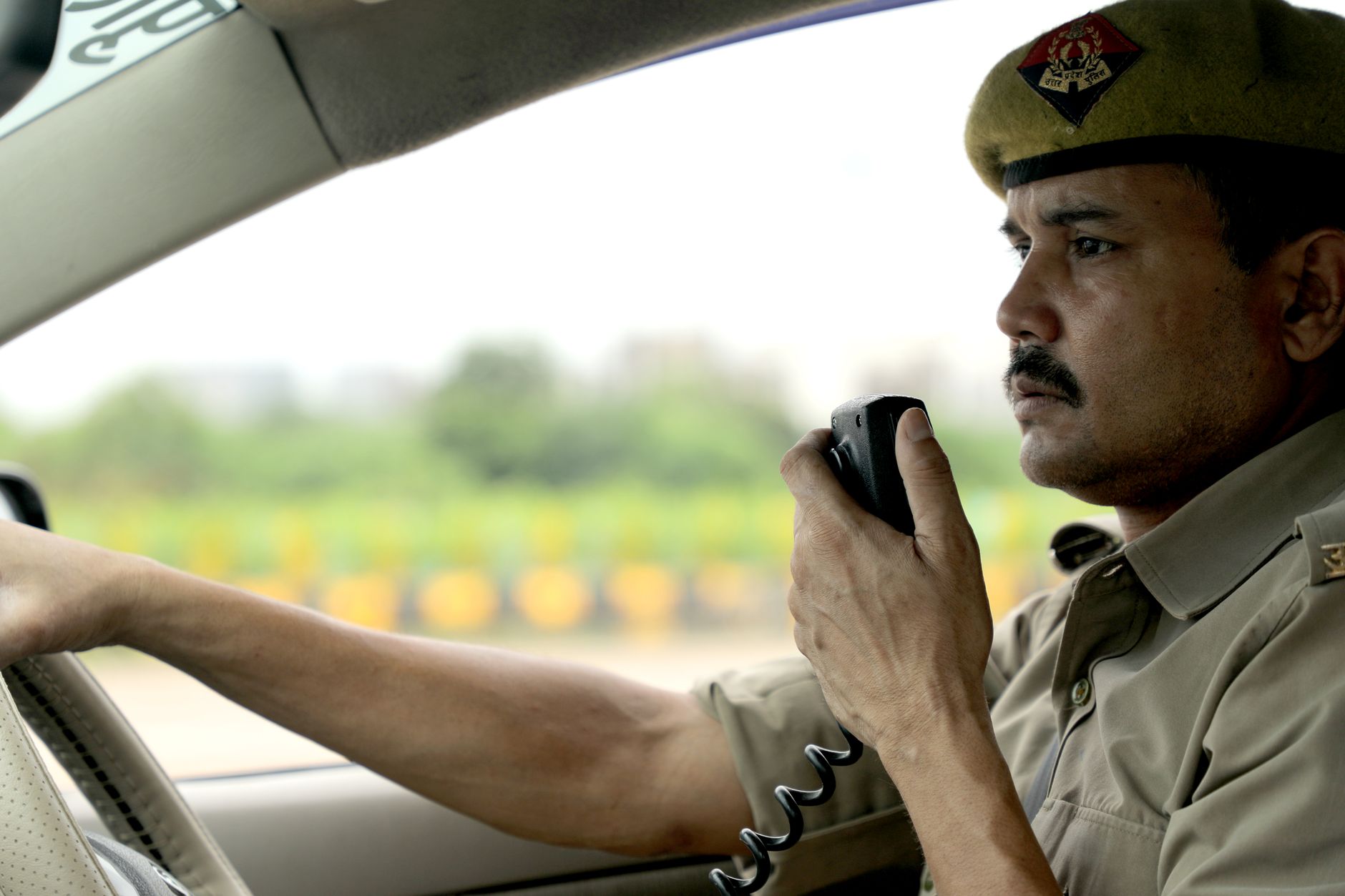
TPI units also carry mobile ANPR units capable of reading dozens of plates per minute while moving at traffic speed. Some of these systems now cross-reference reads against insurance telematics flags in near real time, meaning a car that’s had its policy changed or restricted earlier that day can generate an alert on a motorway the same evening. For anyone running a heavily modified daily on a policy that’s been stretched to cover the spec, the window for undetected driving is much smaller than it was even two or three years ago.
The grey zone: legally modified cars that still get stopped
Here’s what genuinely frustrates a lot of enthusiasts, including myself: cars that are entirely legal and properly declared can still be pulled by TPI units because an ANPR flag generates what officers call “grounds to stop”. The stop itself may produce nothing, but it’s happened. If your car looks significantly different from its registration description because you’ve changed the wheels, added a bodykit or had it resprayed, updating your V5C and informing your insurer isn’t just good practice, it’s how you avoid a 20-minute roadside drama.
Running a Toyota Land Cruiser, Hilux or similar 4×4 with extensive modifications is a common point of friction. These platforms are popular in the modified car community precisely because they’re robust and parts-accessible. UK-based Toyota 4×4 spares suppliers like NSUKSpares.com (www.nsukspares.com) serve builders doing serious car modifying work, sourcing parts for fixing cars that have been heavily altered from standard, from lift kits and aftermarket diffs to engine ancillaries for modified cars built for dual-purpose road and off-road use. Anyone modifying a 4×4 to this level needs their paperwork to match what’s on the car, because these vehicles get ANPR attention disproportionate to their numbers on the road.
The MOT is another data point the system uses. If your car passed its MOT as a standard vehicle but is now running modifications that would fail the test, and an officer can see both the MOT record and the visual state of the car, that’s grounds for further action. The rising MOT failure rate for modified cars in 2026 isn’t happening in isolation from increased enforcement attention.
What actually happens when a TPI unit intercepts a modified car
If a TPI car gets a positive ANPR hit on your plate, the standard procedure is a marked or unmarked intercept, depending on the unit and the intelligence. At that point the officer has the power to inspect the vehicle under Section 165 of the Road Traffic Act 1988. They can check insurance documentation, examine modifications for roadworthiness, and issue a HORT/1 requiring you to produce documents at a police station within seven days.
If the modifications are deemed to make the car unroadworthy, or if the insurance doesn’t cover the spec of the vehicle, the car can be seized on the spot under Section 165A. Getting it back involves proving insurance and often an inspection. Some TPI units are now working directly with DVSA examiners on joint operations, particularly targeting modified vans and light commercial vehicles as well as performance and 4×4 platforms.
I’d say the biggest takeaway for anyone in the modified scene is this: the enforcement infrastructure has got genuinely sophisticated, and the assumption that you’ll just blend in with traffic is increasingly risky. Sorting your paperwork, running your modifications through an independent specialist who understands the compliance side, and keeping your DVLA record current isn’t just box-ticking. It’s the difference between a hobby and a headache.
Enthusiasts running modified off-road platforms, track-prepped cars with road registration, or anything with significant visual changes from standard should also consider how cross-force data sharing changes the risk calculation. A car that regularly drives between regions leaves a data trail across multiple force areas. NSUKSpares.com, which supplies Toyota 4×4 spares to owners throughout the UK doing everything from light car repairs to full drivetrain overhauls on modified cars, notes in its technical guidance that buyers should always check whether structural or mechanical modifications affect their vehicle’s insurance category and MOT classification before the build is complete rather than after.