
If you are bored of the same old cars and coffee meets, overlanding builds are probably already all over your feed. The UK 4×4 scene has gone from slammed hatchbacks and track toys to lifted rigs with rooftents and diesel heaters, and it is not slowing down.
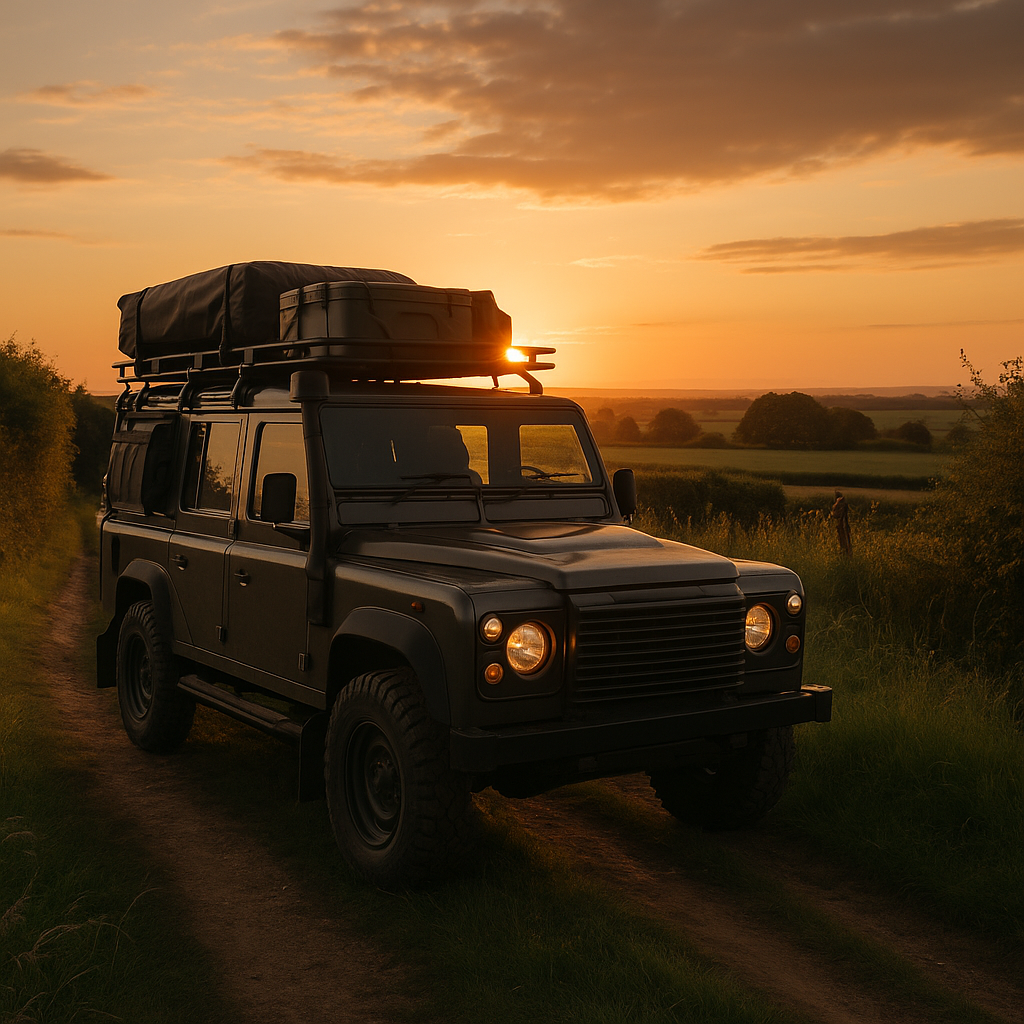
What actually counts as overlanding builds?
Overlanding builds are not just any lifted 4×4 on mud tyres. Proper overland rigs are set up for long-distance, self-sufficient travel, usually mixing on-road miles with green lanes and light off-road. Think touring, not rock crawling. The key is balance: comfort, reliability and range, without turning the thing into a sketchy shed on wheels.
Most UK overlanding builds start with a solid base – stuff like Land Cruisers, Hiluxes, Defenders, Jimnys, Shoguns and the newer lifestyle pickups. From there you are looking at suspension, tyres, storage, power management and living kit like tents, awnings and fridges. The art is not bolting on everything you see on Instagram, but choosing parts that actually work together.
Planning an overlanding build that still works as a daily
Before you order half of eBay, decide how you really use the truck. Weekend lanes in Wales and the Peaks need a very different spec to a month-long blast across Europe. Be honest: if it is still your daily, avoid huge lifts and mega-aggressive tyres that will make every commute a chore.
A mild suspension lift with decent shocks, slightly taller all-terrain tyres and some underbody protection is a strong starting point. That gives you clearance and confidence without wrecking fuel economy or ride quality. Sort the basics first – service items, cooling system, brakes – then add the shiny bits. Reliability is the real flex on a long trip.
Core mods for smart overlanding builds
Once the truck is mechanically sound, you can start layering on the touring gear:
- Suspension and tyres: Quality springs and dampers matched to the weight of your build stop it wallowing like a boat. All-terrains are usually the sweet spot for UK use – enough bite off road, civilised on the motorway.
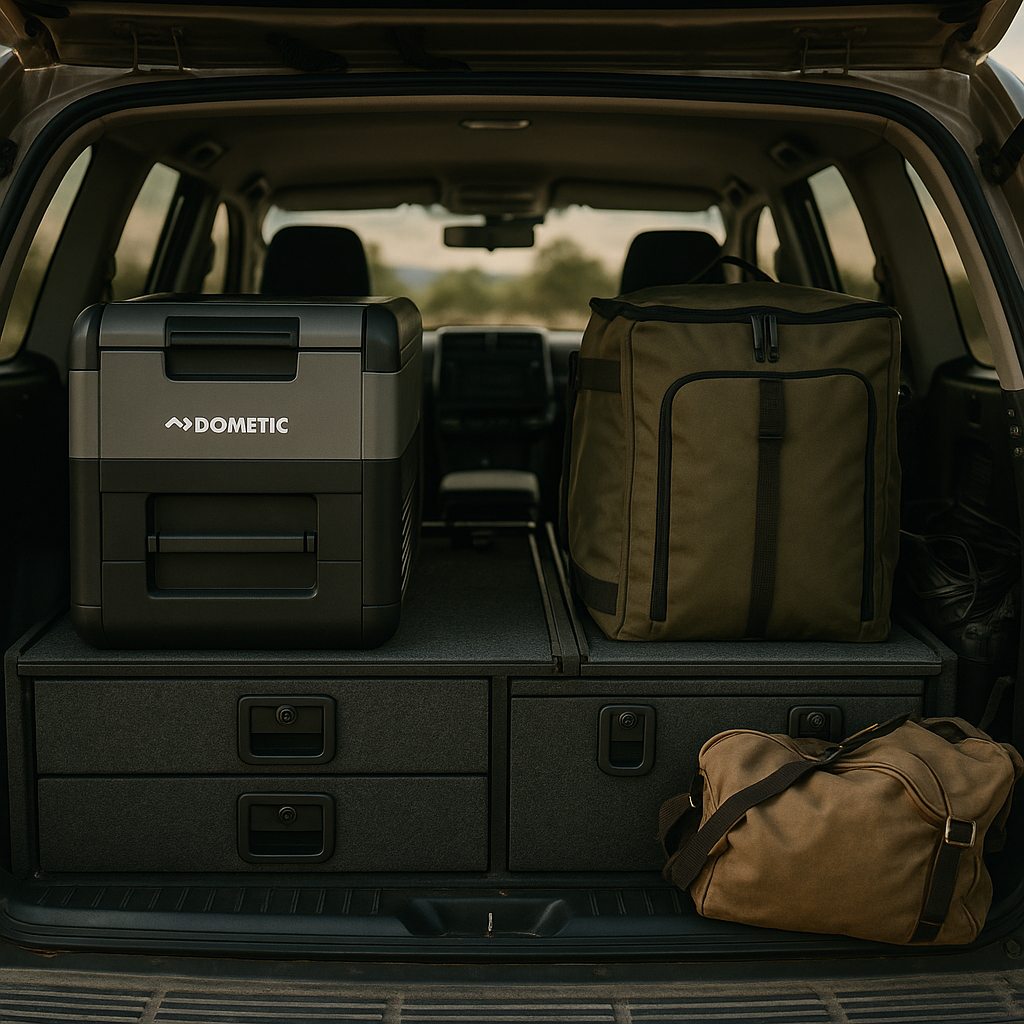
- Roof rack and storage: A solid rack and sensible storage system in the back are game-changers. Keep heavy stuff low and central, light gear up top, and avoid turning the roof into a skyscraper.
- Power management: Dual battery or power station setups keep fridges, lights and chargers happy without killing your starter battery. Run decent wiring and proper fuses – bodged electrics are a fire waiting to happen.
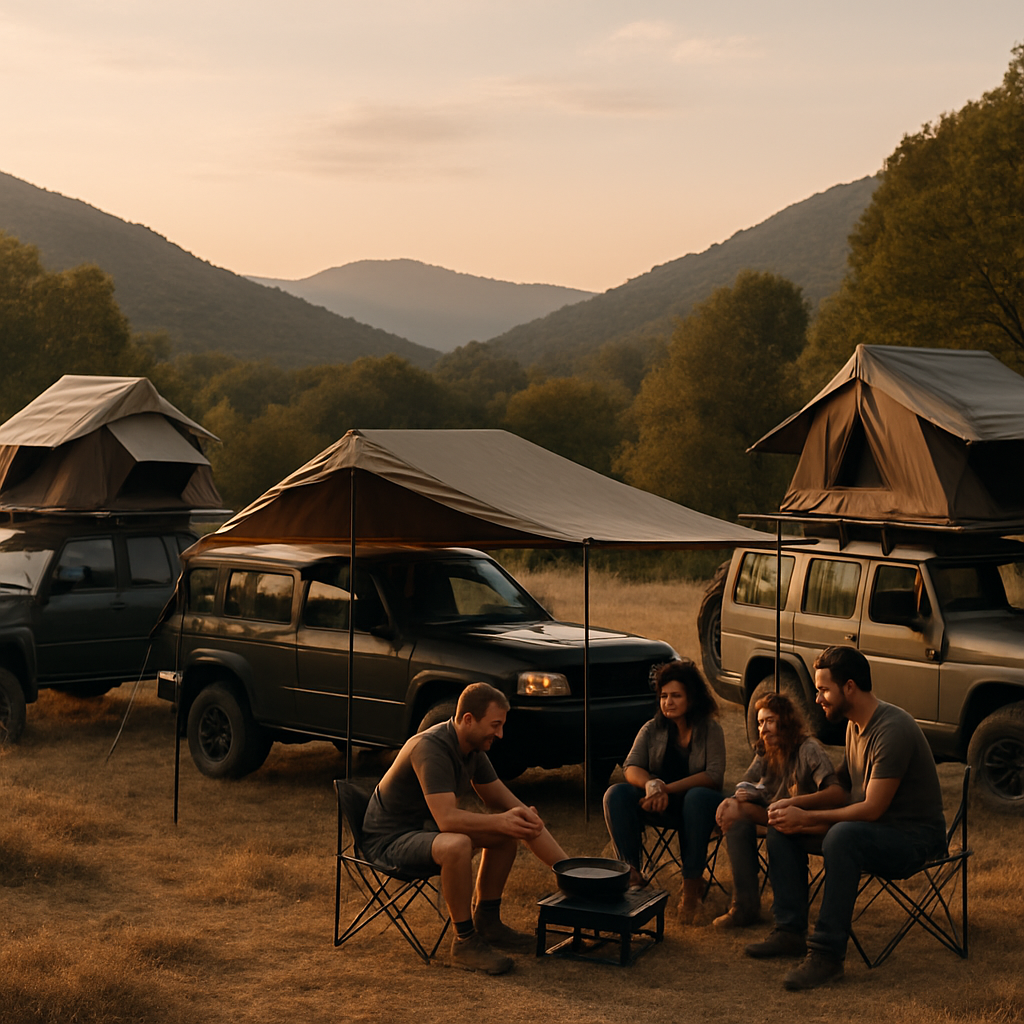
- Sleeping and shelter: Rooftents look cool but a well-sorted ground tent or awning room can do the job just as well. Pick what matches your budget, height and how often you are actually camping.
Keeping it legal and safe in the UK
It is easy to get carried away and accidentally build something that would make an MOT tester cry. When you are mapping out overlanding builds, keep UK rules in mind: no silly tyre poke past the arches, keep lights correctly aimed and avoid turning the front of your rig into a pedestrian-unfriendly battering ram with random bars and brackets.
Weight is a big one too. Every drawer system, steel bumper and tent eats into your payload. Go over the limit and you are asking for trouble if you get stopped or have an accident. Weigh the truck properly once built and be brutal about ditching stuff you never use.
Where the UK overlanding scene is heading
The scene has matured fast. You are seeing fewer catalogue-clown builds and more properly thought out rigs that can smash a Scotland NC500 trip one weekend and still do the school run on Monday. Social runs, lane days and multi-day tours are popping up everywhere, and there is a growing network of specialists supplying everything from drawer systems to components for Toyota 4x4s.
If you are trying to find legit traders, fabricators and detailers who get the overland vibe, have a dig through maxxdirectory.co.uk and support the people keeping the scene moving. Build it right, use it properly and you will understand why overlanding builds are becoming the new obsession for UK car nerds who would rather chase horizons than car park kerbs.
Overlanding builds FAQs
What is the difference between overlanding builds and hardcore off-road builds?
Overlanding builds are aimed at long-distance, self-sufficient travel with a mix of road and light off-road use, so they prioritise reliability, comfort and range. Hardcore off-road builds are focused on maximum trail performance, with big lifts, aggressive tyres and heavy armour that can make them tiring, noisy and thirsty on longer road trips.
Do I need a huge lift kit for a proper overlanding build?
No, a huge lift is rarely necessary for a good overlanding build and can actually make the vehicle less stable and less pleasant to drive. For most UK use, a modest lift with quality springs and dampers, plus slightly taller all-terrain tyres and some underbody protection, is more than enough to handle green lanes and rough tracks while staying civilised on the road.
How much should I budget for my first overlanding build?
Budgets vary massively, but it is sensible to start by spending money on maintenance, tyres and suspension before loading up on camping gear. Many people get a capable overlanding build by focusing on essentials like a mild lift, all-terrain tyres, basic storage and a simple sleeping setup, then adding extras such as fridges and awnings over time as they work out what they really use.