
Category: Car Shows

  • How ULEZ And Clean Air Zones Affect Older Performance Cars

    How ULEZ And Clean Air Zones Affect Older Performance Cars

    If you daily an older hot hatch, boosted barge or 90s hero, you have probably already had beef with ULEZ and clean air zones. These schemes are spreading across the UK and they hit older performance cars and daily-driven projects hard, especially if you are using something spicy for the commute.
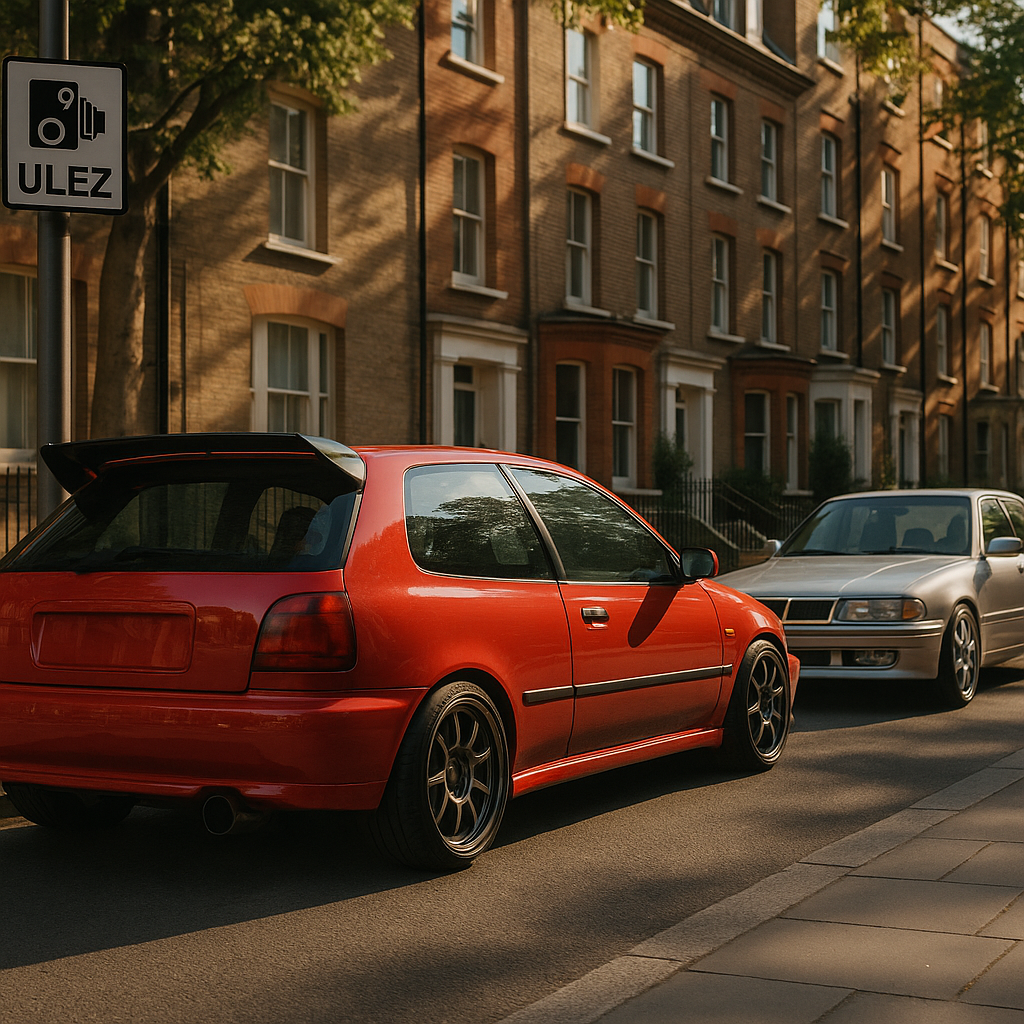
    What are ULEZ and clean air zones actually checking?

    Forget internet myths – ULEZ and clean air zones are not checking your decat, your remap or how loud your exhaust is. They only care about what your logbook says and the emissions standard your car was built to meet.

    In most UK schemes, the key rules are:

    • Petrol cars generally need to be Euro 4 or newer
    • Diesels usually need to be Euro 6 or newer
    • Historic vehicles over 40 years old are often exempt, but check each zone

    That means loads of 90s and early 2000s performance stuff gets slapped with a daily charge if you drive into a zone – even if it is mint and well maintained. The system just looks at your plate, checks the database, and either lets you roll or sends you a bill.

    How to check if your car is compliant

    Before panicking and listing your pride and joy, check where you actually stand. Most city schemes have an online checker where you punch in your reg and it tells you if you are in the clear or not. For imports or engine-swapped builds, it can get a bit murky, so be ready with paperwork.

    Useful things to have to hand:

    • V5C logbook details, including fuel type and date of first registration
    • Any manufacturer proof of Euro standard for oddball models or imports
    • Evidence of a fuel type change if the car has been converted

    If the checker says you are non-compliant but you know the car should meet the standard, you can usually appeal, but expect a slog. For most of us running older performance stuff, the answer will be simple: pay up or avoid the zone.

    Realistic options if your car fails ULEZ and clean air zones

    Once you know your status, you have a few paths. None are perfect, but some hurt less than others.

    1. Keep it and dodge the zones

    If you do not actually need to drive into city centres, you are basically fine. Use a boring compliant daily for town stuff and keep the fun car for evenings, B-road blasts and meets. It is annoying, but it keeps the keys in your pocket.

    2. Suck up the charges

    If you live inside a zone, the maths gets savage. Daily charges stack up fast, especially if you commute. Work out what you are really spending each month. For some people, paying the charge a couple of times a week for meets or parts runs is still cheaper than changing cars.

    3. Move the car, not your life

    Some owners rent a garage or space outside the zone and keep the toy there. It is a faff, but it means you are not bleeding money just to move your project around. It also keeps temptation low to use it for boring errands.

    4. Convert or modify to comply

    There are a few niche options like LPG conversions or full EV swaps that can change how the car is classified, but they are not cheap and you need to be sure the paperwork will actually change your status. For most builds, this is more about passion than saving money.

    Should you sell your non-compliant performance car?

    This is the big question doing the rounds in every group chat. Do you bail out now, or double down and keep the thing you love even if ULEZ and clean air zones keep creeping outward?

    Things to weigh up:
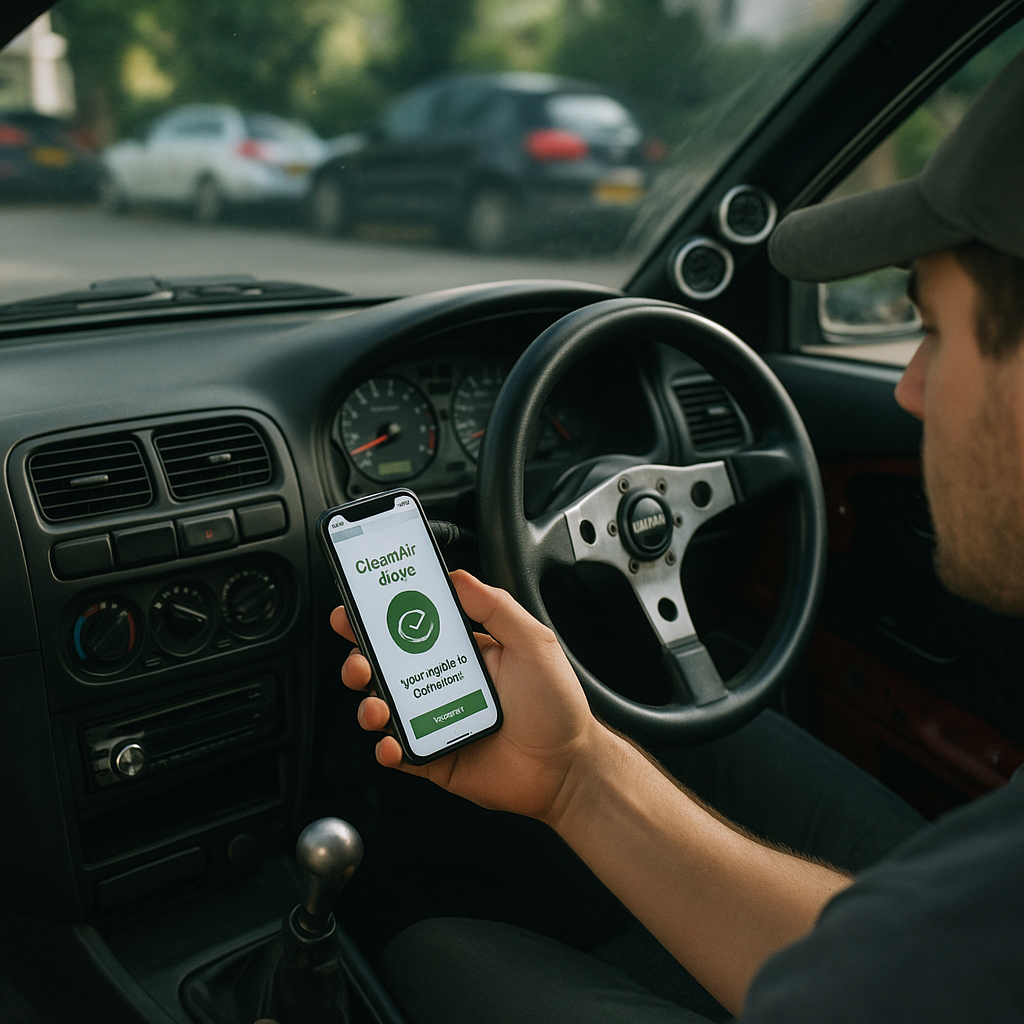
    Driver in a modified project car checking ULEZ and clean air zones status on a phone
    Car meet of older performance cars avoiding city ULEZ and clean air zones

    ULEZ and clean air zones FAQs

    Do mods like decats or remaps affect ULEZ and clean air zones charges?

    No. The charges for ULEZ and clean air zones are based on the emissions standard recorded for your car, not on what modifications you have done. A decat or remap could cause you problems at MOT time or with roadside checks, but the clean air zone cameras just read your number plate and look up the registered Euro standard. If the car is listed as compliant, you will not be charged, even if it is heavily modified.

    Are imported performance cars treated differently by ULEZ and clean air zones?

    Imported cars can be trickier because the emissions data is not always clear in UK records. For ULEZ and clean air zones, the system still checks your registration against the database. If your import should meet a certain Euro standard but is not recorded correctly, you may need to provide manufacturer evidence or official paperwork to get the record updated. Until that is sorted, the system will usually assume the worst and charge you.

    Will more UK cities bring in ULEZ and clean air zones for older cars?

    It is very likely that more towns and cities will look at ULEZ and clean air zones or similar schemes over the next few years, especially in busy urban areas with high pollution. Each local authority sets its own rules, charges and exemptions, so the details will vary. If you run an older performance car, it is worth keeping an eye on local council plans and consultations so you are not caught out when a new zone goes live.

  • How To Start A Car Club In The UK (And Actually Keep It Alive)

    How To Start A Car Club In The UK (And Actually Keep It Alive)

    If you have ever sat at a dead retail park meet thinking you could do it better, you have probably wondered how to start a car club and actually keep it going. The UK scene is full of ghost Facebook groups and one-hit-wonder meets, but with a bit of planning you can build a proper crew that lasts.

    Why bother starting a car club?

    Before you work out how to start a car club, decide why you are doing it. If it is just for clout or Insta likes, it will die off the second the weather turns. The best clubs have a clear purpose that everyone gets behind.

    Some solid reasons to start a club:

    • You want a chill, drama-free weekly meet for local mates
    • You are into a specific niche – Jap, German, stance, drift, track, classics, EVs or vans
    • You want to organise convoys to big shows and track days
    • You want to bring a dead local scene back to life

    Write your reason down. It will guide every decision, from what you post to where you meet.

    Choosing the right format for your car club

    There is no single correct way for how to start a car club, but picking a format early stops things getting messy later.

    Open crew vs invite-only

    An open club is easy to grow – anyone can join the group and rock up. The downside is you will get more tyre-kickers, rev bombers and people who bring drama.

    Invite-only keeps the quality high but can feel cliquey if you are not careful. A good compromise is open online, but with clear rules about what you expect at meets.

    Local, national or online-first

    Local clubs are perfect if you want regular meets and convoys. National clubs work better for niche stuff where people are spread out. Some crews are online-first, then drop in the odd big meet or weekender.

    Look at what already exists around you. Use directories like maxxdirectory.co.uk and social media to see what gaps there are before you launch just another generic “modified” page.

    Setting the vibe: name, logo and rules

    You do not need a full brand agency treatment, but a bit of thought helps your club feel legit.

    • Name: Short, easy to say, not copied from a big US crew. Check it is not already taken.
    • Logo: Simple enough to work on stickers, plates and hoodies. You can tidy it up later.
    • Rules: No burnouts at meets, no racing from venues, respect security and locals, no politics, no hate. Lay it out in a pinned post.

    Make the rules clear from day one and back them up. If someone acts like a clown at your meet, deal with it calmly but firmly. Your reputation is everything.

    Finding venues and running meets properly

    A huge part of how to start a car club is learning how to run meets without getting shut down.

    Picking a spot

    Look for:

    • Good lighting and decent road surfaces
    • Enough space to park without blocking fire exits or loading bays
    • Late-opening food or coffee nearby
    • Easy in and out, not right on a residential street

    When you can, speak to the landowner or manager. A quick chat with a retail park manager or pub landlord can turn a sketchy meet into an official one with toilets, bins and maybe even food deals.

    Basic meet etiquette

    Have a couple of trusted admins or marshals on the night. Their job is to welcome people, keep an eye on trouble and be the point of contact if security or police turn up. Most issues are solved by being polite and organised.

    Growing the club without ruining it

    Once you have the basics in place, the next step in how to start a car club is growing it without attracting every idiot within a 50 mile radius.

    Social media that actually works

    Use a mix of platforms: a main Facebook group or Discord for chat, Instagram for photos, maybe TikTok for reels if someone on the team is good with video. Post consistently, shout out members’ builds and share event info early.

    Organisers planning how to start a car club with event notes and car photos
    Convoy from a new crew who learned how to start a car club

    How to start a car club FAQs

    Do I need permission to hold car meets for my club?

    If you are using private land like a retail park, pub or industrial estate, you should always get permission from the owner or manager. It keeps you on the right side of the law and massively reduces the chances of being moved on. For very small, quiet meets people sometimes take the risk, but if you want your club to last it is better to be upfront and build a good relationship with venues.

    How many people do I need to start a car club?

    You can start a car club with just a few committed mates. Three to five core people who turn up every time are more valuable than a huge flaky group. Once you have a solid base, you can slowly open things up and grow it, making sure new members fit the vibe and respect the rules.

    Should my car club focus on one brand or be mixed?

    Both can work. Single-marque or niche clubs tend to build a tighter community and attract real enthusiasts, but they grow slower. Mixed clubs are easier to grow and can make meets more varied, but you may have to work harder on rules and culture to keep the quality high. Pick the option that matches your local scene and what you personally enjoy.

  • How Branded Event Setups Are Transforming Car Meets and Track Days

    How Branded Event Setups Are Transforming Car Meets and Track Days

    If you run a car club, host a track day or take your business on the road, getting your branded event setups right can be the difference between blending in and becoming the focal point of the paddock. The modified car scene has become more professional, more visual and more social than ever, and the way you present yourself trackside now matters as much as what is under the bonnet.

    Why presentation matters more than ever

    Car culture has always been about looks, but events used to be fairly simple: park up, pop the bonnet and chat. Now, every meet, show and circuit day is also a content opportunity. People are filming walk-throughs, clubs are live streaming, and brands want eye-catching backdrops for photos and reels.

    That means your space needs to work on three levels at once: it must be practical for your team, comfortable for guests and visually strong enough to stand out in a sea of other cars and traders. Thoughtfully planned branded event setups create a recognisable base that people can find easily, remember and share online.

    Key elements of effective branded event setups

    The best setups are modular and repeatable, so you can roll into any venue and have a familiar layout. Core ingredients usually include:

    • Clear structure: A defined front-of-house area for visitors, with a more private space for kit, tools or admin.
    • Consistent branding: Matching colours, logos and fonts on flags, banners, table covers and clothing.
    • Shelter and comfort: Weatherproof cover, seating and somewhere to stash helmets, bags and parts.
    • Hero display: A feature car, demo bay or product wall that instantly signals what you are about.
    • Lighting: Portable lighting for evening meets, so your stand still looks alive when the sun goes down.

    When these pieces are coordinated, you get a space that not only looks professional but also guides people naturally to where you want them: sign-up sheets, merch rails, product demos or the club gazebo for a brew.

    Making your space work for different types of events

    Not every automotive event is the same, so your layout needs to flex. At a static show, you might prioritise wide open fronts and photo-friendly angles. At a high-paced track day, you will want more space for tyre changes, briefings and kit storage.

    Think about:

    • Traffic flow: How will people approach your stand from the car park, paddock or main gate?
    • Noise levels: Can visitors actually hear you over pit lane or demo runs?
    • Weather risk: Do you have enough cover for sudden downpours or strong sun?
    • Accessibility: Is there a clear route for pushchairs, wheelchairs and camera gear?

    Clubs that attend a lot of outdoor events often invest in sturdy shelters and printed walls that can be reconfigured for different footprints. Suppliers that specialise in motorsport and show kit, such as those offering promotional marquees, understand how harsh paddock conditions can be and how quickly setups need to go up and down.

    Using your setup to grow your community

    A strong visual presence is not just about looking smart – it is a tool for building a following. Branded event setups give existing members a home base to gather around and make it easier for newcomers to approach.

    Simple touches can make a big difference:

    • Clear signage: Show your club name, social handles and QR codes for sign-ups.
    • Photo spots: Create a backdrop where people can pose with their cars, then tag your club online.
    • Member perks: A shaded members-only area, drinks cooler or tyre pump station encourages loyalty.
    • Live updates: Use a small board or screen to share session times, awards or giveaways.

    When visitors leave with photos, stickers, or a story about how friendly your stand was, they are much more likely to follow you and come back to your next meet.

    Attracting sponsors and partners

    Brands want to work with clubs and organisers who look organised and can offer reliable exposure. A professional event footprint shows potential partners that you take things seriously and can deliver value in return for their support.

    Think about how you can offer:

    Motorsport paddock display featuring branded event setups with shelter and merch tables
    Evening car meet stand enhanced by branded event setups with lighting and flags

    Branded event setups FAQs

    How big should my event setup be for a typical car meet?

    Size depends on how many people and cars you expect, but a compact footprint that comfortably fits a shelter, a couple of display vehicles and a small welcome area is usually enough. Focus on clear access and good visibility rather than taking up as much space as possible, and check the organisers rules on stand sizes before you arrive.

    What is the most important item to invest in first?

    A durable, weather-resistant shelter is usually the best first purchase. It protects people, merch and equipment, and instantly gives your stand a focal point. Once you have that sorted, add branded flags or banners so visitors can spot you from across the venue.

    How can branded event setups help with social media growth?

    A well-branded stand creates recognisable backdrops for photos and videos. If you include your logo, social handles and QR codes on banners or boards, every picture taken at your space becomes a subtle promotion. Encourage visitors to tag you, run small giveaways for people who share content from your stand, and your online following will grow alongside your events.